Casting Brass Ornaments Suppliers and Manufacturers
Explore 26 verified sources for Casting Brass Ornaments with dimensions like location, lead time, and certifications. Compare options from Shandong and Guangdong factories offering ISO 9001 standards and custom design capabilities to find the right partner; review the available evidence before requesting comparable quotations from suitable candidates.
Suppliers List

Qingdao Seger Industrial Co., Ltd.
- Verified by TUVRHEINLAND
- Manufacturer/Factory
- China Shandong
- Lead time60 days
- Avg. response≤ 3h
Main productsSand Casting, Investment Casting, Forging Parts, Die Casting, CNC Machining Parts, Precision Casting, Lost Wax Casting, Iron Cast, Steel Cast, Steel Forged
Main marketsSouth America,Eastern Europe,North America,Oceania,Western Europe
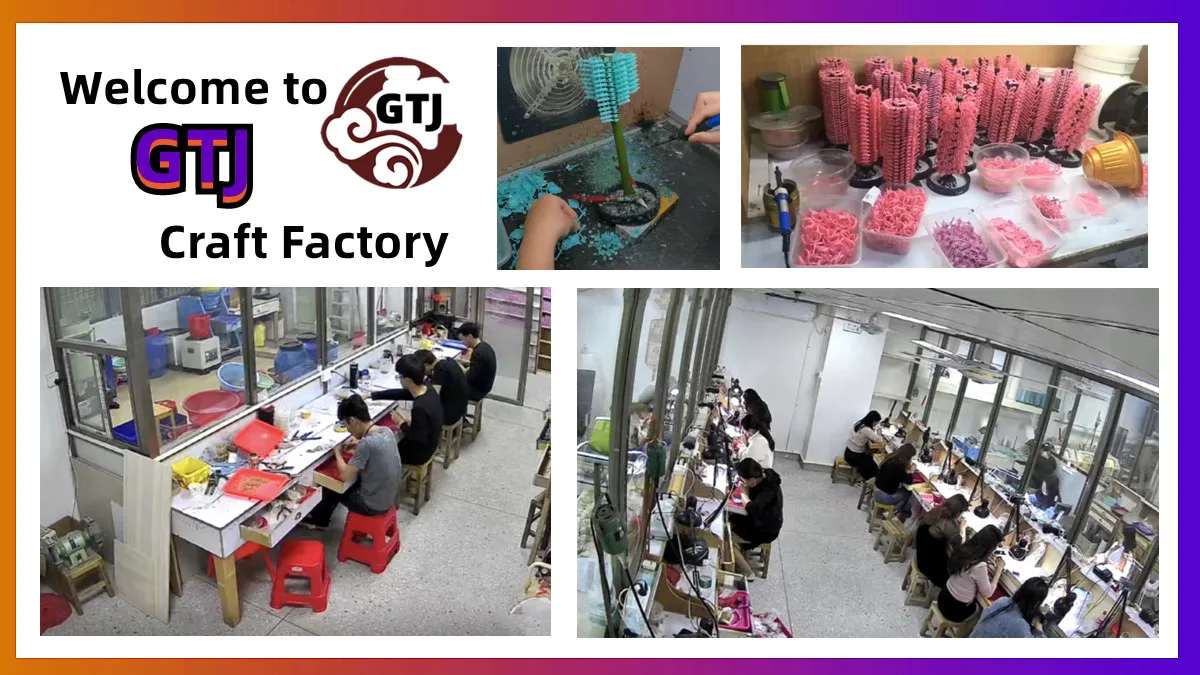
Haifeng Meilong Gutongji Craft Factory
- Manufacturer, Trading Company
- Guangdong, China
- Lead time7 days
- Avg. response≤ 2h
Main productsmetal craft,key rings/chains,home furnishing,Lighters and smoking utensils,Brass statue
Main marketsSoutheast Asia(30.00%), Domestic Market(30.00%), Eastern Asia(10.00%), South Asia(10.00%), North America(5.00%), Mid East(5.00%), South America(2.00%), Central America(2.00%), Oceania(1.00%), Eastern Europe(1.00%), Southern Europe(1.00%), Northern Europe(1.00%), Africa(1.00%), Western Europe(1.00%)
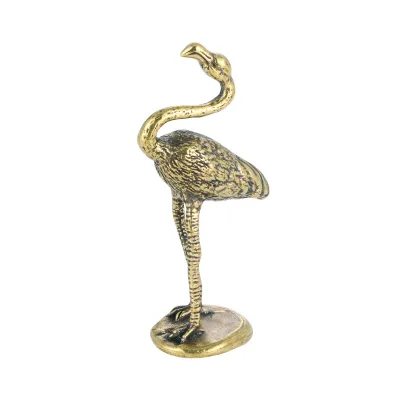
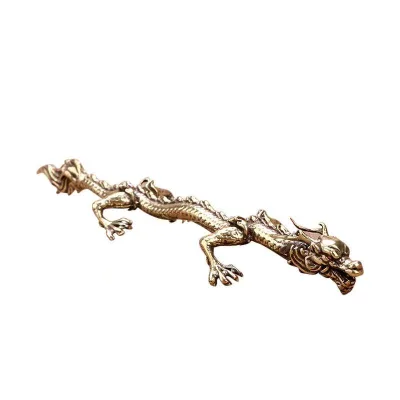
Factory Price Copper Crafts Tea Pet Simulation Brass Chinese Dragon Ornaments
$3.30 - $3.59
MOQ: 6 pieces
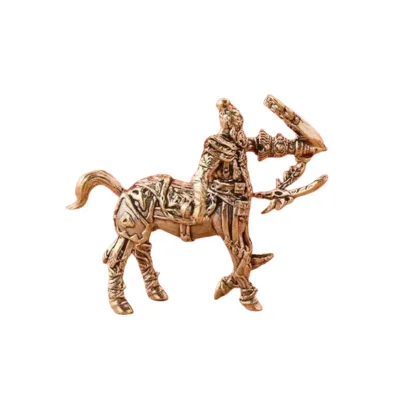
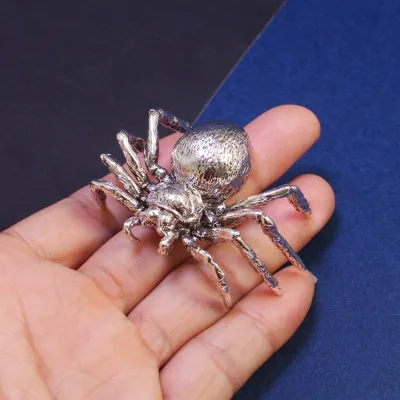
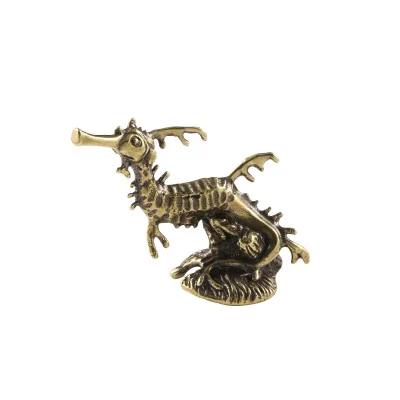
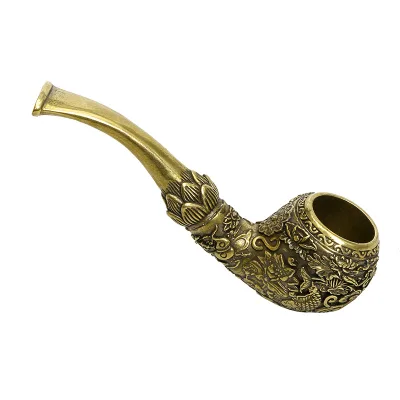
Wholesale Antique Copper Yearly Fish Pipe Metal Brass Carving and Casting Crafts Ornament Collection
$4.43 - $4.86
MOQ: 10 pieces
NANTONG WELLSING TRADE CO., LTD.
- Trading Company
- China Jiangsu
- Lead time45 days
- Avg. response≤ 25h
Main productsHardware, Handtool, Lock, Screwdriver, Hinges, Bolt, Drawer Lock, Plier, Padlock, Scraper
Main marketsSouth America,Southeast Asia/ Mideast,North America
Baoding Xinlongtongda Trade Co., Ltd.
- Trading Company
- China Hebei
- Lead time30 days
- Avg. response≤ 12h
Main productsInvestment Casting, Sand Casting, Die Casting, Lost Wax Casting, CNC Machining, Ratchet Tie Down, Precision Casting, Forging, Stamping Parts, Steel Casting
Main marketsDomestic,Europe,North America

Deqing Lizheng Metal Works Co., Ltd.
- Verified by SGS
- Combined
- China Zhejiang
- Lead time15 days
- Avg. response≤ 5h
Main productsWelding, Sheet Metal Fabrication, Medical Equipment Parts, Metal Casting, Fasteners
Main marketsDomestic

Qingdao Haozhifeng Machinery Co., Ltd.
- Trading Company
- China Shandong
- Lead time30 days
- Avg. response≤ 4h
Main productsForging Part, Aluminium Casting, Precision Casting, Auto Part, Machining Part, Trailer Part, CNC Machining, Stamping Part, Investment Casting, Torque Rod
Main marketsNorth America
- Combined
- China Guangdong
- Lead time45 days
- Avg. response≤ 1h
Main productsResin Craft, Baby Doll, Christmas Tree, Christmas Wreath, Christmas Garland, Christmas Decoration, Artificial Flower, Artificial Plant, Artificial Tree, Christmas Ornaments
Main marketsSouth America,Europe,North America
Zhengzhou Millie Arts & Crafts Co., Ltd.
- Verified by TUVRHEINLAND
- Trading Company
- China Henan
- Lead time45 days
- Avg. response≤ 3h
Main productsBronze Sculpture, Marble Sculpture, Stainless Steel Sculpture, Sculpture, Marble Fountain, Marble Gazebo, Bronze Fountain, Iron Gazebo, Landscape Sculpture, Bronze Animal Sculpture
Main marketsNorth America


Metal Craft Figurines Life Size Outdoor Military Casting Bronze Figures Statues
$2588.00 - $6899.00
MOQ: 1 Pieces

Hebei Mingda International Trading Co., Ltd.
- Verified by CTI
- Trading Company,Manufacturer/Factory
- China Hebei
- Lead time15 days
- Avg. response≤ 18h
Main productsIron Casting, Steel Casting, Aluminum Casting, Precision Casting, Machining Part, Valve Part, Manhole Cover, Flange, Forging Part, Pipe Fitting
Main marketsSouth America,Eastern Europe,Mid East,North America,Southeast Asia,Eastern Asia,Oceania,Western Europe,Africa

Ningbo Gambo Precision Machinery Co., Ltd.
- Verified by BV
- Combined
- China Zhejiang
- Lead time30 days
- Avg. response≤ 2h
Main productsCasting Parts, Machining Parts, Sheet Metal Fabricate, Auto Parts
Main marketsEurope,North America


Custom Casting Service High Precision Brass Sand Casting Sand Casting Mold
$10.00 - $30.00
MOQ: 100 Pieces

Precision Cast Flange Mechanical Accessories Brass Casting Parts Casting Processing Service
$5.00 - $10.00
MOQ: 100 Pieces

Good Quality Customized Precision Brass Investment Casting for Casting Parts
$10.00 - $15.00
MOQ: 50 Pieces
Wuxi Eternal Bliss Alloy Casting & Forging Co., Ltd.
- Verified by BV
- Trading Company
- China Jiangsu
- Lead time23 days
- Avg. response≤ 3h
Main productsCasting, Forging, Machine, Aluminium Casting, Cobalt Casting, Bronze Casting
Main marketsSouth America,Africa,Southeast Asia/ Mideast,East Asia(Japan/ South Korea),Domestic,Europe,Australia,North America

Custom Copper Brass Investment Casting Lost Wax Cast as Per Your Drawings
$10.00 - $48.00
MOQ: 50 Pieces

Tianjin Esing Arts Gallery Co., Ltd.
- Verified by SGS
- Trading Company
- China Tianjin
- Lead time60 days
- Avg. response≤ 3h
Main productsMarble Statue, Stone Fountain, Marble Fireplace, Bronze Sculpture, Marble Flowerpot, Stainless Steel Sculpture, Cast Iron Bench, Cast Iron Flowerpot, Marble Sculpture, Stone Statue
Main marketsEurope,Australia,North America

Handmade Cast Bronze Copper Hand Brass Sculptures with Indoor Decorative Ornaments Placed on Tables
$100.00 - $2000.00
MOQ: 1 Pieces

Customized Design Bronze Casting Figure Bust Statue Metal Brass Bronze Lady Bust for Sale
$800.00 - $3500.00
MOQ: 1 Pieces
- Manufacturer/Factory
- China Beijing
- Lead time60 days
- Avg. response≤ 1h
Main productsStainless Steel Sculpture, Bronze Sculpture, Metal Facade, Stainless Steel Statue, Stainless Steel Architectural Sculpture, Steel Artwork, Bronze Statue, Bronze Buddha, Metal Sculptures, Casting Metal Sculptures
Main marketsSouth America,Eastern Europe,Mid East,North America,Southeast Asia,Eastern Asia,Oceania,Western Europe,Africa
Dalian King Choice International Trading Co., Ltd.
- Trading Company
- Liaoning, China
- Lead time25 days
- Avg. response≤ 11h
Main productsMetal Accessories,Metal handicrafts,Metal jewelry,Metal decoration,Other decorations
Main marketsNorth America(75.00%), South America(10.00%), Domestic Market(5.00%), Western Europe(5.00%), Eastern Europe(5.00%)
Zhengzhou Relong Arts & Crafts Co., Ltd.
- Trading Company
- China Henan
- Lead time60 days
- Avg. response≤ 2h
Main productsBronze Sculpture, Marble Sculpture, Stainless Steel Sculpture, Marble Fountain, Marble Gazebo, Iron Gazebo, Landmark Sculpture, Stone Sculpture, Bronze Animal Sculpture, Bronze Fountain
Main marketsEurope,Australia,North America

High Quality 8 Piece Bronze Horse Statue Outdoor Brass Casting Horse Sculpture
$780.00 - $3980.00
MOQ: 1 Pieces

Chinese Supplier Outdoor Large Brass Casting Bell Religious Bronze Bell for Church Temple
$500.00 - $3800.00
MOQ: 1 Pieces

Factory Price Antique Brass Casting Bell for Sale Outdoor Metal Bronze Bell for Sale
$500.00 - $3800.00
MOQ: 1 Pieces


Guangdong Hong Fu Xin Precision Technology Co.,ltd
- Verified by BV
- Combined
- China Guangdong
- Lead time15 days
- Avg. response≤ 7h
Main productsCasting Parts, Die Casting, Radiator, Casting, Furniture Hardware, LED Lighting Shell, Electronic Accessiores, Auto Parts, Die Casting Kichten, Industrial High Bay
Main marketsDomestic
Ningbo Yinzhou Hisea Machinery Co., Ltd.
- Manufacturer/Factory
- China Zhejiang
- Lead time23 days
- Avg. response≤ 1h
Main productsCNC Machining Parts, Investment Casting Parts, Stamping, Forging, Welding Service, Metal Fabricating Service, Laser Cutting Service, Die Casting, Metal Deep Drawn, Stainless Steel Accessories
Main marketsSouth America,Eastern Europe,Mid East,North America,Southeast Asia,Eastern Asia,Oceania,Western Europe,Africa
Lutou Technology (Shenzhen) Co., Ltd.
- Manufacturer/Factory,Group Corporation
- China Guangdong
- Lead time15 days
- Avg. response≤ 8h
Main productsOutdoor Low Voltage Brass Landscape Light, MR16/PAR36/MR11/Mr8 LED Bulb, Lower Voltage Transformer, Brass Low Voltage Landscape Lighting, Path Light /Spotlight/ Flood Light /Wall Light, Hardscape Light/Deck Light/Step Light and etc, in-Ground Light/Hanging Light/Underwater Light, Smart LED Lamps, Holiday Lights/Direct Burial Cables, Accessories
Main marketsMid East,North America,Oceania

Taizhou Jiaxin Metals Co., Ltd.
- Verified by SGS
- Manufacturer/Factory,Group Corporation
- China Zhejiang
- Lead time30 days
- Avg. response≤ 7h
Main productsBathtub Drain Kit, Manifold, Ball Valve, Plumbing Fitting, Check Valve, Brass Valve, Bathtub Drain Stopper, Radiator, Basin Waste, Siphon
Main marketsSouth America,Eastern Europe,Mid East,North America,Eastern Asia,Oceania,Western Europe,Africa

NINGBO STANDARD IMPORT & EXPORT CO., LTD
- Trading Company,Manufacturer/Factory,Group Corporation
- China Zhejiang
- Lead time23 days
- Avg. response≤ 16h
Main productsPex-Al-Pex Pipe, Pipe Fitting, Brass Fitting, Pex Pipe, Gas Fitting, PPR Insert, Screw Thread Fitting, Press Fitting, Compression Fitting, Valve
Main marketsSouth America,Eastern Europe,Mid East,North America,Southeast Asia,Eastern Asia,Oceania,Western Europe,Africa

Wholesale Customized Casting Parts High-Quality Brass Copper Fittings Connecting
$0.10 - $0.19
MOQ: 500 Pieces


Ningbo Yinzhou Plumbing Hardware Co., Ltd.
- Verified by BV
- Manufacturer/Factory
- China Zhejiang
- Lead time30 days
- Avg. response≤ 3h
Main productsBrass Valves, Brass Fitting, Water Meter Parts, Lead Free Plumbing, Fire Hydrant Valves, PPR Insert, Brass Gas Valves, Bronze Valves, Bronze Fittings, Brass Bibcock
Main marketsSouth America,Eastern Europe,Mid East,North America,Southeast Asia,Eastern Asia,Oceania,Western Europe,Africa

Zhongshan Artigifts Premium Metal & Plastic Co., Ltd.
- Verified by BV
- Combined
- China Guangdong
- Lead time15 days
- Avg. response≤ 3h
Main productsPin, Key Chain, Label, Coin, Lanyard, Purse Hanger, PVC Key Holder, Button Badge, Trolley Coin, Medal
Main marketsSouth America,Africa,Others(foreignTradeCapacity.exportBusinessCapacityMarketOther),Southeast Asia/ Mideast,East Asia(Japan/ South Korea),Europe,Australia,North America

Zhejiang Italy Copper Industry Co., Ltd.
- Verified by BV
- Combined
- China Zhejiang
- Lead time30 days
- Avg. response≤ 17h
Main productsValve, Bibcock, Check Valve, Pipe Fittings, Gate Valve, Angle Valve, Radiator Valve, Float Valve, Globe Valve, Compression Fittings
Main marketsEurope

Quyang Zhongou Yishu Marble Sculpture Manufactory
- Verified by TUVRHEINLAND
- Combined
- China Hebei
- Lead time30 days
- Avg. response≤ 5h
Main productsStatue, Fireplace, Sculpture, Fountain, Gazebo, Animal Statue, Column, Urn, Tombstone & Monument, Kitchen Hood
Main marketsDomestic

- Verified by TUVRHEINLAND
- Manufacturer/Factory
- China Zhejiang
- Lead time45 days
- Avg. response≤ 7h
Main productsBrass Ball Valve, Bronze Ball Valve, Water Meter Valve, Pipe Fittings, Radiator Valve, Brass Bibcock, PPR Fittings, Gate Valve, Check Valve, Angle Valve
Main marketsSouth America,Eastern Europe,Mid East,North America,Southeast Asia,Oceania,Western Europe

- Verified by TUVRHEINLAND
- Trading Company,Manufacturer/Factory
- China Shandong
- Lead time30 days
- Avg. response≤ 3h
Main productsCNC Machining, Machining Parts, Brass Forging Parts, Aluminum Forging Parts, Precision Parts, Forging and Machining Parts, Die Casting Parts, CNC Machining Parts, Turn Parts
Main marketsEastern Europe,Mid East,North America,Oceania,Western Europe




Comprehensive Sourcing Guide
Casting Brass Ornaments Supplier Concentration and Factory Types
Suppliers for Casting Brass Ornaments fall into two broad groups that behave very differently in practice. The first group consists of casting factories, such as manufacturers based in Shandong, China, whose main products cover sand casting, investment casting, die casting, forging and CNC machining parts. These factories typically work to engineering drawings, offer OEM and ODM capability, and hold system certifications such as ISO 9001, with some verified by third-party inspection bodies. They suit buyers who need custom investment casting in brass, bronze or copper alloys for machinery parts, valve bodies or technically demanding components where tolerance grade and surface roughness specifications matter.
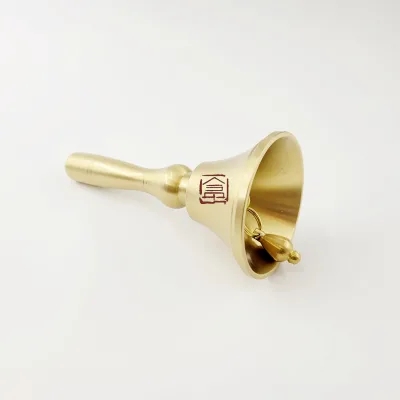
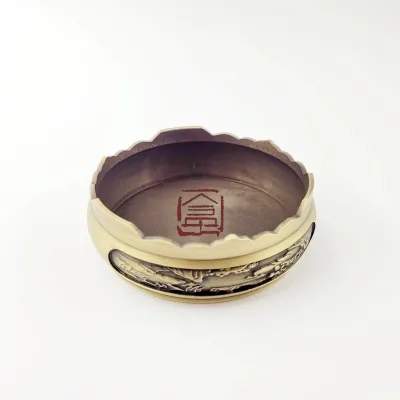
The second group consists of craft-oriented producers, concentrated in locations such as Guangdong, China, where main products include metal crafts, brass statues, ornaments and decorative items. Some operate as a hybrid manufacturer and trading company, which affects pricing transparency and quality control since production may be subcontracted. Their listings emphasize finished ornaments such as decorative animal figures and antique-finish pieces, with customization of logos and plating often accepted. When identifying clusters on your own, examine where listed factories concentrate geographically, which casting processes dominate their product catalogs, and whether product origin attributes consistently point to one province or region. Match the factory type to your need: engineering foundries for functional castings, craft workshops for decorative volume, and hybrid trading companies only when you verify who actually pours the metal.
How to Verify Casting Brass Ornaments Suppliers
Verification begins with the credentials a supplier displays and ends with evidence you request yourself. Check whether the company type is listed as a manufacturer or factory versus a trading company, because this determines whether you can audit the casting line directly. Confirm system certifications such as ISO 9001 and note whether an independent verification mark, such as a TUV Rheinland badge, appears on the profile; these are displayed attributes, not universal guarantees, so absence does not disqualify a supplier but should prompt deeper questioning. For craft suppliers, review product attributes like material, plating finish, technique and place of origin to confirm the ornaments are genuinely cast brass rather than plated substitutes.
Then request process-level proof tied to your product. Ask for the specific casting method used for your design, whether investment casting, sand casting or a vacuum-based process, and confirm machining and surface preparation steps such as polishing or spray coating. For technical parts, ask how tolerance grade and surface roughness targets like Ra1.6 will be measured, and whether inspection reports accompany shipments. Verify production capacity by asking which machines, such as cold chamber die casting equipment, run in-house versus outsourced. Finally, test responsiveness before committing: response time figures such as roughly two hours appear on some profiles, so send a technical question and compare the reply speed and accuracy against the stated average. A supplier that answers specification questions precisely is more reliable than one that only quotes prices quickly.
What to Compare Across Casting Brass Ornaments Suppliers
Build a comparison table using the dimensions suppliers actually display, then fill gaps through direct questioning. Lead time is one of the most revealing figures: craft ornament suppliers in Guangdong may quote around seven days, and individual listings can show three to seven days, while industrial casting factories may quote around sixty days, with specific products showing thirty to thirty-five days. A difference of that scale changes your entire inventory plan, so record lead time per product, not per supplier. Compare minimum order quantities with equal care, since they range from single digits for finished decorative pieces to hundreds for custom castings.
Also compare response speed, location, company type and main products side by side. A factory listing casting, machining and forging among main products signals broader in-house capability than one listing only ornaments. Note whether customization, OEM or ODM is offered, and whether product attributes specify material, casting process, machining, standard and packaging. Price ranges deserve attention but only alongside specifications: a quote without stated alloy, process, finish and tolerance is not comparable to one that specifies all four. Verify whether escrow or secure payment options are available on the platform you use, since this is displayed per supplier rather than guaranteed across all. Finally, compare establishment year where shown, as longevity correlates with stability, though newer craft sellers may still outperform on design freshness. Rank suppliers on specification completeness first, commercial terms second.
Common Casting Brass Ornaments Sourcing Risks
The most frequent risk is specification drift between the sample and production runs. With decorative ornaments, buyers approve an antique plating or patina finish, then receive later batches with a different tone because the supplier changed the plating bath or polishing step. With functional brass castings, porosity, surface roughness and dimensional deviations appear when a factory shifts between casting methods or outsources machining. Protect yourself by pinning every attribute in writing: alloy composition, casting process, surface preparation, packaging format and, for technical parts, the governing standard such as ASTM.
A second risk cluster involves identity and logistics. Hybrid manufacturer-trading companies may not disclose the actual producing workshop, leaving you unable to audit quality at its source. Some product listings contain generic or contradictory attribute text, such as vague size and weight descriptions, which signals weak internal documentation; demand a dimensioned drawing and a signed sample before deposit. Lead time slippage is common on custom investment castings, where mold-making sits on the critical path, so build buffer into your schedule rather than trusting the quoted figure alone. Low MOQ craft listings can also mask inconsistent casting quality across small batches, since each pour is effectively a new production run. Finally, do not assume certifications cover your specific product line; an ISO 9001 system certificate does not automatically extend to every workshop handling your order. Ask which certificate scope applies to your items and request the certificate number so you can validate it independently before wiring funds.
Casting Brass Ornaments Regional Sourcing and Logistics
Regional sourcing follows the split between industrial castings and decorative crafts. Shandong, China appears in supplier results as a base for casting and forging factories producing sand castings, investment castings, die castings, iron and steel castings and machined parts, with at least one product origin listed as Shandong. This region suits buyers sourcing functional brass, bronze or copper alloy components where machining, tolerance control and certification matter more than decorative finish. Guangdong, China, by contrast, appears as a base for craft producers of metal ornaments, statues and decorative items, with product origins listed there as well, making it a natural first search region for finished decorative volume orders.
Logistics planning should reflect these different product profiles. Ornament shipments are light per unit, with single gross weights in the tens of grams and small packaging dimensions, so air freight or express couriers are viable for samples and small repeat orders, while sea freight consolidations suit larger decorative runs. Industrial castings are heavier and often packed in cartons on pallets, favoring sea freight and longer planning horizons. Match packing specifications to transit mode: confirm carton dimensions, pallet configuration and whether polishing-sensitive surfaces need individual wrapping. When evaluating any region not covered by verified data here, map supplier density yourself by filtering search results by province and checking whether origin attributes cluster consistently, since cluster strength usually predicts supporting services such as local plating, polishing and freight forwarders.
Casting Brass Ornaments Commercial Terms and Order Planning
Commercial terms should be negotiated against the two very different order structures this category produces. Craft ornament orders often start with a minimal commitment, with observed MOQs as low as six or twelve pieces and unit prices in the low single digits, making pilot orders inexpensive. Industrial casting orders carry higher unit prices, observed examples ranging roughly from six to over ten dollars per piece, and MOQs from one hundred to five hundred pieces depending on the product. Plan a first order that tests the supplier without overcommitting: order the minimum quantity of your chosen design, specify the packing format such as carton box plus pallet, and agree on payment terms that keep a meaningful balance outstanding until goods pass inspection.
Order planning must respect the lead time spread. Craft repeats may turn around in roughly a week, enabling frequent small replenishments, while custom castings require around thirty to sixty days including mold preparation, so lock production slots early and schedule quality inspection before shipment rather than after arrival. Confirm who owns tooling for investment casting molds and whether reorders incur new mold fees. Record model numbers, agreed standards and customization scope in the purchase contract, and define acceptable variation for hand-finished decorative surfaces in writing. Finally, reconfirm prices at reorder, since alloy costs move and quoted ranges may not hold between orders; a stable supplier relationship should still produce transparent price adjustments rather than silent changes.
FAQs
What MOQs apply to custom Casting Brass Ornaments?
Minimum order quantities vary widely by product type. Decorative brass ornaments such as small figurines are commonly listed with MOQs as low as 6 to 12 pieces, while industrial brass and bronze castings like valve bodies often require 100 to 500 pieces. Always confirm the MOQ for your specific design before requesting a quote, since custom tooling can change it.
How long do brass ornament suppliers typically take to deliver?
Lead times depend on order size and customization. Some listings for small brass decorative crafts show delivery in roughly 3 to 7 days, while a 60-day lead time appears for heavier industrial castings and one brass casting product lists 30 to 35 days. Ask suppliers to separate production time from shipping and confirm both in writing before placing an order.
Which certifications should I check for a brass casting supplier?
ISO 9001 certification is a common quality-management credential among listed brass and bronze casting suppliers, and some suppliers carry third-party verification from TUV Rheinland. Certification alone does not prove product quality, so also request material test reports, sample castings, and details of the inspection steps used before shipment, especially for machinery parts with defined tolerance grades.
Can brass ornament suppliers produce custom designs with my logo?
Many suppliers accept customization. Several listings state that OEM and ODM services are available, and craft listings note that logos and custom designs are accepted. Custom work usually depends on the technique involved, since casting-based reproduction suits sculptural shapes while embossing or plating handles surface branding. Provide drawings or samples early so the supplier can confirm feasibility and tooling cost.
Where are most casting brass ornament suppliers located?
The suppliers shown on this page are based in China, with manufacturing concentrated in Guangdong and Shandong provinces. Guangdong listings lean toward decorative metal crafts such as statues and ornaments, while Shandong suppliers focus on industrial sand, investment, and die casting. Location affects shipping time and cost, so compare ports and freight options alongside product fit.
What surface finishes and tolerances are available on brass castings?
Listed options include polishing, spray coating, and antique brass plating, with one valve body casting showing a surface roughness of Ra1.6 and a tolerance grade of 5. Finishing choice affects both appearance and price, so decide whether you need a decorative antique look or a precision-machined surface. Request samples of each finish before approving bulk production.