Casserole Suppliers and Manufacturers in China
Compare 18 verified suppliers of Casserole cookware based on location, lead times, certifications, and response times. Review product specifications like capacity and coating to find the right factory for your needs; review the available evidence before requesting comparable quotations from suitable candidates.
Suppliers List

Hebei Bigking Cookware Co., Ltd.
- Manufacturer/Factory
- China Hebei
- Lead time23 days
- Avg. response≤ 25h
Main productsCast Iron Cookware, Cast Iron Dutch Oven, Cast Iron Skillet, Cast Iron Grill Pan, Cast Iron Casserole, Cast Iron Oven Dish, BBQ, Fondue Set, Teapot, Frying Pan
Main marketsSouth America,Eastern Europe,North America,Western Europe


Metal Casserole High Gloss Cast Iron Kitchen Cooking Casserole with Enamel Coating
$5.80 - $7.00
Moq: 500


ZHOUKOU BEST KITCHENWARE CO., LTD.
- Verified by TUVRHEINLAND
- Trading Company
- China Henan
- Lead time15 days
- Avg. response≤ 8h
Main productsEnamelware, Enamel Mug, Enamel Casserole, Enamel Storage Bowl, Enamel Kettle, Enamel Basin, Round Tray, Cup, Enamel Pot, Enamel Plate
Main marketsAfrica,Europe

Zibo Timestone International Co., Ltd.
- Manufacturer/Factory
- China Shandong
- Lead time45 days
- Avg. response≤ 14h
Main productsCeramic Dinnerware, Ceramic Mugs, Stainless Steel Bottles Mugs and Tumblers, Glass Bottles Mugs and Tumblers, Dinnerware, Tableware, Glassware, Kitchenware, Household Items, Ceramic Granding Balls and Filters
Main marketsSouth America,Eastern Europe,Mid East,North America,Southeast Asia,Eastern Asia,Oceania,Western Europe,Africa

Jiangmen Ruida Metal Products Co., Ltd.
- Verified by BV
- Combined
- China Guangdong
- Lead time30 days
- Avg. response≤ 5h
Main productsCookware, Cutlery Set, Tools, Flatware Set, Cookware Set, Kitchenware Set, Kitchenware, Cutlery, Dinnerware Set, Tableware
Main marketsNorth America


Hot Selling Colorful Cooking Pot Set Stainless Steel Casserole with Different Size
$6.50 - $26.90
Moq: 1000


Jiangmen Ruida Houseware Co., Ltd.
- Verified by TUVRHEINLAND
- Trading Company,Manufacturer/Factory
- China Guangdong
- Lead time60 days
- Avg. response≤ 8h
Main productsCookware, Stainless Steel Kettle, Stainless Steel Cookware, Kettle, Tableware, Kitchenware, Cooker, 30PCS Stainless Steel Cookware, Utensil, Cooking Pot
Main marketsSouth America,Eastern Europe,Mid East,North America,Southeast Asia,Eastern Asia,Oceania,Western Europe,Africa


Hot Sale Manufacturer Kitchen Cooking Pots Stainless Steel Cookware Casserole
$6.50 - $26.90
Moq: 1000


- Verified by TUVRHEINLAND
- Trading Company
- China Zhejiang
- Lead time15 days
- Avg. response≤ 5h
Main productsHome, Kitchen, Outdoors, Garden, Sports, Travel, Pet Supplies
Main marketsNorth America

Eagle Catering Equipment Co., Ltd.
- Manufacturer/Factory
- China Guangdong
- Lead time30 days
- Avg. response≤ 7h
Main productsTrolleys, Gastronorm Containers, Table, Shelves, Sink, Barrier Post, Cookware, Buffetware, Barware, Kitchen Utensils
Main marketsSouth America,Eastern Europe,Mid East,North America,Southeast Asia,Eastern Asia,Oceania,Western Europe,Africa

Xingtai Huaiyang Enamel Co., Ltd
- Verified by SGS
- Trading Company
- China Hebei
- Lead time30 days
- Avg. response≤ 1h
Main productsCast Iron Cookware, Enamel Casserole, Cast Iron Dutch Oven, Cast Iron Skillet, Cast Iron Casserole, Cast Iron Fry Pan, Cast Iron Fondue Set, Cast Iron Pissa Pan, Cast Iron Pot, CAS Iron Griddle
Main marketsDomestic

Linyi Feifan Imp. & Exp. Co., Ltd.
- Verified by TUVRHEINLAND
- Trading Company
- China Shandong
- Lead time30 days
- Avg. response≤ 12h
Main productsEnamel Mug/Cup, Enamel Bowl, Enamel Basin, Enamel Plate/Tray/Kettle, Enamel Casserole/Pot, Enamel Bucket, Safety Shoe/Boot, Safety Gloves
Main marketsSoutheast Asia/ Mideast,Domestic
Zhejiang Camry Kitchenware Co., Ltd.
- Verified by TüVRheinland
- Manufacturer, Trading Company
- Lead time40 days
Main productsNonstick Aluminum Kitchenware, Nonstick Carbon Steel Kitchenware
Main marketsNorth America(50%), South America(15%), Eastern Europe(10%)
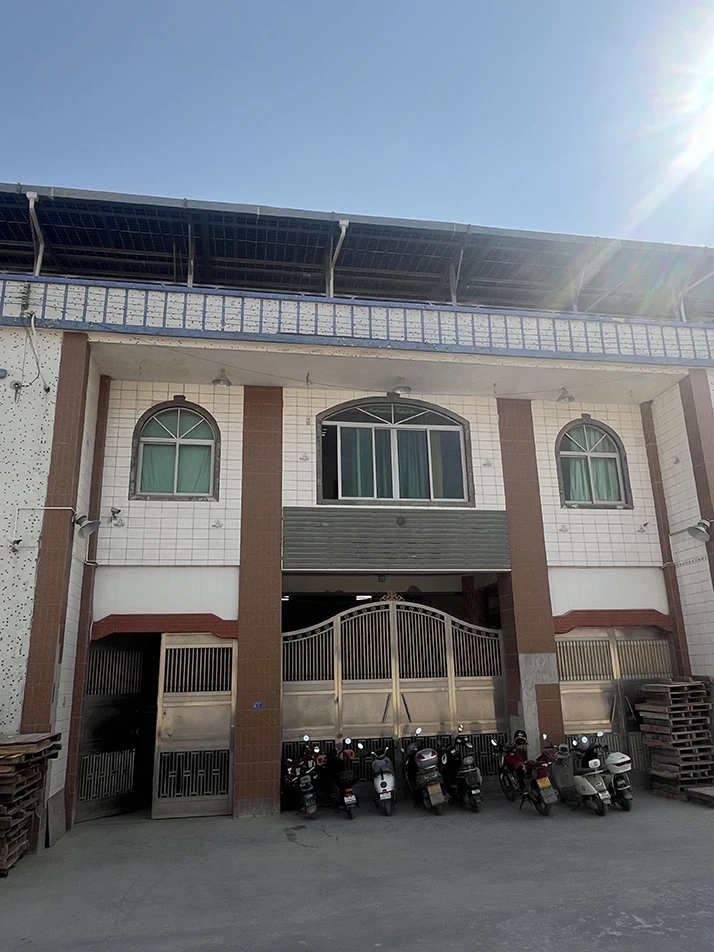
Xiamen Jozing Industrial Co., Ltd.
- Manufacturer, Trading Company
- Fujian, China
- Lead time15 days
- Avg. response≤ 2h
Main productsCeramic Sale by ton,Jozing Cheap Stock,Jozing Stock Ceramic Dinnerware Set,Ceramic Stock Tableware Sell By Ton,Cheapest Mugs Cups Stock By Ton
Main marketsNorth America(37.0%), Northern Europe(32.0%), Southeast Asia(10.0%), Oceania(8.0%), Southern Europe(6.0%), Eastern Europe(3.0%), South America(3.0%), Domestic Market(1.0%)
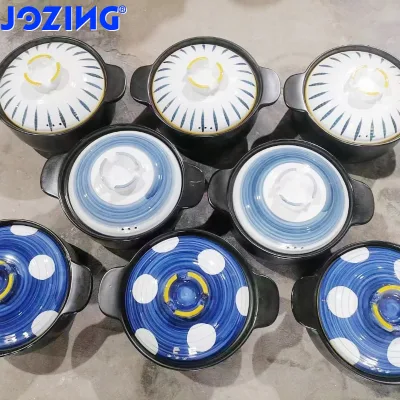
Factory Price Nordic Style Ceramic Casserole With Pot Cover Bulk Stock Casseroles
$5.14 - $8.23
Moq: 100

Hebei Shangqiao Imp. & Exp. Co., Ltd.
- Verified by SGS
- Trading Company
- China Hebei
- Lead time30 days
- Avg. response≤ 16h
Main marketsEurope,North America
Hebei Shangqiao Imp.& Exp. Co., Ltd.
- Verified by SGS Group
- Trading Company
- Lead time45 days
Main productsCast Iron Skillet, Cast Iron Casserole, Cast Iron Dutch Oven, Granite Mortar And Pestle, Cast Iron Griddle
Main marketsNorth America(30%), Eastern Europe(20%), Western Europe(20%)
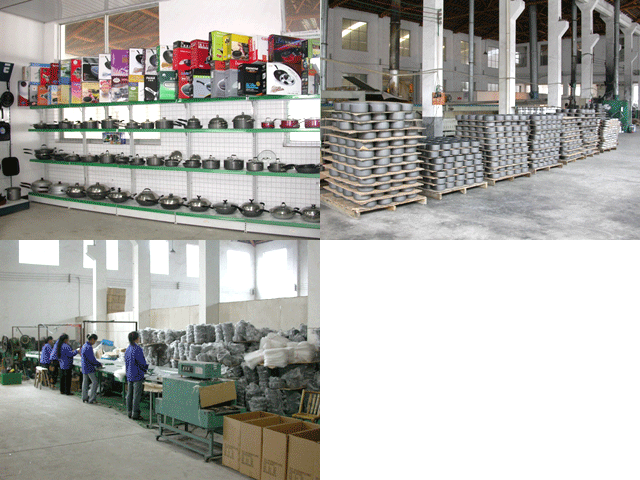
Wuyi Huakang Electric Appliance Co., Ltd.
- Manufacturer, Trading Company
- Zhejiang, China
- Lead time0 days
- Avg. response≤ 2h
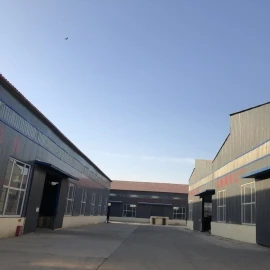
Main productsCookware,fry pans,sauce pots,milk pots,casserole
Main marketsWestern Europe(11.11%), Eastern Asia(11.11%), Mid East(11.11%), Oceania(11.11%), Africa(11.11%), Southeast Asia(11.11%), Eastern Europe(11.11%), South America(11.11%), North America(11.11%)
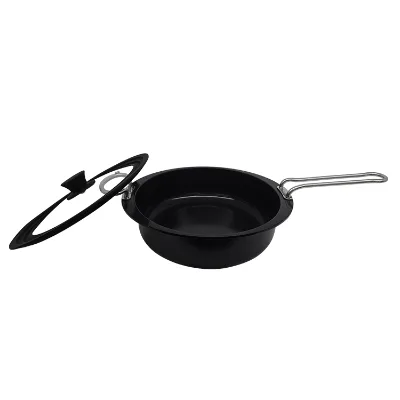
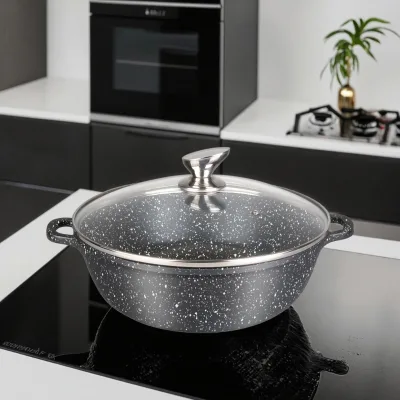
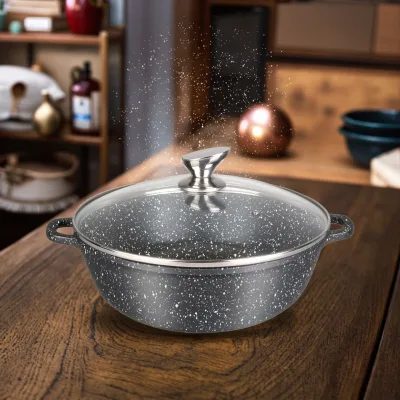
Kitchen Cooking Classic Black Metal Shallow Casserole with Lid Casserole and Shallow
$10.30 - $11.33
Moq: 100
Hebei Langju Trading Co., Ltd.
- Trading Company
- Hebei, China
- Lead time60 days
- Avg. response≤ 11h
Main productscast iron fry pan,cast iron dutch oven,cast iron casserole,cast iron skillet,cast iron griddle pan
Main marketsNorth America(30.0%), Western Europe(25.0%), Domestic Market(10.0%), Oceania(10.0%), Africa(10.0%), Eastern Europe(10.0%), South America(5.0%)
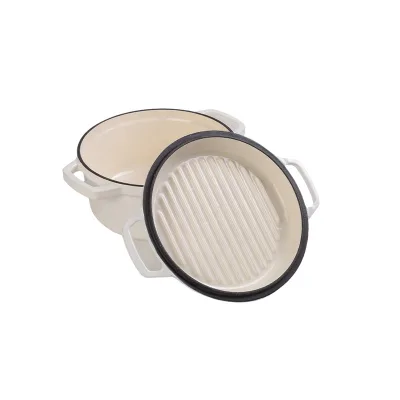
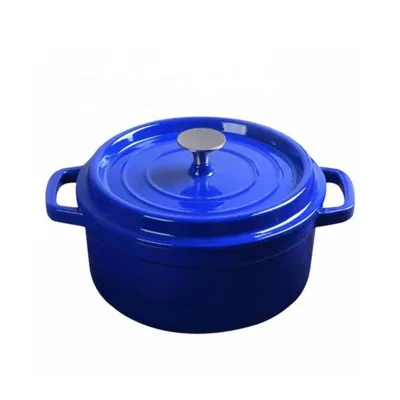
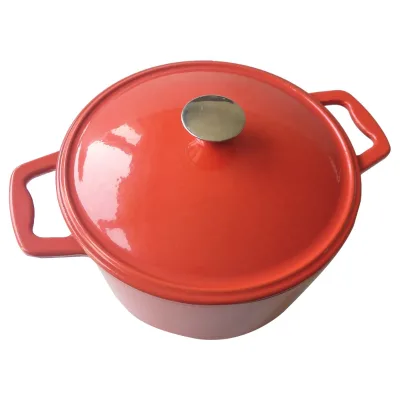
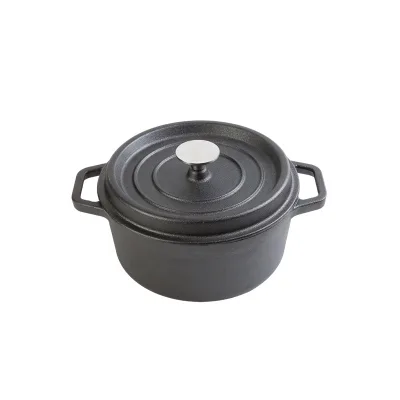
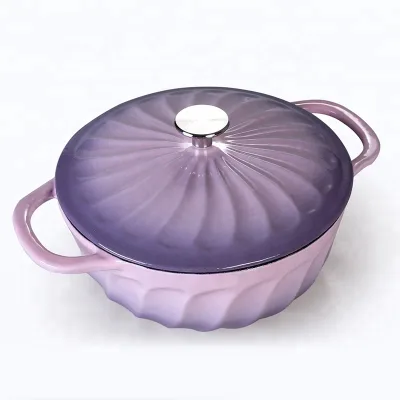
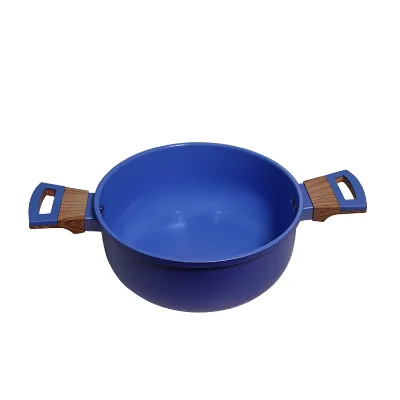
Enamel Cast Iron Reoona Casserole Biryani Cooking Pot
$17.30 - $18.20
Yiwu Haoda Import And Export Co., Ltd.
- Trading Company
- Zhejiang, China
- Lead time30 days
- Avg. response≤ 6h
Main productsEnamel Casserole/Enamel finger bowl, Food warmer/Vacuum flask/Plastic Box/Kettle
Main marketsNorth America(50.0%), Africa(40.0%), Mid East(10.0%)
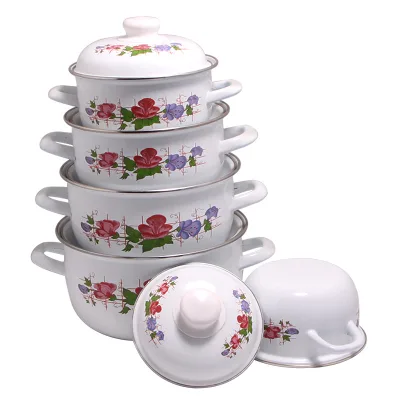
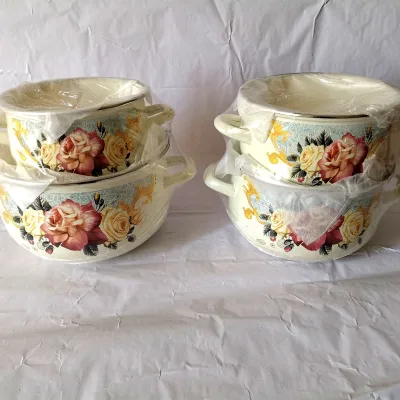
$26.00 - $30.00

Guangzhou Nantian Sources Co., Ltd.
- Manufacturer/Factory
- China Guangdong
- Lead time15 days
- Avg. response≤ 6h
Main productsKitchen Equipment, Kitchenware, Food Machine, Kitchen Appliance, Glassware, Food Machinery, Bakery Equipment, Dinnerware, Kitchen Utensils, Food Processor
Main marketsSouth America,Mid East,Southeast Asia,Eastern Asia,Oceania,Africa
Dongyang Green Leaves Hardware Electrical Appliance Co., Ltd.
- Trading Company
- Zhejiang, China
- Lead time30 days
- Avg. response≤ 7h
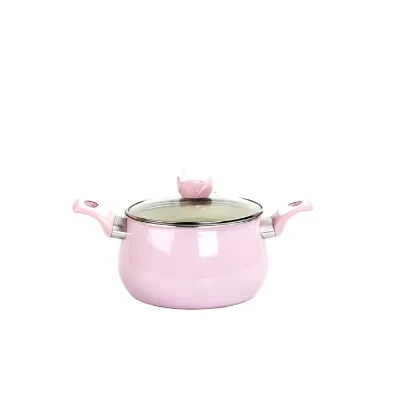
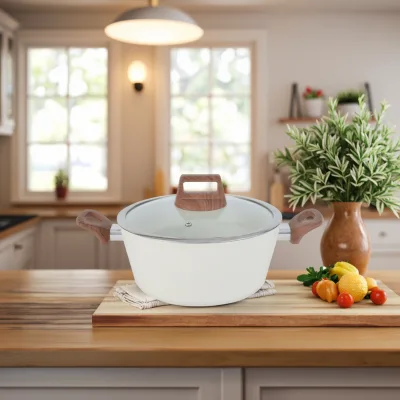
Main productsdie casting casserole,die cating fry pan,sauce pan,elecric skillet,electric hot plate
Main marketsDomestic Market(70.0%), South Asia(10.0%), Mid East(10.0%), South America(10.0%)




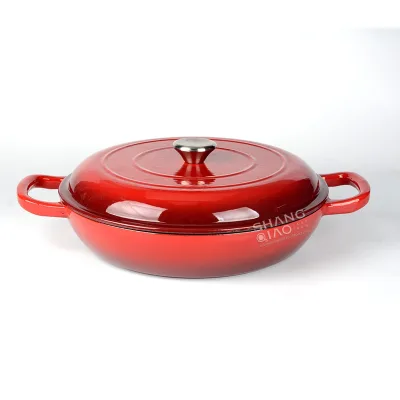
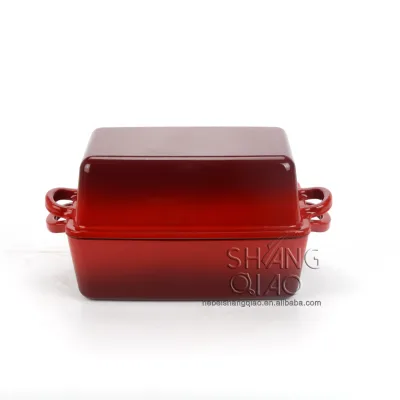


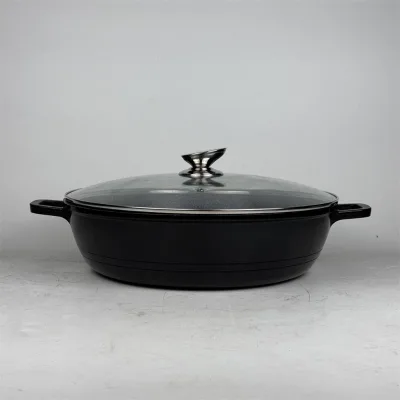
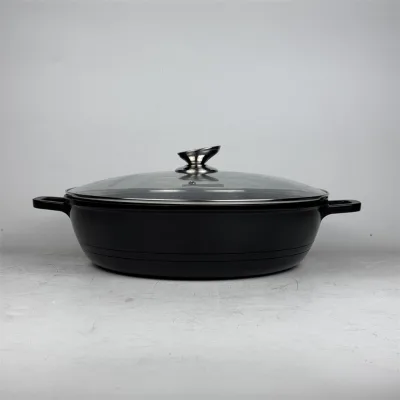
Comprehensive Sourcing Guide
Casserole Supplier Concentration and Factory Types
The current supplier landscape for Casserole cookware reveals a distinct split between manufacturing entities and trading companies, each offering different value propositions for buyers seeking bulk procurement. Evidence indicates that manufacturers are primarily concentrated in China Hebei, a region known for its established industrial base in metal casting and cookware production. These suppliers typically operate as factories with direct control over the production line, allowing for greater flexibility in customization and potentially lower unit costs due to the elimination of intermediary margins. The presence of OEM and ODM capabilities among these Hebei-based manufacturers suggests they are equipped to handle private label projects, custom sizing, and specific design requirements that large retail chains or emerging brands often demand. This structural advantage is critical for buyers who need consistent quality control and the ability to iterate on product designs without the friction of third-party coordination.
In contrast, trading companies located in regions such as China Henan offer a different operational model focused on aggregation and service. These entities often verify their status through third-party inspections, such as TÜV Rheinland, which provides an additional layer of trust for buyers who may not have the resources to conduct on-site factory audits. Trading companies typically manage a broader portfolio of products, including enamelware and various kitchen accessories, which can simplify sourcing for buyers looking to consolidate orders across multiple categories. While they may not own the manufacturing facilities, their role as intermediaries can facilitate smoother communication, especially for buyers unfamiliar with local business practices or language barriers. Understanding this dichotomy between direct factory access and trading company convenience is essential for aligning supplier selection with specific business goals, whether prioritizing cost efficiency or logistical ease.
How to Verify Casserole Suppliers
Verifying the legitimacy and capability of a Casserole supplier requires a multi-layered approach that goes beyond simple profile reviews. Buyers should prioritize suppliers who display robust system certifications such as BSCI, ISO 9001, and SEDEX, as these indicate adherence to international standards for social responsibility and quality management systems. For products intended for export to strict markets, verifying specific product certifications like FDA, LFGB, and CE/EU is non-negotiable. These certifications ensure that the materials used, particularly the enamel coatings and cast iron compositions, meet safety regulations for food contact. Buyers must request valid certificates and cross-reference them with the issuing bodies to prevent the use of forged documents. Additionally, checking for third-party verification badges, such as those from TÜV Rheinland, can provide objective confirmation of a supplier’s business scope and operational history, reducing the risk of engaging with shell companies or fraudulent entities.
Beyond documentation, direct engagement metrics serve as a practical indicator of supplier reliability and responsiveness. A supplier’s response time, often displayed in hours, offers insight into their operational efficiency and customer service commitment. Suppliers with faster response times, such as those under ten hours, are generally more likely to provide timely updates on order status and resolve issues quickly. Buyers should also examine the supplier’s main product focus to ensure they specialize in Casserole cookware rather than offering it as a peripheral item. A focused product line often correlates with deeper expertise in material handling, coating processes, and quality control specific to cast iron and enamel products. Furthermore, verifying the supplier’s company type, whether they are a manufacturer or a trading company, helps buyers set appropriate expectations regarding communication channels, pricing structures, and the level of direct involvement in the production process.
What to Compare Across Casserole Suppliers
When evaluating multiple suppliers, buyers must systematically compare key operational metrics to identify the best fit for their specific needs. Lead time is a critical factor, with some suppliers offering production cycles as short as fifteen days, while others may require up to twenty-three days. This variance can significantly impact inventory planning and time-to-market strategies, especially for seasonal products or urgent restocking needs. Buyers should also scrutinize the Minimum Order Quantity (MOQ) requirements, which can range from five hundred units for certain cast iron items to three thousand units for enamelware products. Lower MOQs are advantageous for startups or those testing new markets, while higher MOQs may offer better unit pricing for established brands with consistent demand. Comparing these thresholds helps buyers align their order volumes with supplier capabilities and financial constraints.
Product specifications and customization options are equally important dimensions for comparison. Buyers should assess the available sizes, capacities, and coating types, such as enamel finishes in various colors or non-stick treatments. The availability of customization, including logo printing, custom packaging, and specific color matching, can be a decisive factor for brand differentiation. Additionally, comparing the packaging standards, such as the use of brown boxes versus color boxes, impacts both product protection and retail presentation. Buyers must also evaluate the price ranges for different product models, noting that prices can vary significantly based on capacity, size, and included accessories like lids. A comprehensive comparison matrix that includes lead time, MOQ, certification status, customization availability, and price points will enable buyers to make data-driven decisions that balance cost, quality, and operational efficiency.
Common Casserole Sourcing Risks
One of the primary risks in sourcing Casserole cookware is the potential mismatch between advertised specifications and actual product quality. Buyers must be vigilant about verifying material compositions, particularly the thickness of the cast iron and the durability of the enamel coating. Poor quality enamel can chip or crack during thermal shock, leading to product failures and customer complaints. Additionally, the risk of non-compliance with safety standards is significant if suppliers fail to provide valid FDA or LFGB certifications. Buyers should insist on pre-shipment inspections or third-party quality control services to verify that the products meet the agreed-upon standards before payment is released. This step is crucial for mitigating the risk of receiving substandard goods that could damage brand reputation and result in costly returns or recalls.
Another common risk involves logistical delays and communication breakdowns, particularly when dealing with trading companies or suppliers in distant regions. Misunderstandings regarding packaging requirements, labeling regulations, or shipping documentation can lead to customs holds or additional fees. Buyers should ensure that all commercial terms, including Incoterms and payment schedules, are clearly defined in the contract to avoid disputes. Furthermore, relying on a single supplier without a backup plan can expose buyers to supply chain disruptions caused by production issues or external factors. Diversifying the supplier base and maintaining open lines of communication can help mitigate these risks. Buyers should also be cautious of suppliers who offer prices significantly below market rates, as this may indicate compromised quality or hidden costs that will emerge later in the procurement process.
Casserole Regional Sourcing and Logistics
Sourcing Casserole cookware from specific regions in China offers distinct logistical advantages and challenges that buyers must consider. Suppliers located in Hebei benefit from a mature industrial ecosystem for cast iron production, which can lead to more efficient manufacturing processes and potentially lower transportation costs for raw materials. However, buyers must account for the distance from major ports, which can impact shipping times and costs. In contrast, suppliers in Henan, such as those in Zhou Kou, may have different logistical profiles, potentially offering faster access to certain transportation networks or specialized handling for enamelware products. Understanding the geographic location of the supplier is essential for calculating accurate landed costs, including freight, insurance, and customs duties. Buyers should work with their freight forwarders to determine the most cost-effective shipping routes based on the supplier’s location and the destination market.
Logistics planning also involves coordinating with suppliers to ensure proper packaging and labeling for international shipping. Cast iron cookware is heavy and bulky, requiring robust packaging to prevent damage during transit. Buyers should verify that suppliers use appropriate packing materials, such as reinforced cartons and protective inserts, to minimize the risk of breakage. Additionally, compliance with destination country labeling requirements, including language-specific instructions and safety warnings, is critical to avoid customs clearance issues. Buyers must ensure that suppliers are aware of these requirements and can provide the necessary documentation, such as certificates of origin and material safety data sheets. Effective logistics management requires close collaboration with suppliers to align production schedules with shipping timelines, ensuring that goods arrive at the destination port in a timely manner to meet market demand.
Casserole Commercial Terms and Order Planning
Effective order planning for Casserole cookware requires careful attention to commercial terms, payment structures, and production timelines. Buyers should negotiate clear payment terms, such as a deposit followed by balance payment upon completion of production or before shipment, to balance risk and cash flow. Utilizing escrow services can provide an additional layer of security by holding funds until the buyer confirms receipt and satisfaction with the goods. It is also important to define the scope of customization and any associated costs upfront to avoid unexpected charges. Buyers should request detailed proforma invoices that itemize product costs, packaging fees, and shipping charges to ensure transparency. Clear communication regarding these terms helps prevent disputes and ensures that both parties have a shared understanding of the transaction.
Production planning must account for lead times and potential variability in manufacturing schedules. Buyers should establish a realistic timeline that includes production, quality control, and shipping phases, allowing for buffer time to address any unforeseen delays. Regular communication with the supplier regarding production progress can help identify potential issues early and allow for corrective actions. Additionally, buyers should consider the impact of seasonal demand on production capacity, as peak seasons may lead to longer lead times. By maintaining a proactive approach to order planning and fostering a collaborative relationship with suppliers, buyers can ensure a smooth procurement process and consistent supply of high-quality Casserole cookware. This strategic approach minimizes risks and maximizes the efficiency of the sourcing operation, supporting long-term business success.
FAQs
What certifications do cast iron casseroles have?
Manufacturers in China Hebei typically provide FDA, LFGB, and CE/EU certifications for their enamel-coated cast iron cookware. These standards ensure the products meet international safety requirements for food contact. Buyers should verify specific documentation for each order to confirm compliance with local regulations in their target market.
What is the minimum order quantity for cast iron pots?
The minimum order quantity for cast iron Casserole pots is generally 500 units. This threshold applies to standard OEM and ODM production runs. Buyers seeking smaller quantities may need to explore trading companies or check for specific stock items, as factory direct pricing usually requires meeting this baseline volume.
How long does production take for enamel casseroles?
Production lead times for cast iron cookware typically range from 15 to 23 days. Suppliers in China Henan may offer faster turnaround times around 15 days, while Hebei manufacturers often require up to 23 days. These timelines depend on order volume and customization requirements for colors or packaging.
What is the price range for cast iron casseroles?
Prices for cast iron casseroles vary based on size and coating. Mini milk pans start around $4.00 to $6.50 per unit. Larger oval pots and standard round casseroles range from $8.30 to $13.90. Enamel coating and custom packaging options can influence the final unit cost for bulk orders.
Can I customize the color of my Casserole pot?
Yes, customization is available for most cast iron Casserole models. Suppliers offer various color options, including red and other custom shades. Buyers can specify their preferred color during the ordering process. Customization may affect lead times and minimum order quantities, so early communication with the supplier is recommended.
What response time can I expect from suppliers?
Supplier response times vary by location and company type. Trading companies in China Henan often respond within 7.21 hours. Manufacturers in China Hebei typically respond within 24.10 hours. Faster response times are common for trading entities, while factories may take slightly longer due to internal approval processes.
Are cast iron casseroles suitable for all stovetops?
Many premium enamel-coated cast iron casseroles are designed for all-purpose stovetop use. They are suitable for gas, electric, and induction cooktops. The bottom design ensures even heat distribution. Buyers should check specific product attributes to confirm compatibility with their kitchen equipment before placing large orders.