Casual Cotton Baby Clothes Suppliers and Manufacturers
Source Casual Cotton Baby Clothes from 21 verified suppliers in China. Compare key dimensions including BSCI and ISO 9001 certifications, OEM capabilities, lead times of 23-30 days, and MOQs starting at 1000 units. Review product specifications and request quotes to streamline your procurement process.
Suppliers List

Suntex Import & Export Trading Co., Ltd.
- Verified by SGS
- Trading Company,Manufacturer/Factory
- China Hebei
- Lead time23 days
Main productsBaby Diaper, Baby Blanket, Bedding Set, Baby Crib Bedding Product, Mattress Protector, Baby Muslin Swaddle, Towel, Baby Bath Product, Baby Garment, Table Cloth
Main marketsSouth America,Eastern Europe,Mid East,North America,Southeast Asia,Eastern Asia,Oceania,Western Europe,Africa

Quanzhou Zonse Garment Co., Ltd.
- Manufacturer/Factory
- China Fujian
- Lead time30 days
Main productsUnderwear, Boxer Briefs, Boxer Short, Hipster, Panty, T Shirt, Baby Romper, Baby Bibs, Swimwear, Lingerier
Main marketsSouth America,Eastern Europe,Mid East,North America,Southeast Asia,Eastern Asia,Oceania,Western Europe,Africa

Guangzhou Jingsheng Garment Co., Ltd.
- Verified by CTI
- Trading Company
- China Guangdong
- Lead time15 days
Main productsGarment
Main marketsDomestic,Australia,North America


Factory Customize High Quality Newborn Infant Kid Baby Cotton Suit Comfort Soft Summer Clothes
$3.80 - $6.30
MOQ: 300 Pieces

Baby Children′ S Suit Autumn Style Pure Cotton Overalls Long Sleeve Clothes
$9.50 - $11.50
MOQ: 200 Pieces

Children's Clothing Children's Short-Sleeved Boys Tops and Shorts Wholesale Baby Clothes
$7.00 - $9.00
MOQ: 200 Pieces

NANJING JUYUAN INT'L TRADING CO.,LTD
- Verified by CTI
- Trading Company
- China Jiangsu
- Lead time30 days
Main productsClothing, Denim Dress, Denim Skirt, Shorts
Main marketsNorth America
Shanghai Jingzhi Apparel Co., Ltd.
- Verified by Intertek
- Manufacturer, Trading Company
- Lead time35 days
- Avg. response≤ 6h
Main productsKid Clothes
Main marketsMid East(20%), Africa(15%), North America(10%)
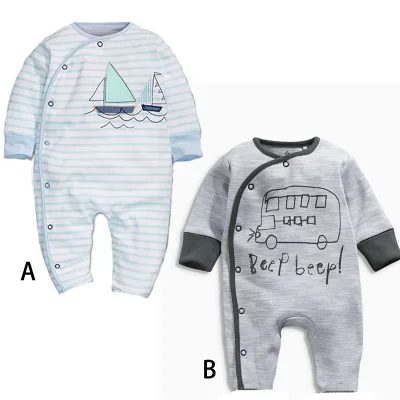
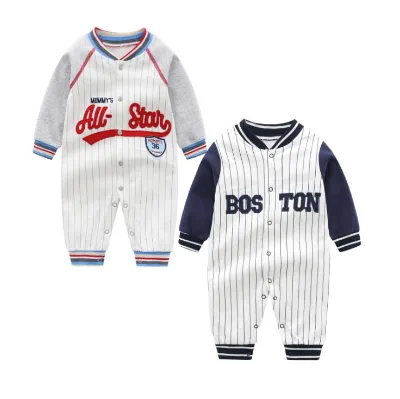
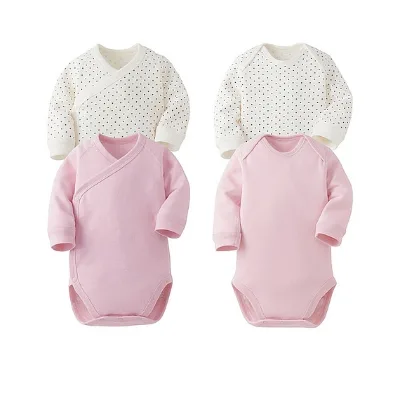
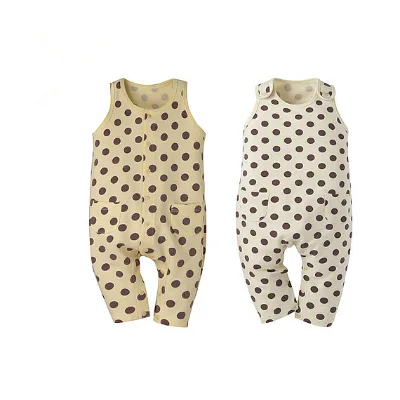
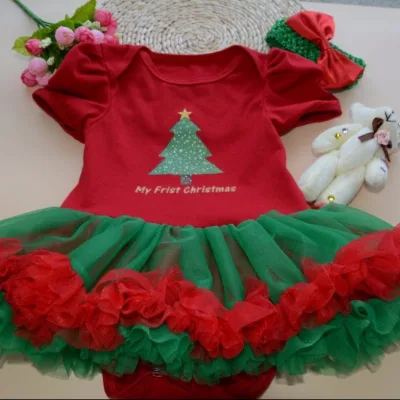
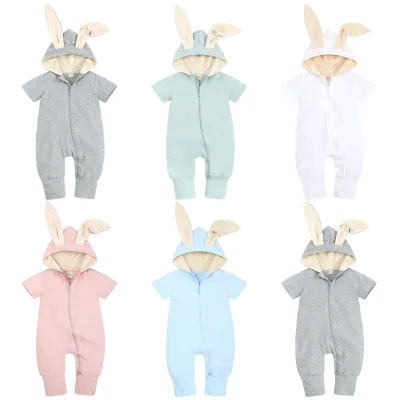
$5.41 - $6.43
MOQ: 10 pieces
Zhuhai Yi Zhen Industrial Co., Ltd.
- Verified by TüVRheinland
- Manufacturer, Trading Company
- Lead time7 days
- Avg. response≤ 3h
Main productsBaby Clothes, Kid Clothing, Adult Pajama
Main marketsNorth America(60%), Oceania(20%), Eastern Europe(5%)
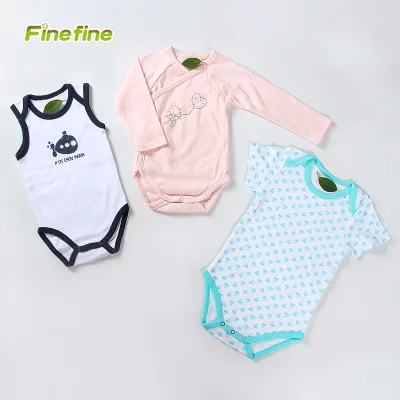
Qingdao Finefine Trade Co., Ltd.
- Trading Company
- Shandong, China
- Lead time60 days
- Avg. response≤ 24h
Main productsT-shirts,hoodies & sweatshirts,jackets,underwears,baby clothing
Main marketsNorth America(50.00%), Africa(20.00%), Western Europe(10.00%), Oceania(10.00%), South America(10.00%)
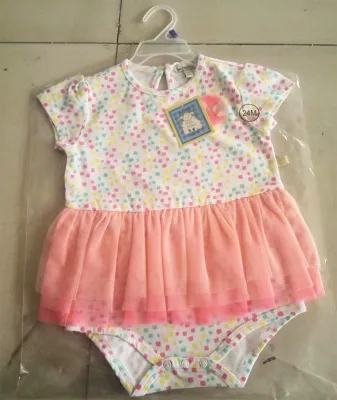
Baby Cotton Frocks Designs Rompers Baby Girl Clothes Newborn Baby Clothing
$1.84 - $2.55
MOQ: 100 Minimum
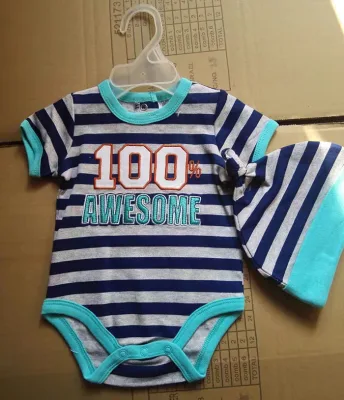
Summer Age 3 Months up to 12 Months Baby Clothes Clothing Romper Set Cotton 2017
$3.06 - $4.08
MOQ: 500 Minimum
Hangzhou Jingzhan Import And Export Co., Ltd.
- Verified by Intertek
- Manufacturer, Trading Company
- Lead time0 days
- Avg. response≤ 7h
Main productsKid Clothes
Main marketsMid East(36%), Africa(13%), Southeast Asia(9%)
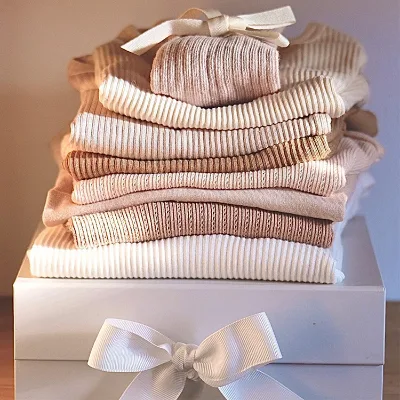
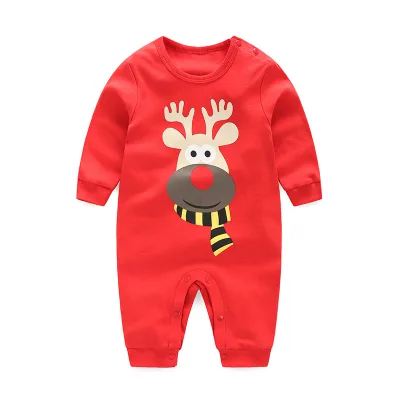
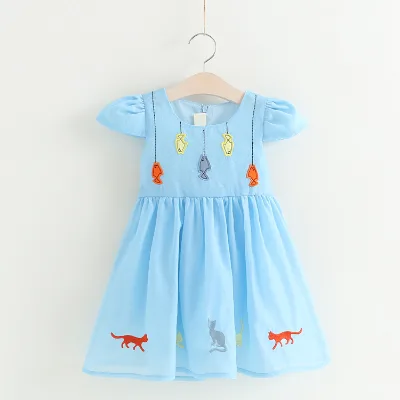
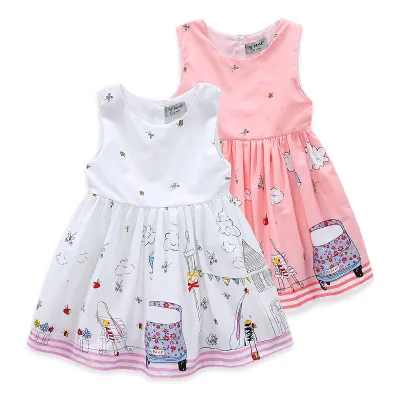
2017 Trending Products Infant Clothes From China Baby Cotton Summer Dress
$1.92 - $5.76
MOQ: 200 Minimum
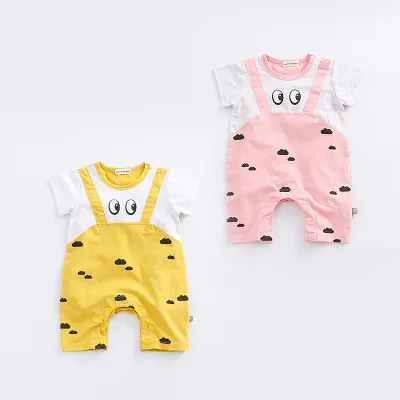
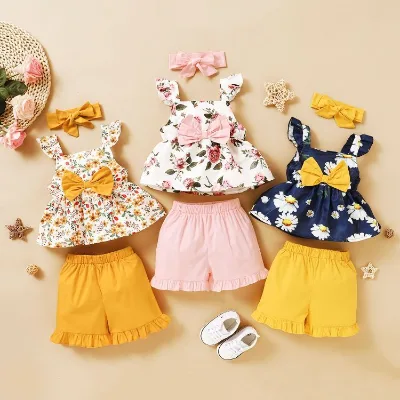
Baby Product Wholesale 2017 Newborn Little Cute Baby Girl Comfortable Clothes
$2.04 - $4.08
MOQ: 3 pieces

Xuchang Habting Maternal And Baby Products Co., Ltd.
- Manufacturer, Trading Company
- Henan, China
- Lead time20 days
- Avg. response≤ 9h
Main productschange pad,baby onesies,Baby wrap,Baby changing mat,Baby clothes
Main marketsSoutheast Asia(40.00%), Western Europe(30.00%), North America(30.00%)
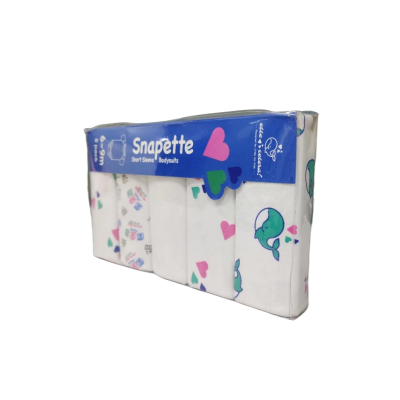
Baby Girl Clothes Newborn Baby Clothes Newborn Breathable Infanting Clothes
$6.20 - $8.03
MOQ: 2 pieces
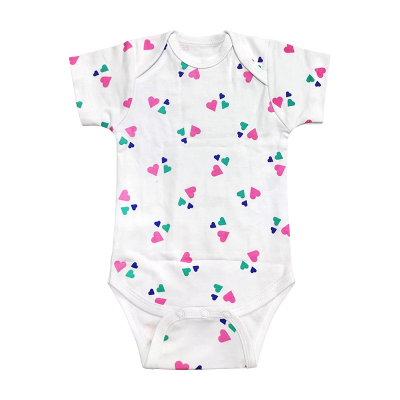
Bamboo Fiber Baby Onesie Infants and Young Children and Girls Clothes Short Sleeve Baby Clothes
$8.08 - $10.50
MOQ: 2 pieces
Shanghai Jingzhi Apparel Co., Ltd.
- Manufacturer, Trading Company
- Lead time旺季: "4 - 1200":31,"1204 - 4000":32,"4004 - 12000":33,"> 12000":"To be negotiated", 淡季: "4 - 1200":31,"1204 - 4000":32,"4004 - 12000":33,"> 12000":"To be negotiated"
- Avg. response≤ 9h
Main productsKid Clothes

- Verified by CTI
- Trading Company
- China Anhui
- Lead time23 days
Main productsFurniture, Home Furniture
Main marketsSoutheast Asia/ Mideast

Yiwu Qiaomao Garment Co., Ltd.
- Manufacturer, Trading Company
- Zhejiang, China
- Lead time6 days
- Avg. response≤ 3h
Main productsKid Outfit / Raglan Shirt / Hoodie / Coat / Swimsuit / Pajamas Set / Romper / Kid Embroidery Clothes / Pant / Leggings / Blanket,Apparel
Main marketsNorth America(90.00%), Oceania(2.00%), Western Europe(2.00%), Southern Europe(2.00%), Eastern Asia(2.00%), Domestic Market(2.00%)
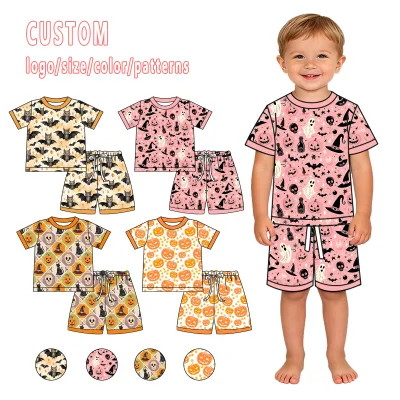
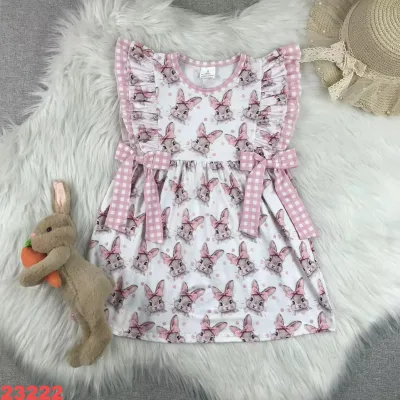
$7.00 - $8.50
Quanzhou Xiami Baby Products Co., Ltd.
- Trading Company
- Fujian, China
- Lead time10 days
- Avg. response≤ 8h
Main productsbaby clothes,baby romper,baby pants,baby socks,baby products
Main marketsNorth America(50.00%), Oceania(40.00%), South America(10.00%)
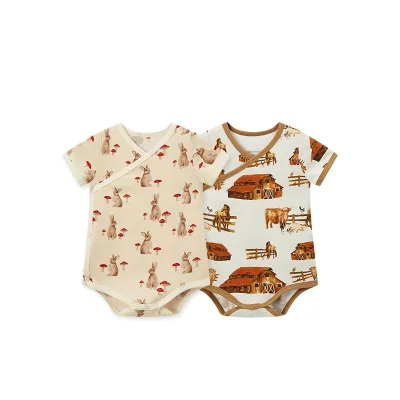
Baby Side Open Button Short Sleeve Printed Clothes Infant Sleeper Baby Clothes Clothing
$4.40 - $5.28
MOQ: 10 pieces
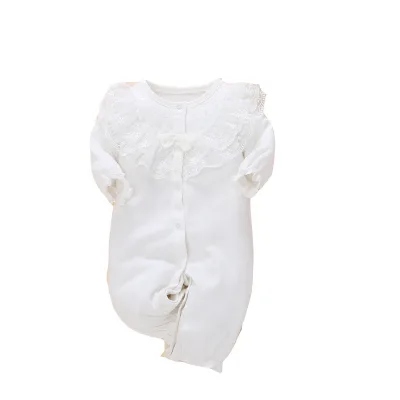
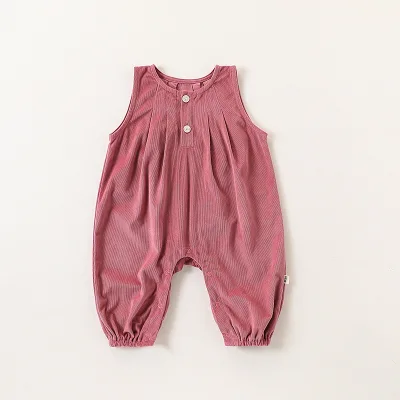
Wholesale Baby Girl Clothes Girls Autumn Newborn Baby Clothes Thin Onesie Baby Clothes
$6.88 - $8.12
MOQ: 2 pieces

Shijiazhuang Cool Apparel Co., Ltd.
- Verified by BV
- Combined
- China Hebei
- Lead time23 days
Main productsBaby Cloth, Baby Romper, Baby Bib, Baby Onesie, Baby Pajamas, T-Shirts, Polo Shirts, Pajamas, Baby Sleeping Bag, Baby Hats
Main marketsSouth America,Africa,Southeast Asia/ Mideast,East Asia(Japan/ South Korea),Domestic,Europe,Australia,North America

Shanghai Hexuan Baby Products Co., Ltd.
- Verified by SGS
- Trading Company
- China Shanghai
- Lead time15 days
Main productsBaby Wear Baby Cloth Diaper Bibs Baby Rompers
Main marketsSouth America,Africa,Southeast Asia/ Mideast,East Asia(Japan/ South Korea),Europe,Australia,North America


$2.10 - $6.80
MOQ: 5 Pieces


Kids Boys Clothes Long Sleeve Shirt Jeans Casual Kids Baby Boy's Clothing Sets
$2.00 - $8.00
MOQ: 5 Pieces

High Quality Kid Boys Clothes with Shirt + Jeans Casual Children Baby Boy Clothing Sets
$2.00 - $8.00
MOQ: 5 Pieces

Guangzhou Knitwinner Garment Company Ltd
- Verified by SGS
- Trading Company
- China Guangdong
- Lead time30 days
Main productsWomen Sweatshirts, Women Sweater, Man Sweater, Children Sweater, Knit Sweater, Women Dress, Men Sweatshirts, Cardigan, Sweatshirts, Wear
Main marketsSouth America,Southeast Asia/ Mideast,Europe

Children's Clothes Autumn Girls Kids Fashion Casual Cotton Knitted Girl Baby Fashion Casual Pants
$7.22 - $7.32
MOQ: 2 Pieces

Girls' Knitted Infants Baby Summer Cotton Clothing Toddlers Elegant Soft Simple Thin Knit Cardigan
$7.40 - $7.50
MOQ: 2 Pieces
- Trading Company
- Guangdong, China
- Lead time20 days
- Avg. response≤ 4h
Main productsChildren Clothing, Baby Clothing, Baby Accessories, Kids Shoes
Main marketsSoutheast Asia(40.00%), Southeast Asia(40.00%), Africa(10.00%), Africa(10.00%), Northern Europe(8.00%), South Asia(8.00%), Northern Europe(8.00%), Central America(7.00%), Southern Europe(5.00%), Eastern Asia(4.00%), South America(4.00%), Western Europe(4.00%), Eastern Europe(2.00%), Domestic Market(2.00%), Mid East(2.00%), North America(2.00%), Oceania(2.00%), Eastern Europe(2.00%), Domestic Market(2.00%), Mid East(2.00%)
Guangzhou Gaoteng Garment Co., Ltd.
- Verified by Intertek
- Manufacturer, Trading Company
- Lead time0 days
- Avg. response≤ 2h
Main productsKids Sweater, Sweatshirt Set, Girl Dress, Kids Top, Baby Romper
Main marketsNorth America(60%), Northern Europe(15%), Southern Europe(9%)
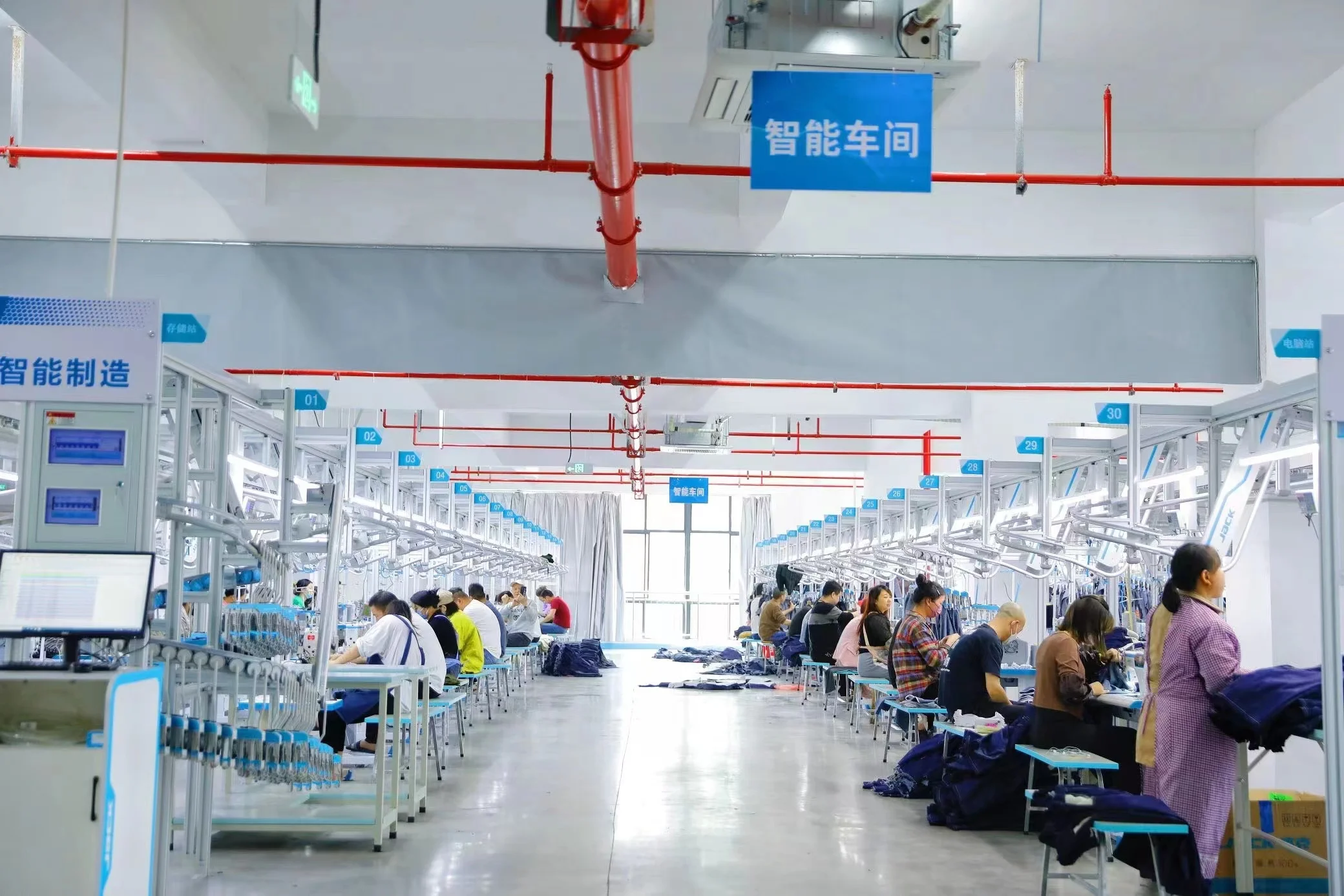
Henan Shengbei Industrial Co., Ltd.
- Manufacturer, Trading Company
- Henan, China
- Lead time7 days
- Avg. response≤ 2h
Main productsBaby Romper, Baby clothing sets, Baby Girl Dress, Baby Bibs, Baby Sweaters
Main marketsNorth America(50.00%), Oceania(30.00%), Western Europe(20.00%)
Dongguan Yumuran Garment Co., Ltd.
- Verified by Intertek
- Manufacturer, Trading Company
- Lead time30 days
- Avg. response≤ 3h
Main productsKids Clothing, Baby Clothing, Parent-child Clothing
Main marketsSoutheast Asia(35%), North America(25%), Domestic Market(20%)
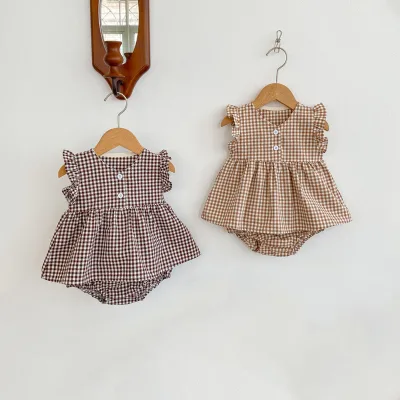
$10.24 - $12.81
MOQ: 100 pieces
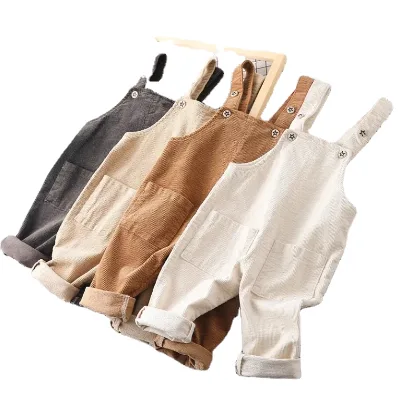
High Quality Baby Autumn Kids Clothing Jumpsuit Pure Cotton Toddler Baby Overall
$6.05 - $7.69
MOQ: 50 pieces

Quanzhou Yilijia International Trade Co., Ltd.
- Verified by CTI
- Trading Company,Manufacturer/Factory
- China Fujian
- Lead time45 days
Main productsKids Clothes, Baby Clothes, Sports Shoes, Gym Clothes, Baby Accessories, Fitness Equipment, Sport Wear
Main marketsSouth America,Eastern Europe,Mid East,North America,Southeast Asia,Eastern Asia,Oceania,Western Europe,Africa






Comprehensive Sourcing Guide
Casual Cotton Baby Clothes Supplier Concentration and Factory Types
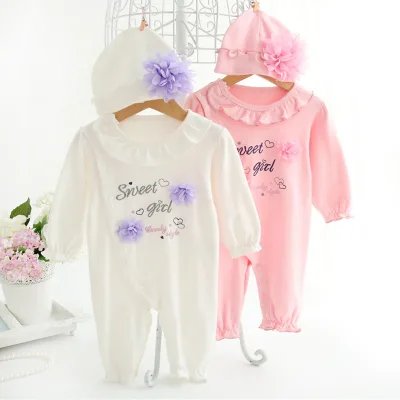
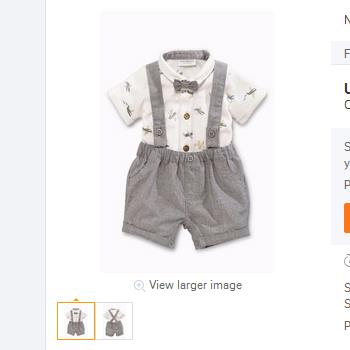
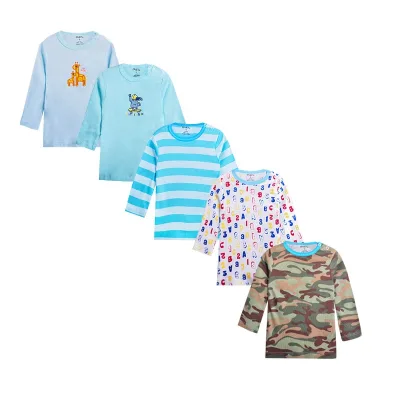
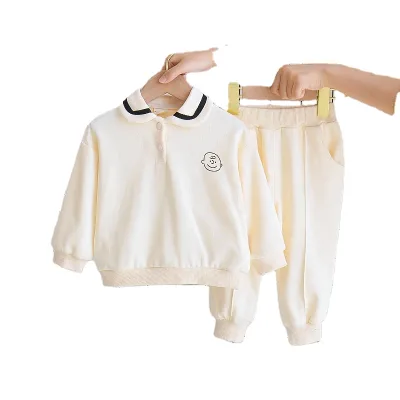
Current data indicates a concentration of manufacturing activity in China, specifically within the Hebei and Fujian provinces. These regions host a mix of trading companies and manufacturer factories that specialize in baby apparel. The Hebei cluster appears to offer a broad range of products including baby diapers, bedding sets, and various garment types, while the Fujian location focuses on underwear, boxer briefs, and swimwear alongside baby rompers and bibs. Buyers should verify if a specific facility is a direct manufacturer or a trading intermediary, as this distinction impacts pricing and communication flow. The presence of both company types suggests a diverse supply chain where some entities handle design and production while others manage logistics and sales.
When evaluating the factory type, look for explicit labels indicating "Manufacturer/Factory" versus "Trading Company" in the supplier profile. Direct manufacturers often provide more flexibility for customizations like fabric weight, GSM, and specific printing techniques, whereas trading companies might offer a wider variety of finished goods from different sources. The observed data shows suppliers offering OEM and ODM services, which implies an ability to adapt to specific brand requirements. However, without a verified establishment year or specific factory address, buyers must treat these claims as preliminary. It is essential to confirm the physical location and operational capacity before committing to large orders, ensuring the supplier can meet the volume and quality standards required for Casual Cotton Baby Clothes.
How to Verify Casual Cotton Baby Clothes Suppliers
Verification begins with checking for third-party audit reports and system certifications that validate the supplier's operational standards. The available data points to certifications such as BSCI and ISO 9001, which are critical for ensuring ethical labor practices and consistent quality management systems. Additionally, some suppliers display verification status from agencies like SGS, which adds a layer of credibility regarding their business legitimacy. Buyers should request current copies of these certificates rather than relying solely on platform badges, as these documents provide concrete evidence of compliance with international standards. The presence of these credentials suggests a commitment to maintaining a professional and safe production environment for baby products.
Beyond certifications, buyers must scrutinize product-specific attributes to ensure the supplier can deliver the exact specifications required. The data reveals detailed product attributes such as material composition (100% Cotton), fabric weight (ranging from 135GSM to 175GSM), and specific construction details like button types and neck shapes. Verification involves confirming that the supplier's actual production capabilities match these listed attributes, particularly regarding customization options and color fastness ratings. Buyers should ask for physical samples to test the fabric weight, shrinkage rates, and workmanship quality before finalizing any agreement. This hands-on verification process is the only way to ensure the Casual Cotton Baby Clothes meet safety and comfort standards for infants.
What to Compare Across Casual Cotton Baby Clothes Suppliers
Comparing suppliers requires a systematic analysis of key operational metrics such as lead times, minimum order quantities, and pricing structures. The observed data shows lead times varying between 23 and 30 days, which is a significant factor in production planning and inventory management. Minimum order quantities also differ substantially, with some suppliers requiring 1,500 pieces for solid colors while others demand 5,000 pieces for printed designs. Buyers must align these MOQs with their own sales forecasts and storage capabilities to avoid overstocking or underutilizing production capacity. A supplier with a lower MOQ might be more suitable for startups, while a higher MOQ supplier could offer better economies of scale for established brands.
Pricing and customization capabilities form another critical comparison point. Unit prices in the dataset range from approximately $1.50 to $5.00, influenced by factors like fabric weight, printing complexity, and order volume. Suppliers offering OEM services allow for custom branding and packaging, which is essential for building a unique market identity. However, customization often comes with higher MOQs and longer lead times. Buyers should compare the total cost of ownership, including shipping and potential rework costs, rather than just the unit price. Additionally, evaluating the range of main products offered helps determine if a supplier can consolidate orders for related items like baby bibs or bedding, potentially reducing overall logistics costs and simplifying the supply chain.
Common Casual Cotton Baby Clothes Sourcing Risks
One primary risk involves the discrepancy between advertised product attributes and actual delivered goods. The data lists specific fabric weights and material compositions, but without physical verification, there is a risk of receiving substandard materials that do not meet the claimed 100% cotton content or GSM specifications. Inconsistent color fastness or high shrinkage rates can lead to customer returns and brand damage. Buyers must mitigate this by insisting on pre-shipment inspections and independent lab testing for critical parameters like washing shrinkage and color fastness. Relying solely on supplier-provided photos or descriptions is insufficient for ensuring the quality and safety of baby clothing.
Another significant risk is the variability in lead times and production capacity. While some suppliers indicate a 23-day lead time, others may require 30 days or more, which can disrupt supply chain schedules if not managed correctly. Delays often occur due to raw material shortages or unexpected production bottlenecks, especially during peak seasons. Buyers should establish clear communication channels and request regular production updates to track progress against the agreed timeline. Furthermore, the distinction between trading companies and manufacturers can introduce communication gaps or delays in resolving quality issues. Ensuring that the supplier has the capacity to handle the order volume without compromising quality is essential to avoid costly disruptions in the supply chain.
Casual Cotton Baby Clothes Regional Sourcing and Logistics
Sourcing from China, particularly from the Hebei and Fujian provinces, offers access to established manufacturing clusters but requires careful logistics planning. The Hebei region appears to support a wide array of baby products, while Fujian focuses on specific garment types like underwear and swimwear. Buyers must consider the geographical distance from these manufacturing hubs to their destination ports, as this impacts shipping costs and transit times. Understanding the specific location of the factory helps in estimating the time required for inland transportation to the port of loading. This regional knowledge is vital for accurate cost modeling and delivery scheduling.
Logistics planning also involves selecting the appropriate packaging and shipping methods to protect the goods during transit. The data indicates that suppliers use seaworthy cartons and polybags, which are standard for export but must be verified for durability. Buyers should confirm that the packaging meets the requirements for their specific shipping method, whether by sea or air, to prevent damage or moisture exposure. Additionally, understanding the export procedures and documentation requirements for the destination country is crucial to avoid customs delays. Coordinating with freight forwarders who have experience in the baby apparel sector can streamline the logistics process and ensure that the goods arrive in perfect condition.
Casual Cotton Baby Clothes Commercial Terms and Order Planning
Commercial terms for Casual Cotton Baby Clothes often include specific payment structures and delivery conditions that must be clearly defined in the contract. The observed data suggests that suppliers offer OEM services with customizable packaging, which implies flexibility in commercial agreements. Buyers should negotiate terms that protect their interests, such as escrow services or milestone-based payments, to ensure that funds are released only after quality checks are passed. Understanding the Incoterms, such as FOB or CIF, is essential for determining who bears the risk and cost during transit. Clear commercial terms prevent disputes and ensure a smooth transaction process for both parties.
Order planning requires a strategic approach to managing inventory and production schedules based on the supplier's lead times and MOQs. With lead times ranging from 23 to 30 days, buyers must place orders well in advance to meet seasonal demand and avoid stockouts. The varying MOQs, from 1,500 to 5,000 pieces, necessitate careful forecasting to balance inventory costs with production efficiency. Buyers should also plan for potential delays by maintaining a buffer stock or having alternative suppliers ready. Effective order planning involves aligning production schedules with marketing campaigns and sales projections to maximize the return on investment and minimize the risk of overstocking or understocking.
FAQs
What is the typical lead time for cotton baby clothes?
Manufacturers in China Hebei typically require 23 days to produce and ship orders. Suppliers in China Fujian generally need 30 days for completion. These timeframes apply to standard production runs and may vary based on order volume and customization requirements.
What are the minimum order quantities for these garments?
MOQs vary by design complexity. Solid color items often require 3000 pieces, while printed designs may need 5000 pieces. Some suppliers accept lower MOQs of 1000 or 1500 pieces for specific styles. Buyers should confirm exact thresholds with the supplier before placing orders.
Are these baby clothes made from 100% cotton?
Yes, the listed products are primarily made from 100% cotton or 100% interlock cotton fabric. Materials are specified as soft and suitable for newborns. Buyers should verify fabric weight, such as 135GSM or 175GSM, to ensure the desired thickness and comfort level for their needs.
What certifications do these suppliers hold?
Suppliers in China Hebei hold BSCI and ISO 9001 system certifications. Their facilities are verified by SGS for quality assurance. These credentials indicate adherence to international standards for manufacturing processes and social responsibility, providing buyers with confidence in the production quality and ethical practices.
What is the price range for cotton baby clothes?
Prices typically range from $1.50 to $5.00 per piece depending on the style. Basic rompers and bodysuits start around $1.50 to $3.00. More complex designs or specific fabric weights may cost up to $5.00. Final pricing depends on quantity, customization, and packaging requirements.
Do suppliers offer OEM and ODM services?
Yes, most suppliers provide both OEM and ODM services. Buyers can customize designs, patterns, and packaging. Some factories also support own brand development. This flexibility allows businesses to create unique product lines tailored to their market needs while leveraging the supplier's manufacturing capabilities.