Casual Crystal Rhinestone Belt Suppliers and Manufacturers
Explore 27 verified options for Casual Crystal Rhinestone Belt from Guangdong and Fujian factories. Compare response times, lead times, MOQs, and certifications like ISO9001. Contact suppliers directly to request samples and confirm production schedules; review the available evidence before requesting comparable quotations from suitable candidates.
Suppliers List

Guangzhou Wangjia Leatherware Co., Ltd.
- Manufacturer/Factory
- China Guangdong
- Lead time30 days
- Avg. response≤ 4h
Main productsWestern Cowboy & Cowgirl Belts, Western Buckles, Buckle Sets, Conchos, Dog Collars & Hat Belts, PU Belts, Leather Belts, PU Handbags, Straw Beach Bags, Wallets
Main marketsSouth America,Eastern Europe,Mid East,North America,Southeast Asia,Eastern Asia,Oceania,Western Europe,Africa

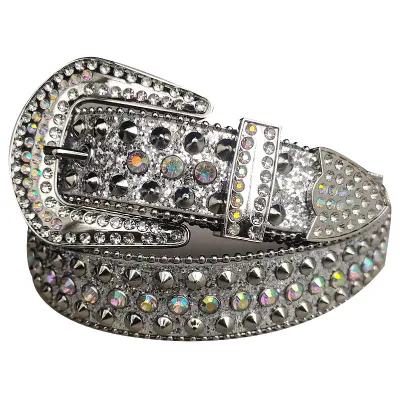
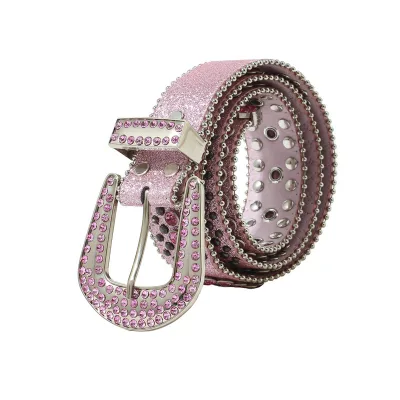
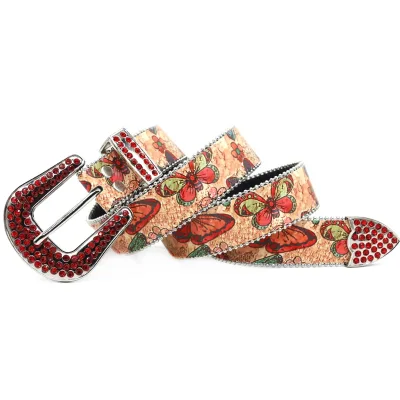
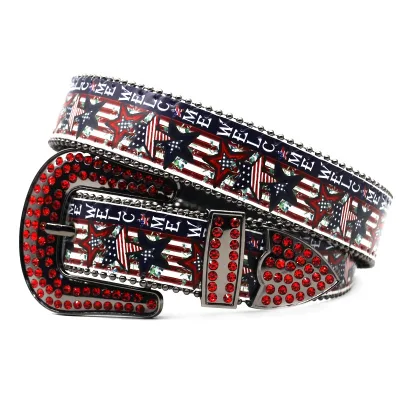
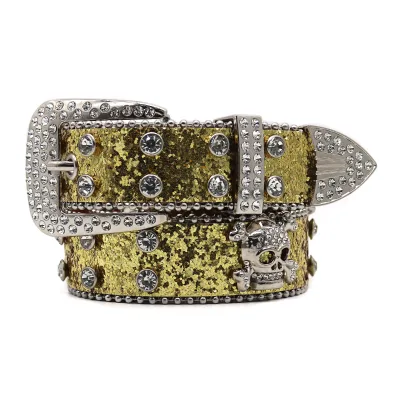
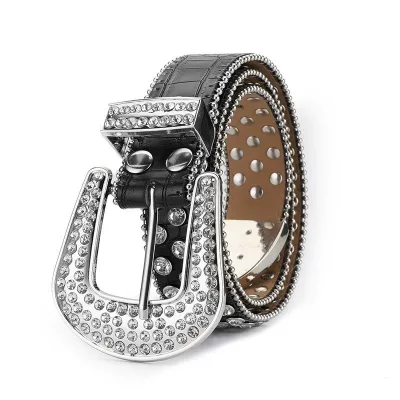
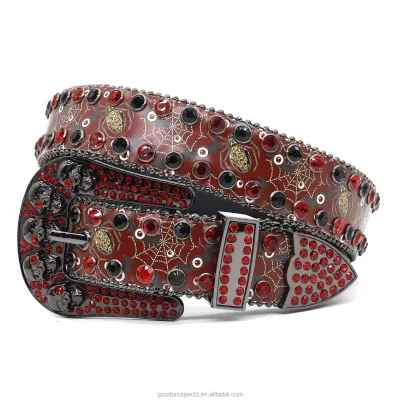
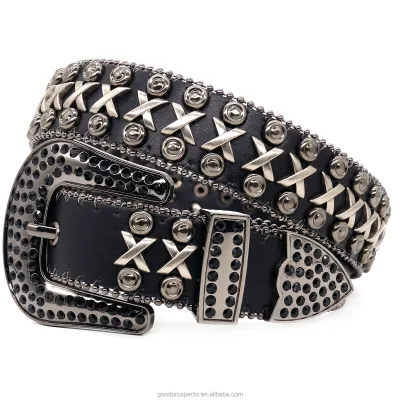
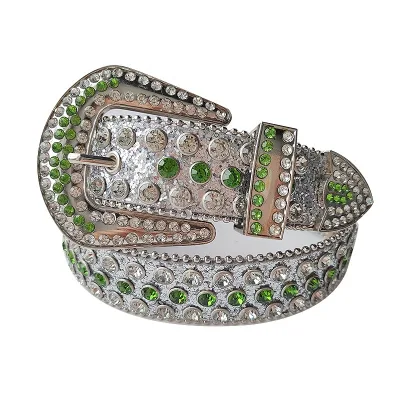
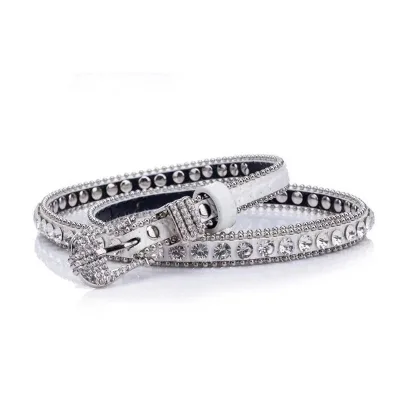
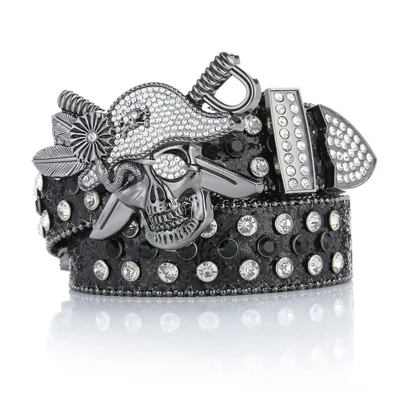
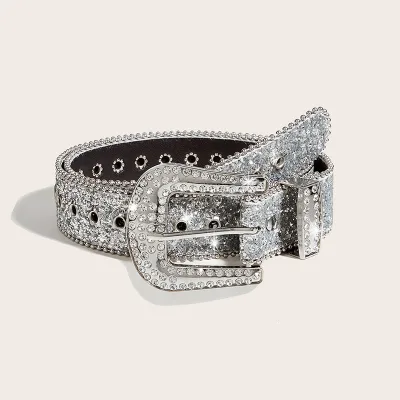
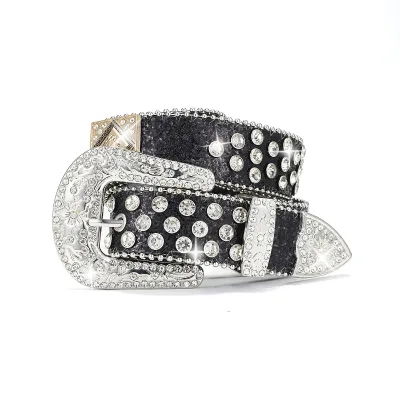
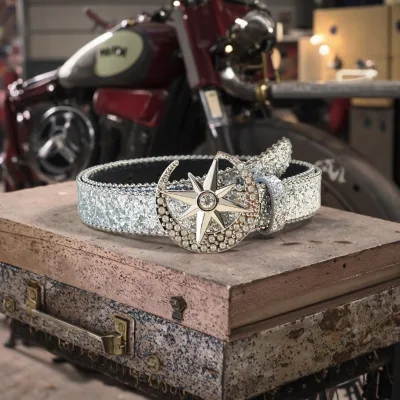
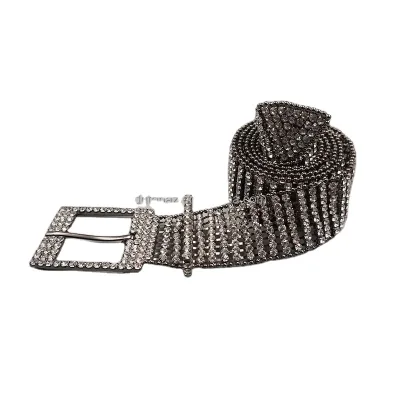
Shiny Crystal Rhinestone Inlaid Women Diamond Studded Rhinestone Mans Western Belt
$7.00 - $7.50
Moq: 100

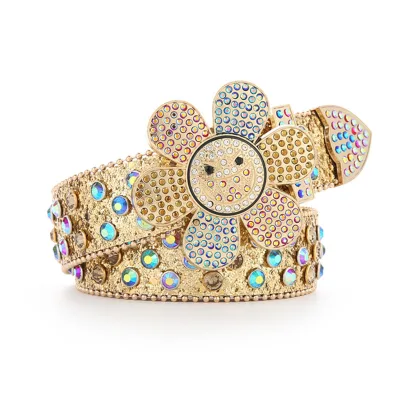
Luxury Ab Rhinestone Belt Sparkle Diamond Belt Men and Women Beautiful Crystal Waist Belt
$10.00 - $11.50
Moq: 100


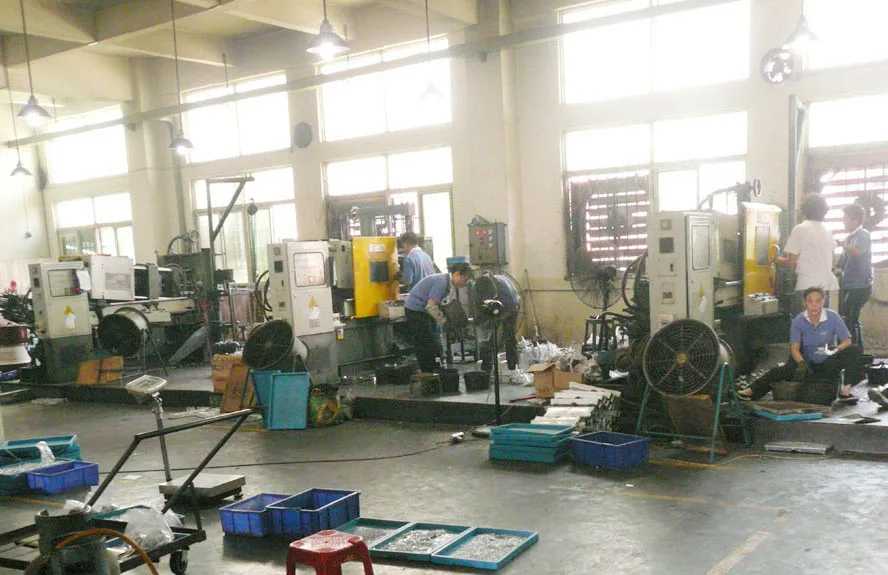
Shishi Hopeone Metal Products Co., Ltd.
- Manufacturer, Trading Company
- Fujian, China
- Lead time15 days
- Avg. response≤ 6h
Main productsbelt buckle,badge,leather belt,leather label,metal button
Main marketsSoutheast Asia(30.0%), North America(30.0%), Western Europe(20.0%), Africa(15.0%), Oceania(5.0%)

Dongguan Zhengyong Leather Co., Ltd.
- Verified by SGS
- Manufacturer
- China Guangdong
- Lead time15 days
- Avg. response≤ 10h
Main productsBelt, Handbags, Bracelet, Wallet, Card Holder, Dog Collar/Leash, Dog Harness, Carrier Bags, Camera Strap Series
Main marketsEurope,North America
Hangzhou Hongmioo Industrial Co., Ltd
- Verified by SGS Group
- Manufacturer, Trading Company
- Lead time30 days
- Avg. response≤ 4h
Main productsGenuine Leather Belts, PU Belts, Fabric Belts, Knitted Belts, Suspenders
Main marketsNorth America(35%), Eastern Europe(20%), South America(15%)

NINGBO HOBA INTERNATIONAL TRADING CO., LTD.
- Verified by BV
- Trading Company
- China Zhejiang
- Lead time30 days
- Avg. response≤ 6h
Main productsThread, Button, Lace Tape, Zipper, Hot Fix Stone, Crystal, Rope, Jewelry Accessory, Ribbon, Reflecting Material
Main marketsSouth America,Africa,Southeast Asia/ Mideast,East Asia(Japan/ South Korea),Europe,Australia,North America

Phoenix Flame Holdings Limited
- Verified by BV
- Manufacturer/Factory,Group Corporation
- China Guangdong
- Lead time15 days
- Avg. response≤ 11h
Main productsWebbing Cords Buttons Zipper Drawcord & Shoelace, Label Lace Lanyard Wristband, Embroidery Patches Beaded Applique Belt, Underwear Accessories TPU Rubber Tape
Main marketsSouth America,Eastern Europe,North America,Southeast Asia,Oceania,Western Europe,Africa
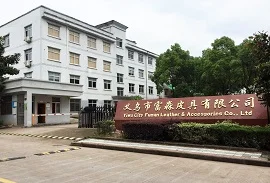
Yiwu Fumiao Leather Goods Co., Ltd.
- Manufacturer, Trading Company
- Zhejiang, China
- Lead time30 days
- Avg. response≤ 5h
Main productsBelt; Bag
Main marketsNorth America(40.0%), Western Europe(30.0%), South America(10.0%), Northern Europe(10.0%), Oceania(5.0%), Southern Europe(5.0%)
Wenzhou Hongshen International Trade Co., Ltd.
- Trading Company
- Zhejiang, China
- Lead time30 days
- Avg. response≤ 4h
Main productsPU belt,Genuine leather belt,Chain belt,Sports cap,Bucket hat
Main marketsNorth America(20.0%), Western Europe(19.0%), Mid East(15.0%), Oceania(15.0%), South America(15.0%), Central America(10.0%), Eastern Europe(5.0%), Domestic Market(1.0%)
Guangzhou Zhenhao Clothing Products Co., Ltd.
- Manufacturer
- Guangdong Province, China
- Lead time0 days
- Avg. response≤ 3h
Main productsbelt,bracelet
Main marketsNorth America(50.0%), Central America(10.0%), Mid East(10.0%), Southeast Asia(10.0%)

Guangzhou JingPin Garment Accessory Co., Ltd.
- Verified by BV
- Trading Company
- China Guangdong
- Lead time15 days
- Avg. response≤ 3h
Main productsHot Fix Rhinestone Iron on Crystal, Hot Fix Rhinestuds Octagon Studs, Heat Transfer Motifs Iron on Motifs, Strass Motifs Heat Transfer Motifs, Iron on Studs Dome Studs Metallic Stud, Cup Chain Rhinestone Mesh Trimming Stone, Point Back Rhinestones DMC Rhinestones, Lead Free Rhinestones, DMC Rhinestone Epoxy Stone Hot Fix Epoxy, Nailheads Hotfix Hot Fix Nailheads
Main marketsSouth America,Africa,Southeast Asia/ Mideast,East Asia(Japan/ South Korea),Europe,Australia,North America

- Verified by SGS
- Trading Company
- China Zhejiang
- Lead time0 days
- Avg. response≤ 14h
Main productsTents, BBQ Grill, Luggage, Kids Toy, Fitness Equpments, Cookware, Kitchen Utensils and Gadgets, Yoga Mat, Bathroom Rugs, Pets Items
Main marketsSouth America,Eastern Europe,Mid East,North America,Southeast Asia,Eastern Asia,Oceania,Western Europe,Africa
Huizhou Good Prospects Garment Industrial Co., Ltd.
- Verified by Intertek
- Manufacturer, Trading Company
- Lead time30 days
- Avg. response≤ 4h
Main productsLeather Belt, Woven Belt, Women Belt, Cork Belt, Belt Buckle
Main marketsEastern Asia(40%), North America(30%), Domestic Market(20%)

Guizhou Jiegui Trading Co., Ltd
- Verified by SGS
- Trading Company
- China Guizhou
- Lead time15 days
- Avg. response≤ 2h
Main marketsEurope


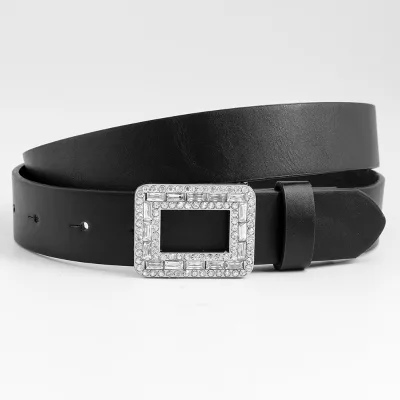
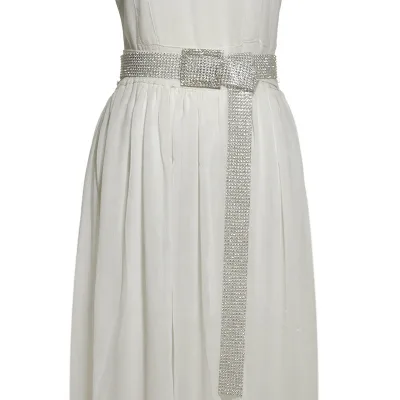
High-End Acrylic Resin Belt Buckles - Luxury Rhinestone Design for Evening Dresses
$0.01 - $1.00
Moq: 200


Brilliant Ocean Trading (Yiwu) Co., Ltd.
- Trading Company
- China Zhejiang
- Lead time30 days
- Avg. response≤ 20h
Main productsCloth Accessories, Glitter Powder, Hand Bag, Jewelry Accessories, Metallic Yarn, Hardware, Party Supplies, Extension Socket, Shopping Bag, Plush Toy
Main marketsSouth America,Southeast Asia/ Mideast
Yiwu Lixueshun Garments Co., Ltd.
- Trading Company
- Zhejiang, China
- Lead time20 days
- Avg. response≤ 6h
Main productsbackpack,handbag,wallet,belt,down jacket
Main marketsSouth Asia(40.0%), North America(30.0%), South America(20.0%), Africa(10.0%)

Kingswick Technology Group Limited
- Trading Company,Manufacturer/Factory,Group Corporation,Other
- China Guangdong
- Lead time15 days
- Avg. response≤ 17h
Main productsHotfix Rhinestones, Nail Rhinestones, Flat Back Rhinestones, Sew on Rhinestones, Hot Fix Rhinestone Machines, Rhinestone Appliques, Glass Crystal Beads, Rhinestone Ribbons, Jewelry Beads, Pearl Beads
Main marketsSouth America,Eastern Europe,Mid East,North America,Southeast Asia,Eastern Asia,Oceania,Western Europe,Africa
Dongguan Baojun Hardware Products Co., Ltd.
- Verified by TüVRheinland
- Manufacturer, Trading Company
- Lead time25 days
- Avg. response≤ 5h
Main productsBelt Buckle, Bag Fittings Metal, Smart Lock, Home & Garden, Leather Accessories
Main marketsNorth America(15%), South America(12%), Eastern Europe(10%)
Yiwu Waist Color Leather Goods Co., Ltd.
- Manufacturer, Trading Company
- Zhejiang, China
- Lead time7 days
- Avg. response≤ 2h
Main productsElastic Braided , Belt; Tactical Belt, Belt; Genuine Belt, PU Belt
Main marketsSouth America(30.0%), Southeast Asia(30.0%), Africa(20.0%), North America(10.0%), Southern Europe(5.0%), Eastern Europe(5.0%)
Hangzhou Ever Import And Export Co., Ltd.
- Verified by SGS Group
- Trading Company
- Lead time15 days
- Avg. response≤ 11h
Main productsBling Fashion Products, Bling Car Accessories, Rhinestone Shoes; Rhinestone Mesh; Rhinestone Cup Chain
Main marketsSouth America(34%), North America(30%), Western Europe(15%)
Dongguan Topaz Costume Co., Ltd.
- Manufacturer, Trading Company
- Guangdong, China
- Lead time20 days
- Avg. response≤ 6h
Main productsRhinestone Transfer,Iron on Patch,Face Gems Sticker,T Shirts with rhinestone,Sew on Crystal
Main marketsNorth America(72.0%), Western Europe(10.0%), Domestic Market(5.0%), Oceania(4.0%), South America(3.0%), Eastern Europe(3.0%), Mid East(2.0%), Africa(1.0%)

Dongguan Hingye Button Products Co., Ltd.
- Verified by CTI
- Combined
- China Guangdong
- Lead time15 days
- Avg. response≤ 11h
Main productsMetal Button, ABS Button, Metal Buckle, Metal Snap Button, Metal Jeans Button, Metal Rivet, Rubber Button, Nylon Button, Plastic Button, Metal Popper Snap Button
Main marketsSouth America,Domestic,Europe,North America
Pingyang Trendy Leather Co., Ltd.
- Verified by Intertek
- Manufacturer, Trading Company
- Lead time15 days
- Avg. response≤ 2h
Main productsBelts
Main marketsAfrica(20%), North America(10%), South America(10%)

- Verified by CTI
- Trading Company
- China Anhui
- Lead time23 days
- Avg. response≤ 1h
Main productsFurniture, Home Furniture
Main marketsSoutheast Asia/ Mideast

Guangzhou Govolon Trade Co., Ltd.
- Trading Company,Manufacturer/Factory
- China Guangdong
- Lead time15 days
- Avg. response≤ 25h
Main productsGarment Accessories, Lace, Button, Zipper, Fringe and Tassels, Belt Ribbon, Garment Trimming, Patch Badge, Buckle, Hotfix
Main marketsSouth America,Mid East,North America,Southeast Asia,Western Europe,Africa

Wenzhou Fashion Leather Manufacture Co., Ltd.
- Combined
- China Zhejiang
- Lead time30 days
- Avg. response≤ 4h
Main productsBelt, Leather Belt, Fashion Lady Belt, Fashion Man Belt, Fashion Belt, Canvas Belt, PU Belt, Wallet, Purse, Man Wallet
Main marketsSouth America,Europe,North America
Guangzhou Bolian Clothing Co., Ltd.
- Manufacturer, Trading Company, Distributor/Wholesaler
- Guangdong, China
- Lead time0 days
- Avg. response≤ 2h
Main productsBags & Gift Boxes,Garment Acchandicraftessories,Handicraft Article,Hardware tools,Daily necessities for light industry
Main marketsNorth America(50.0%), South America(20.0%), Western Europe(15.0%), Southeast Asia(5.0%), Mid East(2.0%), Domestic Market(1.0%), South Asia(1.0%), Northern Europe(1.0%), Central America(1.0%), Eastern Europe(1.0%), Eastern Asia(1.0%), Africa(1.0%), Oceania(1.0%)

- Verified by CTI
- Trading Company
- China Zhejiang
- Lead time15 days
- Avg. response≤ 7h
Main productsJewelry, Brooch, Belt, Necklace, Agent, Bracelet, China Trim, China Ring, China Hair Accessory, China Earring
Main marketsSouth America
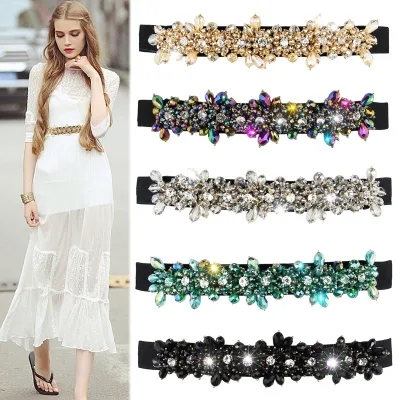
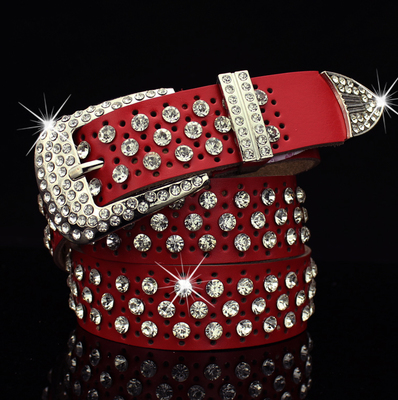


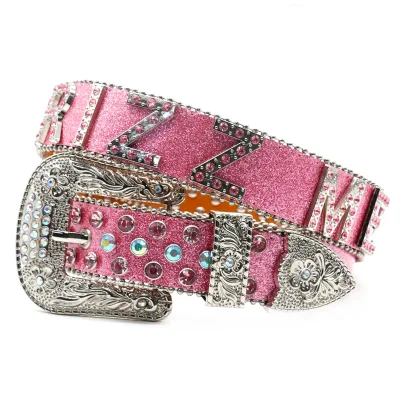
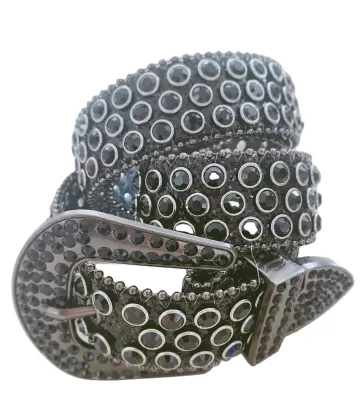


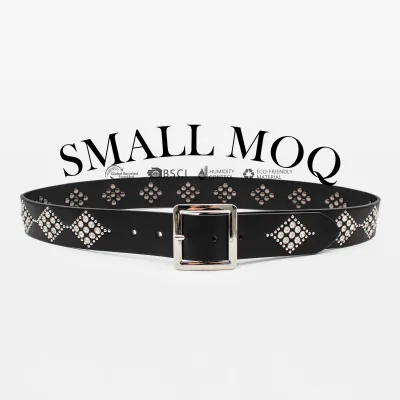
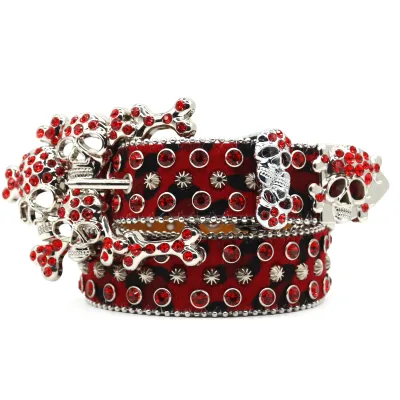
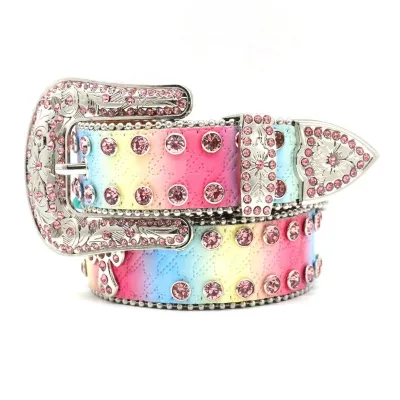
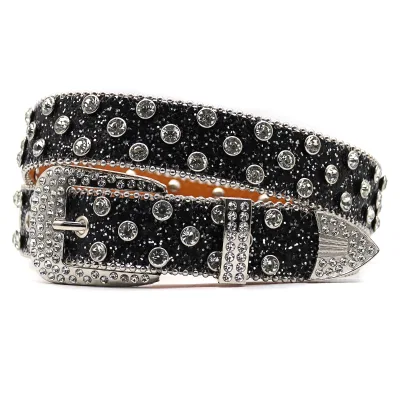






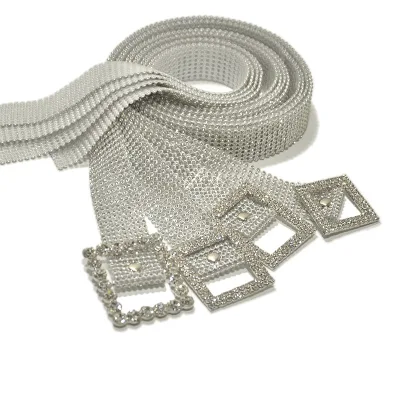
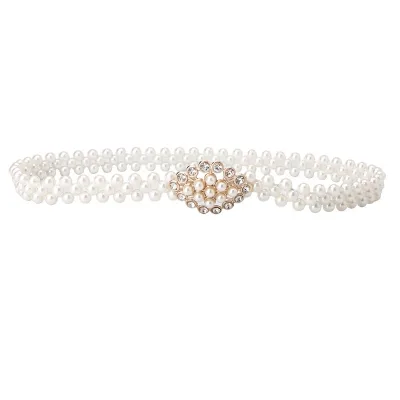
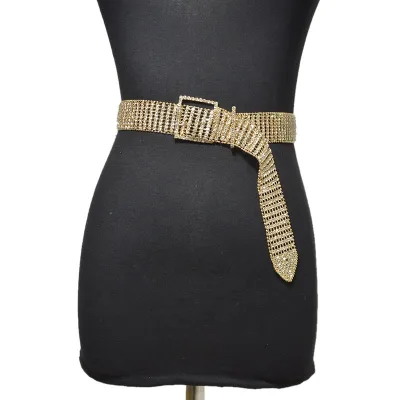
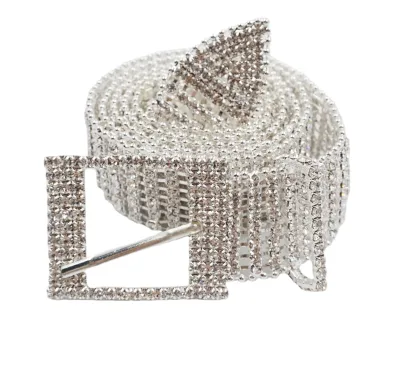


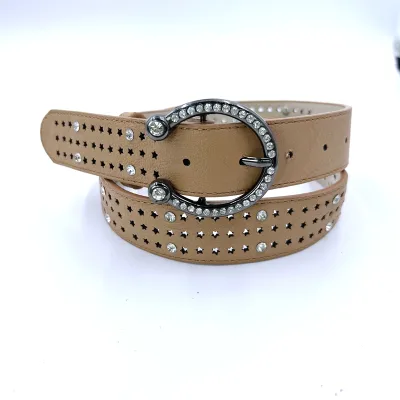
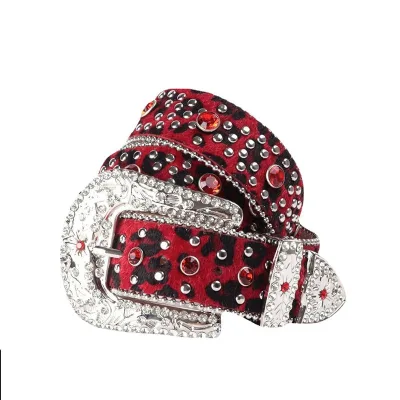


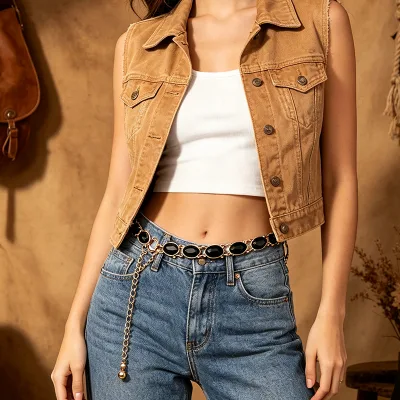


Comprehensive Sourcing Guide
Casual Crystal Rhinestone Belt Supplier Concentration and Factory Types
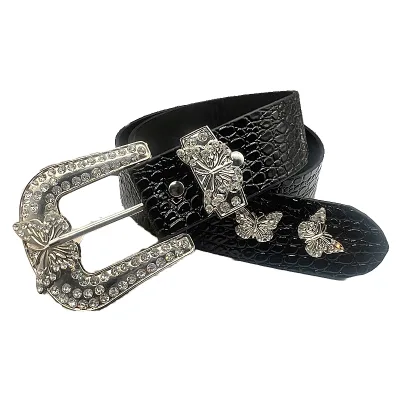
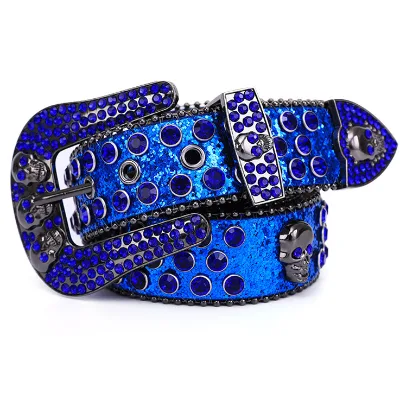
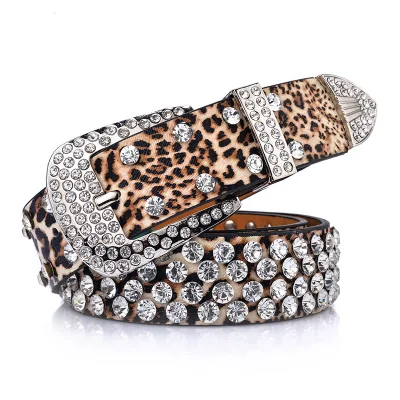
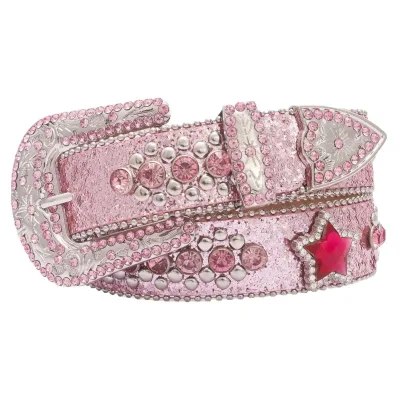
The current supplier landscape for casual crystal rhinestone belts shows a distinct concentration in China, specifically within the Guangdong province. Data indicates that manufacturers in this region specialize in Western cowboy and cowgirl belts, buckle sets, and PU belts, often utilizing Guangzhou as their specific origin point. These facilities operate primarily as manufacturers or factories, offering OEM and ODM capabilities to customize designs for international buyers. The presence of these specialized clusters suggests a mature supply chain for fashion accessories that require intricate detailing like rhinestone inlays and crystal embellishments. Buyers should look for suppliers explicitly stating their location as Guangdong or Guangzhou to access this established manufacturing base.
In contrast, other regions such as Fujian also host suppliers, though their product focus may differ slightly. Some entities in Fujian operate as both manufacturers and trading companies, dealing in belt buckles, leather labels, and metal buttons alongside belts. These suppliers often list their main products to include handbags, wallets, and dog collars, indicating a broader accessory portfolio rather than a singular focus on belts. When evaluating factory types, it is crucial to distinguish between pure manufacturers who control the production line and trading companies that may source from multiple factories. The response times observed vary, with some suppliers in Guangdong showing faster engagement speeds compared to others, which can influence the initial sourcing phase.
How to Verify Casual Crystal Rhinestone Belt Suppliers
Verification begins with checking for specific system certifications that indicate a commitment to quality management and environmental standards. Some suppliers in the current results have displayed ISO9001:2015 and ISO14001:2015 certificates, which are strong indicators of a structured manufacturing process. Additionally, third-party verification badges, such as those from SGS, provide an external layer of trust regarding the supplier's business legitimacy. Buyers must confirm that these certifications are current and directly linked to the specific entity they are engaging with, rather than generic claims found on a website. The presence of these credentials helps mitigate the risk of dealing with unverified entities that may not adhere to international production standards.
Beyond certifications, buyers should scrutinize the detailed product attributes provided in the supplier listings to ensure consistency and accuracy. For instance, specific product models like R002 or R021 come with defined attributes such as width, material composition, and packing standards. A legitimate supplier will provide clear data on the belt material, such as PU or cow hide, and specify the buckle material, often alloy. Buyers should also verify the sample time and production time listed against their own project timelines. If a supplier claims a sample time of about 7 to 15 days, this should be confirmed through direct communication. Discrepancies between the listed attributes and the actual product received can signal a lack of transparency or quality control issues.
What to Compare Across Casual Crystal Rhinestone Belt Suppliers
When comparing suppliers, the lead time is a critical metric that directly impacts inventory planning and market responsiveness. The data shows a range of production times, with some suppliers listing a standard lead time of 30 days, while others specify a production time of about 35 days for custom orders. Sample times also vary, with some suppliers offering samples in 5 to 7 working days, whereas others require about 7 to 15 days. Buyers must align these timelines with their seasonal demands and order schedules. A shorter lead time does not always equate to better value if the quality is compromised, so balancing speed with reliability is essential for successful sourcing.
Minimum Order Quantity (MOQ) and pricing structures are another vital area for comparison across different suppliers. Current listings indicate MOQs ranging from 50 pieces to 100 pieces, with unit prices varying significantly based on design complexity and material quality. For example, some belts are priced between 7.00 and 7.50 per unit, while others with more elaborate crystal work may range from 10.00 to 11.50. Buyers should calculate the total cost of ownership, including shipping and potential customs duties, rather than focusing solely on the unit price. Additionally, response times, which can range from roughly 4 to 9 hours, indicate the supplier's availability for communication. A supplier with a faster response time may be better equipped to handle urgent inquiries or last-minute changes to an order.
Common Casual Crystal Rhinestone Belt Sourcing Risks
One significant risk in sourcing casual crystal rhinestone belts is the potential inconsistency in product specifications, particularly regarding the width and material quality. The product evidence shows belts with widths of 3.8cm, 5.0cm, and 3.3cm, which means buyers must be extremely precise in their requirements to avoid receiving the wrong size. If a buyer orders a 3.8cm belt but receives a 5.0cm version, it could render the product unsuitable for their target market. Furthermore, the material composition, such as the difference between PU leather and cow hide, affects the durability and perceived value of the belt. Buyers should request physical samples to verify that the material matches the description before committing to a large order.
Another risk involves the reliability of the supply chain regarding production delays and quality control. While some suppliers list a production time of 35 days, actual delivery may be delayed due to unforeseen circumstances or capacity constraints. The variation in response times, from under 4 hours to over 9 hours, suggests that communication channels may not be equally reliable across all suppliers. If a supplier is slow to respond, it could indicate a lack of resources or poor management, which might lead to missed deadlines. Buyers should establish clear communication protocols and set realistic expectations for production milestones. Relying on a single supplier without a backup plan can also increase vulnerability to disruptions in the supply chain.
Casual Crystal Rhinestone Belt Regional Sourcing and Logistics
Sourcing from China, specifically Guangdong and Fujian, offers access to a robust manufacturing ecosystem but requires careful logistics planning. The origin data confirms that many products are manufactured in Guangzhou, China, which is a major hub for fashion accessories. This concentration allows for efficient clustering of raw materials and specialized labor, potentially reducing costs. However, buyers must account for the distance and shipping times involved in transporting goods from these regions to international markets. Understanding the specific port of origin and the logistics capabilities of the supplier is crucial for estimating delivery dates accurately.
Logistics also involve considerations for packaging and weight, which affect shipping costs. Product attributes indicate that belts are often packed in poly bags within cartons, with specific single package sizes and gross weights listed. For example, some items have a single gross weight of 0.900 kg, while others are lighter at 0.4 kg. These details are essential for calculating freight charges and determining the most cost-effective shipping method. Buyers should verify if the supplier offers consolidated shipping or if they handle customs documentation. Proper packaging ensures that the delicate rhinestone embellishments are not damaged during transit, preserving the product's aesthetic appeal upon arrival.
Casual Crystal Rhinestone Belt Commercial Terms and Order Planning
Commercial terms for casual crystal rhinestone belts often include specific requirements for customization and branding. Many suppliers offer logo customization, allowing buyers to add their own branding to the belts or packaging. This service is typically available for models like 230 or 259, where the logo can be customized to match the buyer's brand identity. Buyers should clarify the costs associated with logo application and the minimum order quantities required for custom branding. Understanding these terms helps in planning the budget and ensuring that the final product meets brand standards.
Order planning must also account for the specific production capabilities and capacity of the supplier. Some suppliers list their capacity as OEM, ODM, or having their own brand, which indicates their flexibility in handling different types of orders. Buyers should assess whether the supplier can scale production to meet increasing demand without compromising quality. Additionally, the response time of the supplier, which can range from 3.93 to 9.35, plays a role in how quickly orders can be processed and shipped. Effective order planning involves aligning the supplier's capacity and response speed with the buyer's sales forecasts to ensure a steady supply of products.
FAQs
What is the typical lead time for custom rhinestone belts?
Manufacturers generally require about 30 days for production, though some suppliers list a 35-day timeline for specific styles. Sample creation typically takes 7 to 15 days before bulk manufacturing begins. Buyers should confirm exact schedules with the factory to ensure timely delivery for seasonal collections.
What is the minimum order quantity for these belts?
Minimum order quantities vary by supplier, with some requiring 100 pieces while others accept orders as low as 50 units. Buyers seeking smaller batches should verify the specific MOQ with the manufacturer. Higher volumes may unlock better pricing tiers and faster production scheduling for custom designs.
Where are these belts typically manufactured?
Most suppliers are located in China, specifically in Guangdong and Fujian provinces. Guangzhou is a common origin point for many western-style and crystal-embellished belt models. Buyers can verify the exact place of origin on product listings to ensure alignment with their sourcing preferences and logistics requirements.
What materials are used for these belts?
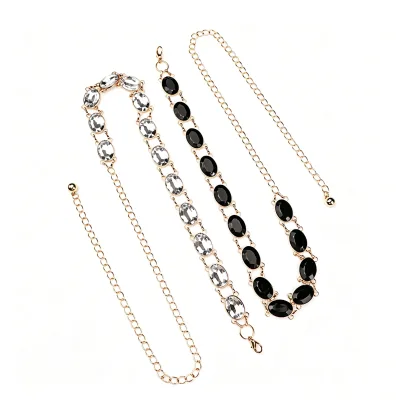
Common materials include PU leather, genuine cow hide, and alloy buckles. Some designs feature elastic fabrics or metal chains for a skinny belt look. Buyers should check product attributes to confirm the belt material and buckle composition, ensuring the quality matches their brand standards and durability expectations.
What is the price range for these belts?
Prices typically range from approximately $3.50 to $11.50 per unit depending on the design complexity and material. Simple PU belts may cost less, while luxury crystal-embellished styles command higher prices. Buyers should request quotes based on their specific quantity and customization needs to get accurate pricing.
Do suppliers offer OEM and ODM services?
Many manufacturers provide both OEM and ODM capabilities, allowing for custom designs and branding. Some suppliers also support own brand development. Buyers looking for unique styles should verify the specific RD capacity and customization options available to ensure the supplier can meet their unique product requirements.