Chinese Style Backflow Incense Burner Suppliers and Manufacturers
Compare 23 suppliers of Chinese Style Backflow Incense Burner products across materials such as ceramic, resin, and polyresin, along with price ranges, MOQ, lead times, response times, and company type. Review the listed products, then contact suppliers to request samples and confirm specifications.
Suppliers List
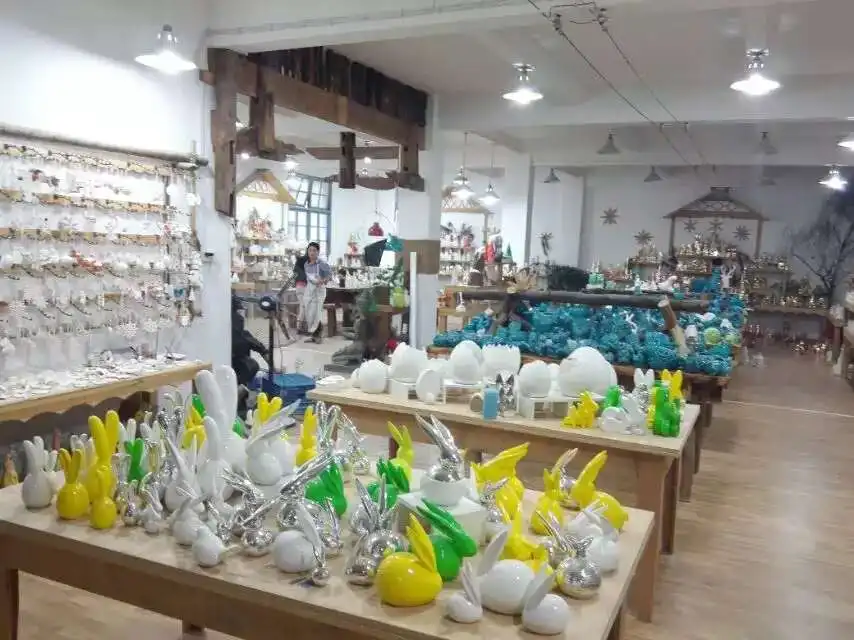
Dehua Beauty Rich Arts & Crafts Co., Ltd.
- Manufacturer, Trading Company
- Fujian, China
- Lead time30 days
- Avg. response≤ 10h
Main productsPolyresin crafts,Ceramic crafts,PVC crafts,Home decoration,Garden decoration
Main marketsEastern Europe(15.00%), North America(15.00%), South America(12.00%), Mid East(5.00%), Oceania(5.00%), South Asia(3.00%), Southern Europe(3.00%), Northern Europe(3.00%), Central America(3.00%), Western Europe(3.00%), Eastern Asia(3.00%), Domestic Market(3.00%), Southeast Asia(3.00%), Africa(2.00%)
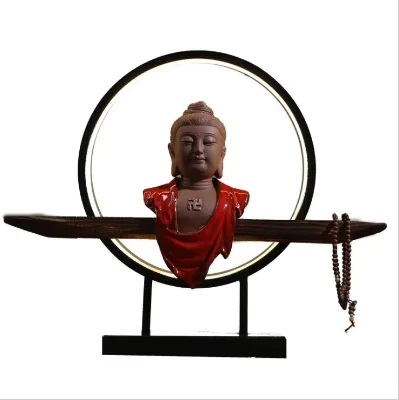
$144.21 - $196.47
MOQ: 500 pieces
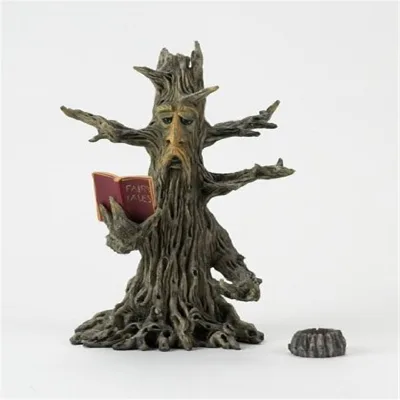
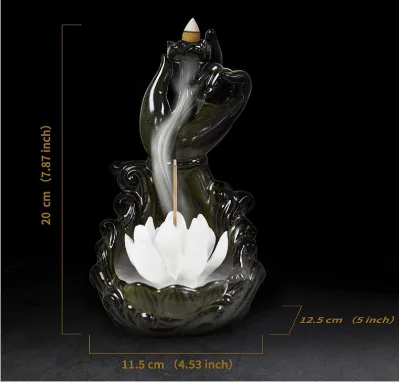
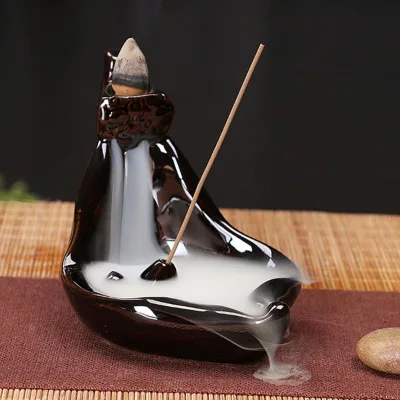
Backflow Incense Holder Incense Waterfall Burner with 100 Incense Cones + 30 Sticks
$5.71 - $10.20
MOQ: 500 pieces
Ningbo Glory King Import & Export Co., Ltd.
- Verified by Intertek
- Trading Company
- Lead time20 days
- Avg. response≤ 3h
Main productsDiffuser and Humidifer, Wax Oil Lamp and Burner, Essential Oil, Fan, Polyester Cotton Fabric
Main marketsNorth America(23%), South America(23%), Africa(23%)

- Verified by BV
- Manufacturer/Factory
- China Fujian
- Lead time15 days
- Avg. response≤ 25h
Main productsWater Bottle, Kitchen Ware, Shoes, Plastic Product, Bag, Toy
Main marketsSouth America,Eastern Europe,Mid East,North America,Southeast Asia,Eastern Asia,Oceania,Western Europe,Africa

Yiwu Pingyun Trading Co., Ltd.
- Trading Company
- Zhejiang, China
- Lead time15 days
- Avg. response≤ 5h
Main productsIncense burner,Perfume Bottle,Lantern,Party Decoration
Main marketsMid East(70.00%), Northern Europe(10.00%), Western Europe(10.00%), North America(10.00%)
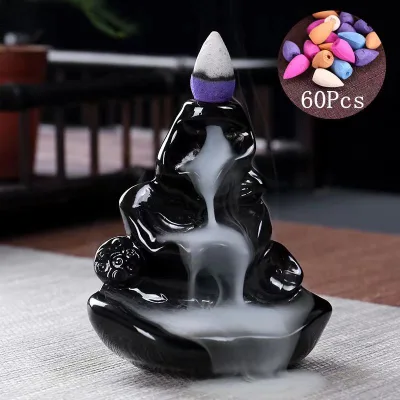
Hot Selling Backflow Incense burner Manufactured in China Wholesale Ceramic Incense burner
$0.66 - $0.81
MOQ: 200 Minimum
$7.02 - $8.24
MOQ: 30 pieces
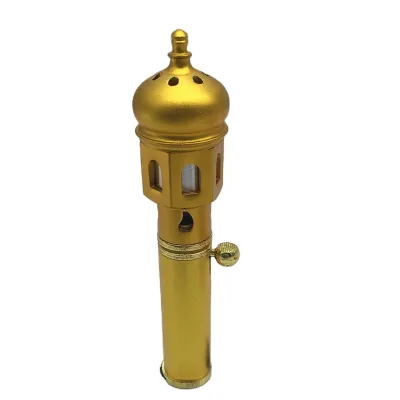
Beijing Yugou Jueyi Cultural And Creative Technology Co., Ltd.
- Verified by TüVRheinland
- Manufacturer, Trading Company
- Lead time20 days
- Avg. response≤ 4h
Main productsConcrete Gypsum Fragrance Series Products, Concrete Gypsum Lighting Series Products, Concrete Gypsum Home Decoration Series Products, Concrete Gypsum Trophy Series Products, Building Components
Main marketsNorth America(23%), Mid East(20%), Western Europe(20%)
Fujian Dehua Mingshuo Ceramics Co., Ltd.
- Manufacturer, Trading Company
- Fujian, China
- Lead time15 days
- Avg. response≤ 1h
Main productsFlowerpot,Tea Set,Mug,Ceramic Ornaments,Matcha set
Main marketsNorth America(55.00%), Mid East(10.00%), South America(10.00%), Western Europe(5.00%), Eastern Europe(5.00%), Oceania(5.00%), Northern Europe(5.00%), Central America(3.00%), Southeast Asia(2.00%)
Shenzhen Lanborui Technology Co., Ltd.
- Trading Company
- Guangdong, China
- Lead time15 days
- Avg. response≤ 5h
Main productsHOME DECOR,Home storage,Aromatherophy items,Decorative & Gift,Gardern items
Main marketsNorth America(40.00%), Mid East(10.00%), Oceania(10.00%), Southern Europe(9.00%), Western Europe(8.00%), Africa(5.00%), Eastern Europe(5.00%), Southeast Asia(5.00%), Northern Europe(5.00%), South America(2.00%), Eastern Asia(1.00%)
Hangzhou Qianghua Cup Industry Co., Ltd.
- Verified by TüVRheinland
- Manufacturer, Trading Company
- Lead time15 days
- Avg. response≤ 2h
Main productsCeramic Mug, Glass Cup, Water Bottle, Thermos Series, Stylish Vase
Main marketsNorth America(25%), Eastern Europe(15%), South America(10%)

Xiamen Athome Household Products Co., Ltd.
- Verified by SGS
- Trading Company
- China Fujian
- Lead time30 days
- Avg. response≤ 4h
Main productsCandle Holders, Drinkware, Arts&Handcrafts & Gifts, Home Decoration, Kicthenware, Tableware
Main marketsSoutheast Asia/ Mideast,East Asia(Japan/ South Korea)

Incense Burner Suitable for Backflow Incense Stick Incense Burner Ceramic Incense Holder
$4.69 - $6.99
MOQ: 50 Pieces


- Manufacturer, Trading Company
- Zhejiang, China
- Lead time0 days
- Avg. response≤ 4h
Main productsmetal incense burner,candle stick,backflow fragrance,ceramics incense burner,scented candles
Main marketsNorth America(10.00%), South America(10.00%), Southeast Asia(10.00%), Africa(10.00%), Mid East(10.00%), Eastern Asia(10.00%), Central America(10.00%), Northern Europe(10.00%), South Asia(10.00%), Domestic Market(10.00%)

Shanghai Fortune Electric Co., Ltd.
- Manufacturer/Factory
- China Shanghai
- Lead time45 days
- Avg. response≤ 14h
Main productsDC Motor, Electric DC Motor, High Voltage Motor, Medium Voltage Motor, Electrical AC Motor, Wound Rotor Slip Ring Motor, Vertical Hollow Shaft Vhs Motor, Small Electric Arc Furnace, Induction Melting Furnace, Continuous Casting Machine
Main marketsSouth America,Eastern Europe,Mid East,North America,Southeast Asia,Eastern Asia,Oceania,Western Europe,Africa

Ningbo Flow Technology Co., Ltd.
- Verified by SGS
- Trading Company,Manufacturer/Factory
- China Zhejiang
- Lead time15 days
- Avg. response≤ 2h
Main productsAroma Diffuser, Essential Oil Diffuser, Scent Diffuser, Air Humidifier, Electric Incense Burner, Car Incense Burner, Fragrance Diffuser, Car Aroma Diffuser, Light Industry Daily Necessities, Air Purifier
Main marketsSouth America,Eastern Europe,Mid East,North America,Western Europe,Africa

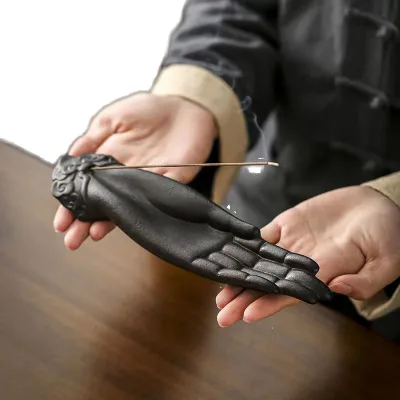
Home Aromatherapy Furnace Portable Buddhism Incense Holder Metal Incense Burner
$2.25 - $3.82
MOQ: 50 Pieces

Wholesale Middle Eastern Handheld USB Electric Incense Burner with Gift Box
$4.25 - $5.82
MOQ: 50 Pieces

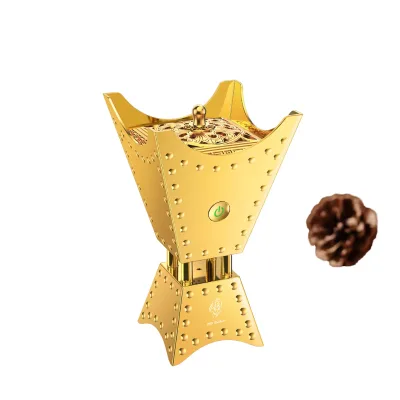
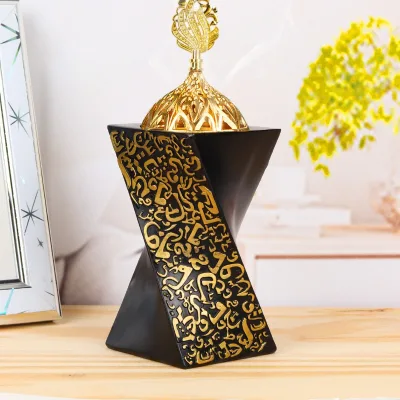
Hot Sale Middle East Arabic Gold Incense Burner Muslim Modern Electric Incense Burner
$1.88 - $3.75
MOQ: 50 Pieces


Guangzhou Anbel Hardware Products Co., Ltd.
- Manufacturer, Trading Company
- Guangdong, China
- Lead time7 days
- Avg. response≤ 4h
Main productsZipper Puller; Metal Label; Button; Championship Belt
Main marketsNorth America(35.00%), Northern Europe(10.00%), Oceania(10.00%), Southeast Asia(10.00%), Eastern Europe(10.00%), South America(10.00%), Africa(5.00%), Eastern Asia(5.00%), Mid East(5.00%)
Danyang Zhanyang Metal Products Co., Ltd.
- Trading Company
- Jiangsu, China
- Lead time10 days
- Avg. response≤ 4h
Main productskitchen drainer,home using storing rack,home using storing trolley,corten steel garden fence,barbecue grill
Main marketsEastern Europe(25.00%), South America(20.00%), Central America(10.00%), Mid East(10.00%), North America(10.00%), Southern Europe(5.00%), Western Europe(5.00%), Northern Europe(5.00%), Southeast Asia(5.00%), South Asia(3.00%), Eastern Asia(3.00%), Africa(2.00%)
Changsha Celion Cultural And Creative Co., Ltd.
- Trading Company
- Hunan, China
- Lead time20 days
- Avg. response≤ 6h
Main productsSmudge Product,Dream Catcher,Incence Burner
Main marketsDomestic Market(100.00%), South Asia(100.00%), South America(100.00%), Southeast Asia(100.00%), Central America(100.00%), Eastern Europe(100.00%), Eastern Asia(100.00%), Mid East(100.00%), Oceania(100.00%), Africa(100.00%), North America(80.00%), Western Europe(14.00%), Northern Europe(4.00%), Southern Europe(2.00%)

Guangzhou Excellendo International Co., LTD
- Trading Company
- China Guangdong
- Lead time15 days
- Avg. response≤ 15h
Main productsPackaging Box, Gift Box, Paper Box, Paper Bags, Cardboard Display Stand, Cosmetic Box, Corrugated Box, Folding Box, Paper Cylinder Box, Perfume Packing Box
Main marketsSoutheast Asia/ Mideast,Europe,North America

Forever Standing Stationery Co., Ltd.
- Combined
- China Guangdong
- Lead time30 days
- Avg. response≤ 25h
Main productsCosmetic Box, Jewelry Box, Make up Box, Wine Box, Wine Bags, Wine Rack, Storage Box, Gift Packing Box, Photo Albums, Stationery and Office Supply
Main marketsSouth America,Africa,Southeast Asia/ Mideast,East Asia(Japan/ South Korea),Domestic,Europe,Australia,North America


Cheap and High Quality Decorative Burner Wood Incense Burner with Drawer
$7.00 - $12.50
MOQ: 1000 Pieces

Chaozhou Chaoan Fengtang Borui Store Business Department
- Verified by SGS
- Trading Company
- China Guangdong
- Lead time23 days
- Avg. response≤ 4h
Main productsBowl Set, Candy Bowl, Gold-Plated Iron Stand, Luxury Home Decor Set
Main marketsDomestic


Home Dining Table Decoration Middle Eastern Arabic Incense Burner Decoration
$8.00 - $15.00
MOQ: 300 Pieces


Hefei Ownswing Houseware Co.,ltd
- Trading Company
- Lead time旺季: "1 - 240":7,"> 240":"To be negotiated", 淡季: "1 - 240":7,"> 240":"To be negotiated"
- Avg. response≤ 7h
Main productsBamboo Kitchen Organizer, Wood Tray, Wood Wall Mounted Shelves, Wood Cutting (Cheese) Board
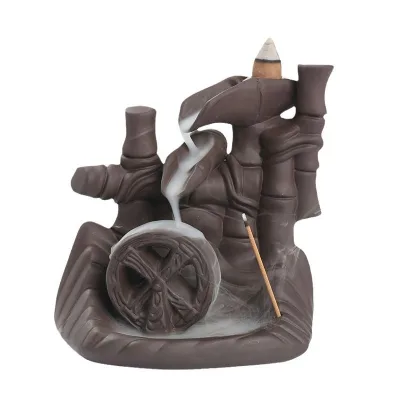
Creative Chinese Style Purple Clay Incense Burner Cross-Border Good Luck Backflow Censer Ornament
$4.10 - $4.78
MOQ: 2 pieces
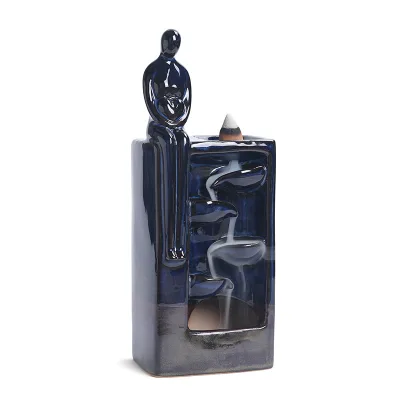
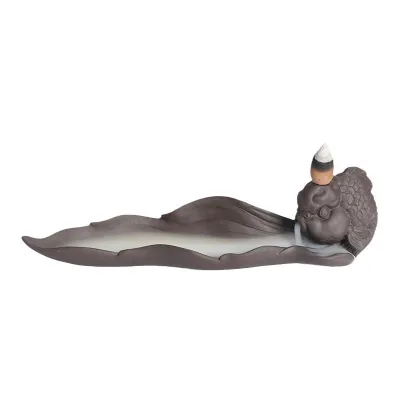
Shenzhen Hejia Industry Co., Ltd.
- Verified by SGS Group
- Trading Company
- Lead time0 days
- Avg. response≤ 7h
Main productsAluminium Tin, Pill Box , Vials Box, LED Stick
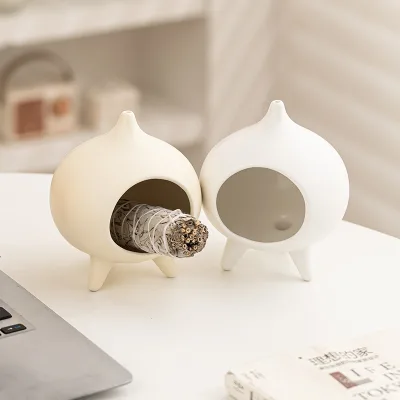
Ceramic Incense Burner Incense Seat Handmade Ceramic Incense Burner Decoration
$2.40 - $2.85
MOQ: 50 pieces
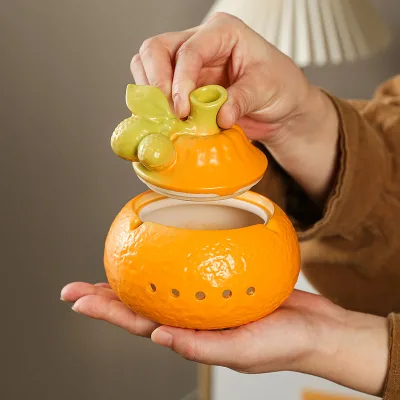
Orange Shaped Incense burner Household Indoor Decoration Ceramic Incense burner
$2.18 - $2.36
MOQ: 50 pieces

WENZHOU TIMES ARTS&CRAFTS CO., LTD.
- Verified by SGS
- Manufacturer/Factory
- China Zhejiang
- Lead time23 days
- Avg. response≤ 3h
Main productsToys, Montessori Toys, Wooden Toy, Educational Toy, Role Play Toys, Children Furniture, Puzzle, Kid Bike, Musical Toy, Wooden Blocks
Main marketsSouth America,Eastern Europe,Mid East,North America,Southeast Asia,Eastern Asia,Oceania,Western Europe,Africa


Hot Sale Antique Pyramid Design Wood Incense Holder / Incense Burner W02A258
$0.50 - $3.00
MOQ: 100 Pieces


2022 New Custom Wooden Portable Home Incense Holder Incense Burner for Sale W02A357
$4.00 - $10.00
MOQ: 100 Pieces


Shenzhen Imooo Innovation Design Limited
- Manufacturer, Buying Office, Distributor/Wholesaler
- Guangdong, China
- Lead time1 days
- Avg. response≤ 1h
Main productsGifts & Crafts,Home & Garden,Car Accessories,Office Products,Sports & Outdoors
Main marketsMid East(10.00%), South Asia(10.00%), Central America(10.00%), Southeast Asia(10.00%), Eastern Europe(10.00%), South America(10.00%), North America(10.00%), Southern Europe(5.00%), Northern Europe(5.00%), Domestic Market(5.00%), Western Europe(5.00%), Eastern Asia(5.00%), Oceania(3.00%), Africa(2.00%)
Shaanxi Avanos Import and Export Trading Co., Ltd.
- Manufacturer, Trading Company
- Shaanxi, China
- Lead time15 days
- Avg. response≤ 12h
Main productscandle warmer lamp,electric wax warmer,essential oil burner,wax burner,candle hodler
Main marketsNorth America(60.00%), Northern Europe(10.00%), Southeast Asia(10.00%), Domestic Market(5.00%)






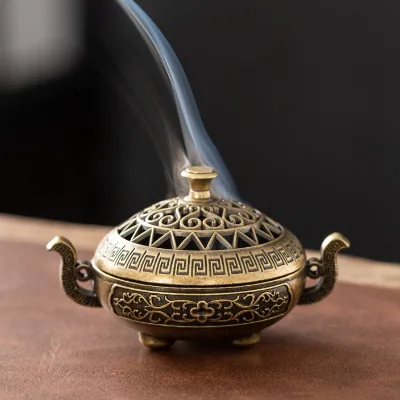
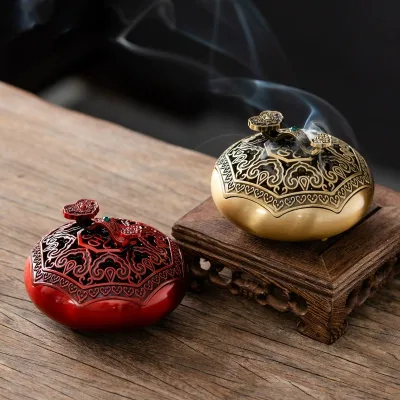
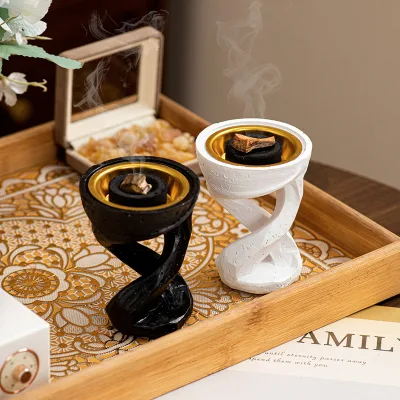
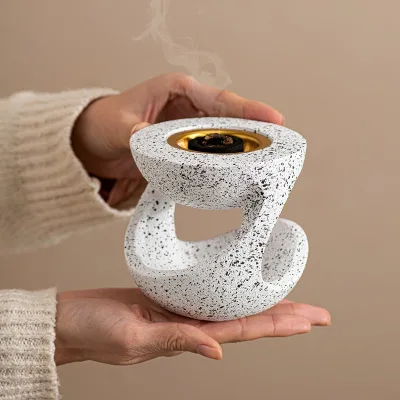
Comprehensive Sourcing Guide
Chinese Style Backflow Incense Burner Supplier Concentration and Factory Types
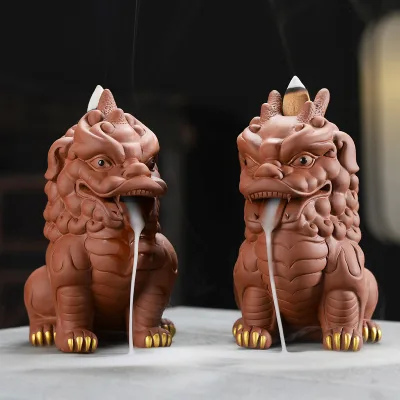
Suppliers of the Chinese Style Backflow Incense Burner appear on B2B platforms in a mix of manufacturer-trading hybrids and pure trading companies. One observed supplier profile based in Fujian, China, lists itself as both Manufacturer and Trading Company, with main products spanning polyresin crafts, ceramic crafts, PVC crafts, home decoration and garden decoration. This combination is common in decorative fragrance goods, where a workshop may mold resin and glaze ceramic while outsourcing packaging, cones or accessories, and then resell complementary items from partner factories. A second observed profile is a pure Trading Company whose main products include diffusers and humidifiers, wax oil lamps and burners, essential oil and fans, suggesting incense burners sit inside a broader home-fragrance catalog rather than a dedicated production line.
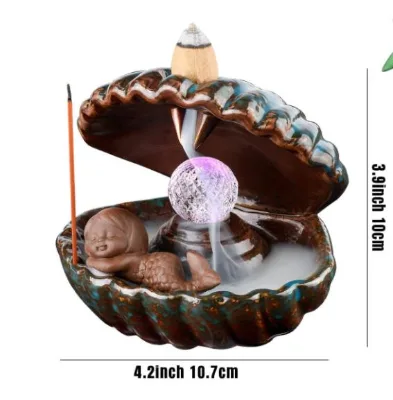
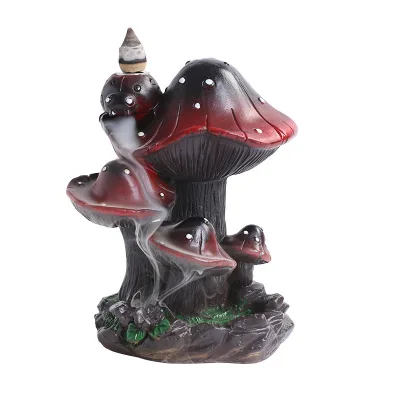
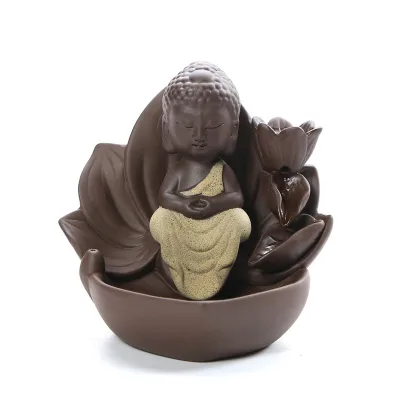
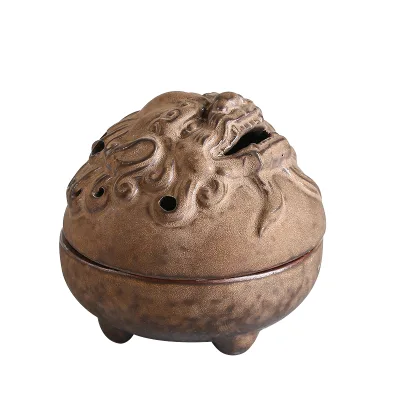
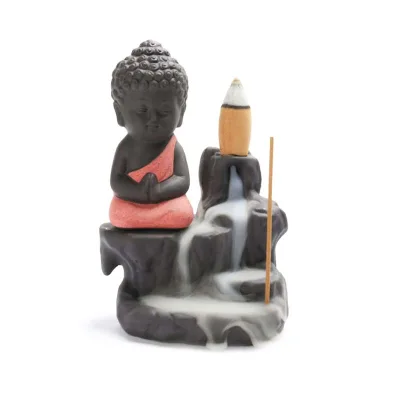
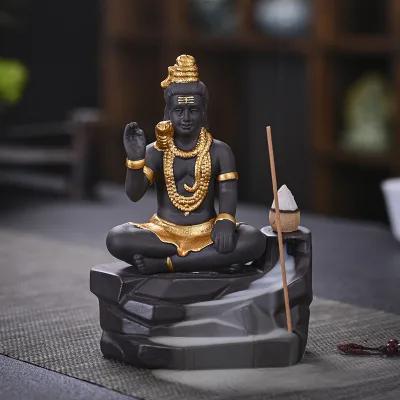
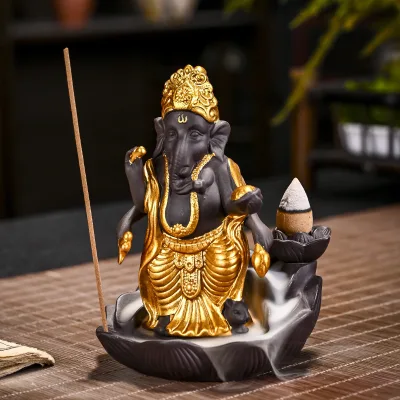
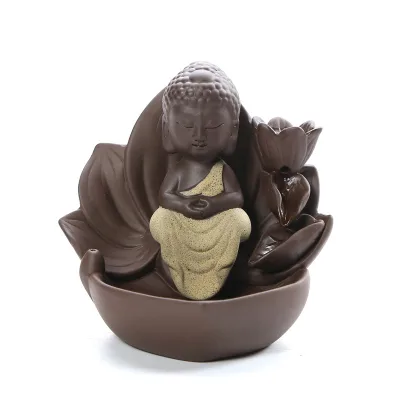
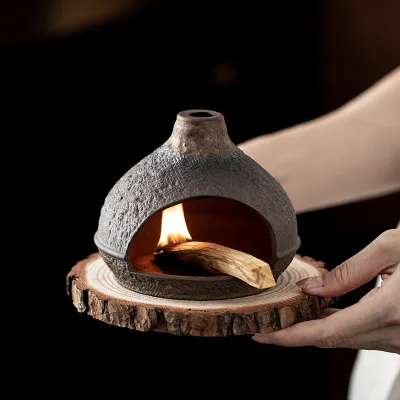
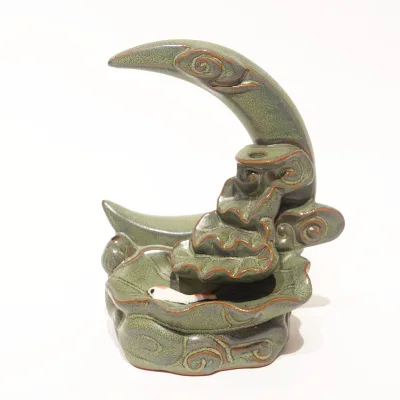
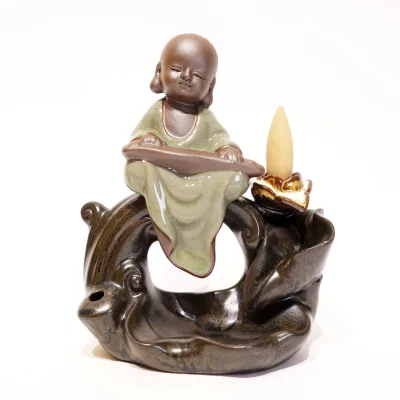
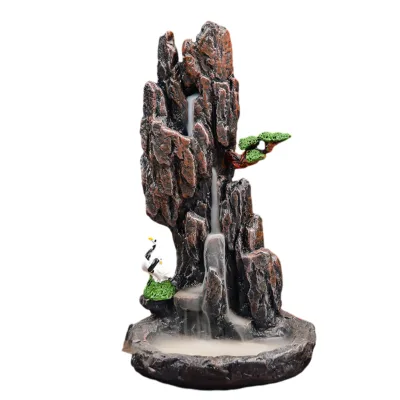
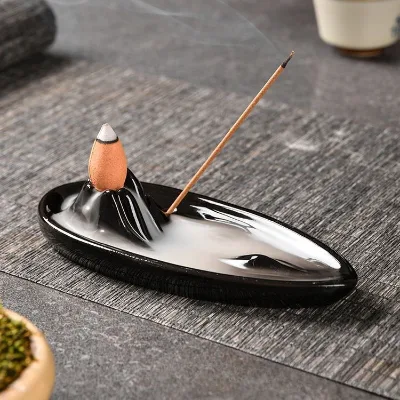
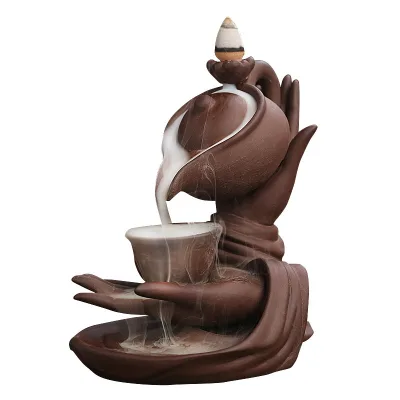
Because listings rarely state factory scale, buyers should treat company type labels as a starting point rather than proof of production capability. Product evidence in this category includes ceramic waterfall burners, resin mushroom and mermaid designs, rotating square burners with covers, electric resin burners and large Zen-style Buddha pieces, indicating overlapping supply chains across resin casting, ceramic firing and electronics. One product listing attributes its place of origin to Zhejiang, China, while a supplier is located in Fujian, so regional concentration cannot be assumed from any single page. To identify real clusters, cross-check declared product origins, supplier registered addresses and shipping ports across multiple listings, then shortlist suppliers whose location, material specialty and product breadth align with your target design.
How to Verify Chinese Style Backflow Incense Burner Suppliers
Verification starts with platform-level signals. In the observed results, one supplier is verified through an Intertek assessment and lists system certifications including FCC, RoHS, LVD, EMC and a Declaration of Conformity; that set matters mainly if you add electric resin burners or powered diffusers to your order, since those involve electronics. A purely ceramic or polyresin burner may not require the same certificates, so ask each supplier which credentials apply to which products instead of assuming a certificate covers an entire catalog. Always request copies of certificates and confirm scope, validity dates and whether the certificate holder matches the legal entity you are contracting with.
Beyond documents, verification should confirm that a supplier actually produces or reliably sources the specific burner style you want. Product evidence shows listings with declared attributes such as material (ceramic, resin or resin/ceramic combinations), model numbers, package sizes and gross weights; ask for these specification sheets and compare them against physical samples. Request business licence details, factory photos or a live video walkthrough, and check whether the listed product name, keywords and attributes are consistent rather than copy-pasted across unrelated categories. For designs with moving parts, such as rotating burners with covers, ask how the mechanism is assembled and inspected. Order a paid sample before committing, test backflow smoke behavior with the supplied cones, and verify packing strength by weighing the sample carton against the declared single gross weight.
What to Compare Across Chinese Style Backflow Incense Burner Suppliers
Build a comparison sheet using the attributes suppliers actually display, without assuming every supplier shows every field. Useful observed dimensions include lead time, response time, company type, location, verification status and main product lines. In the current results, one supplier shows a response time of about 3 hours and a lead time around 20 days, while another shows a response time of about 10 hours and a lead time around 30 days. Those gaps translate directly into reorder speed and launch timing, so record them per supplier and re-confirm quoted values in writing, since displayed figures can reflect typical conditions rather than your order size.
Also compare catalog fit. A Fujian-based manufacturer-trading hybrid focused on polyresin, ceramic and PVC crafts may suit custom sculpted burners, while a trading company whose main products include diffusers, oil lamps and essential oils may suit mixed-container programs combining burners with consumables. Note which suppliers state OEM/ODM acceptance, customization capabilities such as graphic processing, on-demand customization, light customization and sample processing, since these affect branding options. Compare declared product attributes side by side: materials, colors offered (for example brown, army green, beige, black or burgundy), included accessories such as incense cones or sticks, package dimensions and gross weights. Finally, compare verification and certification evidence where displayed. A structured table prevents you from overweighting a single impressive listing and keeps negotiations anchored to comparable, documented facts.
Common Chinese Style Backflow Incense Burner Sourcing Risks
The most frequent risk in this category is material and finish ambiguity. Observed listings describe the same product family in ceramic, resin, or resin/ceramic combinations, sometimes with vague color declarations such as "as photo" or "pic." Vague attributes invite disputes when bulk production differs from the sample, so fix material grades, glaze or paint finishes, and color references with signed specifications and approved golden samples before mass production. A second risk is function failure: backflow burners depend on precise airflow and cone quality, and smoke may not cascade correctly if tolerances slip or substitute cones are packed. Test multiple units per carton in pre-shipment inspection.
Price-driven quality erosion is another hazard. Listed prices in these results range from roughly under two dollars for simple ceramic waterfall burners to well over a hundred dollars for a large new Chinese style Zen Buddha piece, showing how widely quality tiers vary within one keyword. Extremely low quotes may reflect thinner walls, hand-painting shortcuts or reduced cone counts, so compare what is included rather than the number alone. Trading-company intermediation adds margin and communication hops, which can slow defect resolution. Packaging damage during transit is common for glazed ceramic and delicate resin details, especially with multi-part designs. Finally, verify compliance claims independently: certificates displayed on a profile may not cover every item, and electronics inside electric burners need destination-market checks before shipment.
Chinese Style Backflow Incense Burner Regional Sourcing and Logistics
Only one location is supplied with confidence in the current results: a supplier based in Fujian, China, and a separate product listing attributing its place of origin to Zhejiang, China. Do not generalize these into a cluster map; instead, use them as prompts for verification. Ask each shortlisted supplier where production actually occurs, which port shipments leave from, and whether the registered address matches the factory address. Decorative craft supply chains often combine molding or firing in one province with finishing, cone supply or packing elsewhere, so the location on a profile may describe sales offices rather than kilns or casting lines.
Logistics planning should reflect the physical profile of the goods. Observed listings declare single package sizes around 20X15X10 cm and 15X20X20 cm, with single gross weights of about 1.0 to 2.0 kg, which is bulky relative to product value and quickly fills a container. Calculate volumetric weight for air freight and confirm whether cartons ship flat-packed or fully assembled, since assembled ceramic burners need more protective space. Lead times displayed in the results run around 20 to 30 days, but fragile goods add inspection and repacking time, so build buffer into your schedule. Consolidate cones, sticks and burners with one supplier where possible to reduce matching risks, and confirm who bears freight, insurance and customs documentation responsibilities before booking.
Chinese Style Backflow Incense Burner Commercial Terms and Order Planning
Commercial terms should be negotiated against the evidence each supplier displays. One observed listing shows a minimum order quantity of 500 pieces with a price range of roughly 144 to 196 dollars for a large Zen-style burner, while other listings show prices from under two dollars to about ten dollars for compact waterfall and mermaid designs, some without a displayed MOQ. This spread means your unit economics depend heavily on which design tier and supplier type you select. Request tiered quotes at several quantities, confirm whether cone and stick accessories are included, and clarify whether displayed prices are sample prices, FOB reference prices or something else.
Order planning should sequence verification before volume. Place a sample order, approve a golden sample with dated photographs, then commit to production with a written specification covering material, color, dimensions, packaging, carton marks and inspection standards. Use payment structures that protect the buyer, such as deposits with balance after inspection, and confirm what dispute protection the platform or payment channel actually provides rather than assuming coverage. Reconcile displayed lead times of roughly 20 to 30 days with your sales calendar and add time for fragile-goods inspection. For reorder programs, record each supplier's response speed, customization scope and certification coverage in a scorecard, and re-quote annually, since decorative craft pricing and material availability shift with seasons and export demand.
FAQs
What materials are Chinese style backflow incense burners typically made from?
Most Chinese style backflow incense burners on this page are made from ceramic or polyresin. Ceramic versions are common for traditional designs such as Buddha and waterfall styles, while resin allows more detailed creative shapes. Before ordering, ask each supplier to confirm the exact material composition, finish quality, and whether the resin used meets any eco-friendly or safety requirements your market demands.
What is the typical MOQ for wholesale backflow incense burners?
Minimum order quantities vary by model, and listings on this page range from around 2 pieces to 500 pieces. Detailed large ceramic pieces such as decorated backflow burners usually carry higher MOQs, while smaller waterfall burners often have low minimums. Always confirm the MOQ per SKU before quoting, since sample designs, custom colors, and bundled cone sets can each carry different minimum requirements.
How much do wholesale backflow incense burners cost per unit?
Unit prices on this page range from roughly 1.80 to 2.00 USD for basic ceramic waterfall burners up to 144 to 196 USD for large decorative pieces. Most mid-range creative burners sit between 3.50 and 10 USD. Final pricing depends on material, size, order quantity, and any customization, so request quotations for your specific volume and design requirements before comparing suppliers.
Can I buy backflow incense burners that include incense cones or sticks?
Yes, some listings include consumables. For example, one waterfall burner is offered with 100 incense cones plus 30 sticks, and another ceramic mermaid design includes 20 cones. Bundled sets make retail-ready gift packages and can raise perceived value. When comparing quotes, verify cone quantity, fragrance type, burn time, packaging, and whether replacement refills can be sourced from the same supplier.
What lead times should I expect when ordering backflow incense burners from China?
Lead times on this page range from about 20 to 30 days depending on the supplier and order complexity. Trading companies with stocked ceramic models may ship faster, while customized resin or decorated designs take longer due to mold and finishing work. Confirm production time separately from shipping time, and ask whether peak season or pre-holiday orders extend the stated production schedule.
Do suppliers on this page offer OEM or custom backflow incense burner designs?
Several listings indicate customization support. One resin and ceramic burner listing explicitly states OEM and ODM are acceptable, and other suppliers list capabilities such as graphic processing, customized on demand, light customization, and sample processing. Custom options may include logo printing, color changes, and packaging. Request sample production before committing, and clarify mold fees, ownership terms, and minimum quantities for custom designs.
Are there electric backflow or resin incense burners available for wholesale?
Yes, this page includes an electric resin incense burner available in black and burgundy, priced between 4.90 and 5.20 USD with a sandalwood scent option. Electric models suit buyers targeting customers who prefer flameless aromatherapy. When sourcing these units, verify electrical certifications for your destination market, plug type requirements, power specifications, and whether scent and finish options can be adjusted per order.
How quickly do these incense burner suppliers respond to inquiries?
Response times recorded on this page range from about 3 to 10 hours. Faster response matters when you need quick sampling decisions or urgent order adjustments, especially before seasonal buying periods. When shortlisting, send the same inquiry to several suppliers and compare actual reply speed, detail level, and willingness to provide samples rather than relying only on the listed average response time.