Chinese Style Ceramic Incense Burner Suppliers and Manufacturers
Source 26 verified suppliers for Chinese Style Ceramic Incense Burner. Compare response times, lead times, and MOQs from Fujian, Guangdong, and Zhejiang factories. Filter by certifications and pricing to find the right partner; review the available evidence before requesting comparable quotations from suitable candidates.
Suppliers List
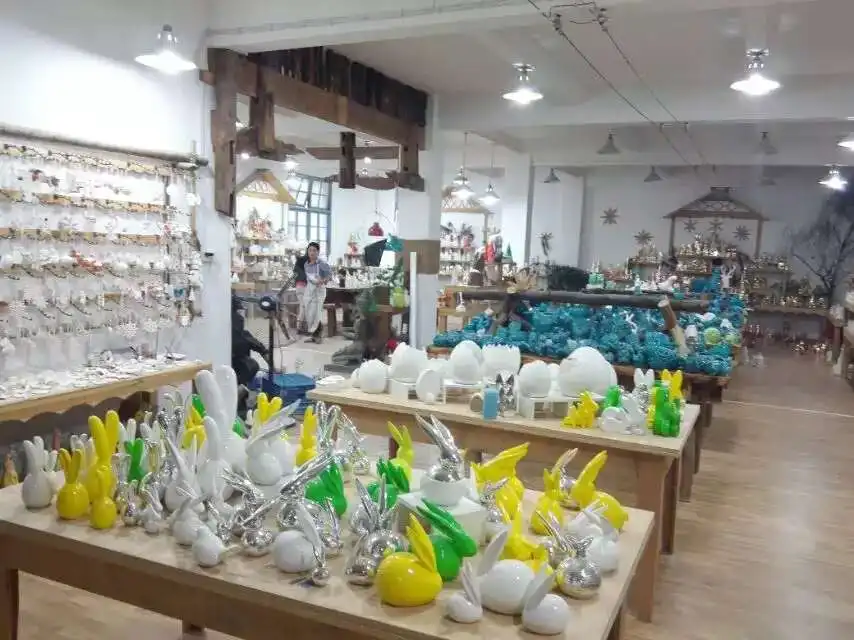
Dehua Beauty Rich Arts & Crafts Co., Ltd.
- Manufacturer, Trading Company
- Fujian, China
- Lead time30 days
- Avg. response≤ 9h
Main productsPolyresin crafts,Ceramic crafts,PVC crafts,Home decoration,Garden decoration
Main marketsEastern Europe(15.00%), North America(15.00%), South America(12.00%), Mid East(5.00%), Oceania(5.00%), South Asia(3.00%), Southern Europe(3.00%), Northern Europe(3.00%), Central America(3.00%), Western Europe(3.00%), Eastern Asia(3.00%), Domestic Market(3.00%), Southeast Asia(3.00%), Africa(2.00%)

Chaozhou Chaoan Fuzhong Craft Ceramics Factory
- Manufacturer
- Guangdong, China
- Lead time60 days
- Avg. response≤ 18h
Main productsFlower pot,Vase,Compost pail,Home Decoration,Garden Decoration
Main marketsNorth America(20.00%), South America(18.00%), Domestic Market(10.00%), Northern Europe(10.00%), Central America(8.33%), Eastern Europe(8.33%), Western Europe(8.00%), Southern Europe(6.00%), Oceania(5.00%), Southeast Asia(2.00%), South Asia(2.00%), Eastern Asia(2.00%)
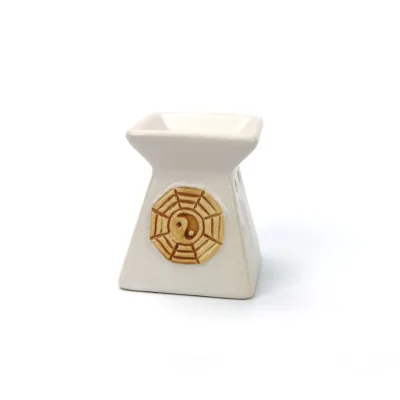
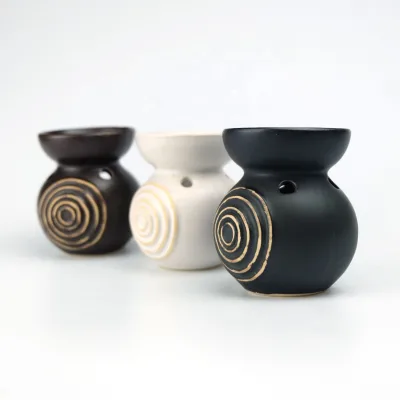
Ceramic Cheap Incense Burner, Oil burner
$0.35 - $0.85
- Manufacturer, Trading Company
- Zhejiang, China
- Lead time0 days
- Avg. response≤ 4h
Main productsmetal incense burner,candle stick,backflow fragrance,ceramics incense burner,scented candles
Main marketsNorth America(10.00%), South America(10.00%), Southeast Asia(10.00%), Africa(10.00%), Mid East(10.00%), Eastern Asia(10.00%), Central America(10.00%), Northern Europe(10.00%), South Asia(10.00%), Domestic Market(10.00%)
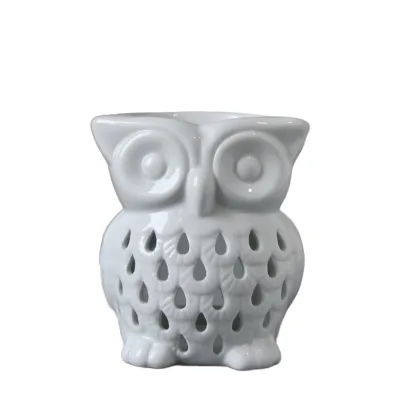
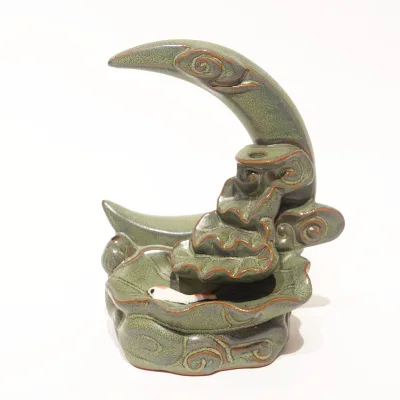
Popular Creative Colorful Moon Shaped Reflux Incense Burner, Smoke Waterfall Incense burner
$1.57 - $2.20
MOQ: 60 Minimum
- Verified by TüVRheinland
- Trading Company
- Lead time60 days
- Avg. response≤ 2h
Main productsCeramic & Cement Craft Products
Main marketsNorth America(45%), Oceania(14%), Eastern Asia(10%)

- Verified by BV
- Manufacturer/Factory
- China Fujian
- Lead time15 days
- Avg. response≤ 25h
Main productsWater Bottle, Kitchen Ware, Shoes, Plastic Product, Bag, Toy
Main marketsSouth America,Eastern Europe,Mid East,North America,Southeast Asia,Eastern Asia,Oceania,Western Europe,Africa
Shanghai Huijiao Information Technology Co., Ltd.
- Trading Company
- Shanghai, China
- Lead time7 days
- Avg. response≤ 1h
Main productsScented Candle,Household Candle,Birthday Candle,Art Candle,Reed Diffuser
Main marketsMid East(30.00%), North America(20.00%), Western Europe(20.00%), South Asia(10.00%), Eastern Europe(10.00%), Northern Europe(10.00%)

Guangzhou Excellendo International Co., LTD
- Trading Company
- China Guangdong
- Lead time15 days
- Avg. response≤ 16h
Main productsPackaging Box, Gift Box, Paper Box, Paper Bags, Cardboard Display Stand, Cosmetic Box, Corrugated Box, Folding Box, Paper Cylinder Box, Perfume Packing Box
Main marketsSoutheast Asia/ Mideast,Europe,North America
Shenzhen Hejia Industry Co., Ltd.
- Verified by SGS Group
- Trading Company
- Lead time0 days
- Avg. response≤ 8h
Main productsAluminium Tin, Pill Box , Vials Box, LED Stick
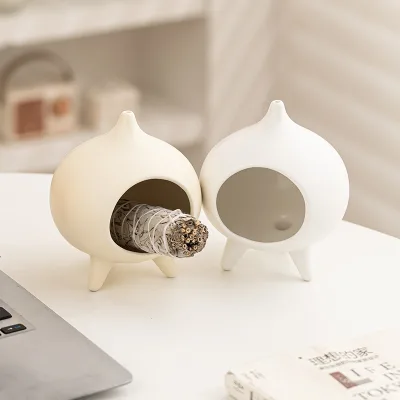
Ceramic Incense Burner Incense Seat Handmade Ceramic Incense Burner Decoration
$2.40 - $2.86
MOQ: 50 pieces
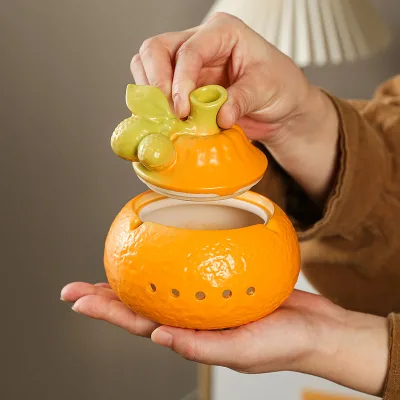
Orange Shaped Incense burner Household Indoor Decoration Ceramic Incense burner
$2.18 - $2.36
MOQ: 50 pieces
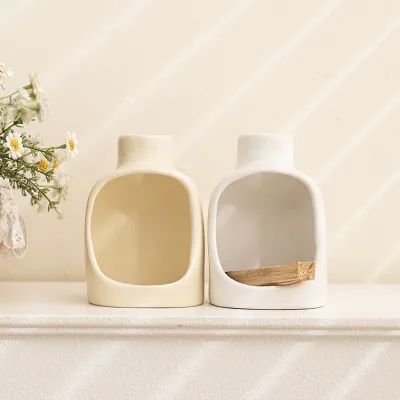
Minimalist Ceramic Incense Burner Decoration with Chimney Incense Burning Container
$2.73 - $3.06
MOQ: 50 pieces
Ningbo Glory King Import & Export Co., Ltd.
- Verified by Intertek
- Trading Company
- Lead time20 days
- Avg. response≤ 3h
Main productsDiffuser and Humidifer, Wax Oil Lamp and Burner, Essential Oil, Fan, Polyester Cotton Fabric
Main marketsNorth America(23%), South America(23%), Africa(23%)

Ningbo Flow Technology Co., Ltd.
- Verified by SGS
- Trading Company,Manufacturer/Factory
- China Zhejiang
- Lead time15 days
- Avg. response≤ 2h
Main productsAroma Diffuser, Essential Oil Diffuser, Scent Diffuser, Air Humidifier, Electric Incense Burner, Car Incense Burner, Fragrance Diffuser, Car Aroma Diffuser, Light Industry Daily Necessities, Air Purifier
Main marketsSouth America,Eastern Europe,Mid East,North America,Western Europe,Africa

Home Aromatherapy Furnace Portable Buddhism Incense Holder Metal Incense Burner
$2.25 - $3.82
MOQ: 50 Pieces

Hot Sale Middle East Arabic Gold Incense Burner Muslim Modern Electric Incense Burner
$1.88 - $3.75
MOQ: 50 Pieces


Wholesale Middle Eastern Handheld USB Electric Incense Burner with Gift Box
$4.25 - $5.82
MOQ: 50 Pieces

Fujian Dehua Mingshuo Ceramics Co., Ltd.
- Manufacturer, Trading Company
- Fujian, China
- Lead time15 days
- Avg. response≤ 1h
Main productsFlowerpot,Tea Set,Mug,Ceramic Ornaments,Matcha set
Main marketsNorth America(55.00%), Mid East(10.00%), South America(10.00%), Western Europe(5.00%), Eastern Europe(5.00%), Oceania(5.00%), Northern Europe(5.00%), Central America(3.00%), Southeast Asia(2.00%)
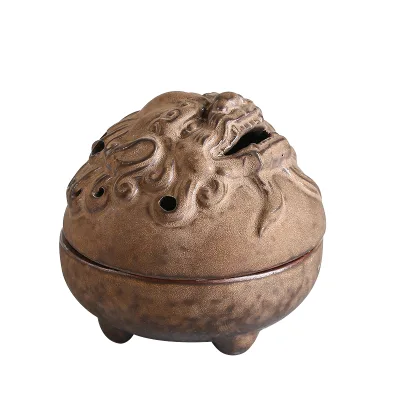
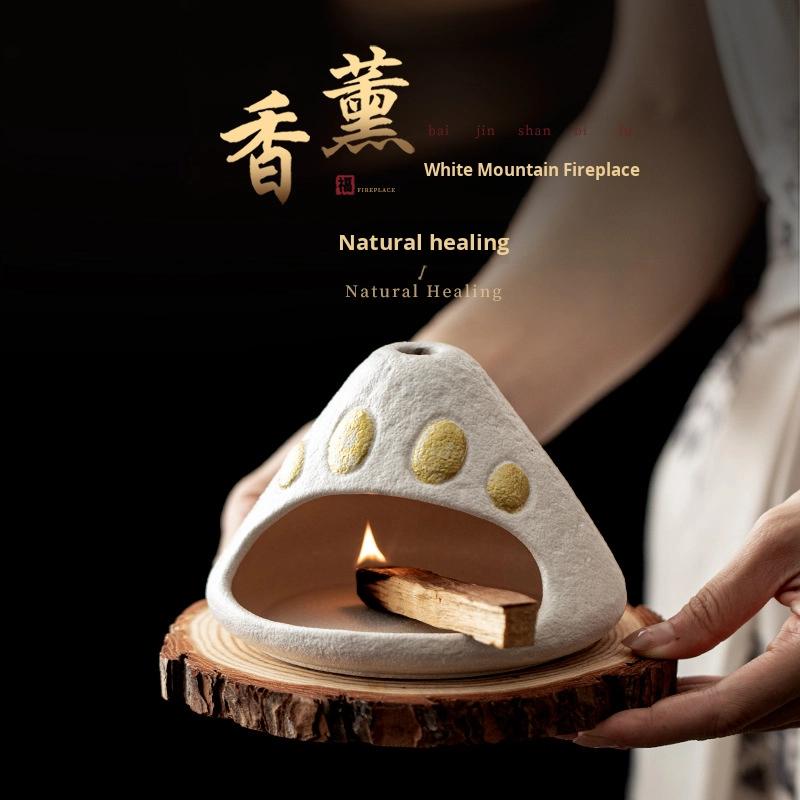
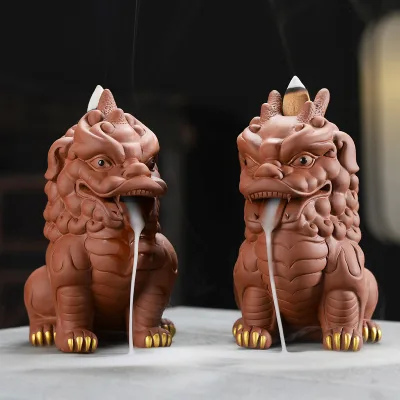
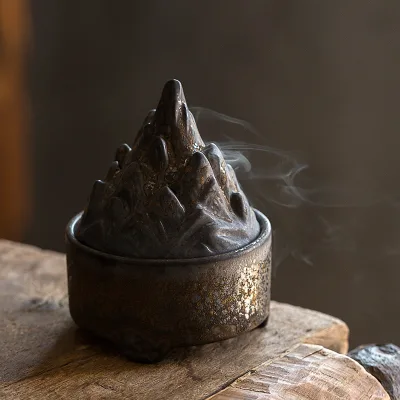
Black & White Jinshan Ceramic Incense Burner Peruvian Aromatherapy Diffuser Home Atmosphere Ornament
$3.66 - $4.28
MOQ: 1 pieces

Shanghai Fortune Electric Co., Ltd.
- Manufacturer/Factory
- China Shanghai
- Lead time45 days
- Avg. response≤ 14h
Main productsDC Motor, Electric DC Motor, High Voltage Motor, Medium Voltage Motor, Electrical AC Motor, Wound Rotor Slip Ring Motor, Vertical Hollow Shaft Vhs Motor, Small Electric Arc Furnace, Induction Melting Furnace, Continuous Casting Machine
Main marketsSouth America,Eastern Europe,Mid East,North America,Southeast Asia,Eastern Asia,Oceania,Western Europe,Africa
Yiwu Bukhoont Technology Co., Ltd.
- Trading Company
- Zhejiang, China
- Lead time15 days
- Avg. response≤ 1h
Main productsIncense Burner,Hair Straightener,humidifier,Fan/Mini Fan,Hair Trimmer
Main marketsMid East(80.00%), Northern Europe(5.00%), Western Europe(5.00%), North America(5.00%), Eastern Europe(5.00%)

Yiwu Pingyun Trading Co., Ltd.
- Trading Company
- Zhejiang, China
- Lead time15 days
- Avg. response≤ 7h
Main productsIncense burner,Perfume Bottle,Lantern,Party Decoration
Main marketsMid East(70.00%), Northern Europe(10.00%), Western Europe(10.00%), North America(10.00%)
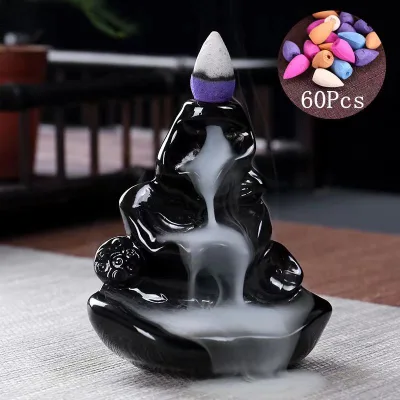
Hot Selling Backflow Incense burner Manufactured in China Wholesale Ceramic Incense burner
$0.66 - $0.81
MOQ: 200 Minimum
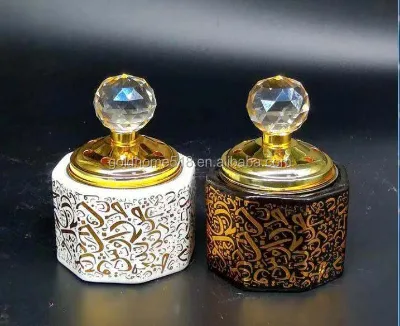
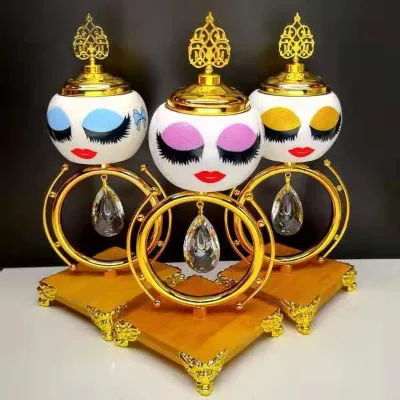
square Shape Ceramic burner Box for Charcoal with Black and White Color As Wedding Gifts
$3.30 - $3.60
MOQ: 48 boxes
Hangzhou Qianghua Cup Industry Co., Ltd.
- Verified by TüVRheinland
- Manufacturer, Trading Company
- Lead time15 days
- Avg. response≤ 2h
Main productsCeramic Mug, Glass Cup, Water Bottle, Thermos Series, Stylish Vase
Main marketsNorth America(25%), Eastern Europe(15%), South America(10%)
Xiamen Scent Sational Enterprises Co., Ltd.
- Verified by Intertek
- Manufacturer, Trading Company
- Lead time40 days
- Avg. response≤ 6h
Main productsOil Burner, Ultrasonic Oil Diffuser, Electric Wax Warmer, Aroma Candle, Aroma Set
Main marketsNorth America(87%), South America(5%), Western Europe(4%)
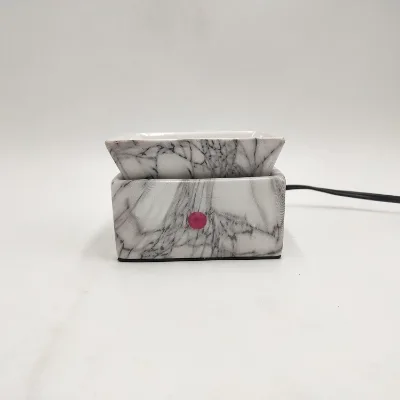
Incense Burner Flower Shape Plate Ceramic Burner Electric Incense Burner Scent Candle
$4.50 - $4.80
MOQ: 1000 pieces
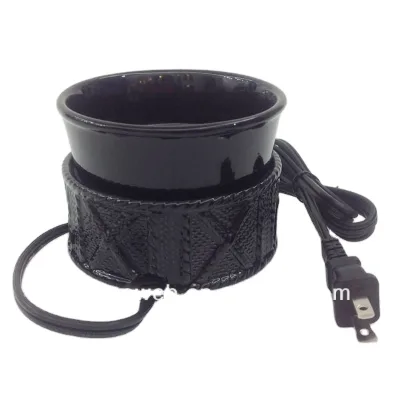
Wholesale CE Ceramic Electric Melt burner
$1.60 - $2.20

Forever Standing Stationery Co., Ltd.
- Combined
- China Guangdong
- Lead time30 days
- Avg. response≤ 25h
Main productsCosmetic Box, Jewelry Box, Make up Box, Wine Box, Wine Bags, Wine Rack, Storage Box, Gift Packing Box, Photo Albums, Stationery and Office Supply
Main marketsSouth America,Africa,Southeast Asia/ Mideast,East Asia(Japan/ South Korea),Domestic,Europe,Australia,North America
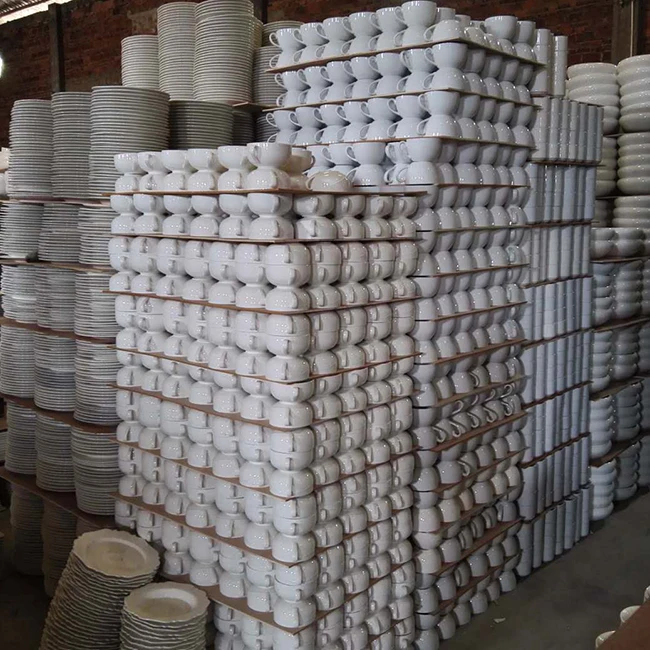
Shenzhen Sanbo Home And Garden Manufacturing Co., Ltd.
- Manufacturer, Trading Company
- Gaungdong, China
- Lead time15 days
- Avg. response≤ 2h
Main productsstainless steel dinnerware,metal cake holder,glass cake holder,cake tools,ceramic dinnerware
Main marketsAfrica(20.00%), Southeast Asia(10.00%), Eastern Europe(10.00%), Oceania(10.00%), Southern Europe(9.00%), Central America(8.00%), Northern Europe(8.00%), South Asia(6.00%), South America(4.00%), Western Europe(4.00%), Eastern Asia(3.00%), Mid East(3.00%), North America(3.00%), Domestic Market(2.00%)

Chaozhou Chaoan Fengtang Borui Store Business Department
- Verified by SGS
- Trading Company
- China Guangdong
- Lead time23 days
- Avg. response≤ 4h
Main productsBowl Set, Candy Bowl, Gold-Plated Iron Stand, Luxury Home Decor Set
Main marketsDomestic
Beijing 56 Healing Trading Co., Ltd.
- Trading Company
- Beijing, China
- Lead time0 days
- Avg. response≤ 1h
Main productsGlasswares,Crystals&Smudge Sticks,Incense sticks,Custom
Main marketsOceania(50.00%), North America(25.00%), Eastern Asia(10.00%), Northern Europe(10.00%), Mid East(5.00%)
Shenzhen Lanborui Technology Co., Ltd.
- Trading Company
- Guangdong, China
- Lead time15 days
- Avg. response≤ 5h
Main productsHOME DECOR,Home storage,Aromatherophy items,Decorative & Gift,Gardern items
Main marketsNorth America(40.00%), Mid East(10.00%), Oceania(10.00%), Southern Europe(9.00%), Western Europe(8.00%), Africa(5.00%), Eastern Europe(5.00%), Southeast Asia(5.00%), Northern Europe(5.00%), South America(2.00%), Eastern Asia(1.00%)
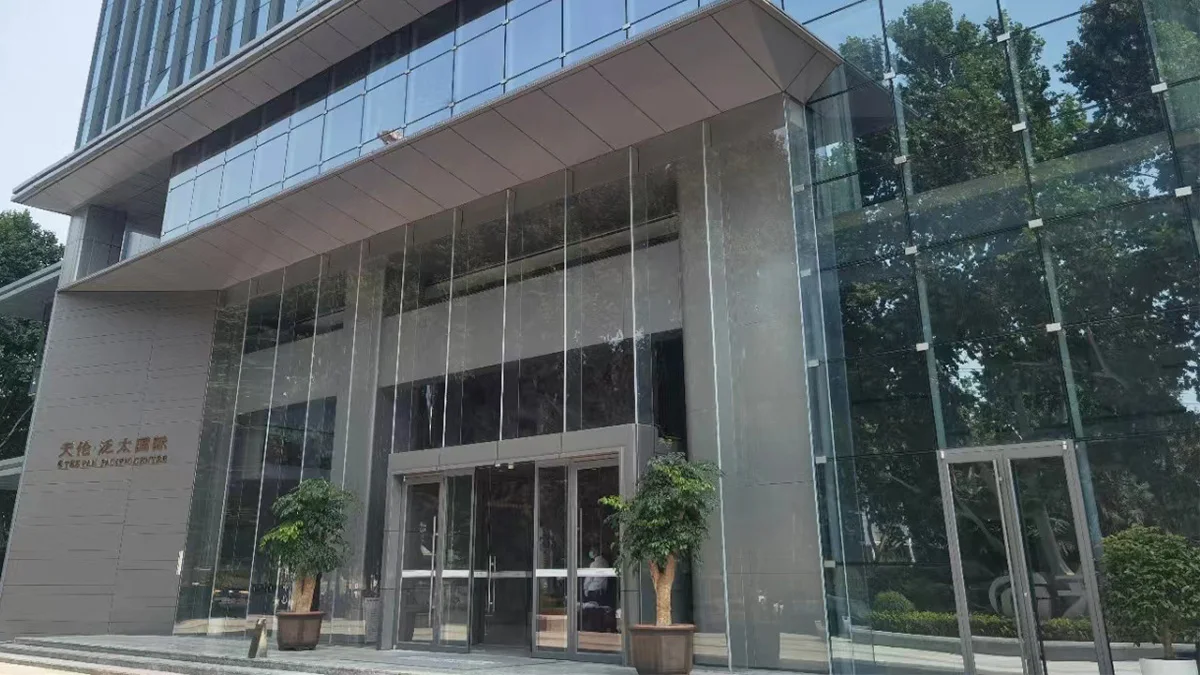
Shaanxi Avanos Import and Export Trading Co., Ltd.
- Manufacturer, Trading Company
- Shaanxi, China
- Lead time15 days
- Avg. response≤ 11h
Main productscandle warmer lamp,electric wax warmer,essential oil burner,wax burner,candle hodler
Main marketsNorth America(60.00%), Northern Europe(10.00%), Southeast Asia(10.00%), Domestic Market(5.00%)
Changsha Celion Cultural And Creative Co., Ltd.
- Trading Company
- Hunan, China
- Lead time20 days
- Avg. response≤ 6h
Main productsSmudge Product,Dream Catcher,Incence Burner
Main marketsDomestic Market(100.00%), South Asia(100.00%), South America(100.00%), Southeast Asia(100.00%), Central America(100.00%), Eastern Europe(100.00%), Eastern Asia(100.00%), Mid East(100.00%), Oceania(100.00%), Africa(100.00%), North America(80.00%), Western Europe(14.00%), Northern Europe(4.00%), Southern Europe(2.00%)

WENZHOU TIMES ARTS&CRAFTS CO., LTD.
- Verified by SGS
- Manufacturer/Factory
- China Zhejiang
- Lead time23 days
- Avg. response≤ 4h
Main productsToys, Montessori Toys, Wooden Toy, Educational Toy, Role Play Toys, Children Furniture, Puzzle, Kid Bike, Musical Toy, Wooden Blocks
Main marketsSouth America,Eastern Europe,Mid East,North America,Southeast Asia,Eastern Asia,Oceania,Western Europe,Africa


Hot Sale Antique Pyramid Design Wood Incense Holder / Incense Burner W02A258
$0.50 - $3.00
MOQ: 100 Pieces

2022 New Custom Wooden Portable Home Incense Holder Incense Burner for Sale W02A357
$4.00 - $10.00
MOQ: 100 Pieces
Hefei Ownswing Houseware Co.,ltd
- Verified by SGS Group
- Trading Company
- Lead time7 days
- Avg. response≤ 5h
Main productsBamboo Kitchen Organizer, Wood Tray, Wood Wall Mounted Shelves, Wood Cutting (Cheese) Board
Main marketsNorth America(50%), Mid East(15%), Western Europe(10%)

Shenzhen Imooo Innovation Design Limited
- Manufacturer, Buying Office, Distributor/Wholesaler
- Guangdong, China
- Lead time1 days
- Avg. response≤ 1h
Main productsGifts & Crafts,Home & Garden,Car Accessories,Office Products,Sports & Outdoors
Main marketsMid East(10.00%), South Asia(10.00%), Central America(10.00%), Southeast Asia(10.00%), Eastern Europe(10.00%), South America(10.00%), North America(10.00%), Southern Europe(5.00%), Northern Europe(5.00%), Domestic Market(5.00%), Western Europe(5.00%), Eastern Asia(5.00%), Oceania(3.00%), Africa(2.00%)










Comprehensive Sourcing Guide
Chinese Style Ceramic Incense Burner Supplier Concentration and Factory Types
When sourcing a Chinese Style Ceramic Incense Burner, supplier concentration matters because clusters shape what a buyer can expect from a given region. Supplier results in this category point to Fujian, Guangdong and Zhejiang as active sourcing locations, each with a distinct profile. Fujian-based companies list polyresin crafts, ceramic crafts, PVC crafts and home and garden decoration among their main products, and typically operate as a hybrid of manufacturer and trading company. Guangdong suppliers center on flower pots, vases, compost pails, and home and garden decoration, and identify as manufacturers. Zhejiang suppliers focus specifically on metal incense burners, candle sticks, backflow fragrance items, ceramics incense burners and scented candles, which suggests a tighter category focus.
Factory types also vary. Some suppliers in these results are pure manufacturers, others are trading companies, and some are hybrid entities that both make and resell. Trading companies in this category may list ceramic and cement craft products broadly rather than incense burners exclusively, so their specialization must be tested. A manufacturer with incense burners named among core main products is generally better positioned for custom glazes and repeat orders, while a trading company may offer wider assortment across adjacent decor items. Where a location is not stated, buyers should identify clusters by checking product attribute pages for declared places of origin and by asking each supplier which region its kilns and glazing partners sit in.
How to Verify Chinese Style Ceramic Incense Burner Suppliers
Verification begins with documents and observable platform signals rather than claims in chat. Check whether the supplier holds a displayed system certification; in the current results, at least one Zhejiang-based trading company shows an LFGB certification. Confirm third-party verification status, since one supplier in the results is verified by TüV Rheinland. Absence of a displayed credential is not proof of a problem, but it means the buyer must request the certificate directly and match the certificate holder's legal name to the entity named on the contract and invoice. Also confirm whether the profile identifies the company as a manufacturer, trading company or both, because this determines who is actually responsible for firing, glazing and quality control.
Beyond certificates, verify practical capability. Ask for the factory address and check whether it is consistent with the declared province, since ceramic production requires kilns that a small trading office would not operate. Review the product listings: attributes such as material, model number, package size and declared place of origin, as seen on Zhejiang incense burner listings, indicate disciplined data management, which usually reflects disciplined production. Request photos or video of the kiln and glazing line, and ask how backflow and waterfall designs are tested for smoke behavior. One supplier in the results reports no in-house R&D capacity, which signals limited ability to develop new molds; if customization matters, confirm design resources explicitly. Finally, ask for recent references from buyers importing comparable ceramic decor into your market.
What to Compare Across Chinese Style Ceramic Incense Burner Suppliers
Build a comparison table using the attributes suppliers actually display, without assuming every profile shows every field. Useful dimensions include lead time, minimum order quantity, response speed, location, main products, company type and any certification or verification labels. In the current results, lead times range from very short to around 30 days and up to roughly 60 days depending on the supplier, so production planning gaps of a month or more exist across candidates. Response times in the data range from about 2 hours to 18 hours and in one case 9 hours, which is a meaningful signal for how quickly design iterations and reorder confirmations will move. MOQs also differ sharply: some listings show minimums around 60 or 120 pieces, while another shows 500 pieces.
Compare product depth as well as company attributes. Some suppliers list a narrow incense-focused range including backflow and waterfall burners, metal holders and scented candles; others embed incense burners inside a broader home and garden decor catalog of flower pots, vases and polyresin crafts. Price bands on listed burners span from under one dollar for basic oil burners to several dollars for handcrafted, fantasy or electric resin designs, so align the comparison with your target price segment. Also weigh the presence of a paid-transaction or escrow mechanism where displayed, since it affects dispute recourse. Finally, compare establishment-year information if a profile shows it, because older entities with category-focused main products tend to have stable kiln partners and glaze recipes.
Common Chinese Style Ceramic Incense Burner Sourcing Risks
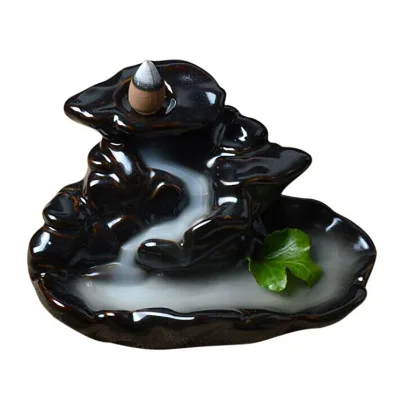
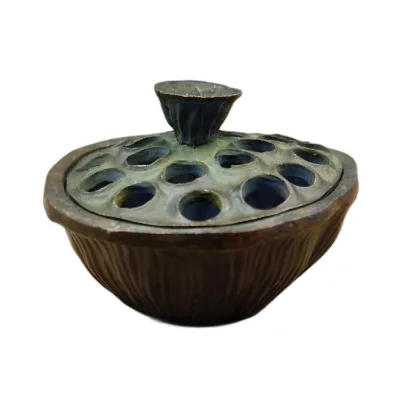
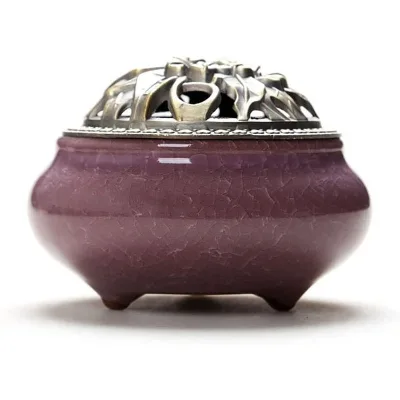
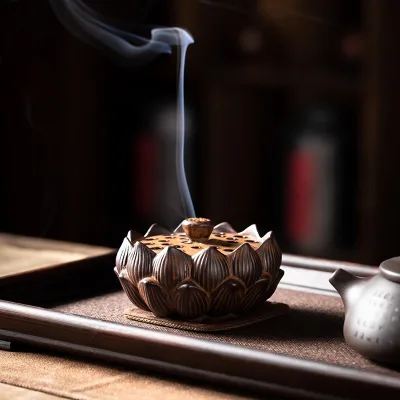
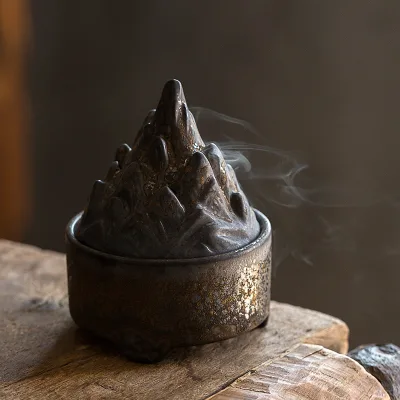
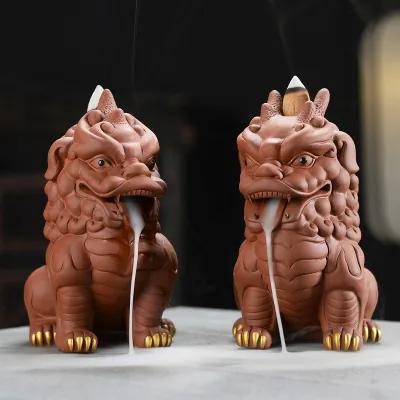
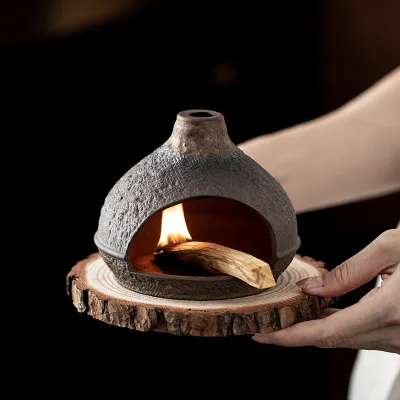
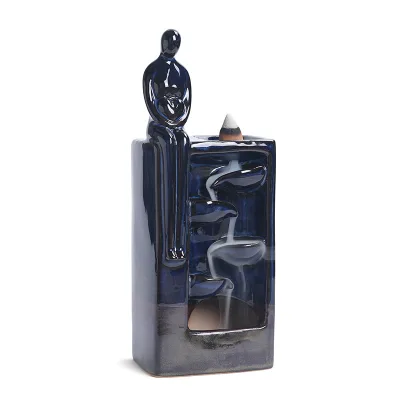
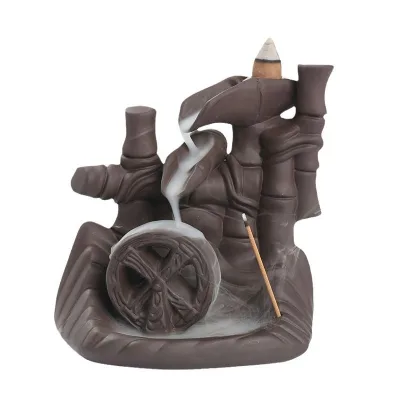
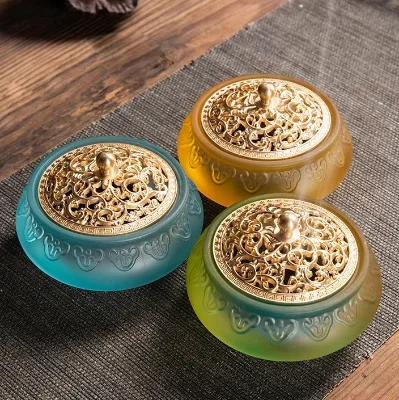
The most frequent risk in this category is glaze and finish inconsistency. Chinese style burners often rely on reactive glazes, brown, gray, black or red finishes, and lotus or cave-inspired silhouettes, and small kiln temperature differences can shift color between production batches. Because listings in the results advertise hand-made features, expect unit-to-unit variation and define an acceptable tolerance sample before mass production. A second risk is smoke behavior: backflow and waterfall burners depend on airflow geometry, and a design that looks correct may not channel smoke downward as depicted. Demand functional samples with the specific cone type sold, not just appearance samples.
Commercial risks follow from supplier type. Hybrid manufacturer-trading companies in Fujian and focused trading companies in Zhejiang may outsource firing or glazing, which complicates responsibility when defects appear; clarify in writing who owns rework and scrap. Lead time risk is real where published figures reach 60 days, particularly for peak season orders around holidays when decor demand spikes. Low MOQ listings, such as 60-piece minimums, invite buyers to skip pilot runs, but small first orders are exactly when packaging breakage and glaze faults surface. Another risk is product data mismatch: one listing in the results spells its material loosely, which hints at data hygiene issues. Finally, verify certification claims independently; a displayed LFGB mark must be matched to a valid, current certificate before you rely on it for compliance.
Chinese Style Ceramic Incense Burner Regional Sourcing and Logistics
Regional sourcing decisions should follow the published profiles of the locations that appear in supplier results. Zhejiang suppliers concentrate directly on incense products, including ceramics incense burners, metal incense burners, backflow fragrance items and scented candles, and one profile there shows a fast response time and declared product origins within the province, with package details listed in centimeters and gross weights around half a kilogram per unit. Fujian companies combine ceramic crafts with polyresin, PVC and garden decoration, which suits buyers wanting mixed-material assortments, and their published lead time sits near 30 days. Guangdong manufacturers emphasize flower pots, vases and home decoration, with a published lead time around 60 days, which suggests larger or slower production cycles.
Logistically, ceramic incense burners are fragile and moderately heavy, so freight cost per unit depends heavily on carton design and stacking strength. Use the declared single package size and gross weight from listings, such as an 11x11x15 cm carton at roughly 0.45 kg, to model container fill and dimensional weight before negotiating. Ask each supplier whether inner boxes include molded pulp or foam cradles for the burner body and lid. Confirm whether consolidation is possible when ordering burners alongside candles or metal holders from the same supplier, since some Zhejiang profiles sell all three. For locations not stated in a supplier's profile, request the shipping port and typical loading schedule rather than assuming proximity to a major coastal port.
Chinese Style Ceramic Incense Burner Commercial Terms and Order Planning
Commercial terms should be negotiated against the attributes suppliers actually publish. Anchor discussions on the listed price ranges for the designs you want, since current results show entry-level ceramic oil burners priced below one dollar and handcrafted, fantasy or electric resin models running from roughly three to six dollars. Treat quoted prices as unconfirmed until the supplier confirms glaze specification, packing method and quantity breaks in writing. Where an MOQ is displayed, such as 60, 120 or 500 pieces depending on the listing, use it to plan a pilot order that is large enough to reveal kiln variation but small enough to limit exposure, then scale on the second order after inspection.
Order planning should incorporate published lead times rather than optimistic verbal promises. With figures in the results spanning near-immediate to roughly 30 and 60 days, build a calendar that adds sampling time, sea or air freight and customs clearance before your retail window. Confirm payment structure and whether a displayed escrow or paid-transaction mechanism applies, since platform-protected payments materially improve dispute options on first orders. Put rework, breakage allowance and color-tolerance terms into the purchase contract, referencing approved golden samples sealed by both parties. For repeat orders, lock model numbers, as seen on Zhejiang listings, and glaze codes so replacements match. Finally, schedule reorders ahead of peak decor seasons, because published lead times on some profiles already approach two months before any holiday congestion.
FAQs
What is the price range for ceramic incense burners?
Prices typically range from $0.35 to $6.15 per unit depending on design complexity and material quality. Basic ceramic options start near $0.35, while intricate handcrafted pieces with special effects can reach $6.15. Buyers should check specific product listings for exact pricing tiers based on order volume.
What are the minimum order quantities for these products?
Minimum order quantities vary significantly by supplier and product type. Some manufacturers require a minimum of 500 units, while others accept orders as low as 60 pieces. Buyers must verify the specific MOQ for each item, as requirements depend on customization needs and production capacity constraints.
Where are these ceramic incense burners manufactured?
Manufacturing primarily occurs in Fujian, Guangdong, and Zhejiang provinces in China. These regions specialize in ceramic crafts and home decoration items. Buyers can filter suppliers by these specific locations to ensure alignment with regional manufacturing strengths and logistical preferences for sourcing high-quality ceramic products.
How long does production take for these items?
Lead times generally range from zero to sixty days depending on the supplier and product complexity. Some suppliers report lead times of thirty days, while others may take up to sixty days. Buyers should confirm specific production schedules with suppliers to ensure timely delivery for their inventory needs.
What certifications are available for these suppliers?
Some suppliers hold LFGB system certifications and undergo TüV Rheinland verification. These credentials indicate adherence to specific quality and safety standards. Buyers should request valid certification documents directly from suppliers to verify compliance with international standards before finalizing procurement agreements for their specific market requirements.
How quickly do suppliers respond to inquiries?
Response times vary, with some suppliers responding within four hours and others taking up to eighteen hours. Faster response times often indicate higher operational efficiency. Buyers should prioritize suppliers with quicker response rates to ensure smooth communication and timely resolution of any sourcing questions or concerns.