Communication Board Expansion Module Suppliers and Manufacturers
Source 33 suppliers for Communication Board Expansion Module products from Guangdong, China. Compare key dimensions including response times, lead times, MOQs, and price ranges to identify suitable partners. Verify specific product specifications and certifications directly with the suppliers to ensure they meet your project requirements.
Suppliers List
Shenzhen Mingruisheng Technology Co., Ltd.
- Trading Company
- Guangdong, China
- Lead time0 days
- Avg. response≤ 24h
Main productsElectronic module
Main marketsWestern Europe(30.0%), Eastern Asia(30.0%), North America(30.0%)
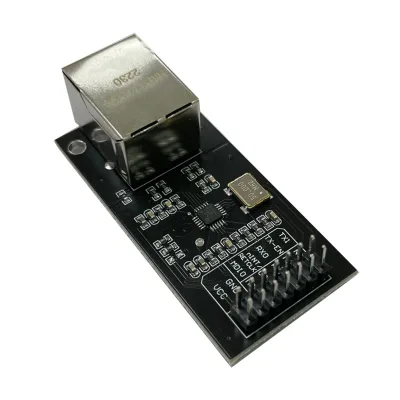
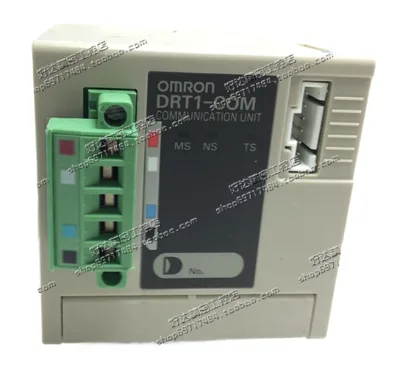
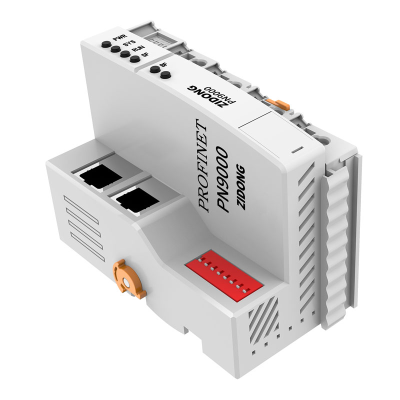
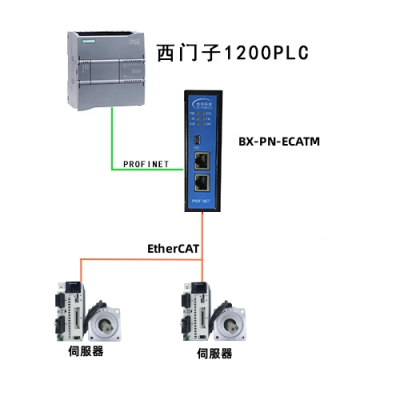
EtherNet/IP Remote Module Communication Distributed IO Remote Input/Output Bus
$39.61 - $187.48
Moq: 3
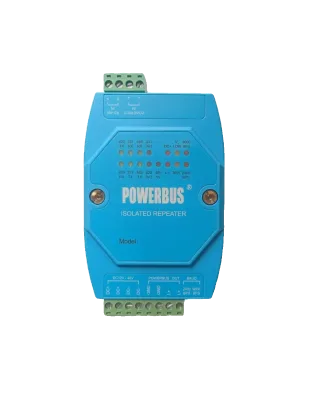
Communication Conversion Module
Contact supplier
Contact supplier

Shenzhen Alisi Electronic Technology Co., Ltd.
- Trading Company, Distributor/Wholesaler
- Guangdong, China
- Lead time3 days
- Avg. response≤ 2h
Main productselectron component,temperature controller,Auto parts,sensor,Wireless Controller
Main marketsSouth America(20.0%), Eastern Europe(20.0%), North America(15.0%), Western Europe(5.0%), Domestic Market(5.0%), South Asia(5.0%), Southern Europe(5.0%), Northern Europe(5.0%), Central America(5.0%), Eastern Asia(3.0%), Mid East(3.0%), Oceania(3.0%), Africa(3.0%), Southeast Asia(3.0%)
Shenzhen Qianhai Ku Xian Sheng Industrial Co., Ltd.
- Manufacturer, Trading Company, Distributor/Wholesaler
- Guangdong, China
- Lead time0 days
- Avg. response≤ 5h
Main productsIC,Capacitor,Resistor,module,LED
Main marketsSouth America(20.0%), North America(20.0%), Northern Europe(10.0%), Western Europe(10.0%), Mid East(10.0%), Southern Europe(10.0%), Southeast Asia(10.0%), Domestic Market(5.0%), Africa(5.0%)

Shenzhen Lock Electronics Limited
- Trading Company
- Guangdon, China
- Lead time3 days
- Avg. response≤ 2h
Main productsIC -Integrated Circuits-CHIP supplier,Electronic component supplier,BOM list One stop supporting services,Cooling fan,Smart accessories
Main marketsWestern Europe(30.0%), North America(20.0%), South America(10.0%), Southern Europe(5.0%), Northern Europe(5.0%), Domestic Market(5.0%), Eastern Europe(5.0%), Southeast Asia(5.0%), Central America(4.0%), Eastern Asia(3.0%), Mid East(3.0%), South Asia(3.0%), Oceania(2.0%), Africa(2.0%)
Shenzhen Crownhaosheng Technology Co., Ltd.
- Manufacturer, Trading Company
- Guangdong, China
- Lead time35 days
- Avg. response≤ 3h
Main productselectronic components,electronic device
Main marketsNorth America(40.0%), Western Europe(35.0%), Eastern Asia(9.0%), South America(8.0%), Eastern Europe(8.0%)
Nanjing Decowell Automation Co., Ltd.
- Verified by BV
- Combined
- China Jiangsu
- Lead time15 days
- Avg. response≤ 1h
Main productsI/O Module
Main marketsSouth America,Africa,Southeast Asia/ Mideast,East Asia(Japan/ South Korea),Europe


Compact Expansion IO Module for Distributed Systems with High-Speed Communication
$45.00 - $249.00
Moq: 1


Shenzhen Ke Zhi You Technology Co., Ltd.
- Verified by CTI
- Trading Company,Manufacturer/Factory
- China Guangdong
- Lead time23 days
- Avg. response≤ 18h
Main productsArduino Board, Arduino Sheild, Arduino Starter Kit, 3D Printers, Arduino Robot, Arduino Sensor/Modules, Raspberry Pi, Smart Car, Display, Mico Bit: Bbc Board
Main marketsSouth America,Eastern Europe,Mid East,North America,Southeast Asia,Eastern Asia,Oceania,Western Europe,Africa

Shenzhen Chengsuchuang Technology Co., Ltd.
- Verified by BV
- Trading Company,Manufacturer/Factory
- China Guangdong
- Lead time23 days
- Avg. response≤ 2h
Main productsElectronic Hardware, Development Board, Sensors, Electronics Module, Development Accessorries, PCB&PCBA Manufacturing Service
Main marketsSouth America,Eastern Europe,Mid East,North America,Southeast Asia,Eastern Asia,Oceania,Western Europe,Africa
Shenzhen Xingkai Technology Co., Ltd
- Verified by SGS
- Manufacturer/Factory
- China Guangdong
- Lead time15 days
- Avg. response≤ 6h
Main productsMimos Mesh WiFi Mesh Networks MIMO Mesh Systems, Definition Cofdm Video Transmitter, RF Tactical Radio Communication Video Radio Link, Ptt Military Wireless Mesh Network, Flight Controller RC Telemetry Video Data Link, Drone Shield Drone Detection RF Power Amplifier, Anti Drone System Counter Uav System Counter, Drone Shop Uav Drones for Sale Vtol Uav, Quadcopter Unmanned Aerial Vehicle Helicopter, Long Range RC Drone
Main marketsSouth America,Eastern Europe,Mid East,North America,Southeast Asia,Eastern Asia,Oceania,Western Europe,Africa

- Manufacturer/Factory
- China Guangdong
- Lead time15 days
- Avg. response≤ 18h
Main productsAccess Control, Electromagnetic Lock, UHF Long Range Reader, RFID Access Control, Em Lock, Automatic Swing Door Opener, Frameless Bolt Lock, Glass Door Lock, Power Supply Controller, Access Exit Push Button
Main marketsSouth America,Eastern Europe,Mid East,North America,Southeast Asia,Eastern Asia,Oceania,Western Europe,Africa

Beijing Corelogic Communication Co., Ltd.
- Verified by TUVRHEINLAND
- Trading Company,Manufacturer/Factory
- China Beijing
- Lead time45 days
- Avg. response≤ 3h
Main productsVDSL Splitter, ADSL Splitter, Network Transformer, Gnss, Gnss Timing, Power Divider, Antenna, Gnss Atenna, Transformer, Splitter
Main marketsSouth America,Eastern Europe,Mid East,North America,Southeast Asia,Eastern Asia,Oceania,Western Europe,Africa

Shenzhen Andeweier Techology Co., Ltd.
- Manufacturer, Trading Company, Buying Office, Agent
- Guangdong, China
- Lead time15 days
- Avg. response≤ 4h
Main productsElectrical module,Consumer electronics,Home Electronics,PCBA
Main marketsNorth America(50.0%), Southeast Asia(10.0%), Eastern Europe(10.0%), South America(10.0%), Northern Europe(5.0%), Central America(5.0%), Mid East(5.0%), Oceania(5.0%)
Shenzhen Chengfangchip Electronic Technology Co., Ltd.
- Verified by Intertek
- Trading Company
- Lead time0 days
- Avg. response≤ 4h
Main productsPCBA, ICs, Transistor, IGBT, Development Board
Main marketsNorth America(40%), Southeast Asia(20%), Mid East(20%)

Ningbo Latitude International Trade Co., Ltd.
- Combined
- China Zhejiang
- Lead time30 days
- Avg. response≤ 12h
Main productsNetwork Cabinet, Server Rack, Network Rack, Rack, Computer Cabinet, Wall Mounted Cabinets, PDU, Power Distribution Unit, Rack Mount Power Strip, Server Cabinet
Main marketsSouth America,Europe
Shenzhen iSmart Electronic Co., Ltd.
- Verified by Intertek
- Trading Company
- Lead time0 days
Main productsSensor Module, Power supply converter, Hardware Tools, Educational equipment, Temperature controller
Shenzhen Dongheng Electronic Technology Co., Ltd.
- Trading Company, Distributor/Wholesaler
- Guangdong, China
- Lead time0 days
- Avg. response≤ 1h
Main productsElectronic Components,Cables,Integrated Circuit,Development Boards,3D Printer Parts
Main marketsNorth America(40.0%), Southeast Asia(30.0%), South Asia(10.0%), Central America(10.0%), Mid East(10.0%)

Ningbo Meilan Communication Equipment Co., Ltd.
- Verified by TUVRHEINLAND
- Trading Company,Manufacturer/Factory
- China Zhejiang
- Lead time15 days
- Avg. response≤ 2h
Main productsFTTH Terminal Box, Finer Optic Cable, Fiber Optic Closure, FTTH Accessories, Fiber Optic Patch Cord, Patch Panel, Copper Connection Module, Distribution Box, ONU, Telecom Tools
Main marketsSouth America,Eastern Europe,Mid East,North America,Southeast Asia,Eastern Asia,Oceania,Western Europe,Africa
Tianjin Yiyi Technology Co., Ltd.
- Verified by SGS
- Trading Company
- China Tianjin
- Lead time30 days
- Avg. response≤ 4h
Main productsLaser Scanner, Industry Door Sensor, Factory Automation Sensor, Photoelectric Sensor, Proximity Swtich, Bus Module, Cable, Solution for Vehicle, Solution for Port, Solution for Automation
Main marketsDomestic

Wireless Bluetooth Io Expansion Module with One to One and One to Multi Communication Modes
$1500.00 - $2000.00
Moq: 1

Wireless Bluetooth Io Expansion Module with DC24V Power Supply and 16di 16do for Industrial Use
$1500.00 - $2000.00
Moq: 1
Shenzhen Toprie Electronics Co., Ltd.
- Verified by SGS
- Manufacturer
- China Guangdong
- Lead time15 days
- Avg. response≤ 3h
Main productsPressure Sensor, Power Meter, Sensor, Temperature Sensor, Level Transmitter, Paperless Recorder, Iiot Gateway, Data Logger, Data Acquisition Module, Liquid Level Sensor
Main marketsEurope,North America
Shenzhen Allnewsemi Electronic Co., Ltd.
- Trading Company
- Guangdong, China
- Lead time3 days
- Avg. response≤ 4h
Main productsIC -Integrated Circuits-CHIP supplier,Electronic component supplier,BOM list One stop supporting services,Cooling fan,Smart accessories
Main marketsWestern Europe(30.0%), North America(20.0%), South America(10.0%), Domestic Market(5.0%), Eastern Europe(5.0%), Northern Europe(5.0%), Southern Europe(5.0%), Southeast Asia(5.0%), Eastern Asia(3.0%), Mid East(3.0%), South Asia(3.0%), Oceania(2.0%), Central America(2.0%), Africa(2.0%)

Ningbo Weidan Electronics Co., Ltd.
- Verified by BV
- Manufacturer/Factory
- China Zhejiang
- Lead time75 days
- Avg. response≤ 24h
Main productsAV Cable, Network Cable, Power Cord, Network Accessories, WiFi Products, Computer Cable, Wires & Harness, Sensor Cable, Waterproof Cable, Auto Wiring Kit
Main marketsSouth America,Eastern Europe,Mid East,North America,Southeast Asia,Eastern Asia,Oceania,Western Europe,Africa

- Manufacturer/Factory
- China Guangdong
- Lead time15 days
- Avg. response≤ 11h
Main productsPCB Board, PCB / Aluminum PCB, Printed Circuit Board / Circuit Board, LED PCB / LED Strip / Light PCB, PCBA / PCB Assembly, OEM PCB / MCPCB, Multilayer PCB / Fr4 PCB, Flexible PCB / FPC, SMT Assembly / PCB Layout, PCB Manufacturers / Electronics PCB
Main marketsSouth America,Eastern Europe,North America,Southeast Asia,Oceania,Western Europe

Sunhokey Electronics Co., Ltd.
- Trading Company
- China Guangdong
- Lead time15 days
- Avg. response≤ 8h
Main products3D Printer
Main marketsEurope,North America
Shenzhen Mingxingyuan Industrial Interconnection Co., Ltd.
- Verified by SGS
- Trading Company
- China Guangdong
- Lead time15 days
- Avg. response≤ 3h
Main marketsOthers(foreignTradeCapacity.exportBusinessCapacityMarketOther)


Integrated Circuit Chips Including RF Transceivers and Wireless Connectivity Modules
$10.99 - $14.99
Moq: 100


Shenzhen Weijunrui Technology Co.,Ltd
- Verified by BV
- Trading Company
- China Guangdong
- Lead time15 days
- Avg. response≤ 3h
Main productsAnalog I/O Modules, Signal Isolated Converter, Signal Conditioners, Current Splitter, PT100 Temperature Signal, Frequency Converters, DC to DC Converters, Digital I/O Modules, 4-20mA Signal Isolator, 4-20mA Current Loop
Main marketsEast Asia(Japan/ South Korea),Europe,North America
Beijing Pinghe Chuangye Technology Development Co., Ltd.
- Combined
- China Beijing
- Lead time15 days
- Avg. response≤ 4h
Main productsIsolated Safety Barriers, Signal Conditioners, Signal Isolator, Surge Protective Devices, Safety Relays, Isolated I/O Modules, Signal Converter
Main marketsSouth America,Europe,North America

Data Acquisition Modules Convert Switching Isolated Digital Signals Converter
$112.00 - $180.00
Moq: 1


Shanghai Rui Tai Photoelectric Technology Co., Ltd.
- Verified by TUVRHEINLAND
- Trading Company
- China Shanghai
- Lead time15 days
- Avg. response≤ 5h
Main productsOptical Lens, Optical Windows, Laser Windows, Fused Silica, Optical Prism, Optical Glass, Sapphire Window, Aspheric Lens, Spheric Lens, Optical Mirror
Main marketsSouth America,Domestic,Europe
Dongguan Xinlian Chuangfu New Energy Technology Co., Ltd.
- Verified by CTI
- Trading Company
- China Guangdong
- Lead time30 days
- Avg. response≤ 1h
Main productsTerminal Block, Connector, Screw/Nut, Hardware Products, Plastic Products, High Current Terminal Blocks, Ws DIN Rail Terminal Block, PCB Screw Terminal Block, Quick Wiring Terminal, Spring Type Terminal Block
Main marketsDomestic
- Trading Company,Manufacturer/Factory
- China Shandong
- Lead time15 days
Main productsCATV, CATV Transmitter, Optical Receiver, Optical Node, CATV Optical Reciever, Hybrid Module, Optical Transmitter, EDFA, Optical Amplifier, Trunk Amplifier
Main marketsSouth America,North America,Africa

Antel Electronics (Shanghai) Co., Ltd.
- Manufacturer
- China Shanghai
- Lead time30 days
- Avg. response≤ 23h
Main productsRemote Control, Electronic Components, LED Light, Audio Connectivity, Speaker, Diodes, Transistor, Potentiometer, Car MP3
Main marketsSouth America,Southeast Asia/ Mideast,Europe
Dongguan Sinaean Industrial Technology Co., Ltd.
- Verified by BV
- Trading Company
- China Guangdong
- Lead time15 days
- Avg. response≤ 9h
Main productsInverter, Servo Motor, PLC and HMI
Main marketsDomestic,North America
- Manufacturer, Trading Company
- Beijing, China
- Lead time0 days
- Avg. response≤ 2h
Main productsCISCO,HPE servers,DELL servers,huawei,Connector
Main marketsDomestic Market(10.0%), South Asia(10.0%), Northern Europe(10.0%), Central America(10.0%), Eastern Asia(10.0%), Mid East(10.0%), Africa(10.0%), Southeast Asia(10.0%), South America(10.0%), North America(10.0%)

Zhejiang B&J Electrical Co., Ltd.
- Verified by BV
- Combined
- China Zhejiang
- Lead time23 days
- Avg. response≤ 4h
Main productsEnclosure Box, Plastic Junction Enclosure, Industrial Cabinet, Electric Box, Junction Box, Terminal Enclosure, Control Cabinet, Wall-Mounting Enclosure, Nice Box, Switch Enclosure
Main marketsAfrica,Southeast Asia/ Mideast,East Asia(Japan/ South Korea),Europe,Australia,North America


Contact supplier

Contact supplier

Contact supplier
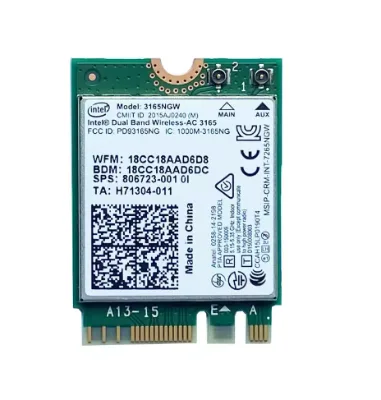
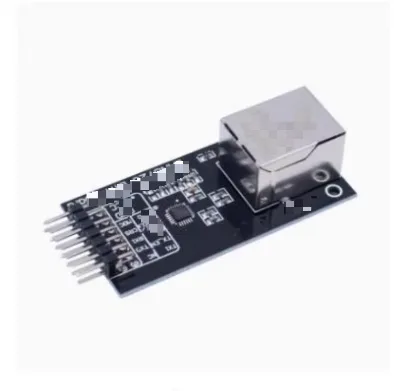
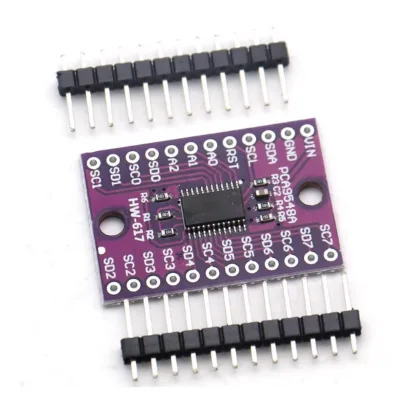
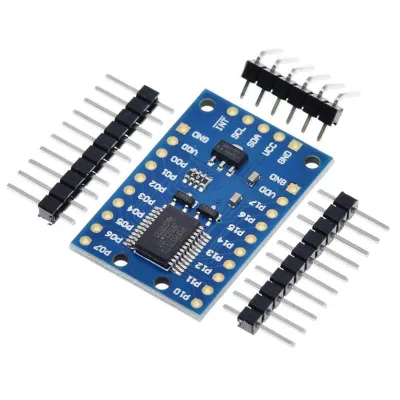
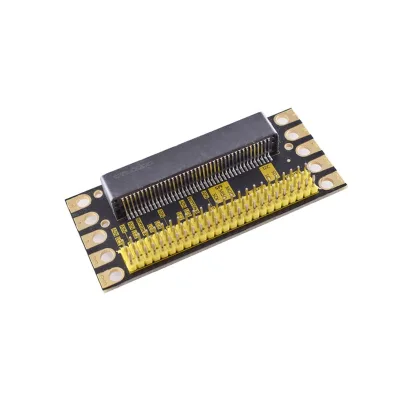
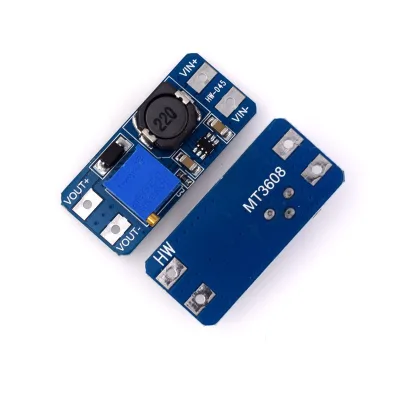


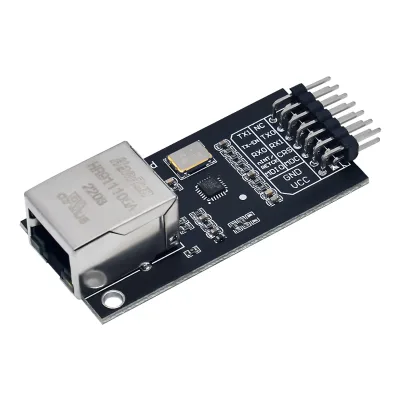
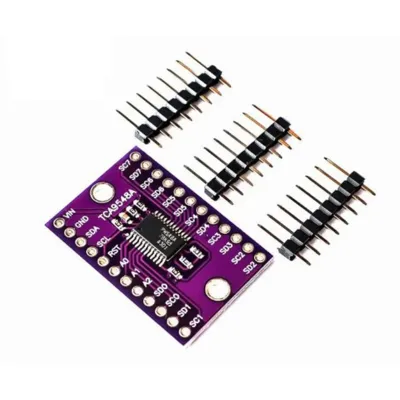







Comprehensive Sourcing Guide
Communication Board Expansion Module Supplier Concentration and Factory Types
The available data indicates a significant concentration of suppliers operating from Guangdong, China, for communication board expansion modules. This region appears frequently in product origin fields, suggesting a localized manufacturing cluster for electronic components and modules. Buyers should prioritize verifying this geographic concentration by checking the "Place of Origin" attribute on individual product listings rather than assuming a single hub. The supplier types observed in the current results include Trading Companies, Manufacturers, and Distributors/Wholesalers, often appearing in combination. A single entity may list itself as a Manufacturer and Trading Company, indicating they may produce goods while also managing distribution channels. This hybrid model can offer flexibility in order sizes but requires careful verification of actual production capacity versus trading volume.
When assessing factory types, buyers must distinguish between pure trading entities and those with direct manufacturing capabilities. The presence of "Manufacturer" in the company type field suggests direct control over the production line, which often correlates with better customization options and potentially lower unit costs for larger volumes. Conversely, Trading Companies may offer a broader range of products from different factories, acting as a consolidated source for various electronic components. Buyers should look for evidence of manufacturing in the product attributes, such as specific model numbers or detailed technical specifications that imply in-house design. If a supplier lists multiple unrelated main products like auto parts alongside electronic modules, it may indicate a broader trading scope rather than specialized manufacturing.
How to Verify Communication Board Expansion Module Suppliers
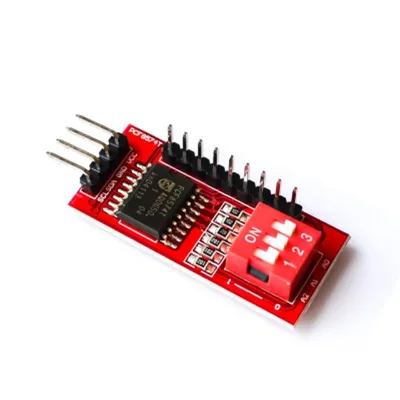
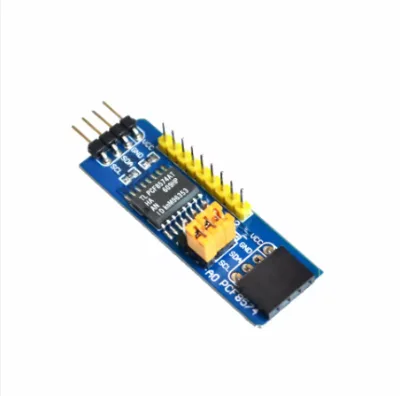
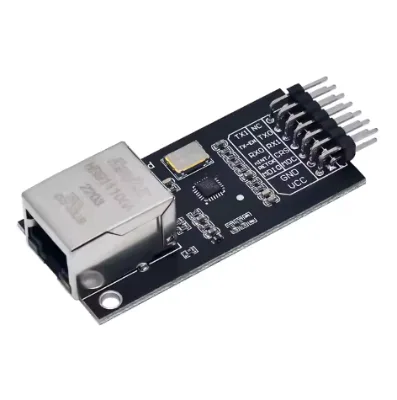
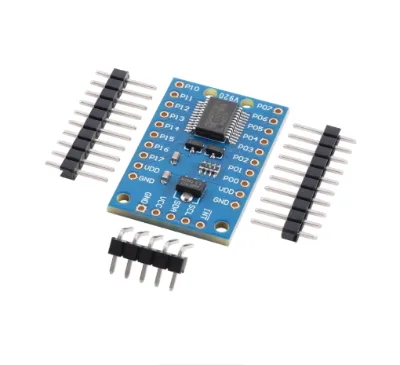
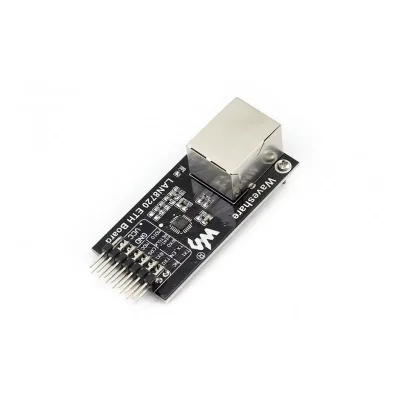
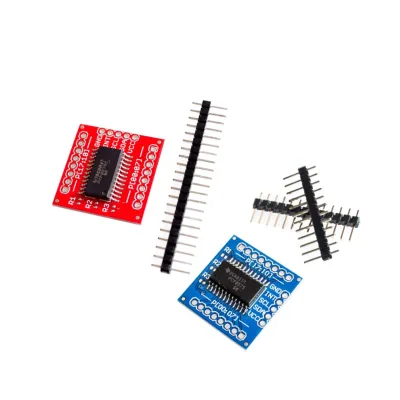
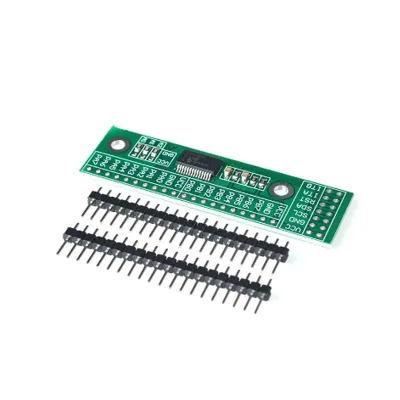
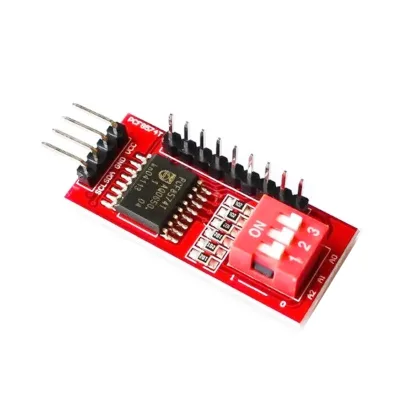
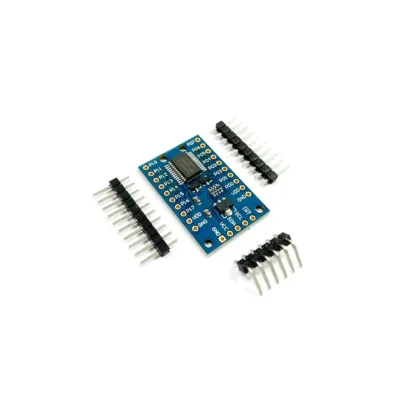
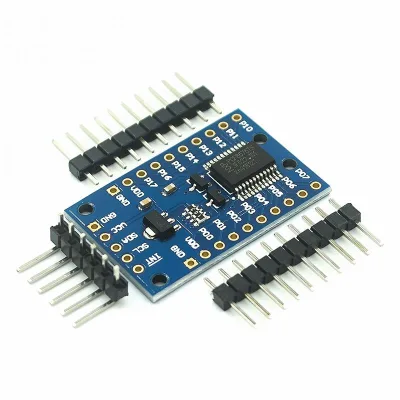
Verification begins with scrutinizing the specific product attributes and company type fields provided in the search results. Buyers should confirm that the "Place of Origin" matches the claimed location, such as Guangdong, China, and check if the "Brand Name" is listed as "Original" or a specific manufacturer like GFS. The presence of detailed model numbers, such as "LAN8720" or "PCF8574T," alongside specific functional applications like "I2C interface I/O expansion module," serves as a strong indicator of product specificity. If a listing lacks these details or uses generic terms like "none" for the brand, it warrants further inquiry to ensure the supplier can provide genuine components. Buyers should also verify the "Selling Units" and "Mounting Type" to ensure the product matches the technical requirements of their specific project.
Response time and lead time are critical metrics for verifying supplier reliability and operational efficiency. The data shows response times ranging from 2 to 24 hours, with some suppliers offering a 2-hour response window, which suggests high availability for urgent inquiries. Lead times vary, with some entries showing zero days and others indicating three days, reflecting different production or shipping models. Buyers should request a formal quote to confirm these timelines, as the displayed values may represent standard processing times rather than guaranteed delivery windows. Additionally, checking for payment terms like "Trade Assurance" or "Paypal" provides a layer of financial security. If a supplier does not offer these standard payment methods or lacks clear shipping options like DHL or UPS, it may indicate a less established operation.
What to Compare Across Communication Board Expansion Module Suppliers
Comparing suppliers requires a systematic evaluation of key commercial and logistical dimensions found in the product data. Price is a primary factor, with observed ranges varying significantly from as low as $0.40 to over $187 depending on the module type and specifications. Buyers must compare the minimum and maximum price points to understand the cost structure for different quantities. Minimum Order Quantities (MOQ) also vary widely, with some suppliers requiring only one unit while others mandate orders of 50 or more. This variation allows buyers to select suppliers based on their specific volume needs, whether for prototyping or mass production. The "Selling Units" field, often listed as "Single item," helps clarify how the price is structured per unit versus per batch.
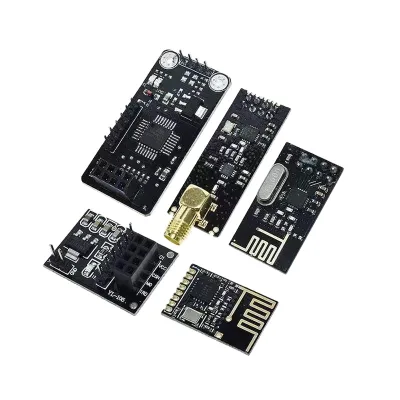
Beyond price and volume, buyers should compare the technical specifications and main product focus of each supplier. Some suppliers specialize in specific modules like "EtherNet/IP Remote Module" or "Low Power Electronic Component IoT Wi-Fi," while others list a broad range including capacitors, resistors, and temperature controllers. A supplier with a focused product line may offer deeper technical support and higher quality control for those specific items. The "Functional Application" and "Model Number" fields provide insight into the module's capabilities, such as "8-channel digital input" or "I2C interface." Buyers should ensure the supplier's main products align with their technical requirements to avoid compatibility issues. Additionally, comparing shipping methods listed, such as "DHL\UPS\Fedex," helps assess the logistics capabilities and potential delivery speeds for international orders.
Common Communication Board Expansion Module Sourcing Risks
One significant risk involves the discrepancy between claimed capabilities and actual product specifications. The data shows some listings with "Brand Name" listed as "none" or "Original brand" without further verification, which can lead to receiving generic or unbranded components that may not meet performance standards. Buyers must verify the authenticity of the "Brand Name" and ensure it matches the expected manufacturer for critical applications. Another risk is the variability in lead times, where some entries show zero days while others indicate three days. This inconsistency can disrupt production schedules if the supplier cannot meet the required delivery window. Buyers should treat displayed lead times as estimates and confirm them with a formal agreement before placing an order.
Quality assurance is another critical area of risk, particularly when dealing with suppliers who list multiple unrelated product categories. A supplier offering "Auto parts" alongside "Electronic modules" may not have specialized expertise in the specific communication board technology required. The "Functional Application" field, such as "I2C interface I/O expansion module," should be cross-referenced with the supplier's main product focus to ensure they have the necessary technical knowledge. Additionally, the lack of detailed certification or standard information in the provided data means buyers cannot assume compliance with industry standards. Buyers should explicitly request documentation for quality certifications and test results to mitigate the risk of receiving substandard components.
Communication Board Expansion Module Regional Sourcing and Logistics
The concentration of suppliers in Guangdong, China, presents both opportunities and logistical considerations for international buyers. This region is known for its robust electronics manufacturing ecosystem, which can facilitate faster production and access to a wide range of components. However, buyers must verify the specific location of the factory to ensure it aligns with their supply chain strategy. The "Place of Origin" field consistently lists Guangdong, China, but buyers should confirm the exact city or industrial zone if local regulations or shipping constraints are a concern. The proximity to major ports in this region often enables efficient shipping, but buyers should still verify the specific shipping methods offered, such as "DHL\UPS\Fedex\EMS," to ensure they meet their delivery requirements.
Logistics planning should account for the varying shipping options and potential transit times associated with different suppliers. The data indicates that some suppliers offer multiple shipping carriers, providing flexibility in choosing the most cost-effective or fastest method. Buyers should compare the shipping options listed against their project timeline to determine the best fit. For urgent orders, suppliers with a 2-hour response time and shorter lead times may be preferable. However, buyers must also consider the potential for customs delays or additional fees when importing from China. It is advisable to request a detailed shipping quote that includes all costs to avoid unexpected expenses. Understanding the logistics capabilities of each supplier is essential for maintaining a smooth supply chain.
Communication Board Expansion Module Commercial Terms and Order Planning
Commercial terms and order planning are pivotal for successful procurement, with MOQ and pricing structures being central to the decision-making process. The observed MOQs range from 1 to 50 units, allowing buyers to tailor their orders to their specific needs. For prototyping, suppliers with low MOQs are ideal, while mass production may benefit from suppliers with higher volume discounts. The price range, from $0.40 to $187, highlights the importance of negotiating based on volume and specific technical requirements. Buyers should plan their orders to maximize cost efficiency while ensuring they meet the minimum quantity thresholds. Understanding the "Selling Units" and "MOQ" fields helps in calculating the total cost of ownership accurately.
Payment terms and response times also play a crucial role in order planning and risk management. The availability of payment methods like "Paypal\TT\Western Union\Trade Assurance" offers buyers various options for securing their transactions. Trade Assurance, in particular, provides a layer of protection by holding funds until the order is fulfilled as agreed. Buyers should prioritize suppliers who offer these secure payment methods to mitigate financial risks. Additionally, the response time, ranging from 2 to 24 hours, indicates the supplier's responsiveness to inquiries. A faster response time can be beneficial for resolving issues quickly and ensuring timely order processing. Buyers should factor these commercial terms into their overall procurement strategy to ensure a smooth and secure transaction.
FAQs
Where are these communication board expansion modules manufactured?
All listed modules originate from Guangdong, China. This location is consistent across the electronic components and telecommunications products available. Buyers should verify specific factory details with the supplier before placing large orders to ensure quality standards are met.
What is the minimum order quantity for these modules?
Minimum order quantities vary by product type. Some items require as few as one unit, while others need ten or fifty pieces. Specific requirements depend on the model number and whether the item is a single development board or a bulk electronic component.
How quickly do suppliers typically respond to inquiries?
Response times range from two to twenty-four hours depending on the supplier. Some trading companies and manufacturers reply within two hours, while others may take up to a full day. Faster response times are often associated with distributors and wholesalers.
What is the price range for these electronic modules?
Prices vary significantly based on specifications and quantity. Costs can range from under one dollar to over one hundred eighty dollars per unit. Specific pricing depends on the model, such as the LAN8720 or PCF8574T, and the minimum order quantity required.
Are these modules available for single item purchase?
Yes, many listings allow single item purchases. Several products explicitly state single item selling units with low minimum order requirements. However, some bulk electronic components may require higher quantities to qualify for the listed price points.
What types of suppliers offer these expansion modules?
Suppliers include manufacturers, trading companies, and distributors. Some entities operate as both manufacturers and trading companies to offer broader product ranges. Buyers should check company types to determine if they are dealing directly with the source or a middleman.
Do these modules support specific communication protocols?
Yes, modules support various protocols including Ethernet, I2C, and EtherNet/IP. Specific models feature RMII interfaces or I/O expansion capabilities for different industrial applications. Buyers must verify the exact specification to ensure compatibility with their system requirements.