Commercial Straw Compostable Plates Suppliers and Manufacturers
Source 17 verified suppliers for Commercial Straw Compostable Plates. Compare key dimensions including lead times, MOQs, certifications, and response rates. Review product specifications and request quotes to streamline your procurement process; review the available evidence before requesting comparable quotations from suitable candidates.
Suppliers List

Anhui Taicheng Paper & Plastic Technology Co., Ltd.
- Verified by SGS
- Trading Company
- China Anhui
- Lead time30 days
- Avg. response≤ 5h
Main productsDisposable Paper Cups, Compostable Lids, Disposable Cutlery, Biodegradable Tableware, Disposable Food Box, Disposable Plate, Disposable Tableware, Kraft Paper Food Container, Sugarcane Tableware, Cornstarch Tableware
Main marketsSouth America,Africa,Southeast Asia/ Mideast,Europe,North America


Eco Friendly Compostable Biodegradable Disposable Dish Cornstarch Plate
$0.02 - $0.05
MOQ: 50000 Pieces


6inch 7 Inch 9inch Disposable Compostable Biodegradable Round Dish Corn Starch Plates
$0.02 - $0.05
MOQ: 50000 Pieces


Hefei Hyde Environment Protection Technology Co., Ltd.
- Verified by TUVRHEINLAND
- Trading Company,Manufacturer/Factory
- China Anhui
- Lead time23 days
- Avg. response≤ 2h
Main productsPaper Cups, Ice Cream Paper Cup, Kraft Shopping Paper Bags, Ripple Wall Cup, Paper Bread Bags, Double Wall Cups, Paper Salad Bowl, Paper Pizza Box, Paper Soup Cup, Paper Plates
Main marketsSouth America,Eastern Europe,Mid East,North America,Southeast Asia,Eastern Asia,Oceania,Western Europe,Africa


Disposable Eco Friendly Compostable Biodegradable Tableware Paper Plate
$0.01 - $0.02
MOQ: 50000 Pieces

- Verified by TUVRHEINLAND
- Trading Company
- China Jiangsu
- Lead time30 days
- Avg. response≤ 7h
Main productsSugarcane Bagasse Tableware, Cornstarch Tableware, Cpla Tableware, Wooden/Bamboo Cutlery, Paper Food Container, Kraft Paper Box, Plastic Dinnerware Sets, Plastic Plates/Bowls, Plastic Cutlery/Silverware, Plastic Cups/Tumblers
Main marketsSoutheast Asia/ Mideast

Eco-Friendly Cornstarch Plates - Compostable and Biodegradable Dinnerware
$0.06 - $0.15
MOQ: 50000 Pieces


Uniflow International Trade Co., Ltd.
- Verified by SGS
- Trading Company
- China Guangdong
- Lead time15 days
- Avg. response≤ 1h
Main productsDisposable Tableware, Disposable Plate, Lunch Box, Disposable Cup, Sustainable Disposable Tableware, Sugarcane Fiber Tableware, Compostable Sugarcane Dinnerware, Renewable Resource Kitchenware, Eco-Friendly Plant-Based Cutlery, Disposable Pizza Pan
Main marketsSoutheast Asia/ Mideast

Guangzhou Tiptop New Material Technology Co., Ltd.
- Verified by SGS
- Trading Company
- China Guangdong
- Lead time30 days
- Avg. response≤ 3h
Main productsPaper Cups, Paper Bowls, Paper Food Containers, Paper Boxes, Pha Paper Cups, Paper Trays, Paper Bags, Paper Lids
Main marketsDomestic

Xiamen Luckypack Paper Products Co., Limited
- Verified by TUVRHEINLAND
- Manufacturer/Factory
- China Fujian
- Lead time30 days
- Avg. response≤ 11h
Main productsPaper Cup, Biodegradable Tableware, Disposable Cup, Food Box
Main marketsEastern Europe,North America,Southeast Asia

Compostable Disposable Biodegradable Tableware Eco Friendly Sugarcane Bagasse Round Plate
$0.40 - $0.56
MOQ: 1000 Pieces

Disposable Compostable Biodegradable Tableware Eco Friendly Sugarcane Bagasse Round Plate
$0.40 - $0.56
MOQ: 1000 Pieces

Disposable Compostable Biodegradable Tableware Eco Friendly Sugarcane Bagasse Round Plate
$0.40 - $0.56
MOQ: 1000 Pieces

Biodegradable Disposable Compostable Tableware Eco Friendly Sugarcane Bagasse Round Plate
$0.40 - $0.56
MOQ: 1000 Pieces

Biodegradable Compostable Disposable Tableware Dinner Plates Party Supplies
$0.01 - $0.56
MOQ: 1000 Pieces

Anhui Jiushun Photoelectric Technology Co., Ltd.
- Verified by TUVRHEINLAND
- Manufacturer/Factory
- China Anhui
- Lead time38 days
- Avg. response≤ 5h
Main productsBidoegradable Paper Plates, Bidoegradable Paper Cups, Bidoegradable Paper Bowls, Bidoegradable Paper Bags, PLA Paper Cups, PLA Tableware, Paper Lunch Box, Paper Gift Box, PE Paper Container, Other Package
Main marketsEastern Europe,Mid East,North America,Western Europe,Africa

Compostable Tableware Custom Disposable Biodegradable Food Cornstarch Plate
$0.02 - $0.04
MOQ: 10000 Pieces

Biodegradable Compostable Disposable Tableware Paper Dish Round Paper Plate
$0.03 - $0.06
MOQ: 10000 Pieces


Biodegradable Dinner Dishes Plates Restaurant Wheat Straw Paper Disposable Plates
$0.03 - $0.06
MOQ: 10000 Pieces

The Best Biodegradable Tableware Disposable Cornstarch Compostable Plates for Dinner
$0.02 - $0.04
MOQ: 10000 Pieces

Biodegradable Paper Plates Home Compostable Paper Plates with Private Logo
$0.02 - $0.06
MOQ: 10000 Pieces

Xiamen Ebei Import & Export Co., Ltd.
- Verified by CTI
- Trading Company,Manufacturer/Factory
- China Fujian
- Lead time45 days
- Avg. response≤ 2h
Main productsEco-Friendly Products, Bamboo Tableware, Bamboo Furniture, Bamboo Kitchenware, Bamboo Office Supply, Bamboo Fibre Products, Biodegradable Products, Bamboo Towel, Solar Energy Products, Bamboo Garden Products
Main marketsSouth America,Eastern Europe,Mid East,North America,Southeast Asia,Eastern Asia,Oceania,Western Europe,Africa

Weifang Yunsheng Group Co., Ltd.
- Manufacturer/Factory
- China Shandong
- Lead time23 days
- Avg. response≤ 25h
Main productsFood Packaging Products, Food Containers, Packaging Boxes, Disposable Tableware, Food Service Packaging, Fast Food Packaging, Take out Containers, Biodegradable Tableware, Compostable Bowls and Plates, Food Trays
Main marketsSouth America,Eastern Europe,Mid East,North America,Southeast Asia,Eastern Asia,Oceania,Western Europe,Africa

Hangzhou Meshine Import And Export Co., Ltd
- Trading Company,Manufacturer/Factory
- China Zhejiang
- Lead time23 days
- Avg. response≤ 6h
Main productsFood Packaging, Paper Bag, Paper Cup, Paper Box, Tableware, Sushi Box, Food Box, Salad Bowl, Plastic Packaging, Fast Food Box
Main marketsSouth America,Eastern Europe,Mid East,North America,Southeast Asia,Eastern Asia,Oceania,Western Europe,Africa

Biodegradable Compostable Cornstarch Dinner Plates for Restaurant & Takeaway
$0.01 - $0.03
MOQ: 5000 Pieces


Disposable Compostable Sugarcane Pulp Plate Bagasse Plate Biodegradable Tableware
$0.02 - $0.43
MOQ: 10000 Pieces


Disposable Compostable Sugarcane Pulp Plate Bagasse Plate Biodegradable
$0.02 - $0.43
MOQ: 10000 Pieces

Qingdao LAFU Packaging Technology Co., Ltd
- Verified by CTI
- Manufacturer/Factory
- China Shandong
- Lead time15 days
- Avg. response≤ 7h
Main productsSugarcane Tableware, Paper Tableware, Paper Cup, Soup Cup, Salad Bowl, Paper Lunch Box, Sugarcane Palte, Sugarcane Box, Sugarcane Tray, Disposable Cutlery
Main marketsSouth America,Eastern Europe,Mid East,North America,Western Europe

Eco-Friendly Round Kraft Paper Trays 7/9 Inch Compostable Disposable Plate
$0.02 - $0.04
MOQ: 10000 Pieces

Eco-Friendly Disposable Kraft Paper Salad Plates Biodegradable Take-Away Tableware
$0.03 - $0.03
MOQ: 10000 Pieces

Wenzhou Qiangsen Import and Export Co., Ltd.
- Verified by BV
- Trading Company
- China Zhejiang
- Lead time30 days
- Avg. response≤ 4h
Main productsFood Container, Cornstarch Cutlery, Paper Plate, Salad Bowl, Paper Bag, Bamboo Stick, Wooden Cutlery, Greaseproof Paper, Bamboo Cutlery, Paper Cup
Main marketsSoutheast Asia/ Mideast,North America

Compostable Cornstarch Disposable Takeaway Tableware Biodegradable Cornstarch Plate
$0.01 - $0.01
MOQ: 50000 Pieces

Compostable Cornstarch Disposable Food Container Takeaway Tableware Plate
$0.01 - $0.01
MOQ: 50000 Pieces


Eco Friendly Disposable Takeaway Biodegradable Cornstarch Plates 9 Inch Plate
$0.01 - $0.01
MOQ: 50000 Pieces
Maanshan Eco Import And Export Trading Co., Ltd.
- Trading Company
- Anhui, China
- Lead time20 days
- Avg. response≤ 2h
Main productsPaper Straw,Bamboo Cutlery,Bagasse Tableware,Paper Tableware
Main marketsEastern Europe(25.00%), North America(25.00%), Southern Europe(10.00%), Western Europe(10.00%), Mid East(10.00%), Southeast Asia(10.00%), South America(10.00%)

Ningbo East Packaging Technology Co., Ltd.
- Verified by BV
- Trading Company
- China Zhejiang
- Lead time23 days
- Avg. response≤ 3h
Main productsDisposable Gloves, Nitrile Gloves, Vinyl Gloves, Latex Gloves, Food Packaging, Disposable Tableware, PPE Products, Packaging & Labels, Flashlights, General Consumer Products
Main marketsDomestic

Disposable Paper Round Plates Made by Compostable Material for Takeaway Food
$0.08 - $0.09
MOQ: 10000 Pieces


$0.07 - $0.08
MOQ: 10000 Pieces


Biodegradable Disposable Dinner Plates - Environmentally Conscious Choice
$0.07 - $0.09
MOQ: 500 Pieces

Xiamen Biogreen Eco. Tech. Co., Ltd.
- Verified by TUVRHEINLAND
- Combined
- China Fujian
- Lead time15 days
- Avg. response≤ 4h
Main productsDisposable Biodegradable Tableware
Main marketsSoutheast Asia/ Mideast

- Verified by SGS
- Trading Company
- China Zhejiang
- Lead time23 days
- Avg. response≤ 2h
Main productsBagasse Tableware, Food Packaging, Biodegradable Container, PLA Cup, Paper Bag, Salad Bowl, Disposable Tableware, Perfume
Main marketsOthers(foreignTradeCapacity.exportBusinessCapacityMarketOther),Southeast Asia/ Mideast


High Quality Round Disposable Paper Plates Recyclable Tableware Salad Plate
$0.01 - $0.04
MOQ: 30000 Pieces

High Quality Round Disposable Paper Plates Recyclable Salad Lunch Plate
$0.01 - $0.04
MOQ: 30000 Pieces


TAIZHOU HARSOUL IMP. & EXP. CO., LTD.
- Trading Company
- China Zhejiang
- Lead time30 days
- Avg. response≤ 15h
Main productsPromotion Gifts, Promotional Bag, Promotional Jewelry, Promotional Toys, Promotional Stationery, Promotional Plastic Goods
Main marketsOthers(foreignTradeCapacity.exportBusinessCapacityMarketOther),Europe,North America

Bagasse Paper Pulp Plate Environmental Friendly Disposable Degradable Tableware
$0.05 - $0.20
MOQ: 100000 Pieces




Comprehensive Sourcing Guide
Commercial Straw Compostable Plates Supplier Concentration and Factory Types
The current supplier landscape for Commercial Straw Compostable Plates reveals a concentration of manufacturing and trading entities primarily located in China, specifically within the Anhui region. This geographic clustering suggests a specialized industrial hub where raw material processing and final assembly for biodegradable tableware converge. Buyers observing this data should recognize that suppliers in this area often share supply chain advantages regarding sugarcane bagasse and wheat straw pulp sourcing. However, the specific establishment years for these facilities are not explicitly detailed in the available records, requiring direct inquiry to understand their operational maturity. The mix of company types includes both Trading Companies and Manufacturer/Factory entities, indicating a market where some suppliers may source from third-party producers while others manage the entire production lifecycle in-house.
When evaluating the factory types, it is critical to distinguish between pure trading firms and those with direct manufacturing capabilities. The observed data indicates that some suppliers operate as Trading Companies, which may offer broader product ranges including paper cups and cutlery alongside plates. Conversely, other entries list Manufacturer/Factory status, potentially offering more control over production quality and customization. Buyers must verify if a supplier claims to be a manufacturer by requesting proof of facility ownership or production capacity details. The presence of both types in the results means that a single search result could represent a broker or a direct producer, necessitating careful due diligence to ensure the buyer is dealing with the actual source of the compostable plates.
How to Verify Commercial Straw Compostable Plates Suppliers
Verification of suppliers for Commercial Straw Compostable Plates relies heavily on third-party audit reports and specific certification claims found in product listings. Several suppliers in the current results display verification badges from recognized bodies such as SGS and TÜV Rheinland, which serve as initial indicators of operational legitimacy. Additionally, product specifications frequently list certifications like CE/EU, FDA, CIQ, and BSCI, which are essential for ensuring the plates meet international safety and environmental standards. Buyers should treat these certifications as critical evidence rather than marketing fluff, requesting valid certificate numbers to confirm their authenticity with the issuing body. The presence of BSCI and ISO 9001 system certifications in some profiles further suggests a commitment to social compliance and quality management systems.
Beyond external audits, buyers must scrutinize the response times and verification status provided in supplier profiles to gauge reliability. The data shows response times varying significantly, with some suppliers responding in under two hours while others take nearly five hours. A faster response time often correlates with a more active sales team and better communication channels, which is vital for resolving issues during the sourcing process. Buyers should also check if the supplier offers escrow services or trade assurance, as these mechanisms protect financial transactions. Since specific establishment years are not uniformly listed, buyers should ask for the company's founding date and years of experience in producing compostable tableware to assess their stability and expertise in the niche market.
What to Compare Across Commercial Straw Compostable Plates Suppliers
Comparing suppliers requires a systematic analysis of key operational metrics such as lead times, minimum order quantities, and pricing structures. The available data indicates a standard lead time of approximately 30 days for some suppliers, while others offer a faster turnaround of 23 days. Minimum order quantities (MOQ) appear consistent across many listings, often set at 50,000 pieces, which is a significant threshold for smaller buyers. Pricing varies based on material and size, with some paper plates listed as low as $0.01 per unit and others reaching $0.06, depending on features like customization and specific certifications. Buyers must calculate the total landed cost, factoring in these MOQs and lead times to determine which supplier aligns with their inventory and cash flow requirements.
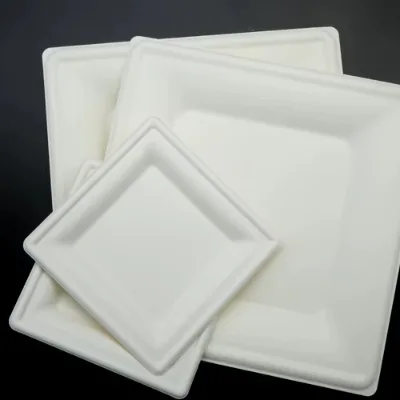
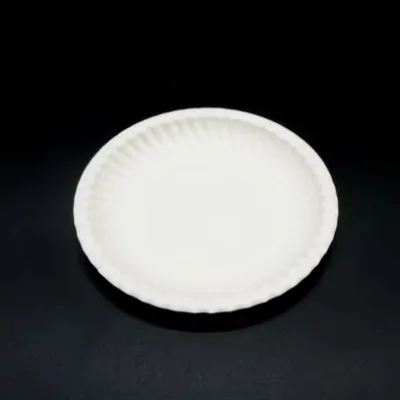
Product attributes and customization options form another critical comparison dimension. Suppliers offer varying shapes, including round, square, and shaped plates, with materials ranging from paper to sugarcane bagasse and wheat straw pulp. Customization availability is a common feature, allowing for logo printing and specific color requirements, though some listings specify multicolor options while others focus on white. Buyers should compare the specific product models and standards, such as 6-inch, 7-inch, or 9-inch diameters, to ensure they match their commercial needs. Additionally, packaging details like OPP bags or cartons vary, affecting shipping efficiency and product protection. Evaluating these specific product attributes alongside the supplier's main product range helps identify partners capable of meeting diverse commercial demands.
Common Commercial Straw Compostable Plates Sourcing Risks
One primary risk in sourcing Commercial Straw Compostable Plates involves the discrepancy between claimed certifications and actual product compliance. While listings frequently mention FDA, CE/EU, and CIQ certifications, buyers must verify that these apply specifically to the wheat straw or bagasse plates they intend to purchase, as some suppliers may hold certifications for different product lines like paper cups. There is also a risk regarding the "biodegradable" and "compostable" claims, which require strict adherence to specific standards that may not be uniformly enforced across all trading companies. Without direct access to independent test reports for the specific batch of plates, buyers risk receiving products that do not fully decompose under commercial composting conditions, potentially damaging their brand reputation.
Another significant risk is the variability in lead times and production capacity, which can disrupt supply chains. The observed lead times of 23 to 30 days suggest a standard production window, but this can extend during peak seasons or if raw material shortages occur. Suppliers with high MOQs of 50,000 pieces may struggle to fulfill large orders quickly if their production lines are not optimized for high-volume output. Furthermore, the reliance on trading companies introduces a layer of opacity where the actual factory conditions and quality control processes are less visible. Buyers face the risk of receiving substandard materials if the trading company does not have robust oversight of their manufacturing partners. Mitigating these risks requires rigorous pre-shipment inspections and clear contractual terms regarding delivery schedules and quality benchmarks.
Commercial Straw Compostable Plates Regional Sourcing and Logistics
Regional sourcing for Commercial Straw Compostable Plates is heavily concentrated in China, with specific clusters identified in the Anhui province. This location offers logistical advantages due to established infrastructure for exporting biodegradable tableware, but buyers must account for the distance and associated shipping costs when planning their supply chain. The concentration of suppliers in this region means that freight forwarders familiar with this specific cargo type are readily available, yet buyers should verify if the supplier handles export documentation or if they require a separate logistics partner. Understanding the specific port of loading is essential for calculating accurate delivery timelines and managing inventory levels effectively.
Logistics planning must also consider the packaging specifications provided by suppliers, which vary from polybags to cartons. Some listings indicate packing standards like 50 pieces per polybag and 500 pieces per carton, while others suggest 1000 pieces per carton. These variations directly impact container loading efficiency and overall shipping costs. Buyers should request detailed packing lists to optimize container utilization and reduce freight expenses. Additionally, the weight of the plates, ranging from 7g to 18g per unit, influences the total shipment weight and volume. Careful coordination with the supplier regarding packaging dimensions and weight is crucial to avoid unexpected surcharges and ensure that the Commercial Straw Compostable Plates arrive in optimal condition for distribution.
Commercial Straw Compostable Plates Commercial Terms and Order Planning
Commercial terms for Commercial Straw Compostable Plates often revolve around strict minimum order quantities and specific payment structures. The prevalent MOQ of 50,000 pieces across multiple suppliers indicates that this product category is optimized for bulk purchasing rather than small-scale orders. Buyers planning their procurement must ensure they have sufficient storage capacity and sales channels to absorb these large volumes. Payment terms may vary, but the presence of escrow or trade assurance options provides a safety net for financial transactions. It is advisable for buyers to negotiate terms that align with their cash flow, potentially seeking partial payments or staggered delivery schedules if the supplier is willing to accommodate such arrangements.
Order planning should also account for the customization lead times and sample availability. Many suppliers offer free samples or low-cost prototypes, which is a valuable step before committing to a full production run. However, the customization process, including logo printing and specific shape modifications, may extend the overall lead time beyond the standard 23 to 30 days. Buyers must factor in the time required for sample approval and any necessary design adjustments. Additionally, the availability of OEM and ODM services suggests that suppliers can produce under the buyer's brand, but this requires clear communication of brand guidelines and quality expectations. Effective order planning involves balancing the desire for customization with the need for timely delivery to meet market demands.
FAQs
What is the minimum order quantity for compostable plates?
The minimum order quantity for these compostable plates is 50,000 pieces. This standard applies to various materials including paper, bagasse, and cornstarch. Buyers should verify specific product listings to confirm if any exceptions exist for custom orders or different sizes.
How long does it take to receive an order?
Lead times for these orders typically range from 23 to 30 days. The exact duration depends on the specific supplier and their current production capacity. Buyers should confirm the precise timeline with the supplier before finalizing the purchase agreement.
Are these plates certified for food safety?
Yes, many options carry certifications such as FDA, CE, EU, and CIQ. These certifications ensure the products meet international food safety standards. Buyers should check the specific product details to confirm which certifications apply to their selected item.
What materials are used for these disposable plates?
These plates are made from materials like paper, sugarcane bagasse, and cornstarch. Some options also utilize wheat straw pulp. All listed materials are designed to be biodegradable and compostable for eco-friendly disposal after use.
Can I customize the logo on these plates?
Customization is available for logos and designs on most plate options. Suppliers offer printing services in CMYK with various shapes and colors. Buyers need to meet the minimum order quantity to qualify for these custom printing services.
Where are these suppliers located?
The suppliers providing these products are located in China, specifically in Anhui. This location allows for efficient manufacturing and shipping of bulk orders. Buyers should verify the specific shipping terms based on their destination.
What is the price range for these plates?
Prices range from 0.018 to 0.062 per piece depending on the material and size. Factors like certification and customization affect the final cost. Buyers should request a quote based on their specific quantity and design requirements.