Commercial Standing Leg Curl Machine Suppliers and Manufacturers
Explore 15 verified options for the Commercial Standing Leg Curl Machine to compare locations, lead times, certifications, and response times. Review product specifications and pricing details to identify suitable partners for your gym equipment needs; review the available evidence before requesting comparable quotations from suitable candidates.
Suppliers List

Dezhou Strongway Fitness Equipment Co., Ltd.
- Verified by TUVRHEINLAND
- Combined
- China Shandong
- Lead time15 days
- Avg. response≤ 4h
Main productsFitness Equipment, Gym Equipment, Treadmill, Dumbbell, Spin Bike, Plates
Main marketsSouth America,Africa,Southeast Asia/ Mideast,Europe,Australia,North America

Qingdao Sirer Technology Co., Ltd.
- Verified by SGS
- Trading Company
- China Shandong
- Lead time30 days
- Avg. response≤ 7h
Main productsFitness Equipment, Treadmill, Stregth Machine, Cardio Fitness, Commercial Gym Equipment, Gym Equipment, Gym Machine, Shoulder Press, Fitness Machine, Hammer Fitness Machine
Main marketsSouth America,Southeast Asia/ Mideast,North America


Premium Seated Leg Curl and Extension Machine for Complete Lower Body Workout
$370.00 - $450.00
MOQ: 1 Pieces

Shandong Tianzhan Fitness Equipment Co., Ltd.
- Verified by BV
- Combined
- China Shandong
- Lead time30 days
- Avg. response≤ 8h
Main productsGym Equipment, Fitness Equipment, Strength Machines, Exercise Bike, Body Building Machines, Commercial Fitness Equipment, Motorized Treadmill, Fitness Equipment Gym Machine, Free Weight Accessories, Treadmill
Main marketsSouth America,Southeast Asia/ Mideast,East Asia(Japan/ South Korea),Europe,Australia,North America


Popular Commercial Fitness Gym Equipment Leg Curl Machine Leg Extension
$410.00 - $524.00
MOQ: 1 Pieces

Factory Commercial Seated Leg Extension Machine Leg Curl Body Building Machine
$410.00 - $524.00
MOQ: 1 Pieces


DEZHOU HENGQING FITNESS EQUIPMENT CO., LTD.
- Combined
- China Shandong
- Lead time23 days
- Avg. response≤ 7h
Main productsGym Equipment, Fitness Equipment, Strength Equipment, Cardio Equipment
Main marketsSouth America,Southeast Asia/ Mideast,Europe


Commercial Fitness Equipment Gym Strength Training Machine Leg Extension / Leg Curl Machine
$354.00 - $385.00
MOQ: 1 Sets


Commercial Fitness Strength Gym Equipment Seated Stretch Leg Curl Machine
$490.00 - $550.00
MOQ: 1 Sets

Commercial Gym Fitness Equipment Strength Workout Machine Prone Leg Curl
$490.00 - $550.00
MOQ: 1 Sets

Shandong Realleader Fitness Co., Ltd.
- Trading Company,Manufacturer/Factory
- China Shandong
- Lead time60 days
- Avg. response≤ 9h
Main productsFitness Equipment, Fitness Equipment-Made in China, Gym, Gym Equipment, Fitness, Bodybuilding Equipment, Fitness Equipment-Made-in-China. com, Gym Equipment-Made-in-China, Cardio Equipment-Made-in-China, Home Gym
Main marketsSouth America,Eastern Europe,Mid East,North America,Southeast Asia,Eastern Asia,Oceania,Western Europe,Africa


Commercial Fitness Equipment Machine Gym Equipment Machine Hot Sales Leg Extension Curl
$2117.00 - $2646.00
MOQ: 1 Pieces


SHANDONG BRIGHTWAY FITNESS EQUIPMENT CO., LTD.
- Verified by TUVRHEINLAND
- Combined
- China Shandong
- Lead time15 days
- Avg. response≤ 2h
Main productsFitness Equipment, Gym Equipment, Treadmill, Gym Accessories, Fitness Accessories, Commercial Treadmill
Main marketsNorth America

Commercial Gym Machine Hotsale Fitnessequipment Kneeling Leg Curl Machine
$430.00 - $530.00
MOQ: 1 Pieces


Shandong Baodelong Fitness Co., Ltd.
- Verified by BV
- Combined
- China Shandong
- Lead time23 days
- Avg. response≤ 9h
Main productsGym Equipment, Fitness Equipment, Fitness Machine, Gym Machine, Treadmill, Spinning Bike, Exercise Bike, Chest Press Machine, Leg Press Machine, Multi Functional Machine
Main marketsSouth America,Africa,Southeast Asia/ Mideast,East Asia(Japan/ South Korea),Domestic,Europe,Australia,North America

Commercial Fitness Equipment Horizontal Leg Curl
MOQ: 10 Pieces

MOQ: 1 Pieces

WNQ (Shanghai) Body-Building Equipment Co., Ltd.
- Verified by BV
- Combined
- China Shanghai
- Lead time30 days
- Avg. response≤ 19h
Main productsSports Equipment, Gym Equipment, Treadmill, Exercise Bike, Elliptical, Home Gym, Stepper, Rowing Mache, Exercise Bench, Free Weight
Main marketsSouth America,Africa,Southeast Asia/ Mideast,East Asia(Japan/ South Korea),Europe,Australia,North America

SingSong Sports Equipment Co., Ltd.
- Verified by BV
- Trading Company
- China Hunan
- Lead time23 days
- Avg. response≤ 5h
Main productsPadel Racket, Padel Ball, Paddle Bags, Gym Fitness Equipment, Home Fitness Equipment, Smith Machine, Squat Rack, Spinning Bike, Fitness Bench, Dumbbell/Dumbbell Rack/ Weight Plats
Main marketsSouth America


Hot Sale Leg Exercise Commercial Gym Strength Fitness Equipment Leg Extension Leg Curl Machine
$377.00 - $417.00
MOQ: 1 Pieces

Commercial Fitness Body Building Leg Strength Curl /Leg Extension Machine
$377.00 - $417.00
MOQ: 1 Pieces


High Quality Commercial Gym Equipment Included Seated Leg Extension Curl Machine
$377.00 - $417.00
MOQ: 1 Pieces

High Quality Wholesale Commercial Gym Equipment Leg Curl Leg Extension Machine
$377.00 - $417.00
MOQ: 1 Pieces

- Verified by BV
- Trading Company,Manufacturer/Factory
- China Shandong
- Lead time45 days
- Avg. response≤ 11h
Main productsFitness Equipment, Spinning Bike, Treadmill, Elliptical Bike, Recumbent Bike, Upright Bike, Gym Mats, Plate Loaded Gym Equipment, Pin Loaded Selected Gym Equipment, Stair Climber
Main marketsSouth America,Eastern Europe,Mid East,North America,Western Europe,Africa

Shandong Kangtu Fitness Technology Co., Ltd.
- Trading Company
- China Shandong
- Lead time0 days
- Avg. response≤ 1h

Shandong Minolta Fitness Equipment Co., Ltd
- Verified by TUVRHEINLAND
- Combined
- China Shandong
- Lead time15 days
- Avg. response≤ 3h
Main productsGym Equipment, Fitness Equipment, Cardio Machine, Fitness Accessories, Hammer Strength, Commercial Treadmill, Pin Loaded Machine, Strength Machine, Free Weight, Multi Functional Rack
Main marketsSouth America,East Asia(Japan/ South Korea),Europe

Seated Leg Curl Commercial Fitness Equipment Exercise Machine for Sale
$445.00 - $545.00
MOQ: 1 Pieces

Fitness Equipment Manufacturer Plates Loaded Standing Leg Curl Machine
$389.00 - $499.00
MOQ: 1 Pieces

Shandong Coolbuild Fitness Equipment Co., Ltd
- Verified by SGS
- Combined
- China Shandong
- Lead time30 days
- Avg. response≤ 4h
Main productsSporting Goods, Fitness Equipment, Gym Equipment, Cardio Equipment, Treadmill, Gym Machine, Fitness Machine
Main marketsSouth America

Premium Commercial ODM Supported Heavy-Duty Multi-Station Lying Leg Curl Machine
$513.00 - $571.00
MOQ: 1 Pieces


Premium Commercial Commercial Grade Rust-Resistant Heavy-Duty Adjustable Lying Leg Curl Machine
$513.00 - $571.00
MOQ: 1 Pieces

Premium Commercial CE Certified Multi-Function Heavy-Duty Leg Curl Machine
$462.00 - $514.00
MOQ: 1 Pieces

Factory Direct Premium Commercial Non-Slip Base Heavy-Duty Leg Curl Machine
$462.00 - $514.00
MOQ: 1 Pieces

Premium Commercial 3-Year Warranty Adjustable Heavy-Duty Leg Curl Machine
$462.00 - $514.00
MOQ: 1 Pieces
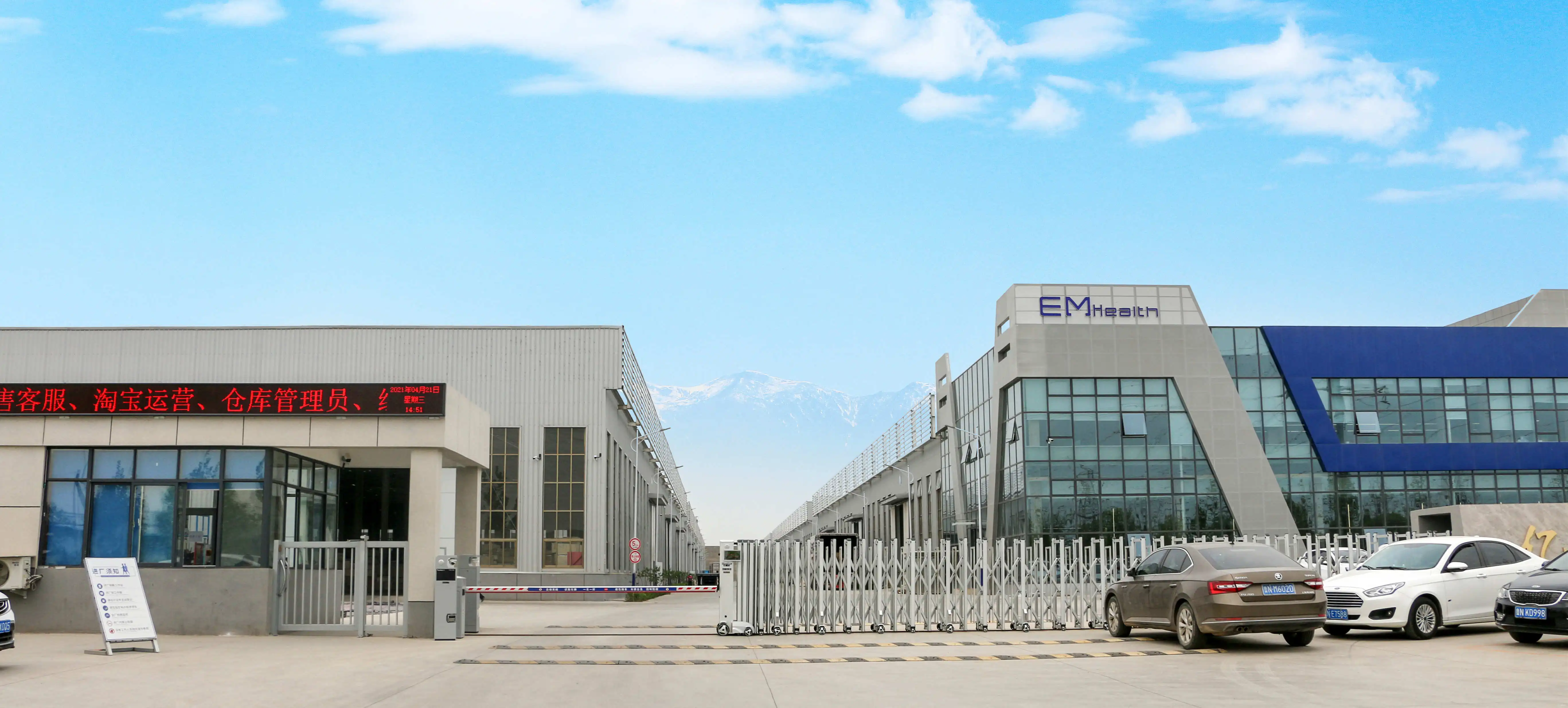
Shandong EM Health Industry Group Co., Ltd.
- Manufacturer, Trading Company
- Shandong, China
- Lead time30 days
- Avg. response≤ 5h
Main productsStrength equipment,Pilates gym equipment,leg massager,Pickleball paddle,Sports Accessories
Main marketsOceania(10.00%), Southern Europe(10.00%), Eastern Europe(10.00%), Western Europe(10.00%), Eastern Asia(10.00%), Mid East(10.00%), Domestic Market(5.00%), South Asia(5.00%), Northern Europe(5.00%), Africa(5.00%), Southeast Asia(5.00%), South America(5.00%), Central America(5.00%), North America(5.00%)

Shanghai Define Health Tech Co., Ltd.
- Verified by BV
- Trading Company,Manufacturer/Factory
- China Shanghai
- Lead time23 days
- Avg. response≤ 2h
Main productsFitness Equipment, Hammer Strength, Body-Building Machine, Fitness Accessories, Commercial Motorized Treadmill, Gym Machine, Hankang Fitness, Lifefitness Equipment, Hummer Strength, Protraining Equipment
Main marketsSouth America,Eastern Europe,Mid East,Southeast Asia,Eastern Asia,Oceania,Western Europe,Africa

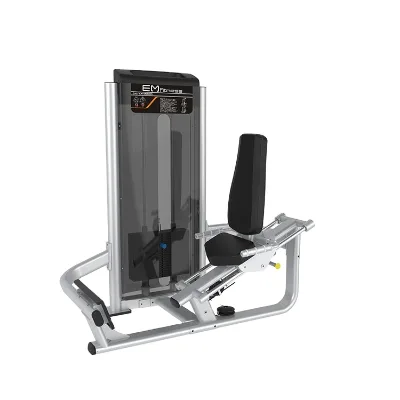
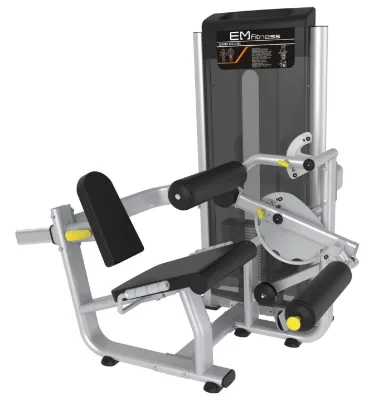
Fitness machine,Commercial Strength, Gym equipment, Lying Leg Curl (PT-418)
$458.00 - $488.00
MOQ: 1 Pieces

professional gym equipment, commercial fitness machine,Standing Leg Curl - FW-621
$320.00 - $370.00
MOQ: 1 Pieces

fitness machine,gym equipment,professional Standing Leg Curling (HP-3025)
$669.00 - $769.00
MOQ: 1 Pieces

fitness machine,Gym equipment,Strength Machine,Seated Leg Curl- PT-820
$719.00 - $799.00
MOQ: 1 Pieces

gym equipment,new fitness machine,gym,best Standing Leg Curling (HP-3025)
$669.00 - $769.00
MOQ: 1 Pieces


Comprehensive Sourcing Guide
Commercial Standing Leg Curl Machine Supplier Concentration and Factory Types
The current supplier landscape for commercial standing leg curl machines shows a distinct concentration in China, specifically within the Shandong province. This region hosts a mix of combined entities and trading companies that specialize in fitness equipment, including treadmills, dumbbells, and various strength training machines. The presence of these manufacturers suggests a localized ecosystem where raw materials, particularly steel, and finished goods are readily available for export. Buyers should note that while some suppliers operate as combined entities capable of both manufacturing and trading, others function strictly as trading companies, which may influence their direct control over production schedules and quality assurance processes.
When evaluating the factory types, it is essential to distinguish between those offering ODM and OEM capabilities alongside their own brands and those limited to trading functions. The observed data indicates that many suppliers possess the capacity for customization, including logo application and specific machine dimensions, which is a critical factor for commercial gym operators. However, the absence of specific system certifications in some records necessitates a deeper inquiry into their actual production standards. Buyers must verify whether the supplier's primary focus is on high-volume commercial output or if they are a generalist trading firm sourcing from multiple factories, as this distinction directly impacts the reliability of the supply chain for specialized equipment like standing leg curl machines.
How to Verify Commercial Standing Leg Curl Machine Suppliers
Verification of suppliers for commercial standing leg curl machines requires a rigorous check of third-party credentials and response metrics. The available data highlights that some suppliers hold verification from recognized bodies such as TÜV Rheinland and SGS, which serves as a baseline indicator of operational legitimacy. However, the absence of system certifications in certain records means that buyers cannot assume compliance with international safety or quality standards without direct confirmation. It is crucial to request specific test reports or certificates for the CE and ISO standards mentioned in product attributes, ensuring that the machinery meets the rigorous demands of commercial gym environments before committing to an order.
Beyond certifications, the response time and lead time data provide tangible metrics for assessing supplier reliability. Suppliers with response times around 3.92 hours may offer more immediate support for technical queries compared to those with delays of 6.73 hours, which could indicate a larger volume of inquiries or less dedicated support staff. Lead times vary significantly, with some suppliers offering 15-day delivery windows while others require up to 30 days. Buyers should use these figures to gauge the supplier's capacity to meet tight project deadlines. Additionally, verifying the "is_verified" status through the platform's official channels is mandatory, as this status is the only confirmed proof of the supplier's current operational standing and should not be inferred from product descriptions alone.
What to Compare Across Commercial Standing Leg Curl Machine Suppliers
Comparing suppliers requires a detailed analysis of product specifications, pricing structures, and minimum order quantities. The market data reveals a price range for commercial standing leg curl machines from approximately $240 to $787, depending on the model, features, and customization options. Some models are priced as low as $240 with a minimum order of five sets, while others reach nearly $800 with a single-unit minimum. Buyers must scrutinize these figures to understand the value proposition, noting that lower prices may correlate with simpler designs or different weight stack capacities, such as the 80kg stack observed in one model versus other configurations.
In addition to price, the customization capabilities and physical dimensions are critical comparison points. Suppliers offer varying machine sizes, ranging from roughly 1017mm to 1650mm in length, and different packing standards, including plywood boxes and bubble wrap combinations. The ability to customize logos and colors is widely available, but the specific terms, such as the "Customized Logo Availabled" notation, require clarification to ensure the final product meets branding requirements. Furthermore, the application scope, whether for home, community, or commercial gymnasium use, varies by model. Buyers should compare these attributes against their specific facility needs to ensure the selected equipment aligns with their intended usage environment and spatial constraints.
Common Commercial Standing Leg Curl Machine Sourcing Risks
One significant risk in sourcing commercial standing leg curl machines is the potential discrepancy between advertised certifications and actual product compliance. While product attributes frequently list CE and ISO standards, some records show combined strings like "CE,ISOExercise Part:Leg," which may indicate data entry errors or incomplete certification documentation. This ambiguity poses a risk for buyers who require strict adherence to safety regulations for commercial installations. Without verified documentation, there is a possibility that the equipment may not meet the necessary safety thresholds for high-traffic gym environments, potentially leading to liability issues or equipment failure during operation.
Another critical risk involves the variability in lead times and the potential for supply chain disruptions. With lead times ranging from 15 to 30 days, buyers must account for potential delays that could impact their project timelines. The difference between a combined entity and a trading company also introduces risk, as trading companies may have less direct oversight over the manufacturing process, leading to inconsistencies in quality or delivery schedules. Additionally, the minimum order quantities, which vary from one unit to five sets, can create inventory challenges for smaller buyers. If a supplier cannot fulfill a partial order or if the lead time extends beyond the agreed period, the buyer may face significant operational delays and financial losses.
Commercial Standing Leg Curl Machine Regional Sourcing and Logistics
The primary sourcing region for commercial standing leg curl machines is identified as Shandong, China, which serves as a central hub for fitness equipment manufacturing. This concentration allows for efficient logistics and potentially lower shipping costs due to the density of suppliers in the area. However, buyers must verify the specific port of loading and the shipping terms, as these details are not explicitly provided in the current data. The origin of the products is consistently listed as China, but the specific logistics partners and freight forwarders used by each supplier can vary, affecting the overall cost and delivery speed to the buyer's location.
Logistics planning must also consider the packaging standards, which are listed as plywood boxes, wooden crates, or combinations with bubble wrap. These packaging methods are designed to protect the equipment during transit, but the weight and dimensions of the machines, such as the 113kg net weight observed in some models, will influence freight charges. Buyers should confirm whether the quoted prices include freight costs or if they are based on EXW or FOB terms. Understanding the specific packaging and weight requirements is essential for calculating the total landed cost and ensuring that the equipment can be safely transported and installed at the destination facility without damage.
Commercial Standing Leg Curl Machine Commercial Terms and Order Planning
Order planning for commercial standing leg curl machines must account for the diverse minimum order quantities and customization requirements observed in the market. While some suppliers offer a single-unit minimum, others require orders of five sets, which can impact the initial investment and inventory strategy. Buyers should carefully review the terms regarding customization, such as logo placement and color options, to ensure these requests are feasible within the supplier's production capabilities. The availability of ODM and OEM services suggests that larger orders may offer more flexibility in design, but this should be confirmed through direct communication to avoid misunderstandings regarding the final product specifications.
Commercial terms also include the payment structure and the handling of escrow services, which are not explicitly detailed in the current data. Buyers should prioritize suppliers who offer secure payment methods and clear terms for disputes or quality issues. The response time of the supplier is a key indicator of their willingness to engage in detailed negotiations and provide support throughout the order process. A supplier with a faster response time may be more responsive to urgent requests or changes in order specifications. Ultimately, buyers must establish a clear contract that outlines all agreed-upon terms, including lead times, pricing, and quality standards, to mitigate risks and ensure a successful procurement outcome.
FAQs
What is the price range for commercial standing leg curl machines?
Prices for commercial standing leg curl machines typically range from $240 to $787 per unit. The final cost depends on specific features, material quality, and customization options. Buyers should verify exact pricing with suppliers based on order quantity and shipping terms to ensure accurate budgeting for their gym equipment procurement.
What certifications do these machines usually have?
Most commercial standing leg curl machines carry CE and ISO certifications, with some models also including RoHS compliance. These certifications indicate adherence to international safety and quality standards. Buyers should request valid certification documents from suppliers to verify compliance before placing orders for commercial gym installations.
What is the typical lead time for manufacturing?
Manufacturing lead times for these machines generally range from 15 to 30 days. The exact duration depends on the supplier type, order volume, and customization requirements. Combined suppliers often offer faster turnaround times compared to trading companies. Buyers should confirm specific delivery schedules with their chosen supplier during negotiation.
What is the minimum order quantity for these machines?
Minimum order quantities for commercial standing leg curl machines vary, with some suppliers accepting orders as low as one unit. Other suppliers may require a minimum of five sets. Buyers should check individual supplier listings to determine the specific MOQ requirements that align with their inventory needs and budget constraints.
Where are these machines typically manufactured?
These machines are primarily manufactured in China, with many suppliers located in the Shandong province. This region is known for its fitness equipment manufacturing capabilities. Buyers should verify the specific origin and factory location with suppliers to ensure quality control and accurate shipping logistics for their international orders.
Can these machines be customized with a logo?
Yes, most commercial standing leg curl machines offer customization options, including logo printing. Suppliers typically provide customized logo services for branding purposes. Buyers should discuss specific design requirements and additional costs with suppliers to ensure the final product meets their brand identity and commercial gym aesthetic standards.