Customized Leather Notebook Suppliers and Manufacturers
Explore 17 verified options for Customized Leather Notebook suppliers and manufacturers. Compare locations, lead times, certifications, and pricing to find the right partner. Contact suppliers directly to discuss customization details; review the available evidence before requesting comparable quotations from suitable candidates.
Suppliers List

Hefei Colorfly Stationery Co., Ltd.
- Verified by SGS
- Combined
- China Anhui
- Lead time30 days
- Avg. response≤ 9h
Main productsExercise Book, Notebook, Spiral Notebook, Composition Book, Copy Book, Soft Cover Notebook, Stationery Set, Drawing Book, PP Exercise Book, Counter Book
Main marketsAfrica,Southeast Asia/ Mideast

Guangzhou Zhongtian Paper Product Co., Ltd.
- Verified by TUVRHEINLAND
- Trading Company,Manufacturer/Factory,Group Corporation
- China Guangdong
- Lead time38 days
- Avg. response≤ 4h
Main productsBible, Book, Children Book, Paper Box, Jigsaw Puzzle, Notebook Printing, Board Game, Calendar, Paper Bags, Seed Paper Cards
Main marketsSouth America,Eastern Europe,Mid East,North America,Southeast Asia,Oceania,Western Europe,Africa

Guangzhou Vitality Printing Co., Ltd
- Verified by SGS
- Trading Company,Manufacturer/Factory
- China Guangdong
- Lead time105 days
- Avg. response≤ 5h
Main productsPaper Packaging, Paper Folding Box, Booklet, Paper Can, Gift Box, Book Printing Service, PVC Box, Cosmetics Packaging, Food Container, Children Book Printing
Main marketsEastern Europe,North America,Southeast Asia,Eastern Asia,Western Europe,Africa

Tianjin Caile Printing Co., Ltd
- Verified by TUVRHEINLAND
- Trading Company
- China Tianjin
- Lead time60 days
- Avg. response≤ 9h
Main productsPlanner, Journal, Notebook, Calendar, Box, Diary, PU Leather Binder, Pop up Book, First Aid Kit, Gift Set
Main marketsEurope,Australia,North America

Shenzhen Lionstar Technology Co., Ltd.
- Combined
- China Guangdong
- Lead time15 days
- Avg. response≤ 3h
Main productsFace Mask, KN95, 3ply Disposable Face Mask, Protective Face Cover, FFP2 KN95 Ce FDA Face Mask, Protective Goggle, Face Shield, Gloves, Gowns, Thermometer
Main marketsSouth America,Southeast Asia/ Mideast,East Asia(Japan/ South Korea),Europe,Australia,North America
Shenzhen Longyin Printing Packing Co., Ltd.
- Verified by SGS
- Trading Company
- China Guangdong
- Lead time15 days
- Avg. response≤ 2h
Main marketsSouth America,Africa,Southeast Asia/ Mideast,East Asia(Japan/ South Korea),Domestic,Europe,Australia,North America

TAIZHOU RONGYI IMPORT AND EXPORT CO., LTD.
- Trading Company
- China Zhejiang
- Lead time15 days
- Avg. response≤ 2h
Main productsNotebook, Diary, Organiser, Certificate Folder, Journal, Greeting Card, Notepad, Sticky Notes
Main marketsSouth America,Southeast Asia/ Mideast,East Asia(Japan/ South Korea),Europe,North America


PU Leather Notebook with Card Holder Business Journal & Planner for Office School
$0.88 - $1.09
Moq: 300

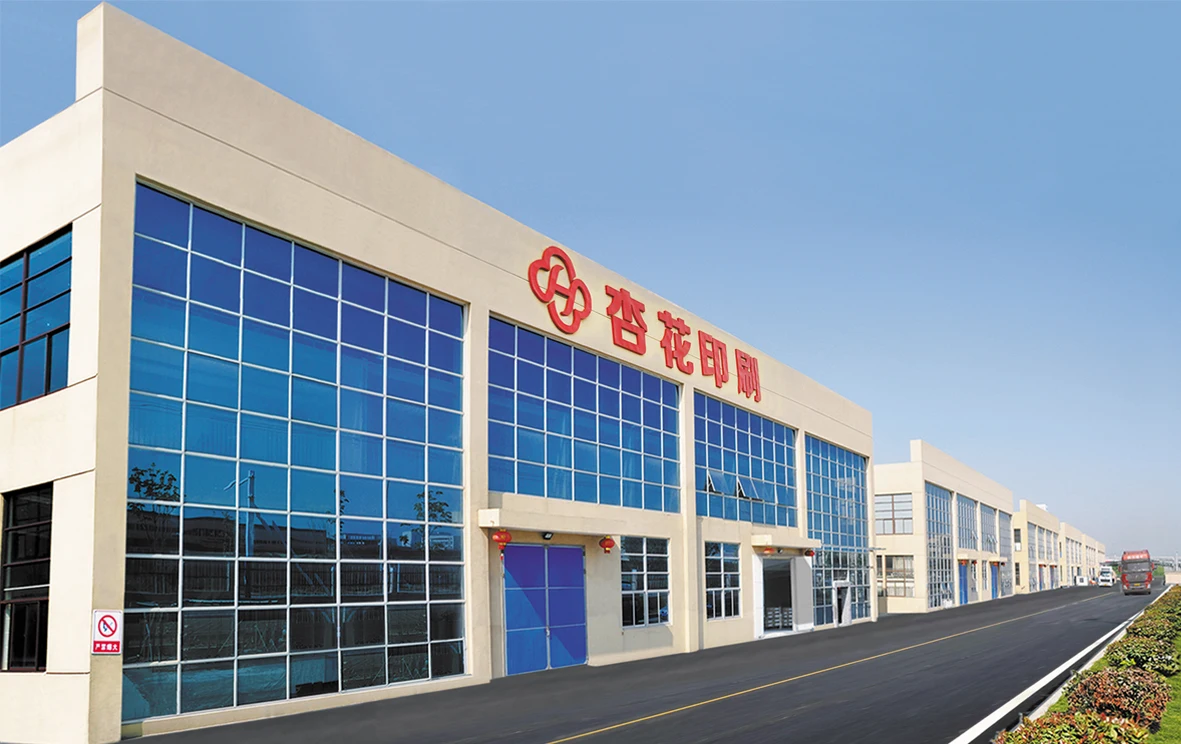
Hefei Xinghua Printing Co., Ltd.
- Manufacturer, Trading Company
- Anhui, China
- Lead time0 days
- Avg. response≤ 9h
Main productsBook Printing, Boutique Packaging Box
Main marketsNorth America(60.0%), Africa(40.0%)
Wenzhou Yanhe Technology Co., Ltd.
- Verified by BV
- Combined
- China Zhejiang
- Lead time30 days
- Avg. response≤ 6h
Main productsNotebook
Main marketsSouth America,Africa,Southeast Asia/ Mideast,East Asia(Japan/ South Korea),Europe,Australia,North America

- Verified by SGS
- Trading Company
- China Shaanxi
- Lead time15 days
- Avg. response≤ 3h
Main productsBusiness Gift Set, Corporate Gift Set, Promotion Gift Set, Notebook Gift Set, Weeding Gift Set for Guests, Birthday Gift Set, Gift Sets, Custom Gift Set, Notebook with Pen, Gifts
Main marketsAfrica,Southeast Asia/ Mideast,Europe,Australia,North America

Shenzhen Flying Supply Chain Co., Ltd.
- Verified by SGS
- Trading Company
- China Guangdong
- Lead time15 days
- Avg. response≤ 4h
Main productsPacking Bag, Gift Bag, Folding Bag, Laptop Bag, Carton, Toy Puzzle, Stationery, Label, Hot Melt Paper, 3D Printing Consumables
Main marketsNorth America

- Verified by BV
- Manufacturer/Factory
- China Shandong
- Lead time0 days
- Avg. response≤ 12h
Main productsNotebook, Book Printing, Pacakging Boxes, Children Book, Diaries, Organizers, Calendars, Notepads, Note Book, Hardcover Book

Jinjiang Jiayi Supply Chain Management Co., Ltd.
- Verified by BV
- Trading Company
- China Fujian
- Lead time30 days
- Avg. response≤ 1h
Main productsGift, Shoe, Garment, Machine
Main marketsDomestic
HonorHope (Zhengzhou) Technology Industrial Co., Ltd.
- Manufacturer, Trading Company
- Henan, China
- Lead time15 days
- Avg. response≤ 12h
Main productsPaper Bag,Gift Box,Calendar,Nowoven bag,Notebook
Main marketsMid East(30.0%), North America(20.0%), Western Europe(15.0%), South America(10.0%), Eastern Europe(5.0%), Eastern Asia(5.0%), Southeast Asia(5.0%), Oceania(5.0%), Africa(5.0%)

Shanghai David International Trade Co., Ltd.
- Verified by TUVRHEINLAND
- Combined
- China Shanghai
- Lead time15 days
- Avg. response≤ 6h
Main productsPromotional Gifts, Gift Sets, Tshirts, Hats, Hot Packs, Hot Cold Packs, Ice Packs, Bags, Umbrellas, Water Bottles
Main marketsSouth America,Africa,Southeast Asia/ Mideast,East Asia(Japan/ South Korea),Domestic,Europe,Australia,North America

Zhongshan Tianxin Craft Gift Products Co., Ltd.
- Verified by BV
- Combined
- China Guangdong
- Lead time23 days
- Avg. response≤ 2h
Main productsShirt, Gift, Clothing, USB Flash Drives, Key Chain, Medal, Trophy, Lether Tapeline, Fridge Magnet, Wine Opener
Main marketsSouth America,Africa,Southeast Asia/ Mideast,East Asia(Japan/ South Korea),Europe,Australia,North America

- Verified by BV
- Trading Company,Manufacturer/Factory
- China Shanghai
- Lead time23 days
- Avg. response≤ 1h
Main productsBook Printing, Book, Children's Book, Paper Bag, Gift Boxes, Puzzle, Board Game, Tabletop Game, Playing Card
Main marketsSouth America,Eastern Europe,Mid East,North America,Southeast Asia,Eastern Asia,Oceania,Western Europe,Africa






Comprehensive Sourcing Guide
Customized Leather Notebook Supplier Concentration and Factory Types
The current supplier landscape for customized leather notebooks reveals distinct manufacturing clusters, primarily anchored in China Anhui and China Guangdong. Suppliers located in Hefei, Anhui, frequently list their origin as Hefei, China, and specialize in products like PU leather journals and composition books. These facilities often operate as combined entities, offering both ODM and OEM capabilities alongside their own brands. In contrast, suppliers based in Guangdong, such as those in Guangzhou, present a different profile, often identifying as trading companies, manufacturers, or group corporations. These Guangdong-based entities frequently highlight certifications like ISO 9001 and SEDEX, suggesting a focus on compliance and broader supply chain integration.
When evaluating factory types, buyers should note that some suppliers are verified by third-party agencies like SGS or TÜV Rheinland, which adds a layer of credibility to their operational claims. The Anhui cluster appears to focus heavily on school and office supplies, with main products including exercise books, spiral notebooks, and drawing books. Meanwhile, the Guangdong cluster often emphasizes a wider range of items such as bibles, children's books, and paper boxes alongside notebooks. This distinction in main products helps buyers identify whether a supplier is a specialized notebook manufacturer or a broader stationery trading company. Understanding these structural differences is essential for aligning supplier capabilities with specific project needs, whether the goal is high-volume school supply production or specialized business diary manufacturing.
How to Verify Customized Leather Notebook Suppliers
Verification of suppliers for customized leather notebooks requires a rigorous check of their stated credentials and third-party audit results. In the current data, specific suppliers display verification statuses such as SGS or TÜV Rheinland, which serve as concrete indicators of their compliance with international standards. Buyers should prioritize suppliers who explicitly list these verification bodies rather than relying on self-declared claims. Additionally, the presence of system certifications like ISO 9001 and SEDEX in supplier profiles provides evidence of established quality management systems. These certifications are particularly relevant for buyers requiring consistent product quality and ethical sourcing practices, as they indicate that the supplier undergoes regular external assessments.
Beyond certifications, buyers must scrutinize the response time and lead time metrics provided in supplier profiles to gauge operational reliability. A supplier with a response time of 3.79 hours may offer more immediate communication than one with a significantly higher figure, which can impact project timelines. Lead times, such as the 30-day or 38-day windows observed in current results, are critical for planning production schedules. Buyers should verify that the stated lead times align with their specific order requirements and that the supplier has the capacity to meet these deadlines consistently. It is also important to confirm the origin of the products, ensuring that items listed as originating from Hefei or Guangzhou match the supplier's declared location. This cross-verification helps prevent discrepancies between the supplier's claims and their actual manufacturing capabilities.
What to Compare Across Customized Leather Notebook Suppliers
Comparing suppliers for customized leather notebooks involves analyzing key operational dimensions such as minimum order quantities, pricing structures, and customization options. Current data shows that MOQs can vary significantly, with some suppliers requiring 600 pieces while others set the threshold at 1000 or even 500 pieces. Pricing also fluctuates based on product specifications, with unit costs ranging from approximately $0.50 to $2.50 depending on the model and customization level. Buyers should compare these figures against their budget constraints and volume requirements to identify the most cost-effective partners. Additionally, the availability of customization is a critical differentiator, with many suppliers explicitly stating that customization is available for cover materials, printing, and binding styles.
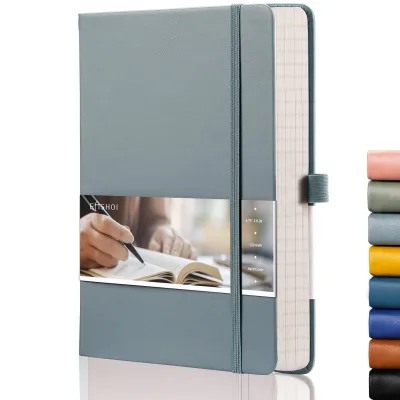
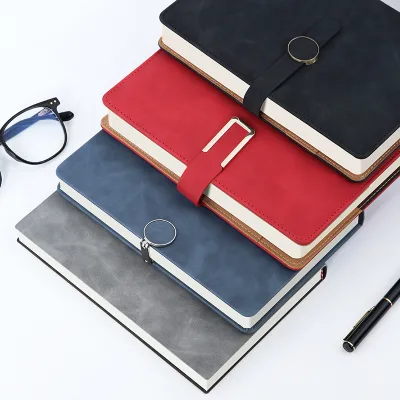
Another vital comparison point is the specific product attributes and standards offered by each supplier. For instance, some suppliers provide notebooks with PU leather covers in specific dimensions like 2128CM or 19.526.5cm, while others offer fabric covers or different binding methods like sewing thread. The inner page count, ranging from 40 to 80 sheets, and the type of paper used, such as woodfree paper, are also factors that influence the final product quality. Buyers should evaluate whether the supplier's standard offerings, such as grid or horizontal line pages, meet their specific needs. Furthermore, the packing standards, such as 3PCS/Shrink or Carton Box configurations, should be assessed to ensure they align with logistics requirements. By systematically comparing these attributes, buyers can select suppliers that best match their product specifications and operational constraints.
Common Customized Leather Notebook Sourcing Risks
One significant risk in sourcing customized leather notebooks is the potential mismatch between supplier claims and actual production capabilities. While some suppliers list extensive main products and certifications, the actual output may vary based on their current capacity and resource allocation. For example, a supplier claiming ODM and OEM capabilities might struggle to meet complex customization requests if their internal processes are not fully aligned. Buyers should be cautious of suppliers who do not provide clear evidence of their production standards or who lack third-party verification. The absence of specific details regarding the production origin or the specific materials used can also indicate a lack of transparency, which may lead to quality inconsistencies in the final delivered goods.
Another risk involves the variability in lead times and response speeds, which can disrupt supply chain planning. Suppliers with longer lead times, such as 38 days, may not be suitable for urgent orders, while those with slower response times might delay critical communications. Buyers must verify that the stated lead times are realistic and that the supplier has a track record of meeting these deadlines. Additionally, the risk of price fluctuations should be considered, as unit costs can vary based on raw material availability and order volume. Buyers should ensure that the pricing structure is transparent and that any potential additional costs for customization or expedited shipping are clearly communicated. By identifying these risks early, buyers can implement mitigation strategies to protect their projects from delays and quality issues.
Customized Leather Notebook Regional Sourcing and Logistics
Regional sourcing for customized leather notebooks is heavily influenced by the geographic location of the manufacturing facilities, with China Anhui and China Guangdong emerging as primary hubs. Suppliers in Hefei, Anhui, often produce notebooks with specific dimensions and materials, such as PU leather covers, and ship from this region. In contrast, suppliers in Guangzhou, Guangdong, may offer a broader range of products and certifications, potentially affecting shipping routes and logistics costs. Buyers should consider the proximity of the supplier to major ports and transportation networks when evaluating regional options, as this can impact transit times and overall logistics expenses. Understanding the specific origin of the products, whether listed as Hefei, China, or Guangzhou, is essential for accurate freight planning.
Logistics planning also requires attention to packing standards and shipping configurations, which vary by supplier. Some suppliers pack notebooks in shrink wrap with 3 pieces per unit, while others use carton boxes with different quantities per container. These packing methods can influence the efficiency of loading and the protection of goods during transit. Buyers should verify the packing details provided in supplier profiles to ensure they align with their shipping requirements and storage capabilities. Additionally, the origin of the products, such as China (Mainland) or specific cities, can affect customs clearance procedures and import regulations. By carefully analyzing regional logistics factors, buyers can optimize their supply chain to minimize costs and ensure timely delivery of customized leather notebooks.
Customized Leather Notebook Commercial Terms and Order Planning
Commercial terms for customized leather notebooks often include flexible payment options and specific order planning requirements. Many suppliers indicate that payment terms are open to discussion, allowing buyers to negotiate conditions that suit their financial strategies. However, buyers must clarify these terms before placing an order to avoid misunderstandings regarding deposit requirements or balance payments. The minimum order quantities, which range from 500 to 1000 pieces, also play a crucial role in order planning. Buyers should assess whether their projected volumes meet these thresholds or if they need to consolidate orders with other buyers to achieve cost efficiency. Understanding these commercial terms is essential for establishing a sustainable and profitable sourcing relationship.
Order planning must also account for the customization process and the associated lead times. Suppliers offering customization services typically require additional time for design approval and production setup, which can extend the overall lead time beyond the standard 30 or 38 days. Buyers should factor in these additional days when creating their production schedules to ensure timely delivery. Furthermore, the specific product models and standards, such as AM-176 or A2122 ZTPC, should be confirmed to ensure they meet the buyer's specifications. By carefully planning the order timeline and verifying all commercial terms, buyers can streamline the procurement process and reduce the risk of delays or errors in the final product delivery.
FAQs
What is the price range for customized leather notebooks?
Prices for customized leather notebooks typically range from $0.50 to $2.50 per unit. The final cost depends on the cover material, page count, and specific customization requirements. Buyers should expect higher prices for premium PU leather covers and complex printing options compared to standard paper notebooks.
What is the minimum order quantity for these notebooks?
The minimum order quantity varies by supplier, generally starting at 500 or 600 pieces. Some manufacturers require a minimum of 1000 pieces for certain custom printing services. Buyers should verify the specific MOQ with the supplier before placing an order to ensure it aligns with their budget and volume needs.
How long does production take for custom orders?
Production lead times for customized notebooks typically range from 30 to 38 days. This timeframe allows for material sourcing, printing, binding, and quality control. Buyers should confirm the exact lead time with the supplier, as rush orders or complex customizations may extend the delivery schedule beyond the standard period.
Can I customize the cover material and size?
Yes, customization is available for cover materials, including PU leather and fabric options. Buyers can choose from various standard sizes like A5 or custom dimensions. The supplier offers OEM and ODM services, allowing for specific branding, logo printing, and binding styles to meet unique business or promotional requirements.
Are these suppliers verified for quality assurance?
Many suppliers are verified by third-party inspection agencies such as SGS and TÜV Rheinland. Some also hold ISO 9001 and SEDEX certifications. These verifications indicate that the manufacturers adhere to specific quality management and ethical standards, providing buyers with greater confidence in the reliability and consistency of the products.
Where are these notebook manufacturers located?
Manufacturers are primarily located in China, with specific hubs in Anhui and Guangdong provinces. Cities like Hefei and Guangzhou are common origins for these products. Buyers can filter suppliers by location to potentially reduce shipping costs or align with regional logistics preferences for their specific supply chain requirements.