Customized Logo Acrylic Dice Suppliers and Manufacturers
Explore 22 verified suppliers offering Customized Logo Acrylic Dice with varying lead times, response speeds, and certifications. Compare dimensions, materials, and MOQs to select the right partner for your game components. Contact suppliers directly to request samples; review the available evidence before requesting comparable quotations from suitable candidates.
Updated
Suppliers List

Taizhou Goddess Playingcards Co., Ltd.
- Verified by CTI
- Combined
- China Jiangsu
- Lead time30 days
- Avg. response≤ 13h
Main productsPlaying Card, Playing Cards, Plastic Playingcards, Jumbo Playingcards, Giant Playingcards, Tarot, Skat, Jeu De Cartes, Paper Playing Card, OEM Playing Card
Main marketsEast Asia(Japan/ South Korea),Domestic,Europe,North America


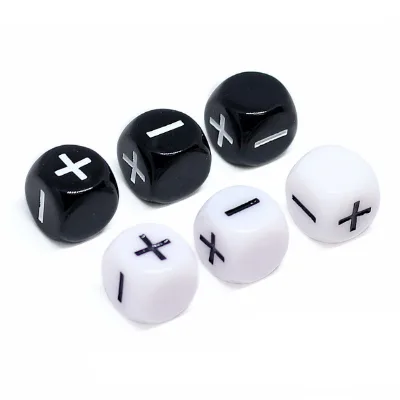
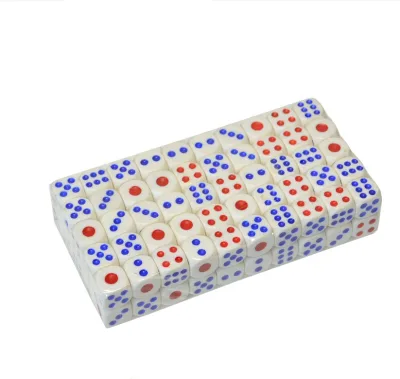
16mm D6 White Square Dice with Black Dots Custom Acrylic Polyhedral Casino Game Dice
$0.03 - $10.00
MOQ: 1000 Pieces


Zhongshan Keychain Gifts & Crafts Co., Ltd.
- Combined
- China Guangdong
- Lead time15 days
- Avg. response≤ 6h
Main productsKey Ring, Key Chain, Metal Key Chain, Bag Hanger, Compact Mirror, Medal, Key Chain with Bottle Opener, Promotional Gift, Souvenir, Badge
Main marketsSouth America,Europe,Australia,North America
Xiamen Brighting Imp.&Exp. Co., Ltd.
- Verified by TüVRheinland
- Trading Company
- Lead time20 days
- Avg. response≤ 3h
Main productsBoard Game, Dice Game, Card Game, Custom Dice, Poker Chips
Main marketsNorth America(40%), Western Europe(30%), Southeast Asia(15%)

- Trading Company,Manufacturer/Factory
- Hongkong_China Hongkong
- Lead time23 days
- Avg. response≤ 8h
Main productsCustom Paper Puzzle, Packaging Box, Books/Magazine, PU Album, Plastic Ziplock Bag, Paper Bag, Photo Frame, Board Game
Main marketsSouth America,Eastern Europe,North America,Southeast Asia,Eastern Asia,Oceania,Western Europe,Africa


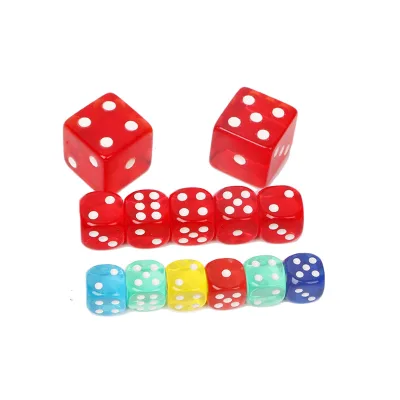
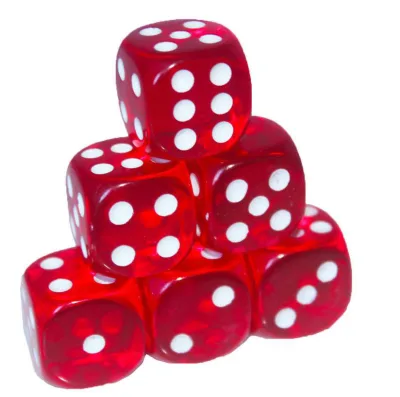
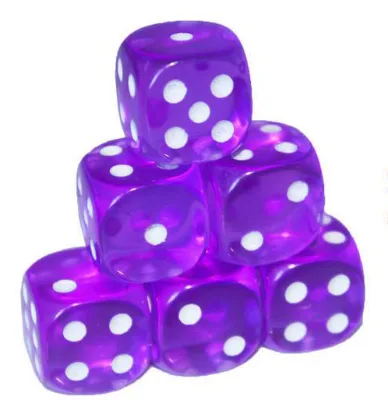
Custom 10mm 12mm 14mm 16mm 6 Sided Transparent Color Acrylic DOT Dice Casino Dice
$0.01 - $0.50
MOQ: 5000 Pieces


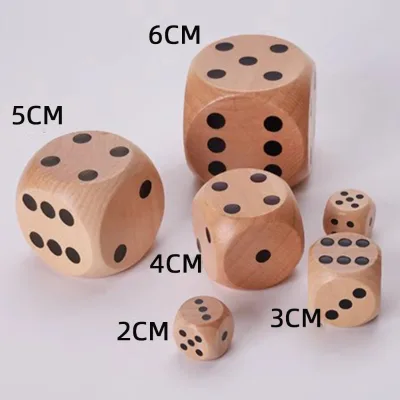
Hot Selling Custom Made D6 Wooden Dice, Engraved Wooden Dice, Printing Wooden Dice with Designs
$0.01 - $0.05
MOQ: 1000 Pieces


Shenzhen Lionstar Technology Co., Ltd.
- Verified by SGS
- Combined
- China Guangdong
- Lead time15 days
- Avg. response≤ 4h
Main productsFace Mask, KN95, 3ply Disposable Face Mask, Protective Face Cover, FFP2 KN95 CE FDA Face Mask, Protective Goggle, Face Shield, Gloves, Gowns, Thermometer
Main marketsAfrica,Europe,North America


Multiple Size Color Dice Wholesale Dice Set Acrylic Plastic Custom Logo
$0.29 - $0.50
MOQ: 1000 Pieces

Resin Dice Transparent Dice Set D6 Acrylic Custom Logo Dice for Table Game
$0.06 - $0.17
MOQ: 1000 Pieces


Factory Supplier Dice Marble Color and Pearlized Color Acrylic Dice for Board Games
$0.05 - $0.40
MOQ: 1000 Pieces

$0.05 - $0.40
MOQ: 1000 Pieces

Dongguan Glory Plastic Products Co., Ltd.
- Verified by SGS
- Combined
- China Guangdong
- Lead time30 days
- Avg. response≤ 10h
Main productsBoardgame Accessories, Plastic Injection PVC Miniature, Plastic Dice, Products Design & Mould, Game Components, Print and Painting and Packing, Plastic Products Custom Packing, Poly Resin Craft Gift and Toy, Freight and Shipping, Creative Consultation
Main marketsEast Asia(Japan/ South Korea),Domestic

Manufacture Wholesale D6 Square Dice Custom Acrylic Printing Logo Game Dice
$0.08 - $0.10
MOQ: 10000 Pieces


Custom Engraved Logo Design Acrylic Resin Glitter Dice Set for Board Game
$0.06 - $0.08
MOQ: 5000 Pieces


- Verified by SGS Group
- Trading Company
- Lead time0 days
- Avg. response≤ 5h
Main productsDice
Main marketsNorth America(70%), Eastern Europe(30%)
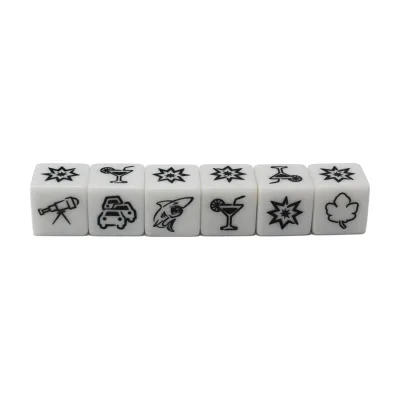
Promotional Logo Round Edge Engraved or Printed Plastic Custom Acrylic Dice DND RPG
$0.15 - $0.22
MOQ: 500
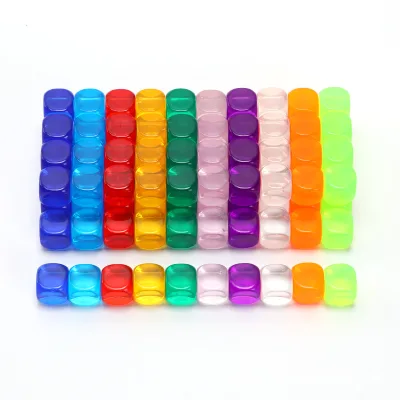
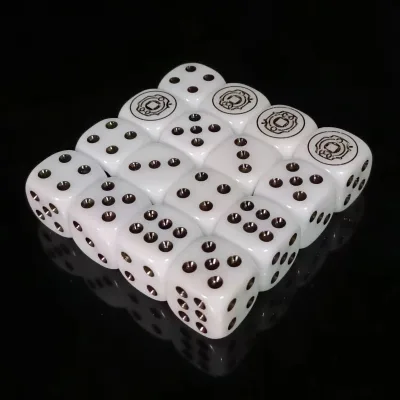
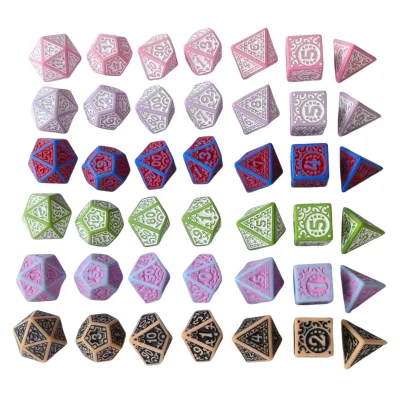
$0.8248 - $0.979
MOQ: 100 sets
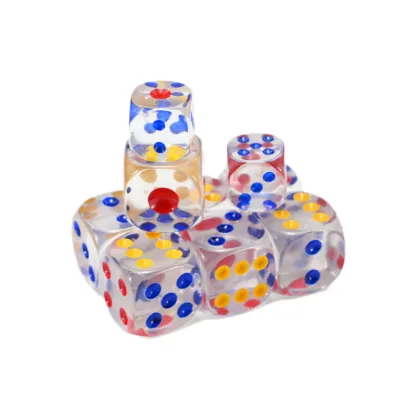
Fancy Custom Game Adults Kids Transparent Acrylic Dice with Color Dots for Casino Board Game
$0.22 - $0.30
MOQ: 100 pieces
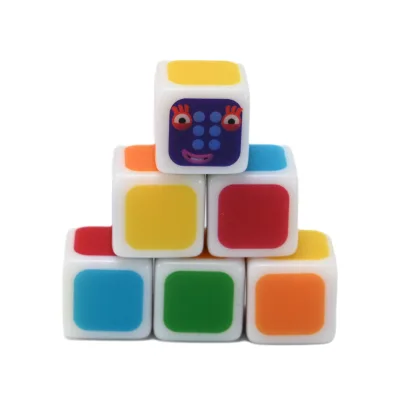
$0.1557 - $0.2275
MOQ: 500 pieces

Foshan Haofan Trading Co., Ltd.
- Manufacturer, Trading Company, Distributor/Wholesaler, Association
- Guangdong, China
- Lead time15 days
- Avg. response≤ 3h
Main productsdice,chess,metal dice,Dice accessories,resin dice
Main marketsNorth America(80.00%), Eastern Europe(20.00%)
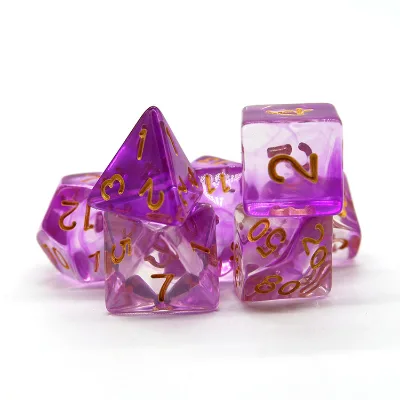
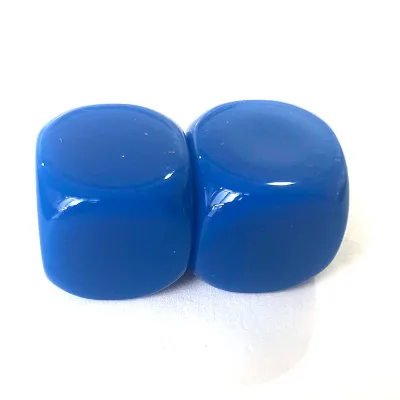
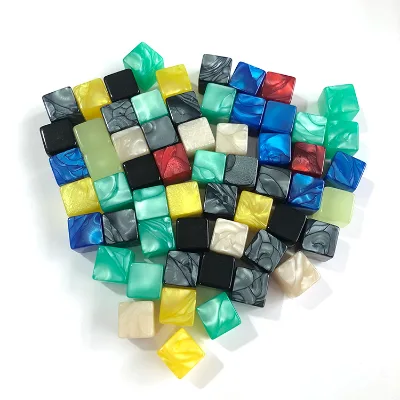
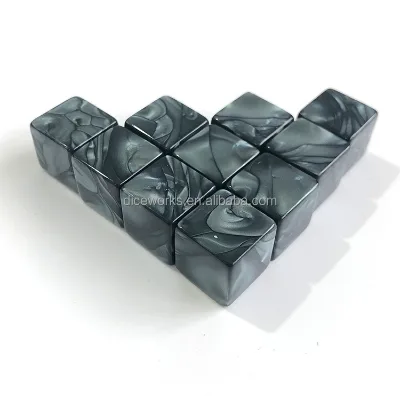
Custom Logo Printed Acrylic 16mm D6 Dice-6-Sided Black Blank for Wholesale D&D RPG Games
$0.08 - $0.15
MOQ: 1000
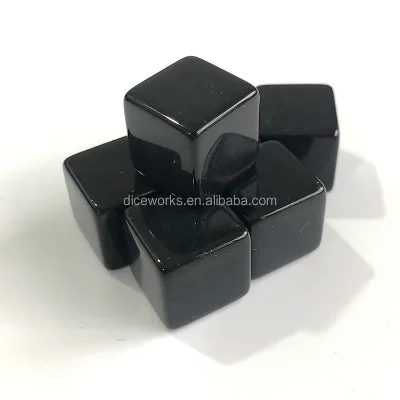
Custom Number Font Logo Acrylic Polyhedral Blank D6 Dice 12mm/14mm/16mm
$0.0735 - $0.105
MOQ: 1000 pieces
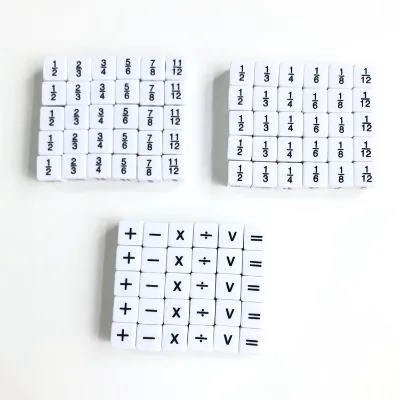

- Verified by SGS
- Manufacturer
- China Guangdong
- Lead time15 days
- Avg. response≤ 4h
Main productsDice, Enamel Pin, Medal, Trophy, Challenge Coin, Keychain, Lanyard, Embroidery Patch, Bracelet, Clothes Hanger
Main marketsEurope,Australia,North America

Acrylic Dice Custom Logo by Printed Dice Cubes D6 Dice for Board Games Rpg Dnd
$0.05 - $1.50
MOQ: 1000 Pieces


Factory Direct Sales Free Design and Artwork Hot Sales Factory Price Best Quality Hot Sales Dnd Dice
$0.05 - $1.50
MOQ: 1000 Pieces
- Manufacturer, Trading Company
- Guangdong, China
- Lead time20 days
- Avg. response≤ 3h
Main productsBoard Game,Playing Cards,poker accssories,dices,pub games
Main marketsNorth America(35.00%), Domestic Market(20.00%), Mid East(10.00%), Northern Europe(8.00%), Western Europe(5.00%), Eastern Europe(5.00%), Southern Europe(5.00%), Southeast Asia(4.00%), Central America(2.00%), South America(2.00%), Oceania(1.00%), South Asia(1.00%), Africa(1.00%), Eastern Asia(1.00%)
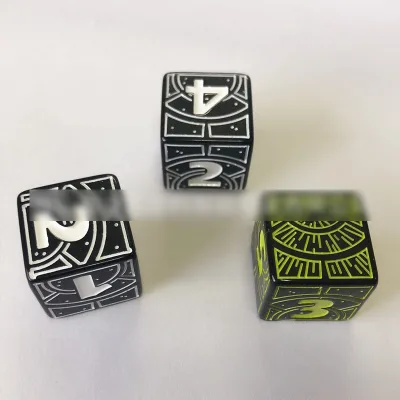
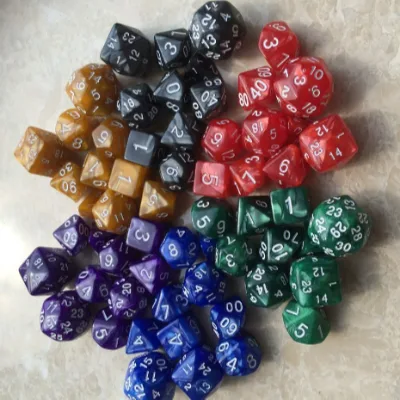
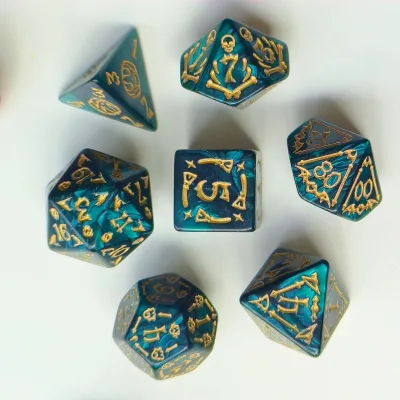
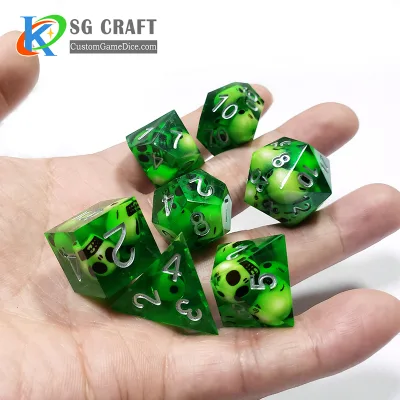
Hot Selling New Acrylic Plastic Dice vortex Pearlescent Green Polyhedron Dice Custom Game Dice Set
$1.1063 - $1.2919
MOQ: 10 sets
Guilin Kangrui Culture Communication Co., Ltd.
- Verified by SGS Group
- Trading Company
- Lead time10 days
- Avg. response≤ 3h
Main productsDice, Coin, Medal, Embroidered patch, Pin
Main marketsNorth America(50%), Western Europe(30%), Eastern Europe(10%)
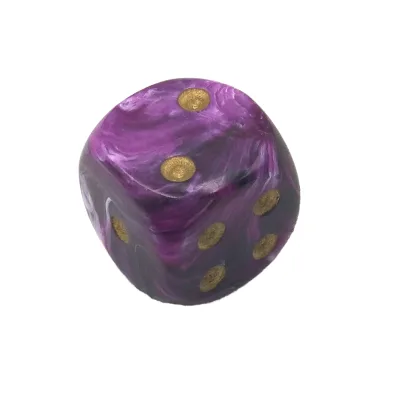
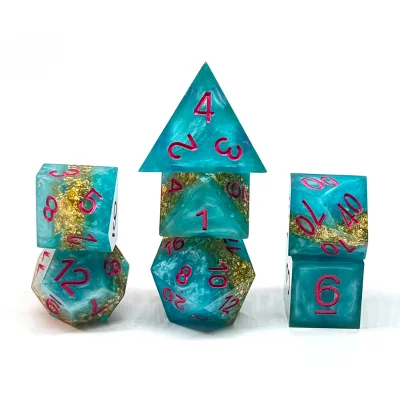
Custom 19Mm Seriallized Blue Casino Colorful Dice Matching Serial Numbers Set Pearl Pattern Dice
$8.50 - $10.00
MOQ: 10 sets
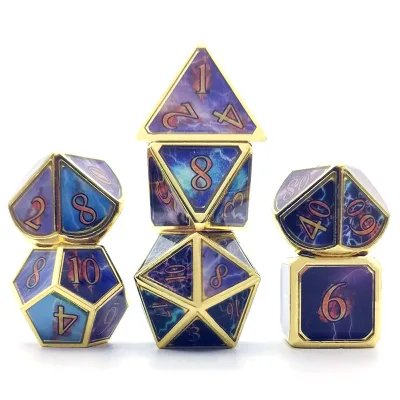
G-Rainbow Technology (shenzhen) Co., Ltd.
- Verified by TüVRheinland
- Manufacturer, Trading Company
- Lead time15 days
- Avg. response≤ 8h
Main productsMould Injection Products, PMMA Products, Packaging Supplies, Gifts & Crafts, Plastic Display
Main marketsNorth America(32%), Western Europe(18%), Mid East(10%)
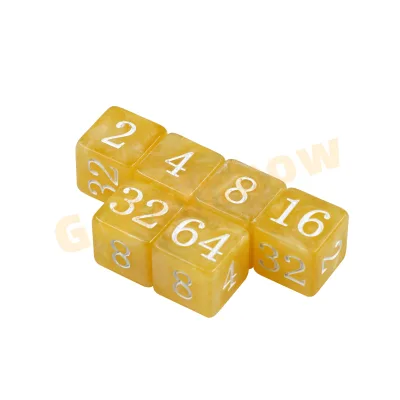
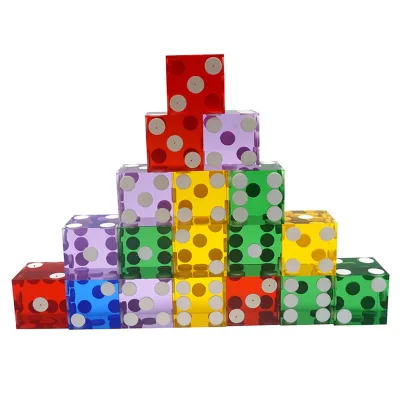
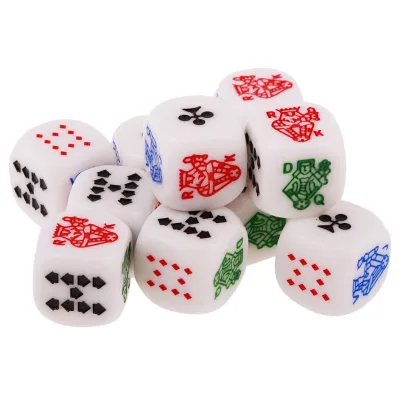
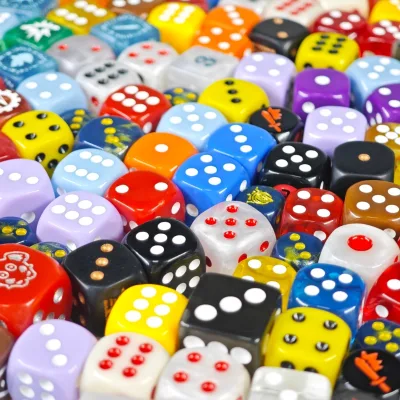
Handmade Marble Pearl Dice Number Acrylic Dice for Gambling Entertainment Party
$0.2051 - $0.5105
MOQ: 1000 Minimum
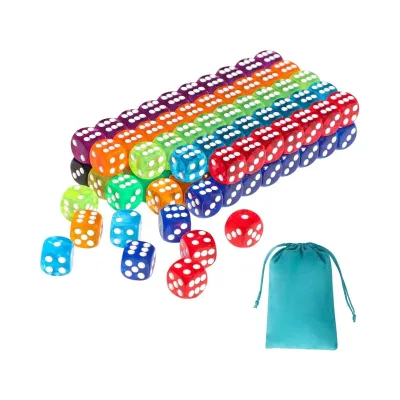
Factory Direct Dice Manufacturer Acrylic Resin Dice for Club Party Family Game Night
$0.2081 - $0.518
MOQ: 1000 Minimum
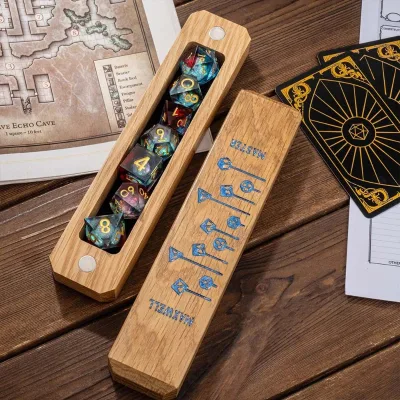

Guangzhou Yangming Entertainment Products Co., LTD
- Verified by SGS
- Trading Company
- China Guangdong
- Lead time15 days
- Avg. response≤ 2h
Main productsCasino Table, Poker Chip, Gambling Table, Casino Playing Cards, Card Shuffler, Dealer Shoe, Casino Table Layout, RFID Casino Chips, Casino System Software, Chips Tray
Main marketsSoutheast Asia/ Mideast,Australia,North America

Cixi Saiturn Leisure Products Co., Ltd.
- Verified by SGS
- Trading Company,Manufacturer/Factory
- China Zhejiang
- Lead time60 days
- Avg. response≤ 2h
Main productsBaby Car Seat, Casino Products, Poker Chip, Poker Table, Bath Tub, Baby Feeding Chair, Poker Chip Set, Baby High Chair, Game Table, Game Set
Main marketsSouth America,Eastern Europe,Mid East,Southeast Asia,Eastern Asia,Western Europe,Africa

- Manufacturer/Factory
- China Fujian
- Lead time38 days
- Avg. response≤ 2h
Main productsKeychains, Bags, Caps, Balls
Main marketsSouth America,Eastern Europe,Mid East,North America,Southeast Asia,Eastern Asia,Oceania,Western Europe,Africa

$0.79 - $0.99
MOQ: 500 Pieces

D6 Story Dice Manufacturers 6 Sides Promotional Custom Printed Branded Logo Plastic Dice
$0.79 - $0.99
MOQ: 500 Pieces

Shengzhou Kaile Recreation Co., Ltd.
- Verified by Intertek
- Manufacturer, Trading Company
- Lead time30 days
- Avg. response≤ 3h
Main productsDomino, Rummy, Poker Chips, Casino Table, Dice
Main marketsDomestic Market(69%), North America(14%), South America(8%)
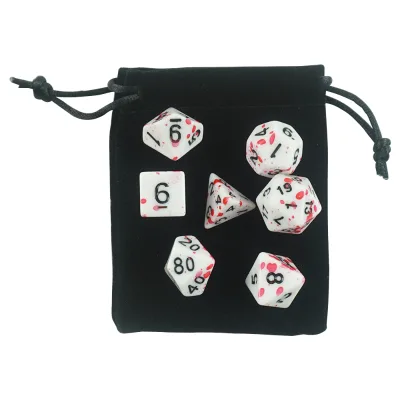
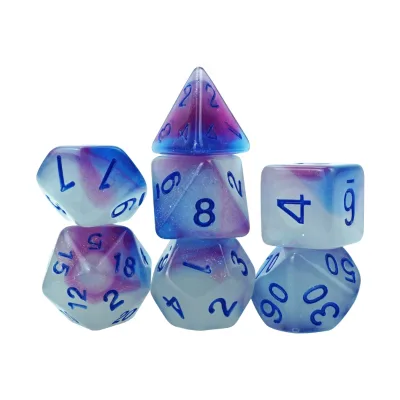
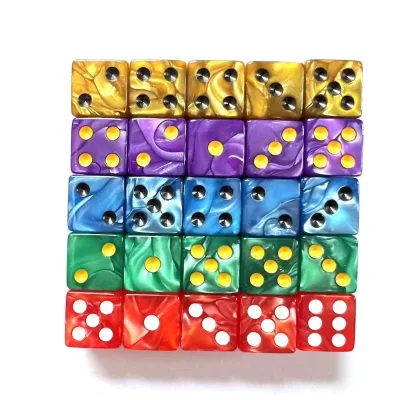
$0.041 - $0.082
MOQ: 2000 pieces
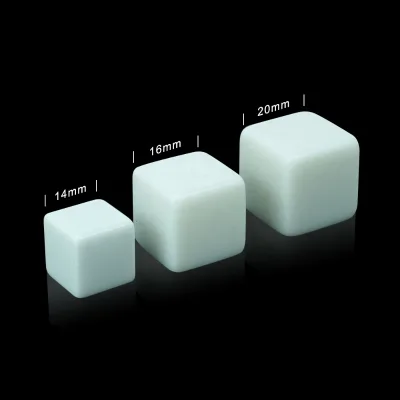
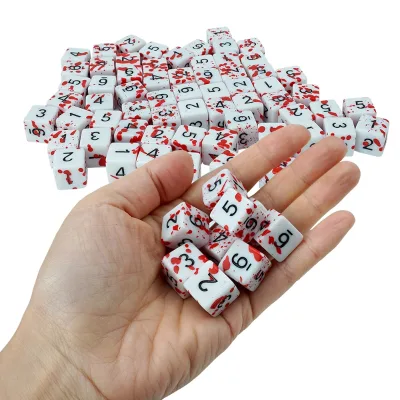
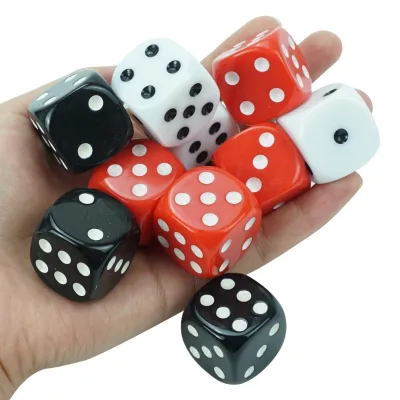
NINGBO JUXING TOY INSTRUMENT MANUFACTURING CO.,LTD.
- Verified by SGS Group
- Manufacturer, Trading Company
- Lead time30 days
- Avg. response≤ 21h
Main productsDomino, Bingo Set, Dice, Poker Chips
Main marketsNorth America(50%), Central America(20%), Domestic Market(20%)
Changsha Xinchuangle Electronic Commerce Co., Ltd.
- Manufacturer, Trading Company
- Hunan, China
- Lead time7 days
- Avg. response≤ 7h
Main productsMahjong,Dice,Domino,Chess,Poker chips
Main marketsNorth America(45.00%), South America(15.00%), Southern Europe(10.00%), Northern Europe(10.00%), Western Europe(10.00%), Oceania(10.00%)
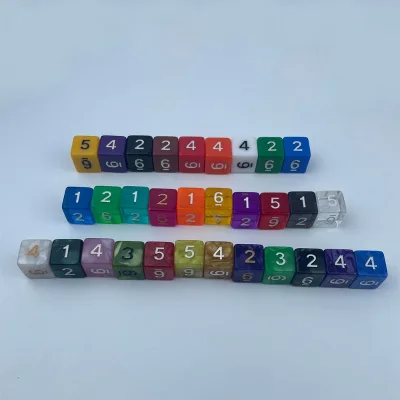
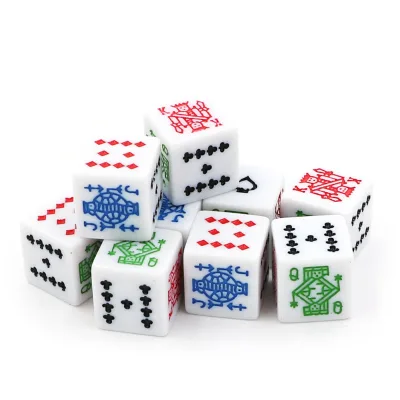
$0.0615 - $0.0718
MOQ: 100 pieces
Jiangsu Hicreate Entertainment Co., Ltd.
- Verified by SGS Group
- Manufacturer, Trading Company
- Lead time25 days
- Avg. response≤ 4h
Main productsBoard Game, Card Game, Miniature, Game Component
Main marketsNorth America(40%), Western Europe(40%), Northern Europe(10%)
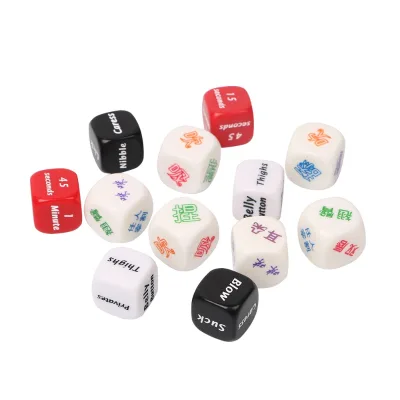

China Suppliers High Quality Customized 8mm Dice 10mm Dice 14mm Dice
$0.3084 - $0.8204
MOQ: 500 pieces


Eonjoy Plastics (Guangzhou) Co., Ltd.
- Trading Company
- China Guangdong
- Lead time0 days
- Avg. response≤ 1h
Main productsAcrylic Display, Acrylic Photo Frame, Acrylic Cosmetic Display, Artifact in Resin, Lucite Tray, Transparent Storage Box, Acrylic Box


Custom Starry Sky Acrylic Polyhedral Dice Set & Number Tabletop Game Dice
$2.20 - $2.50
MOQ: 100 Pieces

Custom Various Acrylic Dice Sets & Digital Irregular Personalized Polyhedral Game Dice
$3.50 - $3.90
MOQ: 1000 Pieces
Yunhe County Jiemu Toys Co., Ltd.
- Verified by Intertek
- Manufacturer, Trading Company
- Lead time0 days
- Avg. response≤ 2h
Main productsChess Set, Board Game, Wooden Dice, Busy Board, Montessori Toys
Main marketsNorth America(45%), Eastern Europe(15%), South America(10%)

Yiwu Tiger Playing Cards Co., Ltd.
- Trading Company
- China Zhejiang
- Lead time15 days
- Avg. response≤ 9h
Main productsPlaying Cards, Jigsaw Puzzle, Gift Box, Card Game, Board Game, Cognitive Educational Card, Paper Bag, Audible Children Book
Main marketsNorth America

Factory Wholesale 19mm Right-Angle Dice High-End Transparent Acrylic Dices
$1.10 - $1.30
MOQ: 200 Pieces




Comprehensive Sourcing Guide
Customized Logo Acrylic Dice Supplier Concentration and Factory Types
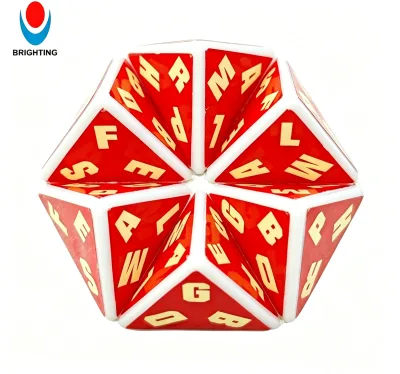
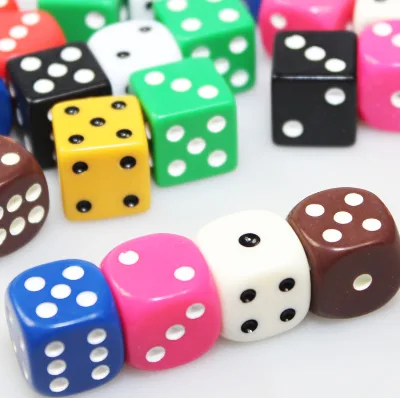
Buyers searching for Customized Logo Acrylic Dice will encounter several distinct supplier types, and understanding the mix matters before any outreach. The current results include a combined manufacturer-trader based in China's Jiangsu province whose main catalogue centers on playing cards, tarot and paper card products, yet which lists multiple acrylic dice items including custom-logo acrylic game dice, 16mm D6 white square dice with black dots, 5mm mini dice and engraved D6 polyhedral game dice in sizes from 5mm to 60mm. This profile suggests a card-games specialist that sources or produces dice as complementary board-game components, which can suit buyers assembling complete game kits.
The results also show a Guangdong-based company whose core products are key rings, medals, badges and promotional gifts but which advertises acrylic, wood and metal dice, including 19mm precision transparent counting dice and custom metal dice sets. A third profile is a trading company focused specifically on board games, dice games, card games and custom dice, verified by an independent inspection body and holding SDS and REACH system certifications, offering OEM acrylic dice in 14mm to 20mm sizes with engraving or printing. These categories—accessory manufacturers extending into dice, game-component trading companies, and combined card-and-dice producers—represent the practical sourcing landscape, and buyers should match supplier type to whether they need dice alone or full game sets.
How to Verify Customized Logo Acrylic Dice Suppliers
Verification should begin with the platform-displayed credentials, then extend to evidence the buyer requests directly. In the current results, one trading company displays third-party verification from TüVRheinland alongside SDS and REACH system certifications, while a Jiangsu combined-type supplier shows CTI verification. These labels indicate that an inspection or certification body has reviewed the company, but they do not guarantee product-level compliance for acrylic dice, so buyers should ask for the scope documents behind any displayed certification and confirm whether REACH or SDS coverage actually extends to the acrylic resin and inks used in logo printing.
Beyond credentials, cross-check the supplier's declared competence against its catalogue evidence. A supplier offering ODM and OEM capacity for engraved or printed dice should be able to show past logo work, and the product attributes in the results—customization marked as available, box packaging, multicolour options, waterproofing—give buyers specific points to confirm rather than generic promises. Ask for a physical pre-production sample of your exact logo treatment, because engraving on transparent acrylic and pad printing on opaque acrylic behave very differently. Request business licence details, factory photos or a live video walk-through, and confirm the place of origin stated on product listings, since one supplier's dice products originate from Fujian while the company itself is listed elsewhere. Finally, verify responsiveness claims by timing actual replies; displayed response times are useful indicators but should be validated during your own inquiry cycle.
What to Compare Across Customized Logo Acrylic Dice Suppliers
Comparison should use the dimensions actually displayed on supplier profiles, without assuming every supplier publishes every attribute. Lead time is one such dimension: the current results show quoted lead times ranging from 15 days at a Guangdong accessory supplier to 30 days at the Jiangsu combined supplier, with a game-component trading company quoting 20 days. Response speed varies even more widely, from around 3 hours to roughly 12.5 hours, which materially affects how quickly engraving proofs, Pantone confirmations and shipping questions get resolved during production.
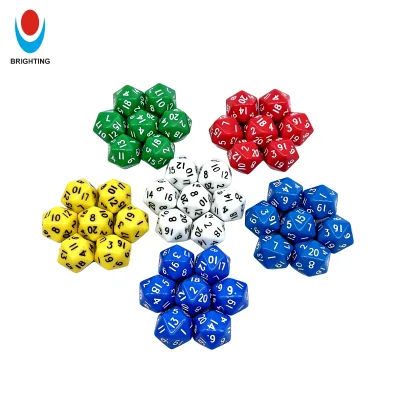
Minimum order quantities and price bands differ sharply by product type, so compare like with like. Acrylic dice listings in the results show MOQs of 2,000 pieces and 1,000 pieces, with unit prices spanning roughly $0.03 to $0.15 for standard acrylic dice and up to $10 for metal dice sets; one metal dice set carries an MOQ of only 10 pieces, useful for sampling or crowdfunding runs. Also compare customization depth: some listings state customization as available with engraving, printing and packing options, while others emphasize size ranges from 5mm to 60mm or specific diameters such as 14mm, 16mm, 18mm and 20mm. Company type matters too—trading companies may broker from multiple dice factories, while combined manufacturers may produce cards in-house and dice via partners. Verify establishment years and escrow availability directly, since these are not consistently displayed across the current profiles.
Common Customized Logo Acrylic Dice Sourcing Risks
The most frequent risk in this category is logo treatment failure: engraving that appears faint on clear acrylic, printing that chips at the edges, or dot faces that misalign on polyhedral shapes. Because dice are small, a logo that looked acceptable on a flat proof may be illegible at 16mm, so always approve a physical sample before mass production, and confirm whether the supplier's customization capability extends to your specific artwork complexity rather than a simple text mark.
Catalogue breadth can mask capability gaps. A Jiangsu supplier whose main products are playing cards and tarot lists dice among its offerings, and a Guangdong promotional-gift maker lists acrylic, wood and metal dice—both may be reselling or outsourcing dice production rather than molding it themselves. Ask directly who molds, engraves and packs the dice, and whether quality responsibility transfers to the supplier you contract with. Material substitution is another risk: listings describe plastic or acrylic without specifying resin grade, so request material declarations if your market requires REACH-style documentation. MOQ mismatch is a practical trap—standard acrylic dice may require 1,000 to 2,000 pieces while metal sets accept 10, luring buyers into an inappropriate product for their volume. Finally, note that one accessory supplier displays no system certification at all, so absence of certification labels in search results is itself a data point requiring follow-up rather than a disqualifier, and lead times of 15 to 30 days should be stress-tested against your launch calendar.
Customized Logo Acrylic Dice Regional Sourcing and Logistics
Regional context in the current results points to two provinces with distinct profiles. Jiangsu is represented by a combined-type supplier whose dice listings carry product origins labelled China and whose quoted lead time is 30 days; the province is traditionally associated with paper and card products, which aligns with its playing-card main catalogue and suggests dice may be a complementary line. Guangdong is represented by a promotional-gift and key-chain supplier quoting a 15-day lead time, consistent with the province's dense metal and accessory manufacturing base, and its dice products include wood and metal variants alongside acrylic. One trading company lists Fujian as the place of origin on its acrylic dice products even though the company profile is not tied to that province, which is a reminder that production location and company registration often differ.
For logistics planning, treat the declared lead time as production time only and add sampling, proof approval and freight separately. Dice are small and dense; boxed acrylic dice ship efficiently, but confirm carton dimensions and gross weight early, since listings show single-package sizes around 1.6cm cubes with negligible unit weight while packing standards range up to larger set dimensions. Ask whether box packaging is included as stated on listings or quoted separately, whether the origin marking on shipping documents will match the actual production province, and how sea versus air freight affects your landed cost given the low unit prices typical of acrylic dice.
Customized Logo Acrylic Dice Commercial Terms and Order Planning
Order planning should anchor on the commercial terms that suppliers actually display, then negotiate the gaps. Build a comparison sheet using lead time (15, 20 and 30 days appear across the current profiles), MOQ (1,000 and 2,000 pieces for acrylic dice, 10 for one metal set), unit price bands ($0.03–$0.15 for acrylic dice, $7.10–$9.80 for a metal dice set) and response time (roughly 3 to 12.5 hours). Where a dimension is missing—establishment year, escrow availability—ask the supplier to supply it rather than assuming uniform disclosure, and weigh a missing attribute into your risk assessment.
Structure your order sequence as sample, pilot, then bulk. Order the minimum quantity of your exact customized logo dice for pre-sale or internal testing; the 10-piece MOQ on one metal set shows sampling-friendly options exist even when acrylic lines demand thousands. Before bulk, confirm in writing: logo method (engraved versus printed), size tolerance for the quoted diameter, Pantone references for multicolour dice, box packaging specification, and whether tooling or setup charges apply for custom engraving plates. Clarify payment structure and whether platform escrow or trade assurance is available for your transaction, since this protects deposits on customized goods that cannot be resold. Finally, schedule production against the supplier's own lead-time quote plus buffer—30 days quoted can stretch during peak seasons— and align reorder timing with your sales cycle so a second production run does not miss a restock window.
(Word count: approximately 1,390)
FAQs
What is the price range for customized acrylic dice?
Prices for customized acrylic dice typically range from $0.03 to $10.00 per unit depending on size and complexity. Basic plastic dice start near $0.03, while precision acrylic options cost between $0.40 and $0.60. Premium metal or multi-faceted sets can reach up to $9.80. Buyers should verify exact quotes based on order volume and specific customization requirements.
What are the minimum order quantities for custom dice?
Minimum order quantities vary significantly by product type and supplier. Standard plastic dice often require a minimum of 2000 units, while specialized acrylic dice may start at 1000 units. Some suppliers offer lower MOQs of 100 units for specific models, and premium metal dice sets can be ordered in quantities as low as 10. Buyers must check individual product listings for precise thresholds.
How long does production take for custom dice orders?
Production lead times generally range from 15 to 30 days depending on the supplier and order complexity. Suppliers in Guangdong often report faster turnaround times around 15 days, while those in Jiangsu may require up to 30 days. Expedited options might be available for smaller orders, but buyers should confirm specific timelines with suppliers before finalizing purchase agreements to ensure timely delivery.
Can suppliers provide OEM and ODM services for dice?
Yes, many suppliers offer both OEM and ODM services for customized dice. Manufacturers in China provide capabilities for logo engraving, printing, and custom packaging. Buyers can request specific sizes, colors, and shapes, including polyhedral or square designs. These services allow for full brand integration, ensuring the final product matches specific design requirements and quality standards for board games or promotional use.
What certifications do dice suppliers typically hold?
Certifications vary by supplier, with some holding SDS and REACH compliance for chemical safety. Verification services like CTI and TüV Rheinland are also common among reputable manufacturers. Buyers should request specific certification documents to ensure products meet regional safety standards. While not all suppliers list certifications, verified manufacturers often provide these documents upon request to demonstrate compliance with international quality and safety regulations.