Denim Crossbody Bag Suppliers and Manufacturers
Source 27 verified Denim Crossbody Bag suppliers offering OEM/ODM customization, ISO 9001 and BSCI certifications, and Guangdong origins. Compare lead times, MOQs, and response rates to identify suitable partners for your procurement needs; review the available evidence before requesting comparable quotations from suitable candidates.
Updated
Suppliers List
- Verified by SGS Group
- Manufacturer, Trading Company
- Lead time30 days
- Avg. response≤ 3h
Main productsDuffel Bag, Sling Bag,Tote Bag, Bike Bag, Diaper Bag
Main marketsOceania(17%), Mid East(15%), North America(10%)

Difanmax Tech Lianyungang Co., Ltd.
- Verified by BV
- Manufacturer/Factory
- China Jiangsu
- Lead time23 days
- Avg. response≤ 4h
Main productsConsumer Electronics, Kinesiology Tape Adhesive Tapes, Industrial Tools, Home & Garden, Gifts & Crafts, Sport Products Entertainment, Health & Medical, Auto Parts E-Bike Auto Tools & Components, Clothes Apparel, Bicycle Hardware Laboratory Measuring Protective
Main marketsSouth America,North America,Southeast Asia,Oceania,Western Europe

Qingdao Sanliang Yipin Network Technology Co., Ltd
- Verified by SGS
- Manufacturer/Factory
- China Shandong
- Lead time30 days
- Avg. response≤ 6h
Main productsBag, Plush Toys, Clothes, Pet Accessories, Jewellery
Main marketsSouth America,Eastern Europe,Mid East,North America,Southeast Asia,Eastern Asia,Oceania,Western Europe,Africa

Shanghai Tuanjue Trading Co., Ltd.
- Trading Company
- China Shanghai
- Lead time0 days
- Avg. response≤ 25h
Main productsLadies' Bag

- Trading Company
- Zhejiang, China
- Lead time15 days
- Avg. response≤ 6h
Main productsBEACH BAG,WASHING BAG,WALLET&PURSE,EYE MASK,GLOVE MAT FOR microwave
Main marketsNorth America(30.00%), South America(22.00%), Central America(15.00%), Eastern Europe(10.00%), Southern Europe(10.00%), Northern Europe(8.00%), Western Europe(5.00%)
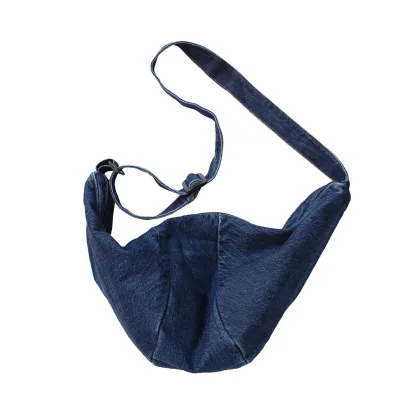
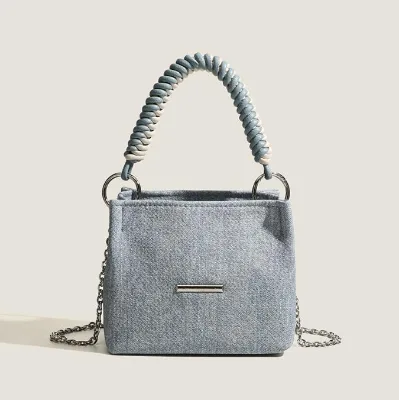
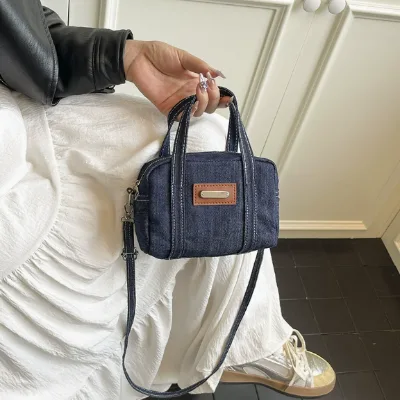
Underarm Denim Bag Niche Design Chain Handbag Simple Single-shoulder Cross Body Bag
$6.7814 - $7.2305
MOQ: 10 pieces
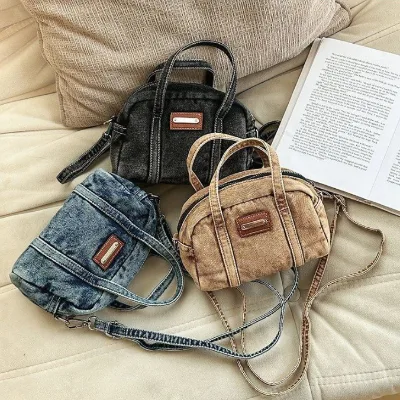
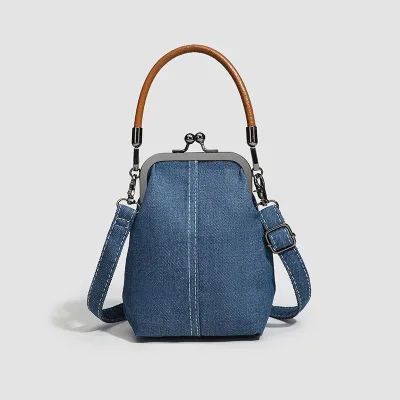

Baoding Naxiang Bags Manufacturing Co., Ltd.
- Verified by SGS Group
- Manufacturer, Trading Company
- Lead time0 days
- Avg. response≤ 3h
Main productsWomen Tote Bag, Women's Shoulder Bags, Ita Bag, Pickleball/Padel Bag, Travel Sports Bag
Main marketsNorth America(60%), Western Europe(20%), Mid East(15%)
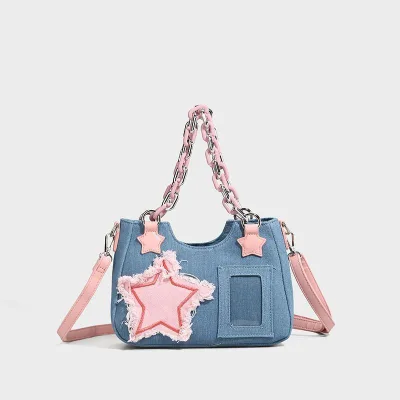
$4.36 - $5.89
MOQ: 100 pieces
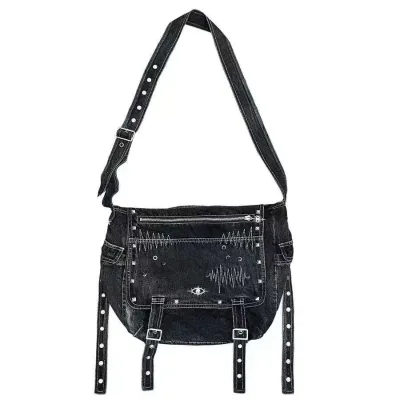
$10.50 - $14.50
MOQ: 100 pieces
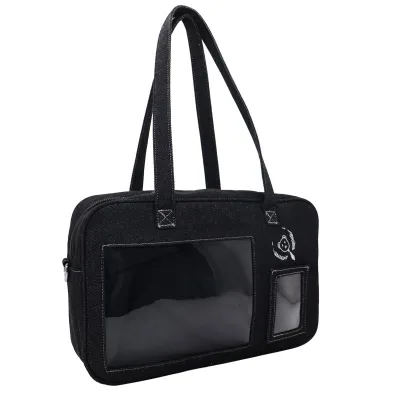
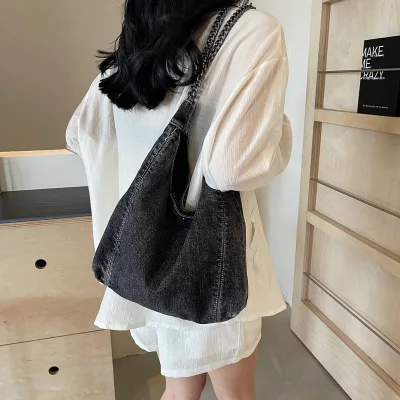
2025 Custom Fashion Black Color Denim Tote Bag & Crossbody Bag for Women Jean Garment Bag
$13.00 - $15.00
MOQ: 100 pieces
Shenzhen D-Jeesian Bags Co., Ltd.
- Verified by TüVRheinland
- Manufacturer, Trading Company
- Lead time25 days
- Avg. response≤ 4h
Main productsLunch Cooler Bags, Travel Bags, Cosmetic Bags, Tote Bag, Picnic Blanket
Main marketsNorth America(40%), Domestic Market(25%), Oceania(10%)

Yiwu Zhengshang International Trade Co., Ltd.
- Trading Company
- China Zhejiang
- Lead time0 days
- Avg. response≤ 16h

Simple and Stylish New Waterproof Denim Crossbody Bag, Zipper Closure, Crossbody Bag
$5.81 - $6.62
MOQ: 2 Pieces


$5.14 - $6.23
MOQ: 2 Pieces

$5.81 - $6.62
MOQ: 1 Pieces
Yiwu Jiandie Trading Co., Ltd.
- Trading Company
- Zhejiang, China
- Lead time25 days
- Avg. response≤ 3h
Main productsHandbags,Backpacks,Travel Bags,Shoulder Bags,Evening Bags
Main marketsOceania(20.00%), Africa(20.00%), North America(20.00%), Mid East(10.00%), Western Europe(10.00%), Southeast Asia(10.00%), Domestic Market(2.00%), Southern Europe(2.00%), Eastern Asia(1.00%), South Asia(1.00%), Eastern Europe(1.00%), Northern Europe(1.00%), Central America(1.00%), South America(1.00%)

Shijiazhuang Dongcang Trading Co., Ltd.
- Verified by SGS
- Trading Company,Manufacturer/Factory
- China Hebei
- Lead time15 days
- Avg. response≤ 11h
Main productsHandbag, Shoulder Bag, Shoes, Clothes, Jewelry, Swimwear, Sunglasses
Main marketsSouth America,Eastern Europe,Mid East,North America,Southeast Asia,Eastern Asia,Oceania,Western Europe,Africa
Baigou New City Tieyi Bag Factory
- Verified by SGS Group
- Manufacturer, Trading Company
- Lead time90 days
- Avg. response≤ 2h
Main productsIta Bag, custom gothic bag, custom novelty bag, custom ita bag manufacturer, plush bag custom
Main marketsNorth America(60%), Western Europe(20%), Mid East(15%)
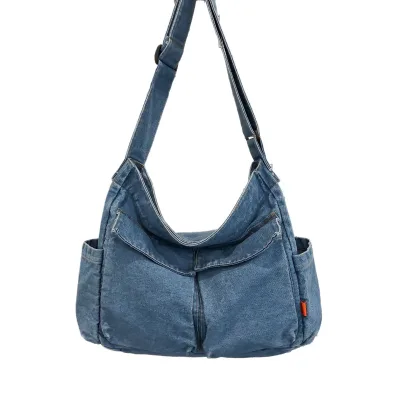
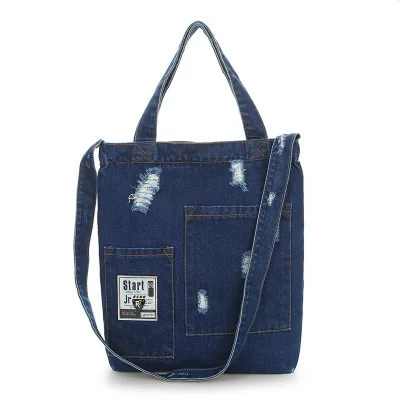
Women's Denim Handbags Fashion Crossbody and Shoulder Tote Bag Women's Jean Denim Tote Shoulder Bag
$2.90 - $3.90
MOQ: 100 pieces
Shenzhen Huiboxin Electronics Co., Ltd.
- Verified by Intertek
- Trading Company
- Lead time7 days
- Avg. response≤ 4h
Main productsBag and Luggage, Toy, Stationary, Silicone Mould, Water Bottle
Main marketsNorth America(15%), Southeast Asia(15%), South America(12%)
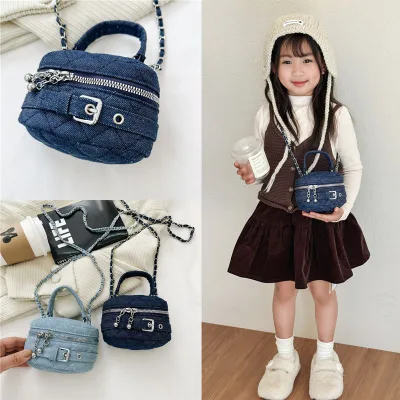
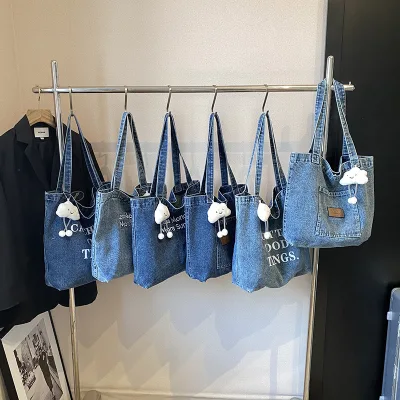
Women's Casual Large-Capacity Denim Tote Bag Lightweight Literary Shoulder Bag Open Closure
$4.50 - $4.90
MOQ: 10 pieces

Shijiazhuang Green Dragon Trading Co., Ltd.
- Verified by TUVRHEINLAND
- Trading Company
- China Hebei
- Lead time15 days
- Avg. response≤ 11h
Main productsFashion Bags, Hand Bags, Shoulder Bag, Backpack, Shopping Bags, Wallet, Shoes, Belt
Main marketsNorth America


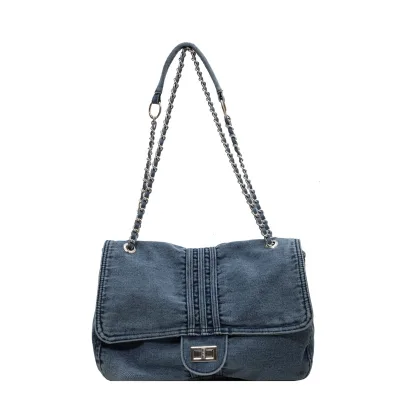
2024 New Women's Classic Fashion Luxury Denim Crossbody Bag Single Shoulder Bag
$5.00 - $15.00
MOQ: 1 Pieces
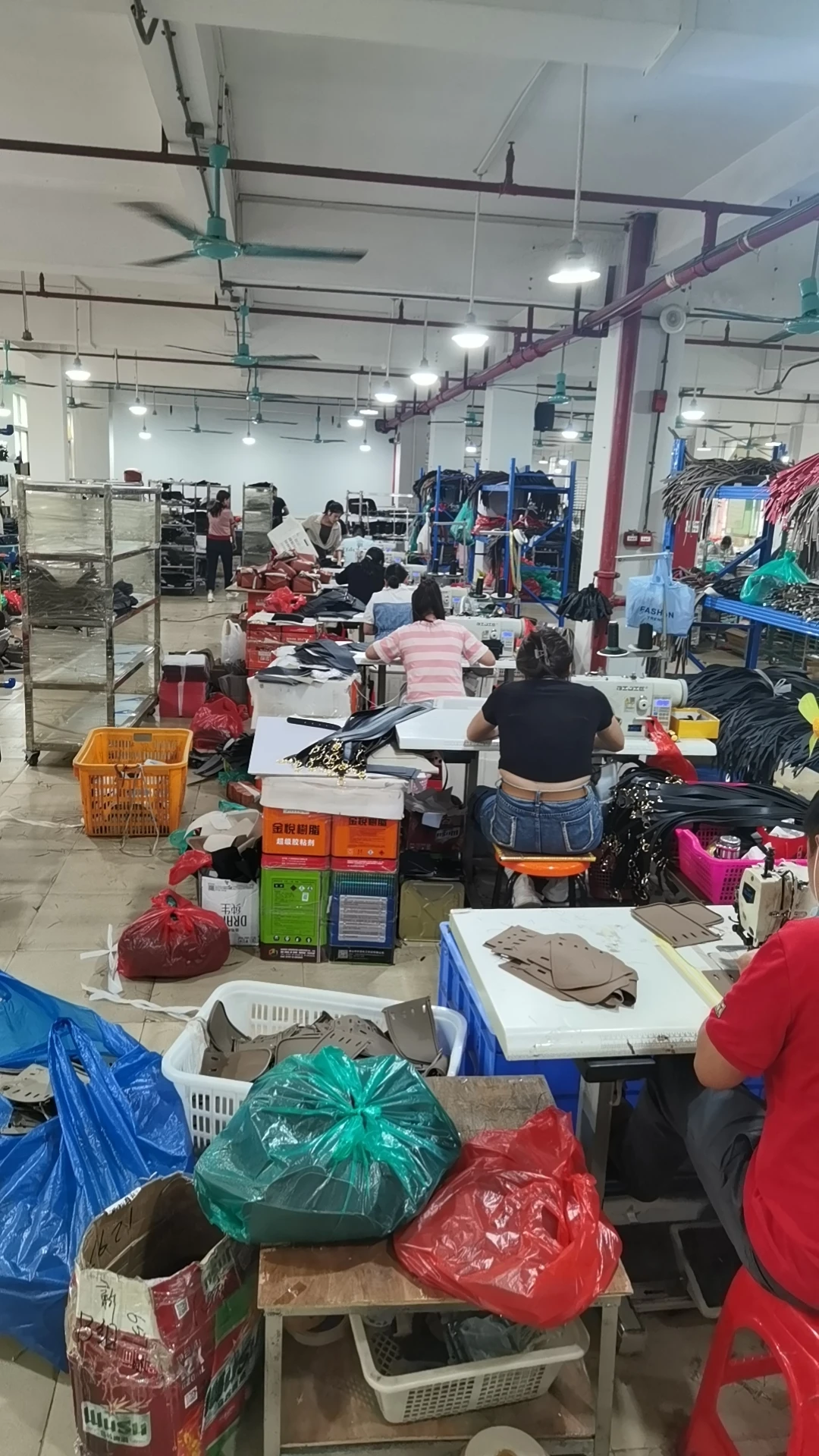
Guangzhou Caihong Leather Products Co., Ltd.
- Manufacturer, Trading Company
- guangdon, China
- Lead time0 days
- Avg. response≤ 5h
Main productsWoven bag,Handmade bag,wallet,fashio bag,messenger bag
Main marketsSouth Asia(10.00%), Western Europe(10.00%), Eastern Asia(10.00%), Mid East(10.00%), Eastern Europe(10.00%), North America(10.00%)
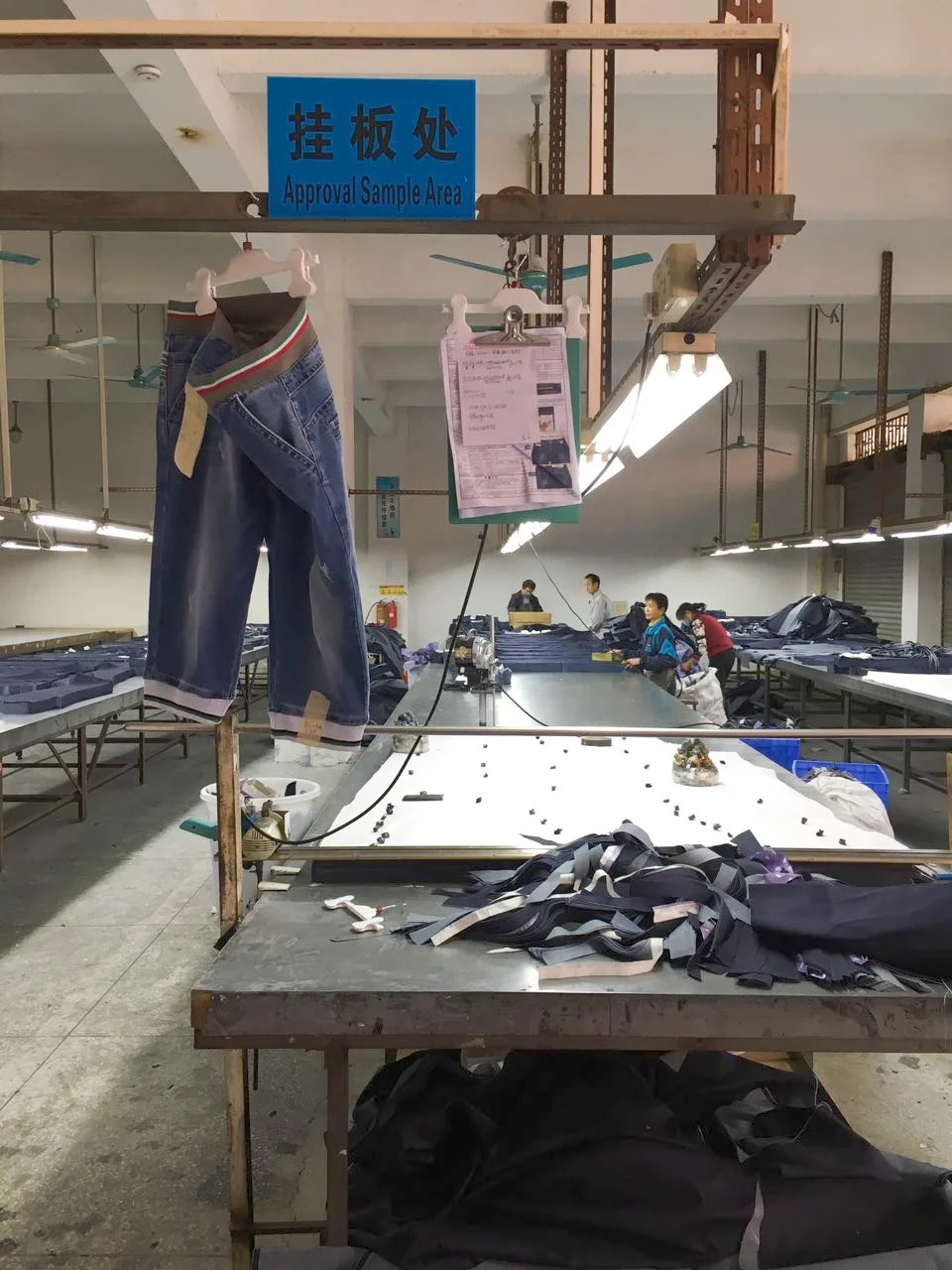
Guangzhou Kaicheng Garment Co., Ltd.
- Trading Company
- Guangdong, China
- Lead time12 days
- Avg. response≤ 5h
Main productsCowboy Clothing,Men's Clothing,Women's Clothing
Main marketsNorth America(40.00%), Southeast Asia(10.00%), Eastern Europe(10.00%), South America(10.00%), Southern Europe(5.00%), Domestic Market(5.00%), Mid East(5.00%), Oceania(5.00%), Western Europe(4.00%), Northern Europe(4.00%), Eastern Asia(2.00%)
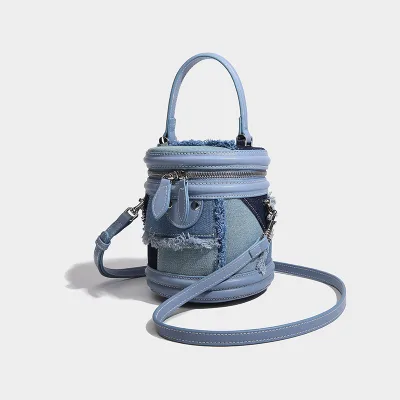
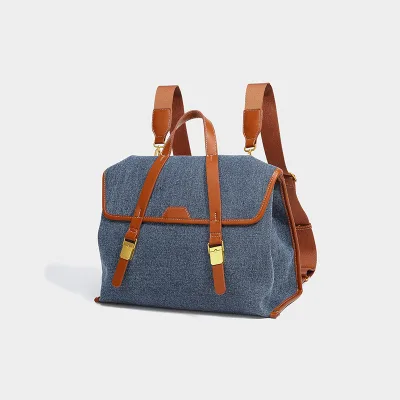
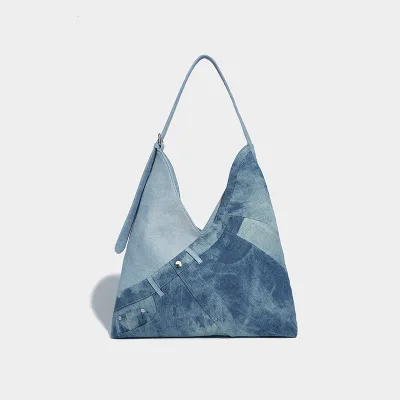
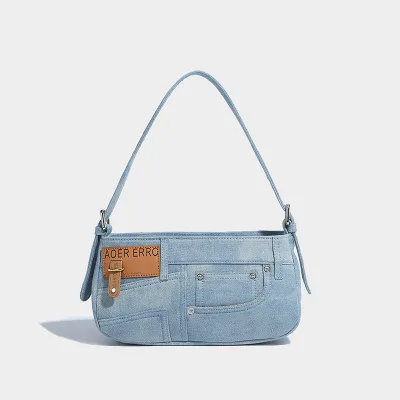
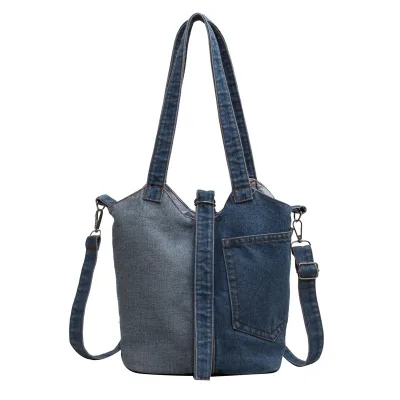
Niche Design Denim Splicing Bucket Crossbody Bag with Zipper Closure New Casual Popular Handbag
$11.723 - $14.6601
MOQ: 50 units
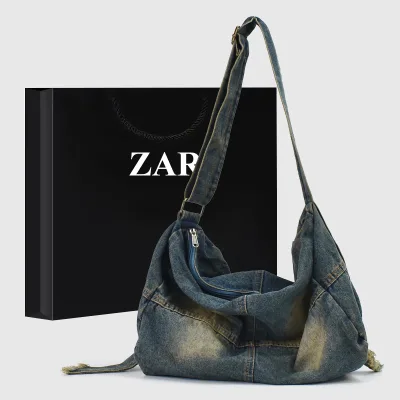
$9.0853 - $11.3592
MOQ: 50 pieces

$11.7844 - $14.735
MOQ: 50 units

Yangzhou Bozhiyue Import and Export Trading Co., Ltd.
- Verified by SGS
- Trading Company
- China Jiangsu
- Lead time15 days
- Avg. response≤ 4h
Main productsLuxury Handbag, Sling Bag, Tote Bag, Shopping Bag, Canvas Bag, Garment Bag
Main marketsEurope

Stylish Pants Pocket 2024 Cross-Border New High-End Texture Denim Shoulder Crossbody Handbag
$22.45 - $25.90
MOQ: 5 pieces

Fashion Korean Denim Canvas Bag Single Shoulder Crossbody Handbag for Women
$5.10 - $5.90
MOQ: 5 pieces

Anhui Three Six Seven Travel Products Co., Ltd.
- Manufacturer, Trading Company
- Lead time旺季: "1 - 10":10,"> 10":"To be negotiated", 淡季: "1 - 10":10,"> 10":"To be negotiated"
- Avg. response≤ 3h
Main productsBackpack, School Bags, Messenger bags, Women Bags, Fanny pack
Xiamen Yingyi Houseware Co., Ltd.
- Trading Company, Agent, Distributor/Wholesaler
- Fujian, China
- Lead time7 days
- Avg. response≤ 4h
Main products4pcs bed set,eye mask set,curtain,cushion cover,bag
Main marketsNorth America(50.00%), South America(40.00%), Eastern Europe(10.00%)

Guangzhou Master Young Co., Ltd.
- Verified by TUVRHEINLAND
- Trading Company,Manufacturer/Factory
- China Guangdong
- Lead time23 days
- Avg. response≤ 8h
Main productsWomen Handbag, PU Leather Handbag, Backpack, Men Wallet, Genuine Leather Bags, Laptop Bags, Denim Bags, Party Bags, Leisure Backpack, Fashion Bags
Main marketsSouth America,Eastern Europe,Mid East,North America,Southeast Asia,Eastern Asia,Oceania,Western Europe


Old Denim Fashion Large Capacity Crossbody Bag Washed Denim Tote Bag for Girls
$12.85 - $15.20
MOQ: 20 Pieces


Guangzhou Modicci Fashion Co., Limited
- Verified by SGS
- Trading Company,Manufacturer/Factory
- China Guangdong
- Lead time45 days
- Avg. response≤ 20h
Main productsHandbag, Backpack, Crossbody, Wallet, Clutch, Purse, Keyring, Jewellery Box, Card Holder, Laptop Backpack
Main marketsSouth America,Eastern Europe,Mid East,North America,Southeast Asia,Eastern Asia,Oceania,Western Europe,Africa

$6.00 - $10.00
MOQ: 200 Pieces

$6.00 - $10.00
MOQ: 200 Pieces

Casual Simple High-Capacity Denim One-Shoulder Tote Bag Big Bag Female New Style
$6.00 - $10.00
MOQ: 200 Pieces

Guangzhou Muxi Leather Co., Ltd.
- Verified by TUVRHEINLAND
- Combined
- China Guangdong
- Lead time15 days
- Avg. response≤ 3h
Main marketsDomestic
Jinhua Anghui Trading Co., Ltd.
- Trading Company
- Zhejiang, China
- Lead time7 days
- Avg. response≤ 2h
Main productsdigital printing bags,blanks boutique items,blanket,leather bags,fashion hat
Main marketsSouth Asia(10.00%), Central America(10.00%), Mid East(10.00%), Southeast Asia(10.00%), North America(10.00%)

- Trading Company
- Hebei, China
- Lead time10 days
- Avg. response≤ 4h
Main productsschool bag,women bag,shoulder bag,backpack,underarm bag
Main marketsMid East(20.00%), South Asia(18.00%), Africa(15.00%), Central America(11.00%), Southeast Asia(10.00%), South America(5.00%), Northern Europe(5.00%), Southern Europe(4.00%), Eastern Asia(4.00%), Domestic Market(3.00%), Western Europe(2.00%), Eastern Europe(1.00%), North America(1.00%), Oceania(1.00%)

Hangzhou Hotrock Apparel & Accessory Co., Ltd.
- Trading Company
- Zhejiang, China
- Lead time35 days
- Avg. response≤ 3h
Main productsWomen's Bags,Men's Bags,Kids Bags,Belts,Handbag
Main marketsNorth America(40.00%), Oceania(20.00%), South America(20.00%), Eastern Europe(10.00%), Western Europe(8.00%), Domestic Market(2.00%)

Hangzhou Initi Imp&Exp Co., Ltd.
- Verified by SGS
- Combined
- China Zhejiang
- Lead time30 days
- Avg. response≤ 7h
Main productsTote Bag, Cotton Bag, Canvas Bag, Drawstring Bag, Garment Bag, Cooler Bag, Cosmetic Bag, Shaker Bottle, Felt Bag, Corduroy Bag
Main marketsSoutheast Asia/ Mideast,East Asia(Japan/ South Korea),Europe,Australia,North America

Jinjiang Jiaxing Supply Management Co., Ltd.
- Verified by TUVRHEINLAND
- Trading Company
- China Fujian
- Lead time30 days
- Avg. response≤ 1h
Main productsEVA Clogs, Flip Flop, Shoe Charms, Shopping Bags, Wristbands, Gifts, Promotional Gifts, Slipper, Sport Cap, Ball
Main marketsNorth America
Ningbo Zhichen Trading Co., Ltd.
- Trading Company
- Zhejiang, China
- Lead time15 days
- Avg. response≤ 4h
Main productsHandbag,Women Bag,Earrings,Bracelet,Ring
Main marketsNorth America(85.00%), Eastern Europe(4.00%), South Asia(1.00%), Southern Europe(1.00%), Northern Europe(1.00%), Central America(1.00%), Western Europe(1.00%), Eastern Asia(1.00%), Mid East(1.00%), Oceania(1.00%), Africa(1.00%), Southeast Asia(1.00%), South America(1.00%)
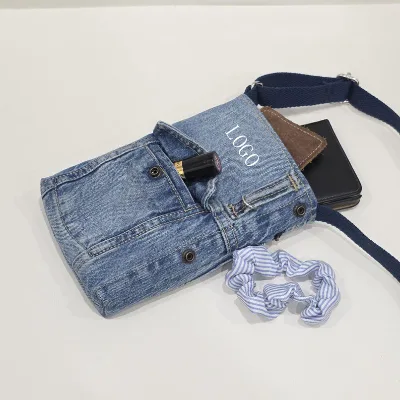


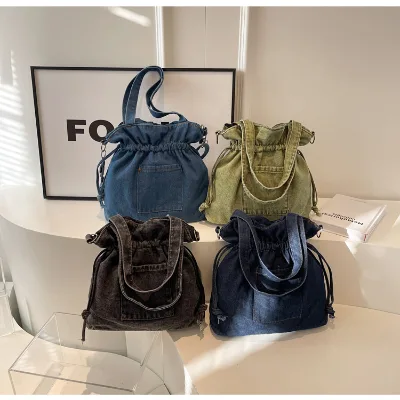
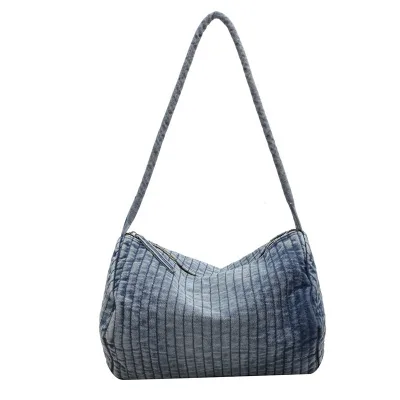
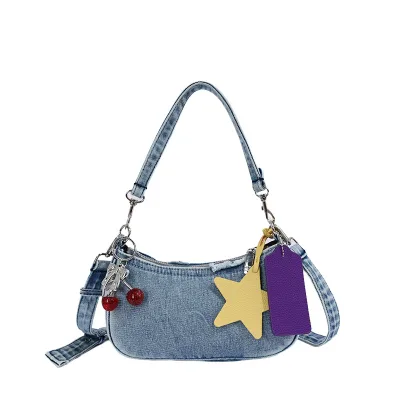
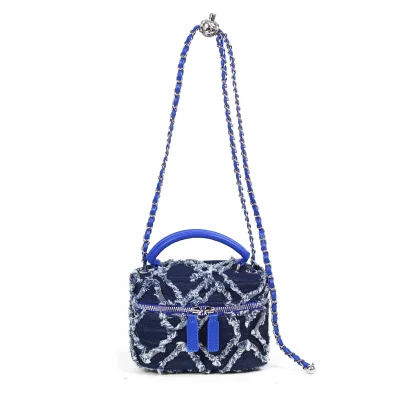
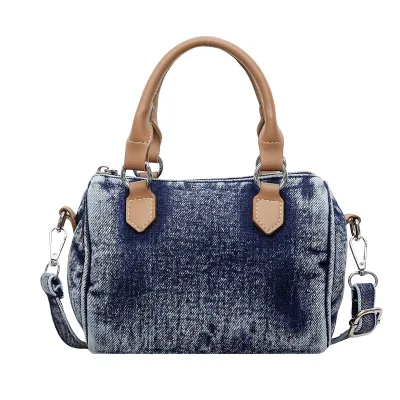


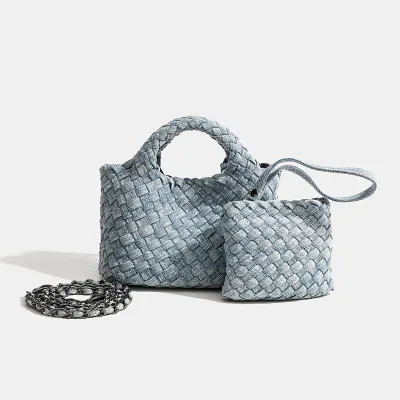




Comprehensive Sourcing Guide
Denim Crossbody Bag Supplier Concentration and Factory Types
The current supplier landscape for denim crossbody bags reveals a mix of manufacturing and trading entities operating primarily within China. Specific facility locations identified in verified results include Jiangsu and Shandong provinces, indicating that production clusters are not limited to a single region but are distributed across multiple industrial hubs. These regions host factories capable of handling light customization and on-demand sample processing, which are critical for brands seeking flexible production runs. The presence of both manufacturers and trading companies suggests that buyers may encounter direct factory sources or intermediaries depending on the specific supplier profile.
Factory types vary significantly in their operational focus, with some specializing in consumer electronics accessories while others focus on apparel and luggage. The observed supplier base includes entities offering OEM and ODM services, allowing for significant brand customization on denim materials. Some facilities list main products ranging from duffel bags to bike bags, suggesting a broader capacity for bag manufacturing beyond just crossbody styles. This diversity implies that a single supplier might offer a wide range of bag types, potentially streamlining the sourcing process for buyers needing multiple product categories. However, the specific mix of company types means buyers must verify whether a supplier is a direct manufacturer or a trading company to understand the supply chain dynamics and potential cost structures.
How to Verify Denim Crossbody Bag Suppliers
Verification of suppliers in this category relies heavily on third-party audit reports and specific certification standards. The available data indicates that suppliers may hold certifications such as BSCI, ISO 9001, and various electronic safety standards like IEC 62368 and RoHS, which are relevant for products containing electronic components or specific material treatments. Verification bodies like SGS Group and BV are explicitly mentioned as validators for certain suppliers, providing a layer of trust regarding their operational compliance and quality management systems. Buyers should prioritize suppliers with these documented verifications to ensure that the manufacturing processes meet international safety and ethical standards.
Beyond certifications, the response time and verification status serve as immediate indicators of supplier reliability. Data shows response times ranging from approximately three to five days, which can influence the speed of initial negotiations and sample approvals. A supplier with a verified status from a recognized group like SGS or BV is generally more likely to maintain consistent quality control. Buyers should cross-reference these verification badges with the specific product details, such as the use of denim or PU materials, to ensure the certified scope covers the intended product line. It is essential to confirm that the verification covers the specific factory location, such as those in Jiangsu or Shandong, rather than a generic corporate entity, to guarantee that the audit applies to the actual production site.
What to Compare Across Denim Crossbody Bag Suppliers
When evaluating potential partners, buyers must compare key operational metrics including lead times, minimum order quantities, and customization capabilities. Lead times observed in the current results vary, with some suppliers indicating a thirty-day production window while others suggest shorter timelines around twenty-three days. These differences can significantly impact inventory planning and time-to-market strategies. Additionally, the minimum order quantity (MOQ) is a critical factor, with some listings specifying an MOQ of 100 units, while others may have different thresholds or flexible terms for custom orders. Comparing these figures helps buyers align their order volume with supplier capacity and financial constraints.
Customization capabilities and material specifications are equally vital for differentiation in the Denim Crossbody Bag market. Suppliers offer varying levels of support, from light customization to full OEM and ODM services, including graphic processing and sample development. Material choices range from pure denim to PU blends, affecting the final product's durability and aesthetic. Buyers should compare the specific attributes listed, such as waterproof features, closure types, and strap adjustability, to ensure the product matches their design requirements. Furthermore, comparing price ranges, which can vary from approximately $1.80 to $8.78 per unit depending on the model and features, allows for a clear assessment of value versus cost. This detailed comparison ensures that the selected supplier can meet both the functional and financial expectations of the project.
Common Denim Crossbody Bag Sourcing Risks
One significant risk in sourcing denim crossbody bags involves the variability in material quality and product specifications. While some products are explicitly described as waterproof or water-resistant, others are listed as non-waterproof, creating potential confusion if the buyer's requirements are not clearly defined. The use of different materials, such as denim versus PU, can lead to inconsistencies in durability and finish if the supplier does not strictly adhere to the agreed-upon specifications. Buyers must carefully review product attributes like hardness, inside material, and closure types to avoid receiving goods that do not meet their quality standards. This discrepancy can lead to returns, customer dissatisfaction, and additional costs for rework or replacement.
Another risk relates to the reliability of lead times and the potential for delays in production or shipping. Although some suppliers report lead times of around twenty-three to thirty days, these figures are estimates and can fluctuate based on order volume, material availability, or factory capacity. The presence of trading companies in the supply chain can sometimes obscure the actual production timeline, making it harder to pinpoint the source of delays. Additionally, the lack of standardized pricing across different models and suppliers can complicate budget forecasting. Buyers should mitigate these risks by establishing clear communication channels, requesting detailed production schedules, and verifying the supplier's capacity to handle rush orders or volume spikes before committing to a large order.
Denim Crossbody Bag Regional Sourcing and Logistics
Regional sourcing strategies should focus on the specific locations where verified factories are operating, such as Jiangsu and Shandong provinces in China. These regions are known for their robust manufacturing infrastructure and logistics networks, which can facilitate efficient shipping and distribution. However, buyers should not assume that all suppliers are located in these specific areas, as the search results may change or include suppliers from other regions. It is crucial to verify the actual place of origin for each product, as indicated in the product attributes, to ensure that the logistics plan aligns with the supplier's location. This verification helps in estimating shipping costs and transit times more accurately.
Logistics planning must also account for the specific packaging and dimensions of the products, which vary by model. For instance, some bags are packed in cartons with standard dimensions like 33x7x23 cm, while others may have different packaging requirements. Understanding these details is essential for calculating freight costs and optimizing container space. Buyers should inquire about the packing methods, such as whether items are packed in plastic bags or cartons, to ensure they meet their storage and display needs. Additionally, the origin of the goods, whether from Guangdong, Jiangsu, or Shandong, can influence customs duties and import regulations in the destination country. A thorough understanding of these regional and logistical factors is necessary to build a resilient supply chain.
Denim Crossbody Bag Commercial Terms and Order Planning
Commercial terms for denim crossbody bags often include specific pricing structures and payment conditions that vary by supplier. The observed price ranges indicate that costs can differ significantly based on the product model, material, and customization level. Buyers should expect prices to fluctuate between approximately $1.80 and $8.78 per unit, depending on the complexity of the design and the quantity ordered. It is important to clarify whether these prices include shipping, taxes, or other fees, as this can affect the total landed cost. Clear communication regarding payment terms, such as deposits and balance payments, is essential to avoid misunderstandings and ensure a smooth transaction process.
Order planning requires a strategic approach to managing minimum order quantities and production timelines. With some suppliers requiring an MOQ of 100 units, buyers need to assess whether this aligns with their inventory strategy and sales projections. For those seeking smaller quantities, finding suppliers with flexible MOQs or negotiating terms is crucial. Additionally, the lead time of twenty-three to thirty days must be factored into the production schedule to ensure timely delivery. Buyers should also consider the customization process, which may require additional time for sample approval and design adjustments. By carefully planning these commercial aspects, buyers can optimize their order volume, manage cash flow effectively, and ensure that their product launches proceed without unnecessary delays.
FAQs
What is the price range for custom denim crossbody bags?
Prices for custom denim crossbody bags typically range from $1.84 to $8.78 per unit. The final cost depends on specific material choices, such as PU or denim, and the complexity of the customization. Buyers should request quotes for exact specifications to determine the precise unit price for their order volume.
What certifications do these manufacturers hold?
Manufacturers often hold ISO 9001 and BSCI certifications. Some suppliers also possess EN IEC 62368, EMC, IEC 62321, RoHS, PSE, and CE certifications. These credentials verify compliance with international quality and safety standards, ensuring reliable production processes and product safety for global markets.
What is the typical lead time for production?
Production lead times generally range from 23 to 30 days. This duration allows for material sourcing, manufacturing, and quality control. Buyers should confirm specific timelines with suppliers, as rush orders or complex customizations may require additional time to ensure the final product meets all design and quality requirements.
Do suppliers offer OEM and ODM services?
Yes, many suppliers offer both OEM and ODM services. They provide light customization, customized on-demand options, sample processing, and graphic processing. This flexibility allows buyers to create unique products with their own branding or utilize the supplier's existing designs for faster market entry.
What is the minimum order quantity for these bags?
The minimum order quantity is typically 100 units. This threshold applies to many standard and customizable Denim Crossbody Bag models. Buyers should verify the specific MOQ with their chosen supplier, as some may offer lower quantities for sample orders or higher volumes for discounted pricing.
Where are these manufacturers located?
Manufacturers are located in China, specifically in regions like Jiangsu and Shandong. These areas are known for their robust manufacturing infrastructure and supply chain efficiency. Buyers can source directly from these locations to benefit from established industrial clusters and reliable logistics networks for international shipping.