Eco Friendly Dual Flush Valve Suppliers and Manufacturers
Source 12 verified Eco Friendly Dual Flush Valve suppliers from China Fujian. Compare response times, lead times, MOQs, and certifications like ISO 9001. Review product specs and request quotes today; review the available evidence before requesting comparable quotations from suitable candidates.
Suppliers List
- Manufacturer/Factory
- China Fujian
- Lead time0 days
- Avg. response≤ 15h
Main productsToilet Bidet, Toilet Bidet Attachment, Toilet Fill Valve, Toilet Flush Valve, Toilet Tank Fittings, Dual Flush Valve, Toilet Parts, Flush Valve, Toilet Fittings, Toilet Flush Sensor


MOQ: 300 Pieces

Cheap and Good Quality Dual Flush Valve
MOQ: 100 Pieces

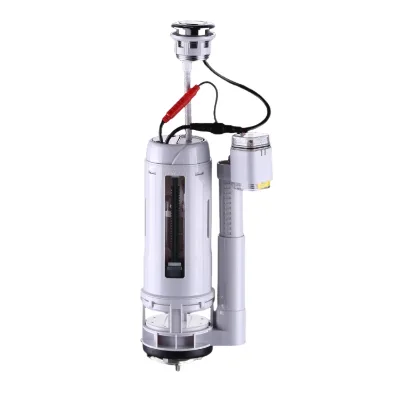
Toilet Dual Flush Valve with Cable System Inwall-Flush-Valve
MOQ: 5000 Pieces

Xiamen Jieente Import and Export Co., Ltd.
- Verified by SGS
- Manufacturer/Factory
- China Fujian
- Lead time23 days
- Avg. response≤ 6h
Main productsToilet Seat, Water Tank, Toilet Tank Fitting, Flush Tank, Inlet Valve, Outlet Valve, Toilet Cover, Fill Valve, Button, Intelligent Toilet Seat
Main marketsSouth America,Eastern Europe,Mid East,North America,Southeast Asia,Eastern Asia,Oceania,Western Europe,Africa

- Verified by SGS
- Combined
- China Fujian
- Lead time30 days
- Avg. response≤ 2h
Main productsConcealed Cistern, Flush Plate, Toilet Pan Connector, Toilet Fittings
Main marketsAustralia,North America


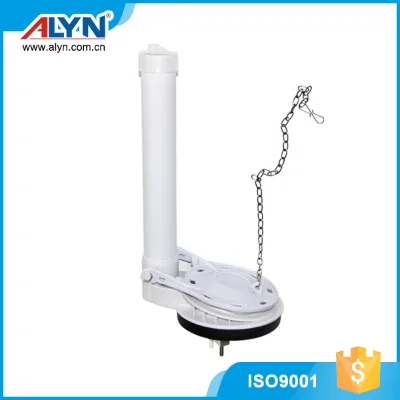
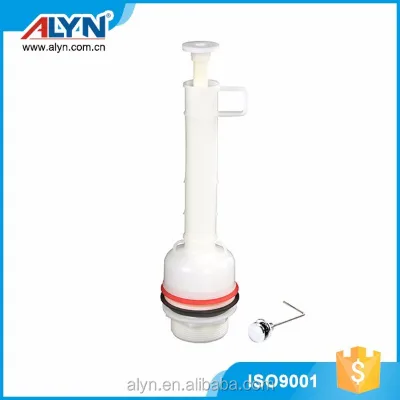
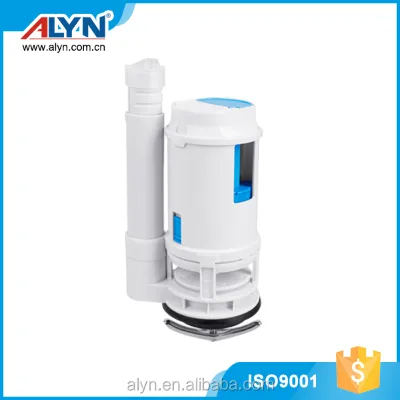
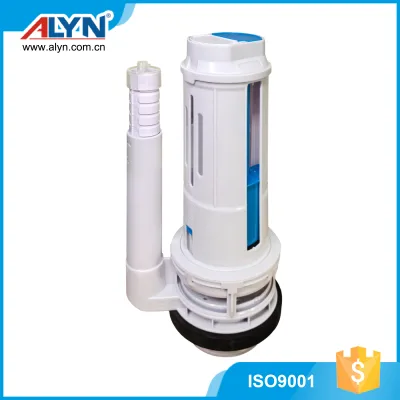
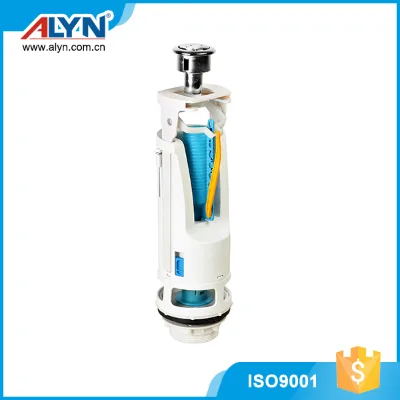
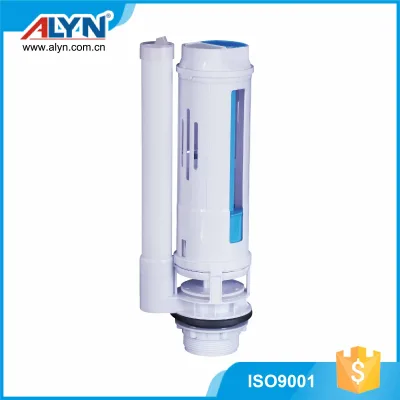
2'' Dual Flush Valve 195mm/250mm/290mm Toilet Cistern Fittings Outlet Valve
$2.00 - $3.00
MOQ: 1000 Pieces


Xiamen Alyn Plumbing Co., Ltd.
- Manufacturer
- Fujian, China
- Lead time14 days
- Avg. response≤ 24h
Main productsCistern mechanism,Fill valve,Flush valve,Push button,Hand lever
Main marketsWestern Europe(40.00%), North America(25.00%), South America(15.00%), Southeast Asia(10.00%), Mid East(5.00%), Eastern Asia(5.00%)

Ningbo Sinoflag International Trading Co., Ltd.
- Verified by TUVRHEINLAND
- Trading Company
- China Zhejiang
- Lead time23 days
- Avg. response≤ 19h
Main productsTap, Faucet, Shower, Sink, Valve, Thermostatic Shower, Shower Column
Main marketsEurope

Ningbo Youlong International Trading Co., Ltd.
- Verified by TUVRHEINLAND
- Trading Company
- China Zhejiang
- Lead time30 days
- Avg. response≤ 14h
Main productsFaucet, Tap, Water Mixer, Shower Column, Drain, Siphon, Shower Head, Hand Shower, Bathroom Accessories, Soap Dispenser
Main marketsSouth America,Southeast Asia/ Mideast,Europe,Australia,North America

Renqiu Kangjie Sanitary Ware Co., Ltd
- Combined
- China Hebei
- Lead time30 days
- Avg. response≤ 14h
Main productsPlastic Products
Main marketsSouth America,Africa,East Asia(Japan/ South Korea),Domestic,Europe,North America

Wenzhou Jieshihong Valve Co., Ltd.
- Verified by SGS
- Trading Company
- China Zhejiang
- Lead time30 days
- Avg. response≤ 3h
Main marketsSoutheast Asia/ Mideast
Compas (Xiamen) Plumbing Technology Co., Ltd.
- Verified by Intertek
- Manufacturer, Trading Company
- Lead time0 days
- Avg. response≤ 2h
Main productsToilet Tank Fittings, Toilet Seat Cover, Concealed Cistern, Intelligent Toilet
Main marketsDomestic Market(35%), Mid East(13%), South Asia(12%)

Wenzhou Hanlaikai Sanitary Ware Co., Ltd
- Combined
- China Zhejiang
- Lead time15 days
- Avg. response≤ 16h
Main productsSensor Faucet, Handle Faucet, Shower System, Shower Set, Hand Dryer, Soap Dispenser, Toilet Flush Valve Set, Urinal Flush Valve Set, Infrared Sensor, Bathroom Accessories
Main marketsEurope,North America


Automatic Urinal Flushing Valve Water Saving Infrared Sensor Automatic Flush Valve
$25.00 - $28.00
MOQ: 1 Pieces


- Trading Company
- China Fujian
- Lead time23 days
- Avg. response≤ 13h
Main productsSanitaryware, Faucet, Shower Mixer, Hardware, Faucet Accessories, Faucet Machine, Bathroom Accessories, Water Pipe, Bathroom Fittings, Kitchen Tap
Main marketsSouth America,Africa,Southeast Asia/ Mideast,Domestic,Europe,North America


Automatic Touch Less Press Button Sensor Urinal Flusher Automatic Urinal Flush Valve
$33.60 - $35.60
MOQ: 50 Pieces
Xiamen Jielin Plumbing Co., Ltd.
- Verified by Intertek
- Manufacturer, Trading Company
- Lead time30 days
- Avg. response≤ 2h
Main productsFill Valve, Flush Vavle, Toilet Tank Lever, Toilet Push Buttons, Basin Overflow Cover
Main marketsDomestic Market(37%), North America(20%), South America(20%)




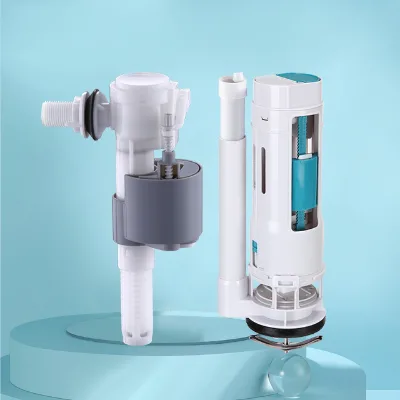
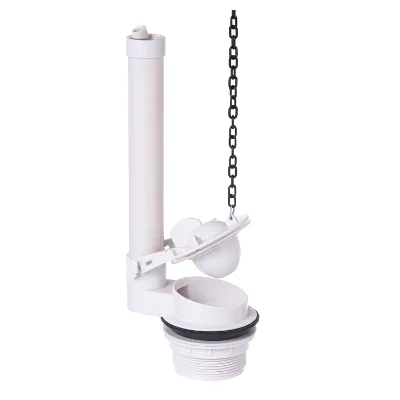
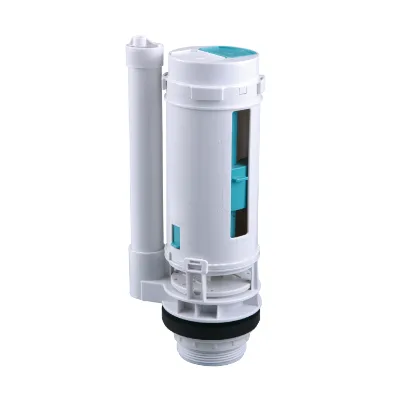
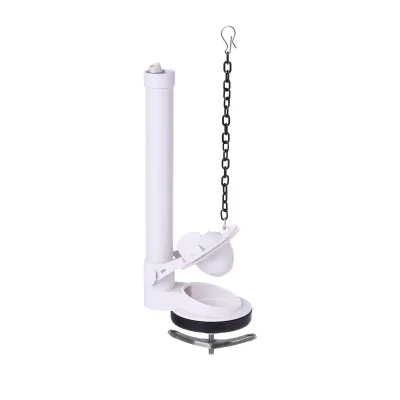
Comprehensive Sourcing Guide
Eco Friendly Dual Flush Valve Supplier Concentration and Factory Types
The current supplier landscape for eco-friendly dual flush valves reveals a distinct concentration of manufacturing activity within China, specifically in the Fujian province. This geographic clustering suggests a mature industrial ecosystem where specialized components like toilet fill valves, flush valves, and tank fittings are produced at scale. Buyers evaluating potential partners should recognize that this region hosts a mix of pure manufacturers and combined entities, each offering different advantages in terms of production control and supply chain flexibility. The presence of factories in Xiamen, a city within Fujian, indicates a localized supply chain for raw materials such as polypropylene (PP), which is frequently cited in product specifications for these valve systems. Understanding this concentration helps buyers narrow their search to regions with established expertise in sanitary ware components, potentially reducing logistical friction and improving communication efficiency during the sourcing process.
Supplier types in this sector vary significantly, ranging from dedicated manufacturers to combined trading and manufacturing entities. Many suppliers identify themselves as manufacturers or factories, emphasizing their direct control over the production line for items like dual cable-control toilet dual flush valves and water-saving dual flush valves. These entities often highlight capabilities in OEM and ODM services, allowing buyers to customize valve structures, button locations, and inlet configurations to meet specific market demands. In contrast, some suppliers operate as combined entities, blending trading functions with manufacturing oversight. This distinction is crucial for buyers, as factory-direct suppliers may offer more competitive pricing and greater transparency in production processes, while combined suppliers might provide broader product assortments, including concealed cisterns and toilet pan connectors, alongside the dual flush valves. Verifying the actual company type is essential to align procurement strategies with operational needs.
How to Verify Eco Friendly Dual Flush Valve Suppliers
Verification of eco-friendly dual flush valve suppliers requires a rigorous examination of their operational credentials and product compliance standards. Buyers should prioritize suppliers who display recognized system certifications, such as ISO 9001 and ISO 9000, which indicate adherence to international quality management standards. Additionally, social compliance certifications like BSCI are critical for ensuring ethical labor practices throughout the supply chain. The presence of third-party verification badges, such as SGS, further validates the supplier’s reliability and commitment to quality assurance. These credentials serve as foundational indicators of a supplier’s ability to maintain consistent production standards and meet the regulatory requirements of international markets. Buyers must actively request and review these certification documents to ensure they are current and applicable to the specific dual flush valve products being sourced.
Beyond certifications, buyers should assess the supplier’s response time and communication efficiency as key indicators of operational maturity. Data shows that response times can vary significantly, with some suppliers responding within hours while others may take longer. A rapid response time, such as under six hours, often correlates with a more agile and customer-centric organization. Buyers should also investigate the supplier’s capacity for customization and innovation, looking for evidence of OEM and ODM capabilities. Suppliers that offer detailed product attributes, such as specific button diameters, inlet valve types, and drain valve structures, demonstrate a higher level of technical proficiency. By cross-referencing these technical details with certification records and response metrics, buyers can build a comprehensive profile of each supplier’s reliability and suitability for long-term partnership.
What to Compare Across Eco Friendly Dual Flush Valve Suppliers
When comparing suppliers, buyers must evaluate a range of operational metrics, including lead times, minimum order quantities (MOQs), and pricing structures. Lead times vary considerably, with some suppliers indicating zero days for immediate availability, while others specify production periods of up to thirty days. This disparity highlights the importance of aligning supplier capabilities with inventory requirements and project timelines. Buyers should also scrutinize MOQs, which can range from as low as one hundred units to as high as five thousand units. Lower MOQs are advantageous for testing market response or fulfilling small-scale orders, whereas higher MOQs may offer better unit economics for large-volume purchases. Understanding these thresholds helps buyers negotiate terms that balance cost efficiency with supply chain flexibility.
Product specifications and customization options are another critical dimension for comparison. Suppliers offer diverse valve configurations, including upper cistern models, two-piece structures, and various button locations such as top, front, or side buttons. Buyers should compare the material composition, with polypropylene (PP) being a common choice for its durability and eco-friendly properties. Additionally, the availability of customization, such as logo printing or specific color options, can be a decisive factor for brands seeking unique product identities. Pricing also varies, with some dual flush valves priced around one to four dollars per unit, depending on the complexity and features. By systematically comparing these attributes, buyers can identify suppliers that offer the best value proposition, balancing cost, quality, and customization potential to meet their specific business objectives.
Common Eco Friendly Dual Flush Valve Sourcing Risks
One significant risk in sourcing eco-friendly dual flush valves is the inconsistency in product quality and specification adherence. Suppliers may list similar product names, such as dual flush outlet valves or toilet tank fittings, but the actual components can vary in material grade, structural integrity, and functional performance. For instance, while many products claim to be made of PP, the specific grade and manufacturing process can differ, affecting the valve’s longevity and water-tightness. Buyers must be vigilant in verifying these technical details through sample requests and third-party inspections. Failure to do so can result in receiving products that do not meet the expected performance standards, leading to customer dissatisfaction and potential returns. This risk is particularly acute when dealing with suppliers who have limited transparency in their production processes.
Another risk involves the reliability of supply chain commitments, including lead times and after-sales support. Some suppliers may advertise short lead times or zero-day availability, but these promises may not be consistently met during peak production periods. Additionally, the availability of warranty services, such as the three-year warranty offered by some suppliers, is a critical factor in mitigating post-purchase risks. Buyers should verify the terms and conditions of these warranties to ensure they are enforceable and comprehensive. Furthermore, the lack of standardized certifications among some suppliers, indicated by "NIL" in certification fields, poses a compliance risk in regulated markets. Buyers must conduct thorough due diligence to ensure that all suppliers meet the necessary regulatory and quality standards, thereby minimizing the potential for disruptions and financial losses.
Eco Friendly Dual Flush Valve Regional Sourcing and Logistics
Sourcing eco-friendly dual flush valves from China, particularly from the Fujian region, offers logistical advantages due to the concentration of manufacturing facilities and established export infrastructure. The proximity of suppliers in Xiamen and other parts of Fujian to major shipping ports facilitates efficient transportation of goods to international markets. Buyers should consider the impact of regional logistics on lead times and shipping costs, as well as the availability of packaging solutions that protect the valves during transit. Many suppliers use carton or PE bag packaging, which must be selected based on the product’s fragility and the destination’s handling requirements. Understanding the regional logistics landscape helps buyers optimize their supply chain, ensuring timely delivery and minimizing the risk of damage during shipment.
The regional concentration also influences the availability of complementary products and components, such as toilet seats, water tanks, and intelligent toilet seats. Buyers sourcing dual flush valves may benefit from consolidating orders with suppliers that offer a broader range of bathroom fittings, reducing the complexity of managing multiple vendors. This consolidation can lead to economies of scale in shipping and handling, further enhancing cost efficiency. However, buyers must also consider the environmental impact of their sourcing decisions, opting for suppliers who demonstrate a commitment to sustainable practices. By leveraging the regional strengths of Fujian’s manufacturing cluster, buyers can build a resilient and efficient supply chain that supports their business goals while minimizing logistical challenges and environmental footprint.
Eco Friendly Dual Flush Valve Commercial Terms and Order Planning
Effective order planning for eco-friendly dual flush valves requires careful consideration of commercial terms, including payment structures, pricing tiers, and contract flexibility. Buyers should negotiate clear terms regarding price adjustments based on order volume, ensuring that cost savings are realized as quantities increase. The availability of customization services, such as laser printing designs or specific color options, may incur additional costs that should be factored into the overall budget. Buyers must also evaluate the supplier’s flexibility in handling order modifications, particularly for large-scale projects where specifications may change. Clear communication of these commercial terms helps prevent misunderstandings and ensures that both parties are aligned on expectations and deliverables.
Warranty and after-sales support are critical components of the commercial agreement, providing buyers with recourse in case of product defects or performance issues. Suppliers offering a three-year warranty, for example, demonstrate confidence in their product quality and provide buyers with long-term protection. Buyers should verify the scope of this warranty, including coverage for parts and labor, and understand the process for claiming support. Additionally, the selling units, whether single items or bulk packs, should be clearly defined to facilitate inventory management and distribution. By establishing robust commercial terms and order planning strategies, buyers can mitigate risks and ensure a smooth procurement process, ultimately supporting the successful introduction of eco-friendly dual flush valves to their target markets.
FAQs
What is the price range for dual flush valves?
Dual flush valves are available from $1.00 to $4.00 per unit. Prices vary based on material, structure, and customization options. Buyers should verify specific costs with suppliers, as final pricing depends on order volume and selected features.
What are the minimum order quantities for these valves?
Minimum order quantities range from 100 to 5000 units. Lower MOQs apply to basic models, while bulk orders may require higher volumes. Buyers should confirm exact MOQs with suppliers to ensure alignment with their procurement needs.
How long does production take for these valves?
Lead times range from 23 to 30 days. Some suppliers report zero lead time, but this may indicate stock availability. Buyers should verify actual production schedules with suppliers to plan inventory and delivery effectively.
What certifications do these suppliers hold?
Some suppliers hold BSCI, ISO 9000, and ISO 9001 certifications. Others may have no listed certifications. Buyers should request proof of compliance and verify credentials directly with suppliers to ensure quality standards are met.
Where are these dual flush valves manufactured?
Manufacturing locations include China, specifically Fujian and Xiamen. Buyers should confirm the origin of products with suppliers to ensure alignment with sourcing preferences and regulatory requirements for their target markets.
What materials are used in these valves?
Valves are typically made from PP material. Some models feature specific structures like two-piece or one-piece designs. Buyers should verify material specifications with suppliers to ensure durability and compatibility with their toilet systems.