Eco Friendly Porcelain Planter Pot Suppliers and Manufacturers
Discover 18 verified suppliers offering eco friendly porcelain planter pots with varying lead times, MOQs, and certifications. Compare response times, locations, and product specifications to find the right partner. Contact suppliers directly to request quotes and samples; review the available evidence before requesting comparable quotations from suitable candidates.
Suppliers List
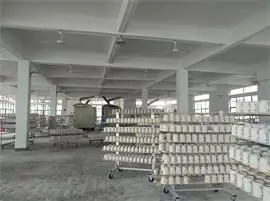
Jingdezhen Suolide Ceramic Co., Ltd.
- Manufacturer, Trading Company
- Jiangxi, China
- Lead time30 days
- Avg. response≤ 2h
Main productsCeramic Vase/Ceramic Jar/Ceramic Table Lamp/Ceramic Stool/Ceramic Floor Vase,ceramic lamp,ceramic dinnerware,ceramic jar
Main marketsDomestic Market(15.00%), Southern Europe(15.00%), Africa(10.00%), Northern Europe(10.00%), South America(10.00%), Central America(6.00%), North America(6.00%), Mid East(5.00%), Oceania(5.00%), Southeast Asia(5.00%), Eastern Europe(5.00%), Western Europe(5.00%), Eastern Asia(3.00%)
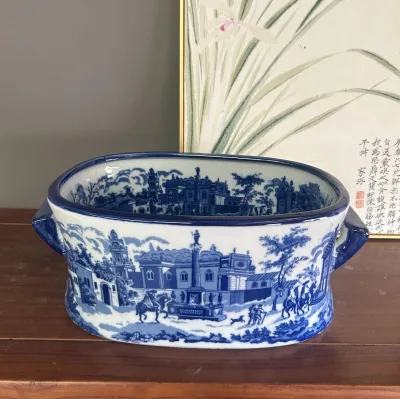
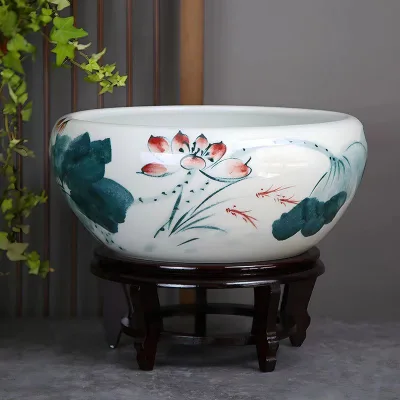
Eco-friendly white and green ceramic planter pot vintage pot with drainage holes
$16.50 - $18.50
MOQ: 10 pieces
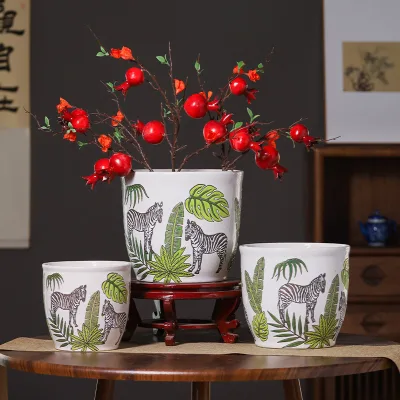
With hole on the bottom green zebra pattern ceramic planter pots heritage vase pot
$16.80 - $18.80
MOQ: 5 pieces

Cangzhou Onot Technology Co., Ltd.
- Verified by SGS
- Trading Company,Manufacturer/Factory
- China Hebei
- Lead time15 days
- Avg. response≤ 1h
Main productsMetal Processing Machinery Part, Sheet Metal Part, Custom Metal Fabrication, Garage, Grass Baler Machine
Main marketsSouth America,Eastern Europe,Mid East,North America,Southeast Asia,Eastern Asia,Oceania,Western Europe,Africa

Taizhou Shengerda Plastic Co., Ltd.
- Combined
- China Zhejiang
- Lead time30 days
- Avg. response≤ 9h
Main productsPlastic, Plastic Flower Pot, Plastic Tray, Plastic Bucket, Plastic Trash Can, Plastic Basin
Main marketsSouth America,Europe,Australia

JINGDEZHEN SHENGJIANG CERAMICS TRADING CO., LTD.
- Trading Company
- China Jiangxi
- Lead time30 days
- Avg. response≤ 5h
Main productsPorcelain Vase, Garden Stool Ceramic Seat, Porcelain Ginger Jar Cerammic Temple Jar, Ceramic Basin/Sink, Asian Antique Reproduction Vase and Jar, China Decoration Porcelain, Table Lamp Bedside Lamp, Blue and White Chinese Porcelain, Ceramic Lamp Porcelain Table Lamp, Flower Pot Planter
Main marketsSouth America,Africa,Southeast Asia/ Mideast,East Asia(Japan/ South Korea),Domestic,Europe,Australia,North America


Blue and White Porcelain Pot Landscape Pattern Octagonal Shape Garden Ceramic Flower Pot Planter
$33.00 - $80.00
MOQ: 2 Pieces

Antique Old Style Hand Made Green Glazed Ceramic Flower Pot Porcelain Planter
$18.00 - $50.00
MOQ: 1 Pieces

Ningbo H&G Home Decoration Limited
- Combined
- China Zhejiang
- Lead time60 days
- Avg. response≤ 9h
Main productsMetal Candle Lantern, Wood Candle Lantern, LED Candle Lantern, LED String Light Lantern, Metal Candle Holder, Candlestick, Wall Sconce Candle Holder, Flower Pot Stand, Metal Planter, Metal Plant Stand
Main marketsAfrica,Europe,Australia,North America


Porcelain Pot with Metal Stand Home Decoration Plant Pot
MOQ: 500 Pieces

White Ceramic Planter Pots with Artificial Plant
MOQ: 500 Pieces


Ceramic Decoration Pots for Plant Ceramic Plant Pots
MOQ: 500 Pieces

Shandong Zhanhong Metal Products Co., Ltd
- Verified by BV
- Manufacturer/Factory
- China Shandong
- Lead time23 days
- Avg. response≤ 3h
Main productsFire Pit, Garden Planter, BBQ Fireplace, Screen
Main marketsEastern Europe,Mid East,North America,Eastern Asia,Oceania,Western Europe

Yangzhou Youcai Import and Export Trading Co., Ltd
- Trading Company
- China Jiangsu
- Lead time0 days
- Avg. response≤ 4h

Chaozhou Huancheng Ceramic Factory
- Verified by TUVRHEINLAND
- Combined
- China Guangdong
- Lead time30 days
- Avg. response≤ 3h
Main productsceramic flower pot
Main marketsSoutheast Asia/ Mideast,Domestic


Modern Ceramic Flower Pots Indoor Plant Pot Outdoor Decoration Garden Planter Flowerpot
$5.50 - $8.50
MOQ: 50 Sets


Golden Ace Industrial Co., Ltd.
- Verified by BV
- Combined
- China Shandong
- Lead time60 days
- Avg. response≤ 10h
Main productsGlassware, Kitchenware, Houseware, Glass Vase, Giftware
Main marketsAfrica,Southeast Asia/ Mideast,Europe,Australia,North America

Mini Bonsai Pots Small Ceramic Plant Planter Pot
MOQ: 1000 Pieces

Indoor Design Ceramic Planter Pot for Home & Office Decor
MOQ: 1000 Pieces

Wholesale Round Shape Planter Pot for Home Decor
MOQ: 300 Pieces

Shandong HY Metal Products Ltd.
- Trading Company,Manufacturer/Factory
- China Shandong
- Lead time15 days
- Avg. response≤ 5h
Main productsFlower Pot, Decorative Screen, Fire Pit, Garden Edging
Main marketsSouth America,Eastern Europe,Mid East,North America,Southeast Asia,Eastern Asia,Oceania,Africa


Eco-Friendly Weathering Steel Wholesale Raised Garden Pots - Corrosion Resistant
$51.90 - $80.85
MOQ: 1 Pieces


ZHANGZHOU XIANGCHENG GREENHOME HORTICULTURE CO., LTD
- Trading Company,Manufacturer/Factory
- China Fujian
- Lead time15 days
- Avg. response≤ 14h
Main productsOrchid, Live Plants, Seedlings, Indoor Plants & Outdoor Plants, Flowerpot
Main marketsSouth America,Eastern Europe,Mid East,North America,Southeast Asia,Eastern Asia,Oceania,Western Europe,Africa

- Verified by BV
- Trading Company
- China Shandong
- Lead time30 days
- Avg. response≤ 2h
Main productsCeramic Mugs, Ceramic Dinnerware, Ceramic Tea Set, Ceramic Kitchen Ware, Custom Drum Shape Ceramic Coffee Mug, 24oz Large Capacity 3D Embossed Mug, Porcelain Cappuccino Cup and Saucer, 14oz Custom Souvenirs Ceramic Mug, 12 Sets Vintage Reactive Glazed Tableware, Custom Royal White Ceramic Milk Jar
Main marketsNorth America

Home Decoration Flower Pot Modern Porcelain Plant Pot Custom Size White Outdoor Garden Pot
$1.50 - $6.00
MOQ: 1000 Pieces

Breathable Ceramic Flower Pot Large Home Decoration Plant Pot Custom Porcelain Pot
$1.00 - $3.00
MOQ: 3000 Pieces

$1.00 - $5.00
MOQ: 3000 Pieces

Factory Simple Garden Planter Pot Home Decorative Flower Pot Custom Ceramic Pot
$1.00 - $3.00
MOQ: 3000 Pieces

Factory Indoor Ceramic Flower Pots Outdoor Ceramic Planters Pots Black Ceramic Pots
$1.50 - $3.00
MOQ: 3000 Pieces

Creative Flower Pot Simple Decorative Plant Pot Ins Style Custom Ceramic Plant Pot
$1.50 - $3.00
MOQ: 3000 Pieces
Changsha Harvit Ceramic Co., Ltd.
- Trading Company
- Hunan, China
- Lead time45 days
- Avg. response≤ 2h
Main productsDinner Set,Mug,Bowl,Plate,Soup Plate
Main marketsSouth America(25.00%), Africa(18.00%), Central America(15.00%), Southern Europe(10.00%), Mid East(10.00%), Eastern Europe(5.00%), North America(5.00%), Western Europe(5.00%), South Asia(5.00%), Southeast Asia(2.00%)

Xiamen Yoyo Ceramic Trading Co., Ltd.
- Verified by BV
- Combined
- China Fujian
- Lead time23 days
- Avg. response≤ 10h
Main productsCeramic Mugs, Ceramic Plates, Teawares, Ceramic Canisters, Ceramic Vases, Ceramic Flower Planters, Ceramic Coin Bank, Flowerpot, Canisters, Resin Crafts
Main marketsSouth America,Africa,Southeast Asia/ Mideast,East Asia(Japan/ South Korea),Europe,Australia,North America

Small Ceramic Plant Pots for Indoor Plants Cylinder Porcelain Orchid Flower Planters
$1.95 - $3.05
MOQ: 1000 Pieces

Pink Porcelain Succulent Cactus Plant Pot with Drainage Hole & Bamboo Saucer
$0.60 - $3.80
MOQ: 1000 Pieces

Haining Huajin Plastics Co., Ltd.
- Verified by SGS
- Combined
- China Zhejiang
- Lead time15 days
- Avg. response≤ 5h
Main productsNursery Pots, Blueberry Planters, Flower Pots, Garden Pots, Seeding Trays, Weed Mat, Watering Cans, Garden Ornaments
Main marketsSouth America,Southeast Asia/ Mideast,East Asia(Japan/ South Korea),Domestic,Europe,Australia,North America


Retro Versatile Flower Pot Lightweight Easy to Move High Cost Performance
$0.69 - $0.84
MOQ: 1000 Pieces

Foshan Tanfly Furniture Co., Ltd.
- Verified by BV
- Manufacturer/Factory
- China Guangdong
- Lead time23 days
- Avg. response≤ 7h
Main productsSwing Chair, Patio Furniture, Outdoor Furniture, Garden Furniture, Outdoor Sofa, Pergola, Sun Lounger, Fire Pit Table, Dining Table, Rattan Chair
Main marketsEastern Europe,Mid East,North America,Eastern Asia,Western Europe

- Verified by TUVRHEINLAND
- Trading Company
- China Hunan
- Lead time45 days
- Avg. response≤ 1h
Main productsCeramic Mug, Vacuum Flask, Dinner Set, Cup, Mug, Thermal Bottle, Ceramic Dinner Set, Glass Jar, Glass Cup, Wine Cup
Main marketsSoutheast Asia/ Mideast

Quanzhou Tianyuan Stone Co., Ltd.
- Verified by BV
- Trading Company
- China Fujian
- Lead time15 days
- Avg. response≤ 3h
Main productsGranite Marble Tile and Slab, Countertop Vanity Table, Slate Sandstone Pebble Travertine, Pillar Column Fountain, Waterjet Medallion Mosaic Tile, Cobblestone Kerbstone Paving, Sculpture Statue, Construction Landscape Stone, Fireplace Bathtub, Floor and Wall Stone
Main marketsSouth America,Southeast Asia/ Mideast,Europe,North America




Comprehensive Sourcing Guide
Eco Friendly Porcelain Planter Pot Supplier Concentration and Factory Types
Current supplier data indicates a concentration of manufacturers and trading companies located in Jiangxi, China, specifically producing ceramic vases, jars, and table lamps alongside planter pots. These entities often list their company type as a Manufacturer or Trading Company, suggesting a mix of direct production capabilities and sourcing services. The primary products observed include ceramic dinnerware, floor vases, and artist planter pots with specific patterns like the England pattern hand-painted blue and white design. This regional clustering in Jiangxi suggests a specialized hub for porcelain and ceramic goods, where supply chains for raw materials like porcelain are likely established. Buyers should verify if a supplier operates strictly as a manufacturer or if they function as a trading company that aggregates goods from multiple factories, as this distinction impacts quality control and direct communication.
In contrast, other supplier results show locations in China Hebei and Zhejiang, though these entries focus heavily on metal processing, sheet metal parts, and plastic flower pots rather than porcelain. The Hebei-based suppliers list certifications such as ISO 9001 and verification by SGS, indicating a different industrial focus compared to the ceramic-heavy Jiangxi cluster. When evaluating the porcelain sector, buyers must distinguish between suppliers who specialize in ceramic finishing and those who may offer plastic alternatives under a broader "eco-friendly" umbrella. The presence of specific product attributes like "Hand Carved" and "Frosted" finishes in the Jiangxi results highlights a focus on artisanal ceramic techniques. Buyers should prioritize suppliers whose main products explicitly list ceramic items to ensure they are engaging with the correct manufacturing cluster for porcelain planter pots.
How to Verify Eco Friendly Porcelain Planter Pot Suppliers
Verification of suppliers requires a close examination of their stated company type and certification status to ensure legitimacy. Some suppliers in the current results display ISO 9001 system certifications and have undergone verification processes like SGS, which provides a baseline for operational standards. However, not all ceramic suppliers in the dataset show these specific certifications, so buyers must request proof of quality management systems directly. The presence of a "Trading Company" designation alongside "Manufacturer" suggests that some entities may not own the production facility, necessitating a request for factory audit reports or photos of the actual production line. Buyers should also check for specific product attributes like "Healthy and Eco-friendly Frosted" finishes to confirm that the eco-friendly claims are backed by material specifications rather than marketing language.
Response time and lead time data offer another layer of verification regarding supplier reliability and operational efficiency. The observed response times vary significantly, with some suppliers responding in under one hour while others take over eight hours, which can indicate the size of the sales team or the efficiency of their communication channels. A lead time of 30 days for ceramic items contrasts with shorter lead times of 15 days seen in other sectors, suggesting that porcelain production involves more complex processes like firing and glazing. Buyers should use these metrics to gauge whether a supplier can meet their specific timeline requirements. Additionally, checking for "OEM" and "ODM" capabilities in the capacity section helps confirm if a supplier can customize designs, which is crucial for buyers seeking unique eco-friendly porcelain products with specific branding or dimensions.
What to Compare Across Eco Friendly Porcelain Planter Pot Suppliers
When comparing suppliers, the minimum order quantity (MOQ) is a critical differentiator that affects inventory planning and cash flow. The data shows MOQs ranging from 5 pieces for specific hand-painted porcelain models to 10 pieces for other ceramic variants, while plastic alternatives may require orders of 100 units. This variance allows buyers to select suppliers that align with their order volume, whether they are testing a new product line with a low MOQ or scaling up production. Buyers must also compare the price ranges, which in the current results span from approximately $16.50 to $22.67 for porcelain items, depending on size and design complexity. Understanding these price points helps in budgeting and negotiating, especially when factoring in the cost of shipping for heavy ceramic goods.
Beyond pricing and volume, the physical attributes of the products, such as size, weight, and packaging, must be compared to determine logistics feasibility. Specific product data indicates sizes like High13cm*Dia32cm with a single gross weight of 22.000 kg, while other models are smaller and lighter. The packaging method, described as "Foam Packaging" in some entries, is essential for protecting fragile porcelain during transit. Buyers should also evaluate the "Application" field, which lists uses like Desktop, Garden, and Hotel, to ensure the product fits their target market. Comparing the "Style" attributes, such as Rustic, Minimalist, or Traditional, allows buyers to curate a collection that matches their brand aesthetic. These detailed comparisons ensure that the selected supplier can deliver a product that meets both functional and aesthetic requirements without unexpected logistical hurdles.
Common Eco Friendly Porcelain Planter Pot Sourcing Risks
One significant risk in sourcing porcelain planter pots is the potential mismatch between the claimed eco-friendly attributes and the actual material composition. While some products are described as "Healthy and Eco-friendly Frosted," buyers must verify if the glazes and materials used are truly non-toxic and sustainable, as this is not always explicitly detailed in standard product listings. The reliance on "Hand Carved" finishing techniques introduces variability in quality, where one unit might differ significantly from another in terms of finish or structural integrity. Without a standardized production process, buyers face the risk of receiving inconsistent batches, which can be problematic for large orders requiring uniformity. It is essential to request samples that specifically test for lead and cadmium content to ensure the eco-friendly claims are valid and safe for indoor or outdoor use.
Another risk involves the discrepancy between the stated lead time and the actual production schedule, particularly for custom or hand-painted items. The observed lead time of 30 days for ceramic goods suggests a longer production cycle compared to other materials, but delays can occur due to firing issues or quality control bottlenecks. If a supplier is a trading company rather than a direct manufacturer, communication delays can further extend the timeline, as the intermediary must coordinate with the factory. Additionally, the heavy weight of porcelain products, such as the 22.000 kg gross weight noted for certain models, increases shipping costs and the risk of damage during transit. Buyers should clarify who bears the risk of damage and ensure that the packaging is robust enough to withstand long-distance shipping, especially when sourcing from regions with varying logistics infrastructure.
Eco Friendly Porcelain Planter Pot Regional Sourcing and Logistics
Sourcing from Jiangxi, China, offers access to a specialized ceramic cluster, but buyers must account for the specific logistics challenges associated with heavy porcelain goods. The location data confirms that many ceramic suppliers are based in this region, which is known for its porcelain industry, but the distance from major ports can impact shipping times and costs. The single package size for some items is substantial, such as 55X55X55 cm, which affects container loading efficiency and freight charges. Buyers should calculate the total landed cost by including these volumetric weight factors, as the physical dimensions of the planter pots can significantly increase shipping expenses compared to lighter materials. Understanding the specific origin of the goods helps in estimating transit times and selecting the most efficient shipping method, whether by sea or air.
In contrast, suppliers located in Hebei and Zhejiang may offer different logistical advantages, particularly for metal or plastic components, though these are less relevant for pure porcelain sourcing. The Hebei suppliers show a lead time of 15 days, which is faster than the 30 days observed for Jiangxi ceramics, but this speed may not apply to the porcelain category. Buyers should verify the specific shipping terms and Incoterms with each supplier to understand who is responsible for customs clearance and final delivery. The "Place of Origin" field is a critical data point for determining the origin of the goods and any applicable tariffs or trade agreements. By analyzing the regional distribution of suppliers, buyers can make informed decisions about whether to consolidate orders from a single region to reduce shipping complexity or to source from multiple locations to diversify risk.
Eco Friendly Porcelain Planter Pot Commercial Terms and Order Planning
Commercial terms for porcelain planter pots often include specific requirements for customization, such as logo printing and packaging design, which can influence the final order cost. The data indicates that logo printing is available for certain models, allowing buyers to brand the products for their specific market. However, customization often comes with a higher MOQ or a longer lead time, as seen in the variation between standard and custom orders. Buyers should negotiate clear terms regarding the customization scope, including the support for custom logos, tarpaulin colors, and packaging, to avoid misunderstandings during production. Understanding the "Customization" field helps in planning the order timeline and ensuring that the final product meets the brand's identity and marketing requirements.
Order planning must also consider the selling units and the specific model numbers to ensure accurate inventory management. The products are listed with specific model numbers like JD 055 and JDZ 019, which helps in tracking and reordering specific designs. The selling units are often single items, but the MOQ dictates the minimum purchase volume, which can range from 5 to 10 pieces for porcelain. Buyers should plan their orders to align with these MOQs to avoid unnecessary costs or the need to purchase excess inventory. Additionally, the price range of $16.50 to $22.67 provides a baseline for budgeting, but buyers should confirm if these prices include taxes, duties, or shipping. Clear communication of these commercial terms ensures a smooth transaction and helps in maintaining a healthy supply chain for eco-friendly porcelain planter pots.
FAQs
What is the minimum order quantity for ceramic planter pots?
The minimum order quantity varies by product style. Some rustic blue and white pots require only 5 pieces, while traditional white and green options start at 10 pieces. Buyers should check specific model numbers to confirm the exact threshold before placing an order.
How long does it take to receive these ceramic planters?
Lead times for ceramic planters typically range from 15 to 30 days depending on the supplier and order volume. Manufacturers in Jiangxi often quote 30 days, while some metal processing suppliers may offer faster 15-day turnaround times for specific custom fabrication needs.
Are these eco-friendly ceramic pots suitable for hotel use?
Yes, many ceramic planter pots are explicitly designed for hotel, garden, and desktop applications. They feature healthy and eco-friendly frosted finishes, making them suitable for commercial spaces like hotels as well as residential gardens and indoor decoration settings.
What certifications do the suppliers hold for these products?
Some suppliers hold ISO 9001 system certifications and have undergone SGS verification. While specific ceramic pot listings may not always display certificates, metal processing partners often provide these standards to ensure quality control and compliance with international manufacturing requirements.
Can I customize the logo on these ceramic planters?
Logo printing is available for many ceramic planter models. Suppliers support custom logos, tarpaulin colors, and packaging options. Buyers should verify specific customization scopes with the manufacturer to ensure their branding requirements are met within the production timeline.
What is the price range for wholesale ceramic planter pots?
Wholesale prices for ceramic planters generally range from approximately 16.50 to 22.67 USD per unit. The final cost depends on the specific design, size, and order quantity, with smaller rustic pots often costing less than larger decorative models.
Where are these eco-friendly ceramic planters manufactured?
Most ceramic planter pots originate from Jiangxi, China, a known hub for porcelain production. Some related plastic or metal products may come from Hebei or Zhejiang provinces, but the primary ceramic supply chain is concentrated in the Jiangxi region.