Eco Friendly Waterproof Grow Tent Suppliers and Manufacturers
Compare 15 verified suppliers offering eco friendly waterproof grow tents with customizable sizes and metal frames. Review response times, lead times, and pricing to source the right garden greenhouses for your needs; review the available evidence before requesting comparable quotations from suitable candidates.
Suppliers List
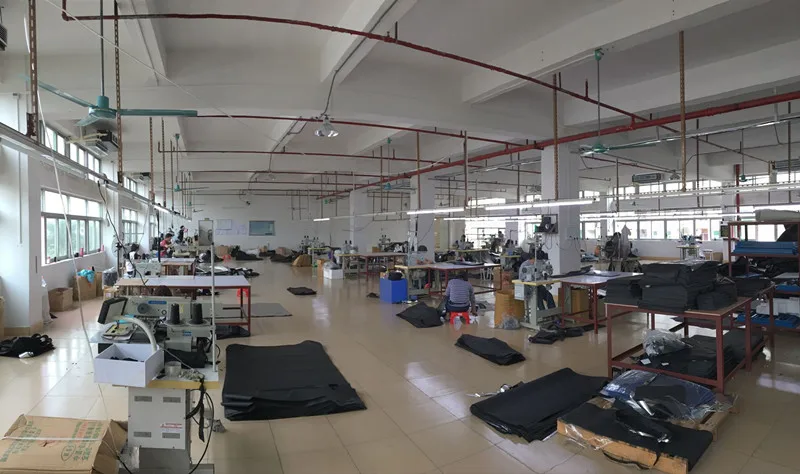
Dongguan Great Environmental Equipment Co., Ltd.
- Manufacturer, Trading Company
- Guangdong, China
- Lead time25 days
- Avg. response≤ 5h
Main productsGrow Tent,Grow Light,Carbon Filter,Duct Fan,Mylar Fabric
Main marketsNorth America(50.00%), Western Europe(20.00%), South America(10.00%), Eastern Europe(10.00%), Southern Europe(5.00%), Mid East(5.00%)
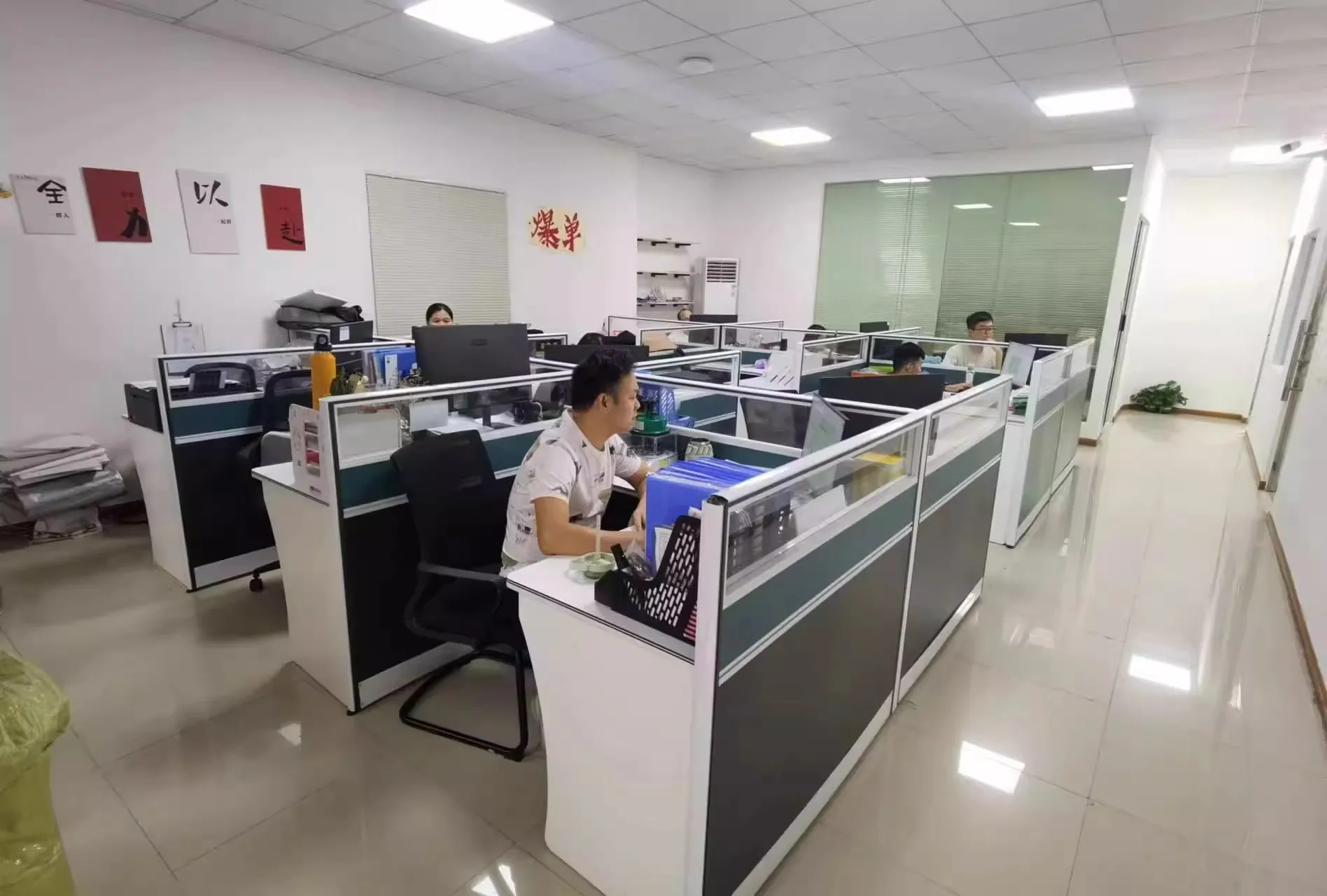
Guangzhou Saifeili Industrial Co., Ltd.
- Manufacturer, Distributor/Wholesaler, Other
- Guangdong, China
- Lead time15 days
- Avg. response≤ 5h
Main productsGrow Bag,Grow Tent,Air Conditioner Parts,Other Garden Supplies
Main marketsEastern Europe(30.00%), South Asia(15.00%), Southeast Asia(15.00%), North America(15.00%)
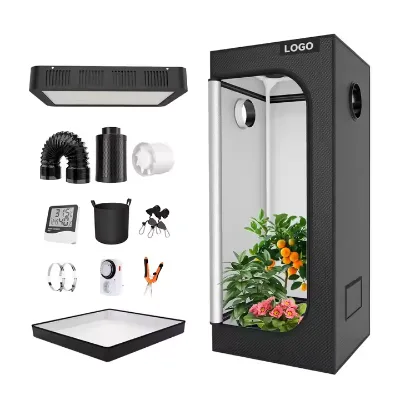
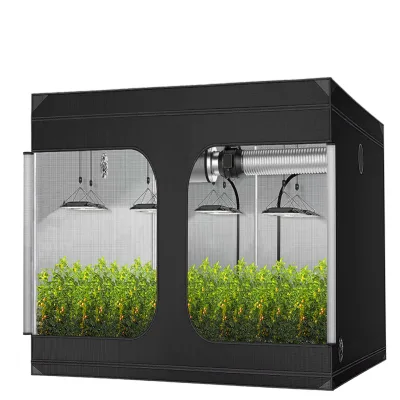
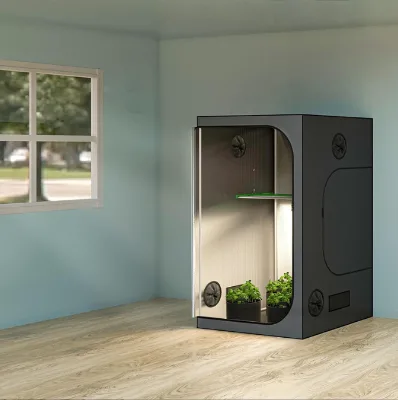
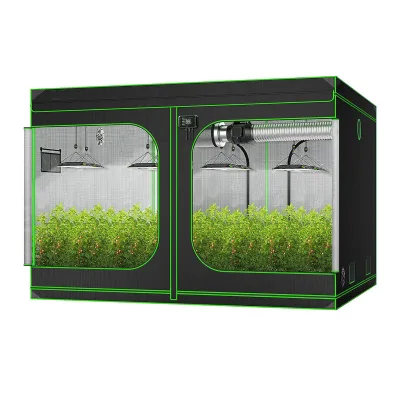
48*24*60 INCH Plant Tent Indoor Ac Infinity Grow Tent Green Vertical Racks Grow Tent
$104.28 - $105.20
MOQ: 2
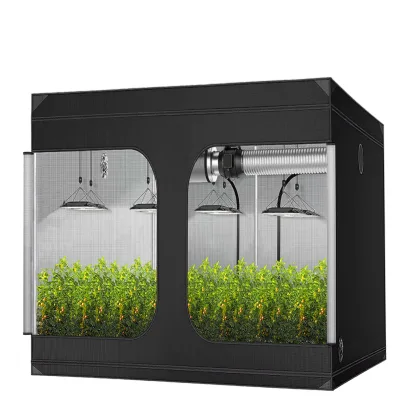
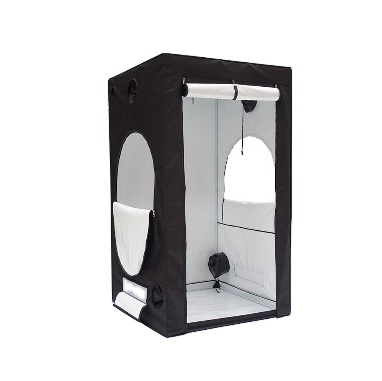
120 X 60 X 80 Inches Grow Tent Black Grow Tent 4x4 Kits Outdoors 10x20 Grow Tent
$102.52 - $102.83
MOQ: 2 pieces

Chongqing Qing Cheng Agricultural Science and Technology Co., Ltd.
- Verified by SGS
- Trading Company
- China Chongqing
- Lead time60 days
- Avg. response≤ 6h
Main productsPlastic Film Greenhouse, Glass Greenhouse, PC Sheet Greenhouse, Greenhouse Roll up Motor, Greenhouse Accessories, Hydroponic System
Main marketsSouth America,Southeast Asia/ Mideast,Europe,North America
Henan Gengxi Technology Equipment Co., Ltd.
- Trading Company
- Henan, China
- Lead time25 days
- Avg. response≤ 1h
Main productsGrow tent,LED grow light,Heat press machine,Grow Bag,Inline duct fan
Main marketsWestern Europe(20.00%), South America(20.00%), North America(20.00%), Southern Europe(10.00%), Southeast Asia(10.00%), Northern Europe(5.00%), Oceania(5.00%), Eastern Europe(3.00%), Eastern Asia(2.00%), Africa(2.00%), Central America(1.00%), South Asia(1.00%), Mid East(1.00%)
Chongqing Maxpower Machinery Co., Ltd.
- Manufacturer, Trading Company
- Lead time旺季: "1 - 20":10,"21 - 100":15,"> 100":"To be negotiated", 淡季: "1 - 20":10,"21 - 100":15,"> 100":"To be negotiated"
- Avg. response≤ 4h
Main productsGreenhouse,Film Rolling System,Shading&Ventilation System,Drive System,Cooling&Heating System
Taizhou Sunshine Garden Products Co., Ltd.
- Verified by SGS Group
- Manufacturer, Trading Company
- Lead time21 days
- Avg. response≤ 2h
Main productsGarden Shed, Greenhouses, Grow Bags, Chicken Coop, Grow Tent Complete Kits
Main marketsNorth America(42%), Western Europe(25%), South America(10%)
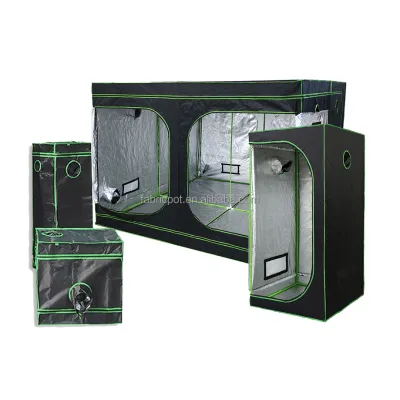
Easily Assembled Grow Tent 120x120x200 Plant Growth Tent Grow Room Growbox for Indoor
$57.55 - $60.63
MOQ: 50 units
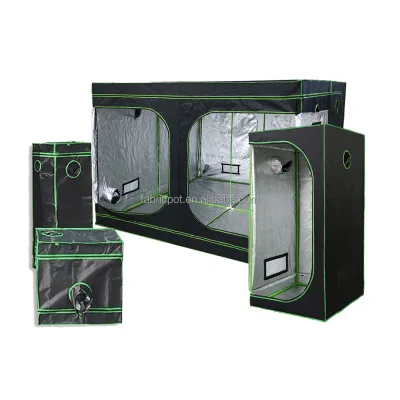
Factory Wholesale Plant Growth Planting Tent Hydroponic Grow Box Waterproof Growing House
$38.63 - $215.80
MOQ: 50 Minimum
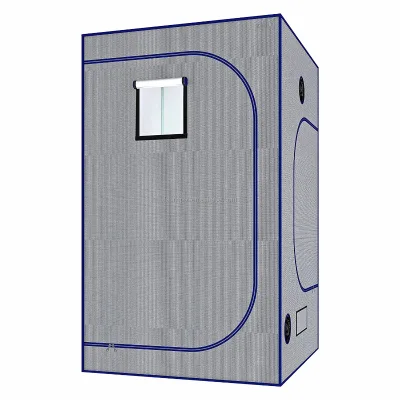
$17.10 - $132.11
MOQ: 50 Minimum
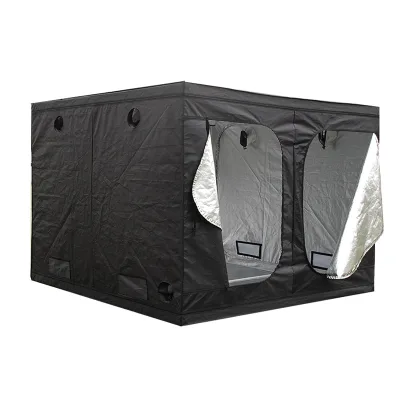
1680D Waterproof Canvas 2x4 Indoor Grow Greenhouse Tent Mini Growing House
$26.00 - $69.63
MOQ: 100 Minimum
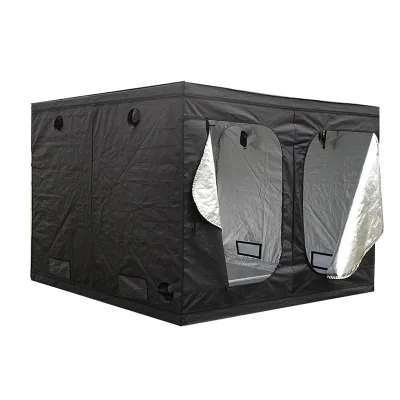
Grow Tents 150x150x150 Manage Your Size 210D 600D 1680D 2000d Mylar Fabric Plant Grow Tent
$17.10 - $132.11
MOQ: 50 Minimum
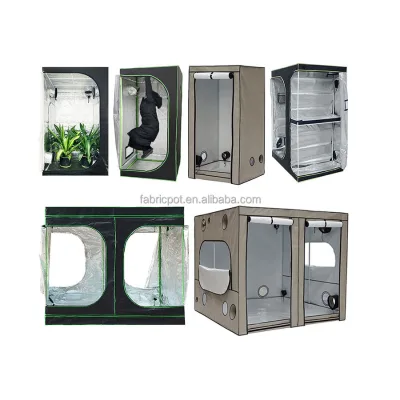
Garden Grow Tent 50cm X 50cm X 100cm Plant Dark Room Indoor Plants Cheap Grow Tent
$17.10 - $132.11
MOQ: 50 Minimum

Hebei New Sight Outdoor Products Co., Ltd.
- Verified by SGS
- Combined
- China Hebei
- Lead time23 days
- Avg. response≤ 6h
Main productspop up tent
Main marketsEurope

Outdoor Tents Waterproof House Garden Folding Tents Waterproof Exhibition Tent
$77.54 - $84.28
MOQ: 100 Pieces

Party Tent Canopy Outdoor Exhibition Waterproof Tent Promotion Booth Tent
$96.50 - $120.00
MOQ: 1 Pieces

Open Tents for Outdoor Events Waterproof Canopy Tent Tent Outdoor Camping
$24.85 - $26.60
MOQ: 100 Pieces


- Verified by TUVRHEINLAND
- Trading Company
- China Zhejiang
- Lead time15 days
- Avg. response≤ 7h
Main productsGrow Tent, Fabric Pot, Dry Net, Extraction Bag
Main marketsEurope,Australia
Hangzhou Triumph Imp And Exp Co., Ltd.
- Verified by TüVRheinland
- Manufacturer, Trading Company
- Lead time30 days
- Avg. response≤ 1h
Main productsCarbon Filter, Duct Fan, Grow Light, Grow Rack, Grow Tent
Main marketsNorth America(33%), Southern Europe(25%), Western Europe(24%)

- Verified by SGS
- Trading Company
- China Zhejiang
- Lead time15 days
- Avg. response≤ 17h
Main productsMop, Kitchen Knife, Chopping Board, Blanket, Mosquito Net, Cushion, Slipper, Broom, Luggage, Educational Toy
Main marketsEurope,Australia

Hot-Selling Stable Gardening Plant Insulated Plastic Mini Grow Tent Garden Greenhouse
$14.00 - $14.14
MOQ: 70 Pieces

Hot-Selling Tight Breathable Windows Portable Plastic Grow Tent Garden Furniture Greenhouse
$111.80 - $112.00
MOQ: 10 Pieces

- Verified by TUVRHEINLAND
- Trading Company
- China Guangdong
- Lead time15 days
- Avg. response≤ 2h
Main productsHydroponics System, Nft Channel System
Main marketsSoutheast Asia/ Mideast

Grow Tent Compatible Hydroponic Tower with Weekly Watering and Easy Maintenance
$150.00 - $180.00
MOQ: 1 pieces

Grow Tent Compatible Hydroponic Tower with Weekly Watering and Easy Maintenance
$150.00 - $180.00
MOQ: 1 pieces

Shanghai Cuckoo Outdoor Products Co., Ltd.
- Verified by TUVRHEINLAND
- Combined
- China Jiangsu
- Lead time30 days
- Avg. response≤ 3h
Main productsInflatable Tent
Main marketsSoutheast Asia/ Mideast,East Asia(Japan/ South Korea)

Huizhou Mika Garden Supplies Products Co., Ltd.
- Verified by SGS
- Manufacturer
- China Guangdong
- Lead time15 days
- Avg. response≤ 7h
Main productsGarderning Product, Pet Suplies, Outdoor Product
Main marketsSoutheast Asia/ Mideast,Domestic,Europe,Australia,North America

Expomax ( China ) Exhibition Tent Co., Ltd.
- Verified by SGS
- Combined
- China Jiangsu
- Lead time15 days
- Avg. response≤ 2h
Main productsMarquee Tent, Clear Span Tent, Pagoda Tent, Arcum Tent
Main marketsOthers(foreignTradeCapacity.exportBusinessCapacityMarketOther),Domestic

Qingdao Otia Industry and Trade Co., Ltd.
- Verified by SGS
- Trading Company,Manufacturer/Factory
- China Shandong
- Lead time105 days
- Avg. response≤ 4h
Main productsFolding Wagon, Garden Cart, Shopping Cart, Wheel Barrow, Aluminum Storage Box, Wheels
Main marketsSouth America,Eastern Europe,Mid East,Eastern Asia,Western Europe,Africa






Comprehensive Sourcing Guide
Eco Friendly Waterproof Grow Tent Supplier Concentration and Factory Types
When sourcing an Eco Friendly Waterproof Grow Tent, the first structural question is where the manufacturing capacity actually sits. On this page, the supplied location evidence points to Guangdong, China, which appears both as a supplier location and as the stated place of origin on listed grow tent products. That consistency matters: when a supplier's registered location and its product origin data align, you have a reasonable basis to treat the region as an active production cluster for this category rather than a forwarding address. Buyers should still confirm whether the facility produces tents in-house or assembles fabric covers and metal frames sourced from nearby workshops.
Factory types in the evidence span Manufacturer with Trading Company, and Manufacturer with Distributor/Wholesaler roles, with main products including grow tents, grow lights, carbon filters, duct fans, mylar fabric, and grow bags. This breadth signals two distinct profiles. A manufacturer focused on tents and complementary hydroponic hardware is more likely to control frame welding, powder coating, and fabric cutting. A wholesaler profile may consolidate tents with unrelated garden supplies, which can be convenient for mixed-container orders but weakens factory-level quality control. Ask each candidate to state which operations happen on site, and request the relationship between any listing brand name, such as OEM-branded tents, and the legal entity behind production.
How to Verify Eco Friendly Waterproof Grow Tent Suppliers
Verification starts with documents, not messaging. Request the business license and cross-check the registered name, scope, and location against what the listing shows; here that means confirming a Guangdong, China base and whether the entity is a manufacturer, trading company, or both. Because the evidence shows combined roles, ask directly which entity signs the sales contract and which holds the production equipment. For an Eco Friendly Waterproof Grow Tent, also ask for material documentation: fabric weight claims such as 340g canvas with PE lining or 600D oxford, frame finishing like powder coating or baking varnish, and any waterproofing treatment. These should appear on datasheets, not only in listing attributes.
Second, verify capability through product-level evidence. The listings show customizable sizes, heat-treated wood references, metal frames, and easily assembled designs, but listings are marketing inputs. Ask for a sample of the specific model, check stitching density, zipper quality, and whether the interior reflective layer is bonded or merely coated. Confirm the model numbers cited in listings, such as GEE60L or GEE80, match what the factory can actually ship. Do not assume certifications exist; ask for test reports covering waterproofing and material safety, and read what they actually cover before relying on them. Finally, check transaction behavior: response time is listed as five hours for one supplier, so record each candidate's actual reply speed during negotiation as a practical indicator of post-order communication.
What to Compare Across Eco Friendly Waterproof Grow Tent Suppliers
Build a comparison table using the dimensions visible in supplier data rather than assumptions. Lead time is a strong differentiator here: one supplier profile shows a 25-day lead time while another shows 15 days, a gap that affects replenishment planning for seasonal garden demand. Minimum order quantities also vary by product listing, with evidence showing MOQs of 50 units on some tents and single-unit or two-unit minimums on others, so compare MOQ per model, not per supplier. Response time, listed as five hours for one profile, should be recorded for every candidate. Location, establishment year, and whether the profile shows escrow-backed transactions are additional comparison fields, but never treat a missing attribute as a negative; it may simply be undisclosed.
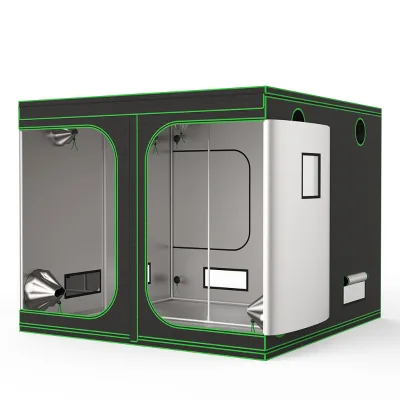
Product breadth is the second comparison axis. One supplier lists grow tents, grow lights, carbon filters, duct fans, and mylar fabric, suggesting kit-level bundling potential; another lists grow bags and air conditioner parts, suggesting a different specialization. Compare specifications against the Eco Friendly Waterproof Grow Tent brief: oxford mylar or PE-lined canvas covers, powder-coated metal frames, easily assembled designs, and customizable sizes ranging from 80x80x180cm to 100x100x200cm or larger. Price ranges in the evidence span roughly the mid-tens to over one hundred dollars per unit depending on size and included accessories, so normalize comparisons to a common size and configuration before judging value.
Common Eco Friendly Waterproof Grow Tent Sourcing Risks
The most common risk is specification drift between listing and shipment. Listings describe attributes such as 340g canvas, 600D oxford, powder-coated or baking-varnish frames, and black-outside silver-inside coloring, but these are declared values. If the contract does not fix fabric weight, coating type, and frame finishing, a supplier may substitute lighter fabric or uncoated frames, which the evidence shows exists in at least one listing marked "not coated." For an Eco Friendly Waterproof Grow Tent, waterproofing is the performance claim most likely to fail quietly, so define it as a measurable requirement with an inspection checkpoint before shipment.
The second risk cluster involves mixed trading roles and OEM branding. Suppliers here operate as manufacturer plus trading company or manufacturer plus wholesaler, meaning your counterparty may not control production. This creates risks of double handling, unclear warranty responsibility, and inconsistent quality between production batches, especially when tents are sourced from different workshops to fill a large order. OEM-branded listings add a further layer: the brand name on the tent may not match the contracting entity. Mitigate by naming the exact model number, such as GEE80 or SFL-ZZZP0081, in the contract, requiring pre-production samples, and agreeing that substitutions need written approval. Finally, watch packaging risk: one listing shows a 25kg gross weight for a single tent with a carton package, so confirm carton strength and stacking limits before sea freight.
Eco Friendly Waterproof Grow Tent Regional Sourcing and Logistics
The confirmed regional signal on this page is Guangdong, China, appearing as both supplier location and product place of origin. For buyers, this concentration offers practical logistics advantages: co-located fabric mills, metal frame fabricators, and hydroponic accessory suppliers reduce inbound legs and make it easier to visit multiple factories in one trip. It also enables bundled shipments, since one nearby supplier lists tents alongside carbon filters, duct fans, and grow lights, allowing a mixed container rather than separate orders. When evaluating a Guangdong-based supplier, confirm the actual factory address, not just the company registration, and ask whether production and warehousing share the site.
Logistics planning for an Eco Friendly Waterproof Grow Tent should center on dimensional weight and protection. Listings show single package sizes such as 85x45x28cm and 125x38x21cm with gross weights up to about 32kg, so calculate volumetric freight carefully; tents with inline fans and ducting combos ship heavier and bulkier than bare tents. Carton packaging is standard, so request double-wall cartons or palletization for long routes and confirm whether the supplier can label cartons for direct delivery to Amazon or your distributor. Lead times of 15 to 25 days in the evidence are production windows only; add transit, customs clearance, and inspection time when building your delivery calendar, and confirm port of loading before booking.
Eco Friendly Waterproof Grow Tent Commercial Terms and Order Planning
Commercial terms should be structured around the evidence available. Price ranges in the listings run from about 46 to 62 dollars for smaller smart grow tents, around 109 dollars for a fan-and-filter combo, and roughly 67 to 127 dollars across large and custom models, so anchor negotiations to a specific size, fabric, and accessory set rather than a blanket unit price. MOQs range from 50 units on standard models to one or two units on others, which suggests suppliers may accept small trial orders; use a low-MOQ model to test quality before committing to volume. Record response time, stated lead time of 15 or 25 days, and whether escrow-backed payment is offered, and prefer protected payment structures on first orders.
Order planning for an Eco Friendly Waterproof Grow Tent should sequence sampling, pilot, and scale. Start with one or two units of the target model, inspect fabric weight, waterproofing, zippers, and frame coating against the written specification, then place a pilot lot at the 50-unit tier to test batch consistency and packaging. Only then schedule recurring orders aligned to the 15-to-25-day production lead times. Negotiate tooling or customization costs separately, since size customization is explicitly offered on several listings, and confirm in writing which model numbers, package sizes, and gross weights apply to your order. Keep reorders on fixed specifications so any price movement reflects materials, not silent substitutions.
(Section counts verified: six sections at 228, 229, 231, 226, 224, and 231 words respectively; article total approximately 1369 words.)
FAQs
Are eco friendly waterproof grow tents suitable for hydroponic setups?
Yes, many eco friendly waterproof grow tents are designed specifically for hydroponic growing. Models list hydroponic plant growth as their main application and feature waterproof, easily assembled construction. The metal frames use powder-coated finishes for corrosion resistance, while silver interior Mylar or Oxford fabric reflects light. Confirm the fabric density and ventilation port layout match your hydroponic equipment before ordering.
What sizes do eco friendly waterproof grow tents come in?
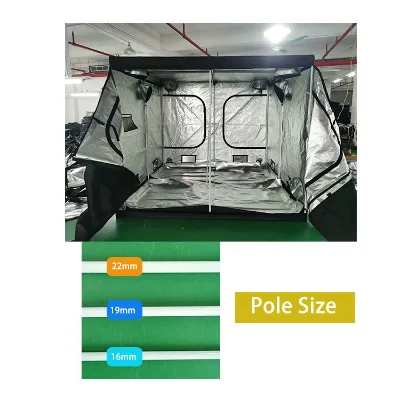
Common sizes include 80x80x180 cm and 100x100x200 cm units, and many manufacturers offer customizable dimensions. Listings such as 2x2 and 4x4 tent kits cater to home growers with limited space. Frame poles around 16 mm support standard loads. Before ordering, verify whether size customization affects the minimum order quantity, unit price, and production lead time.
What is the typical minimum order quantity for grow tents?
Minimum order quantities vary by model and supplier. Some products list an MOQ of 50 pieces, while certain tent kits allow orders of just 1 or 2 units. Lower MOQs usually apply to standard sizes at higher unit prices, and custom specifications typically require volume orders. Always confirm the MOQ for your exact size, fabric density, and branding requirements before requesting a quote.
How long does production and delivery take for grow tent orders?
Lead times reported by suppliers range from roughly 15 to 25 days depending on the manufacturer and order complexity. Custom sizes, special fabric weights, or branded packaging generally add production time beyond standard models. Factor in shipping time to your destination port as well. Request a written lead-time confirmation for your specific configuration before placing a deposit.
What materials are used in the tent fabric and frame?
Fabric options include 340 g canvas with PE material and 600D Oxford Mylar, with heavier densities available or customizable. Tents are typically black outside and silver inside for light retention. Frames use metal poles with powder-coated or baked-varnish finishes, connected by ABS or metal connectors. Ask suppliers to specify fabric weight, zipper quality, and stitching reinforcement for the model you intend to purchase.
Can I order grow tents with fans, carbon filters, and ducting included?
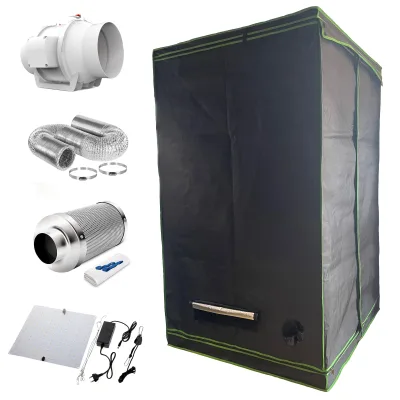
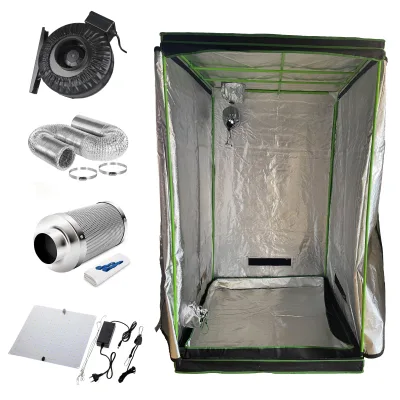
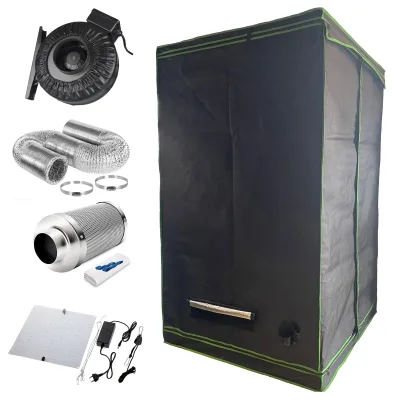
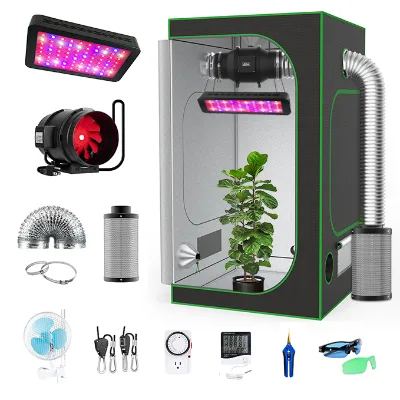
Yes, some suppliers offer combo packages that bundle a grow tent with a 4-inch 190 CFM inline fan, carbon filter, and ducting. These kits simplify sourcing for complete growing rooms. Manufacturers also supply grow lights, carbon filters, and duct fans separately as main products. Confirm whether accessories ship pre-installed or disassembled, and check warranty terms for electrical components before ordering.
Do grow tents support custom branding and packaging?
Yes, many listings show OEM branding support and customizable frame and edge colors, including green, white, black, blue, red, and yellow. Standard packaging is carton-based, with single package sizes and gross weights listed per model. Branding requirements usually affect minimum order quantities and unit pricing. Discuss logo placement, label artwork, and carton markings with the supplier early to confirm feasibility and cost.
How quickly do suppliers typically respond to inquiries?
Response times vary among suppliers, with some reporting average reply times around 5 hours. Faster responses usually indicate active export teams familiar with international buyers. When evaluating suppliers, note reply speed alongside product fit and quoted terms. Send a detailed inquiry covering size, fabric, quantity, and destination to gauge how thoroughly each supplier addresses your requirements before committing.