Eco-Friendly Water Soluble Lace Belt Suppliers and Manufacturers
Source 25 verified suppliers for Eco-Friendly Water Soluble Lace Belt products. Compare key dimensions including location, lead times, MOQ, and pricing to identify suitable partners. Review product specifications and request samples to verify quality before placing orders; review the available evidence before requesting comparable quotations from suitable candidates.
Suppliers List
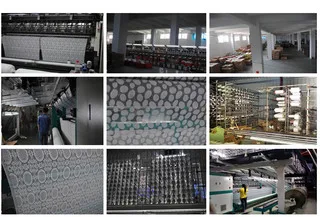
Fuzhou Jingshengtong Trade Co., Ltd.
- Trading Company
- Fujian, China
- Lead time30 days
- Avg. response≤ 14h
Main productsLace,Lace materials,Fabric,Lace Trim,Eyelash Lace
Main marketsNorth America(30.00%), Northern Europe(20.00%), Domestic Market(10.00%), Southern Europe(10.00%), South America(10.00%), Central America(10.00%), Africa(10.00%)

- Verified by TUVRHEINLAND
- Combined
- China Zhejiang
- Lead time30 days
- Avg. response≤ 7h
Main productsThread, Zipper, Lace, Button, Webbing & Tape, Ribbon, Interlining, Fabric, Tailoring Materials, Hook & Loop
Main marketsSouth America,Africa,Europe,Australia


Black Water Soluble Embroidery Chemical Lace Fabric
MOQ: 300 Yards

Water Soluble Guipure Chemical Lace Trim
MOQ: 6000 Yards

Ningbo Yuena Import & Export Co., Ltd.
- Verified by TUVRHEINLAND
- Trading Company
- China Zhejiang
- Lead time23 days
- Avg. response≤ 3h
Main productsLace, Thread, Button, Ribbon, Zipper, Tailors Materials, Fabric, Reflective Materials, Sewing Machine Part, Bra Parts
Main marketsSouth America,Africa,Southeast Asia/ Mideast,Europe,North America


Garment Lace Wholesale Hot Sale Chemical Lace Fabric Water Soluble Lace Water Soluble
$0.16 - $0.20
MOQ: 4500 Yards

NINGBO NCJN IMPORT AND EXPORT CO., LTD.
- Verified by TUVRHEINLAND
- Trading Company
- China Zhejiang
- Lead time15 days
- Avg. response≤ 12h
Main productsGarment Accessories, Zipper, Button, Lace, Tape, Velcro Tape, Hook and Eye Tape, Ring and Slider, Bra Cup
Main marketsSouth America,Africa,Southeast Asia/ Mideast,East Asia(Japan/ South Korea),Europe,Australia,North America

- Verified by TUVRHEINLAND
- Trading Company,Manufacturer/Factory
- China Zhejiang
- Lead time23 days
- Avg. response≤ 6h
Main productsGarment Accessories, Zipper, Button, Lace Trim, Metal Zipper, Nylon Zipper, Plastic Zipper, Metal Button, Snap Button, Cotton Lace
Main marketsNorth America,Africa
- Verified by BV
- Trading Company,Manufacturer/Factory
- China Zhejiang
- Lead time23 days
- Avg. response≤ 6h
Main productsGarment Accessories, Zipper, Button, Lace Trim, Metal Zipper, Nylon Zipper, Plastic Zipper, Metal Button, Snap Button, Cotton Lace
Main marketsNorth America,Africa


Lace Belt DIY Handmade Accessories Ribbon Clothing Hat Material Shoe Material Accessories Lace
$0.06 - $0.12
MOQ: 3000 Pieces

Embroidery Water Soluble Chemical Lace Trimming White Embroidery Lace Trim
$0.20 - $0.40
MOQ: 50000 Yards


Water Soluble Lace Embroidery Trim Ribbon Sewing Fabric Roll Wholesale Lace Ribbon
$0.20 - $0.40
MOQ: 50000 Yards
- Verified by BV
- Trading Company
- China Zhejiang
- Lead time30 days
- Avg. response≤ 10h
Main productsTextile, Zipper, Lace, Elastic, Ribbon, Thread, Tape, Fabric, Interlining, Button
Main marketsSouth America,Africa,Europe

Guangzhou Govolon Trade Co., Ltd.
- Trading Company,Manufacturer/Factory
- China Guangdong
- Lead time15 days
- Avg. response≤ 23h
Main productsGarment Accessories, Lace, Button, Zipper, Fringe and Tassels, Belt Ribbon, Garment Trimming, Patch Badge, Buckle, Hotfix
Main marketsSouth America,Mid East,North America,Southeast Asia,Western Europe,Africa

Water Soluble Nylon Lace Trimming
MOQ: 500 Pieces

Elastic Polyester Lace with Multi Colour
MOQ: 500 Pieces
Guangzhou Chowleedee Import and Export Co., Ltd.
- Verified by BV
- Trading Company
- China Guangdong
- Lead time15 days
- Avg. response≤ 15h
Main productsLace Fabric, Wood Plastic Composite Decking Price
Main marketsSouth America,Africa,Southeast Asia/ Mideast,East Asia(Japan/ South Korea),Europe,Australia,North America
Suzhou Xingsheng Weiye Garment Accessories Co., Ltd.
- Verified by Intertek
- Manufacturer, Trading Company
- Lead time20 days
- Avg. response≤ 4h
Main productsPatch, Webbing, Button, Rope, Tag
Main marketsSoutheast Asia(30%), Oceania(20%), North America(5%)
Shantou Hongjia Weaving Co., Ltd.
- Verified by TüVRheinland
- Manufacturer, Trading Company
- Lead time15 days
- Avg. response≤ 11h
Main productsElastic Band, Bra Elastic Strap, Mask Band, Non Elastic Band, Yarn
Main marketsDomestic Market(60%), South America(20%), South Asia(10%)
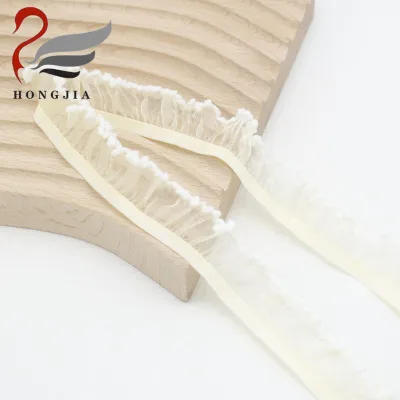
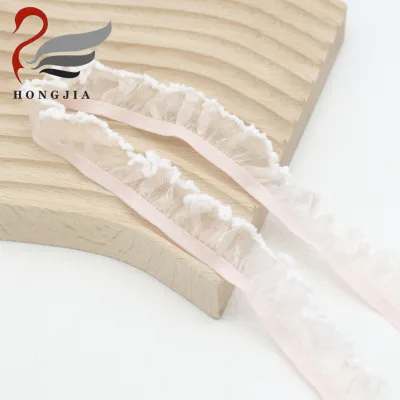
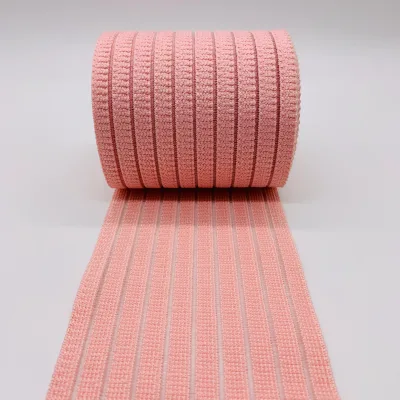
Adjustable Transparent Knitted Fish Line Silk Mesh Elastic Belt for Waistband
$0.25 - $0.50
MOQ: 15000

Lanxi Sange Industry Co., Ltd.
- Verified by TUVRHEINLAND
- Trading Company
- China Zhejiang
- Lead time15 days
- Avg. response≤ 19h
Main productsLace, Lace Fabric, Cotton Lace, Chemical Lace, Fringe Tassel, Tassel Fringe, Garment Accessories, Chainette Fringe, Embroidery Lace, Crochet Lace
Main marketsSouth America,Africa,Others(foreignTradeCapacity.exportBusinessCapacityMarketOther),Southeast Asia/ Mideast,Europe,North America


Colorful Fashion Water Soluble Embroidery Lace
MOQ: 10 Meters

Colorful Water Soluble Lace Flower Embroidery Lace
MOQ: 10 Meters
Changsha Smurfs Import And Export Trade Co., Ltd.
- Trading Company
- Hunan, China
- Lead time15 days
- Avg. response≤ 4h
Main productspatches,Zipper,button,lace fabric,coconut bowl
Main marketsEastern Europe(20.00%), North America(20.00%), Southern Europe(10.00%), Western Europe(10.00%), South America(10.00%), Northern Europe(5.00%), Mid East(5.00%), Southeast Asia(5.00%), Central America(3.00%)

Shantou City Jiancheng Weaving Co., Ltd
- Verified by SGS
- Combined
- China Guangdong
- Lead time15 days
- Avg. response≤ 6h
Main productsWebbing, Elastic Band, Jacquard Webbing, Nylon Elastic Band, Polyester Webbing, Fabric Webbing, Knitted Elastic Band, Flame Retardant Webbing, Nylon Fabric, Spandex Fabric
Main marketsSoutheast Asia/ Mideast,East Asia(Japan/ South Korea),Domestic,Europe,Australia,North America

Creative Custom Elastic Fish Line Elastic Belt Sports Underwear Trimming Webbing
$0.13 - $0.52
MOQ: 20 Meters

5cm Accept Customized Transparent Fish Silk Elastic Belt Clothing Sewing Elastic Waistband
$0.13 - $0.52
MOQ: 20 Meters


Yichanglong Garment Accessories Limited
- Verified by SGS
- Manufacturer/Factory
- China Guangdong
- Lead time15 days
- Avg. response≤ 8h
Main productsHang Tag String, Elastic Tape, Perfume Metal Label, Nail File, Backpack, Lanyard, Lvds Screen Cable, Paper Tag, Drawcord, Silk Scarf
Main marketsSouth America,Eastern Europe,Mid East,North America,Southeast Asia,Eastern Asia,Oceania,Western Europe,Africa
- Trading Company
- Zhejiang, China
- Lead time30 days
- Avg. response≤ 10h
Main productsgarment trimming,bra&underwear accessories,lace trim collection,bag parts and hardware,fabric and lining
Main marketsSoutheast Asia(40.00%), North America(15.00%), South America(15.00%), Western Europe(10.00%), Eastern Europe(10.00%), Domestic Market(5.00%), Mid East(5.00%)
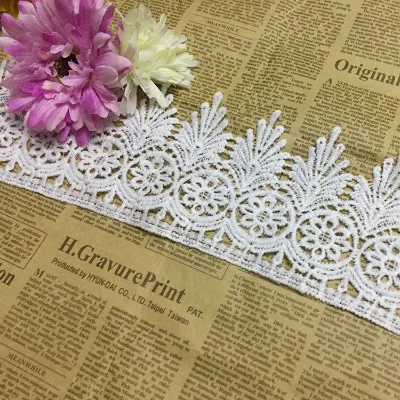
Garment Trims Wholesale Water Soluble Lace Chemical Colorful Cheap Trim Lace for Clothes
$0.36 - $0.40
MOQ: 15 yards

Ningbo New & Century Fashion Co., Ltd.
- Manufacturer/Factory
- China Zhejiang
- Lead time23 days
- Avg. response≤ 10h
Main productsLace, Tape, Ribbon, Nylon Lace Trimming, Chemical Lace Trimming, Cotton Lace Trimming, Strech Lace Trimming, Non-Strech Lace Trimming, Others Nylon Lace Trimming, Crochet Lace Trimming
Main marketsSouth America,Eastern Asia,Western Europe

QINGDAO BRILLIANT PLASTIC CO., LTD.
- Manufacturer/Factory
- China Shandong
- Lead time0 days
- Avg. response≤ 16h
Main productsRope, Webbing, Twine, Tape, Belt, Hardware, Tools, Accessory, Strap, Thread
Main marketsSouth America,Eastern Europe,Mid East,North America,Western Europe,Africa
Dongguan Xuli Textile Co., Ltd
- Verified by SGS
- Manufacturer
- China Guangdong
- Lead time15 days
- Avg. response≤ 1h


Lace-Trimmed Elastic Belt Fish Silk Elastic Band Bridal Wear Accessories Elastic Band
$0.10 - $3.80
MOQ: 1000 Meters


Latex Yarn Elastic Webbing Belt Fish Silk Elastic Band Flexible Waistband Elastic Band
$0.10 - $3.80
MOQ: 1000 Meters


Dongguan City Shanli Weaving Co., Ltd.
- Verified by BV
- Combined
- China Guangdong
- Lead time30 days
- Avg. response≤ 5h
Main productsWebbing, Nylon Webbing, Polyester Webbing, Polypropylene Webbing, Cotton Webbing, Elastic Webbing, Jacquard Webbing, Printed Webbing, Tubular Webbing, Reflective Webbing
Main marketsEurope,North America
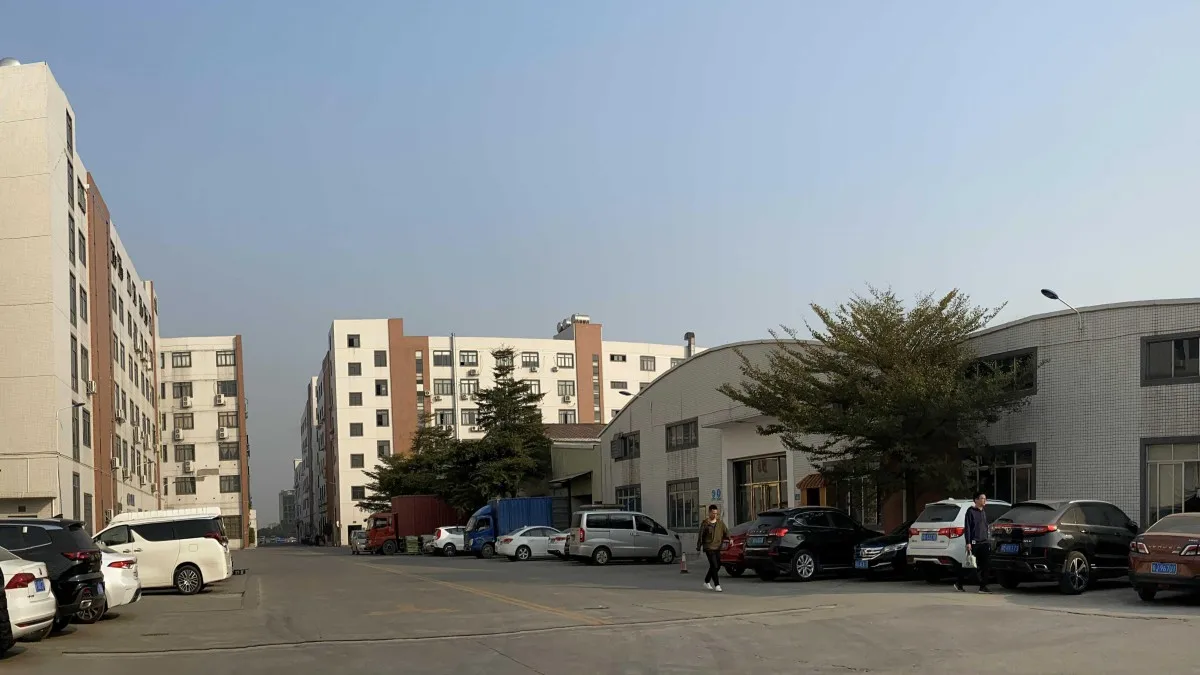
Guangzhou Dongzhicai Embroidery Lace Co., Ltd.
- Manufacturer, Trading Company
- Guangdong, China
- Lead time10 days
- Avg. response≤ 2h
Main productsLace,Lace Trim,Lace Textile,Lace Fabric,Embroidery Lace
Main marketsDomestic Market(60.00%), North America(10.00%), Southeast Asia(7.00%), Western Europe(5.00%), Mid East(3.00%), Oceania(3.00%), Africa(3.00%), South America(2.00%), Eastern Europe(2.00%), Eastern Asia(2.00%), Central America(1.00%), Southern Europe(1.00%), Northern Europe(1.00%)

Ohyeah Trade (Xiamen) Co., Ltd.
- Verified by TUVRHEINLAND
- Trading Company
- China Fujian
- Lead time15 days
- Avg. response≤ 5h
Main productsPlus Size Lingerie, Plus Size Panty, Bra Sets, Sexy Panties, Sexy Babydoll, Bra Sets&Teddys, Corset, Sexy Costume, Bodystocking, Fishnet Stockings
Main marketsEurope,Australia,North America

New Design Floral Lace Garter Belt No Panties Suspender Belt with Metal Buckles
$2.23 - $3.18
MOQ: 1 Pieces


- Verified by CTI
- Trading Company
- China Anhui
- Lead time23 days
- Avg. response≤ 1h
Main productsFurniture, Home Furniture
Main marketsSoutheast Asia/ Mideast

Rizhao Sunnyu Industry Co., Ltd.
- Combined
- China Shandong
- Lead time30 days
- Avg. response≤ 5h
Main productsPE Rope, Braided Rope, PP Rope, Nylon Twine, PP Twine, Hollow Braided Rope, Cargo Net, Cotton Rope, PE Net, Fishing Line
Main marketsSouth America,Africa,Southeast Asia/ Mideast,East Asia(Japan/ South Korea),Europe,Australia,North America
Xiamen Ewonlong Webbing Co., Ltd.
- Verified by SGS
- Combined
- China Fujian
- Lead time15 days
- Avg. response≤ 1h
Main productsWebbing
Main marketsDomestic
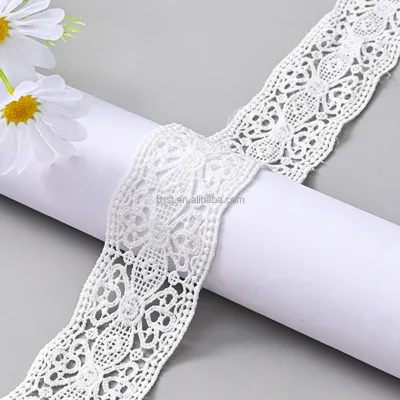
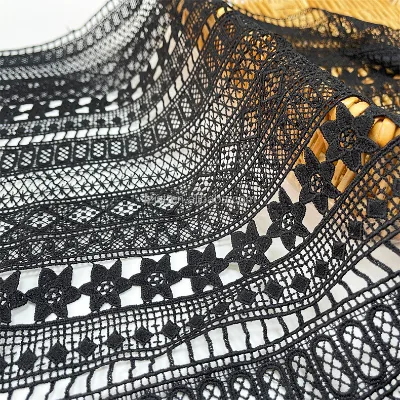
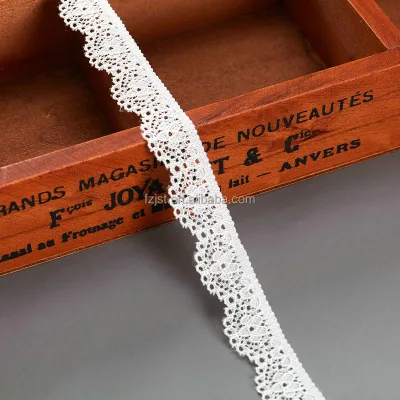


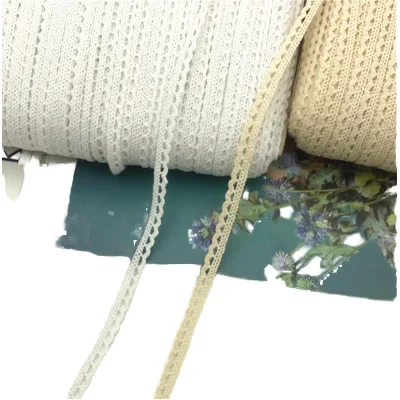
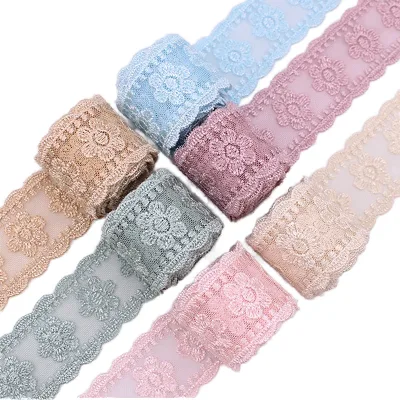
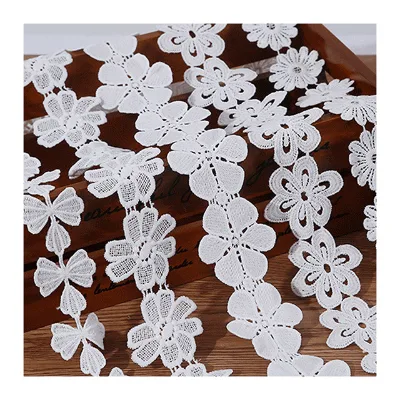


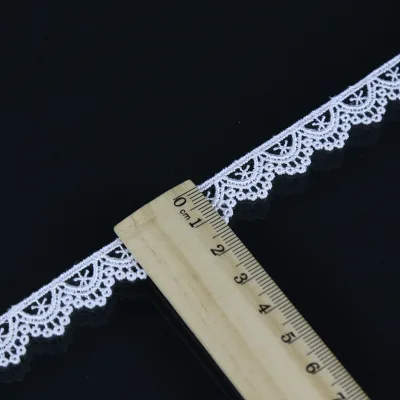


Comprehensive Sourcing Guide
Eco-Friendly Water Soluble Lace Belt Supplier Concentration and Factory Types
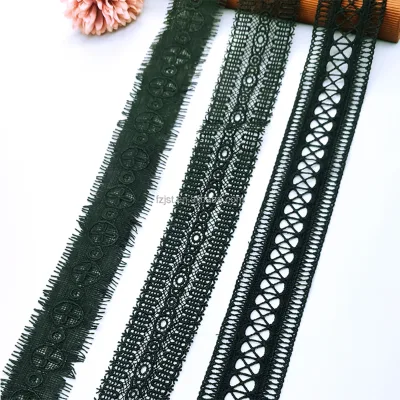
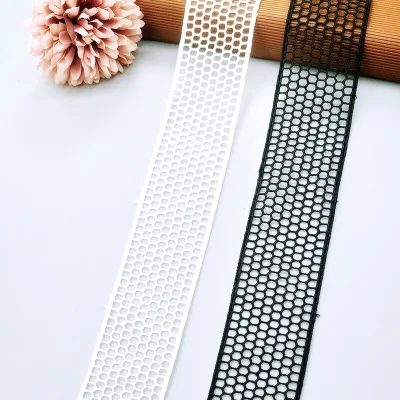
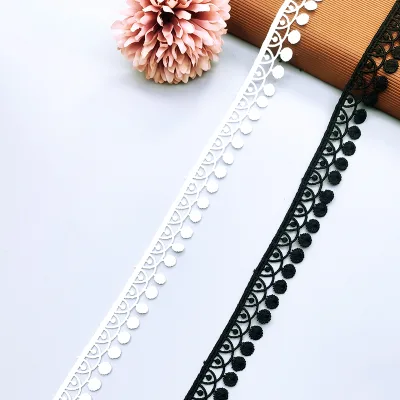
Suppliers producing Eco-Friendly Water Soluble Lace Belt trims in the observed results cluster in Fujian, China, which is listed repeatedly as the place of origin across the lace trim and lace fabric products shown. This concentration matters because Fujian has long been associated with knitted lace production, and the product evidence confirms knitted technique, spandex/nylon and polyester blends, and widths ranging from 2-6cm trims to 58/60" fabrics. When your search returns many suppliers from one province, treat that as a signal of a genuine manufacturing cluster rather than a coincidence, and expect deeper specialization, faster sampling, and more competitive pricing there than in scattered single-supplier regions.
The observed suppliers describe themselves as trading companies, though one product listing marks "Factory or trading company" as "Both," which typically means a trading company with manufacturing ties or a factory selling directly. This distinction affects price transparency, customization control, and accountability. A trading company may aggregate multiple lace mills, useful when you need varied widths, patterns, or materials in one shipment, but it adds a margin layer and can slow communication on technical changes. Because labels vary, ask each supplier directly whether the knitting, dyeing, and water-soluble finishing happen in-house or through subcontractors, and request the factory name and address for the actual production line that would handle your Eco-Friendly Water Soluble Lace Belt order.
How to Verify Eco-Friendly Water Soluble Lace Belt Suppliers
Verification starts with the attributes suppliers display and ends with what they can prove. In the observed results, suppliers show response times around 14 hours and lead times around 30 days, but these are self-reported averages and should be tested, not trusted. Send an inquiry with a specific technical question, such as confirming a 2-6cm width tolerance in a spandex/nylon water soluble trim, and measure how long a substantive answer takes. A fast automated reply is not the same as a competent response. Also check whether product listings are consistent: model numbers, materials, and decoration uses should align across a supplier's catalog rather than looking copied from other sellers.
For eco friendly claims, verification is especially critical because "eco-friendly" appears in product features but is not evidence of certification. Ask which specific standard the claim refers to, request the certificate document with its scope and validity dates, and confirm the certified scope actually covers the lace, not just the yarn supplier. Cross-check the supplier type by video-calling the claimed facility, viewing knitting machines running water soluble lace, and matching the location to the stated Fujian origin. Free sample offers are shown in the results; order samples of the actual belt trim you need, then verify hand feel, pattern clarity after the water-soluble process, and colorfastness yourself. One product evidence entry supports 7-day sample order lead time, so agree on a sampling deadline in writing before committing.
What to Compare Across Eco-Friendly Water Soluble Lace Belt Suppliers
Build a comparison table using dimensions the supplier results actually expose: lead time, MOQ, response time, supplier type, location, and main products. In the observed data, MOQs vary dramatically, from as low as 20 (units or yards, confirm which) on one lace trim to 200 yards on a jacket trim, so normalize everything to your unit of purchase before comparing. Price ranges also differ by product type: trim listings show figures roughly between 0.40 and 1.05 per unit, while full lace fabrics run higher, around 2.11 to 3.49, so compare like-for-like product formats only. A 5.5cm ribbon listing spans 0.40 to 1.20, illustrating how width and construction shift pricing even within one supplier.
Beyond those numbers, compare main products to judge specialization: the observed suppliers focus on lace, lace trim, eyelash lace, and lace materials, which suggests depth in this category rather than generalists carrying lace as a side line. Compare the customization signals: one listing states "Customized: Acceptable" with a grade-A quality claim, and another lists make-to-order supply, so weigh willingness to customize patterns, widths, and materials alongside standard-stock offerings. Compare logistics flexibility too; observed listings mention sea, air, and express shipment options. Finally, compare the soft dimensions: response consistency, willingness to name subcontracted processes, and clarity about whether free samples carry conditions. Not every supplier displays every attribute, and absence of a displayed field is a reason to ask, not an automatic disqualification.
Common Eco-Friendly Water Soluble Lace Belt Sourcing Risks
The most common risk in this category is eco-friendly claims that dissolve under scrutiny. Product attributes in the results list "Feature: Eco-Friendly" as a descriptor, but a feature tag is marketing language, not a certified standard. If your brand requires substantiated environmental claims for consumer-facing labeling, an unverified tag can create regulatory and reputational exposure in your home market. Mitigate by requiring documentation before production, and by writing the standard, scope, and evidence obligations directly into your purchase contract so non-conforming goods are legally rejectable.
Operational risks cluster around assumptions. The results show a 30-day lead time on one supplier and delivery phrased as "within 15-30 days after receiving the deposit," which means your actual timeline depends on when the deposit lands, not when you approve the sample. Payment terms observed include a 30% advance deposit, which shifts risk toward the buyer if quality problems appear later. Width inconsistency is another category-specific risk: listings show trims from 2-6cm and 5.5cm, and fabric at 50/52", so specify measurement tolerance and inspect incoming rolls at several points, since knitted water soluble lace can relax or shrink after finishing. Material substitutions are a final risk; trims are listed in spandex/nylon and polyester/spandex blends, and substituting one for the other changes stretch, hand feel, and durability. Lock the material composition, model number, and weight per meter into the order confirmation before paying any deposit.
Eco-Friendly Water Soluble Lace Belt Regional Sourcing and Logistics
Because the observed suppliers are consistently located in Fujian, China, logistics planning should start from that province's export realities. Sea freight suits bulk trim and fabric orders where the 15-30 day delivery window aligns with container transit to your market, while air and express options, which the listings explicitly mention, are appropriate for sampling runs and urgent top-ups. Note that single gross weights shown in listings are tiny, around 0.030 to 0.040 kg per item, and single package sizes are small boxes, so lace trims are light but voluminous by the carton; confirm actual carton dimensions and weights per 100 or 1,000 yards when calculating freight cost per unit.
Plan around the deposit-triggered production clock. Since delivery is stated as starting after deposit receipt, build your calendar backward from your garment production dates and place the Eco-Friendly Water Soluble Lace Belt order early enough to absorb the full 30-day window plus shipping. If you are outside China, ask whether the supplier exports directly or expects you to arrange a freight forwarder, and who handles export documentation. When sourcing beyond this observed region, apply cluster logic without assuming it: search trade-show exhibitor lists and customs-derived directories for lace-producing areas, then verify with facility visits. Buyers in other regions should weigh the trade-off between longer transit from a proven cluster and shorter transit from an unverified local source, which usually favors the proven cluster for quality-sensitive trims.
Eco-Friendly Water Soluble Lace Belt Commercial Terms and Order Planning
Structure commercial terms to match the observed supplier behavior. Listings show free samples and support for 7-day sample orders on at least one product, so always run a paid-or-free sample approval before bulk; negotiate who pays express freight, since free samples often exclude shipping. Confirm MOQ in writing with explicit units, because the observed results mix a 20-unit-style minimum with a 200-yard minimum, and misreading yardage as pieces can double your intended order or make it unfulfillable. Quoted prices also appear as ranges, for example 0.70-0.72, 1.01-1.05, and 0.40-1.20, so ask what quantity or specification triggers the lower bound and get a final unit price tied to your exact width, material, and volume.
Order planning should account for deposit terms and inventory states. A 30% advance deposit is shown in the results, so reserve the remaining 70% until after inspection, and consider using a payment method with buyer protection for the first order with an unfamiliar supplier; some platforms offer escrow-style arrangements, but availability varies and should be verified per transaction rather than assumed. One fabric listing notes make-to-order supply while a geometric lace listing shows items in stock, meaning stock items can ship within the standard window but custom water soluble patterns may take longer than the headline 30 days. Plan reorders with agreed lead-time guarantees, a defined inspection checkpoint before shipment, and a documented sample retained by both parties as the quality reference for every subsequent Eco-Friendly Water Soluble Lace Belt production run.
FAQs
What is Eco-Friendly Water Soluble Lace Belt material typically made of?
It is commonly knitted from spandex blended with nylon or polyester, producing a soft hand feel with light stretch. Many listings describe the feature as eco-friendly, but buyers should request fiber composition details and any relevant test reports before ordering. Confirm whether the specific belt style uses spandex/nylon or spandex/polyester, since blends affect elasticity, washing behavior, and durability in garment decoration.
What widths are available for water soluble lace belt trims?
Widths commonly range from 2 to 6 cm for belt and trim styles, while some ribbon styles come in a fixed 5.5 cm and wider fabrics run about 58/60 inches. Because width often varies per model, ask the supplier to confirm the exact width of the specific trim you need, and check whether custom widths can be produced for your design.
What is the typical MOQ for water soluble lace belt trims?
MOQs in the current results range from 20 yards for a 5.5 cm dress ribbon, 20 units for a belt decoration trim, up to 200 yards for a jacket trim. The right minimum depends on the specific model and customization level. Always confirm the MOQ in writing before sampling, since customized colors or widths may carry higher minimums than stock designs.
How long does production and delivery take after ordering?
Listed delivery time is within 15 to 30 days after receiving the deposit, with sample orders supported on a 7-day lead time. Shipping can be arranged by sea, air, or express depending on urgency and volume. Confirm the exact schedule in your order, as production time may vary with order size, customization, and the supplier's current production queue.
Do suppliers offer free samples before bulk production?
Samples are listed as free for the referenced water soluble lace products, and 7-day sample order lead time is supported. Free usually refers to the sample itself; couriers, express freight, and any handling charges are often paid by the buyer. Before ordering, verify sample cost, courier fees, and whether the sample cost is credited back against a later bulk order.
What payment terms are common for water soluble lace belt orders?
A 30 percent deposit in advance is listed for at least one lace ribbon product, with the balance due before shipment. This structure is typical for garment trim orders, but terms can differ by supplier and order value. Agree on the deposit percentage, balance timing, and accepted payment methods in writing, and consider trade assurance or escrow-style protection for first orders.
What applications suit water soluble lace belts and trims?
Listed uses include scarves, wedding dresses, party dresses, jackets, belts, and general garment decoration, with one fabric product also covering lingerie, costumes, and home textiles. The material is knitted, soft, and lightweight, which suits delicate apparel. For belts specifically, check stretch recovery and edge durability, since spandex blends perform differently from 100 percent polyester options under repeated wear.
Where are these water soluble lace products sourced from?
The listed products originate from Fujian, China, a region associated with lace and trim manufacturing. One supplier in the results operates as a trading company, while the products themselves are marked as both factory and trading company supply. Buyers should verify whether their chosen partner is a manufacturer or intermediary, as this affects pricing, customization, and direct quality control during production.