Eco-Friendly White Ceramic Soup Spoon Suppliers and Manufacturers
Source 29 verified suppliers for Eco-Friendly White Ceramic Soup Spoon. Compare certifications like CE/EU, FDA, and LFGB, along with lead times and MOQs. Verify response times and request samples to ensure quality; review the available evidence before requesting comparable quotations from suitable candidates.
Suppliers List

- Verified by TUVRHEINLAND
- Trading Company
- China Hunan
- Lead time45 days
- Avg. response≤ 1h
Main productsCeramic Mug, Vacuum Flask, Dinner Set, Cup, Mug, Thermal Bottle, Ceramic Dinner Set, Glass Jar, Glass Cup, Wine Cup
Main marketsSoutheast Asia/ Mideast

- Verified by BV
- Trading Company
- China Shandong
- Lead time30 days
- Avg. response≤ 2h
Main productsCeramic Mugs, Ceramic Dinnerware, Ceramic Tea Set, Ceramic Kitchen Ware, Custom Drum Shape Ceramic Coffee Mug, 24oz Large Capacity 3D Embossed Mug, Porcelain Cappuccino Cup and Saucer, 14oz Custom Souvenirs Ceramic Mug, 12 Sets Vintage Reactive Glazed Tableware, Custom Royal White Ceramic Milk Jar
Main marketsNorth America


Christmas Large Porcelain Spoon Custom Printing Ceramic Soup Spoon for Festival
$1.00 - $3.00
MOQ: 5000 Pieces

Hot Selling Ceramic Dinner Spoon White Large Porcelain Table Spoon for Restaurant
$0.70 - $3.00
MOQ: 5000 Pieces

Premium Large Soup Spoon Custom Minimalist Souvenir Ladlelong Handled Ceramic Spoon for Gift
$1.00 - $3.00
MOQ: 3000 Pieces
Guangdong Huaxing Ceramics Co., Ltd.
- Manufacturer, Trading Company
- Guangdong, China
- Lead time45 days
- Avg. response≤ 7h
Main productsPorcelain Dinnerware, Colour Glazed Dinnerware, Bone China Dinnerware
Main marketsDomestic Market(40.00%), Western Europe(15.00%), Mid East(15.00%), North America(6.00%), Eastern Europe(6.00%), Eastern Asia(3.00%), Southern Europe(3.00%), Northern Europe(3.00%), Southeast Asia(3.00%), South Asia(2.00%), Oceania(2.00%), Central America(1.00%), Africa(1.00%)
Shenzhen Yongbaichuan Technology Co., Ltd.
- Manufacturer
- Guangdong, China
- Lead time7 days
- Avg. response≤ 1h
Main productsDishes&Bowls,Ceramic Cup,Coffee&Tea Tools,Stainless Steel Cutlery,Kitchenware
Main marketsNorth America(25.00%), Northern Europe(20.00%), Mid East(15.00%), Eastern Europe(15.00%), South America(10.00%), Africa(10.00%), Southern Europe(5.00%)

Lihao Houseware (Guangzhou) Co., Ltd
- Verified by SGS
- Manufacturer/Factory,Other
- China Guangdong
- Lead time23 days
- Avg. response≤ 3h
Main productsHotel Restaurant Supplies, Buffet Ware, Catering Equipment, Banquet Furniture, Chafing Dish, Restaurant Furniture, Hotelware, Wedding Furniture, Dining Furniture, Hotel Furniture
Main marketsSouth America,Eastern Europe,Mid East,North America,Southeast Asia,Eastern Asia,Oceania,Western Europe,Africa


304 Stainless Steel Creative Rice Spoon & Thickened Round Soup Spoon Tableware
$0.99 - $1.99
MOQ: 100 Pieces

Wenzhou Cathylin International Trade Co., Ltd.
- Verified by TUVRHEINLAND
- Trading Company
- China Zhejiang
- Lead time15 days
- Avg. response≤ 13h
Main productsFlatware, Cutlery, Kitchen Tools, Tableware, Cookware, Bakeware, Drinkware
Main marketsNorth America


Small White Porcelain Ceramic Ramen Soup Spoon with Blue Painting Design Handle
$0.20 - $0.23
MOQ: 500 Pieces


- Manufacturer, Trading Company
- Fujian, China
- Lead time0 days
- Avg. response≤ 8h
Main productsTABLEWARE,CERAMIC PLATE,CUP,KITCHEN,CUSTOMIZE
Main marketsNorth America(40.00%)

Ningbo Greenhome International Trade Co., Ltd.
- Verified by SGS
- Trading Company
- China Zhejiang
- Lead time30 days
- Avg. response≤ 5h
Main productsDisposable Plastic Tableware, Disposable Woodentableware, Disposable Bamboo Tableware, Disposable Paper Tableware, Disposable Biobased Tableware, Disposable Biodearadable Tableware
Main marketsAfrica,Southeast Asia/ Mideast,Europe,North America
Foshan Ron Hospitality Supplies Co., Ltd.
- Manufacturer/Factory,Group Corporation
- China Guangdong
- Lead time23 days
- Avg. response≤ 3h
Main productsRestaurant Furniture, Customized Restaurant Product, Restaurant Table, Restaurant Chair, Restaurant Booth, Cafe Furniture, Bar Furniture, Coffee Shop Furniture, Dinnerware, Glassware
Main marketsSouth America,Eastern Europe,Mid East,North America,Southeast Asia,Eastern Asia,Oceania,Western Europe,Africa

Creative Simple Ceramic Soup Spoon Restaurant Hotel Home Drink Soup Spoon
$0.91 - $1.13
MOQ: 100 Pieces

Special Price Wholesale Hotel Restaurant Dedicated Simple Two Color Soup Spoon
$0.91 - $1.13
MOQ: 300 Pieces

Xiamen Yoyo Ceramic Trading Co., Ltd.
- Verified by BV
- Combined
- China Fujian
- Lead time23 days
- Avg. response≤ 9h
Main productsCeramic Mugs, Ceramic Plates, Teawares, Ceramic Canisters, Ceramic Vases, Ceramic Flower Planters, Ceramic Coin Bank, Flowerpot, Canisters, Resin Crafts
Main marketsSouth America,Africa,Southeast Asia/ Mideast,East Asia(Japan/ South Korea),Europe,Australia,North America
Foshan Ron Hospitality Supplies Co., Ltd.
- Verified by BV
- Manufacturer/Factory,Group Corporation
- China Guangdong
- Lead time45 days
- Avg. response≤ 3h
Main productsRestaurant Furniture, Restaurant Booth, Restaurant Chair, Restaurant Table, Bar Stools, Wedding Chairs, Flatware Sets, Dinnerware Sets, Garden Chairs, Disposable Dinnerware & Tableware
Main marketsSouth America,Eastern Europe,Mid East,North America,Southeast Asia,Eastern Asia,Oceania,Western Europe,Africa

Wholesale Pure White Custom Ceramic Soup Spoon for Hotel Restaurant Commercial Use
$1.05 - $1.08
MOQ: 100 pieces


Ningbo General Union Co., Ltd.
- Verified by BV
- Trading Company
- China Zhejiang
- Lead time30 days
- Avg. response≤ 10h
Main productsCleaning Brush, Bottle, Kitchenware, Storage Box, Outdoor, Pet, Fitness Equipment, Digital Devices, Camping, Pet Bottle
Main marketsSouth America,Africa,Southeast Asia/ Mideast,East Asia(Japan/ South Korea),Europe,Australia,North America

Jinhua Hengyang Cross-Border Trade Limited Liability Company
- Verified by SGS
- Trading Company
- China Zhejiang
- Lead time15 days
- Avg. response≤ 7h
Main productsCoffee Maker Air Fryer Storage Box Knife Set, Silicone Baking Mold Robot Vacuum Cleaning Table, Shower Head Non-Slip Shower Curtain Vacuum Stora, Collapsible Laundry Basket Bohemian Wall Tapestr, Fringe Pillow Cover Bedding Set Memory Foam Pill, Bamboo Tissue Biodegradable Trash Bags LED Fair, Smart Plug Fairy Lights Pet Food Bowl, Household Daily Necessities Kitchen Cleaning, Bathroom Storage and Care Fabric Home Decor, Bedding Daily Chemical Paper Products
Main marketsEurope


Solid Color Ceramic Large Spoon Long Handle Soup Spoon Large Ramen Spoon
$0.26 - $0.33
MOQ: 1000 Pieces


Large Soup Spoon Minimalist Ceramics Ladlelong Handled Soup Spoon Congeehotel Tableware
$1.88 - $2.35
MOQ: 128 Pieces

Foshan Cheng Fan Technology Co., Ltd.
- Manufacturer, Trading Company, Distributor/Wholesaler
- Guangdong, China
- Lead time9 days
- Avg. response≤ 3h
Main productsTableware,Housewear & Furnishings,Kitchenware,Gifts,Stationery
Main marketsNorth America(30.00%), Central America(5.00%), South Asia(5.00%), Mid East(3.00%), Southeast Asia(2.00%)
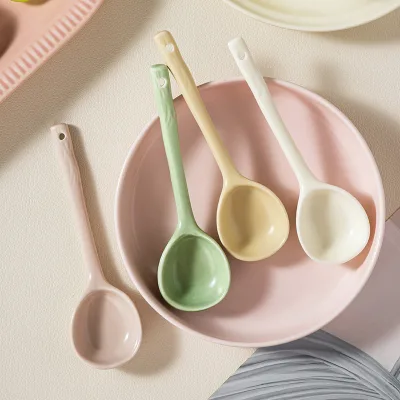
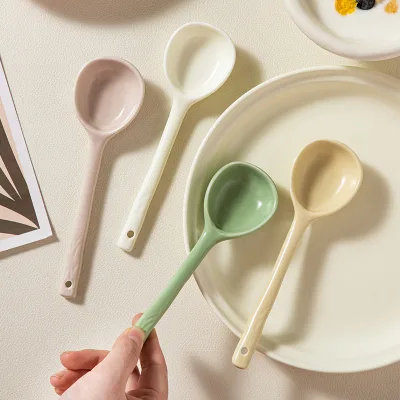
Long Handle Ceramic Soup Spoons for Restaurant Hotel and Party Tableware Japanese Style Spoon
$0.37 - $0.47
MOQ: 50 pieces
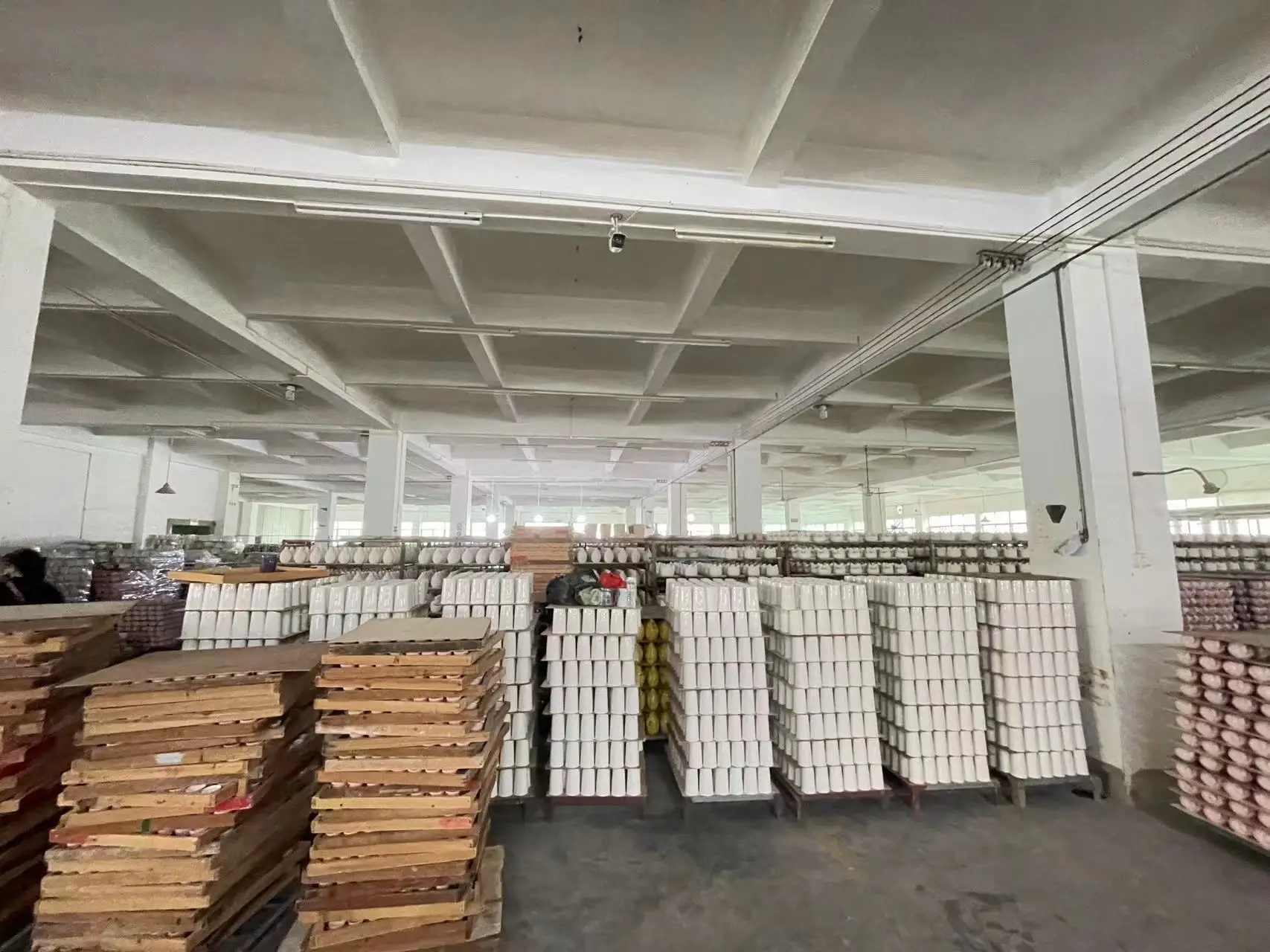
Shenzhen Hongweida Gifts Co., Ltd.
- Manufacturer
- Guangdong, China
- Lead time50 days
- Avg. response≤ 5h
Main productsCeramic Mug Cup,Ceramic plate,Ceramic plaque,Ceramic jars,ceramic money bank
Main marketsNorth America(25.00%), Southern Europe(10.00%), Northern Europe(10.00%), Western Europe(10.00%), Eastern Europe(10.00%), South America(10.00%), Oceania(5.00%), Africa(5.00%), Central America(5.00%), Southeast Asia(5.00%), Mid East(5.00%)

Linyi Longying International Trade Co., Ltd.
- Verified by TUVRHEINLAND
- Trading Company
- China Shandong
- Lead time15 days
- Avg. response≤ 4h
Main productsTableware, Dinnerware, Porcelainware, Dinner Set, Hotel Porcelain, Ceramic Dinner Set, Ceramic Plate and Bowl, Tableware Plate and Bowl, Stoneware, Glassware
Main marketsOthers(foreignTradeCapacity.exportBusinessCapacityMarketOther),Europe

Jinjiang Jiaxing Import and Export Co., Ltd.
- Verified by CTI
- Manufacturer/Factory
- China Fujian
- Lead time120 days
- Avg. response≤ 1h
Main productsShoes, Slipper, Clothes, Promotion Gifts, Silicone Products, Outdoor Sports Products, Bags, Fashion Accessories, Consumer Electronics
Main marketsSouth America,Eastern Europe,Mid East,North America,Southeast Asia,Eastern Asia,Oceania,Western Europe,Africa
Guangzhou Chenxuan Technology Co., Ltd.
- Trading Company, Distributor/Wholesaler, Other
- Guangdong, China
- Lead time10 days
- Avg. response≤ 2h
Main productssteel kitchenware,round dinner plate,retro cutlery set,gold dinner plate,korean gold dinner plate
Main marketsWestern Europe(30.00%), North America(30.00%), Mid East(15.00%), Oceania(15.00%), South America(10.00%)
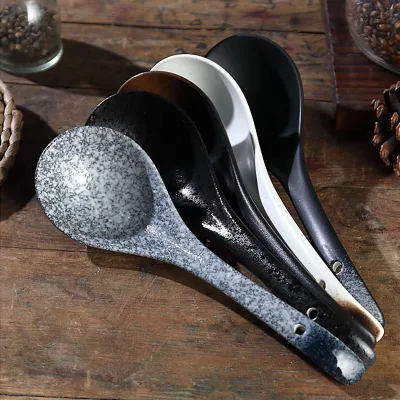
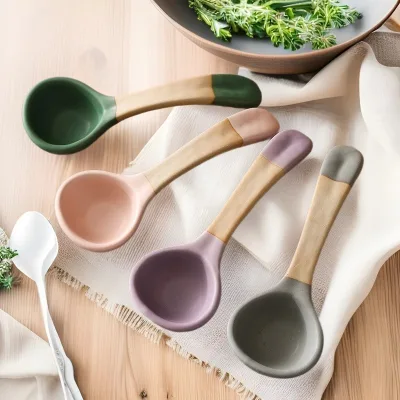
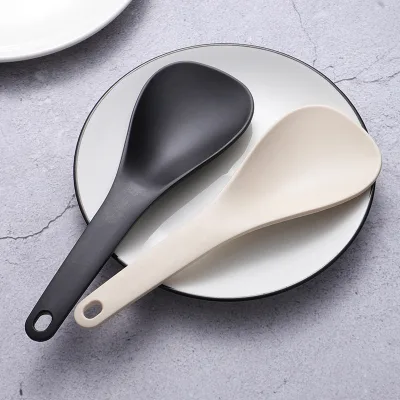
$0.99 - $3.00
MOQ: 50 Minimum
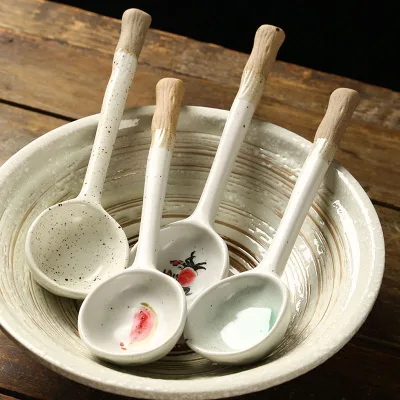
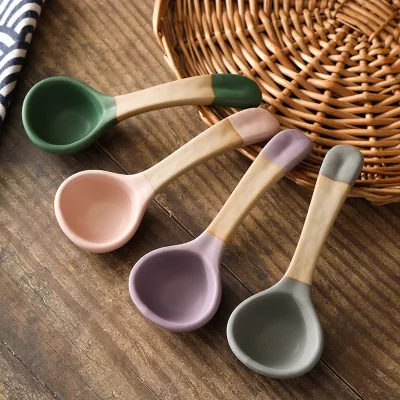
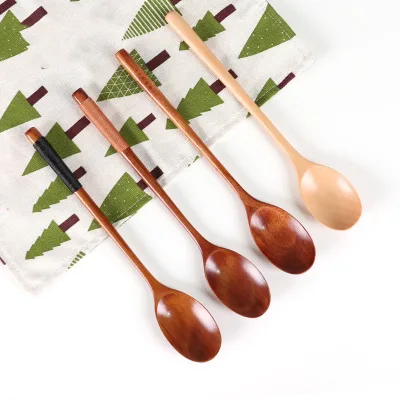

Jiangsu Shaoneng Bowin Environmental Technology Co., Ltd
- Manufacturer
- Jiangsu, China
- Lead time15 days
- Avg. response≤ 2h
Main productsIce Cream Cups,Bagasse Cups & Lids,Coffee Pods & K-Cups,Pulp Box Packaging,OEM/ODM Package
Main marketsNorth America(30.00%), Oceania(15.00%), Western Europe(10.00%), Eastern Asia(10.00%), South America(5.00%), Southeast Asia(5.00%), Southern Europe(5.00%), Mid East(5.00%), Northern Europe(5.00%), Africa(5.00%), Eastern Europe(3.00%), Central America(2.00%)
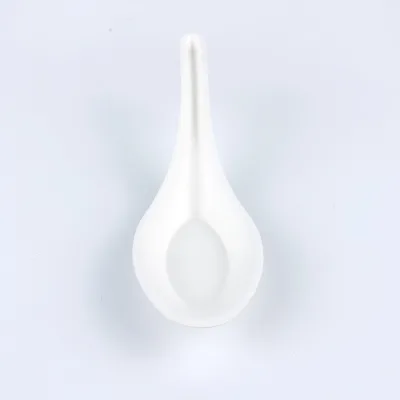
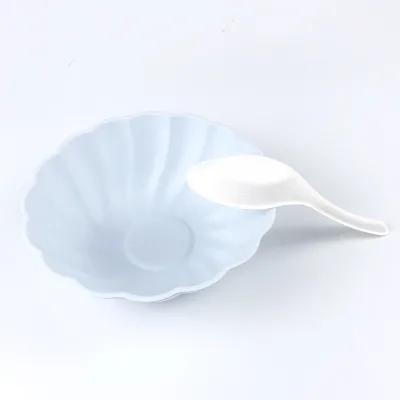
Eco Spoon and Fork Soup Spoon Biodegradable Disposable Dining Asian Soup Spoons
$0.02 - $0.03
MOQ: 10000

Xiamen Ebei Import & Export Co., Ltd.
- Verified by CTI
- Trading Company,Manufacturer/Factory
- China Fujian
- Lead time45 days
- Avg. response≤ 2h
Main productsEco-Friendly Products, Bamboo Tableware, Bamboo Furniture, Bamboo Kitchenware, Bamboo Office Supply, Bamboo Fibre Products, Biodegradable Products, Bamboo Towel, Solar Energy Products, Bamboo Garden Products
Main marketsSouth America,Eastern Europe,Mid East,North America,Southeast Asia,Eastern Asia,Oceania,Western Europe,Africa


7inch Biodegradable Tea Spoon/ Disposable Spoon
MOQ: 100000 Pieces
Harmony Houseware(Yantai) Co., Ltd.
- Verified by SGS Group
- Manufacturer, Trading Company
- Lead time20 days
- Avg. response≤ 3h
Main productsCoffee & Tea Sets
Main marketsNorth America(45%), Oceania(10%), Eastern Europe(10%)

Dongguan ShunTa Melamine Products Co., Ltd.
- Verified by CTI
- Combined
- China Guangdong
- Lead time15 days
- Avg. response≤ 10h
Main productsMelamine, Table Ware, Tableware, Household, Kitchen Ware, Pets Accessories, Chopsticks, Ashtray, Cushions, Bowls
Main marketsSoutheast Asia/ Mideast,East Asia(Japan/ South Korea),Domestic,Europe,Australia,North America


$0.46 - $0.69
MOQ: 1000 Pieces

Anhui Nature Imp. & Exp. Co., Ltd.
- Verified by SGS
- Trading Company
- China Anhui
- Lead time15 days
- Avg. response≤ 2h
Main productsBamboo Products, Wooden Products, Multiple Knife Fork & Spoon, Bamboo Scissors Stick, Bamboo Sushi Curtain, Disposable Creative Bead Bamboo Stick, Bamboo Straw, Bamboo Stick, Wooden Cutlery, Wooden Knife Spoon Fork
Main marketsSoutheast Asia/ Mideast,Europe,North America


Reusable Wood Spoon Disposable Birch Wooden Spoon for Snack Food Picks Eco Friendly
$0.01 - $0.02
MOQ: 50000 Pieces


High Quality Eco-Friendly 183mm Wooden Spoon Great for Party and Picnic
$0.01 - $0.02
MOQ: 50000 Pieces

Shuifu Huiyang Agricultural Technology Co., Ltd.
- Verified by SGS
- Trading Company
- China Yunnan
- Lead time23 days
- Avg. response≤ 3h
Main productsBamboo Products, Bamboo Crafts, Bamboo Chopsticks, Bamboo Skewers, Bamboo Weaving, Bamboo Tray, Bamboo Box, Bamboo Placemat, Bamboo Fruit Bowl, Lamp Shades
Main marketsDomestic

JIEYANG CITY JIESHI HARDWARE PLASTIC CO., LTD.
- Verified by TUVRHEINLAND
- Trading Company,Manufacturer/Factory
- China Guangdong
- Lead time30 days
- Avg. response≤ 5h
Main productsCutlery, Kitchenware, Flatware, Bar Accessories, Children Tableware, Kitchen Utensils, Bakeware, Dinnerware, Dinner Sets, Kitchen Tools
Main marketsSouth America,Eastern Europe,Mid East,North America,Southeast Asia,Eastern Asia,Oceania,Western Europe,Africa

Xuzhou Tuosen Bamboo Wood Products Co., Ltd.
- Verified by CTI
- Combined
- China Jiangsu
- Lead time23 days
- Avg. response≤ 1h
Main productsIce Cream Stick
Main marketsSoutheast Asia/ Mideast

Shaowu Han Well Import and Export Trade Co., Ltd.
- Trading Company
- China Fujian
- Lead time23 days
- Avg. response≤ 7h
Main productsChopping Boards, Serving Boards, Bamboo Skewer, Bamboo Stick, Tray, Cutting Board, Box, Utensil Tool, Bamboo Chopsticks, Coffee Stirrers
Main marketsEast Asia(Japan/ South Korea),Europe,Australia,North America


Hot Selling Non-Disposable Natural Eco-Friendly Wooden Spoon for Restaurant
$1.00 - $1.20
MOQ: 1000 Pieces


Anhui Taicheng Paper & Plastic Technology Co., Ltd.
- Verified by SGS
- Trading Company
- China Anhui
- Lead time30 days
- Avg. response≤ 5h
Main productsDisposable Paper Cups, Compostable Lids, Disposable Cutlery, Biodegradable Tableware, Disposable Food Box, Disposable Plate, Disposable Tableware, Kraft Paper Food Container, Sugarcane Tableware, Cornstarch Tableware
Main marketsSouth America,Africa,Southeast Asia/ Mideast,Europe,North America
Wuhan Huiyou Wood Products Co., Ltd.
- Verified by TüVRheinland
- Manufacturer, Trading Company
- Lead time15 days
- Avg. response≤ 12h
Main productsBamboo Wooden Ice Cream Sticks, Bamboo Wooden Skewers Sticks, Bamboo Wooden Cutlery Plates, Bamboo Wooden Tableware Food Package, Drinking Straws
Main marketsEastern Europe(25%), Northern Europe(25%), North America(10%)


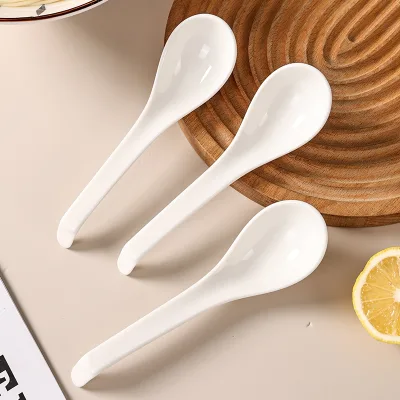


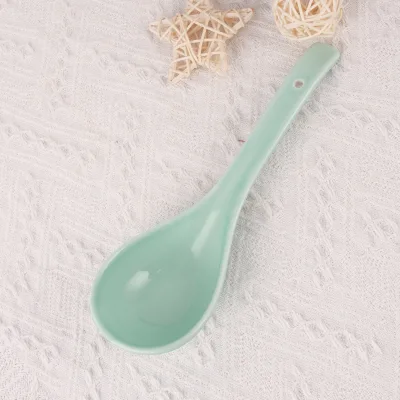
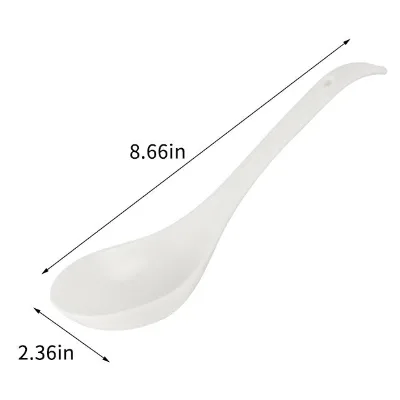


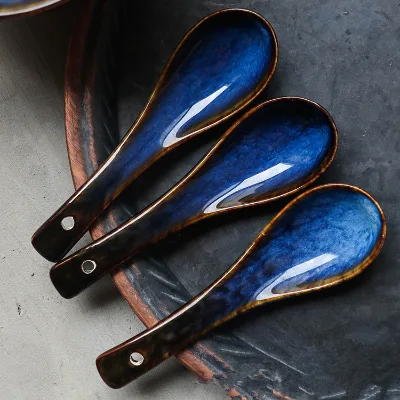


Comprehensive Sourcing Guide
Eco-Friendly White Ceramic Soup Spoon Supplier Concentration and Factory Types
The current supplier landscape for eco-friendly white ceramic soup spoons reveals a distinct concentration of manufacturing activity within specific Chinese provinces. Data indicates a significant cluster of suppliers operating in Hunan, with specific mentions of Liling as a production hub known for porcelain and ceramic tableware. Another notable region identified is Shandong, which hosts suppliers specializing in ceramic mugs and dinnerware. A third location, Guangdong, appears with suppliers offering a mix of porcelain and bone china dinnerware. These geographic clusters suggest established supply chains where raw materials, kiln infrastructure, and skilled labor are readily available, potentially reducing production friction for buyers seeking these specific items.
Beyond geography, the supplier types vary between pure manufacturers and trading companies, a distinction that impacts direct factory access. Some entities are identified as trading companies, which may aggregate products from multiple factories, while others operate as manufacturers or combine both roles. This structural difference influences the buyer's ability to negotiate directly on production costs and customization details. When evaluating a supplier, it is crucial to determine if the entity is the actual producer or an intermediary. Trading companies might offer broader product ranges, such as vacuum flasks or glass jars, whereas manufacturers often focus deeply on specific ceramic lines. Understanding this dynamic helps buyers align their sourcing strategy with their need for either specialized production control or diversified inventory options.
How to Verify Eco-Friendly White Ceramic Soup Spoon Suppliers
Verification of supplier credibility relies heavily on third-party audit reports and specific certification data provided in the product listings. Several suppliers in the current results display verification badges from recognized bodies such as TÜV Rheinland and Bureau Veritas (BV). These credentials serve as a primary indicator that the facility has undergone external assessment for quality management and operational standards. Buyers should prioritize suppliers with these visible verification marks, as they provide a baseline assurance of the company's legitimacy and adherence to international business practices. The presence of these badges reduces the risk of engaging with unverified entities that may lack the necessary infrastructure for consistent production.
In addition to company verification, product-specific certifications are critical for ensuring the safety and compliance of ceramic tableware. The observed product attributes frequently list certifications including CE/EU, FDA, CIQ, LFGB, and EEC. These standards confirm that the ceramic materials and glazes used in the spoons meet strict safety requirements for food contact, particularly regarding heavy metals and chemical leaching. Buyers must cross-reference these listed certifications with the specific product model numbers to ensure the claims apply to the exact items being ordered. If a supplier lists these certifications but the specific product lacks them in the detailed attributes, the buyer should request updated test reports before proceeding. This diligence ensures that the "eco-friendly" and "white ceramic" claims are backed by tangible, verifiable safety data rather than marketing assertions.
What to Compare Across Eco-Friendly White Ceramic Soup Spoon Suppliers
When comparing potential partners, lead time and minimum order quantity (MOQ) are the most immediate operational differentiators. The data shows a range of lead times, with some suppliers indicating a 30-day production window while others suggest 45 days. Similarly, MOQs vary significantly, with some listings requiring 1,000 pieces, others 2,000, and specialized custom orders demanding 3,000 or even 5,000 units. Buyers must align these thresholds with their inventory planning and cash flow constraints. A supplier with a lower MOQ might be preferable for testing new designs, whereas a supplier with a longer lead time might offer better pricing for large, stable orders. Comparing these two metrics side-by-side helps identify which suppliers can meet the specific volume and timing requirements of the buyer's current project.
Response time and product customization capabilities form the second layer of comparison essential for effective communication and product development. Response times in the observed results range from approximately 0.84 hours to 7 hours, indicating a wide variance in supplier availability and communication efficiency. Faster response times often correlate with better project management and quicker resolution of technical queries regarding dimensions or glazing. Furthermore, customization options vary from standard unicolor designs to fully customized shapes, logos, and patterns. Some suppliers explicitly state that custom logos and shapes are available, while others focus on stocked, non-customized items. Buyers should evaluate whether the supplier's customization flexibility matches their branding needs and whether their response speed ensures timely feedback loops during the design phase.
Common Eco-Friendly White Ceramic Soup Spoon Sourcing Risks
One significant risk in sourcing ceramic tableware involves the discrepancy between advertised customization and actual production capabilities. While many product listings claim that customization is available, including options for custom logos and shapes, the specific attributes sometimes list the item as "Non-Customized" or "Stocked." This contradiction can lead to confusion regarding whether a supplier can actually produce a bespoke design or if they only offer standard inventory. Buyers must verify the specific customization parameters for each product model, as a supplier might offer logo printing on a standard spoon but not a custom shape. Relying solely on the general "Customization: Available" tag without checking the detailed product attributes can result in order delays or the delivery of non-compliant goods.
Another critical risk pertains to the consistency of material quality and certification validity across different production batches. Although certifications like FDA and LFGB are frequently listed, the actual material composition and glaze safety can vary between factories, even within the same region. The "Eco-Friendly" label is often used broadly, but without specific test results for the exact batch being shipped, there is a risk that the ceramic may not meet the buyer's specific environmental or safety standards. Additionally, the variation in packing methods, such as color boxes versus cartons, can affect the protection of fragile ceramic items during transit. Buyers should insist on pre-shipment inspections and request batch-specific test reports to ensure that the physical product matches the certified specifications and that the packaging is sufficient to prevent breakage.
Eco-Friendly White Ceramic Soup Spoon Regional Sourcing and Logistics
Geographic location plays a pivotal role in determining shipping costs and transit times for ceramic tableware. The identified supplier clusters in Hunan, Shandong, and Guangdong offer distinct logistical advantages depending on the buyer's destination. Suppliers in Hunan, particularly those in Liling, are situated in a major porcelain hub, which may offer competitive freight rates due to high volume shipping from the region. Shandong suppliers provide access to northern Chinese ports, potentially reducing costs for buyers in East Asia or North America. Meanwhile, Guangdong suppliers benefit from proximity to major international shipping hubs like Shenzhen and Guangzhou, often resulting in faster export processing times. Understanding these regional nuances allows buyers to select a supplier that minimizes the overall landed cost of the goods.
Logistics planning must also account for the fragility of ceramic products and the specific packing standards employed by different suppliers. The observed product attributes mention various packing methods, including color boxes and cartons, with some suppliers offering customized packing solutions. However, the standard packing may not always be sufficient for long-distance international shipping without additional reinforcement. Buyers should verify the packing specifications for their specific order, ensuring that the carton strength and internal cushioning are adequate to prevent breakage. Furthermore, the lead time data suggests that production schedules can impact the overall delivery timeline. Coordinating the production completion date with the shipping schedule is essential to avoid demurrage charges or missed delivery windows, especially when dealing with suppliers in different provinces with varying port access.
Eco-Friendly White Ceramic Soup Spoon Commercial Terms and Order Planning
Pricing structures for eco-friendly white ceramic soup spoons exhibit significant variation based on order volume and customization levels. The observed price ranges span from as low as $0.035 per unit to as high as $3.00 per unit, reflecting differences in size, complexity, and branding requirements. Smaller, standard spoons often fall at the lower end of the price spectrum, while larger, custom-designed spoons with decal printing or specific dimensions command higher prices. Buyers must carefully analyze the price per unit against the MOQ to determine the total cost of goods. A lower unit price might be attractive, but if it requires a prohibitively high MOQ, the total capital outlay could be inefficient for the buyer's current market needs.
Order planning should also integrate the specific commercial terms regarding payment and delivery to mitigate financial risk. While specific payment terms are not detailed in the product attributes, the presence of escrow services or verified supplier status often implies a structured payment process that protects the buyer. Buyers should confirm the payment schedule, such as deposit percentages and balance due dates, before finalizing the order. Additionally, the lead time of 30 to 45 days must be factored into the production calendar to ensure stock availability when needed. Planning for potential delays is crucial, as ceramic production can be sensitive to kiln availability and quality control checks. By aligning the order timeline with the supplier's stated lead time and verifying the commercial terms, buyers can secure a reliable supply chain for their ceramic tableware needs.
FAQs
What certifications do the ceramic soup spoons have?
The ceramic soup spoons carry CE, EU, FDA, CIQ, LFGB, and EEC certifications. These standards ensure the products meet international safety requirements for food contact. Buyers should verify specific test reports for their target market before placing large orders to confirm compliance.
What is the typical lead time for these ceramic spoons?
Lead times for these ceramic spoons range from 30 to 45 days depending on the supplier and order volume. Some manufacturers in Shandong offer a 30-day turnaround, while others in Hunan may require 45 days. Confirm the exact schedule with the supplier before finalizing the purchase.
What is the minimum order quantity for white ceramic spoons?
Minimum order quantities vary between 1000 and 5000 pieces for white ceramic soup spoons. Some suppliers require 2000 units for customized designs, while standard stock items may start at 1000. Always check the specific MOQ listed for the product model you intend to purchase.
Are customization options available for these ceramic spoons?
Customization is available for many ceramic soup spoons, including custom logos and shapes. Some suppliers offer decal printing and specific dimensions like 22.5cm length. Verify if the customization adds to the lead time or increases the minimum order quantity before requesting a quote.
Where are the manufacturers of these ceramic spoons located?
Manufacturers are primarily located in Hunan and Shandong provinces in China. Specific production hubs include Liling in Hunan, known for porcelain, and various facilities in Shandong. Buyers should confirm the exact factory location to assess shipping costs and logistics efficiency.
What is the price range for eco-friendly ceramic soup spoons?
Prices for eco-friendly ceramic soup spoons range from $0.035 to $3.00 per unit. Lower prices apply to standard models with higher minimums, while premium customized options cost more. The final price depends on the material, size, and specific customization requirements selected by the buyer.
How quickly do suppliers typically respond to inquiries?
Supplier response times vary, with some responding within 0.84 hours and others taking up to 7 hours. Faster response times often indicate higher availability or dedicated sales teams. Buyers should prioritize suppliers with quick response rates to ensure efficient communication during the sourcing process.