Fireproof Glass Wool Roll Suppliers and Manufacturers
Source 22 verified suppliers for Fireproof Glass Wool Roll. Compare ISO certifications, Guangdong and Hebei locations, and response times. Request quotes to evaluate lead times and MOQs for your specific insulation needs; review the available evidence before requesting comparable quotations from suitable candidates.
Suppliers List

Guangdong Zhongjia Energy Saving Technology Co., Ltd
- Verified by SGS
- Combined
- China Guangdong
- Lead time15 days
- Avg. response≤ 1h
Main productsRubber and Plastic Insulation Board, Glass Wool, Rock Wool Board, XPS Backer Board, Fireproof Board
Main marketsDomestic

HEBEI SINOSKY NEW MATERIALS CO., LTD.
- Verified by BV
- Manufacturer/Factory
- China Hebei
- Lead time15 days
- Avg. response≤ 3h
Main productsAcoustic Ceiling, Suspension Ceiling T Grid, Fiberglass Acoustic Ceiling, Gypsum Board, Spc Flooring, Polyester Fiber Panel, Aluminum Ceiling, Slat Wood Acoustic Wall Panel, UV Marble Sheet, Insulation Materials
Main marketsSouth America,Eastern Europe,Mid East,North America,Southeast Asia,Eastern Asia,Oceania,Western Europe,Africa


Low Price Glass Wool Insulation Fiberglass Wool Blanket Roll with Aluminum Foil
$0.50 - $1.00
Moq: 200


Hebei Huashuo Xingye Thermal Insulation Building Materials Co., Ltd.
- Verified by SGS
- Combined
- China Hebei
- Lead time15 days
- Avg. response≤ 6h
Main productsGlass Wool, Rock Wool, Rubber Foam, Aluminum Silicate, Phenolic, Polyurethane, Integrated Board, Building Material, Sandwich Panel, Wall Panel
Main marketsDomestic

Luyang Energy-Saving Materials Co., Ltd.
- Combined
- China Shandong
- Lead time15 days
- Avg. response≤ 10h
Main productsFiber, Ceramic, Soluble, Rock Wool, Mineral Wool, Blanket, Thermal, Insulation
Main marketsEast Asia(Japan/ South Korea),Europe,North America

- Verified by BV
- Manufacturer/Factory
- China Tianjin
- Lead time23 days
- Avg. response≤ 7h
Main productsGlass Wool, Fiberglass Insulation, Rock Wool, Ceramic Wool, Rubber Foam, Insulation Jacketing, Aluminum Elbow Jacket, Aluminium Jacketing Insulation, Insulation Pins, Stainless Steel Strapping
Main marketsEastern Europe,Mid East,North America,Western Europe,Africa

Glass Wool Roll Specification Glass Wool Roll Manufacturers
Contact supplier

Glass Wool Roll HS Code Glass Wool Roll Price
Contact supplier

Glass Wool 50mm Roll Glass Wool Density
Contact supplier

Glass Wool Roll Size Glass Wool Rolls HS Code
Contact supplier


Langfang Huichen Energy Conservation Technology Co., Ltd.
- Verified by CTI
- Combined
- China Hebei
- Lead time15 days
- Avg. response≤ 3h
Main productsGlass Wool Products, NBR Rubber Insulation Products, Rock Wool Products, Flexible Elastomeric Foam Products, Ceramic Fiber Needled Mat, Cellular Glass Board Products, Aerogel Blanket Products, Fsk Foil Facing Products, Silicone Fire Proof Cloth
Main marketsDomestic


Fireproof Thermal Insulation Aluminium Foil Glass Wool Roll for Roof Insulation
$0.30 - $0.60
Moq: 500


Tianjin Huayue International Trade Co., Ltd.
- Verified by SGS
- Manufacturer/Factory
- China Tianjin
- Lead time15 days
- Avg. response≤ 7h
Main productsFoam Glass, Rock Wool, Glass Wool, Rubber Foam, Pumice Stone, Ion Exchange Resin
Main marketsSouth America,Eastern Europe,Mid East,North America,Southeast Asia,Eastern Asia,Oceania,Western Europe,Africa


Brown Colour Thermal and Acoustic Glass Wool Insulation Eco Fiberglass Wool Roll
$0.38 - $0.68
Moq: 500

Anhui Sa Tuo New Material Technology Co., Ltd.
- Manufacturer/Factory
- China Anhui
- Lead time23 days
- Avg. response≤ 24h
Main productsRubber Sheet, Silicone Rubber Sheet, Thermal Insulation Material, Sealing Material, Rock Wool Prodcurts, Glass Wool Products, XPS, Aluminum Silicate Products, Anti Slip Rubber Sheet, Nr Natural Rubber Sheeting
Main marketsSouth America,Eastern Europe,Mid East,North America,Southeast Asia,Eastern Asia,Oceania,Western Europe,Africa

Hebei Hualin International Trade Co., Ltd.
- Verified by TUVRHEINLAND
- Trading Company
- China Hebei
- Lead time23 days
- Avg. response≤ 7h
Main productsStub Pin, Wedge, Aluminium Formwork Accessories, Flat Wall Tie, PVC Tube, PVC Pipe, Plastic Cone, PVC Cone, Formwork Clamp, Turnbuckle
Main marketsSouth America,Others(foreignTradeCapacity.exportBusinessCapacityMarketOther),Southeast Asia/ Mideast,East Asia(Japan/ South Korea)

Shandong Dongtang Energy Saving Technology Co., Ltd
- Verified by SGS
- Trading Company,Manufacturer/Factory
- China Shandong
- Lead time23 days
- Avg. response≤ 22h
Main productsInsulation Material, Building Material, Refractory, Ceramic Fiber, Rock Wool, Glass Wool, Monolithic Fiber Module, Microporous Board, Fiberglass, Calcium Silicate
Main marketsSouth America,Eastern Europe,Mid East,Southeast Asia,Eastern Asia,Oceania,Africa

Hebei Liangpeng New Material Co., Ltd.
- Verified by BV
- Trading Company,Manufacturer/Factory
- China Hebei
- Lead time15 days
- Avg. response≤ 3h
Main productsGlass Wool Blanket, Rock Wool Board, Mineral Wool Board, Rockwool Roll, Rubber Foam, Ceramic Fiber Roll, Ceramic Fiber Board, Glass Wool Pipe, Rock Wool Pipe
Main marketsSouth America,Eastern Europe,Mid East,North America,Southeast Asia,Eastern Asia,Oceania,Western Europe,Africa

Herence New Material Technology Co., Ltd
- Verified by CTI
- Combined
- China Jiangsu
- Lead time15 days
- Avg. response≤ 9h
Main productsFoam Glass, Rubber and Plastic Insulation Materials, Polyurethane Foam, Glass Wool, Polyisocyanurate Foam, Rock Wool, Support and Hanger, Prefabricated Parts Product, Spring Sheet, Ceramic Fiber
Main marketsDomestic
Shenzhou Energy Saving Technology Group Co., Ltd.
- Verified by TüVRheinland
- Manufacturer, Trading Company
- Lead time7 days
- Avg. response≤ 2h
Main productsGlass Wool, Ceramic Wool, Acoustic Panel, Rock Wool, Rubber Foam
Main marketsDomestic Market(38%), Southeast Asia(10%), Eastern Asia(9%)

Willvic (Nanjing) International Trade Co., Ltd.
- Verified by SGS
- Combined
- China Jiangsu
- Lead time15 days
- Avg. response≤ 1h
Main productsGlass Wool, Fiber Glass, Rock Wool, Vacuum Insulation Panel, Production of Silicate Aluminum, Aerogel, Rubber and Plastic Product
Main marketsEurope

Hebei Shengwei New Material Group Co., Ltd
- Verified by SGS
- Combined
- China Hebei
- Lead time15 days
- Avg. response≤ 12h
Main productsRock Wool, Glass Wool, Rubber Foam
Main marketsDomestic

LUOYANG SHENGJIE NEW MATERIALS CO., LTD
- Verified by CTI
- Combined
- China Henan
- Lead time30 days
- Avg. response≤ 2h
Main productsrefractory castable
Main marketsSoutheast Asia/ Mideast,North America


Manufacture High Quality Light Sound-Proof Insulation Glass Wool Blanket Roll Price
$0.50 - $6.00
Moq: 100


Qinhuangdao Tongyu Building Material Co., Ltd.
- Trading Company,Manufacturer/Factory
- China Hebei
- Lead time23 days
- Avg. response≤ 4h
Main productsFiberglass Mesh, Fiberglass Self Adhesive Tape, Fiberglass Cloth, Fiberglass Roving, Fiberglass Yarn, Fiberglass Woven Fabric, Fiberglass Insect Screen
Main marketsSouth America,Eastern Europe,Mid East

Ningbo Yinzhou Qianding International Trading Co., Ltd
- Verified by SGS
- Trading Company
- China Zhejiang
- Lead time15 days
- Avg. response≤ 19h
Main productsRockwool, Glasswool
Main marketsNorth America

Tianjin Iking Gerui Tech Co., Ltd.
- Verified by BV
- Combined
- China Tianjin
- Lead time15 days
- Avg. response≤ 3h
Main productsGlass Wool Insulation, Rock Wool Insulation, Rubber Foam Insulation, Ceramic Fiber Insulation, Foam Glass, Insulation Pins, Aluminum Metal Jacketing System, Arc Welding Machines, Shear Stud Connectors, Bolts and Nuts
Main marketsSouth America,Southeast Asia/ Mideast,North America

CHENGDU PROPANEL TECH CO., LTD
- Verified by SGS
- Trading Company
- China Sichuan
- Lead time15 days
- Avg. response≤ 2h
Main productsEPS Sandwich Panel, PU Sandwich Panel, PIR Sandwich Panel, Rock Wool Sandwich Panel, Cold Storage Sandwich Panel, Clean Room Sandwich Panel, PUR Sandwich Panel, Roof Panel, Wall Panel, Building Materials
Main marketsSoutheast Asia/ Mideast

Changshu Yaoxing Fiberglass Insulation Products Co., Ltd.
- Verified by BV
- Combined
- China Jiangsu
- Lead time15 days
- Avg. response≤ 17h
Main productsFiberglass Fabric, Fire Blanket, Silicon Coated Fiberglass Fabric, EPDM Coated Fiberglass Cloth, Fluorous Coated Glass Fabric, Welding Blanket, Fire Fighting Blanket, Al Coated Fiberglass Fabric, Fire Blanket Roll, Heat Treated Fiberglass Cloth
Main marketsDomestic,Europe

Uetersen New Materials Group Co., Ltd.
- Verified by SGS
- Trading Company
- China Guangdong
- Lead time15 days
- Avg. response≤ 9h
Main productsGlass Wool, Rock Wool, Rock Wool Board, Rock Wool Roll, Rubber Plastic Insulation, Aerogel Blanket, Insulation Material, Acoustic Panel, Insulation Board, Glass Wool Blanket
Main marketsSouth America,Africa,Southeast Asia/ Mideast,Europe,Australia,North America


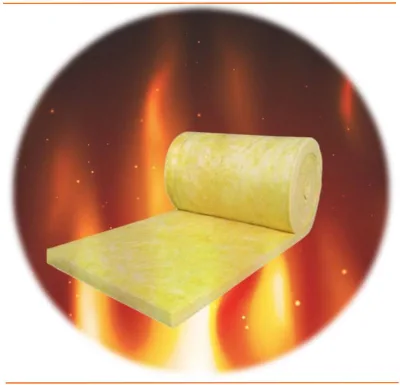
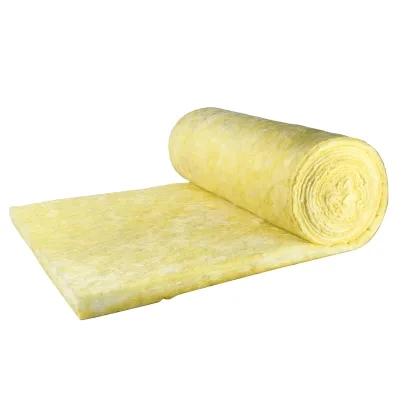


Comprehensive Sourcing Guide
Fireproof Glass Wool Roll Supplier Concentration and Factory Types
Current data indicates that verified suppliers for fireproof glass wool rolls are concentrated in specific manufacturing clusters within China, with Guangdong and Hebei provinces appearing as primary locations for production facilities. These regions host a mix of combined trading companies and dedicated manufacturers or factories that specialize in insulation materials. The presence of these facilities suggests a mature supply chain where raw material sourcing and processing capabilities are localized to reduce logistics costs for bulk orders. Buyers should prioritize identifying suppliers located in these known industrial hubs, as they often possess the necessary infrastructure for large-scale centrifugation and board production.
When evaluating the type of entity, it is crucial to distinguish between combined suppliers and pure manufacturers. Some entities operate as combined firms offering both trading and manufacturing services, while others function strictly as factories with their own production lines. The distinction impacts the ability to customize products and manage quality control directly. Suppliers in these regions often list main products that include rubber and plastic insulation boards, rock wool, and various glass wool forms, indicating a broad capacity to handle diverse insulation needs. Buyers must verify the specific company type to ensure the supplier can meet the technical requirements of fireproof glass wool rolls without relying on third-party intermediaries that might obscure production details.
How to Verify Fireproof Glass Wool Roll Suppliers
Verification of Fireproof Glass Wool Roll suppliers relies heavily on third-party audit reports and system certifications that confirm operational standards. Many suppliers in the current results hold ISO 9001:2015 and ISO 14001:2015 certificates, which demonstrate adherence to quality management and environmental protection protocols. Additionally, verification badges from agencies like SGS or BV serve as critical indicators of a supplier's legitimacy and the reliability of their reported data. Buyers should request these specific certificates and cross-reference them with the issuing agency to ensure they are current and valid for the specific product lines being sourced.
Beyond documentation, the response time and verification status provide immediate insights into supplier reliability. A rapid response time, such as 0.17 hours, suggests a highly active sales team capable of addressing urgent inquiries, whereas slower responses may indicate a less engaged operation. Buyers should also check if the supplier is marked as verified by recognized bodies, as this adds a layer of trust regarding their business practices. It is essential to confirm that the supplier's claimed capabilities, such as ODM or OEM services, align with their actual production capacity. Without these verifications, buyers risk engaging with entities that may not meet the rigorous safety and performance standards required for fireproof insulation materials.
What to Compare Across Fireproof Glass Wool Roll Suppliers
Comparing suppliers requires a detailed analysis of key operational metrics including lead times, minimum order quantities, and pricing structures. Lead times can vary significantly, with some suppliers offering a 15-day turnaround while others may have different schedules based on order volume and customization needs. Minimum order quantities also differ, ranging from small batches of 1 unit to larger industrial orders of 200 or 24 units, depending on the supplier's production model. Buyers must align these constraints with their project timelines and budget to avoid delays or unnecessary inventory costs.
Product specifications and certifications are equally critical when comparing options across different suppliers. Attributes such as thermal conductivity, density, and fire resistance ratings must be matched against project requirements. For instance, some products offer thermal conductivity values between 0.033 and 0.050 W/(M·K) with specific density ranges, while others may focus on high-temperature resistance up to 380°C. Pricing also varies, with some listings showing a narrow range around 0.56 per unit, while others display broader ranges up to 999.00. Buyers should create a comparison matrix that includes these technical parameters alongside commercial terms to identify the most suitable partner for their specific Fireproof Glass Wool Roll needs.
Common Fireproof Glass Wool Roll Sourcing Risks
One significant risk in sourcing fireproof glass wool rolls involves the discrepancy between claimed product features and actual performance. While suppliers may advertise flame retardant and noise reduction properties, the actual test results and certification details must be rigorously validated. Some product attributes list specific features like "Class A" fire resistance or specific thermal reflectivity, but without independent testing reports, these claims remain unverified. Buyers should demand third-party test certificates that explicitly confirm the fire rating and thermal performance to mitigate the risk of receiving substandard materials that fail to meet safety codes.
Another risk relates to the variability in product dimensions and packaging standards across different suppliers. Specifications such as width, thickness, and packing methods can vary, with some offering custom dimensions while others stick to standard sizes like 1200mm width. Inconsistent packaging, such as plastic bags versus woven bags, can affect the product's condition during transit, especially for moisture-sensitive materials. Additionally, the lack of standardized warranty terms, with some suppliers offering more than five years while others provide no clear warranty, creates uncertainty regarding long-term performance. Buyers must carefully review these details to ensure the delivered goods match the project specifications and can withstand the intended environmental conditions.
Fireproof Glass Wool Roll Regional Sourcing and Logistics
Sourcing from regions like Guangdong and Hebei in China offers logistical advantages due to established export infrastructure and proximity to major ports. These locations are known for their concentration of insulation material manufacturers, which facilitates efficient shipping and reduces lead times for international orders. Buyers should consider the specific location of the supplier when planning logistics, as proximity to ports can significantly impact freight costs and delivery speed. Understanding the regional capabilities allows for better coordination of shipping schedules and inventory management, ensuring that materials arrive on time for construction or installation projects.
However, regional sourcing also requires attention to potential logistical challenges such as customs clearance and transportation conditions. Different suppliers may have varying capabilities in handling export documentation and coordinating with freight forwarders. Buyers should verify the supplier's experience in exporting to their specific destination to avoid delays at customs. Additionally, the nature of the product, being lightweight but bulky, necessitates careful planning for container loading to maximize space and minimize damage. Evaluating the supplier's logistics network and their ability to handle complex shipping requirements is essential for a smooth procurement process from these Chinese manufacturing hubs.
Fireproof Glass Wool Roll Commercial Terms and Order Planning
Commercial terms for fireproof glass wool rolls often include specific pricing structures, minimum order quantities, and payment conditions that vary by supplier. Some suppliers list prices starting as low as 0.56 per unit with a minimum order of 24 units, while others may have higher thresholds or different pricing models based on volume. Buyers must carefully review these terms to ensure they align with their budget and project scale. Understanding the MOQ is crucial, as ordering below the threshold may not be possible, while ordering significantly above it could tie up capital unnecessarily.
Order planning also involves assessing the supplier's capacity for customization and production scaling. Many suppliers offer OEM and ODM services, allowing for tailored solutions such as specific densities, thicknesses, or fire ratings. However, customization often impacts lead times and costs, requiring careful coordination with the supplier to manage expectations. Buyers should confirm the production capacity and lead times before placing orders to ensure timely delivery. Additionally, verifying the availability of escrow services or secure payment methods can protect against financial risks. A well-planned order strategy that accounts for these commercial variables ensures a successful procurement experience and reliable supply of fireproof glass wool rolls.
FAQs
What certifications do fireproof glass wool rolls have?
Many products carry ISO 9001:2015 and ISO 14001:2015 system certifications. Specific items also display ISO product certification labels. Buyers should verify individual factory certificates to confirm compliance with local building codes and safety standards before placing large orders.
What is the typical lead time for these rolls?
Lead times vary by supplier, with some offering a 15-day production window. Others may require longer periods depending on order volume and customization needs. Buyers should confirm exact delivery schedules with the manufacturer to ensure timely project completion and avoid delays.
What are the minimum order quantities for glass wool?
Minimum order quantities range from 20 units to 24 units depending on the specific product variant. Some suppliers list a minimum of one unit for sampling purposes. Always check the specific listing details to determine the exact threshold required for your purchase.
How fast do suppliers typically respond to inquiries?
Response times vary significantly, ranging from 0.17 hours to over five hours. Faster suppliers often reply within minutes, while others may take several hours. Prompt communication is essential for clarifying technical specifications and negotiating pricing terms effectively.
Where are these fireproof insulation materials manufactured?
Manufacturing locations include Guangdong and Hebei provinces in China. Products originate from these regions and are shipped globally. Buyers should verify the specific factory location to assess logistics costs and ensure the supply chain meets their regional requirements.
What thermal conductivity values do these rolls offer?
Thermal conductivity typically ranges between 0.033 and 0.050 W/(M·K). Some high-performance grades may offer values as low as 0.033 W/(M·K). These figures indicate the material's efficiency in reducing heat transfer for various building and industrial applications.
Are customization options available for these insulation rolls?
Customization is widely available for dimensions, density, and surface treatments. Suppliers offer OEM and ODM services to meet specific project requirements. Buyers can request tailored solutions for thickness, width, and packaging to ensure the product fits their unique installation needs.