Fire Retardant Mattress Fabric Suppliers and Manufacturers
Compare 18 verified suppliers offering Fire Retardant Mattress Fabric with attributes like flame retardant technology, material composition, and certifications. Review response times, lead times, and MOQs to select a factory that meets your specific home textile requirements; review the available evidence before requesting comparable quotations from suitable candidates.
Updated
Suppliers List
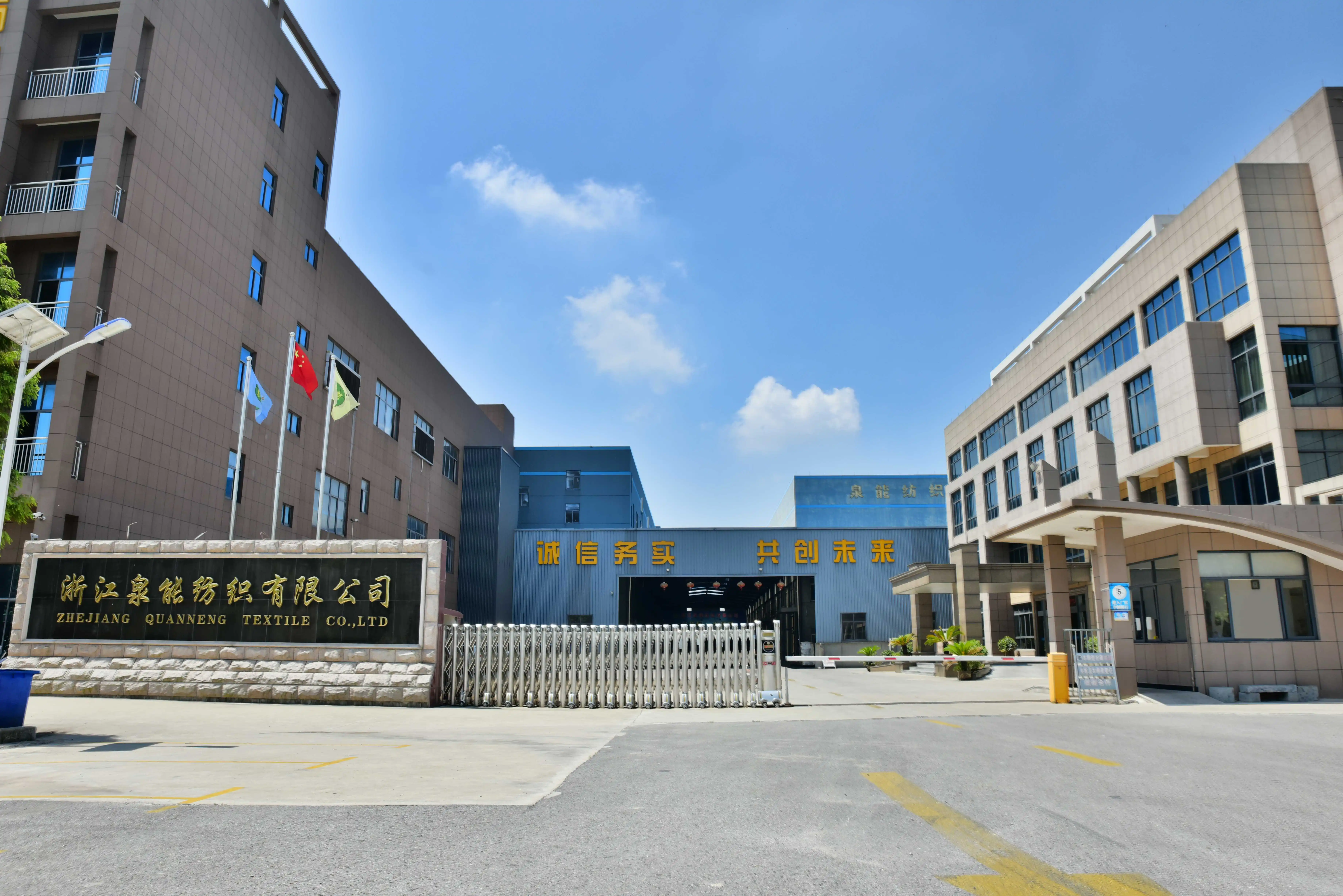
Zhejiang Quanneng Textile Co., Ltd.
- Manufacturer, Trading Company
- Zhejiang, China
- Lead time15 days
- Avg. response≤ 6h
Main productstricot fabric,microfiber fabric,DTY yarn,velvet fabric,jacquard fabric
Main marketsMid East(31.00%), Africa(22.00%), Southeast Asia(20.00%), South America(16.00%), South Asia(7.00%), North America(4.00%)

Changshu Yaoxing Fiberglass Insulation Products Co., Ltd.
- Verified by BV
- Combined
- China Jiangsu
- Lead time15 days
- Avg. response≤ 1h
Main productsFiberglass Fabric, Fire Blanket, Silicon Coated Fiberglass Fabric, EPDM Coated Fiberglass Cloth, Fluorous Coated Glass Fabric, Welding Blanket, Fire Fighting Blanket, Al Coated Fiberglass Fabric, Fire Blanket Roll, Heat Treated Fiberglass Cloth
Main marketsDomestic,Europe
Guangzhou Qianfeng Print Co., Ltd.
- Verified by SGS Group
- Manufacturer, Trading Company
- Lead time15 days
- Avg. response≤ 3h
Main productsKnitting Fabric, Mattress Fabric, Jacquard Fabric, Tricot Fabric, Pillow Fabric
Main marketsMid East(40%), Southeast Asia(20%), Domestic Market(20%)

Laizhou Jinhong Textile Co., Ltd.
- Combined
- China Shandong
- Lead time23 days
- Avg. response≤ 13h
Main productsPP Spunbond Nonwoven Fabric, Weed Mat, Nonwoven Fabric, Landscape Fabric, Ground Cover, Weed Control Fabric, Plant Cover, Disposable Coverall
Main marketsEast Asia(Japan/ South Korea),Europe,North America

Dongguan Yuexin Industrial Co., Ltd.
- Manufacturer
- China Guangdong
- Lead time15 days
- Avg. response≤ 3h
Main productsFelt, Wadding/Padding/Batting, Fiber Fillings, Pillow Insert, Christmas Decoration, Non Woven Fabric, Non Slip Rug Pad, Moving Blanket, Filter Medium, Fire Barrier
Main marketsSouth America,Europe,North America
Hangzhou Colorful Trading Co., Ltd.
- Verified by Intertek
- Manufacturer, Trading Company
- Lead time0 days
- Avg. response≤ 2h
Main productsMattress Ticking Fabric, Knitted Jacquard Fabric, Mattress Cover
Main marketsSoutheast Asia(40%), Mid East(30%), Eastern Europe(25%)
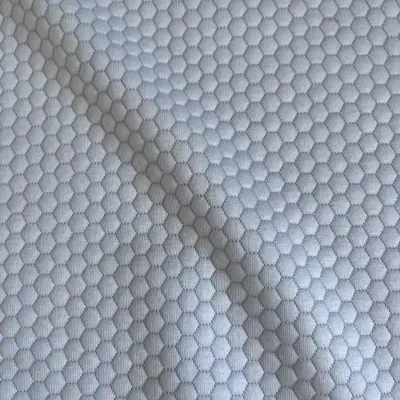
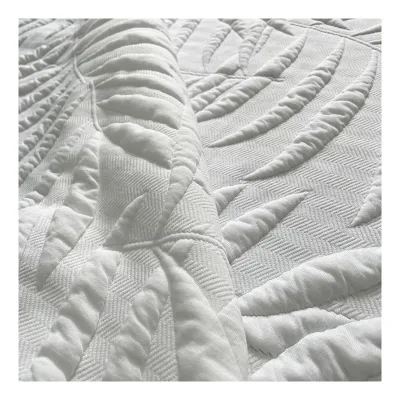
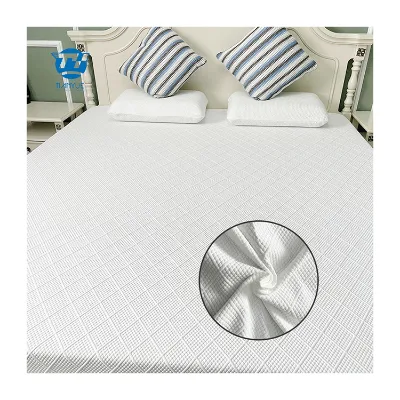
Flame Retardant Home Textile Mattress Fabric Wholesale Suppliers Functional Fabric
$1.0599 - $1.8922
MOQ: 500 millimeters
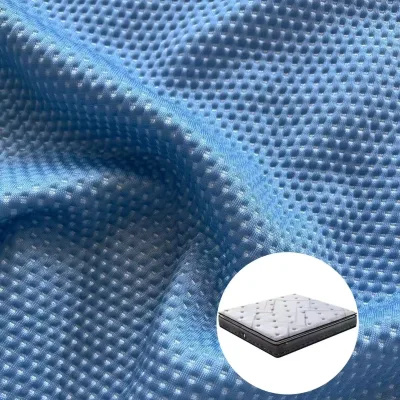
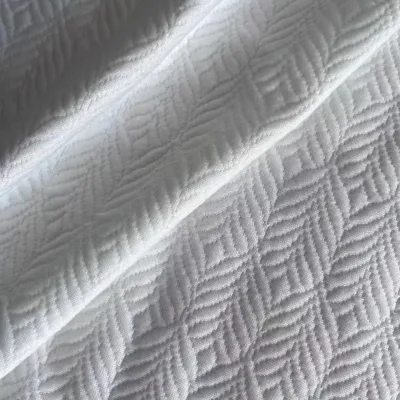
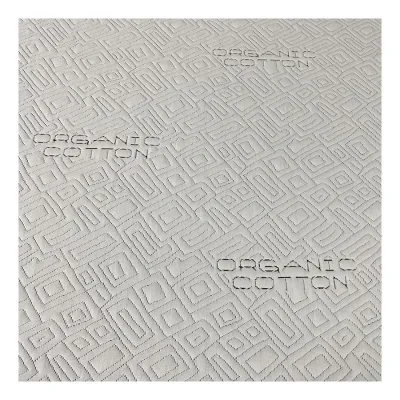
Texture Designs Poly Spandex Fabric Fabric for Mattress Furniture Production Mattress Fabric Factory
$1.3099 - $3.762
MOQ: 500 millimeters
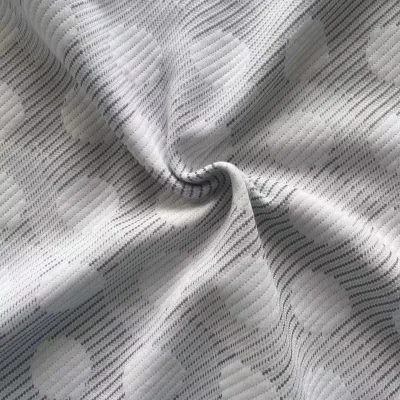
$2.3233 - $2.7051
MOQ: 500 millimeters
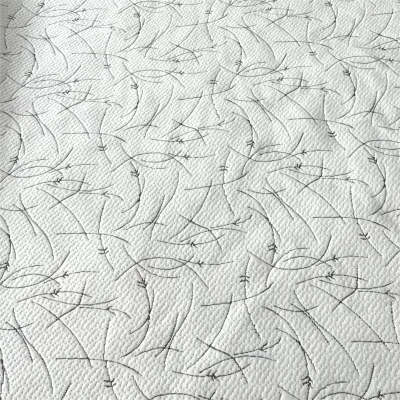
Wholesale Fabric Soft Quality for Mattress
$1.10 - $1.20
Changshu Keytex Industrial Co., Ltd.
- Trading Company
- Jiangsu, China
- Lead time30 days
- Avg. response≤ 8h
Main productsFloor Protection felt,Paint cover fleece,surface protection,Moving blanket,Stainless wool fill fabric
Main marketsNorth America(21.00%), Eastern Europe(15.00%), Northern Europe(15.00%), South America(8.00%), Oceania(8.00%), Southeast Asia(7.00%), Western Europe(6.00%), Africa(5.00%), Eastern Asia(5.00%), Mid East(4.00%), Southern Europe(3.00%), Central America(3.00%)
Hangzhou Hongda Decorative Cloth Weaving Co., Ltd.
- Verified by TüVRheinland
- Manufacturer, Trading Company
- Lead time0 days
- Avg. response≤ 8h
Main productsKnitting Fabric, Woven Fabric, Home Textile, Pillow Case, Mattress Cover
Main marketsNorth America(20%), Western Europe(20%), Northern Europe(20%)
Hangzhou Tianyue Fabrics Co., LTD.
- Manufacturer
- zhejiang, China
- Lead time30 days
- Avg. response≤ 14h
Main productsKnitted Mattress Fabric,mattress fabric,pillowcase fabric,mattress cover,mattress protector
Main marketsDomestic Market(28.00%), South America(26.00%), Southeast Asia(25.00%), Eastern Europe(20.00%), North America(1.00%)
Guangdong Qianfang Textile Technology Co., Ltd.
- Verified by SGS Group
- Manufacturer, Trading Company
- Lead time20 days
- Avg. response≤ 10h
Main productsMattress Fabric, Mattress Ticking, Knit Mattress Fabric, Knit Pillow Fabric, Mattress Cover Fabric
Main marketsDomestic Market(28%), North America(25%), Western Europe(15%)
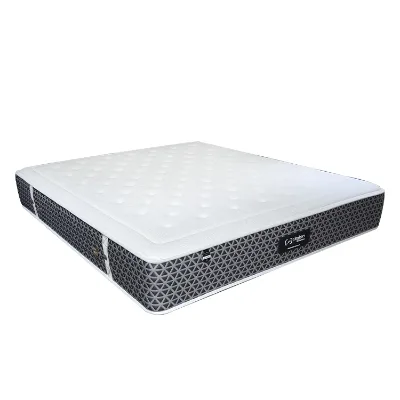
Mattress Fabric for Mattresses Ticking Fabric Polyester Knitted Mattress Fabric
$2.25 - $2.30
MOQ: 500
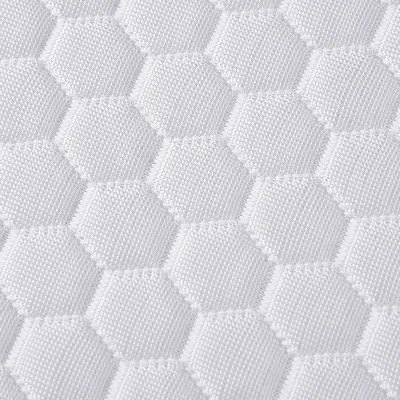
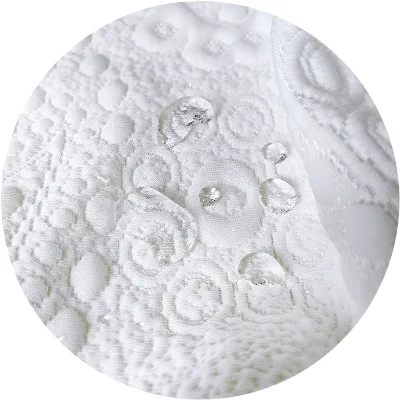
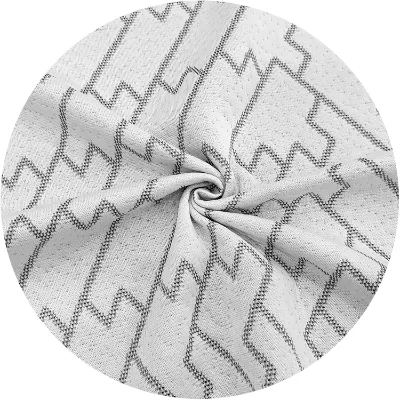
23Cm Width 15Mm Thick Oem Quilted Mattress Edge Border Fabric by Mattress Border
$2.20 - $2.49
MOQ: 500

Wujiang Xianglu Textile Co., Ltd.
- Verified by CTI
- Combined
- China Jiangsu
- Lead time30 days
- Avg. response≤ 24h
Main products210d Nylon Oxford Mattress Fabric, Medical Fabric, Fire Retardent Oxford Curtain Fabric, Roller Blind Curtain Fabric, PVC Coated Fabric, Projection Screen Fabric, Industrial Fabric, Functional Oxford Fabric, Cordura, Nylon Fabric
Main marketsOthers(foreignTradeCapacity.exportBusinessCapacityMarketOther),Southeast Asia/ Mideast,Domestic,Europe,Australia,North America


Medical Large Width 92" Fire Retardant and Anti Fungal Ultra-Fresh Dm-50), Medical Mattress Fabric
$2.10 - $2.20
MOQ: 800 Yards
Hangzhou Yishang Textile Co., Ltd.
- Manufacturer, Trading Company
- Zhejiang, China
- Lead time30 days
- Avg. response≤ 10h
Main productsJacquard Fabric,Knitted Fabric,Pillow,Curtain,Mattress Cover
Main marketsDomestic Market(40.00%), North America(30.00%), Western Europe(20.00%), Eastern Europe(10.00%)

Shenzhen Mulan Technology Co., Ltd.
- Verified by SGS
- Trading Company
- China Guangdong
- Lead time15 days
- Avg. response≤ 5h
Main productsNon Woven Fabric, Spunbond Nonwoven Fabric, Spunlace Nonwoven Fabrics, Weed Mat, Disposable Bed Sheet, Nonwoven Products
Main marketsSouth America,Eastern Europe,Mid East,North America,Southeast Asia,Eastern Asia,Oceania,Western Europe,Africa

HangZhou Aspiring Textile and Accessories Co., Ltd.
- Verified by BV
- Trading Company,Manufacturer/Factory
- China Zhejiang
- Lead time23 days
- Avg. response≤ 5h
Main productsT/C Fabric, Denim Fabric, Non-Woven Fabric, Cotton Fabric, Accessories, Polyester Fabric, Printing Fabric, Flannel Fabric, Home Textile, Grey Fabric
Main marketsSouth America,Eastern Europe,Mid East,North America,Southeast Asia,Eastern Asia,Oceania,Western Europe,Africa
Dongguan Yuexin Industrial Co., Ltd.
- Manufacturer, Trading Company
- Guangdong, China
- Lead time5 days
- Avg. response≤ 4h
Main productsFiber fill,Wadding,Felt,Pillow,Artificial snow
Main marketsDomestic Market(30.00%), Southeast Asia(10.00%), North America(10.00%), Mid East(9.00%), South Asia(5.00%), Southern Europe(5.00%), Northern Europe(5.00%), Central America(5.00%), Eastern Europe(5.00%), Western Europe(5.00%), Eastern Asia(5.00%), South America(5.00%), Africa(1.00%)

Fujian Angel Nonwoven Fabric Tech Co., Ltd.
- Verified by SGS
- Manufacturer
- China Fujian
- Lead time15 days
- Avg. response≤ 7h
Main productsNonwoven Fabric, Disposable Bed Sheet, Meltblown, Nonwoven Bag, Mattress Cover, Earloop/Nose Wire for Mask, PLA/Pet Nonwoven Fabric, Landscape Cover, Weed Control, TNT Table Cloth
Main marketsSoutheast Asia/ Mideast,Europe
Dongguan Jinying Fiber Industrial Co., Ltd.
- Manufacturer
- Guangdong, China
- Lead time7 days
- Avg. response≤ 8h
Main productspolyester wadding,snow blanket,snow roll,CFR 1633 fire retardant padding,artificial snow
Main marketsNorth America(30.00%), Southeast Asia(29.00%), Central America(10.00%), Africa(8.00%), South America(5.00%), Eastern Asia(3.00%), South Asia(2.00%), Southern Europe(2.00%), Domestic Market(2.00%), Eastern Europe(2.00%), Western Europe(2.00%), Oceania(2.00%), Mid East(2.00%), Northern Europe(1.00%)

Suzhou Welljoy Textile Co., Ltd.
- Manufacturer/Factory
- China Jiangsu
- Lead time23 days
- Avg. response≤ 23h
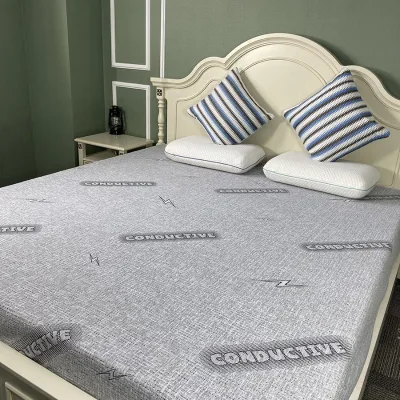
Main productsHigh Visibility Fabric, Functional Fabric, Uniform Fabrics, Textile Fabric, Oxford Fabric, Conductive Fabric, Fluorescent Fabrics, Stripe Fabric, Coated Fabric, Woven Fabric
Main marketsSouth America,Eastern Europe,Mid East,North America,Southeast Asia,Eastern Asia,Oceania,Western Europe,Africa




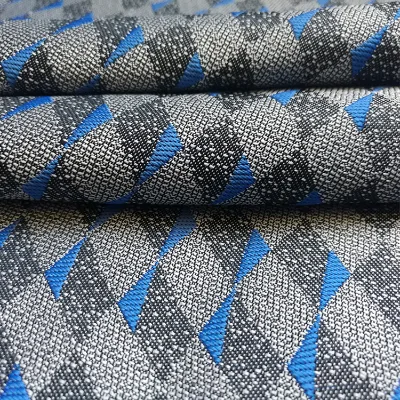
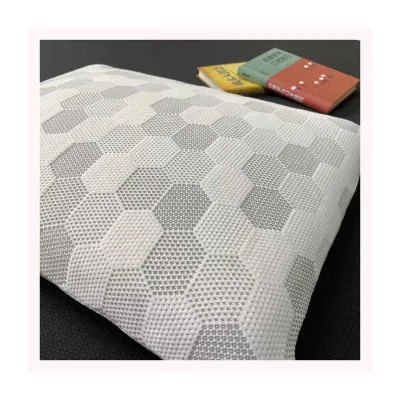
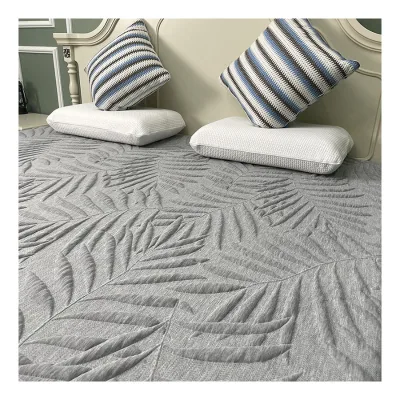
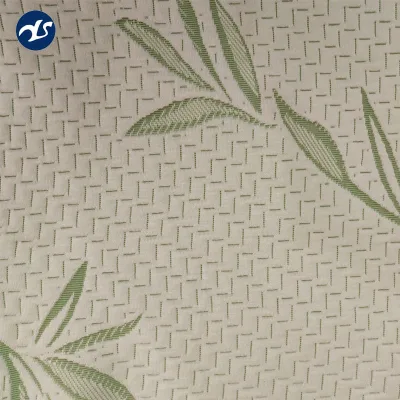
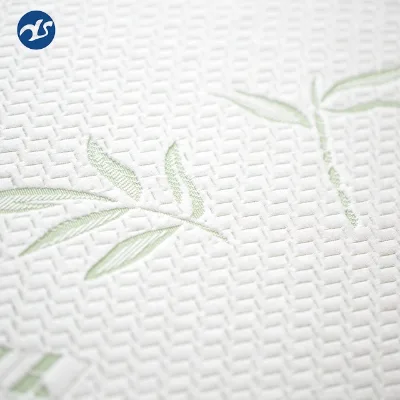
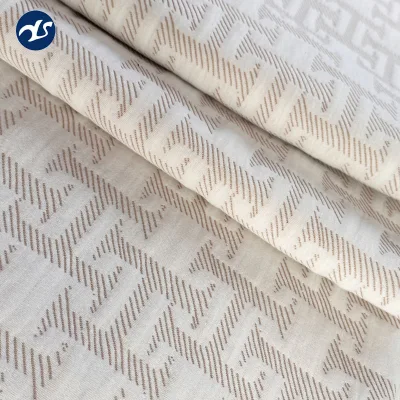
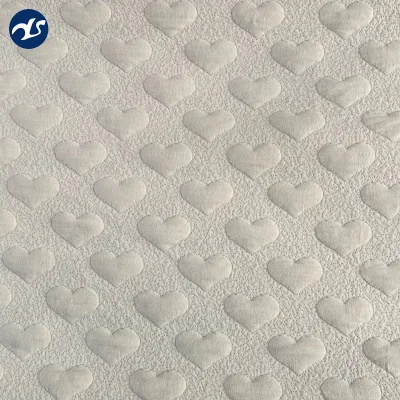






Comprehensive Sourcing Guide
Fire Retardant Mattress Fabric Supplier Concentration and Factory Types
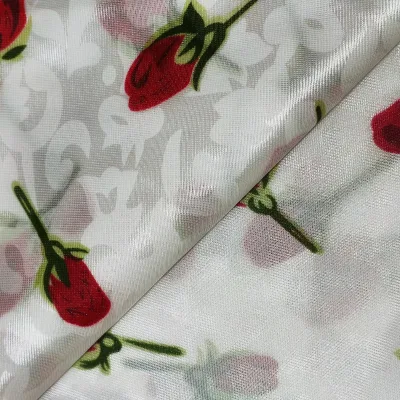
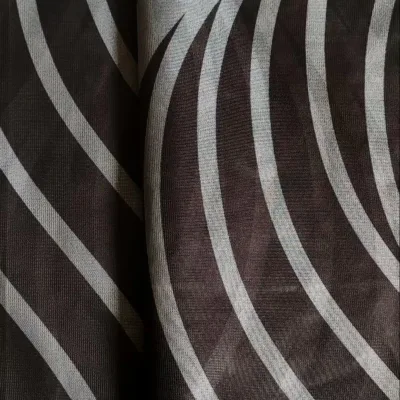
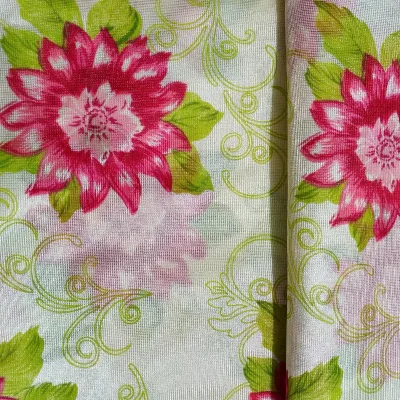
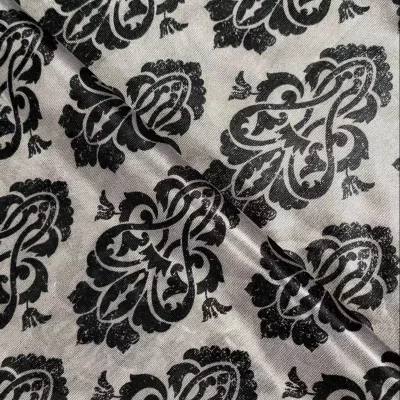
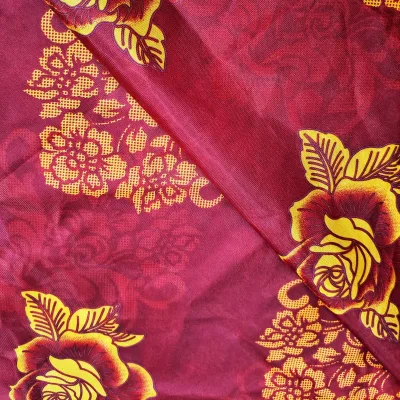
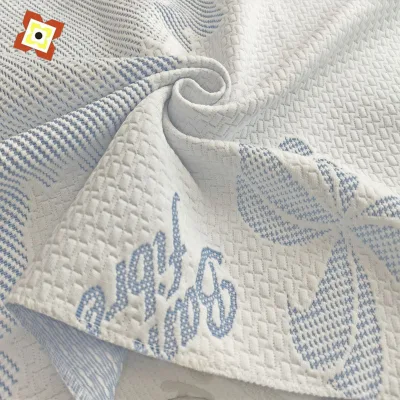
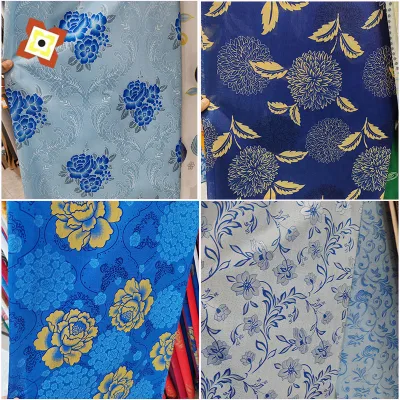
Fire Retardant Mattress Fabric sits at the intersection of two supplier groups. The first group is textile mills concentrated in Zhejiang, China, where listed suppliers produce tricot and microfiber mattress fabrics in printed designs on a make-to-order basis. These factories work in 100% polyester, often at weights around 70–80 gsm and widths near 83 inches, and their main product catalogs also cover DTY yarn, velvet and jacquard fabric. They are typically registered as manufacturers, trading companies, or combined entities, so the same listing page can hide very different operational models.
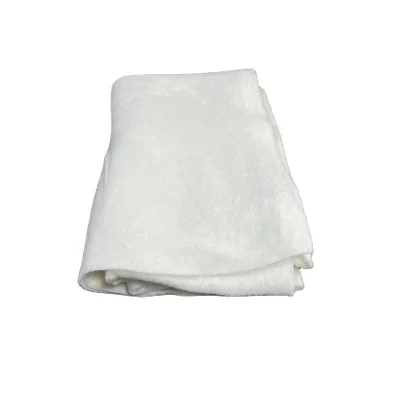
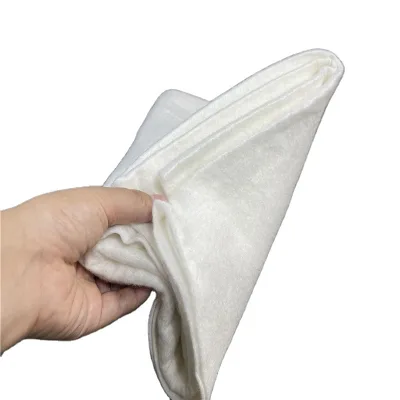
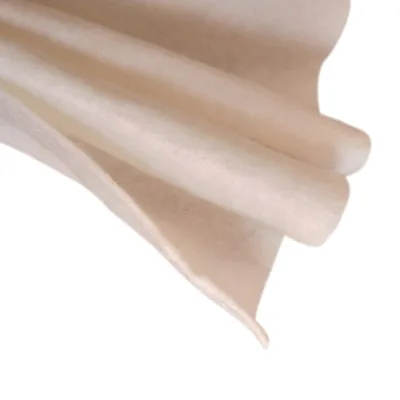
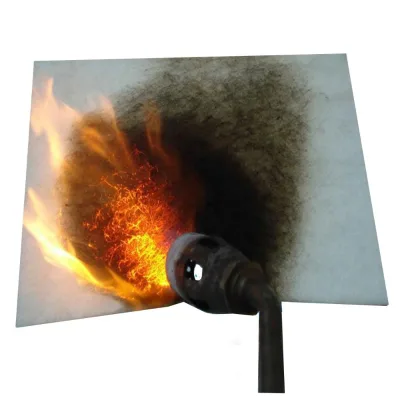
The second group comes from adjacent fire-safety materials manufacturing. Suppliers in Jiangsu, China, whose core products are fiberglass fabrics, fire blankets and silicone-coated cloths, also list flame retardant mattress lining and fireproof lining fabrics for foam mattresses. These suppliers often describe themselves as combined manufacturers with ODM, OEM and own-brand capability, and some carry an ISO9001:2015 certificate with third-party verification. Their technical approach differs: chemical treatment, modified fiber structures and silicone coating rather than conventional knitting.
Understanding this split matters when you shortlist. A knitter will offer printed aesthetics, competitive meter pricing and tricot construction, while a fire-materials specialist will emphasize flame retardant technology, coating types and safety applications. Neither group is inherently better; the right choice depends on whether your priority is surface design and comfort or documented fire performance. Screening by main products and company type first saves significant qualification time later.
How to Verify Fire Retardant Mattress Fabric Suppliers
Verification should start with what a supplier profile actually discloses, then move to what only documents and samples can prove. First, confirm the claimed role. A listing marked Manufacturer, Trading Company, or Combined tells you whether the counterparty controls production or resells. Combined entities may operate both models, which affects who answers technical questions about flame retardant treatment. Second, check system certifications where displayed; one Jiangsu-based supplier in this category shows an ISO9001:2015 certificate, and third-party verification badges such as BV-verified status are worth noting, though a badge is a starting point for due diligence, not proof of product-level fire performance.
Third, request physical evidence. Ask for a sample of the exact fabric construction you intend to buy, since listings in this category span knitted tricot mattress fabrics and nonwoven fireproof linings with silicone coating and modified fiber structures. Test the sample against the flame retardant standard your market requires before committing to volume.
Fourth, test responsiveness under realistic conditions. Response times on supplier pages vary widely in this category, from a fraction of an hour on some profiles to around six hours on others, and slow replies during quoting usually worsen during production. Finally, verify make-to-order claims against capacity questions: ask how the chemical treatment is applied, whether customization is genuinely available as some listings state, and who performs quality control between coating, knitting and finishing. Suppliers who answer these questions with specifics, photos and process descriptions are materially more credible than those who answer generically.
What to Compare Across Fire Retardant Mattress Fabric Suppliers
Build a comparison sheet using dimensions the listings themselves expose, then fill gaps through direct questioning. Lead time is a primary variable: knitted mattress fabric listings from Zhejiang cite delivery around 15 days on one profile while individual products state 30–35 days, so confirm which figure applies to your specification and order size. Response time also differs sharply between profiles, and in fire-sensitive categories a supplier who replies within hours to technical questions is easier to work with during compliance back-and-forth.
Compare MOQ carefully, because it shapes your cash exposure. Mattress fabric listings here commonly state 4,500 meters per order, sometimes sold in multiples of 4,500, which is a substantial commitment for untested designs. Note also that main product ranges differ: Zhejiang suppliers list tricot, microfiber, velvet and jacquard fabrics, while Jiangsu fire-materials suppliers list fiberglass cloth and coated fabrics, so a supplier's adjacency to your product signals their depth of relevant experience.
Compare composition and construction data as stated: 100% polyester tricot at 70–80 gsm versus polyester/cotton lining at heavier weights with silicone coating. Compare feature claims—waterproof, breathable, abrasion-resistant—and ask for evidence behind each. Company type, ODM/OEM capability, establishment year where shown, and certification status belong in the same sheet. Remember that not every supplier displays every attribute; treat blanks as questions to ask, not disadvantages to assume. Weight each criterion by your risk: fire performance documentation should outrank minor price differences.
Common Fire Retardant Mattress Fabric Sourcing Risks
The largest risk in this category is assuming "flame retardant" on a listing means certified performance for your market. Listings describe flame retardant technology as chemical treatment, but chemical treatment levels, durability after washing, and compliance with specific national standards are not demonstrated by product attributes alone. A fabric that passes a cigarette-smolder test may fail an open-flame test, and vice versa, so require test reports against the exact standard and batch you will buy.
A second risk is category drift. Suppliers listing mattress fabrics may be knitters with no fire-treatment capability, while fire-materials suppliers may outsource the textile substrate. Either way, you may actually be buying from an intermediary without knowing who controls the treatment process. Third, weight and width mismatches: listings here range from 70–80 gsm lightweight tricot to 220 g coated lining, and assuming a supplier can move between constructions is a common mistake.
Fourth, MOQ risk. With 4,500-meter minimums common, ordering a full run before sample approval or flammability testing exposes significant capital. Fifth, delivery-time ambiguity: profile-level lead times such as 15 days coexist with product-level figures of 30–35 days, and make-to-order production means delays cascade into your mattress assembly schedule. Sixth, unverifiable claims about waterproofing or abrasion resistance that never appear in contracts. Mitigate each risk contractually: specify construction, treatment method, testing standard and remedy for failed inspection in writing before the deposit moves.
Fire Retardant Mattress Fabric Regional Sourcing and Logistics
The supplied results point to two provinces with distinct roles. Zhejiang, China, appears as the origin for printed tricot and microfiber mattress fabrics, consistent with a textile manufacturing cluster producing knitted home textile fabrics at scale. Sourcing here gives you access to make-to-order printing, wide widths around 83 inches, and competitive meter pricing, but the supplier base includes both manufacturers and trading companies, so confirming who runs the looms matters. Jiangsu, China, appears as the origin for fireproof and flame retardant mattress linings built on fiberglass and coated-fabric expertise, where suppliers hold ISO9001:2015 certification and BV verification.
If your product combines a decorative knitted top fabric with a fireproof lining, plan for multi-supplier coordination: two provinces, two factories, and a lamination or sewing step that must be assigned clearly. Ask each supplier where that intermediate step happens, because split responsibility is where quality disputes arise.
On logistics, confirm Incoterms, packing format for roll goods, and container utilization, since lightweight fabrics at 70–80 gsm fill volume faster than weight. Confirm production calendars around Chinese holidays when asking about the 15-to-35-day lead time range cited across listings. Request material declarations and any test documentation in the shipping document set, because customs authorities and downstream mattress brands increasingly request flame retardant compliance papers. Finally, verify that the place of origin stated on documents matches the listing; mixed-origin supply is common when coating is subcontracted.
Fire Retardant Mattress Fabric Commercial Terms and Order Planning
Structure commercial terms around the make-to-order nature of this category. Listings explicitly state Make-to-Order supply, which means your order is produced after placement, not pulled from stock; payment schedules should reflect that. Typical practice is a deposit with balance before shipment, but insist that the balance is conditional on inspection or testing passing, not just production completion. Where a platform offers escrow or trade assurance, use it; where it does not, replicate the protection through inspection clauses. Do not assume every supplier offers the same payment or dispute mechanisms—verify per profile.
Price comparisons must be like-for-like. Listings in this category show per-meter figures from roughly $0.35 to $0.38 for knitted fabrics, but those numbers are tied to specific weights, constructions, colors and the 4,500-meter minimum. A heavier coated lining or a treatment upgrade will price differently, so always request quotes against your written specification, including gsm, width, treatment method and print design.
Plan orders in multiples that match stated selling units—some listings sell in multiples of 4,500 meters—to avoid rounding penalties. Sequence your timeline: sample approval, flammability testing, pilot order, then volume. Build buffer into the 30–35 day delivery windows cited on product pages rather than the shorter profile-level figures. Agree who pays for retesting if a batch fails, and document the remedy. Finally, align reorder planning with your mattress production forecast so the 4,500-meter minimum does not force excess inventory of printed designs that date quickly.
FAQs
What is the typical MOQ for mattress fabric?
Most suppliers require a minimum order quantity of 4500 meters for knitted mattress fabrics. This standard applies to both tricot and warp-knitted varieties. Buyers should confirm if the supplier accepts partial orders or requires full container loads to secure the best pricing tiers.
How long does production take for custom orders?
Standard lead times range from 15 to 35 days depending on the specific fabric type and order volume. Make-to-order production ensures custom patterns are applied correctly. Buyers should verify exact delivery windows with the supplier before finalizing payment terms.
What materials are used in mattress fabrics?
The primary material is 100% polyester, often processed into microfiber or tricot knits. Some specialized fireproof linings combine polyester with cotton for enhanced safety. These materials provide durability, breathability, and resistance to abrasion for long-term bedding use.
Are samples available for quality testing?
Yes, many manufacturers offer samples to verify fabric quality before bulk production. Buyers can request samples to check weight, width, and print accuracy. Sample costs and shipping fees are usually separate from the main order invoice.
What certifications do these suppliers hold?
Verified suppliers often hold ISO9001:2015 certification for quality management systems. Some products undergo BV verification for reliability. Buyers should request specific test reports for flame retardancy or chemical treatments to ensure compliance with international safety standards.
What is the price range for mattress fabric?
Prices typically range from $0.35 to $0.38 per meter for standard knitted varieties. Costs may vary based on width, weight, and specific features like waterproofing. Bulk orders usually secure the lower end of this pricing spectrum.