Foldable Adjustable Bath Stool with Backrest Suppliers and Manufacturers
Source 34 verified suppliers for Foldable Adjustable Bath Stool with Backrest. Compare key dimensions including load-bearing capacity, seat height, and material certifications like CE and ISO. Review lead times and MOQs to identify the right partner for your procurement needs.
Updated
Suppliers List

Wuyi Kinda Industry & Trade Co., Ltd
- Verified by SGS
- Combined
- China Zhejiang
- Lead time30 days
- Avg. response≤ 9h
Main productsMobility Walker
Main marketsDomestic

Shandong ZS CARE International Trade Co., Ltd.
- Verified by CTI
- Trading Company
- China Shandong
- Lead time15 days
- Avg. response≤ 9h
Main productsWeelchair, Rollator Walker, Grab Bar, Shower Chair, Toilet Rail, Grab Rail, Walking Aids, Commode Chair, Shower Stool, Manual Wheelchair
Main marketsDomestic


$24.80 - $28.70
MOQ: 100 Pieces

Wenzhou MicaCare Tech Co., Ltd.
- Verified by SGS
- Trading Company,Manufacturer/Factory
- China Zhejiang
- Lead time38 days
- Avg. response≤ 2h
Main productsBathroom Chair, Shower Stool, Bath Bench, Shower Seat, Folding Seat, Grab Bar, Grab Rail, Baby Changing Station, Aed Cabinet, Bathroom Accessory
Main marketsSouth America,Eastern Europe,Mid East,North America,Southeast Asia,Eastern Asia,Oceania,Western Europe,Africa

Height-Adjustable Rotating Shower Stool with Comfortable Backrest Design
$10.30 - $13.39
MOQ: 20 Pieces


Xiamen Angel Trading Co., Ltd.
- Manufacturer, Trading Company
- Fujian, China
- Lead time30 days
- Avg. response≤ 2h
Main productsBidet Attachment, Toilet Seat Bidet, Toilet Stool, Shower Chair, Bidet Sprayer
Main marketsNorth America(80.00%), Western Europe(10.00%), South America(5.00%), Mid East(5.00%)

Ningbo Finer Medical Instruments Co., Limited
- Trading Company,Manufacturer/Factory
- China Zhejiang
- Lead time23 days
- Avg. response≤ 16h
Main productsMedical Consumables, Medical Equipment, Hospital Furniture, Mobility Safety Aid, Daily Living Aid
Main marketsSouth America,Eastern Europe,Mid East,North America,Southeast Asia,Eastern Asia,Oceania,Western Europe,Africa
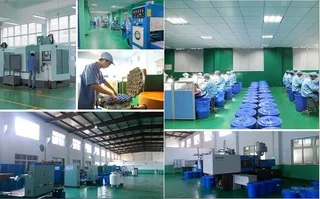
Ningbo Finer Medical Instruments Co., Ltd.
- Trading Company
- Zhejiang, China
- Lead time28 days
- Avg. response≤ 20h
Main productsmedical consumables,Medical Equipment,Hospital Furniture,Mobility Safety Aid,Daily Living Aid
Main marketsNorth America(16.00%), Western Europe(13.00%), Southern Europe(13.00%), Africa(12.00%), Mid East(9.00%), South America(8.00%), Oceania(6.00%), Eastern Europe(5.00%), Central America(5.00%), Northern Europe(4.00%), Eastern Asia(3.50%), Southeast Asia(3.00%), South Asia(2.00%), Domestic Market(0.50%)

Hebei Shousen Trading Co., Ltd
- Verified by SGS
- Manufacturer
- China Hebei
- Lead time15 days
- Avg. response≤ 6h
Main productsHospital Bed, Hospital Trolley, Hospital Table, Hospital Chair, Walking Stick, Wheelchair, Crutch, Blind Supplies, Commode Chair, Shower Chair
Main marketsSouth America,Southeast Asia/ Mideast,Europe

Adjustable Medical Shower Chair 6 Height Bathtub Stool Bath Seat with Back Armrest
$23.50 - $26.50
MOQ: 1 Pieces

Height Adjustable Medical Shower Chair Bathtub Bench Bath Seat Stool with Arms
$23.50 - $26.50
MOQ: 1 Pieces
Lansing Medical Technology Guangdong Co., Ltd.
- Verified by Intertek
- Trading Company
- Lead time0 days
- Avg. response≤ 1h
Main productsWheelchair, Hospital Bed, Oxygen Concentrator, Walker, Commode Chair
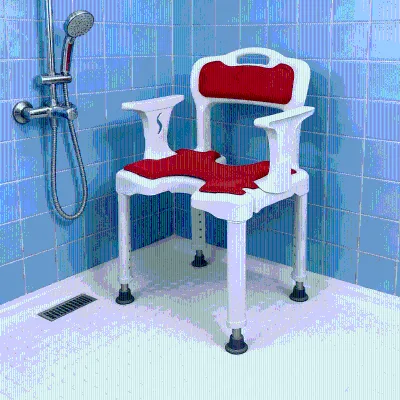
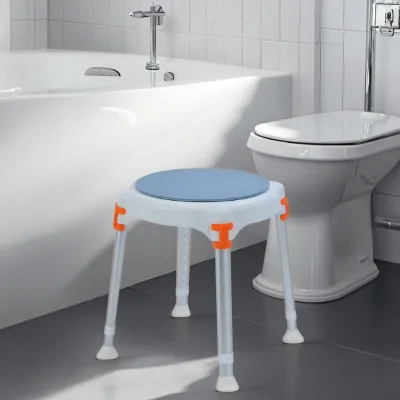
Professional Rotating Bath Transfer Stool | Height-Adjustable, Anti-Slip Seat
$11.226 - $16.3288
MOQ: 50 Minimum
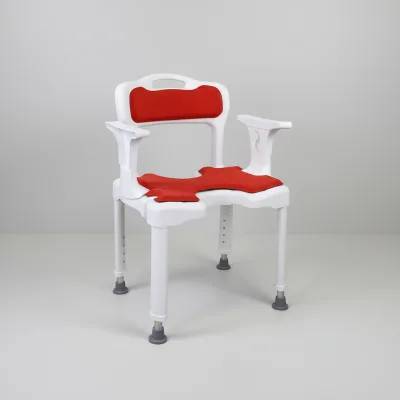
$20.6642 - $28.9296
MOQ: 50 Minimum
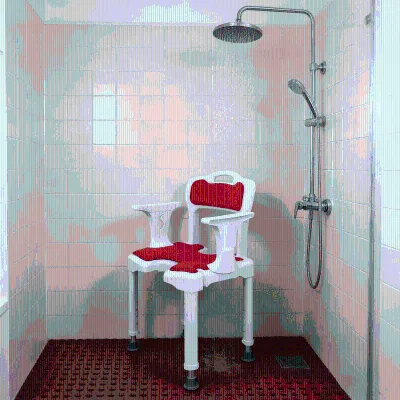
OEM Supply Customizable Adjustable Bath Stool for Global Distributors
$20.4099 - $26.5331
MOQ: 300 Minimum

Shanghai Brother Medical Manufacturer Co., Ltd.
- Verified by CTI
- Manufacturer/Factory
- China Shanghai
- Lead time23 days
- Avg. response≤ 19h
Main productsWheelchair, Hearing Aid, Mobility Scooter, Commode Chair, Shower Chair, Crutch, Walking Stick
Main marketsSouth America,Eastern Europe,Mid East,North America,Southeast Asia,Eastern Asia,Oceania,Western Europe,Africa

Height Adjustable Large Anti-Slip Stool Extra Wide Shower Rotating Bath Bench with Backrest
$7.80 - $11.50
MOQ: 100 Pieces


FOSHAN L&C MEDICAL TECHNOLOGY CO., LTD.
- Verified by CTI
- Combined
- China Guangdong
- Lead time30 days
- Avg. response≤ 11h
Main productsWheelchair, Commode Chair, Walking Stick, Crutch, Rollator, Shower Bench, Walker, Walking Aid
Main marketsSouth America,Southeast Asia/ Mideast,Domestic,Europe

Bath and Shower Chair Seat with Back Adjustable Anti Slip Bench Bathtub Stool for Bathroom
$13.00 - $14.00
MOQ: 100 Pieces

Bath Stool Shower Chair with Backrest Quick Detacbale Legs Adjustable Height
$13.50 - $14.50
MOQ: 100 Pieces

Factory Hot Sale light Tweight Shower Chair Bath Stool with Adjustable Height
$9.50 - $10.50
MOQ: 100 Pieces

Non-Slipheight Adjustable Bath Chair with Armrests and Backrest for The Elderly
$17.50 - $18.50
MOQ: 100 Pieces


- Trading Company
- Taiwan, China
- Lead time30 days
- Avg. response≤ 8h
Main productsOrthodontic Toothbrush,Dental Floss,Adult Toothbrush,Child Toothbrush,Interdental Brush
Main marketsOceania(50.00%), North America(30.00%), Northern Europe(10.00%), Southern Europe(9.00%), South America(1.00%)

Shanghai Globillionwin Industry and Trade Co., Ltd.
- Trading Company
- China Shanghai
- Lead time0 days
- Avg. response≤ 6h
Main productsOperation Lamp, Operation Table, Medical Pendant, Wheelchair, Hospital Bed, Hospital Furniture

Foldable Adjustable Commode Bath Stool Anti-Slip Bench High Duty Commode Shower Chair with Back
$13.50 - $22.50
MOQ: 50 Pieces

Folding Bathroom Disabled Stool Seat Armrest and Backrestelderly Handicap Adjustable Shower Chair
$16.50 - $25.50
MOQ: 50 Pieces
Hebei Tebang Technology Co., Ltd.
- Verified by TüVRheinland
- Trading Company
- Lead time0 days
- Avg. response≤ 7h
Main productsMedical Bed, Protective Equipment, Wheelchairs, Outdoor Products, Sports And Fitness
Main marketsSoutheast Asia(18%), Africa(15%), Eastern Europe(10%)

Ningbo Multi Channel Co., Ltd.
- Trading Company
- China Zhejiang
- Lead time23 days
- Avg. response≤ 11h
Main productsFirst Aid Kit, Wound Dressing, Bandage, Outdoor Emergency Supplies, Hot/Cold Therapy, Surgery Supplies, Laboratory Supplies, Medical Devices, Anethesia Breathing Supplies, Daily Care
Main marketsSouth America,Southeast Asia/ Mideast,East Asia(Japan/ South Korea),Europe,North America

Bathroom Shower Seat Height Adjustable Aluminium Bath Chair with Backrest for Seniors
$17.50 - $20.00
MOQ: 100 Pieces


Bath Stool Lightweight Shower Chair with Backrest and Seat Padded for Adults Seniors Elderly
$17.50 - $20.00
MOQ: 100 Pieces
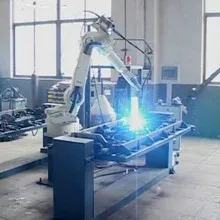
Foshan Rongfu Medical Equipment Co., Ltd.
- Manufacturer
- Guangdong, China
- Lead time20 days
- Avg. response≤ 15h
Main productsShower chair,Hospital bed,Bath seat,walking stick,Grab bars
Main marketsWestern Europe(20.00%), Oceania(15.00%), Domestic Market(10.00%), Northern Europe(8.00%), Southeast Asia(8.00%), Southern Europe(7.00%), Eastern Europe(7.00%), South America(5.00%), South Asia(5.00%), Africa(5.00%), Mid East(3.00%), Eastern Asia(3.00%), Central America(2.00%), North America(2.00%)

Science Medical Equipment Co., Ltd.
- Manufacturer/Factory
- China Guangdong
- Lead time60 days
- Avg. response≤ 7h
Main productsWheelchair, Handicapped Scooters, Rehabilitation Therapy Supplies, Clinical Analytical Instruments, Hospital Furniture, Ward Nursing Equipments, Hospital Bed, Operating Table, Examination Therapy Equipments
Main marketsSouth America,Eastern Europe,Mid East,North America,Southeast Asia,Eastern Asia,Western Europe,Africa
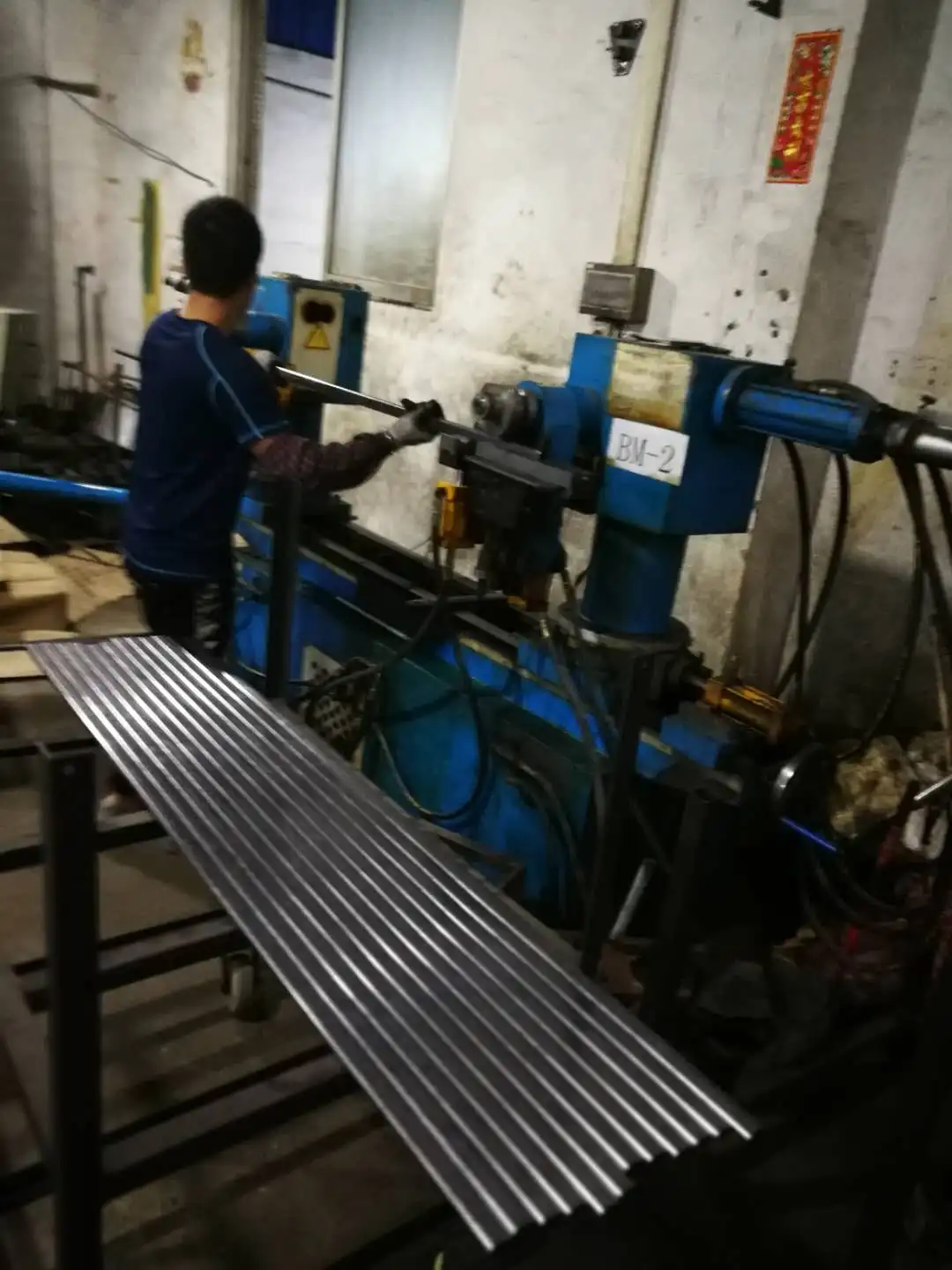
Foshan Maikang Medical Equipment Co., Ltd.
- Manufacturer, Trading Company
- Guangdong, China
- Lead time30 days
- Avg. response≤ 2h
Main productsliving aids,wheelchair spare parts,grab bar,shower chair,commode chair
Main marketsDomestic Market(50.00%), Mid East(10.00%), North America(10.00%), Western Europe(10.00%), Southeast Asia(5.00%), Northern Europe(5.00%), South America(5.00%), Eastern Asia(5.00%)
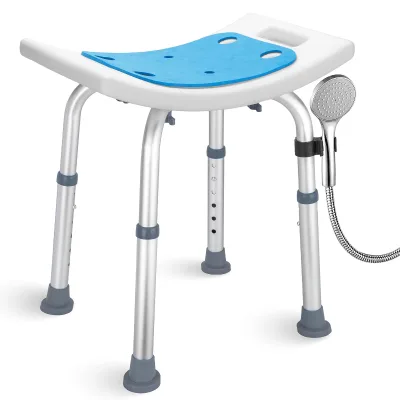
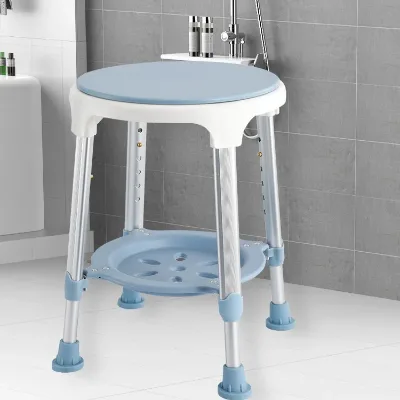
$12.53 - $14.16
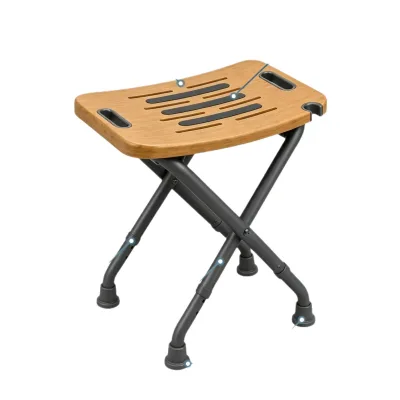
Henan Xiuda Electronic Technology Co., Ltd.
- Trading Company
- Henan, China
- Lead time3 days
- Avg. response≤ 3h
Main productsBlood pressure monitor,wheelchair,pulse oximeter,Breast pump,Blood Glucometer
Main marketsNorthern Europe(30.00%), North America(25.00%), South Asia(20.00%), Western Europe(20.00%), Southern Europe(20.00%), Central America(20.00%), Eastern Europe(20.00%), South America(15.00%), Oceania(10.00%), Southeast Asia(10.00%), Eastern Asia(5.00%), Africa(5.00%), Domestic Market(2.00%)

Dinglian (Zhongshan) Rehabilitation Equipment Co., Ltd.
- Verified by SGS
- Combined
- China Guangdong
- Lead time30 days
- Avg. response≤ 6h
Main marketsDomestic,Australia,North America

Dinglian Dl-9016 Bath Chair Shower Chair with Armrests Adjustable Backrest
$18.98 - $19.66
MOQ: 200 Pieces


Dl-9017 Portable Shower Chair Bath Bench Stool Adjustable Non Slip Bathroom Seat
$21.75 - $24.75
MOQ: 200 Pieces

Dl-9017 Foldable Shower Stool Bath Chair Bench Space Saving Bathroom Seat
$21.75 - $24.75
MOQ: 200 Pieces

Shenzhen CHY Technology Co., Ltd.
- Trading Company
- Guangdong, China
- Lead time15 days
- Avg. response≤ 6h
Main productsBathroom Towel Hook,Bathroom Shelves,Paper Holder,Towel Bar,Toilet Brush
Main marketsWestern Europe(60.00%), North America(20.00%), Southern Europe(10.00%), Eastern Europe(5.00%), Northern Europe(5.00%)
Fuzhou Anyo Houseware Co., Ltd.
- Verified by TüVRheinland
- Manufacturer, Trading Company
- Lead time30 days
- Avg. response≤ 3h
Main productsLaundry Bags & Baskets, Kitchen & Tabletop, Home Furniture, Pet Products
Main marketsNorth America(70%), Western Europe(30%)
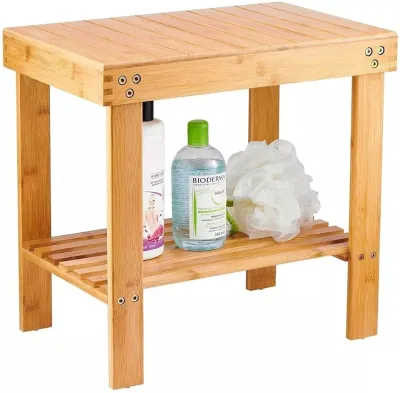
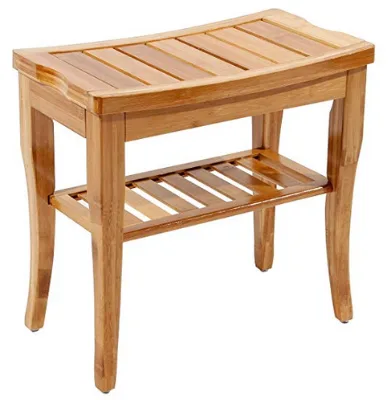
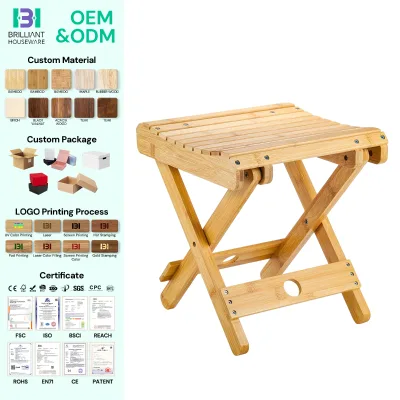
Bamboo Bathroom Spa Shower Bench Foot Stool Bathing Seat with Storage Shelf
$6.00 - $7.50
MOQ: 500 pieces
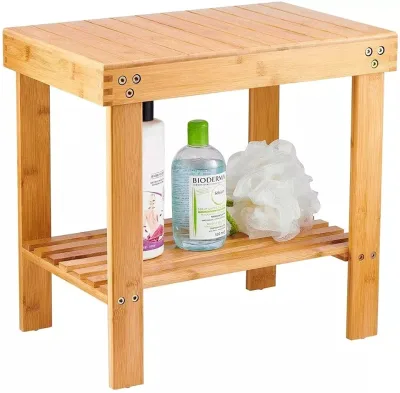
Bamboo Spa Bench Foot Rest Shaving Stool with Non-Slip Feets Storage Shelf for Shampoo Towel
$9.50 - $9.80
MOQ: 500 pieces
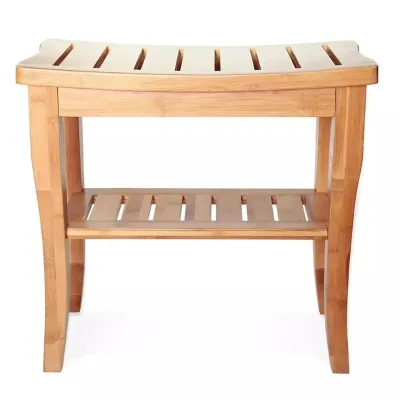
Eco-Friendly High Quality Bamboo Wooden Spa Stool Bathroom Shower Seat Bench
$17.3342
MOQ: 500 Minimum

- Verified by TUVRHEINLAND
- Trading Company,Manufacturer/Factory
- China Guangdong
- Lead time45 days
- Avg. response≤ 10h
Main productsElectric Wheelchair, Manual Wheelchair, Sports Wheelchair, Hospital Bed, Crtuches, Walking Aids, Shower Chair, Trailer Mobility Scooter, Commode Wheelchair, Stretcher
Main marketsSouth America,Eastern Europe,Mid East,North America,Oceania,Western Europe,Africa

Better Medical Technology Co., Ltd.
- Verified by TUVRHEINLAND
- Combined
- China Guangdong
- Lead time60 days
- Avg. response≤ 2h
Main productsHospital Bed, Stretcher, Delivery Bed, Examination Couch, Hospital Furniture, Medical Trolley, Ward Equipment, Wheelchair, Walker, Walking Sticks
Main marketsAfrica,Domestic

Height Adjustable Bamboo Seat Bath Shower Stool with Aluminum Anodized Frame
$30.00 - $35.00
MOQ: 200 Pieces

Lightweight Height Adjustable Shower Stool with Padded Armrest, Non-Slip Feet
$22.00 - $25.00
MOQ: 200 Pieces

Guangdong Dongjian Medical Technology Co., Ltd.
- Verified by BV
- Trading Company,Manufacturer/Factory
- China Guangdong
- Lead time45 days
- Avg. response≤ 2h
Main productsManual Wheelchair, Electric Wheelchair, Patient Transfer Chair, Commode Chair, Bath Chair, Rollator, Walker, Walking Stick, Crutch, Overbed Table
Main marketsSouth America,Eastern Europe,Mid East,North America,Southeast Asia,Eastern Asia,Oceania,Western Europe,Africa

Disassembled Bath Bench, Detachable Armrest and Backrest, Height Adjustable, Seat with Drain Holes
$17.00 - $23.00
MOQ: 50 Pieces

Swiveling Stainless Steel Bath Chair, Height Adjustable, with Armrest and Backrest
$40.00 - $48.00
MOQ: 200 Pieces
Boao Medical Technology Co., Limited
- Trading Company
- Hong Kong S.A.R.
- Lead time45 days
- Avg. response≤ 2h
Main productselectric wheelchair,manual wheelchair,leisure wheelchair,sport wheelchair,hospital bed
Main marketsSouth America(20.00%), Western Europe(15.00%), Southern Europe(10.00%), Oceania(10.00%), North America(10.00%), Northern Europe(10.00%), Eastern Europe(10.00%), Central America(8.00%), Mid East(5.00%), Eastern Asia(1.00%), Africa(1.00%)
- Trading Company
- Taiwan, China
- Lead time45 days
- Avg. response≤ 6h
Main productsHardware,Hand Tools,Tiling Tools,Plumbing Tools,Garden Tools
Main marketsWestern Europe(50.00%), North America(20.00%), Domestic Market(10.00%), Eastern Europe(10.00%), Mid East(5.00%), Africa(5.00%)

- Verified by SGS
- Combined
- China Sichuan
- Lead time30 days
- Avg. response≤ 7h
Main productsUltrasound Machine, Fetal Doppler, ECG, Aed, Handheld Ultrasound, Hospital Bed, Oxygen Concentrator, Ventilator, Glucometer, Monitor
Main marketsSoutheast Asia/ Mideast,Domestic

Jinan Hengsheng New Building Materials Co., Ltd.
- Verified by TUVRHEINLAND
- Trading Company,Manufacturer/Factory
- China Shandong
- Lead time15 days
- Avg. response≤ 13h
Main productsGrab Bar, Blind Bricks, Stair Nosing, Handrail, Hospital Curtain and Curtain Track
Main marketsSouth America,Eastern Europe,Mid East,North America,Southeast Asia,Eastern Asia,Oceania,Western Europe,Africa


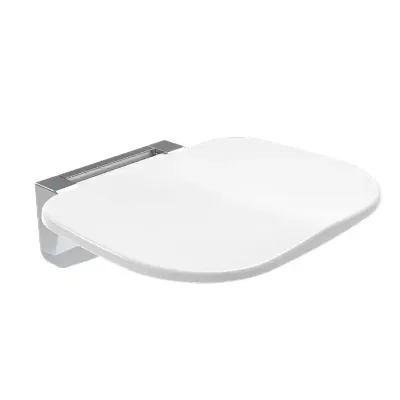
Wall Mounted Folding Shower Chair Bathroom Seat Bath Wall Chair Stool for Shower
$11.99 - $18.50
MOQ: 2 Pieces
Fujian Brilliant Houseware Co., Ltd.
- Verified by TüVRheinland
- Manufacturer, Trading Company
- Lead time35 days
- Avg. response≤ 1h
Main productsHome & Garden
Main marketsWestern Europe(55%), North America(45%)
Hangzhou Royal Craft Import & Export Co., Ltd.
- Manufacturer, Trading Company
- Zhejiang, China
- Lead time35 days
- Avg. response≤ 10h
Main productsBathroom Aids,Bedroom Aids,Household Aids,Kitchen Aids
Main marketsWestern Europe(35.00%), Northern Europe(25.00%), Eastern Europe(20.00%), Southern Europe(5.00%), South America(5.00%), North America(5.00%), Oceania(5.00%)
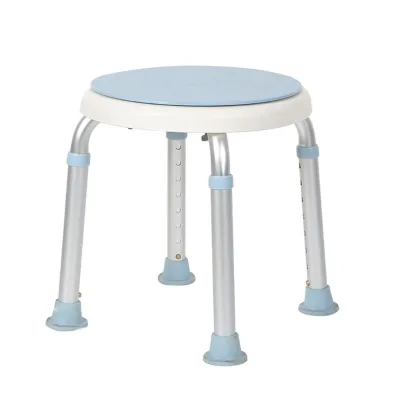
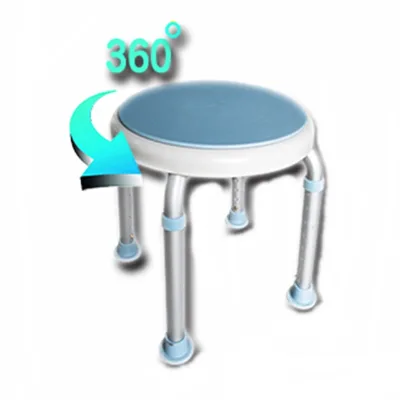
No Backrest Height Adjustable Bath Aid 360 Degree Bathroom Rotating Chair Round Shower Chair
$10.1145 - $11.6718
MOQ: 100 pieces
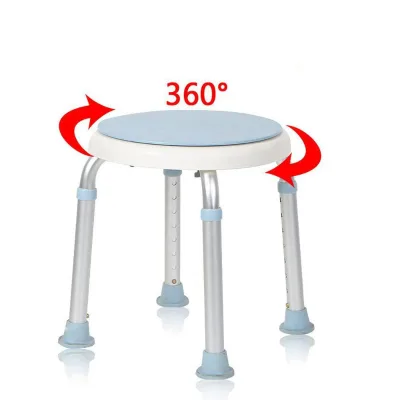
8 Levels Height Adjustment Aluminium Round Swivel Seat Anti-Slip Mat Bathroom Shower Chair
$10.2057 - $11.7765
MOQ: 100 pieces
Hebei Longheng Medical Equipment Co., Ltd.
- Verified by SGS Group
- Manufacturer, Trading Company
- Lead time25 days
- Avg. response≤ 2h
Main productsHospital Beds, Walking Sticks, Commode Chairs, Walkers, Sport Safety
Main marketsSouth Asia(40%), North America(30%), Central America(20%)

- Verified by SGS
- Combined
- China Zhejiang
- Lead time23 days
- Avg. response≤ 3h
Main marketsEast Asia(Japan/ South Korea),North America

Shanghai Jo-Radiant Industrial Co., Ltd.
- Verified by TUVRHEINLAND
- Trading Company
- China Shanghai
- Lead time15 days
- Avg. response≤ 2h
Main productsMedical Equipment, Operating Lamp, Operating Table, Ceiling Pendant, Ultrasound, Patient Monitor, Anaesthesia Machine, Hospital Bed, ECG Machine, Dental Chair
Main marketsSoutheast Asia/ Mideast,Europe
Shanghai Brother Medical Products Manufacturer Co., Ltd.
- Verified by Intertek
- Trading Company
- Lead time25 days
- Avg. response≤ 12h
Main productsWheelchair, Commode Chair, Shower Chair, Walker, Crutch
Main marketsSouth America(35%), North America(20%), Eastern Europe(10%)
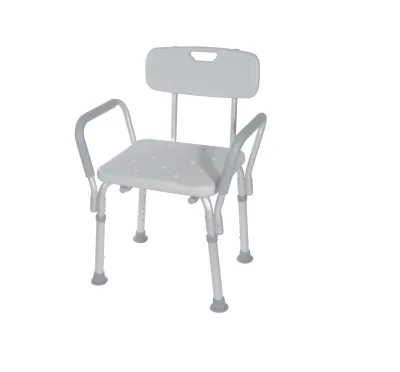
Elderly Bath Chair with Removable Legs
$8.80 - $16.80




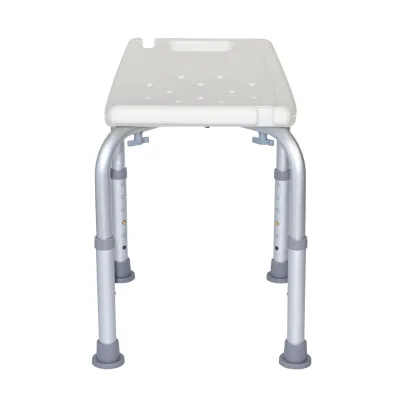
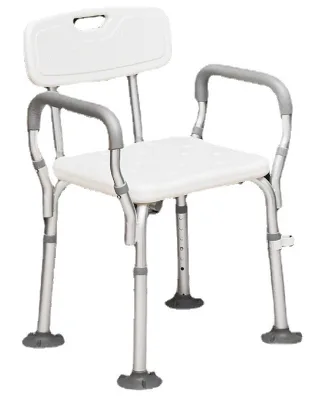
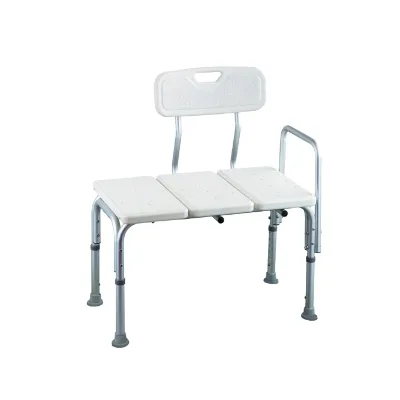


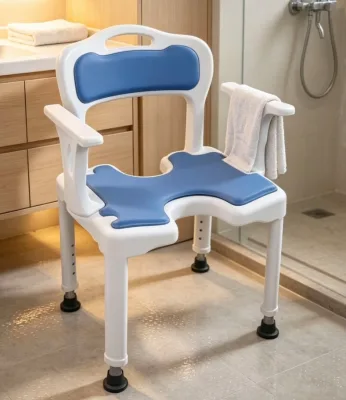






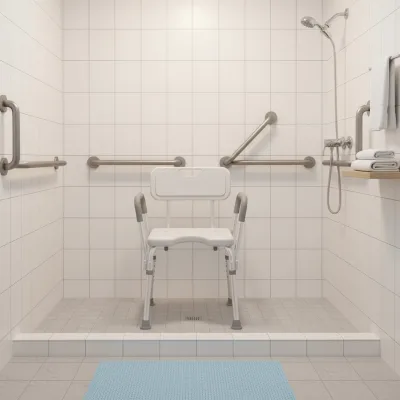
Comprehensive Sourcing Guide
Foldable Adjustable Bath Stool with Backrest Supplier Concentration and Factory Types
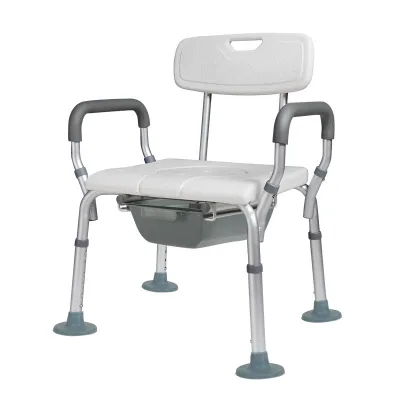
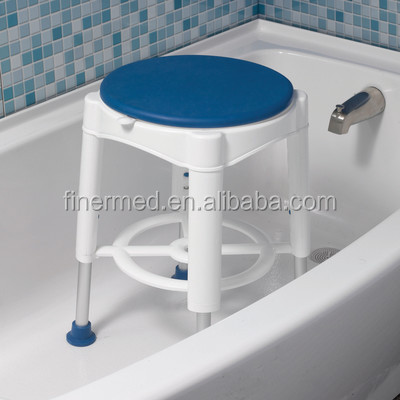
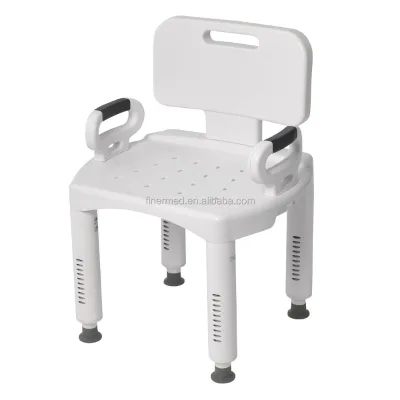
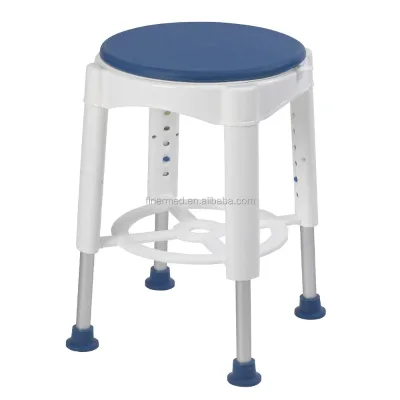
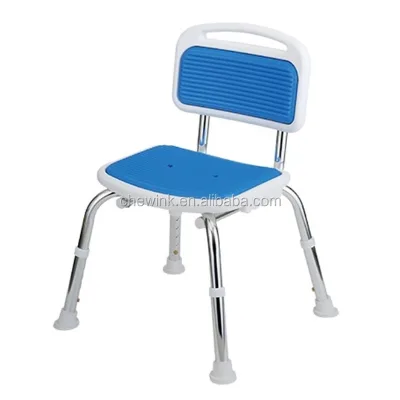
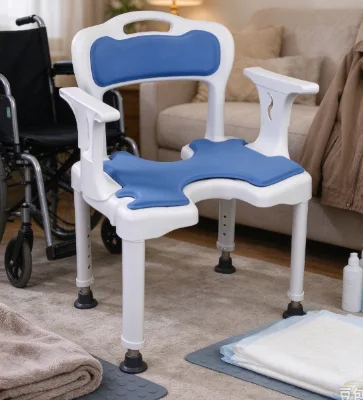
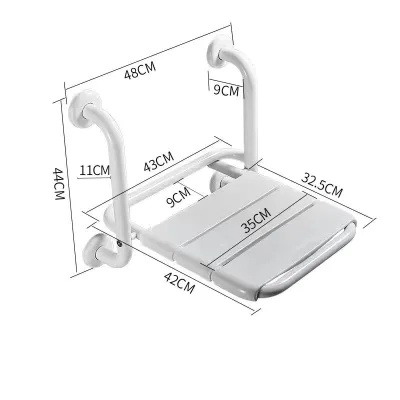
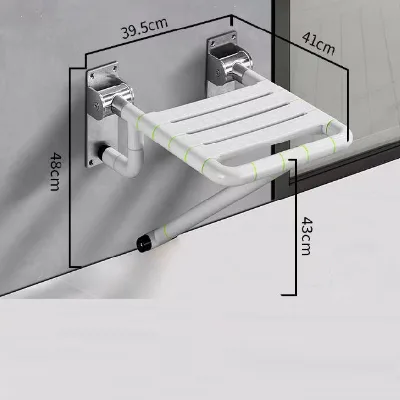
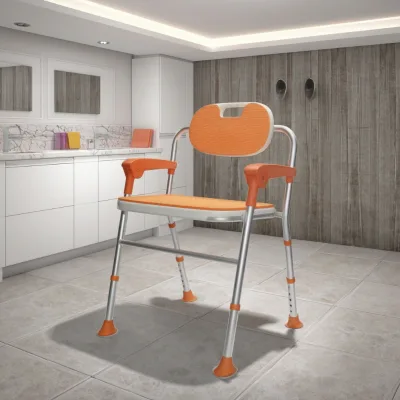
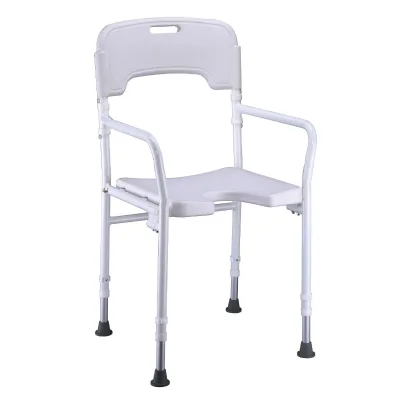
Bathroom safety equipment production in China clusters around a small number of provinces, and supplier results for this keyword point to Zhejiang and Shandong as active sourcing regions. Zhejiang-based listings in this category include a manufacturer described as a combined operation, meaning it both produces and sells, and it advertises ODM and OEM capability with a height-adjustable bath stool line spanning round-seat, padded rotatable, and EVA-seat models. Shandong-based suppliers skew toward trading companies whose main product lists cover wheelchairs, rollators, grab bars, commode chairs, and shower stools, which signals broader rehabilitation-device portfolios rather than single-product specialization.
For a buyer, this distinction matters. A combined manufacturer can typically discuss tooling, material substitution, and structural changes to a foldable frame directly, while a trading company may offer wider catalog coverage and consolidated shipping across related mobility products. Neither type is inherently better; the right choice depends on whether your priority is custom development or assortment breadth. When cluster data is not available in a supplier's displayed profile, identify concentration yourself by filtering search results by province, counting how many suppliers list shower chairs or bath stools as main products, and noting where repeated model families appear. If several suppliers in one region show the same construction style—aluminum legs with polyethylene or EVA seats—that repetition is practical evidence of a local component supply chain, even when no formal cluster designation is published.
How to Verify Foldable Adjustable Bath Stool with Backrest Suppliers
Verification starts with the credentials a platform displays and ends with what you confirm independently. In current results for this category, one Zhejiang supplier carries SGS verification while a Shandong trading company shows CTI verification; these third-party checks confirm company existence and basic legitimacy but are not product certifications. Some product listings in this space state CE and ISO certification on the listing itself, but a listing claim is not proof—you should request the actual certificate documents, check the certificate scope covers bath stools or rehabilitation equipment, and confirm the certificate number with the issuing body. Note that one Zhejiang supplier's system certification field reads NIL, which is a data gap to clarify, not automatically a red flag, but it must be resolved in writing before you commit.
Beyond documents, verify operational reality. Ask each supplier for its business license and check whether the registered scope includes medical or rehabilitation devices, since this category is often positioned as medical equipment. For a foldable stool, request a physical sample and test the locking mechanism, leg extension, and backrest attachment under load; listings in current results quote load ratings up to 150 kg, which you should confirm against your own testing rather than accepting as verified. Ask whether the supplier is the actual producer or an intermediary by requesting factory photos, a video walkthrough, or an audit report. Finally, reconcile stated response behavior with reality: current results show response times of roughly eight to nine hours, so track how quickly the supplier actually answers technical questions during negotiation, because slow pre-sale replies usually worsen after deposit payment.
What to Compare Across Foldable Adjustable Bath Stool with Backrest Suppliers
Build a comparison sheet using the attributes suppliers actually display, while remembering not every supplier publishes every field. Current results illustrate the range: one Zhejiang combined manufacturer shows a 30-day lead time, an 8.33-hour response time, ODM/OEM capability, and SGS verification; a Shandong trading company shows a 15-day lead time, an 8.95-hour response time, and CTI verification. Lead-time and response figures are supplier-reported, so treat them as opening claims to validate with a trial order and timed correspondence. Company type, verification body, and main-product list are more reliable because they describe structure rather than performance promises.
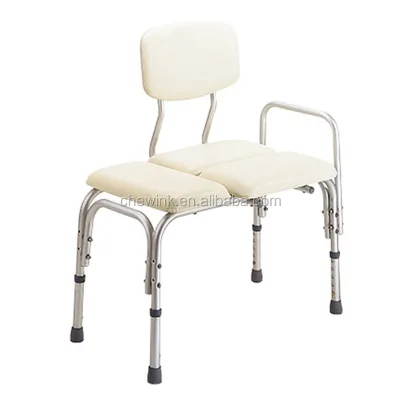
Compare product-level data with equal discipline. One listed stool shows an MOQ of 100 pieces with a price band of roughly 10 to 15.50 dollars per unit; another model family ranges from about 7 to 8.20 dollars, and a padded rotatable variant sits between 8.50 and 10.50 dollars, while a backrest commode-style chair reaches about 44 dollars. These are listing prices, not negotiated quotes, but the spread tells you where cost drivers sit: padded seats, rotation mechanisms, and commode functions raise unit cost. Also compare stated construction—aluminum frames versus aluminum-plus-polyethylene combinations—carton dimensions and weights, which ranged from roughly 2 kg to 6.42 kg in current listings, and customization availability, which several listings mark as available. Establishment year is a useful longevity signal where displayed, but ask directly when the field is blank rather than assuming youth or stability.
Common Foldable Adjustable Bath Stool with Backrest Sourcing Risks
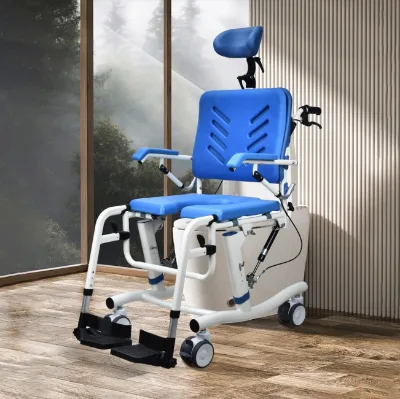
The most frequent risk in this category is the gap between listing claims and delivered goods. Listings carry self-declared attributes—CE and ISO marks, load-bearing figures such as 150 kg, "non-slip" and "bariatric" descriptions—that may not survive inspection. A foldable stool adds a specific failure mode: hinge and push-pin mechanisms can loosen after repeated use, and a stool that passes a static load test can still fail a cycling test. Require a signed specification sheet covering materials (frame alloy, seat material, foot mat compound), lock engagement, and weight capacity, then hold production samples against it. Another risk is certification mismatch: some listings are filed under living-room stool categories rather than bathroom safety equipment, which suggests loose catalog practices and raises the question of whether the supplier understands regulatory requirements for mobility aids in your market.
Quantity and packaging risks follow. Lightweight listings around 2 kg net versus heavier commode-style units above 6 kg imply very different freight economics, and a supplier quoting per-unit prices without confirming carton size may surprise you at booking. MOQ ambiguity is another trap—the 100-piece MOQ visible on one listing may apply only to stock colors, with higher minimums for customization. Finally, verify which entity actually controls production when dealing with a trading company; if the underlying factory changes between orders, quality drift is likely. Mitigate all of these with a pre-shipment inspection tied to your written specification, not a generic checklist.
Foldable Adjustable Bath Stool with Backrest Regional Sourcing and Logistics
Current results place active suppliers in Zhejiang and Shandong, two coastal provinces with mature export infrastructure. Zhejiang's ports serve high-frequency container sailings to North America and Europe, which suits consolidated loads of lightweight bathroom safety products, while Shandong's Qingdao gateway handles strong volumes for mobility and rehabilitation goods. For logistics planning, the relevant data points are supplier-declared lead times—15 days from the Shandong trading company versus 30 days from the Zhejiang combined manufacturer in current results—and the product's packed volume. A stool packing down to a carton around 51 by 13 by 35 cm stacks efficiently; heavier commode-style units at packing sizes near 670 by 600 by 270 mm consume far more container space, so calculate cost per carton rather than per unit.
Because both regions are coastal, sea freight is the default for volume orders, and the short inland legs keep trucking costs low, but confirm which port the supplier actually ships from, since quoted FOB terms can hide inland haulage. Air freight is rarely economic for products in the 2 to 6 kg packed range unless you are expediting samples. If your market requires import registration for rehabilitation devices, ask each supplier which export documentation it routinely provides—commercial invoice, packing list, and any certificate copies—and confirm it has shipped to your destination before. Regional diversification is sensible here: qualifying one manufacturer-type supplier and one trading company in different provinces protects you against single-factory disruption without multiplying audit costs.
Foldable Adjustable Bath Stool with Backrest Commercial Terms and Order Planning
Structure commercial terms around the realities visible in current results. With listing prices spanning roughly 7 to 44 dollars and MOQs around 100 pieces on entry models, negotiating leverage comes from volume consolidation across model variants rather than price haggling on a single SKU. Confirm whether the quoted price is FOB a named port and what it excludes—packaging upgrades, color variants, and custom backrest padding are all customization points that several listings flag as available, meaning priced separately. Payment terms for a first order should protect you; escrow or platform-protected payment is one dimension displayed on some supplier profiles, so check whether your candidates show it and otherwise negotiate a modest deposit with balance against the bill of lading copy.
Plan orders against validated, not advertised, timelines. A 15-day production claim and a 30-day claim can both be true for different order sizes, so ask what volume each lead time assumes and whether peak-season congestion extends it. Build a reorder calendar from your sell-through rather than the supplier's promise, keeping one production cycle of buffer stock. Lock in a golden sample and reference it in the purchase contract with inspection rights, and agree in writing on carton markings, weight tolerance, and load-testing documentation per batch. For subsequent orders, push for price breaks tied to annual volume commitments rather than spot quantities, and revisit the MOQ for customized variants once your first cycle proves demand. Renew verification checks annually, since displayed credentials can lapse between orders.
Word count: approximately 1,390.
FAQs
What is the price range for adjustable bath stools?
Prices for these stools typically range from $7.00 to $44.00 per unit depending on the model and features. Basic aluminum models start around $7.00, while specialized commode chairs with backrests can reach $44.00. Buyers should verify specific pricing for their required quantity and customization needs.
What is the minimum order quantity for these products?
The minimum order quantity is generally set at 100 units for standard models. This baseline allows suppliers to cover production and shipping costs efficiently. Buyers seeking smaller quantities should contact suppliers directly to negotiate exceptions or explore ready-to-ship inventory options available in the market.
How long does production take for these stools?
Lead times vary between 15 and 30 days based on the supplier and order complexity. Suppliers in Shandong often offer faster turnaround times around 15 days, while those in Zhejiang may require up to 30 days. Confirm the exact schedule with your chosen manufacturer before placing the order.
Are these bath stools certified for medical use?
Some models carry CE and ISO certifications, indicating compliance with specific safety and quality standards. These certifications are typically associated with higher-end adjustable commode chairs. Buyers should request valid certification documents from suppliers to ensure the products meet their regional regulatory requirements for medical equipment.
What materials are used in these shower chairs?
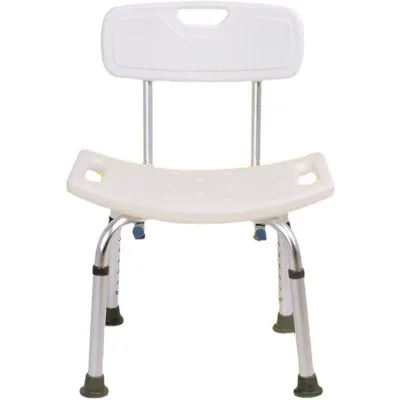
Common materials include aluminum alloy frames, HDPE or PE seat boards, and EVA or TPE foot mats. These materials ensure durability, lightweight portability, and non-slip safety. Some models also feature reinforced nylon handrails. Verify the specific material composition with the supplier to match your durability and weight requirements.
Can these stools be customized for branding?
Customization is available for many models, allowing for OEM and ODM services. Suppliers support custom branding, packaging, and specific design adjustments. This service is ideal for buyers looking to create a unique product line. Confirm customization options and associated costs directly with the supplier during the inquiry process.