weather-resistant modular outdoor kitchen island Suppliers and Manufacturers
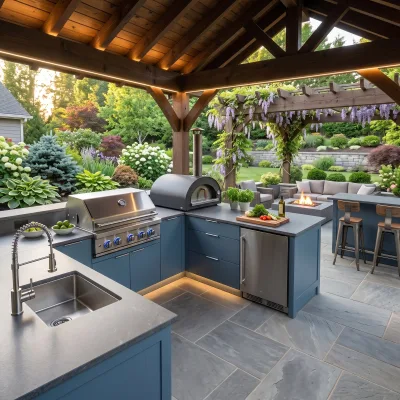
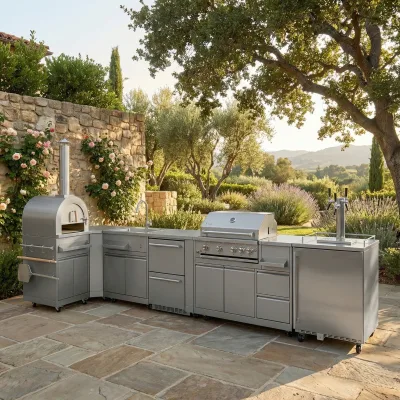
Compare 29 verified suppliers offering weather-resistant modular outdoor kitchen island units with features like wind resistance, waterproofing, and stainless steel construction. Review lead times, certifications, and pricing to select the right factory for your project; review the available evidence before requesting comparable quotations from suitable candidates.
Updated
Suppliers List

Henan Foodyee Machinery Co., Ltd
- Manufacturer/Factory
- China Henan
- Lead time0 days
- Avg. response≤ 2h
Main productsPalletizer, Seafood Processing, Sauce Production Line, Robot Series, Sterilization Equipment, Noodle Equipment, Dairy Equipment Press

Weifang Carter New Materials Co., Ltd.
- Verified by SGS
- Trading Company
- China Shandong
- Lead time30 days
- Avg. response≤ 2h
Main productsContainer House
Main marketsOthers(foreignTradeCapacity.exportBusinessCapacityMarketOther),Southeast Asia/ Mideast,Europe,Australia,North America

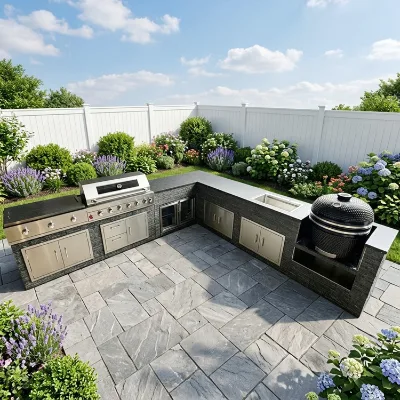
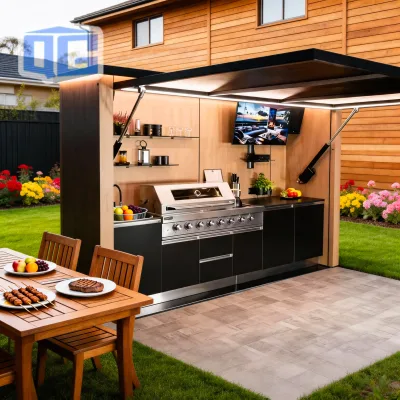
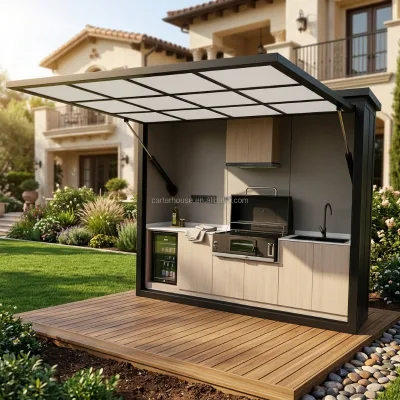
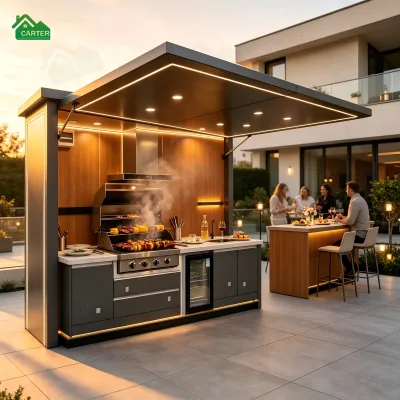
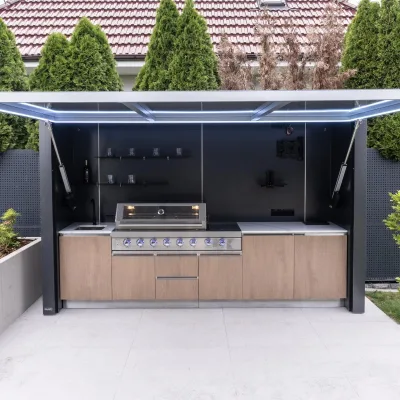
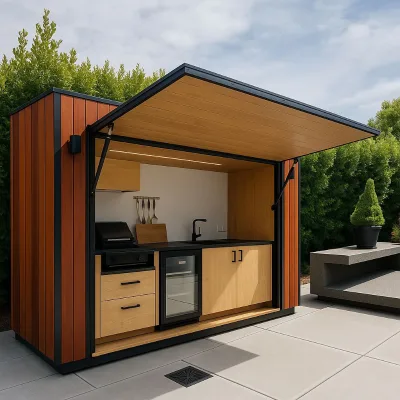
Outdoor Kitchen Pod Modular Outdoor Kitchen Outdoor Kitchen Shed Outdoor Kitchen Island
$2900.00 - $3700.00
MOQ: 1 Sets

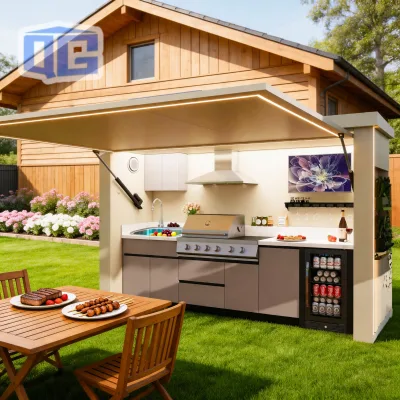
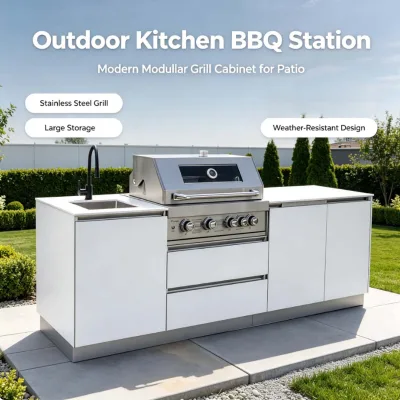
Outdoor Kitchen Cabinets Garden Kitchen with Modular Cabinets and Grill Island
$2900.00 - $3700.00
MOQ: 1 Sets
- Verified by Intertek
- Trading Company
- Lead time40 days
- Avg. response≤ 3h
Main productsKitchen Cabinets, Outdoor Kitchens, Wardrobes Closets, Bathroom Cabinets, TV Cabinets
Main marketsNorth America(80%), Oceania(16%), Northern Europe(4%)
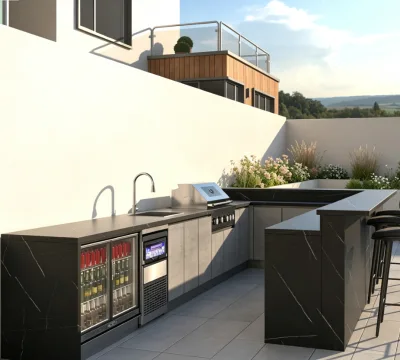
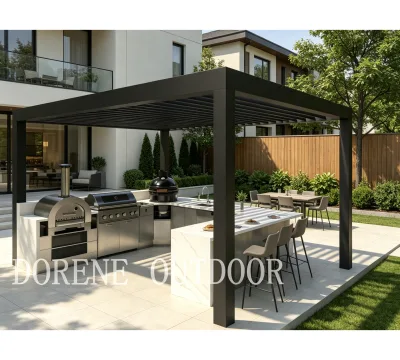
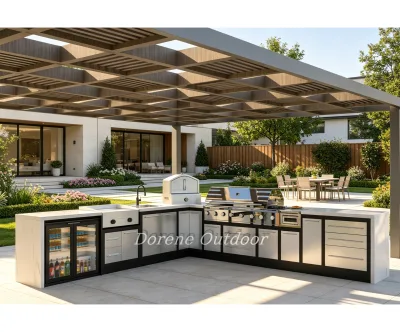
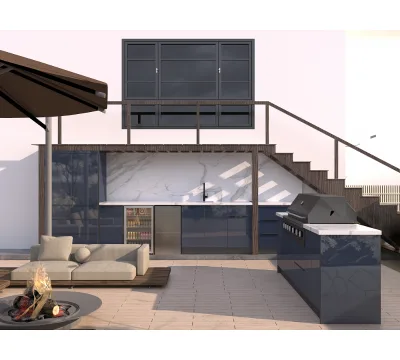
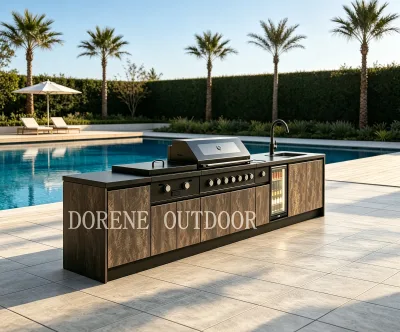
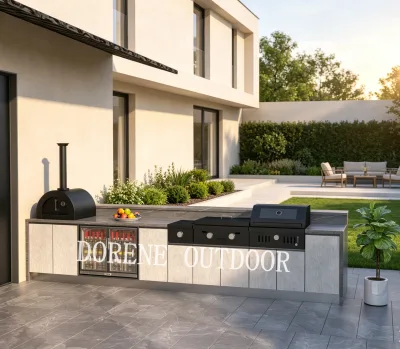
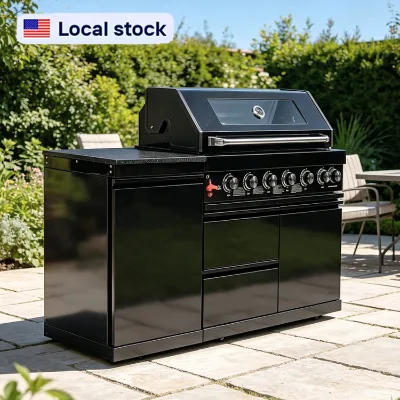
Modular Stainless Steel Outdoor Kitchen Island, Cabinet and Shed
$1299.00 - $1599.00

Henan Foodyoo Machinery Co., Ltd
- Trading Company
- China Henan
- Lead time0 days
- Avg. response≤ 3h
Main productsOil Press, Palletizer, Vending Machine, Food Processing Line, Freezing and Preservation Machinery, Food Trailer, Commercial Kitchen Machinery

Guangdong Junhe Aluminum Industry Co., Ltd.
- Verified by SGS
- Combined
- China Guangdong
- Lead time23 days
- Avg. response≤ 4h
Main productsMetal Ceiling, Aluminum Ceiling, Aluminum Panel
Main marketsDomestic


Durable Outdoor Cooking Island Featuring Innovative Weatherproof Kitchen Layout
$4500.00
MOQ: 1 Pieces


Robust Weatherproof Kitchen Cabinet with Multifunctional Outdoor BBQ Island Features
$4500.00
MOQ: 1 Pieces


Foshan Godi Bathroom Co., Ltd.
- Manufacturer, Trading Company
- Guangdong, China
- Lead time0 days
- Avg. response≤ 6h
Main productsBathroom Cabinet, Closet, Cupboard
Main marketsDomestic Market(58.00%), Mid East(10.00%), North America(5.00%), Eastern Europe(5.00%), Southeast Asia(5.00%), South Asia(3.00%), South America(2.00%), Oceania(2.00%), Southern Europe(2.00%), Central America(2.00%), Northern Europe(2.00%), Africa(2.00%), Eastern Asia(1.00%), Western Europe(1.00%)
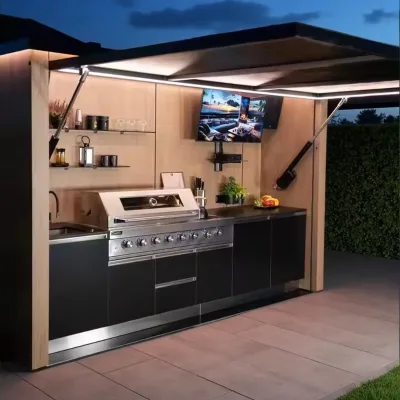
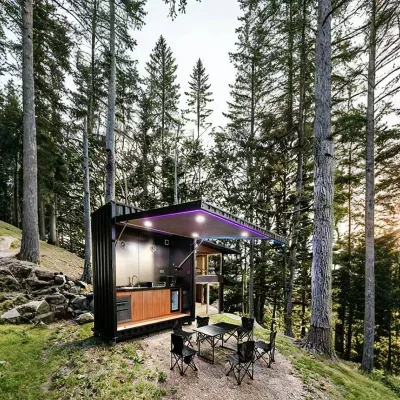
Modern Outdoor Kitchen Island with Grill and Storage Drawers in a Fashionable Design
$788.60 - $1150.20
MOQ: 4 square

Jiangmen SHT Metal Products Co., Ltd.
- Manufacturer
- China Guangdong
- Lead time30 days
- Avg. response≤ 3h
Main productsPizza Oven, BBQ Grill, Outdoor Kitchen, Gas Grill, Kitchen Cabinet, Barbecue Grill, Charcoal Grill, BBQ Gas Grill, Outdoor Grill, Gas Pizza Oven
Main marketsEurope,Australia,North America


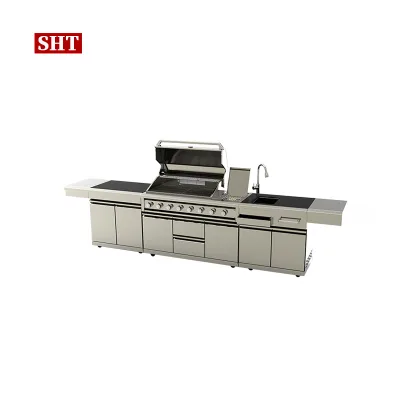
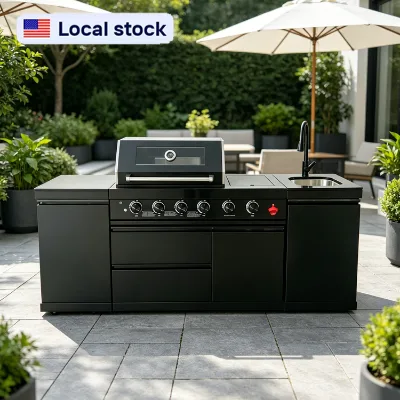
Modular Outdoor Kitchen Island Integrated Design with Sink and Side Burner
$4988.00 - $7888.00
MOQ: 1 Sets


Henan Foodline Machinery Co., Ltd.
- Trading Company
- Henan, China
- Lead time10 days
- Avg. response≤ 4h
Main productsFried production line,Fruit and vegetable processing machinery,Vending machine,Food trailer,Puffed snack food processing line
Main marketsNorth America(22.00%), Eastern Europe(12.00%), Western Europe(12.00%), Domestic Market(8.00%), Southeast Asia(7.00%), Mid East(6.00%), Central America(6.00%), Oceania(5.00%), Northern Europe(5.00%), Southern Europe(5.00%), South America(4.00%), Africa(3.00%), Eastern Asia(3.00%), South Asia(2.00%)
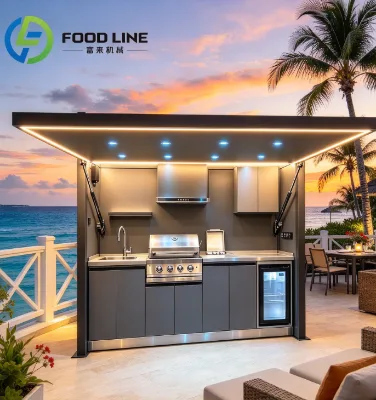
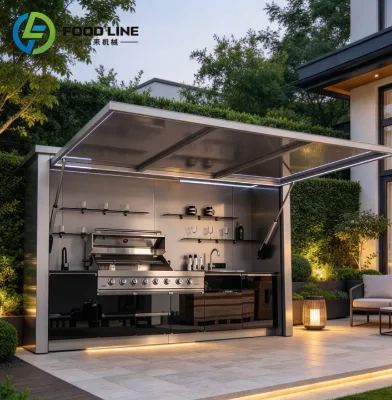
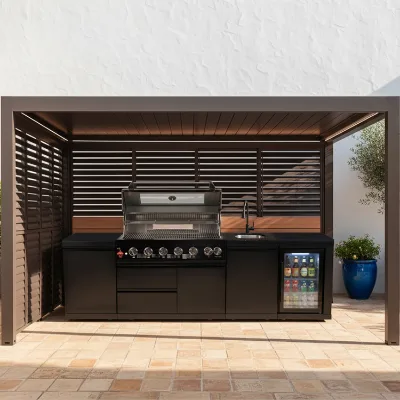
Black Stainless Steel Outdoor Kitchen Island Modular Outdoor Kitchen for Villa Courtyard
$2880.00 - $4850.00
MOQ: 1
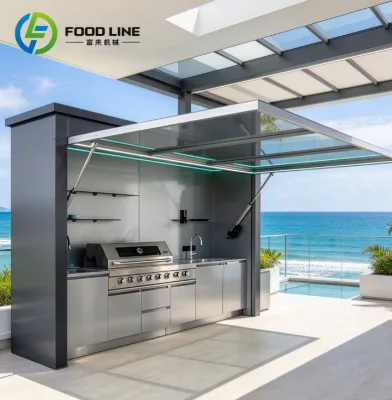
Grill Outdoor Kitchen Complete Set Outdoor Kitchen Island for Backyard Gathering
$2880.00 - $4850.00
MOQ: 1
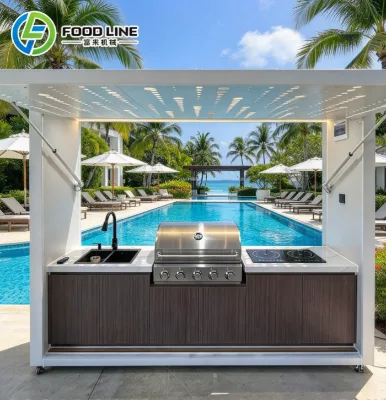
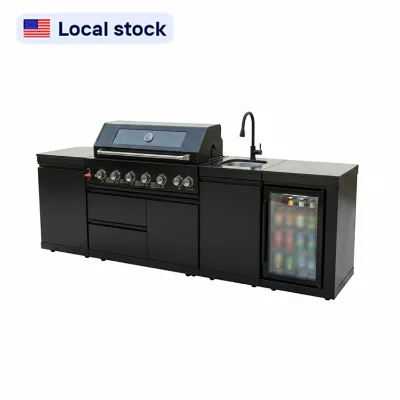
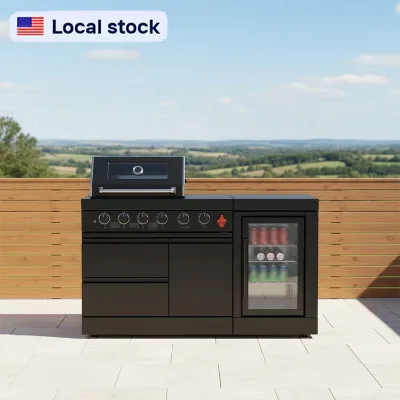
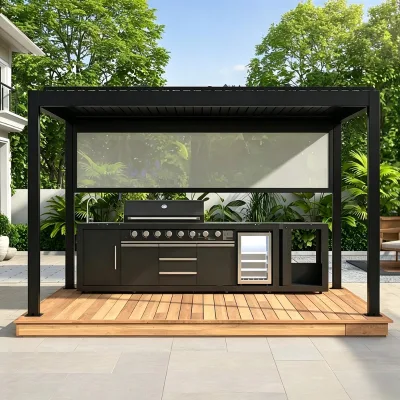
Black Weatherproof Outdoor Kitchen Cabinet Complete Outdoor Kitchen Island With Sink Fridge
$3200.00 - $4800.00
MOQ: 1
Luoyang Fuluoshi Import And Export Co., Ltd.
- Verified by SGS Group
- Manufacturer, Trading Company
- Lead time15 days
- Avg. response≤ 3h
Main productsWheelie Bin Storage, Garden storage box, Parcel box/ mailbox, Bike shed, Raised garden bed
Main marketsWestern Europe(40%), North America(20%), Africa(10%)
Jiangmen Eureka Decoration Material Company Ltd.
- Manufacturer
- Guangdong Province, China
- Lead time10 days
- Avg. response≤ 6h
Main productspizza oven,bbq grills,outdoor kitchen,built in grill,outdoor kitchen cabinets
Main marketsDomestic Market(30.00%), North America(20.00%), Western Europe(18.00%), Eastern Asia(10.00%), Oceania(10.00%), South America(6.00%), Eastern Europe(6.00%)

Foshan Grandsea Building Material Co., Ltd.
- Combined
- China Guangdong
- Lead time23 days
- Avg. response≤ 4h
Main productsAluminum Windows, Aluminum Doors, Steel Doors, Garage Doors, Iron Doors, Wood Doors, Pergola
Main marketsAfrica,Australia,North America

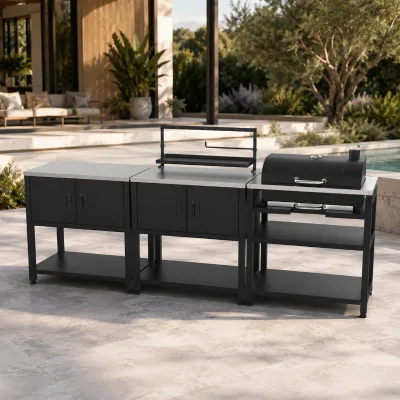
Modular High End Outdoor Stainless Steel Kitchen Cabinet Outdoor Kitchen Island
$12.00 - $16.00
MOQ: 20 Square Feet

Luxury High Quality Outdoor Stainless Steel Kitchen Cabinet with Island
$18.00 - $22.00
MOQ: 20 Square Feet
Chuangxing Stainless Steel Products Co., Ltd.
- Manufacturer, Trading Company
- Lead time旺季: "1 - 20":25,"> 20":"To be negotiated", 淡季: "1 - 20":25,"> 20":"To be negotiated"
- Avg. response≤ 4h
Main productsStainless Steel Squat Pan, Stainless Steel Toilet, Stainless Steel Kitchen Cabinet, Stainless Steel Drinking Fountain, Dog Wash Station
Hangzhou Youya Outdoor Products Co., Ltd.
- Trading Company
- Lead time旺季: "1 - 1":20,"> 1":"To be negotiated", 淡季: "1 - 1":20,"> 1":"To be negotiated"
- Avg. response≤ 3h
Main productsSolar Panel Fence,Solar Pergola,Stainless Steel Kitchen Cabinets,indoor kitchen,Solar Panel

- Verified by SGS
- Trading Company
- China Shanghai
- Lead time15 days
- Avg. response≤ 3h
Main productsOutdoor Kitchen, Capsule House, Space Capsule, Apple Warehouse, Capsule Home, BBQ Outdoor Kitchen, Capsule Cabin, Container House, Capsule Hotel, Modular Outdoor Kitchen
Main marketsOthers(foreignTradeCapacity.exportBusinessCapacityMarketOther),Domestic

304 Stainless Steel Modular Outdoor Kitchen Designs with Cabinet Grill Island
$4800.00 - $6599.00
MOQ: 1 Sets

$4800.00 - $6599.00
MOQ: 1 Sets

BBQ Modular Outdoor Kitchen Pod Prefabricated Integrated Kitchen Designs with Grill
$4800.00 - $6599.00
MOQ: 1 Sets

Luxury Modular Outdoor Kitchen Pod with 304 Stainless Steel Material Rust Prevention
$4800.00 - $6599.00
MOQ: 1 Sets

Modern Outdoor BBQ Kitchen Cabinet Mordular Mobile Tiny Kitchen Island with Gas and Charcoal Grill
$4800.00 - $6599.00
MOQ: 1 Sets
FOSHAN NANHAI KEYO BBQ INDUSTRY CO.,LTD
- Verified by SGS Group
- Manufacturer, Trading Company
- Guangdong, China
- Lead time5 days
- Avg. response≤ 7h
Main productsBBQ Grills/Fire Pit/Pizza Oven/BBQ Accessories/BBQ Tools
Main marketsNorthern Europe(17%), Southern Europe(17%), North America(9%)
Hebei Qianguang Building Materials Technology Co., Ltd.
- Verified by Intertek
- Manufacturer, Trading Company
- Lead time25 days
- Avg. response≤ 2h
Main productsContainer House, Prefabricated House, Foldable House, Portable Toilet
Main marketsDomestic Market(100%)
Jiangmen Gamash Furniture Co., Ltd.
- Verified by TüVRheinland
- Manufacturer, Trading Company
- Lead time20 days
- Avg. response≤ 2h
Main productsWardrobes, Kitchen Cabinets, Living Room Display Cabinets, Bathroom Cabinets, Office Cabinets
Main marketsDomestic Market(40%), North America(20%), Oceania(8%)

Foshan Shunde Deyao Outdoor Metal Products Co., Ltd.
- Verified by CTI
- Combined
- China Guangdong
- Lead time15 days
- Avg. response≤ 7h
Main marketsSouth America,Domestic,Europe,Australia,North America
Shenzhen Haixin Birui Smart Home Co., Ltd.
- Verified by TüVRheinland
- Manufacturer, Trading Company
- Lead time30 days
- Avg. response≤ 2h
Main productsStainless Steel Cabinet, Outdoor Kitchen, Tool Cabinet, Kitchen Appliances
Main marketsNorth America(40%), Western Europe(20%), Oceania(10%)

Weifang Carter New Materials Co., Ltd.
- Manufacturer, Trading Company
- Shandong, China
- Lead time15 days
- Avg. response≤ 1h
Main productsContainer House,Prefab Houses,Foldable House,Prefabricated house,Capsule House
Main marketsOceania(50.00%), Western Europe(30.00%), Eastern Europe(20.00%)
Huisun Electric Appliance Co., Limited
- Manufacturer
- Hong Kong S.A.R.
- Lead time0 days
- Avg. response≤ 8h
Main productsbbq grills,bbq accessories,bbq island
Main marketsNorth America(20.00%), Eastern Europe(20.00%), South America(10.00%), Central America(10.00%), Southern Europe(10.00%), Northern Europe(10.00%), Western Europe(10.00%), Mid East(5.00%), Oceania(5.00%)
Shenzhen Molantang Culture Communication Co., Ltd.
- Manufacturer, Trading Company
- Guangdong, China
- Lead time30 days
- Avg. response≤ 3h
Main productsDoor,Window
Main marketsNorth America(50.00%), Mid East(10.00%), Domestic Market(5.00%), South Asia(5.00%), Northern Europe(5.00%), Central America(5.00%), Eastern Asia(5.00%), South America(5.00%), Africa(5.00%), Southeast Asia(5.00%)
Guangzhou Jinguangyue Catering Equipment Co., Ltd.
- Verified by SGS Group
- Trading Company
- Lead time0 days
- Avg. response≤ 4h
Main productsFood Cart, Mobile Stalls, Bean Dryer, Coffee Machine, Ice Maker
Main marketsNorth America(45%), Mid East(10%), Western Europe(10%)

FOSHAN WANDON INDUSTRIES CO.,LTD
- Verified by TUVRHEINLAND
- Trading Company
- China Guangdong
- Lead time23 days
- Avg. response≤ 2h
Main productsAluminum Sun Room, Aluminum Pergola, Aluminum Window, Aluminum Door, Aluminum Material, Green House, Glass Room, Outdoor Pergola, Outdoor Sun Room, Garden Pergola
Main marketsNorth America

Ningbo Yasn International Trade Co., Ltd.
- Trading Company
- Zhejiang, China
- Lead time30 days
- Avg. response≤ 8h
Main productsGarden Furniture, Outdoor Hanging Chairs, Outdoor Pergola, Outdoor Umbrellas, Outdoor Kitchen
Main marketsEastern Europe(30.00%), North America(25.00%), Western Europe(15.00%), Northern Europe(15.00%), South America(5.00%), Oceania(5.00%), Southern Europe(5.00%)
Foshan Oumi Dezi Silent Doors And Windows Co., Ltd.
- Verified by Intertek
- Manufacturer, Trading Company
- Lead time35 days
- Avg. response≤ 7h
Main productsAluminium Door, Aluminium Window
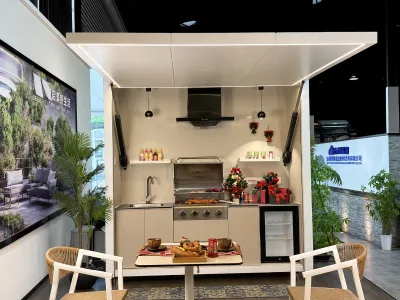
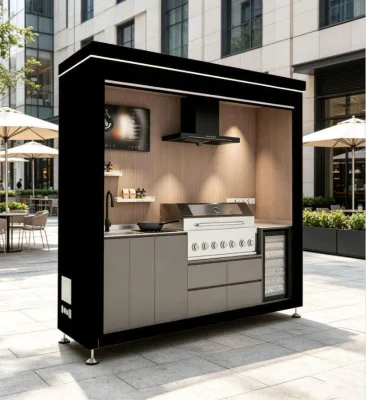
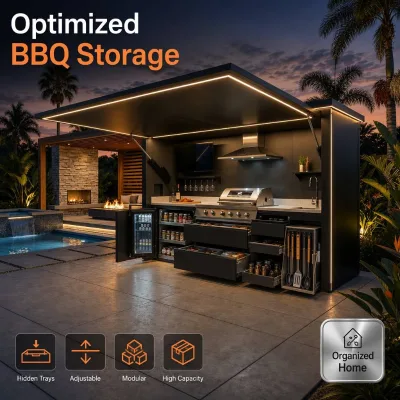
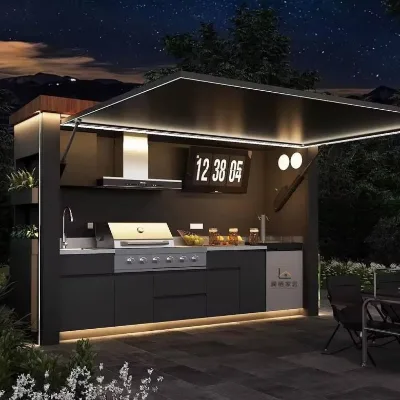
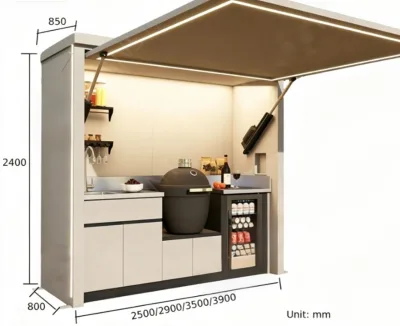
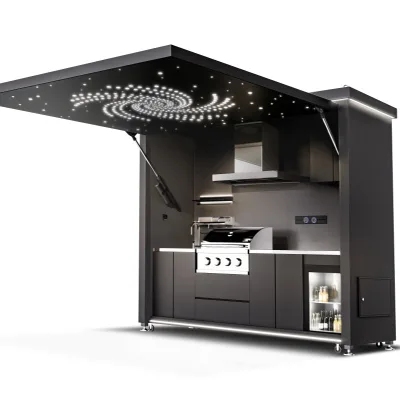
Luxury Modern Outdoor Kitchen BBQ Island with Waterproof Cabinets Grill Sink Wine Cellar & Dining
$5000.00 - $7500.00
MOQ: 1
Hangzhou Youya Outdoor Products Co., Ltd.
- Verified by SGS Group
- Trading Company
- Lead time45 days
- Avg. response≤ 3h
Main productsPergola, Outdoor Kitchen, Gazebo, 304 Stainless Steel Kitchen Cabinets, Solar Fence
Main marketsNorth America(50%), Eastern Europe(15%), Western Europe(15%)

- Verified by CTI
- Trading Company
- China Guangdong
- Lead time30 days
- Avg. response≤ 6h
Main productsKitchen Cabinet, Staircase, Aluminum Window, Wardrobe, Whole-House Custom Cabinets, Interior and Eexterior Door, Aluminum Sliding Door, Railing, Curtain Wall
Main marketsSoutheast Asia/ Mideast,Domestic,Europe,North America

- Verified by BV
- Manufacturer/Factory
- China Guangdong
- Lead time23 days
- Avg. response≤ 6h
Main productsKitchen Cabinet, Wordrobe&Closet, Staircase, Wooden Door, Roller Door & Garage Door, Aluminium Alloy Window, Aluminium Alloy Door, Container Swimming Pool
Main marketsSouth America,Eastern Europe,Mid East,North America,Southeast Asia,Eastern Asia,Oceania,Western Europe,Africa

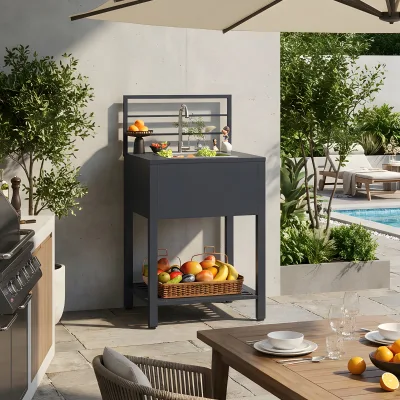
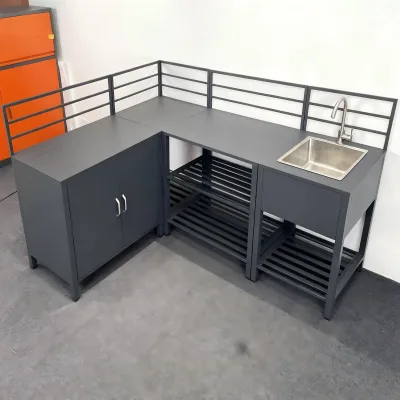
Wholesale Aluminum Outdoor Kitchen BBQ Grill Island Kitchen Cabinet
$149.00 - $188.00
MOQ: 49 Square Meters

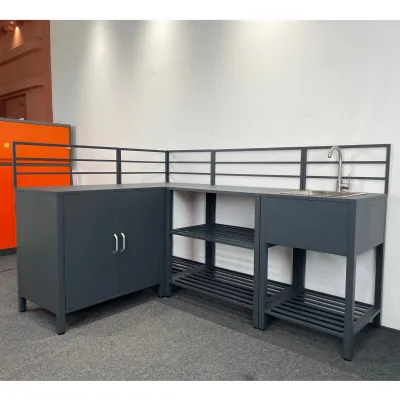
Modern High Gloss Aluminium Kitchen-Cabinets Outdoor Cupboards Kitchen-Furniture Island Cabinets
$80.00 - $150.00
MOQ: 5 Meters


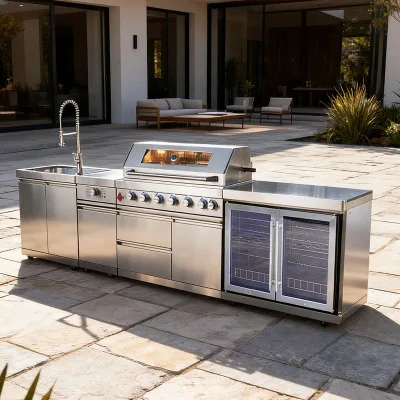
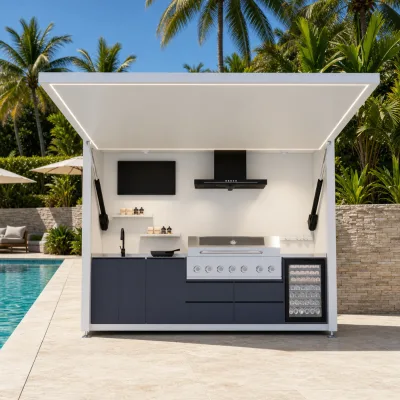
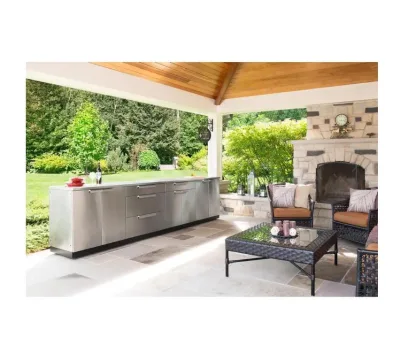
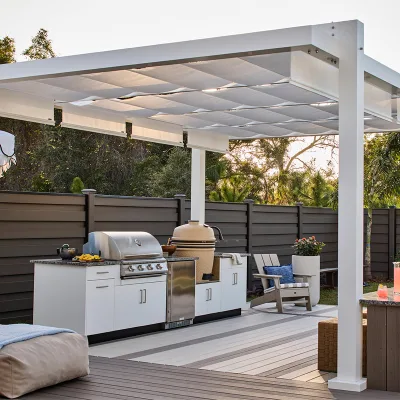






Comprehensive Sourcing Guide
Weather-Resistant Modular Outdoor Kitchen Island Supplier Concentration and Factory Types
The current supplier landscape for weather-resistant modular outdoor kitchen islands reveals a distinct split between manufacturing capabilities and trading operations, primarily concentrated in specific Chinese provinces. Evidence indicates that a significant portion of the supply base is located in Henan, where suppliers are identified as manufacturers or factories. These entities often list diverse main products such as palletizers, seafood processing equipment, and sterilization systems, suggesting that their modular kitchen offerings may be part of a broader industrial or container-based manufacturing portfolio. This diversification implies that buyers seeking specialized outdoor kitchen units might encounter suppliers whose core competency lies in heavy machinery or general container construction rather than dedicated culinary furniture. The presence of ISO 9000, ISO 14001, and ISO 9001 certifications among these Henan-based manufacturers provides a baseline assurance of quality management systems, which is critical when evaluating the structural integrity of modular units designed for outdoor exposure. Buyers should recognize that a supplier’s primary product listing may not fully reflect their capability to produce high-end outdoor kitchen islands, necessitating a deeper review of their specific product attributes and material specifications.
In contrast, other segments of the market include trading companies located in regions like Shandong, which operate with different operational models compared to direct factories. These trading entities may offer a wider variety of styles or faster response times, as indicated by response metrics, but they might lack the direct control over production processes that factories possess. The verification status of some suppliers, such as SGS or Intertek, adds a layer of credibility to their operational claims, helping buyers distinguish between genuine manufacturing capabilities and mere distribution channels. When assessing supplier types, it is essential to look beyond the company type label and examine the specific product evidence provided. For instance, some suppliers highlight features like wind resistance, waterproofing, and thermal insulation, which are crucial for weather-resistant performance. Understanding whether a supplier is a factory or a trading company helps buyers anticipate the level of customization available, the transparency of the supply chain, and the potential for direct communication regarding technical specifications and production timelines.
How to Verify Weather-Resistant Modular Outdoor Kitchen Island Suppliers
Verifying the authenticity and capability of suppliers requires a meticulous examination of their certification records, verification badges, and product-specific attributes. Buyers should prioritize suppliers who display recognized system certifications such as ISO 9001 or ISO 14001, as these indicate adherence to international standards for quality and environmental management. Additionally, third-party verification badges from agencies like SGS or Intertek serve as independent confirmations of a supplier’s business legitimacy and operational capacity. These verifications are particularly important for modular outdoor kitchens, where structural safety and material durability are paramount. Buyers must cross-reference these certifications with the supplier’s stated location and main products to ensure consistency. For example, a supplier claiming to be a manufacturer in Henan should have verifiable factory details and a product portfolio that aligns with modular kitchen construction. Discrepancies between claimed capabilities and verified data should raise red flags, prompting further due diligence before any commitment is made.
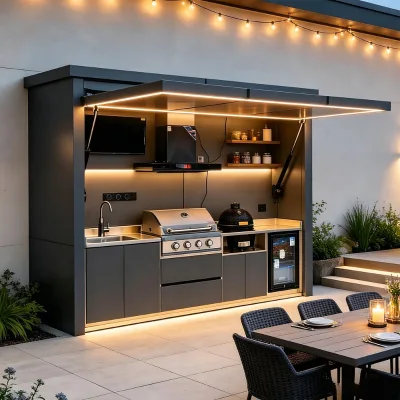
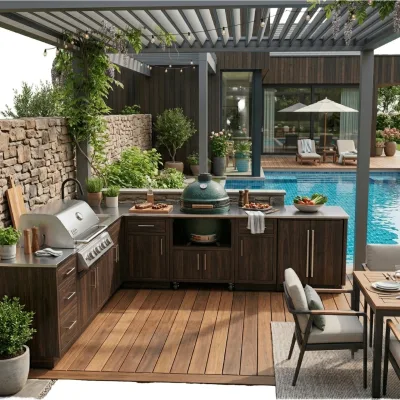
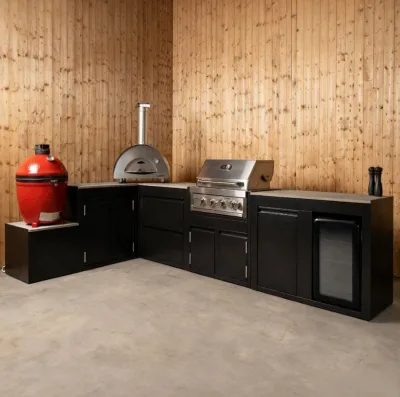
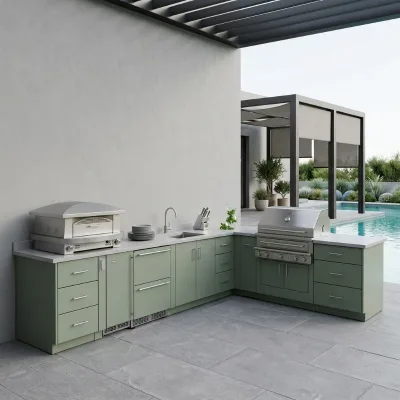
Beyond certifications, buyers should scrutinize the detailed product attributes provided in the supplier listings to assess technical competence. Key features such as material composition, specifically the use of SUS304 stainless steel or premium aluminum pipes, are critical indicators of weather resistance and longevity. Suppliers who provide comprehensive specifications, including dimensions, control types, and safety devices like flame safety mechanisms, demonstrate a higher level of product transparency. Buyers should also look for evidence of customization capabilities, such as available colors, modular designs, and optional plumbing or electrical installations. The presence of specific product models and detailed packing information, such as wooden boxes or container shipping, further supports the supplier’s readiness for international trade. By focusing on these concrete details, buyers can effectively filter out suppliers who may lack the technical expertise or product depth required to deliver high-quality weather-resistant modular outdoor kitchen islands.
What to Compare Across Weather-Resistant Modular Outdoor Kitchen Island Suppliers
When evaluating multiple suppliers, buyers should systematically compare key operational metrics such as lead times, minimum order quantities, and response speeds to determine the best fit for their procurement needs. Lead times vary significantly across the supplier base, with some indicating a lead time of zero days, which may suggest ready-stock items or rapid production cycles, while others specify longer durations such as 20-30 days or even 40 days for certain models. This variance is crucial for buyers planning large-scale deployments or tight project schedules. Minimum order quantities also differ, with some suppliers offering an MOQ of just one unit, which is ideal for small businesses or individual buyers, while others may have higher thresholds. Response times, measured in hours, provide insight into the supplier’s customer service efficiency, with faster responses indicating a more responsive and potentially more reliable partnership. Buyers should weigh these factors against the supplier’s location and main products to ensure alignment with their logistical and operational requirements.
Price and product specifications are equally important dimensions for comparison, as they directly impact the total cost of ownership and the suitability of the product for specific use cases. Price ranges for modular outdoor kitchens can vary widely, with some units priced around $6,900 to $8,300, reflecting differences in materials, features, and customization options. Buyers should analyze the price in conjunction with the product attributes, such as the inclusion of gas grills, sink styles, and cabinet finishes, to assess value for money. Additionally, the availability of customization options, such as customized colors or modular configurations, can influence the final price and should be clearly communicated by the supplier. By comparing these elements across different suppliers, buyers can identify the most cost-effective and suitable options for their specific needs. It is also important to consider the supplier’s after-sales service capabilities, including online technical support and onsite installation options, which can add significant value to the procurement process.
Common Weather-Resistant Modular Outdoor Kitchen Island Sourcing Risks
One of the primary risks in sourcing weather-resistant modular outdoor kitchen islands is the potential mismatch between advertised features and actual product performance, particularly regarding durability and weather resistance. Buyers must be cautious of suppliers who claim features like wind resistance, waterproofing, and thermal insulation without providing detailed material specifications or test results. The use of inferior materials, such as non-stainless steel components or inadequate sealing, can lead to rapid degradation when exposed to outdoor elements, resulting in costly replacements and operational disruptions. Additionally, the complexity of modular designs, which often include integrated plumbing, electrical systems, and gas connections, introduces risks related to installation and maintenance. If suppliers do not provide comprehensive installation guides or reliable after-sales support, buyers may face difficulties in assembling and maintaining the units, leading to safety hazards and functional failures.
Another significant risk is the variability in supplier reliability and communication, which can impact project timelines and overall satisfaction. Suppliers with longer lead times or slower response speeds may struggle to meet urgent delivery requirements, causing delays in project completion. Furthermore, the lack of transparency in pricing and additional costs, such as shipping and customs duties, can lead to budget overruns. Buyers should also be wary of suppliers who do not offer clear warranty terms or return policies, as this leaves them vulnerable to financial losses in case of product defects. The diversity of supplier types, including both manufacturers and trading companies, adds another layer of complexity, as trading companies may not have direct control over production quality or delivery schedules. To mitigate these risks, buyers should conduct thorough due diligence, request samples or detailed product demonstrations, and establish clear communication channels with suppliers to ensure alignment on expectations and responsibilities.
Weather-Resistant Modular Outdoor Kitchen Island Regional Sourcing and Logistics
Sourcing weather-resistant modular outdoor kitchen islands from specific regions in China, such as Henan and Shandong, offers distinct logistical advantages and challenges that buyers must consider. Suppliers in Henan, often identified as manufacturers, may benefit from established industrial clusters that support container-based and modular construction, potentially offering competitive pricing and robust production capabilities. However, buyers should verify the logistical infrastructure and shipping options available from these locations to ensure efficient delivery to their target markets. The use of container packing for some products suggests that these units are designed for easy transportation, which can simplify logistics and reduce shipping costs. Buyers should also consider the impact of regional trade policies and tariffs on the final cost of goods, as these factors can significantly influence the overall procurement budget.
In contrast, suppliers in Shandong, which may include trading companies, might offer different logistical benefits, such as proximity to major ports or faster response times for order processing. Buyers should evaluate the shipping methods and delivery times offered by these suppliers to determine the most efficient route for their needs. The availability of customization options, such as specific dimensions or features, may also impact logistical planning, as custom orders often require longer production and shipping times. Additionally, buyers should consider the environmental conditions of the destination market when selecting suppliers, as weather-resistant features must be tailored to local climate challenges. By carefully assessing the regional sourcing options and logistical capabilities of suppliers, buyers can optimize their supply chain and ensure the timely delivery of high-quality modular outdoor kitchen islands.
Weather-Resistant Modular Outdoor Kitchen Island Commercial Terms and Order Planning
Effective order planning for weather-resistant modular outdoor kitchen islands requires a clear understanding of commercial terms, including payment methods, warranty policies, and after-sales service commitments. Buyers should prioritize suppliers who offer secure payment options, such as escrow services, to protect their financial interests and ensure that payments are only released upon satisfactory delivery and inspection of the goods. Warranty terms are another critical aspect, as they provide assurance against manufacturing defects and material failures. Buyers should inquire about the duration and coverage of warranties, as well as the process for claiming repairs or replacements. Additionally, the availability of after-sales services, such as online technical support, onsite installation, and free spare parts, can significantly enhance the long-term value of the procurement. These services are particularly important for complex modular units that require professional installation and maintenance.
Furthermore, buyers should plan for potential variations in order quantities and customization requirements to avoid disruptions in supply. Suppliers with flexible MOQs and customization capabilities can accommodate diverse project needs, from small-scale residential installations to large commercial developments. Buyers should communicate their specific requirements clearly to suppliers to ensure that the final product meets their expectations. It is also important to consider the scalability of the supplier’s production capacity, especially for large orders, to ensure that delivery timelines can be met. By establishing clear commercial terms and planning for potential variations, buyers can mitigate risks and ensure a smooth procurement process. Regular communication with suppliers and periodic performance reviews can help maintain a strong partnership and ensure continuous improvement in product quality and service delivery.
FAQs
What is the price range for modular outdoor kitchen islands?
Prices for modular outdoor kitchen islands typically range from $2,900 to $8,300 per unit. The cost varies based on material selection, such as stainless steel or aluminum, and specific feature sets like remote control or integrated grills. Buyers should verify exact pricing with suppliers for custom configurations.
What certifications are available for outdoor kitchen suppliers?
Suppliers often hold ISO 9000, ISO 14001, and ISO 9001 certifications for quality and environmental management. Product-specific certifications may include CE, Aga, and CB marks. These credentials ensure compliance with international safety and manufacturing standards for outdoor cooking equipment and modular structures.
What is the typical lead time for manufacturing?
Manufacturing lead times generally range from 20 to 40 days depending on the supplier and order complexity. Some suppliers indicate a standard production period of 30 days, while others may require up to 40 days for customized units. Buyers should confirm specific timelines during the inquiry phase.
What materials are used in outdoor kitchen construction?
Common materials include premium aluminum pipes, stainless steel plates, and SUS304 stainless steel for durability. Some units utilize steel structures or container-based designs. These materials provide wind resistance, waterproofing, and thermal insulation, ensuring the kitchen remains weather-resistant and safe for outdoor cooking environments.
What is the minimum order quantity for these units?
The minimum order quantity is often set at just one unit, allowing for single purchases. This low MOQ facilitates testing and small-scale deployments. Buyers can typically order individual modular islands without needing to commit to large bulk quantities, making it accessible for various project sizes.
Where are these outdoor kitchens manufactured?
Manufacturing locations primarily include Henan and Shandong provinces in China, with some origins in Zhejiang. These regions are known for producing container houses, kitchen cabinets, and specialized outdoor cooking equipment. Buyers can filter suppliers by these specific geographic locations to align with logistics preferences.
What features do modular outdoor kitchens offer?
Features include fast installation, remote control operation, and flexible combinability. Units are designed to be wind-resistant, waterproof, and earthquake-resistant. Additional options may include integrated sinks, gas grills, and customizable colors, providing a comprehensive solution for outdoor cooking and entertaining needs.