Foldable Adjustable LED Walking Cane Suppliers and Manufacturers
Explore 17 verified sources for Foldable Adjustable LED Walking Cane options with varying lead times, certifications, and response speeds. Compare specifications like material and MOQ to identify suitable partners and request quotes directly; review the available evidence before requesting comparable quotations from suitable candidates.
Suppliers List

Shijiazhuang Yide Medical Device Manufacturing Co., Ltd.
- Combined
- China Hebei
- Lead time15 days
- Avg. response≤ 13h
Main productsPortable Suction Machine, Anti-Bedsore Air Mattress, Nebulizer, Isolation Gown, Isolation Shoe Cover, Protective Clothing, Infrared Thermometer, Digital Thermometer, Medical Mask, Pulse Oximeter
Main marketsSouth America,Africa,Southeast Asia/ Mideast,East Asia(Japan/ South Korea),Domestic,Europe,Australia


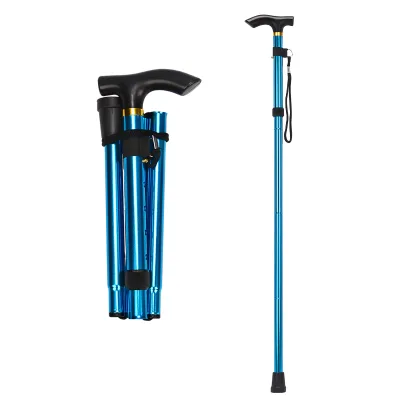
Foldable Walking Cane for Collapsible Lightweight Adjustable, Portable Hand Walking Stick
$5.10 - $6.20
MOQ: 200 Pieces


Factory Supply Portable Flexible Foldable Walking Cane for Elderly People
$5.10 - $6.20
MOQ: 200 Pieces

$5.10 - $6.20
MOQ: 200 Pieces

Shanghai Brother Medical Manufacturer Co., Ltd.
- Verified by CTI
- Manufacturer/Factory
- China Shanghai
- Lead time23 days
- Avg. response≤ 21h
Main productsWheelchair, Hearing Aid, Mobility Scooter, Commode Chair, Shower Chair, Crutch, Walking Stick
Main marketsSouth America,Eastern Europe,Mid East,North America,Southeast Asia,Eastern Asia,Oceania,Western Europe,Africa


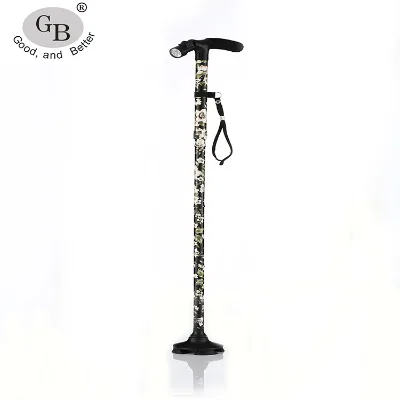
Portable Folding Quad Cane with LED Light Height Adjustable Walking Stick
$0.20 - $5.70
MOQ: 500 Pieces


Adjustable Folding Quad Base Walking Cane with LED Light for Seniors and Disabled
$0.20 - $5.70
MOQ: 500 Pieces


- Verified by BV
- Manufacturer/Factory
- China Shanghai
- Lead time23 days
- Avg. response≤ 20h
Main productsWheelchair, Electric Wheelchair, Commode Chair, Shower Chair, Crutch, Walking Stick, Mobility Scooter, Walker, Lift Chair, Cane
Main marketsSouth America,Eastern Europe,Mid East,North America,Southeast Asia,Eastern Asia,Oceania,Western Europe,Africa


Hot Sale Aluminum Quad Walking Cane with LED Light Portable Folding Stick3
$5.50 - $5.90
MOQ: 500 Pieces


Ningbo Multi Channel Co., Ltd.
- Trading Company
- China Zhejiang
- Lead time23 days
- Avg. response≤ 14h
Main productsFirst Aid Kit, Wound Dressing, Bandage, Outdoor Emergency Supplies, Hot/Cold Therapy, Surgery Supplies, Laboratory Supplies, Medical Devices, Anethesia Breathing Supplies, Daily Care
Main marketsSouth America,Southeast Asia/ Mideast,East Asia(Japan/ South Korea),Europe,North America


Flexible Foldable Collapsible Adjustable Aluminum Rehabilitation Portable Walking Folding Cane
$3.60 - $5.80
MOQ: 1000 Pieces

Retractable and Adjustable Collapsible Cane Folding Walking Cane for Men and Women, Elderly
$4.50 - $5.00
MOQ: 1000 Pieces


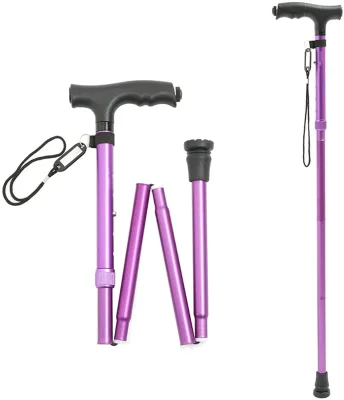
Foldable Walking Cane for Collapsible Lightweight Adjustable, Portable Hand Walking Stick
$1.80 - $2.80
MOQ: 1000 Pieces

- Combined
- China Guangdong
- Lead time30 days
- Avg. response≤ 9h
Main productsFirst Aid Kits, Kinesiology Tape, Rigid Strapping Tape, Coach Tape, Lite Eab, Precut Kinesio, CPR Mask, Band Aid Box, Zinc Oxide Tape, Cohesive Bandage
Main marketsSouth America,Africa,Southeast Asia/ Mideast,East Asia(Japan/ South Korea),Domestic,Europe,Australia,North America


Foldable Walking Cane Lightweight Walking Adjustable Portable Hand Walking Canes
$3.50 - $7.00
MOQ: 500 Pieces


Folding Walking Stick Cane with Adjustable LED Light and Cushion Handle Trekking Pole
$3.50 - $7.00
MOQ: 500 Pieces

Folding Adjustable Stylish Sturdy Cane Walking Sticks with LED Light for Elderly
$3.50 - $7.00
MOQ: 500 Pieces

Folding Walking Cane with LED Light Folding Walking Stick with Feet for Elderly
$3.50 - $7.00
MOQ: 500 Pieces

XIAMEN DORRELLA HEALTH TECHNOLOGY CO.,LTD
- Verified by SGS
- Trading Company,Manufacturer/Factory,Group Corporation
- China Fujian
- Lead time23 days
- Avg. response≤ 8h
Main productsOrthotic Brace, Ankle Brace, Arm Brace, Back Brace, Cervical Collar, Finger Splint, Hip Abduction Braces, Hand and Wrist Brace, Post-Op Shoes, Orthopedic Waiking Boot
Main marketsSouth America,Eastern Europe,Mid East,North America,Southeast Asia,Eastern Asia,Oceania,Western Europe,Africa

Ningbo Chanceca Import & Export Co., Ltd.
- Verified by TUVRHEINLAND
- Trading Company
- China Zhejiang
- Lead time30 days
- Avg. response≤ 5h
Main productsTrekking Poles, Camping Tent, Camping Furniture, Camping Gear, Sleeping Gear, Waterproof Dry Bag
Main marketsSouth America,Africa,Southeast Asia/ Mideast,East Asia(Japan/ South Korea),Europe,Australia,North America

Customizable Folding Cane Portable Retractable Walking Stick Portable Walking Cane
$4.85 - $4.95
MOQ: 300 Pieces

Foldable Walking Cane for Collapsible Lightweight Adjustable Portable Hand Walking Stick
$4.85 - $4.95
MOQ: 300 Pieces


Kinggear Wholesale LED Light 3 Legs Folding Cane Walking Canes for Elder
$6.04 - $6.30
MOQ: 500 Pieces

Light Folding Cane for Elderly and Pivoting Adjustable Canes with Cushion Single Base for Hiking
$4.85 - $4.95
MOQ: 300 Pieces

Hebei Renjie Medical Technology Co., Ltd.
- Verified by SGS
- Trading Company,Manufacturer/Factory
- China Hebei
- Lead time15 days
- Avg. response≤ 6h
Main productsMedical Bed, Patient Bed, Wheelchair
Main marketsSouth America,Eastern Europe,Mid East,North America,Southeast Asia,Oceania,Western Europe,Africa

Jiangsu Jumao X-Care Medical Equipment Co., Ltd.
- Verified by SGS
- Combined
- China Jiangsu
- Lead time23 days
- Avg. response≤ 4h
Main productsOxygen Concentrator, Wheelchair, Overbed Table, Long Term Care Bed, Cane, Rollator, Oxygen Supply Device, Crutch, Oxygen Concentrator Accessory, Wheelchair Accessory
Main marketsNorth America


Adjustable Lightweight Folding Walking Cane with Comfortable Handle Grip
$5.00 - $8.00
MOQ: 200 Pieces


Hebei Shousen Trading Co., Ltd
- Verified by SGS
- Manufacturer
- China Hebei
- Lead time15 days
- Avg. response≤ 3h
Main productsHospital Bed, Hospital Trolley, Hospital Table, Hospital Chair, Walking Stick, Wheelchair, Crutch, Blind Supplies, Commode Chair, Shower Chair
Main marketsSouth America,Southeast Asia/ Mideast,Europe

Wholesale LED Adjustable Walking Stick Aluminium Folding Cane with Light Crutch Walking Stick
$5.30 - $6.50
MOQ: 1 Pieces

Old People Walking Cane Free Standing Folding Cane Walking Stick LED Light Elderly Handy Cane
$4.90 - $5.60
MOQ: 1 Pieces


Portable Walking Stick Old Peoples Stick Medical Crutches Folding Walking Cane with LED Light
$5.30 - $6.50
MOQ: 1 Pieces


Best Sale Aluminum Walking Cane for Old People Equipped with Straps and LED Lights Walking Stick
$5.30 - $6.50
MOQ: 1 Pieces

Shandong ZS CARE International Trade Co., Ltd.
- Verified by CTI
- Trading Company
- China Shandong
- Lead time15 days
- Avg. response≤ 7h
Main productsWeelchair, Rollator Walker, Grab Bar, Shower Chair, Toilet Rail, Grab Rail, Walking Aids, Commode Chair, Shower Stool, Manual Wheelchair
Main marketsDomestic


Multifunctional Walking Cane with Seat for Seniors Daily Outdoor Activities
$5.90 - $7.90
MOQ: 50 Pieces


Science Medical Equipment Co., Ltd.
- Manufacturer/Factory
- China Guangdong
- Lead time60 days
- Avg. response≤ 7h
Main productsWheelchair, Handicapped Scooters, Rehabilitation Therapy Supplies, Clinical Analytical Instruments, Hospital Furniture, Ward Nursing Equipments, Hospital Bed, Operating Table, Examination Therapy Equipments
Main marketsSouth America,Eastern Europe,Mid East,North America,Southeast Asia,Eastern Asia,Western Europe,Africa

Nanjing Eking Technology Co., Ltd
- Trading Company,Manufacturer/Factory
- China Jiangsu
- Lead time23 days
- Avg. response≤ 3h
Main productsManual Wheelchair, Rollator, Crutches, Shower Chair, Commode Chair
Main marketsSouth America,Eastern Europe,Mid East,North America,Southeast Asia,Eastern Asia,Oceania,Western Europe,Africa
- Verified by SGS Group
- Manufacturer, Trading Company
- Lead time30 days
- Avg. response≤ 3h
Main productsElderly Cane, Shower Chair
Main marketsDomestic Market(40%), North America(20%), Western Europe(20%)

- Verified by TUVRHEINLAND
- Trading Company
- China Guangdong
- Lead time60 days
- Avg. response≤ 7h
Main productsElectric Wheelchair, Manual Wheelchair, Sports Wheelchair, Hospital Bed, Crtuches, Walking Aids, Shower Chair, Trailer Mobility Scooter, Commode Wheelchair, Stretcher
Main marketsEurope

FOSHAN L&C MEDICAL TECHNOLOGY CO., LTD.
- Verified by SGS
- Combined
- China Guangdong
- Lead time30 days
- Avg. response≤ 8h
Main productsWheelchair, Commode Chair, Walking Stick, Crutch, Rollator, Shower Bench, Walker, Walking Aid
Main marketsSouth America,Africa,Southeast Asia/ Mideast

Guangdong Dongjian Medical Technology Co., Ltd.
- Verified by BV
- Trading Company,Manufacturer/Factory
- China Guangdong
- Lead time45 days
- Avg. response≤ 2h
Main productsManual Wheelchair, Electric Wheelchair, Patient Transfer Chair, Commode Chair, Bath Chair, Rollator, Walker, Walking Stick, Crutch, Overbed Table
Main marketsSouth America,Eastern Europe,Mid East,North America,Southeast Asia,Eastern Asia,Oceania,Western Europe,Africa

Electric Powered One-Press Folding and Unfolding Walking Cane, with Seat
$80.00 - $85.00
MOQ: 100 Pieces

Folding Walking Cane Portable, Telescopic with LED Light, Single Cane-Quad Cane Changeable
$11.50 - $13.00
MOQ: 200 Pieces

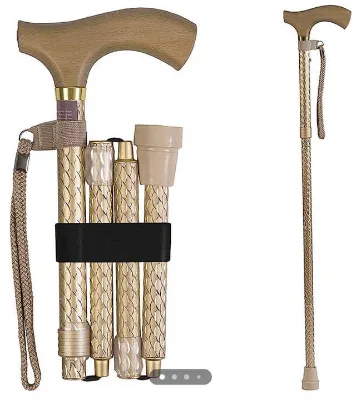
Aluminium Single Walking Cane, Height Adjustable, Ergonomic Plastic Handle
$2.50 - $5.00
MOQ: 200 Pieces




Comprehensive Sourcing Guide
Foldable Adjustable LED Walking Cane Supplier Concentration and Factory Types
Suppliers offering the Foldable Adjustable LED Walking Cane in the observed results are concentrated in China, with two identifiable supply regions: Hebei and Shanghai. The Hebei-based supplier operates as a combined manufacturer-and-trading entity, listing a broad household medical device range alongside canes, while the Shanghai-based supplier is a dedicated factory focused on wheelchairs, mobility scooters, crutches, walking sticks and related rehabilitation equipment. This distinction matters: a factory with walking aids as a core product line is more likely to control cane production in-house, whereas a combined or trading entity may broker from multiple workshops, which affects quality consistency and lead time control.
Beyond the two observed regions, buyers should not assume the full supplier pool is limited to them. To identify additional clusters independently, search product keywords such as folding quad cane, aluminum walking stick and rehabilitation walking aid, then map the provinces of verified results. Factory-type labels also vary across the pool: some results show manufacturer/factory entities, others combined companies, and the breadth of main products ranges from canes and crutches to full mobility portfolios. A supplier whose main products include crutches and walking sticks alongside wheelchairs typically indicates deeper tooling and experience in aluminum tubular products, which is directly relevant to the shaft, hinge and folding mechanism quality of a foldable adjustable cane with an LED component.
How to Verify Foldable Adjustable LED Walking Cane Suppliers
Verification should start with third-party audits displayed on the supplier profile. In the observed results, one Shanghai factory carries verification from CTI and a broad system certification set including ISO 13485, ISO 9001, ISO 14001, BSCI, GMP, ASME, QC 080000 and ISO 14064, while another verified profile shows BV verification with ISO 13485, ISO 9001, GAP and QC 080000. A Hebei combined supplier lists ISO9001:2015 and other certificates. ISO 13485 is the most relevant baseline for medical walking aids, and BSCI matters if your retail customers require social compliance. Always request the current certificate copies and confirm scope and expiry directly, since profile listings can lag real status.
Product-level evidence is the second verification layer. The listed folding canes show CE and ISO marks at product level, and some items reference FDA certification in their attributes; treat these as claims to confirm with document numbers rather than established fact. Also verify the supplier's own relationship to the product: a factory whose main products include walking sticks is likelier to be the actual maker, while a combined entity may source externally. Practical checks include requesting a video walkthrough of the production line, asking which items are made in-house versus traded, confirming the legal entity name matches invoices, and ordering samples before any volume commitment. For LED-equipped models, ask specifically how the light module is sourced and assembled, since that subcomponent often comes from a different supply chain than the cane body.
What to Compare Across Foldable Adjustable LED Walking Cane Suppliers
Build a comparison sheet using the attributes suppliers actually display, without assuming every field is populated for all of them. Useful dimensions from the observed results include lead time (one supplier shows 15 days, another 23), response time (roughly 13 to 20 hours across profiles), company type (factory versus combined), location (Hebei, Shanghai), verification body, system certifications, and OEM/ODM capability, including own-brand experience. Main product breadth is a soft indicator of specialization: a supplier listing crutches, walking sticks and wheelchairs is more likely to have cane-specific tooling than a diversified medical consumables seller.
On the product level, compare MOQ and price bands side by side, since they vary widely in this category. Observed cane listings range from an MOQ of 10 units at $5–8 to MOQs of 200, 500, 800 and 1000 units with per-unit prices from about $0.20 to $6.20; a very low headline price on one listing should be treated as a data point to question, not a benchmark. Also compare material (aluminum alloy shafts, ABS and rubber handles), adjustability range, folding style (single-foot versus multi-foot or quad base), LED placement, packing format, and customization options, which are marked available on several listings including custom-logo carry bags. Condition attributes also deserve attention—one listing is marked "Used" despite being new production, which is a red flag to clarify in writing before quoting.
Common Foldable Adjustable LED Walking Cane Sourcing Risks
The most frequent risk in this category is certification ambiguity. Listings may show CE, ISO or FDA marks, but these are seller-declared attributes until you obtain certificate numbers, issuing bodies and validity dates, then cross-check them. For a Foldable Adjustable LED Walking Cane sold as a medical aid in your market, confirm which regulatory classification applies to you, because an LED light or quad base can change how authorities treat the product. A second risk is inconsistent attribute data: one observed quad-cane listing is marked "Used" with origin listed as a different province than the supplier's registered location, which suggests recycled listing templates or agent-sourced stock. Ask every supplier to confirm condition, origin and factory identity in writing.
Structural and functional risks are equally important. Folding mechanisms concentrate stress at the hinge and locking joint; demand cycle-test data for the folding joint and the height-adjustment lock rather than accepting assertions. The LED module introduces battery, switch and water-ingress risks that a plain cane does not have—ask how batteries are replaced or recharged, what happens in transit with installed batteries, and whether the light is sealed. MOQ traps are another common issue: a 10-unit MOQ listing may be a trading reserve, while factory-direct pricing may only apply at 500–1000 units. Finally, low per-unit prices observed in some listings can indicate stripped-down specifications, so compare quotations against an identical written specification sheet, not against listing descriptions.
Foldable Adjustable LED Walking Cane Regional Sourcing and Logistics
The observed supplier base sits in Hebei and Shanghai, and these two regions offer different logistics profiles. Shanghai-based factories benefit from direct proximity to one of China's largest container ports, which typically simplifies FOB arrangements and consolidates well with other rehabilitation equipment such as wheelchairs and commode chairs from the same supplier. Hebei suppliers ship to northern Chinese ports, and because one observed Hebei supplier is a combined manufacturer-trader with a broad consumables portfolio, mixed-container consolidation of canes with masks, thermometers or air mattresses is realistic—but confirm who owns the export process and who bears responsibility for documentation.
For foldable canes specifically, packing geometry drives freight economics. Folded and telescoped canes pack densely, so request carton dimensions, units per carton and gross weight before comparing quotes; the observed listings reference carton and box packing with some offering custom-logo carry bags. LED models with installed batteries may trigger dangerous-goods handling or airline restrictions, so clarify battery type and shipping mode early if air freight is contemplated. Lead times in the observed pool run about 15 to 23 days, but that is production time only—add sampling, inspection and port cut-off time when planning. If you source outside the observed regions, prioritize suppliers near major ports or established inland logistics corridors, and always confirm the actual loading port, since a supplier's registered city does not determine where goods are shipped from.
Foldable Adjustable LED Walking Cane Commercial Terms and Order Planning
Commercial terms in this category vary enough to reward structured negotiation. Observed MOQs span 10 to 1000 units depending on the listing and supplier, and unit prices observed range from roughly $2.35 to $8 across cane models, with one outlier listing at $0.20 that should be treated as needing clarification rather than as a price anchor. When requesting quotes, ask suppliers to price against a single written specification—aluminum alloy shaft, defined adjustment range, folding mechanism, LED type, handle material and packaging—so the numbers are comparable. Customization is marked available on multiple observed listings, including custom-logo carry bags and OEM acceptance, so separate tooling or printing costs from unit price and confirm whether the MOQ rises for customized runs.
Order planning should sequence pilot, repeat and scaled volumes. A sensible pattern is a small pilot order near the low end of the MOQ range to validate folding durability and LED function, followed by a larger order once inspection results are in; escalation from one observed supplier's 15-day lead time to another's 23 days shows why you should confirm lead time in the purchase contract, not rely on profile data. Use secure payment structures such as escrow or letter-of-credit terms where available, tie a percentage of payment to passed pre-shipment inspection, and define inspection criteria for hinge cycles, lock retention, LED operation and carton drop tests. Finally, request a validity period on quotations, since aluminum and electronic component pricing can move between inquiry and order confirmation.
FAQs
What certifications do foldable adjustable LED walking canes have?
Products listed carry CE, ISO, and FDA certifications depending on the specific model. Some items also meet ISO 13485 standards for medical devices. Buyers should verify the exact certification documents for each supplier before placing orders to ensure compliance with local regulations.
What is the minimum order quantity for these walking canes?
Minimum order quantities vary significantly by product type and supplier. Some models require as few as 10 units, while others demand 200, 500, or even 800 units. Buyers must check the specific MOQ listed for each product to determine the total cost and feasibility of the order.
How long does it take to receive these walking canes?
Lead times for these products typically range from 15 to 23 days depending on the supplier and order volume. Some manufacturers in China Hebei or Shanghai may offer faster turnaround times. Buyers should confirm the exact delivery schedule with the supplier before finalizing the purchase agreement.
Are these walking canes available for customization with logos?
Yes, customization is available for many models, including options for custom logos on carry bags or the cane itself. Suppliers offer OEM and ODM services to meet specific branding needs. Buyers should specify their customization requirements clearly when requesting a quote to ensure the manufacturer can accommodate the request.
What materials are used to make these adjustable walking canes?
Most adjustable walking canes are constructed from aluminum alloy or aluminum shafts for durability and lightweight performance. Handles often combine ABS plastic and rubber for comfort. Some models also feature specific materials for the shaft and handle to ensure stability during indoor or outdoor use.
Where are the manufacturers of these walking canes located?
Manufacturers are primarily located in China, with specific facilities in Hebei and Shanghai regions. Some products originate from Jiangsu. Buyers should verify the exact location of the factory to assess shipping costs and logistics capabilities before engaging with a specific supplier for their order.
What is the price range for these foldable walking canes?
Prices for these canes generally range from 2.35 to 8.00 USD per unit depending on features and order volume. Specific models with LED lights or specialized certifications may fall within different price brackets. Buyers should request detailed pricing based on their required quantity and customization needs.