Freestanding Vertical Door Display Rack Suppliers and Manufacturers
Source 20 verified suppliers for freestanding vertical door display racks. Compare grounded dimensions including lead times, MOQs, certifications, and prices. Review product specs and contact suppliers directly to initiate procurement; review the available evidence before requesting comparable quotations from suitable candidates.
Suppliers List

Foshan Shunde Ruibei Refrigeration Equipment Co., Ltd.
- Verified by SGS
- Combined
- China Guangdong
- Lead time60 days
- Avg. response≤ 3h
Main productsUpright Cooler, Upright Freezer, Display Refrigerator, Refrigerator Showcase, Ice Merchandisers, Back Bar Cooler, Multi-Door Display Cooler, Open Chiller, Island Freezer, Fresh Meat Display Refrigerator
Main marketsDomestic


Commercial Refrigerator Double Hollow Glass Door Vertical Refrigerated Display Racks
$310.00 - $500.00
MOQ: 5 pcs

Suzhou Highbright Enterprise Limited
- Combined
- China Jiangsu
- Lead time30 days
- Avg. response≤ 4h
Main productsShopping Trolley, Shopping Cart, Gondola Shelf, Display Shelf, Shop Fittings, Store Fixtures, Roll Container, Shopping Basket, Checkout Counter, Swing Gate
Main marketsSouth America,Africa,Southeast Asia/ Mideast,East Asia(Japan/ South Korea),Europe,Australia,North America

Changshu Xunxun Merchants Super Equipment Co., Ltd.
- Trading Company,Manufacturer/Factory
- China Jiangsu
- Lead time23 days
- Avg. response≤ 11h
Main productsSupermarket Shelves, Warehouse Racks, Hardware Racks
Main marketsSouth America,Eastern Europe,North America,Southeast Asia

Customized Multi-Layar Shelf Wooden Storage Stand Free Standing Display Rack
$45.00 - $50.00
MOQ: 10 Pieces

Shop Shelf S Display Rack Steel Adjustable Commercial Metal Shelving Stand Rack
$45.00 - $50.00
MOQ: 10 Pieces


Display Rack Steel Adjustable Commercial Metal Shelving Long Wooden Shelf
$45.00 - $50.00
MOQ: 10 Pieces


Adidea (Xiamen) Industry And Trade Co., Ltd.
- Trading Company
- China Fujian
- Lead time30 days
- Avg. response≤ 18h
Main productsMetal Display Shelf, Display Stand, Metal Display Rack, MDF Display Showcase, Solid Wood Display Stand, Acrylic Display Stand, Supermarket Display Shelves, Wine Beverage Food Display Rack, Garment Bag Shoe Jewelry Display Stand, Tile Stone Granite Quartz Mosaic Display Stand
Main marketsSoutheast Asia/ Mideast,Europe,North America


Free Standing Pegboard Display Rack for Tradeshow Retail Display and Tool Storage Display Shelves
$70.00 - $75.00
MOQ: 200 Pieces

Heavy Duty Floor Standing Double Sides Metal Wire Adjustable Shelving Display Rack
$80.00 - $87.00
MOQ: 200 Sets

Hebei Xiongqian Wire Mesh Manufacturing Co., Ltd.
- Verified by TUVRHEINLAND
- Combined
- China Hebei
- Lead time15 days
- Avg. response≤ 4h
Main productsPerforated Metal Sheet, Perforated Panel, Windbreak Fence, Expaned Metal, Gutter Guard, Security Screen, Safety Grating, Fence Mesh
Main marketsSoutheast Asia/ Mideast,Domestic,Europe,North America
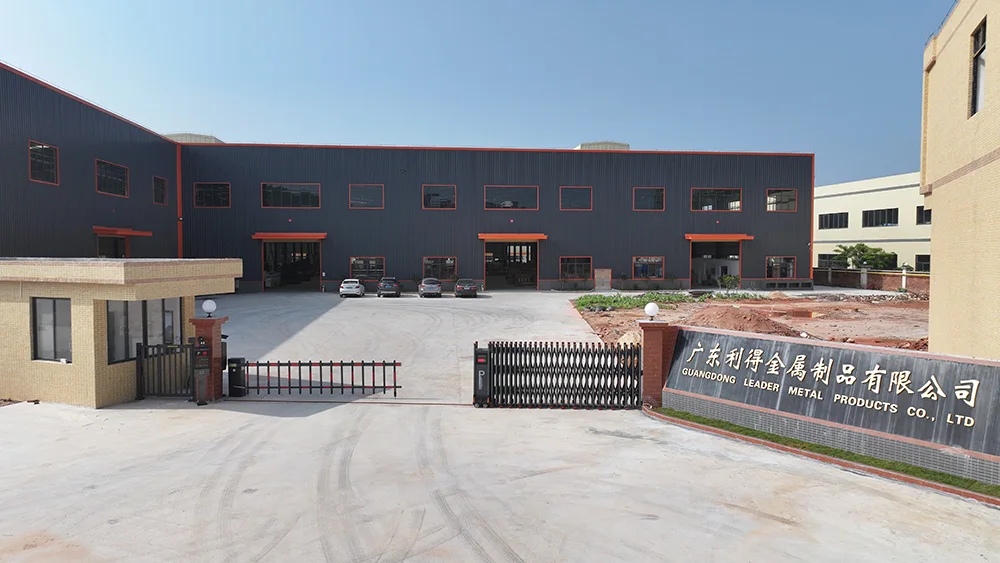
Foshan Goodleader Metal Products Co., Ltd.
- Manufacturer, Trading Company, Buying Office
- Guangdong, China
- Lead time20 days
- Avg. response≤ 4h
Main productsEngine Oil Display Rack Stand,Tire Display Rack Stand,Hub Display Rack Stand,Wiper Display Rack Stand,Painted Display Rack Stand
Main marketsSouth America(10.00%), North America(10.00%), Northern Europe(8.00%), Central America(8.00%), Western Europe(8.00%), Southern Europe(8.00%), Eastern Europe(8.00%), Eastern Asia(7.00%), Domestic Market(6.00%), Oceania(6.00%), South Asia(6.00%), Mid East(5.00%), Africa(5.00%), Southeast Asia(5.00%)

Suzhou Sigmetal Business Equipment Co., Ltd.
- Verified by SGS
- Trading Company
- China Jiangsu
- Lead time30 days
- Avg. response≤ 11h
Main productsDisplay Rack, Gondola Shelving, Store Fixtures, Shop Fitting, Checkout Counter, Shopping Trolley, Display Hook, Shopping Basket, Furniture Accessories, Supermarket Supporting Facilities
Main marketsEurope,Australia


Clear Custom Acrylic Display Stand Floor-Type Storage Rack for Retail Presentation
$1.00 - $3.00
MOQ: 20 Pieces


Shop Display Rack Store Display 2-Vertical Back-Board Panels Shelving
$399.00 - $499.00
MOQ: 10 Pieces


Eagle Catering Equipment Co., Ltd.
- Manufacturer/Factory
- China Guangdong
- Lead time30 days
- Avg. response≤ 9h
Main productsTrolleys, Gastronorm Containers, Table, Shelves, Sink, Barrier Post, Cookware, Buffetware, Barware, Kitchen Utensils
Main marketsSouth America,Eastern Europe,Mid East,North America,Southeast Asia,Eastern Asia,Oceania,Western Europe,Africa

Shenzhen Colorful Display Products Co., Ltd.
- Verified by CTI
- Trading Company,Manufacturer/Factory
- China Guangdong
- Lead time15 days
- Avg. response≤ 12h
Main productsAcrylic Display Stand, Acrylic Vape Display, Acrylic Display, PVC Display, Metal Display Rack, Acrylic Floor Display, Wood Display, Acrylic Display Manufacturer, Christmas Lantern, Water Globe
Main marketsSouth America,Eastern Europe,Mid East,North America,Southeast Asia,Eastern Asia,Oceania,Western Europe,Africa

Dongguan Simply Metal Products Co., Ltd.
- Trading Company
- China Guangdong
- Lead time23 days
- Avg. response≤ 8h
Main productsWire Shelving, Wire Shelving Units, Shelving, Shelf, Wire Wall Shelf, Wire Rack Shelving, Wire Storage Racks, Wire Racks, Metal Wire Shelving, Wire Storage Shelves
Main marketsSouth America,Africa,Southeast Asia/ Mideast,Europe,Australia,North America

Shenzhen Centroyal Metal & Plastic Co., Ltd.
- Verified by SGS
- Trading Company
- China Guangdong
- Lead time23 days
- Avg. response≤ 8h
Main productsDisplay Stand
Main marketsDomestic,North America
Arrival Technology (Xiamen) Co., Ltd.
- Verified by SGS
- Combined
- China Fujian
- Lead time45 days
- Avg. response≤ 4h
Main marketsSouth America,Southeast Asia/ Mideast,East Asia(Japan/ South Korea),Domestic,Europe,Australia,North America

High-Quality Customized Durable Clear Acrylic Free Standing Display Rack for Retail
$37.65 - $46.52
MOQ: 100 Pieces

High-Quality Customized Free Standing Clear Acrylic Display Rack for Bookstore
$37.65 - $46.52
MOQ: 100 Pieces

Kunshan Deco POP Display Co., Ltd.
- Verified by TUVRHEINLAND
- Trading Company,Manufacturer/Factory
- China Shanghai
- Lead time15 days
- Avg. response≤ 4h
Main productsDisplay Stand, Cardboard Display Stand, Floor Display, Counter Display, Cardboard Display Box, Paper Display, Pop Display, Pallet Display, Acrylic Display, Display Rack Shelf
Main marketsSouth America,Eastern Europe,Mid East,North America,Southeast Asia,Eastern Asia,Oceania,Western Europe,Africa

Shanghai Xutai Industrial Co., Ltd.
- Verified by SGS
- Trading Company
- China Shanghai
- Lead time15 days
- Avg. response≤ 1h
Main productsDisplay Stand, Display Rack, Display Box, Iron Display Shelf, Acrylic Display Stand, Paper Display Stand, Supermarket Display Rack, Design Display Stand; , Custom Display Stand, Paper PDQ
Main marketsDomestic

- Verified by BV
- Manufacturer/Factory
- China Zhejiang
- Lead time30 days
- Avg. response≤ 3h
Main productsBrush Cutter, Tiller, Garden Equipment, Chain Saw, Bike Rack, Motorcycle Lift, Furniture, Hooks, Garage Rack, Storage Bin
Main marketsSouth America,Eastern Europe,Mid East,North America,Southeast Asia,Eastern Asia,Oceania,Western Europe,Africa


Wood Metal Display Shelf Rack Rectangular Hanging Wall Mounted Shelf Rectangular
$19.00
MOQ: 200 Pieces
YIWU SHIYONG Trading Co., Ltd.
- Verified by TUVRHEINLAND
- Trading Company
- China Zhejiang
- Lead time15 days
- Avg. response≤ 6h
Main productsHanger, Couple
Main marketsSoutheast Asia/ Mideast,East Asia(Japan/ South Korea),Europe
Liaocheng Jiahe Warehousing Equipment Co., Ltd
- Verified by TUVRHEINLAND
- Combined
- China Shandong
- Lead time15 days
- Avg. response≤ 4h
Main productsCantilever Racks, Supermarket Shelves, Flat Panel Racks
Main marketsDomestic

Shenzhen Yingyi Best Gifts Co., Ltd.
- Manufacturer/Factory
- China Guangdong
- Lead time15 days
- Avg. response≤ 11h
Main productsAcrylic Display, Acrylic Bird Feeder, Acrylic Photo Frames, Pokemon Acrylic Case, Acrylic Box, Acrylic Shelf, Acrylic Pet Products, Acrylic Dispenser, Acrylic Shoe Box, Acrylic Display Stand
Main marketsEastern Europe,Mid East,North America,Southeast Asia,Eastern Asia,Oceania,Western Europe,Africa

- Verified by SGS
- Combined
- China Guangdong
- Lead time15 days
- Avg. response≤ 2h
Main productsLight Box, Sign Board, LED Sign, Display Rack, Sign, Letter Sign, LED Light Box, Signage, Signage Board, Advertising Light Box
Main marketsSoutheast Asia/ Mideast,Domestic,Europe,North America
Ningbo Tyj Industry and Trade Co., Ltd
- Verified by BV
- Combined
- China Zhejiang
- Lead time30 days
- Avg. response≤ 6h
Main marketsDomestic




Comprehensive Sourcing Guide
Freestanding Vertical Door Display Rack Supplier Concentration and Factory Types
The current supplier results indicate a clear concentration of manufacturing activity in China Guangdong, where specific product evidence confirms origins for vertical glass door display racks and freezers. This region hosts a mix of combined company types that offer both Original Design Manufacturing and Original Equipment Manufacturing capabilities alongside their own branded lines. Buyers observing these results should note that the primary product categories include upright coolers, display refrigerators, and various freezer configurations, all originating from this specific industrial cluster. The presence of multiple product attributes such as single-temperature control and auto-defrost systems suggests a mature supply chain focused on commercial refrigeration equipment.
When evaluating the factory types within this concentration, buyers must distinguish between pure manufacturers and trading entities that may also operate under combined company classifications. The available data shows that suppliers in this cluster possess significant R&D capacity, allowing for customization of features like glass door types, shelf configurations, and temperature control systems. However, the specific establishment year for these entities is not provided in the current facts, meaning buyers cannot verify longevity based solely on this dataset. Instead, the focus should remain on the verified status of the suppliers, such as those holding SGS verification, which serves as a proxy for operational stability and quality management systems within the Guangdong manufacturing hub.
How to Verify Freestanding Vertical Door Display Rack Suppliers
Verification of suppliers in this category relies heavily on third-party audit results and specific product attribute validation rather than general reputation scores. The current data confirms that at least one supplier holds SGS verification, which is a critical credential for assessing manufacturing compliance and safety standards. Buyers should prioritize suppliers who can demonstrate this verification status, as it indicates a higher level of scrutiny regarding their production processes and quality control measures. Without explicit establishment years or detailed audit reports in the current feed, the presence of such third-party verification becomes the primary indicator of a supplier's reliability and adherence to international safety protocols.
Beyond verification badges, buyers must cross-reference product specifications against the supplier's claimed capabilities to ensure authenticity. The product evidence lists specific certifications including CE, RoHS, ISO, CB, EMC, GS, and ETL, which are essential for commercial refrigeration equipment sold in various global markets. A supplier claiming to manufacture these units should be able to provide documentation matching these exact certification codes for the specific models they offer. If a supplier cannot align their product attributes with these listed standards, it suggests a potential mismatch in their actual manufacturing capabilities or a lack of compliance with the required safety regulations for the intended export markets.
What to Compare Across Freestanding Vertical Door Display Rack Suppliers
Comparing suppliers requires a detailed analysis of lead times, minimum order quantities, and response speeds to determine operational fit. The observed data indicates a lead time of 60 days for production, which is a significant factor for buyers planning inventory cycles. Additionally, response times are recorded at approximately 2.08 hours, suggesting a high level of communication readiness among the active suppliers. Buyers should compare these metrics across different vendors to identify those who can meet tight deadlines or offer faster communication channels, as these factors directly impact project timelines and supply chain agility.
Price and customization options form another critical comparison dimension, with observed price ranges varying from 170 to 900 units depending on the specific model and capacity. The minimum order quantities also differ, ranging from a single unit for some display racks to five units for others, offering flexibility for different order sizes. Furthermore, the availability of customization is a key differentiator, with some suppliers explicitly stating that customization is available for features like door types, shelf materials, and temperature controls. Buyers must evaluate whether the price point aligns with the required customization level and whether the MOQ fits their initial procurement strategy without incurring unnecessary inventory costs.
Common Freestanding Vertical Door Display Rack Sourcing Risks
One primary risk involves the discrepancy between advertised power sources and actual electrical requirements in the destination market. The product evidence shows a mix of power sources, including gas and electricity, with voltage options ranging from 110V to 380V. If a buyer selects a unit based on a gas power source but requires an electric model for their specific location, or if the voltage does not match the local grid, the equipment may be unusable without expensive modifications. This mismatch highlights the need for rigorous technical verification before finalizing any order to ensure compatibility with local infrastructure.
Another significant risk relates to the variability in product capacity and temperature control specifications across different models. The data shows capacities ranging from 401-500 liters to over 501 liters, with temperature settings varying from -18 to -22 degrees Celsius for freezers and 2 to 8 degrees Celsius for coolers. Buyers risk ordering units that do not meet their specific storage needs if they fail to verify the exact temperature type and capacity against their operational requirements. Additionally, the lack of explicit establishment years in the data makes it difficult to assess the long-term reliability of the supplier, potentially leading to issues with after-sales support or spare parts availability if the company faces operational changes.
Freestanding Vertical Door Display Rack Regional Sourcing and Logistics
Sourcing from the identified Guangdong cluster offers logistical advantages due to the region's established export infrastructure and proximity to major shipping ports. The product evidence confirms that the origin for these units is Guangdong, China, which is a central hub for commercial equipment manufacturing. Buyers should leverage this geographic concentration to negotiate favorable freight rates and consolidate shipments, as multiple suppliers in the same region can often share container space or offer combined shipping discounts. The standardized packaging, such as carton boxes, further simplifies the logistics process by ensuring uniform handling requirements across different product models.
However, buyers must account for the specific dimensions and weight of the units when planning logistics, as the product attributes list standard sizes like 25007352090mm and 18807352090mm. These large dimensions require careful consideration of container loading efficiency and potential extra charges for oversized cargo. The presence of universal wheels on some models aids in final delivery within the destination country, but the initial ocean freight must accommodate the full unit dimensions. Buyers should verify the exact packing details and dimensions with each supplier to ensure that their logistics partners can handle the specific cargo requirements without incurring unexpected surcharges or delays.
Freestanding Vertical Door Display Rack Commercial Terms and Order Planning
Order planning must begin with a clear understanding of the minimum order quantities and pricing structures observed in the current supplier results. The data shows MOQs ranging from one unit to five units, with price ranges varying significantly based on the model and features. Buyers should calculate the total landed cost by factoring in the base price, shipping fees, and any potential tariffs, ensuring that the final cost remains within budget. The flexibility in MOQ allows for smaller initial orders to test the market, but buyers should be aware that larger orders might yield better unit pricing or more favorable shipping terms.
Commercial terms also include the availability of customization and the specific certifications required for the target market. Since customization is listed as available, buyers should clarify the lead time implications of custom orders, as these may extend beyond the standard 60-day production window. Additionally, the presence of multiple certifications like CE, RoHS, and ETL suggests that the suppliers are equipped to meet various international standards, but buyers must confirm which specific certifications apply to their order. Ensuring that all commercial terms, including payment methods and warranty conditions, are clearly defined in the contract will mitigate risks and provide a solid foundation for a successful procurement relationship.
FAQs
Where are these display racks manufactured?
These units are manufactured in Guangdong, China. The supplier operates as a combined entity with verified capabilities. Buyers should confirm specific factory locations during negotiation to ensure alignment with logistics plans and quality expectations.
What is the typical lead time for orders?
The standard lead time for these units is 60 days. This duration covers production and initial preparation. Buyers must verify current capacity and schedule availability before placing orders to avoid potential delays in their supply chain.
What certifications do these refrigeration units hold?
Products carry CE, RoHS, ISO, CB, EMC, GS, and ETL certifications. These standards ensure safety and compliance for international markets. Buyers should request specific test reports to verify that the certification documents match the actual batch being shipped.
What is the minimum order quantity required?
Minimum order quantities vary by model, ranging from one unit to five units. Some specific display racks require a minimum of two or five pieces. Buyers need to check the specific product page to confirm the exact MOQ for their selected item.
How quickly do suppliers typically respond to inquiries?
Suppliers on this platform demonstrate an average response time of 2.08 hours. This indicates a high level of engagement and readiness to assist buyers. Fast communication helps clarify technical details and pricing before finalizing any purchase agreements.
Are customization options available for these units?
Customization is available for these commercial refrigeration units. Buyers can request specific branding or design adjustments through OEM and ODM services. It is essential to discuss customization requirements early to ensure the supplier can meet specific operational needs.
What power supply options are supported?
Units support various power supplies including 110V, 220V, and 380V at 50Hz or 60Hz frequencies. Some models also offer gas power sources. Buyers must specify their local voltage requirements to ensure the equipment operates safely and efficiently in their region.