French Lace Sequin Fabric Suppliers and Manufacturers
Discover 14 verified suppliers offering French Lace Sequin Fabric with varying lead times, response speeds, and certifications. Compare dimensions like location, MOQ, and price ranges to find the right partner for your needs. Start filtering by your specific requirements today.
Suppliers List

LIZHUO INTERNATIONAL CO., LTD.
- Verified by SGS
- Trading Company
- China Guangdong
- Lead time23 days
- Avg. response≤ 3h
Main productsEmbroidery Patch, Woven Label, Embroidery Lace, Hangtag, Printing Label, School Bag, Embroidery Fabric, String
Main marketsEast Asia(Japan/ South Korea)

- Trading Company
- China Fujian
- Lead time15 days
- Avg. response≤ 12h
Main productsTulle Fabric, Mesh Fabric, Lace Fabric, Knitted Fabric, Recycle Fabric
Main marketsSouth America,Others(foreignTradeCapacity.exportBusinessCapacityMarketOther),Southeast Asia/ Mideast,Europe,Australia,North America

- Verified by TUVRHEINLAND
- Combined
- China Zhejiang
- Lead time30 days
- Avg. response≤ 7h
Main productsThread, Zipper, Lace, Button, Webbing & Tape, Ribbon, Interlining, Fabric, Tailoring Materials, Hook & Loop
Main marketsSouth America,Africa,Europe,Australia


Polyester Embroidered Leather Fabric Lace Fabric
MOQ: 300 Yards

Polyester Embroidered Lace Fabric
MOQ: 300 Yards

New Polyester Organza Lace Fabric
MOQ: 300 Yards

Embroidered Polyester Chiffon Fabric Lace Fabric
MOQ: 300 Yards

Shaoxing Shaoying Import and Export Co., Ltd.
- Verified by SGS
- Combined
- China Zhejiang
- Lead time30 days
- Avg. response≤ 5h
Main productsSequin Fabric, Embroidered Fabric, African-Style Fabrics, Fashionable Fabric, Beaded Fabric, Children's Clothing Fabric, Cotton Fabric with Embroidery, Fashion Trend, Heavy-Duty Fabric, Light and Breathable Arab-Style Fabric
Main marketsOthers(foreignTradeCapacity.exportBusinessCapacityMarketOther),Southeast Asia/ Mideast


French Lace Sequin Embroidery Fabric Pink Recycled Polyester Fabric for Wedding Dress
$4.14 - $4.71
MOQ: 200 Yards


Shaoxing Yewang Textile Co., Ltd.
- Trading Company
- China Zhejiang
- Lead time15 days
- Avg. response≤ 14h
Main productsRayon Print&Dye Fabric, Cotton Print&Dyed Fabric, Polyester Print and Dyed Fabric, Digital Printing Fabric, Nida Fabric and Abaya Fabric, Garment Fabric and Knitted Fabric, Linen Fabric and Hawaii Design Fabric, Velvet Fabric and Cey Fabric, Flano Fabric and Denim Fabric, Woven Fabric
Main marketsOthers(foreignTradeCapacity.exportBusinessCapacityMarketOther),Southeast Asia/ Mideast,East Asia(Japan/ South Korea)

French Lace Fabric Luxury Sequin Fabric Beaded Embroidery Lace Tulle Sequins Wedding Lace Fabric
$4.80 - $5.00
MOQ: 1000 Yards


Classic Floral Flower Pattern Flat Sequin Embroidery Lace Fabric for Dress Evening Dress
$4.20 - $4.40
MOQ: 1000 Yards

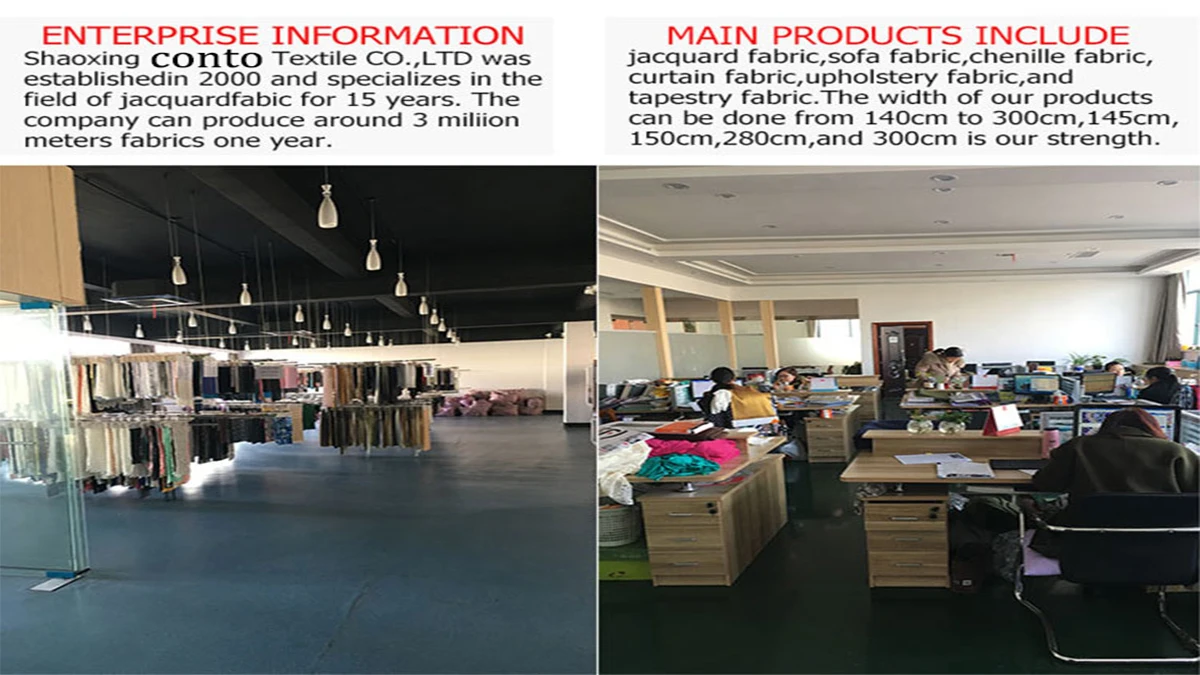
Shaoxing Keqiao Conto Textile Co., Ltd.
- Trading Company
- Zhejiang, China
- Lead time60 days
- Avg. response≤ 7h
Main productssofa fabric,garment fabric,flannel blanket,pu/pvc fabric,curtain
Main marketsSouth Asia(15.00%), Southern Europe(10.00%), North America(10.00%), Eastern Europe(10.00%), Northern Europe(10.00%), Domestic Market(5.00%), Africa(5.00%), Southeast Asia(5.00%), South America(5.00%), Central America(5.00%), Western Europe(5.00%), Eastern Asia(5.00%), Mid East(5.00%), Oceania(5.00%)

Wuxi Glolinker Technology Co., Ltd.
- Verified by CTI
- Trading Company
- China Jiangsu
- Lead time15 days
- Avg. response≤ 12h
Main productsClothing Fabrics, Pillows, Blankets, Duvet Cover, Fabric, Bed Sheets, Satin Fabric, Pillowcase, Embroidery Fabric, Sequin Fabric
Main marketsDomestic
Shenzhen Chenyangguang Garment Accessory Co., Ltd.
- Verified by SGS Group
- Manufacturer, Trading Company
- Lead time7 days
- Avg. response≤ 2h
Main productsWedding Dress Accessories, Corset Boning, Webbing, Underwear and Swimwear Accessories, Fabric
Main marketsNorth America(28%), South America(15%), Oceania(10%)

Suzhou Gilka Trading Co., Ltd.
- Trading Company
- China Jiangsu
- Lead time23 days
- Avg. response≤ 5h
Main productsClothing and Apparel Wholesale, Wedding Dresses, Embroidery Lace Fabrics, Glliter Tulle Fabrics, Wedding Gowns, Party Dresses, Trimming Lace, Factory OEM Fabrics, Western Fabrics, Vestidos Fabrica
Main marketsSouth America,North America

New Fashion Gold and White Sequins Lace Fabric Glitter French Tulle Lace Fabric for Dresses
$2.20 - $3.50
MOQ: 100 Yards

French Beaded Sequin 3D Embroidery Pearls Colorful Textile Lace Fabric for Dress
$6.75 - $11.90
MOQ: 5 Yards


Custom Nice Sequins Embroidered Velvet Color Sequin Dresses Cloth Lace Fabrics
$6.00 - $10.00
MOQ: 50 Yards


Weihai Sisco International Trade Co., Ltd
- Verified by SGS
- Trading Company
- China Shandong
- Lead time23 days
- Avg. response≤ 17h
Main marketsSoutheast Asia/ Mideast,East Asia(Japan/ South Korea)

Marigold Garment Accessories Co., Ltd.
- Trading Company
- China Guangdong
- Lead time15 days
- Avg. response≤ 11h
Main productsLace, Lace Trimming, Rhinestone Trimming, Embroidery, Patches, Elastic Trim, Brooches, Button, Rhinestone Patch, Lace Fabric
Main marketsSouth America,Africa,Southeast Asia/ Mideast,Europe,North America
Guangzhou Inmyshop Clothing Co., Ltd.
- Trading Company
- Guangdong, China
- Lead time6 days
- Avg. response≤ 6h
Main productsshoes bag set,lace fabric,jewelry sets,crystal bag,wax fabric
Main marketsAfrica(20.00%), Southeast Asia(20.00%), South America(20.00%), North America(20.00%), Northern Europe(5.00%), Western Europe(5.00%), South Asia(5.00%), Eastern Asia(3.00%), Southern Europe(2.00%)

Shaoxing Keqiao Canqi Textile Co., Ltd.
- Trading Company
- China Zhejiang
- Lead time15 days
- Avg. response≤ 1h
Main productsLace Mesh Elastic Lace Fabric
Main marketsDomestic

Wholesale Lace Glitter Sequins Factory Cheap Price Lace Fabric for Women Dress
$0.95 - $1.00
MOQ: 1000 Meters

Lace Fabric with Embroidered Pattern and Flower for Garment Women Dress
$1.87 - $1.95
MOQ: 1000 Meters

Guangzhou Govolon Trade Co., Ltd.
- Trading Company,Manufacturer/Factory
- China Guangdong
- Lead time15 days
- Avg. response≤ 24h
Main productsGarment Accessories, Lace, Button, Zipper, Fringe and Tassels, Belt Ribbon, Garment Trimming, Patch Badge, Buckle, Hotfix
Main marketsSouth America,Mid East,North America,Southeast Asia,Western Europe,Africa

Embroidery Lace Fabric for Textile
MOQ: 1000 Pieces

Fashionable Polyester Organza Lace Fabric
MOQ: 500 Pieces

New Polyester Crochet Lace Fabric
MOQ: 500 Pieces


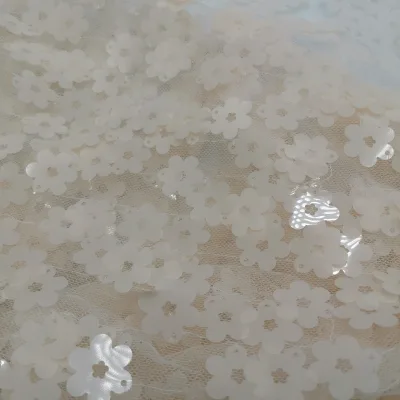
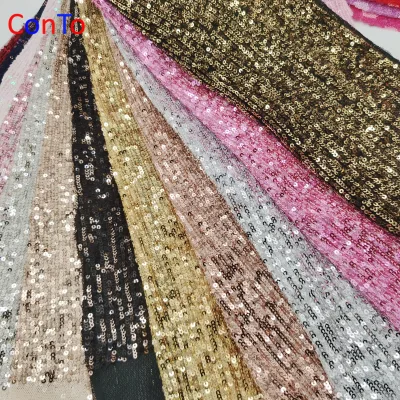



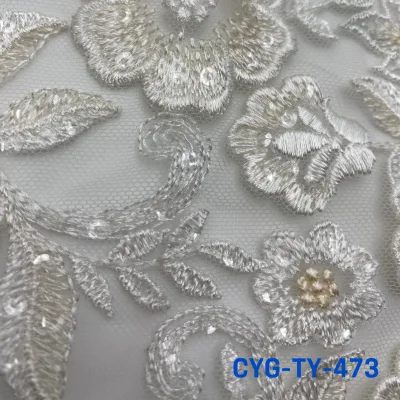
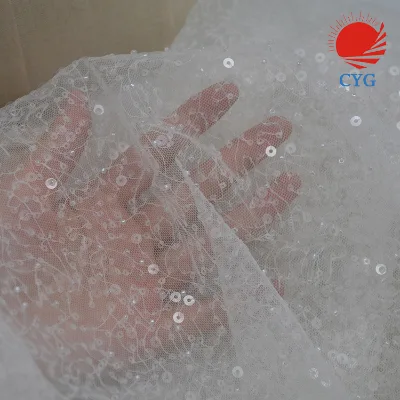


Comprehensive Sourcing Guide
French Lace Sequin Fabric Supplier Concentration and Factory Types
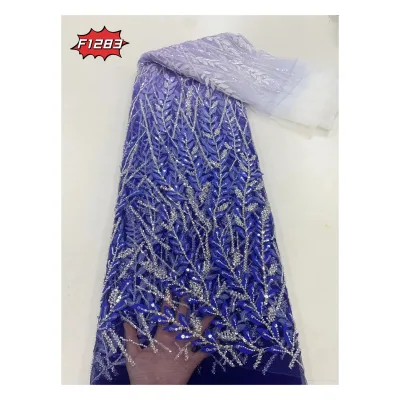
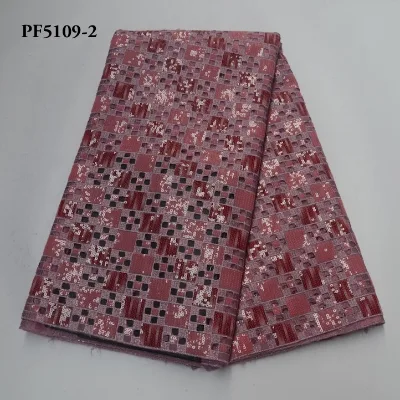
Current data indicates that suppliers offering French Lace Sequin Fabric are concentrated in specific Chinese provinces, with Guangdong and Fujian appearing as verified locations for active listings. Guangdong-based entities often list embroidery lace, woven labels, and sequin fabrics as primary products, suggesting a cluster focused on textile finishing and embellishment. These suppliers frequently operate as trading companies, which implies they may source from multiple factories rather than owning the knitting or embroidery machinery directly. This structure can affect lead times and customization flexibility, as the trading company acts as an intermediary between the buyer and the production facility.
In contrast, suppliers located in Fujian and Zhejiang regions display different operational profiles, with some listing tulle, mesh, and recycled fabrics alongside lace materials. The presence of combined company types in Zhejiang suggests a broader range of sourcing capabilities, potentially including thread, zippers, and other tailoring materials alongside the core lace products. When evaluating concentration, buyers should verify if a supplier's main product list explicitly includes sequin embroidery or if it is a secondary offering. The absence of a specific factory name in the data means buyers must confirm whether the listed entity manages production in-house or relies on external partners, as this distinction impacts quality control and the ability to meet specific French lace design requirements.
How to Verify French Lace Sequin Fabric Suppliers
Verification of French Lace Sequin Fabric suppliers relies heavily on third-party audit reports and platform-issued badges rather than self-declared claims. Some suppliers in the current results hold SGS verification status, while others display certifications from TUVRHEINLAND, indicating adherence to specific international quality management standards. Buyers should prioritize suppliers with these external validations, as they provide evidence that the company has undergone independent scrutiny of their business practices and product capabilities. The presence of ISO9001:2015 or ISO14001:2015 certificates further suggests a commitment to consistent quality and environmental management, which is critical for maintaining the integrity of delicate sequin and embroidery work.
Beyond certifications, response time serves as a practical metric for assessing supplier reliability and communication efficiency. Data shows response times varying significantly, with some suppliers responding in under three hours while others take over eleven hours. A faster response time often correlates with a more active sales team and better capacity to handle urgent inquiries regarding fabric specifications or sample requests. Buyers should also check for the availability of escrow services, which protect payment until the goods are confirmed, though specific escrow availability varies by supplier. When a supplier lacks a visible verification badge or has a slow response rate, it is advisable to request additional proof of their manufacturing capabilities before proceeding with a large order.
What to Compare Across French Lace Sequin Fabric Suppliers
Comparing suppliers requires a detailed analysis of lead times, minimum order quantities, and pricing structures to ensure alignment with project needs. Lead times in the current dataset range from fifteen to thirty days, with some suppliers offering faster delivery windows for stock items. Buyers must distinguish between standard production lead times and expedited options, as the complexity of sequin embroidery can extend manufacturing schedules. Minimum order quantities also vary, with some listings requiring as few as one hundred meters while others set thresholds at three hundred units. Understanding these constraints is essential for budgeting and inventory planning, especially when sourcing for small-batch fashion collections or large-scale bridal events.
Pricing and product attributes provide another critical layer for comparison, with unit costs ranging from approximately $2.50 to $10.96 depending on material and design complexity. Attributes such as material composition, width, and embroidery type must be scrutinized to ensure the fabric meets the specific aesthetic and functional requirements of the intended garment. For instance, some products are specified as polyester-based with knitted techniques, while others utilize sequins or silk embroidery. Buyers should verify if customization is available for color production and width, as standard offerings may not match specific design briefs. A thorough comparison of these technical specifications alongside commercial terms ensures the selected supplier can deliver the exact French Lace Sequin Fabric required without compromising on quality or timeline.
Common French Lace Sequin Fabric Sourcing Risks
One significant risk in sourcing French Lace Sequin Fabric involves the discrepancy between advertised product attributes and actual delivery. While listings may claim specific materials like polyester or nylon, the final product might differ if the supplier relies on third-party manufacturers without strict oversight. The variation in product models and styles, such as "LZ-20230610" versus "FZ280," highlights the need for buyers to request physical samples before committing to bulk orders. Without a physical sample, it is difficult to verify the density of sequins, the durability of the embroidery, or the exact shade of the dye, all of which are critical for high-end fashion applications.
Another risk stems from inconsistent lead times and stock availability, which can disrupt production schedules. Some suppliers indicate stock availability for specific colors, while others operate on a made-to-order basis with longer lead times. If a supplier promises a five-to-seven-day delivery but lacks the necessary inventory, the order may be delayed, affecting the entire supply chain. Additionally, the lack of standardized packaging descriptions can lead to damage during transit, as some listings specify roll packing while others use export cartons. Buyers must clarify packing requirements and confirm stock levels to mitigate the risk of receiving damaged goods or facing unexpected delays that could jeopardize a fashion launch.
French Lace Sequin Fabric Regional Sourcing and Logistics
Regional sourcing strategies must account for the specific logistical advantages and challenges associated with different Chinese provinces. Suppliers in Guangdong often benefit from established export infrastructure and proximity to major ports, which can streamline the shipping process for international buyers. However, the trading company model prevalent in this region may introduce additional layers of communication and coordination, potentially slowing down the resolution of logistics issues. Buyers should verify the specific port of loading and the supplier's experience with international freight forwarding to ensure smooth transit of delicate lace fabrics.
In contrast, suppliers in Fujian and Zhejiang may offer different logistical profiles, with some focusing on specific fabric types like tulle or mesh that require specialized handling. The distance from the factory to the port can impact transit times and shipping costs, making it essential to calculate the total landed cost rather than just the unit price. Buyers should also consider the impact of regional holidays and production cycles on lead times, as these factors can vary significantly between provinces. Understanding the regional context allows buyers to negotiate more effectively on shipping terms and plan their inventory replenishment schedules with greater accuracy, ensuring that the French Lace Sequin Fabric arrives on time for production.
French Lace Sequin Fabric Commercial Terms and Order Planning
Commercial terms for French Lace Sequin Fabric orders must be clearly defined to avoid disputes over pricing, payment, and delivery obligations. The current data shows price ranges that fluctuate based on order volume and customization, with minimum prices starting around $2.50 and maximums reaching nearly $11.00. Buyers should negotiate fixed pricing for their specific order quantity to avoid unexpected cost increases, especially when customization is involved. Payment terms should be structured to balance risk, utilizing escrow services where available to ensure funds are released only after the goods meet the agreed-upon specifications.
Order planning requires careful attention to minimum order quantities and production lead times to maintain a steady supply chain. With MOQs ranging from one hundred to three hundred units, buyers must assess whether their projected demand justifies the order size or if they can consolidate orders with other suppliers. Lead times of fifteen to thirty days necessitate early planning, particularly for seasonal collections where timing is critical. Buyers should also confirm the packing specifications, such as roll packing or carton shipping, to ensure the fabric arrives in optimal condition. By aligning commercial terms with realistic production capabilities, buyers can secure a reliable supply of French Lace Sequin Fabric while minimizing financial and operational risks.
FAQs
What is the price range for French Lace Sequin Fabric?
Prices for French Lace Sequin Fabric typically range from 2.50 to 10.96 per unit based on current listings. Specific costs depend on material composition, embroidery type, and order quantity. Buyers should verify exact pricing for their required width and customization needs before placing an order.
What are the minimum order quantities for lace fabric?
Minimum order quantities vary significantly between suppliers, ranging from 100 meters to 300 units. Some sellers require a flat 300-unit minimum, while others accept orders starting at 100 meters. Always confirm the specific MOQ for the desired style and color option before finalizing the purchase.
How long does it take to receive the fabric?
Lead times for French Lace Sequin Fabric generally range from 15 to 30 days depending on the supplier location. Some sellers offer faster delivery windows of 5 to 7 days for stock items. Production time may extend if custom dyeing or specific embroidery techniques are required for the order.
Where are the suppliers of this fabric located?
Suppliers offering French Lace Sequin Fabric are primarily located in China, specifically in Guangdong, Fujian, and Zhejiang provinces. These regions host trading companies and combined manufacturers specializing in textile raw materials. Buyers should check specific factory locations to assess shipping logistics and potential tariffs.
What certifications do the lace fabric suppliers hold?
Some suppliers hold ISO9001:2015 and ISO14001:2015 certifications for quality and environmental management. Others may have verification from third-party agencies like SGS or TÜV Rheinland. It is essential to request current certification documents directly from the seller to ensure compliance with your specific industry standards.
Can I customize the color and width of the fabric?
Customization for color and width is available for many French Lace Sequin Fabric listings. Buyers can often request specific widths between 120cm and 150cm or choose from photo colors. Confirm the customization options and any additional costs with the supplier before confirming the final order specifications.
What materials are used in the sequin lace fabric?
Common materials include polyester, mesh, nylon, and sequins, often combined with cotton or rayon blends. The fabric may feature knitted or embroidered techniques depending on the specific design. Verify the exact material composition listed in the product attributes to ensure it meets your durability and aesthetic requirements.