High Frequency UV Mite Remover Suppliers and Manufacturers
Explore 20 verified options for High Frequency UV Mite Remover from Jiangsu and Zhejiang factories. Compare response times, lead times, certifications, and pricing to source effectively. Contact suppliers directly to request quotes; review the available evidence before requesting comparable quotations from suitable candidates.
Suppliers List
Xuzhou Solam Electrical Appliances Co., Ltd.
- Trading Company
- Jiangsu, China
- Lead time20 days
- Avg. response≤ 2h
Main productsHome Appliances,washing machines,water dispenser,air fryer,rice cooker
Main marketsNorth America(30.0%), Southeast Asia(25.0%), Western Europe(15.0%), Domestic Market(10.0%), South Asia(5.0%), Eastern Europe(5.0%), Africa(4.0%), South America(3.0%), Mid East(3.0%)
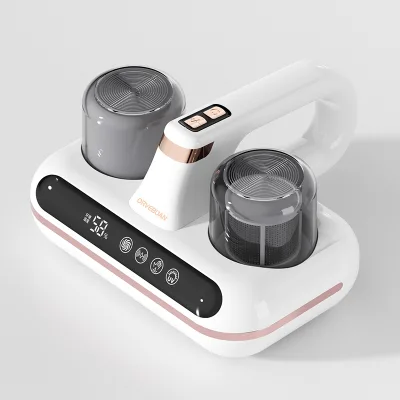
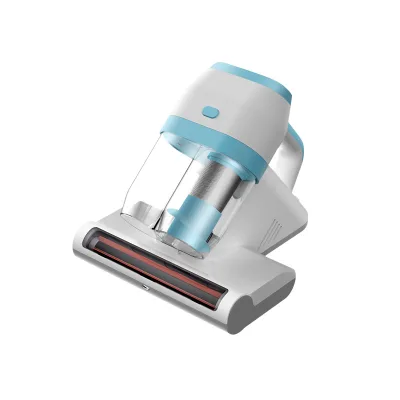
$23.00 - $26.00
MOQ: 200 pieces

NINGBO SHERS ELECTRON TECHNOLOGY CO., LTD.
- Trading Company,Manufacturer/Factory
- China Zhejiang
- Lead time30 days
- Avg. response≤ 2h
Main productsAir Compressor, Tire Inflator, Tyre Inflator, Vacuum Cleaner, Air Pump
Main marketsSouth America,Eastern Europe,Mid East,Southeast Asia,Eastern Asia,Oceania,Western Europe,Africa
Suzhou Manson Electric Appliance Co., Ltd.
- Verified by TUVRHEINLAND
- Combined
- China Jiangsu
- Lead time15 days
- Avg. response≤ 7h
Main productsCarpet Cleaner Machine, Handheld Vacuum Cleaner, Floor Cleaning Machine, Commercial Vacuum Cleaner, Bed Vacuum Cleaner, Handheld Carpet Cleaner, Carpet Steam Cleaner, Vacuum Cleaner Accessories, Canister Vacuum Cleaner, Carpet Vacuum Cleaner
Main marketsEast Asia(Japan/ South Korea),Domestic,Europe


Bed Vacuum Cleaner with UV Light Sanitizing Machine for Dust Mite Removal
$24.50 - $32.00
MOQ: 200 pieces

Dual-Mode Dust Mite Vacuum Cordless & Corded Handheld UV Cleaner for Home
$24.50 - $30.00
MOQ: 2 pieces

Ningbo Kelina Electric Appliance Co., Ltd.
- Combined
- China Zhejiang
- Lead time45 days
- Avg. response≤ 7h
Main productsVacuum Cleaner, Electric Sprayer, Lawn Mower, Mite Remover, Ignition Distributor, Ignition Coil, Water Pump, Ignition Module, Agricultural Sprayer, Portable Water Pump
Main marketsSoutheast Asia/ Mideast,East Asia(Japan/ South Korea),North America
Ningbo Jinlong Electric Appliance Co., Ltd.
- Verified by Intertek
- Manufacturer, Trading Company
- Lead time0 days
- Avg. response≤ 5h
Main productsVacuum Cleaner
Main marketsDomestic Market(50%), North America(20%), Southeast Asia(20%)

Guangdong Garcia Daily Necessities Technology Co., Ltd.
- Verified by TUVRHEINLAND
- Combined
- China Guangdong
- Lead time23 days
- Avg. response≤ 14h
Main productsHousehold Cleaning&Home Care Products, Fabric Cleaning&Care, Disinfectant, Bathroom Cleaner, Homeliving Cleaner, Kitchen Cleaner, Laundry Detergent Liquid, Laundry Detergent Pod, Pet Care Product, Scent Booster Beads
Main marketsDomestic


Wholesale Clothing Mite Removal Spray Dust Mite Remover Dust Mite Killer Spray
$0.95
MOQ: 10000 Pieces


Lanxi Kingway International Trade Co., Ltd.
- Verified by TUVRHEINLAND
- Trading Company,Manufacturer/Factory
- China Zhejiang
- Lead time23 days
- Avg. response≤ 4h
Main productsRoofing Sheets, Doors, Iron Nails, Hinges, Paint Brush, Hand Tools, Locks, Measuring Tools, Hammers, Coffin Fitting
Main marketsSouth America,Eastern Europe,Mid East,North America,Southeast Asia,Eastern Asia,Africa

Household UV Sterilizer Handheld Mite Remover Travel Portable Mite Remover
$30.00 - $40.00
MOQ: 2000 Pieces

$39.00 - $48.00
MOQ: 1000 Pieces

New Wireless Handheld Mite Remover Vacuum Cleaner Portable 70W Cordless Vacuum Mite Remover
$20.00 - $25.00
MOQ: 1000 Pieces
Nanchang Huatuo Industrial Co., Ltd.
- Verified by Intertek
- Manufacturer, Trading Company
- Lead time3 days
- Avg. response≤ 2h
Main productsEgg Incubator And Accessories, Temperature And Humidity Controller, Clean Robot, Plastic Products, Other Livestock Products
Main marketsSouth America(42%), Southeast Asia(20%), Africa(18%)

Suzhou Vortex Technology Co., Ltd.
- Verified by SGS
- Trading Company
- China Jiangsu
- Lead time15 days
- Avg. response≤ 25h
Main productsContact Grill, Vacuum Cleaner, Robot Vacuum Cleaner, Spot Cleaner, Cordless Vacuum Cleaner, Mite Remover, Handheld Vacuum Cleaner, Wet and Dry Vacuum Cleaner, Steam Mop, Upright Vacuum Cleaner
Main marketsDomestic,Australia

$20.00 - $35.00
MOQ: 2 Pieces


- Verified by TUVRHEINLAND
- Trading Company
- China Zhejiang
- Lead time30 days
- Avg. response≤ 9h
Main productsVacuum Cleaner, Garment Steamer, Window Cleaner, Steam Cleaner, Low Sugar Cooker, Air Fryer, Floor Srubber, Robot Vacuum Cleaner, Wet Dry Hardfloor Washer, Pet Vacuum Cleaner
Main marketsSouth America,Southeast Asia/ Mideast,Europe

Mite Removal Device Household Bed Vacuum Cleaner Mite UV Mini Dust Removal
$24.55 - $24.85
MOQ: 1000 Pieces

Handheld Vacuum Cleaner, UV Sterilizer Killing Bed Bugs Mite Removal Machine
$38.00 - $39.50
MOQ: 800 Pieces


- Verified by SGS
- Trading Company
- China Zhejiang
- Lead time15 days
- Avg. response≤ 14h
Main productsFan, Heater Fan, Air Fryer, Toaster, Rice Cooker, Vacuum Cleaner, Coffee Machine, Hairdressing Appliance, Electric Toothbrush, Steam Iron
Main marketsEurope,Australia


$11.80 - $12.93
MOQ: 75 Pieces

$8.20 - $8.98
MOQ: 110 Pieces

Professional Certified Mighty Bactericidal Deep Cleaning Lightweight Portable Mite Predator
$7.83 - $8.57
MOQ: 115 Pieces

- Verified by SGS
- Trading Company
- China Zhejiang
- Lead time15 days
- Avg. response≤ 13h
Main marketsOthers(foreignTradeCapacity.exportBusinessCapacityMarketOther),North America

Mite Remover Vacuum Cleaner 2026 Hot Mite Remover Household Suction Drag Integrated
$47.85 - $53.48
MOQ: 30 Pieces

$11.74 - $13.12
MOQ: 100 Pieces
Foshan Dtk Household Appliances Co., Ltd.
- Manufacturer, Trading Company, Distributor/Wholesaler
- Guangdong, China
- Lead time25 days
- Avg. response≤ 2h
Main productsbaby appliances,Mini Refrigerator,Glass tea kettle,Bladeless fan,Juicer cup
Main marketsSoutheast Asia(50.0%), North America(10.0%)
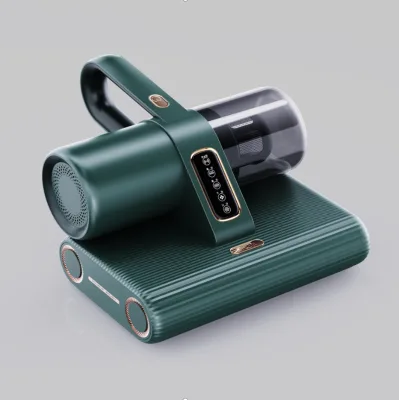
$36.77 - $40.70
MOQ: 1000 units
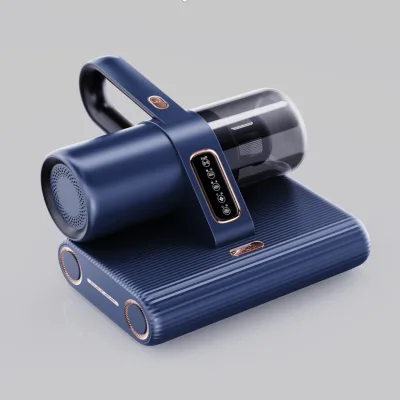
$36.77 - $40.70
MOQ: 1000 units
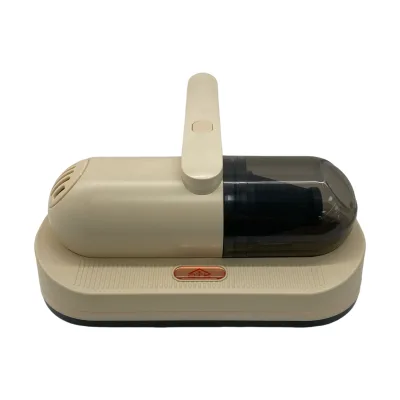
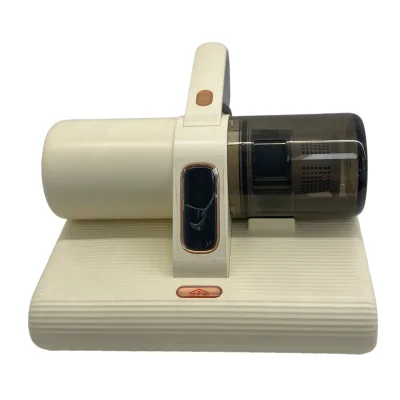
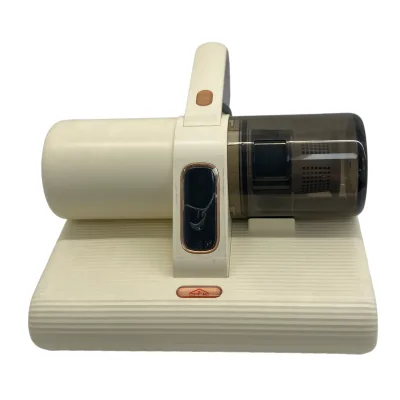
$37.55 - $41.56
MOQ: 1 units
Hong Kong Royal Sea International Trade Development Co., Ltd
- Trading Company
- China Guangdong
- Lead time0 days
- Avg. response≤ 1h
Main productsPortable Fan, Air Purifier, Juicer, Coffee Maker, Hair Dryer, Projector, Touch Instrument, Earphones, Robot Vacuum Cleaner, Hand Warmer

Faithful lnstrument (Hebei) Co., Ltd.
- Verified by BV
- Combined
- China Hebei
- Lead time15 days
- Avg. response≤ 6h
Main productsIncubator, Magnetic Stirrer, Drying Oven, Heating Mantle, Water Bath, Laminar Flow Cabinet, Stainless Steel Water Still, Disintegrator, Furnace, Vortex Mixer
Main marketsSouth America,Africa,Southeast Asia/ Mideast,Europe,Australia,North America

KLEAN Environmental Technology Co., Ltd.
- Verified by BV
- Combined
- China Guangdong
- Lead time15 days
- Avg. response≤ 6h
Main productsElectrostatic Precipitator, Commercial Kitchen Equipment, Electrostatic Air Cleaner, Grease Filter, Oil Mist Collector, Electrostatic Filter, Smoke Eliminator, Fume Removal, Electronic Air Purifier, Fume Extractor
Main marketsDomestic


UV Odour Eliminator to Be Installed Downstream to Remove Particulate Matter
$589.00 - $989.00
MOQ: 1 Pieces

Zhongshan Michel Chemicel Co., Ltd.
- Verified by BV
- Combined
- China Guangdong
- Lead time23 days
- Avg. response≤ 9h
Main productsTire Sealant Aerosol Paint Industrial Glue and
Main marketsDomestic

Guangzhou Everplus Beauty Appliance Ltd.
- Verified by BV
- Combined
- China Guangdong
- Lead time30 days
- Avg. response≤ 9h
Main productsBeauty Equipment, Beauty Instrument, Slimming Machine, Body Slimming, Facial Care, Beauty Machine, Skin Care, RF Machine, Salon Equipment, Peeling Machine
Main marketsEurope

Shenzhen Twosuccess Electronic Co., Ltd. (Plus)
- Manufacturer
- Guangdong, China
- Lead time3 days
- Avg. response≤ 11h
Main productshealth care,Make up tools,Body shaper,baby and mother,outdoor and sport
Main marketsWestern Europe(20.0%), North America(20.0%), South America(15.0%), Northern Europe(10.0%), Southeast Asia(6.0%), South Asia(5.0%), Southern Europe(5.0%), Eastern Europe(5.0%), Mid East(4.0%), Oceania(3.0%), Central America(3.0%), Eastern Asia(2.0%), Africa(2.0%)
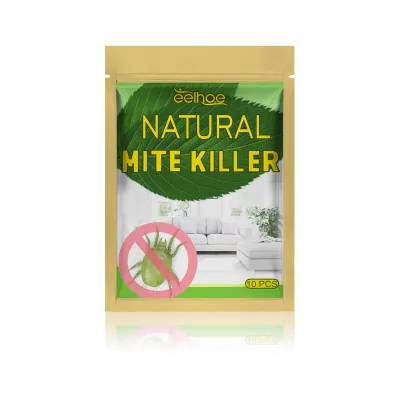
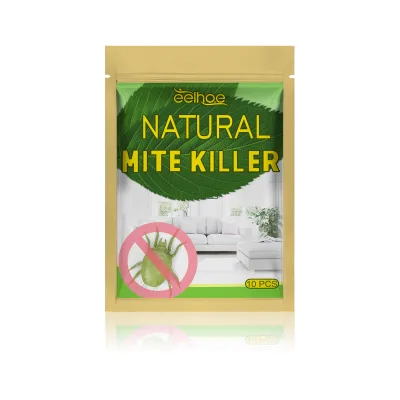
10pcs Durable Natural Mite Killer Non-toxtic Mite Killer Tools Multipurpose Mattress Mite Remover
$1.52 - $1.64
MOQ: 5 pieces
$1.49 - $1.60
MOQ: 5 pieces
Wholesale Household Mite Cleaner Removal Bag Effective Deep House Cleaning Repellent Mite Killer Kit
$1.54 - $1.65
MOQ: 5 pieces

Aosion International (Shenzhen) Co., Ltd.
- Verified by TUVRHEINLAND
- Manufacturer/Factory
- China Guangdong
- Lead time45 days
- Avg. response≤ 4h
Main productsMole Repeller, Mosquito Killer, Snake Repeller, Bird Repeller, Solar Animal Repeller, Fly Repeller, Mouse Zapper, Rat Trap, Cat Repeller, Dog Repeller
Main marketsSouth America,Eastern Europe,North America,Oceania,Western Europe


Ultrasonic Repeller for Mouse Mosquito Fly Control Insect Repellent Device
$2.95 - $4.98
MOQ: 1000 Pieces


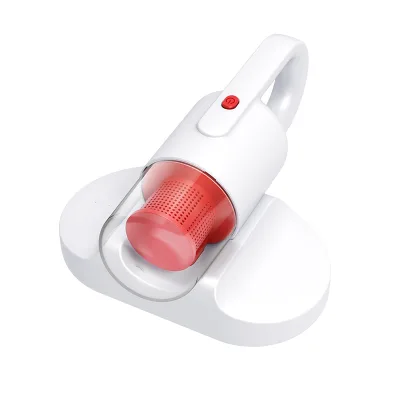


Comprehensive Sourcing Guide
High Frequency UV Mite Remover Supplier Concentration and Factory Types
Current data indicates a concentration of suppliers in Jiangsu and Zhejiang provinces within China, where specific manufacturers and trading companies operate. The observed supplier base includes entities classified as Trading Companies, Manufacturer/Factory combinations, and Combined entities, suggesting a mixed ecosystem of direct production and distribution channels. Some suppliers list main products ranging from home appliances like washing machines to specialized cleaning tools such as air fryers and rice cookers, while others focus specifically on vacuum cleaners and air compressors. This diversity implies that buyers may encounter general appliance traders alongside specialized mite removal device producers, requiring careful distinction during the selection process.
When evaluating factory types, buyers should note that some suppliers possess OEM and ODM capabilities, allowing for custom branding and design modifications. Others may operate primarily as trading entities without direct manufacturing control, which can impact lead times and quality assurance protocols. The presence of ISO 9001 and ISO14001:2015 certifications among certain suppliers suggests a baseline of quality management systems, though these are not universal across all results. Buyers must verify whether a supplier's primary business model aligns with their specific needs for customization, volume, or rapid deployment, as the distinction between a pure trader and a manufacturer significantly influences the supply chain dynamics for high frequency UV mite removers.
How to Verify High Frequency UV Mite Remover Suppliers
Verification begins with checking for recognized system certifications such as LVD, ISO 9001, or ISO14001:2015, which indicate adherence to specific safety and management standards. Some suppliers display third-party verification marks like TÜV Rheinland, providing an additional layer of confidence regarding their operational integrity. Buyers should cross-reference these claims against official certification databases rather than relying solely on supplier-provided documents. The presence of product-specific certifications like RoHS, GS, EMC, CE, and CB is particularly relevant for electrical appliances, ensuring compliance with international safety and electromagnetic compatibility requirements for the UV sterilization components.
Response time and lead time metrics offer practical insights into supplier reliability and operational efficiency. Observed response times vary, with some suppliers replying within two hours while others take significantly longer, potentially indicating differences in staffing or communication infrastructure. Lead times for production and delivery also fluctuate, ranging from fifteen to thirty days depending on the supplier's capacity and current order volume. Buyers should request proof of these metrics through direct inquiry and ask for recent client references to validate the supplier's ability to meet deadlines consistently. Establishing a clear communication channel early helps mitigate risks associated with delayed responses or unrealistic delivery promises.
What to Compare Across High Frequency UV Mite Remover Suppliers
Comparing suppliers requires a detailed analysis of key operational dimensions including minimum order quantities, pricing structures, and production capabilities. Current data shows a wide range in MOQs, with some suppliers accepting orders as low as one unit while others require minimums of two hundred units. Price points also vary significantly, with some products listed between sixteen and seventeen dollars and others ranging from fourteen to twenty-six dollars. These differences often reflect variations in power output, material quality, and feature sets such as UV sterilization rates or suction power, necessitating a careful review of product specifications before making a selection.
Beyond pricing and volume, buyers should evaluate technical specifications such as power consumption, noise levels, and runtime capabilities. Products with higher wattage, such as 500W models, may offer stronger suction and faster sterilization but could incur higher energy costs or require different electrical standards. Noise levels are another critical factor, with some units operating at or below forty decibels while others reach seventy decibels, impacting suitability for residential versus commercial environments. Additionally, the availability of customization options like logo printing or private mold development can be a deciding factor for brands seeking unique market positioning.
Common High Frequency UV Mite Remover Sourcing Risks
One significant risk involves the discrepancy between claimed product attributes and actual performance, particularly regarding UV sterilization efficacy and suction power. While some suppliers advertise high sterilization rates of ninety-nine percent, verifying these claims requires independent testing or access to detailed test reports. The absence of specific test data in supplier listings can lead to purchasing units that fail to meet regulatory standards or customer expectations. Buyers must insist on transparent documentation regarding the UV lamp's wavelength, intensity, and the duration of exposure required to achieve the stated sterilization results.
Another risk stems from inconsistent quality control across different supplier types, especially when dealing with trading companies that may source from multiple factories. Variations in materials, such as plastic quality or battery capacity, can affect the durability and safety of the final product. The lack of private mold options in some listings suggests that buyers may receive generic products with limited differentiation, potentially leading to market saturation issues. Furthermore, reliance on suppliers with longer lead times or slower response rates can disrupt supply chains, particularly for time-sensitive orders or seasonal demand spikes.
High Frequency UV Mite Remover Regional Sourcing and Logistics
Sourcing from Jiangsu and Zhejiang provinces offers access to established manufacturing clusters, but logistics planning must account for regional variations in shipping efficiency. Suppliers in these regions typically have well-developed infrastructure for exporting home appliances, yet buyers should confirm specific port locations and shipping terms to avoid unexpected delays. The origin of products, such as Ningbo or other specific cities within these provinces, can influence transit times and customs clearance procedures. Understanding the geographic distribution of suppliers helps buyers optimize their logistics strategy and select partners with proximity to major shipping hubs.
Packaging and weight specifications are critical for calculating freight costs and ensuring safe transit. Products vary in dimensions, with single package sizes ranging from thirty-five by twenty-nine centimeters to forty by forty centimeters, and gross weights between four and five kilograms. These factors directly impact shipping volume and cost, especially for bulk orders. Buyers should verify packaging types, such as corrugated boxes or gift boxes, to ensure they meet retail requirements and protect the product during transit. Additionally, confirming the plug type and voltage compatibility is essential to prevent electrical issues upon arrival in the destination market.
High Frequency UV Mite Remover Commercial Terms and Order Planning
Commercial terms must be clearly defined to manage expectations regarding payment, delivery, and after-sales support. Warranty periods observed in the data are typically one year, but buyers should confirm the scope of coverage and the process for handling claims. The availability of escrow services or secure payment methods can provide financial protection, ensuring that funds are released only upon satisfactory delivery. Buyers should also clarify the return policy and the supplier's capacity to handle defective units, as this can significantly affect the total cost of ownership.
Order planning should account for the variability in lead times and the potential need for buffer stock. With lead times ranging from fifteen to thirty days, buyers must align their inventory management strategies to prevent stockouts during peak demand periods. The minimum order quantities, which can range from single units to two hundred, require careful financial planning to balance cash flow with inventory levels. Additionally, buyers should consider the scalability of the supplier's production capacity, especially if planning for future growth or expansion into new markets. Establishing a long-term partnership with a reliable supplier can streamline these planning processes and reduce operational friction.
FAQs
What is the price range for UV mite removers?
Prices typically range from $14.99 to $26.00 per unit depending on specifications. Basic models with lower suction power start near the lower end, while high-power units with advanced sterilization features command higher rates. Buyers should verify exact pricing based on order volume and customization needs.
What certifications are available for these devices?
Common certifications include LVD, ISO 9001, ISO14001:2015, RoHS, GS, EMC, CE, and CB. These ensure compliance with safety and environmental standards. Buyers should request specific certificates relevant to their target market to guarantee regulatory approval and product safety for end consumers.
What is the typical lead time for orders?
Lead times generally range from 15 to 30 days. Faster production is available from suppliers with optimized manufacturing lines, while complex customizations may extend the timeline. Buyers should confirm specific delivery schedules with suppliers to align with their inventory planning and market launch requirements.
What is the minimum order quantity for these products?
MOQs vary significantly, starting from just one unit for sample orders up to 200 units for bulk production. Lower MOQs allow for testing market response, while larger orders often secure better pricing. Buyers should clarify MOQ requirements early to ensure alignment with their procurement strategy.
Where are these suppliers located?
Suppliers are primarily located in Jiangsu and Zhejiang provinces in China. These regions are known for strong manufacturing capabilities in home appliances and cleaning equipment. Buyers can leverage this geographic concentration to facilitate logistics and potentially reduce shipping costs for bulk orders.
What power sources do these mite removers use?
Devices use electric power sources, including USB charging for cordless models and AC power for corded versions. Voltage ranges typically include 5V for portable units and 100-240V for broader compatibility. Buyers should select models that match their target market's electrical standards and usage preferences.