High Flatness Optical Glass Prism Suppliers and Manufacturers
Source High Flatness Optical Glass Prism from 13 verified suppliers in China. Compare response times, lead times, certifications, and pricing to find the right partner. Contact suppliers directly to discuss customization and MOQ requirements; review the available evidence before requesting comparable quotations from suitable candidates.
Suppliers List

China Star Optics Technology Co., Ltd.
- Verified by BV
- Trading Company
- China Jilin
- Lead time30 days
- Avg. response≤ 19h
Main productsOptics Lens, Optical Prism, Customed Optica Ball Lens, Aspherical Lens
Main marketsEurope


Optical Glass Customed Prism High-Precision Prism Cementing Prism Collimating Prism
$100.00
MOQ: 10 Pieces



- Manufacturer, Trading Company
- Guangdong, China
- Lead time7 days
- Avg. response≤ 5h
Main productsCamera Filter,Optical Lens
Main marketsDomestic Market(90.00%), North America(5.00%), Southeast Asia(2.00%), Mid East(1.00%), Western Europe(1.00%), Eastern Asia(1.00%)


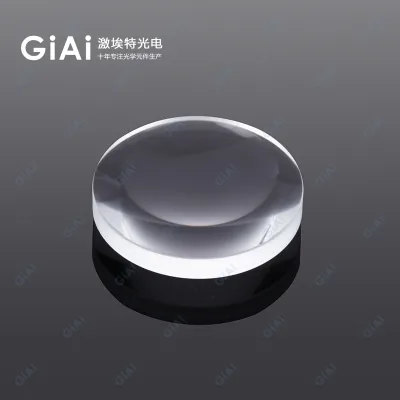
High Quality Optical Glass Quartz Plano Convex Lens
$7.90 - $16.99

Shenyang Ebetter Optics Co., Ltd.
- Verified by SGS
- Combined
- China Liaoning
- Lead time23 days
- Avg. response≤ 7h
Main productsInfrared IR Window, Optical Windows, Optical Filter, Optical Mirror, Diffraction Grating, Cylindrical Lens, Optical Lens, Rod Lens
Main marketsSouth America,East Asia(Japan/ South Korea),Europe,Australia,North America

- Verified by SGS
- Combined
- China Jiangsu
- Lead time30 days
- Avg. response≤ 24h
Main productsOptical Window, Optical Lens, Optical Filter, Optical Prism, Optical Mirror, Beam Splitter Cube, off-Axis Parabolic Metal Mirrors, Optical Reticle, Collimator
Main marketsSoutheast Asia/ Mideast,East Asia(Japan/ South Korea),Domestic,Europe,Australia,North America
Fujian Allwin Technology Co., Ltd.
- Trading Company,Manufacturer/Factory
- China Fujian
- Lead time0 days
- Avg. response≤ 13h
Main productsOptics, Optical Components, Optical Lenses, Prism, Laser Optics, Infrared Optic Lenses, Photonics, Imaging Optics, Biomedical Optic Components, Endoscopic Lenses
Main marketsSouth America,Eastern Europe,Mid East,North America,Southeast Asia,Eastern Asia,Western Europe

C-Laser (Taicang) Material Technology Co., Ltd.
- Verified by BV
- Combined
- China Jiangsu
- Lead time15 days
- Avg. response≤ 1h
Main productsOptical Lens, Fused Silica, Laser, Squartz Glass, Fused Quartz, Optical Glass, Fused Silica Rod, Fused Quartz Rod, Quartz Tube, Quartz Rod
Main marketsDomestic

Corner Cube Prism Reflecting Prism Optical Refractive Beam Splitter Optical Glass Prisms
$6.00 - $10.00
MOQ: 10 Pieces

Optical Glass Reflection Roof Prism Right Angle Prism Optical Equipment Prisms
$6.00 - $10.00
MOQ: 10 Pieces

Changchun Yutai Optics Co., Ltd.
- Combined
- China Jilin
- Lead time45 days
- Avg. response≤ 1h
Main productsOptical Lens, Optical Windows, Optical Mirrors, Optical Filters, Optical Prisms, Optical Wafers, Optical Blanks, Optical Coating, Optical Beamsplitter, IR Optics
Main marketsDomestic,Europe,North America
Nanyang Jingliang Photoelectric Co., Ltd.
- Manufacturer, Trading Company
- Lead time旺季: "1 - 50":7,"> 50":"To be negotiated", 淡季: "1 - 50":7,"> 50":"To be negotiated"
- Avg. response≤ 1h
Main productsLens, Prisms, Mirros, Filters, Windows

Shanghai Rui Tai Photoelectric Technology Co., Ltd.
- Verified by TUVRHEINLAND
- Trading Company
- China Shanghai
- Lead time15 days
- Avg. response≤ 5h
Main productsOptical Lens, Optical Windows, Laser Windows, Fused Silica, Optical Prism, Optical Glass, Sapphire Window, Aspheric Lens, Spheric Lens, Optical Mirror
Main marketsSouth America,Domestic,Europe


Dispersive Prism/Optical Prism/Optical Glass Prism/Glass Prism/Optical Lens
$37.00 - $45.00
MOQ: 100 Pieces

Beam Splitting Prism/Optical Prism/Prism/Optical Lens/Optical Components
$33.00 - $45.00
MOQ: 100 Pieces


Right Angle Prism/Rectangular Prism/Isosceles Rectangular Prism/Optical Prism/Triangular Prism
$6.00 - $8.00
MOQ: 100 Pieces

Tianjin Tengteng Optoelectronic Technology Co., Ltd.
- Verified by TUVRHEINLAND
- Combined
- China Tianjin
- Lead time30 days
- Avg. response≤ 2h
Main productsOptical Lens, Lens, Laser Lensese, Aspherical Lens
Main marketsOthers(foreignTradeCapacity.exportBusinessCapacityMarketOther),Domestic,Europe

Jiaozuo Commercial Finewin Co., Ltd.
- Trading Company
- China Henan
- Lead time23 days
- Avg. response≤ 4h
Main productsSapphire Substrate&Silicon Substrates, Precision, Free-Standing GaN Substrates&GaN Templates, Optical Windows, Silicon Carbide Wafers, TeO2 Crystals, Prisms, Linbo3 Crystals&Litao3 Crystals, Lens, Yvo4 Crystals&Ktp Crystals
Main marketsSouth America,Southeast Asia/ Mideast,East Asia(Japan/ South Korea),Europe,Australia,North America

- Trading Company
- China Jiangsu
- Lead time15 days
- Avg. response≤ 2h
Main productsLaser Level, Surveying Instrument, Surveying Equipment, Leica Prism, Survey Prisms, Levelling Staffs, Tribrachs and Adapters, Instrument Tripods, Automatic Level, Laser Line
Main marketsSoutheast Asia/ Mideast,Europe,Australia,North America

Ningbo Hongbo Optical Instrument Co., Ltd.
- Trading Company,Manufacturer/Factory
- China Zhejiang
- Lead time30 days
- Avg. response≤ 17h
Main productsMagnifier, Microscope, Magnifier Lamps, Binoculars, Reading Glass, Compass, Head Magnifier, Pocket Microscope, Jewellers Magnifier, Folding Magnifier
Main marketsSouth America,Eastern Europe,Mid East,North America,Southeast Asia,Eastern Asia,Oceania,Western Europe,Africa


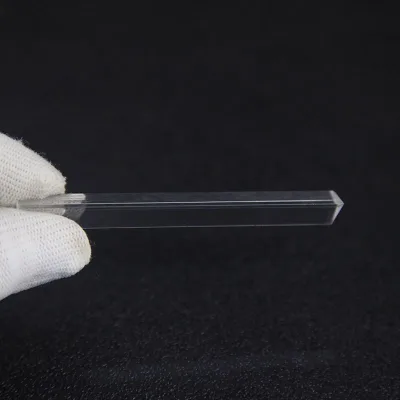
Wholesales High Quality Optical Clear Crystal Prisms
MOQ: 100 Pieces

MOQ: 2000 Pieces





Comprehensive Sourcing Guide
High Flatness Optical Glass Prism Supplier Concentration and Factory Types
Current data indicates a concentration of optical component manufacturers and trading entities within specific Chinese provinces, including Jilin, Guangdong, and Liaoning. Suppliers in Jilin and Liaoning often list origins such as Changchun and Shen Yang, suggesting established industrial clusters for precision optics in these regions. These areas frequently host companies offering ODM and OEM capabilities alongside their own branded products, which is critical for buyers seeking custom high flatness optical glass prisms. The presence of verified entities in these locations provides a baseline for identifying potential manufacturing partners who possess the necessary infrastructure for glass processing and coating.
Factory types vary significantly across the available results, ranging from pure trading companies to combined entities that function as both manufacturers and traders. Some suppliers explicitly state they are manufacturers, while others operate as trading companies that source from local factories. This distinction impacts the buyer's ability to verify production capacity and quality control directly. A combined company type may offer more flexibility in sourcing different optical components like lenses and mirrors, but a dedicated manufacturer might provide deeper technical expertise for complex prism geometries. Buyers must scrutinize the company type to ensure the supplier can meet specific customization requirements for high flatness tolerances.
How to Verify High Flatness Optical Glass Prism Suppliers
Verification of supplier credibility relies heavily on third-party audit reports and system certifications rather than self-declared claims. Available data shows that some suppliers hold BV verification status, while others possess SGS verification, indicating different levels of external scrutiny regarding their business operations. Additionally, system certifications such as ISO9001:2015 are present in the records, serving as a baseline indicator that the supplier maintains a documented quality management system. Buyers should prioritize suppliers with these specific verification badges and certifications to reduce the risk of engaging with unvetted entities.
Beyond external verification, buyers must examine the specific product attributes and customization capabilities listed in the supplier profiles. Evidence of customization availability, material specifications like optical glass, and detailed product attributes such as shape and application are essential indicators of technical competence. For instance, suppliers listing "Customized" attributes and specific material types like BK7 glass demonstrate a capacity to handle bespoke orders. Buyers should request detailed product evidence for high flatness prisms, ensuring the listed attributes match the required optical standards. This verification process helps confirm that the supplier has the actual technical capability to produce the specific high flatness optical glass prisms needed for the application.
What to Compare Across High Flatness Optical Glass Prism Suppliers
When evaluating potential partners, buyers should compare key operational metrics such as lead time, minimum order quantity, and response speed to determine logistical fit. The data reveals a wide variance in lead times, with some suppliers offering a 7-day turnaround while others require up to 30 days. Similarly, minimum order quantities range from single items to ten units, which significantly impacts the cost structure for small-batch prototyping versus large-scale production. Response times also differ, with some entities responding in under six hours and others taking nearly 19 hours, affecting the speed of communication during the negotiation phase.
Comparing product specifications and pricing structures is equally critical for ensuring value and technical compliance. Prices for optical components vary, with some listings showing unit costs around 20 dollars while others range from 5 to 100 dollars depending on the complexity and material. Buyers must analyze whether the price includes specific coatings, surface quality standards, or custom tolerances. Additionally, comparing the main products offered by each supplier helps identify those with a focused expertise in prisms versus those offering a broad range of optical instruments. This comparative analysis ensures the selected supplier aligns with both the technical requirements and the budget constraints of the project.
Common High Flatness Optical Glass Prism Sourcing Risks
One significant risk involves the discrepancy between advertised capabilities and actual production capacity, particularly regarding customization and material quality. While some suppliers list "Customization: Available," the specific tolerances for high flatness may not be explicitly detailed in the initial product evidence. Buyers face the risk of receiving prisms that do not meet the stringent optical standards required for medical instruments or precision testing equipment if the supplier lacks the necessary precision machinery. It is essential to verify that the supplier can consistently produce the required flatness tolerances rather than relying on general claims of customization.
Another risk pertains to the reliability of shipping and packaging for delicate optical components. The data indicates that some suppliers offer special protective packing, which is vital for preventing damage during transit. However, without explicit confirmation of packaging standards for every order, there is a risk of receiving damaged goods. Furthermore, the variation in lead times suggests potential delays in production schedules, which could disrupt project timelines. Buyers must assess the supplier's track record for on-time delivery and their ability to handle the specific logistical challenges associated with shipping fragile optical glass prisms to ensure a smooth supply chain.
High Flatness Optical Glass Prism Regional Sourcing and Logistics
Sourcing from regions like Jilin, Guangdong, and Liaoning offers access to established optical manufacturing hubs, but logistics planning must account for regional differences in infrastructure and shipping times. Suppliers in these locations may have varying access to international shipping ports, which can impact the overall lead time and cost of delivery. For instance, a supplier in Guangdong might benefit from proximity to major ports, potentially reducing transit times compared to suppliers in more inland locations like Jilin. Buyers should evaluate the specific location of the factory to estimate the most efficient shipping routes and associated costs.
Logistics also involve understanding the specific packaging requirements for optical glass prisms to prevent breakage during transit. Evidence suggests that some suppliers provide special protective packing, which is a critical factor in maintaining product integrity. Buyers must confirm that the packaging standards are sufficient for the specific dimensions and fragility of the high flatness prisms being ordered. Additionally, the origin of the product, such as Changchun or Shen Yang, may influence the availability of local logistics partners who specialize in handling delicate optical equipment. Proper logistics planning ensures that the prisms arrive in perfect condition and on schedule.
High Flatness Optical Glass Prism Commercial Terms and Order Planning
Commercial terms regarding pricing, minimum order quantities, and payment structures vary widely among suppliers and must be carefully negotiated to align with project budgets. Some suppliers list prices as low as 5 dollars per unit, while others charge significantly more for high-precision custom prisms. The minimum order quantity can range from a single item to ten units, which affects the initial investment required. Buyers should clarify whether the quoted price includes all necessary coatings, customizations, and packaging to avoid hidden costs that could inflate the total expenditure.
Order planning must also consider the response time and lead time to ensure timely delivery for critical projects. Suppliers with faster response times, such as those under six hours, can facilitate quicker decision-making and order placement. Lead times ranging from 7 to 30 days require careful scheduling to accommodate production and shipping. Buyers should plan their orders well in advance, accounting for potential delays and ensuring that the supplier can meet the required delivery dates. Establishing clear commercial terms and a realistic order timeline is essential for a successful procurement process and to maintain a reliable supply chain for high flatness optical glass prisms.
FAQs
What is the typical lead time for custom optical glass prisms?
Lead times vary by supplier, with some offering 7 days and others requiring up to 30 days. Buyers should verify specific timelines based on order volume and customization needs before placing an order to ensure timely delivery.
Do suppliers offer customization for optical glass prisms?
Yes, customization is available for many optical glass prisms including shape and coating. Suppliers support OEM and ODM services, allowing buyers to specify dimensions like 1-300mm or unique shapes such as cube corner prisms for medical instruments.
What is the minimum order quantity for optical glass prisms?
Minimum order quantities differ among suppliers, with some requiring as few as 1 unit while others set the limit at 10 units. Buyers must check individual product listings to confirm the specific MOQ applicable to their required prism type.
Where are these optical glass prism manufacturers located?
Manufacturers are located in regions such as Jilin, Guangdong, and Liaoning in China. Specific origins include Changchun and Shen Yang, indicating a concentration of optical component production in these northern and southern industrial hubs within the country.
Are there certifications for the optical glass prism suppliers?
Some suppliers hold ISO9001:2015 certification for their quality management systems. Verification services like BV and SGS are also utilized by certain manufacturers to validate their operational standards and product reliability for international buyers seeking trusted partners.
What is the price range for high flatness optical glass prisms?
Prices for optical glass prisms range from approximately 5 to 100 units of currency depending on specifications. Specific listings show prices as low as 5 for mirrors and up to 100 for high-precision cementing prisms, varying by material and complexity.
How quickly do suppliers typically respond to inquiries?
Response times vary significantly, with some suppliers replying within 5 hours and others taking up to 18 hours. Buyers should expect different communication speeds depending on the specific trading company or manufacturer they contact for their optical component needs.