Corona Discharge Ozone Medical Machine Suppliers and Manufacturers
Source 21 verified suppliers for Corona Discharge Ozone Medical Machine units. Compare grounded dimensions including ISO 9001 and CE certifications, lead times of 23-30 days, and response metrics. Review product specifications and request quotes directly from factories in China; review the available evidence before requesting comparable quotations from suitable candidates.
Suppliers List

Shanghai Chaomei Environmental Technology Co., Ltd.
- Verified by SGS
- Manufacturer/Factory
- China Shanghai
- Lead time23 days
- Avg. response≤ 13h
Main productsWater Treatment System, RO Water Treatment Plant, Water Softener, Water Treatment Plant, Reverse Osmosis System, Water Treatment Purifier, Water Treatment Machinery, 3 Stage Water Filters, Water Filter, 3 Stage Water Purifier
Main marketsSouth America,Eastern Europe,Mid East,North America,Southeast Asia,Eastern Asia,Oceania,Western Europe,Africa
Aquapure (Shenzhen) Ozone Technology Co., Ltd.
- Manufacturer, Trading Company
- Guangdong, China
- Lead time30 days
- Avg. response≤ 6h
Main productsMedical ozone generator,Medical Ozone Therapy,Ozone water purifier,Portable ozone generator,Ozone Generator
Main marketsNorth America(40.00%), Southern Europe(30.00%), Eastern Asia(15.00%), South America(10.00%), Domestic Market(5.00%)
- Manufacturer
- Guangdong, China
- Lead time28 days
- Avg. response≤ 2h
Main productsmedical ozone generator,ozone therapy machine,home ozone device,industial ozone equipment,ozone parts
Main marketsDomestic Market(30.00%), North America(30.00%), South America(10.00%), Western Europe(10.00%), Oceania(5.00%), Africa(5.00%), South Asia(2.00%), Southeast Asia(2.00%), Eastern Europe(2.00%), Northern Europe(2.00%), Mid East(2.00%)
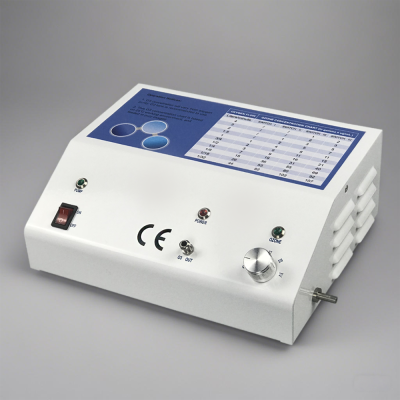
High Quality Medical Ozone Machine Featuring Ozone Medical Device
$127.30 - $149.70

Qingdao Guolin Technology Group Co., Ltd.
- Verified by SGS
- Combined
- China Shandong
- Lead time30 days
- Avg. response≤ 10h
Main productsOzone Generator, Psa Oxygen Generator, Vpsa Oxygen Generator, Pressure Vessel, Air Disinfector, Large Ozone Generator, Middle Ozone Generator, Porous Diffuser, Adsorption Air Dryer, Ozone Destructor
Main marketsSoutheast Asia/ Mideast,Domestic,Europe


Large Industrial Ozone Machine with Advanced Ozone Discharge Chamber Technology
$68000.00 - $130000.00
MOQ: 1 Sets

Guangzhou Chuanghuan Ozone Electric Appliance Co., Ltd.
- Manufacturer, Trading Company
- Guangdong, China
- Lead time5 days
- Avg. response≤ 6h
Main productsOzone Generator,Ozone Tube,Ozone Water Machine,Oxygen Concentrator,Oxygen Generator Accessories
Main marketsSouthern Europe(36.00%), Eastern Asia(11.00%), South America(10.00%), Domestic Market(8.00%), Southeast Asia(7.00%), Northern Europe(5.00%), South Asia(5.00%), Western Europe(5.00%), Eastern Europe(4.00%), North America(4.00%), Central America(2.00%), Africa(1.00%), Mid East(1.00%), Oceania(1.00%)

GUANGZHOU ICLEAR HEALTHCARE LIMITED
- Verified by SGS
- Trading Company,Manufacturer/Factory
- China Guangdong
- Lead time15 days
- Avg. response≤ 12h
Main productsMedical Imaging Equipment, Ivd Products Supplies, Ent Products, Laboratory Equipment, Chinese Traditional Medicine Treatment Equipment, Hospital Comsumbles, Medical Equipment, Healthcare Products, Surgical Equipment and Instruments, Veterinary Products
Main marketsSouth America,Eastern Europe,Mid East,North America,Southeast Asia,Eastern Asia,Oceania,Western Europe,Africa

Wuhan Aliroad Medical Equipment Co., Ltd.
- Combined
- China Hubei
- Lead time15 days
- Avg. response≤ 5h
Main productsHematology Analyzer, Colposcope, Ultrasound Scanner, ECG Machine, Patient Monitor, Biochemistry Analyzer, Endoscope, Ent Device
Main marketsSouth America,Africa,Southeast Asia/ Mideast

Ozone Generator Machine Multifunctional Portable Medical Ozone Therapy Generator Machine
$1.00 - $3499.00
MOQ: 1 Pieces

Shenzhen Apruio Technology Co., Ltd.
- Manufacturer, Trading Company
- Guangdong, China
- Lead time0 days
- Avg. response≤ 4h
Main productsOzone module,medical ozone generator,ozone water purifier,ozone air purifier,ozone therapy kit
Main marketsSouth America(30.00%), North America(25.00%), Eastern Europe(10.00%), Western Europe(5.00%), Eastern Asia(5.00%), South Asia(5.00%), Southern Europe(5.00%), Northern Europe(5.00%), Southeast Asia(5.00%), Africa(2.00%), Domestic Market(1.00%), Mid East(1.00%), Oceania(1.00%)
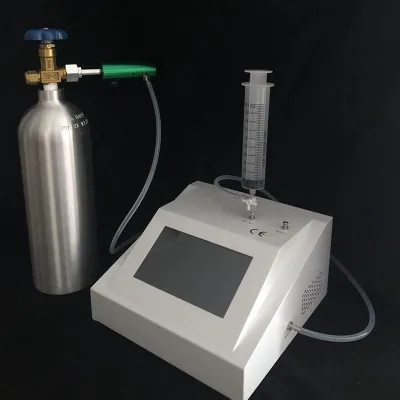
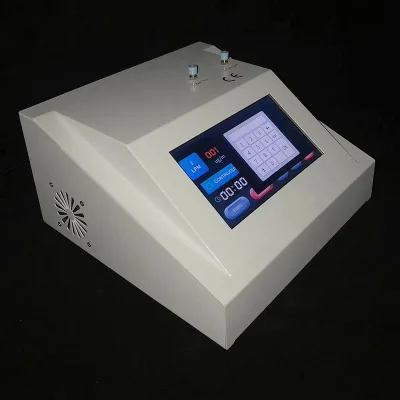
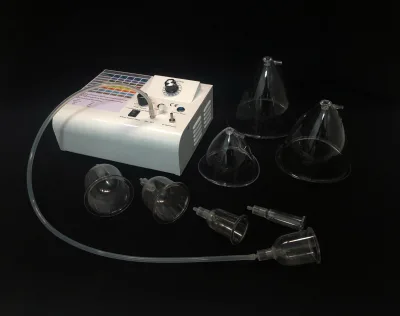
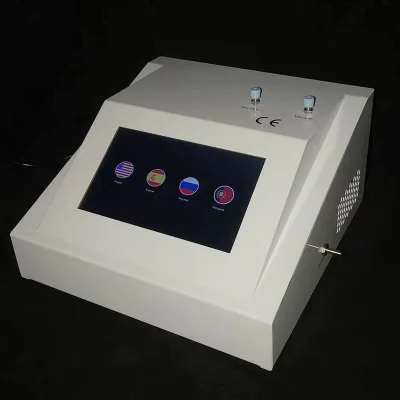
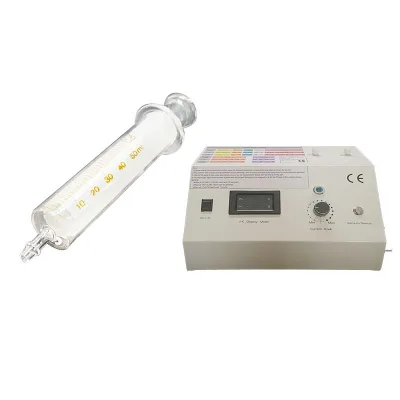
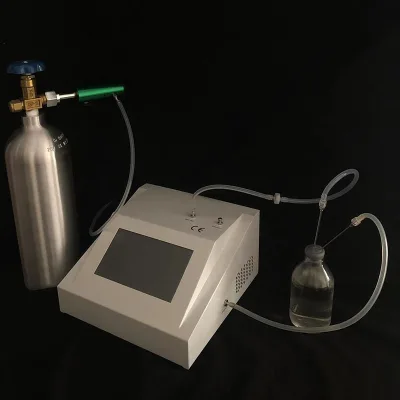
5 Levels Concentration Device Medical Ozone Clinic Use With Timer
$147.00 - $150.00

Shanghai Ecopro Environmental Engineering Co., Ltd.
- Trading Company,Manufacturer/Factory
- China Shanghai
- Lead time23 days
- Avg. response≤ 4h
Main productsSludge Dehydrator, Screw Press, Wastewater Treatment, Daf, Sludge Dewatering Machine, Static Screen, Dissloved Air Flotation, Filter Press, Sewage Treatment, Biocarrier
Main marketsSouth America,Eastern Europe,Mid East,North America,Southeast Asia,Eastern Asia,Oceania,Western Europe,Africa


Water Purification and Air Disinfection Ozone Machine Water Purifier Ozone Machine Ozone Generator
$189.00 - $720.00
MOQ: 1 Sets

Hunan Echwater Technology Co., Ltd.
- Verified by BV
- Trading Company
- China Hunan
- Lead time23 days
- Avg. response≤ 6h
Main productsHypochlorous Acid Generator, Atmosphere Water Machine, Variable Power Supplier, Pure Water System, Hydrogen Bath Generator, Hydrogen-Rich Water Generators, Sodium Hypochlorite Generator, Electrolytic Cell, Alkaline Water Generator
Main marketsSoutheast Asia/ Mideast


Ozone Concentration Adjustment Ozone Water Machine for Garbage Station
$1000.00 - $10000.00
MOQ: 1 set


Henan Foodyee Machinery Co., Ltd
- Manufacturer/Factory
- China Henan
- Lead time0 days
- Avg. response≤ 3h
Main productsPalletizer, Seafood Processing, Sauce Production Line, Robot Series, Sterilization Equipment, Noodle Equipment, Dairy Equipment Press

Qingdao Pioneer Environmental Protection Technology Co., Ltd.
- Verified by SGS
- Combined
- China Shandong
- Lead time30 days
- Avg. response≤ 5h
Main productsOzone Generator, Ozonator, Ozonizer
Main marketsOthers(foreignTradeCapacity.exportBusinessCapacityMarketOther),Southeast Asia/ Mideast,Domestic,Europe

Shandong Longantai Environmental Protection Sci-Tech Co., Ltd.
- Verified by BV
- Combined
- China Shandong
- Lead time30 days
- Avg. response≤ 8h
Main productsWastewater Treatment Equipments, Sewage Treatment Facilities, Wastewater Treatment Chemicals, Wastewater Treatment Filters, Wastewater Treatment Plant, Sedimentation Tank, Electrochemical Reactor, Ozone Catalytic Oxidation Reactor, Multidimensional Catalytic Oxidation Equipment, High Oxidation Equipment
Main marketsDomestic

Yantai Lift Equipment Co., Ltd.
- Trading Company,Manufacturer/Factory
- China Shandong
- Lead time23 days
- Avg. response≤ 4h
Main productsCar Lift, Wheel Alignment, Tire Changer, Wheel Balancer, Auto Diagnostic Scanner, Auto Scanner, Car Jack, Garage Equipment, Auto Diagnostic Tool, Spray Booth
Main marketsSouth America,Eastern Europe,Mid East,North America,Southeast Asia,Eastern Asia,Oceania,Western Europe,Africa

Corona Discharge Ozone Generator/Waste Water Treatment Disinfection Machine
$85.00 - $90.00
MOQ: 5 Pieces


Weifang Hengyuan Environmental Water Treatment Equipment Co., Ltd
- Verified by TUVRHEINLAND
- Combined
- China Shandong
- Lead time15 days
- Avg. response≤ 8h
Main productsOzone Generator, Sewage Treatment Plant, Sodium Hypochlorite Generator, Screw Dewatering Press Machine, Lamella Clarifier, Wastewater Treatment Plant, Mbr Sewage Treatment Plant, Mbbr Water Treatment Plant, Chlorine Disinfection Equipment, Containerized Water Treatment Plant
Main marketsEast Asia(Japan/ South Korea)

$3500.00 - $5000.00
MOQ: 1 Pieces

$3500.00 - $5000.00
MOQ: 1 Pieces

O3 Generator Ozone Machine for Food Sterilization, 50g/H Output, UV Ozonator, Low Energy Consumption
$3500.00 - $5000.00
MOQ: 1 Pieces

$3500.00 - $5000.00
MOQ: 1 Pieces

PLC-Controlled O3 Ozone Generator Disinfection Machine for Sewage Treatment
$3500.00 - $5000.00
MOQ: 1 Pieces

Guangzhou Shenghuan Environmental Technology Co., Ltd.
- Verified by SGS
- Combined
- China Guangdong
- Lead time15 days
- Avg. response≤ 3h
Main productsOzone Generator, Ozone Disinfection Machine, Ozone Water Generator, Oxygen Concentrator, Ozone Water System, Ozone Generator Accessories
Main marketsEast Asia(Japan/ South Korea),Europe,Australia,North America

$750.00 - $2650.00
MOQ: 1 Pieces


Mini Ozone Machine for Water Treatment and Purification Portable Ozone Machine
$66.00 - $78.00
MOQ: 1 pieces

15g 30g Mobile Ozone Disinfection Machine Air/Water Treatment Dual Purpose Ozone Generator
$268.00 - $300.00
MOQ: 1 Pieces
Guangzhou Ozone Environmental Technology Co., Ltd.
- Verified by Intertek
- Manufacturer, Trading Company
- Lead time10 days
- Avg. response≤ 1h
Main productsCeramic Ozone Generator, KGS Ozone Generator, 500G Ozone Generator , PAP Oxygen Concentrator, Plasma Surface Treatment Machine
Main marketsDomestic Market(20%), Southeast Asia(15%), North America(8%)
Guangzhou Baisheng Ozone Equipment Co., Ltd.
- Manufacturer, Trading Company, Distributor/Wholesaler
- Guangdong, China
- Lead time3 days
- Avg. response≤ 1h
Main productsozone generator,Air/Water ozone generator,industrial ozone generator,ozonated water machine,PSA oxygen generator
Main marketsDomestic Market(40.00%), South America(12.00%), South Asia(8.00%), Southeast Asia(8.00%), Eastern Asia(8.00%), North America(5.00%), Western Europe(3.00%), Southern Europe(3.00%), Mid East(3.00%), Northern Europe(3.00%), Oceania(2.00%), Central America(2.00%), Eastern Europe(2.00%), Africa(1.00%)

Shandong WIT Intelligent Technology Co., Ltd.
- Verified by TUVRHEINLAND
- Combined
- China Shandong
- Lead time23 days
- Avg. response≤ 1h
Main productsOzone Generators, Sodium Hypochlorite Generator, Chlorine Dioxide Generator, Water Treatment Disinfection Products, Wastewater Advanced Treatment Equipment, Water Purifier, Ozone Machine, Industrial Ozone Generator
Main marketsDomestic


Efficient Long-Term Ozone Machine for Odor Elimination and Sanitization
$7000.00 - $21000.00
MOQ: 1 Pieces
Shaanxi Junmao Intelligent Technology Co., Ltd.
- Trading Company
- Shaanxi, China
- Lead time30 days
- Avg. response≤ 3h
Main productsTube Ozone Generator, Plate Ozone Generator, Oxygen Generator, Nano-bubble Generator, Detector Analyzer
Main marketsDomestic Market(100.00%)
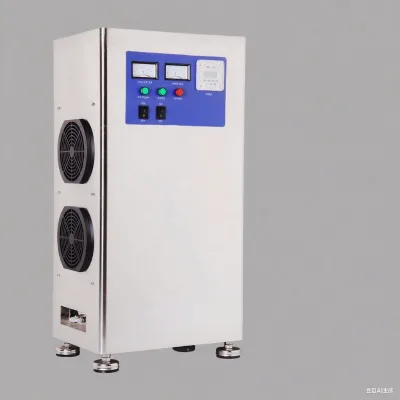
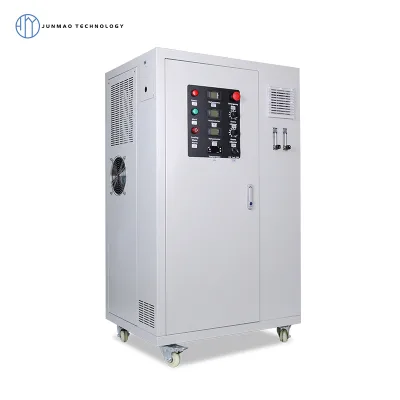
High Output and Concentration Ozone Integrated Machine with Water Cooled Ozone Generator for Food
$1134.00 - $5864.40
MOQ: 1 Minimum

Shandong Hczhun Environmental Protection Equipment Co., Ltd.
- Verified by BV
- Combined
- China Shandong
- Lead time30 days
- Avg. response≤ 3h
Main productsSodium Hypochlorite Generator, Ozone Generator, Dosing Equipment, Water Treatment Equipment, Water Disinfection Equipment, Oxidation Disinfection Equipment, Sewage Treatment Equipment, Wastewater Treatment Equipment, Water Pump, Dosing System
Main marketsSouth America,Africa,Others(foreignTradeCapacity.exportBusinessCapacityMarketOther),Southeast Asia/ Mideast,East Asia(Japan/ South Korea),Europe

$20000.00 - $80000.00
MOQ: 1 Sets

$5000.00 - $10000.00
MOQ: 1 Sets

$5000.00 - $10000.00
MOQ: 1 Sets

$5000.00 - $10000.00
MOQ: 1 Sets


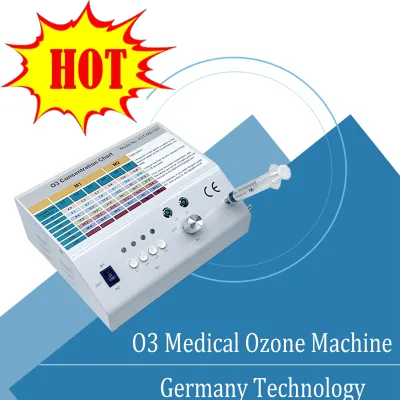
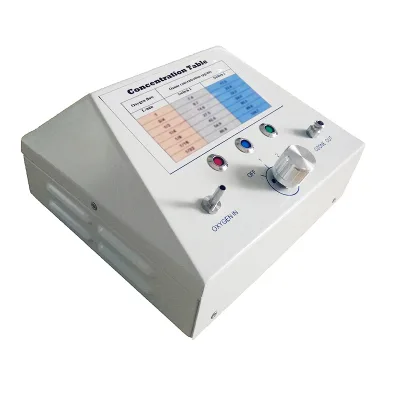


Comprehensive Sourcing Guide
Corona Discharge Ozone Medical Machine Supplier Concentration and Factory Types
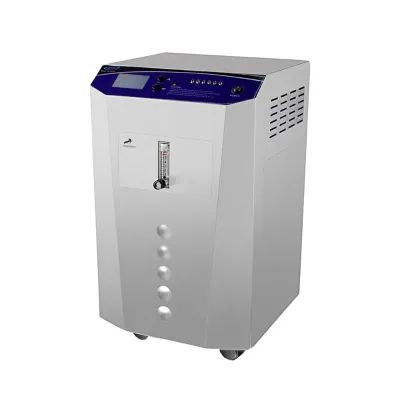
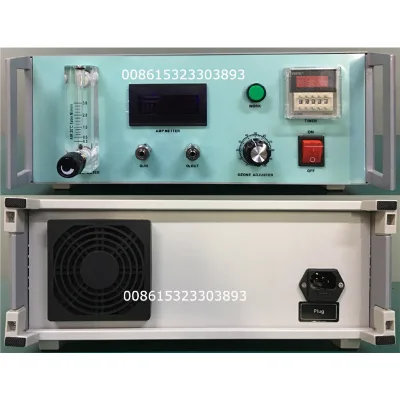
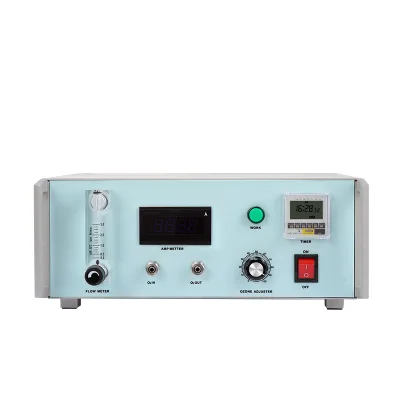
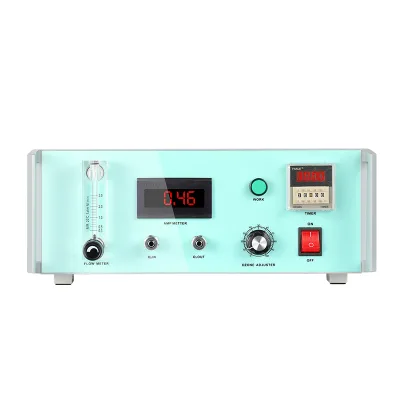
When sourcing corona discharge ozone medical machines, the first structural question is whether a supplier manufactures in-house or trades between factories. The supplier results for this category show both profiles side by side: one verified manufacturer/factory based in Shanghai listing water treatment systems, RO plants, water softeners and ozone generators, and a Guangdong-based manufacturer and trading company whose main products include medical ozone generators, ozone therapy units, ozone water purifiers and portable ozone generators. A factory type matters because corona discharge modules, oxygen feed connections and stainless-steel contact chambers are assembly-sensitive; a trading company may still deliver well, but responsibility for module defects is harder to enforce. Ask each candidate directly which operations they perform in-house and which are subcontracted, and request the factory address that will appear on the commercial invoice.
Geographic concentration in this category is real but must be confirmed from evidence rather than assumption. The current results point to two sourcing locations: Shanghai, where the listed supplier pairs ozone machines with a broader water treatment machinery line, and Guangdong, where the listed supplier focuses more narrowly on ozone therapy and purification products. Neither cluster is inherently better; Shanghai's water-treatment orientation can suit water-disinfection buyers, while Guangdong's therapy-focused listings suit medical buyers. Beyond these evidence points, identify other clusters by searching product categories such as water treatment machinery and air purifiers, then mapping the origin fields on individual listings rather than relying on category-level claims.
How to Verify Corona Discharge Ozone Medical Machine Suppliers
Verification should begin with the credentials a platform already displays, then move to documents you request yourself. In the current results, one Shanghai manufacturer holds ISO 9001 and HSE system certification and carries an SGS verification badge; the Guangdong supplier lists UL, RoHS and CE among its system certifications. Treat these as screening filters, not approvals: system certifications speak to management processes, while product-level conformity for a medical-grade ozone machine requires certificates naming the exact model you intend to buy. Ask for the certificate PDF, check the scope and expiry date, and confirm the certificate holder matches the legal entity on the quotation. Where a supplier states machinery test reports are provided, as one Guangdong listing does, request the report for your specific configuration.
Second, verify operational reality. Ask for a live video walkthrough of the production floor showing corona discharge module assembly, not just finished-goods warehousing, and request photos of the packing line since one listed product ships in carton packaging with a stated unit size of 32 x 25 x 51 cm. Check business license registration against the bank account name on the proforma invoice; a mismatch between invoice payee and verified entity is a classic trade-company signal. For medical-adjacent use, ask which regulatory registrations the machine holds in the destination market and verify independently. Finally, cross-check the supplier's stated main products against what the factory actually demonstrates — a supplier whose line is 90 percent water treatment may assemble ozone units only on demand.
What to Compare Across Corona Discharge Ozone Medical Machine Suppliers
Build a comparison sheet using the attributes platforms actually expose, and record blanks honestly rather than assuming every supplier displays every field. Useful dimensions from the current results include lead time, minimum order quantity, response speed, company type, location and main products. Lead times in the evidence range from 23 days for the Shanghai factory to 30 days for the Guangdong manufacturer-trader; response times shown are roughly 12.5 hours and 6 hours respectively, which materially affects how quickly specification questions get resolved during a project. MOQs on listed ozone products run from 1 to 5 units, which suits pilot orders, but confirm whether the MOQ applies to your chosen configuration or only to a stock model.
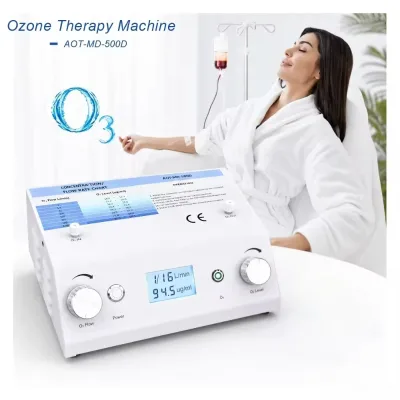
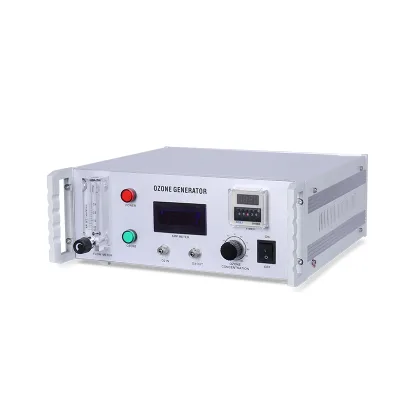
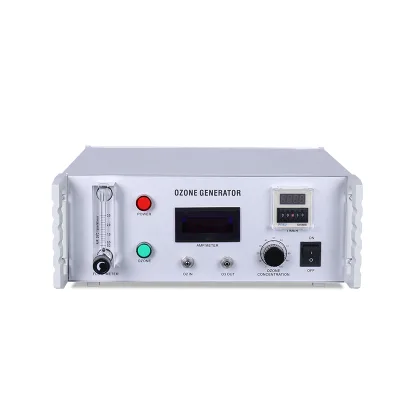
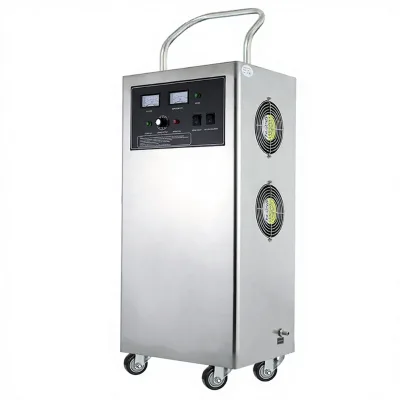
Compare the machines themselves against your application. Listed ozone therapy machines in Guangdong specify adjustable ozone concentration of roughly 4–95 mg/L with oxygen, corona discharge generation, 100–240V AC input, air cooling rated for continuous operation, and a one-year warranty with free spare parts; a larger listed water-treatment ozone system advertises adjustable output of 6.0–28.0 g/h, an oxygen PSA source, 850W power and a 1000 L/hour processing rate. Also compare customization depth: one Shanghai listing states customization is available and OEM support with an own brand, and one Guangdong listing offers logo and 3D-printed graphic design. Weight, dimensions, packing format and voltage options belong on the same sheet, because freight cost differences between models can outweigh unit price gaps.
Common Corona Discharge Ozone Medical Machine Sourcing Risks
The most frequent risk in this category is certification ambiguity on medical claims. Listings in the results carry labels ranging from CE/EMC on a therapy machine to UL, RoHS and CE as system certifications, but a product described as "medical grade" or for "hospital" use may still lack device registration in your jurisdiction. The risk is asymmetric: the buyer, not the seller, usually bears import and liability consequences. Mitigate by requiring the exact model number on every certificate, refusing the word "equivalent" in documentation, and asking explicitly whether the unit is sold as a wellness appliance or a medical device in the seller's own market classification.
Second is specification drift between listing and shipment. Attributes such as stainless steel material, corona discharge generating method, oxygen flow ranges and cooling systems are easy to substitute with cheaper components at production time. One listed therapy machine specifies air cooling with an internal system for 24-hour continuous operation; if the shipped unit omits that cooling loop, ozone concentration will decay under duty cycles that appear identical on paper. Third is logistics damage: these machines contain glass or ceramic dielectric tubes vulnerable to shock, so carton-only packing should prompt a drop-test question. Finally, beware of response-speed asymmetry — a supplier answering pre-sales questions in six hours may slow sharply after deposit, so test post-sale responsiveness with a technical question before committing funds.
Corona Discharge Ozone Medical Machine Regional Sourcing and Logistics
Regional choices should follow the evidence of where each supplier actually operates. The current results place one qualified manufacturer in Shanghai and another in Guangdong, and the two locations imply different logistics profiles worth checking before you order. Shanghai-origin shipments typically route through the Shanghai port complex with extensive sailings to most destinations, while Guangdong-origin goods can ship via the Pearl River Delta ports with dense frequency and strong forwarder competition. Confirm the port of loading on the quotation rather than assuming it matches the province, because factories sometimes truck goods to a different export port. Also confirm Incoterms early: a machine weighing around 55 kilograms, as one listed water-treatment ozone system does, changes cost meaningfully between FOB, CIF and DDP terms.
Product-level logistics facts deserve equal attention. Listed therapy machines in this category are compact — one specifies 240 x 195 x 80 mm — while the larger generator carries a stated 55 kg weight, and a Shanghai ozone unit ships in a 32 x 25 x 51 cm carton. These dimensions determine whether you can consolidate units with other goods or need dedicated palletization. Ask whether oxygen concentrators or PSA modules ship integrated or separately, since a separated PSA shipment doubles carton count and customs line items. Verify voltage compatibility at destination — listings show 110 V and 220 V options and 100–240V AC input ranges — and request packing lists showing gross and net weights per carton so freight quotations are based on real figures.
Corona Discharge Ozone Medical Machine Commercial Terms and Order Planning
Commercial terms in this category currently favor small trial orders, so plan around them. Listed ozone products show MOQs of 1 to 5 units, with one Guangdong therapy machine priced between roughly 120–150 USD per unit depending on model and a larger PSA-equipped water ozone system listed around 1750–1816 USD. Use the low MOQ to run a sample-and-validation cycle: buy one unit, test ozone concentration output against the stated range with your own meter, inspect the corona discharge module and cooling behavior, then scale. Price points at these levels make sample budgets modest relative to the compliance risk they retire. Always pay through channels offering documented transaction protection, and align the payment currency and account name with the verified legal entity.
Order planning should anchor on stated lead times and warranty terms rather than promises made verbally. Current evidence shows 23-day and 30-day lead times, so add your own buffer for pre-shipment inspection, especially if a machinery test report must be generated for your configuration. One Guangdong listing states a one-year warranty with free spare parts; convert that into a written spare-parts list with unit prices, since dielectric modules and PSA components are the likely failure points. For repeat orders, negotiate the customization scope — logo printing, packaging and model variants are offered by suppliers here — and lock specifications in an annex referencing exact model numbers so later price discussions cannot quietly degrade the build.
FAQs
What is the typical lead time for ozone generators?
Manufacturers typically require 23 to 30 days to produce and ship orders. This timeframe allows for quality checks and packaging preparation. Buyers should confirm exact dates with suppliers before placing orders to ensure timely delivery for their projects.
What certifications do medical ozone generators have?
Suppliers offer products with ISO 9001, HSE, UL, RoHS, and CE certifications. These standards ensure compliance with international safety and quality requirements. Buyers should verify specific certificates for their target market to guarantee regulatory acceptance and operational safety.
What is the minimum order quantity for these machines?
Minimum order quantities vary from one to five units depending on the model. Some suppliers accept single units for testing, while others require small batches. Buyers should check specific product listings to determine the exact MOQ applicable to their purchase volume.
Where are these ozone generators manufactured?
Manufacturers are located in Shanghai and Guangdong, China. These regions are known for industrial machinery production. Buyers can source directly from these locations to benefit from established supply chains and manufacturing expertise in water and air treatment technologies.
What is the price range for medical ozone machines?
Prices range from approximately $120 to $1,816 based on capacity and features. Basic household units cost less, while industrial models with oxygen PSA systems are higher. Buyers should request quotes for specific models to get accurate pricing for their needs.
How quickly do suppliers respond to inquiries?
Response times average between six and twelve hours. Fast communication helps buyers clarify technical details and negotiate terms efficiently. Prompt responses indicate active supplier engagement and reliable customer support throughout the sourcing process.