High Pressure Alloy Steel Elbow Suppliers and Manufacturers
Source 16 verified suppliers for High Pressure Alloy Steel Elbow fittings. Compare key dimensions including location, lead time, MOQ, response time, certifications, and pricing to identify the right partner for your industrial pipeline needs; review the available evidence before requesting comparable quotations from suitable candidates.
Suppliers List

Jiangyin Golden Machinery Equipment Co., Ltd.
- Trading Company,Manufacturer/Factory
- China Jiangsu
- Lead time23 days
- Avg. response≤ 12h
Main productsForged Ring, Forged Shaft, Forging Wheel, Forged Gear, Forged Flange, Forged Cylinder, Forging Products, Forging Ring, Forging Shaft, Forging Gear
Main marketsSouth America,Eastern Europe,Mid East,North America,Southeast Asia,Eastern Asia,Oceania,Western Europe,Africa

Cangzhou Yiwen Pipeline Equipment Co., Ltd
- Verified by TUVRHEINLAND
- Manufacturer/Factory
- China Hebei
- Lead time0 days
- Avg. response≤ 2h
Main productsPipe Reducer, Pipe Cap, Pipe Elbow, Pipe Tee, Pipe Bend, Forged Fittings, Steel Pipe, Flanges
Main marketsSouth America,Eastern Europe,Mid East,North America,Southeast Asia,Eastern Asia,Oceania,Western Europe,Africa

Tianjin Tiangang Weiye Steel Tube Co., Ltd.
- Manufacturer/Factory
- China Tianjin
- Lead time15 days
- Avg. response≤ 11h
Main productsStainless Steel Pipe, Stainless Steel Plate, Stainless Steel Bar, Alloy Steel Pipe, Stainless Steel Coil, Low Temperature Pipe, Seamless Steel Pipe, Steel Plate, Copper Products, Nickel and Titanium Products
Main marketsSouth America,Eastern Europe,Mid East,North America,Southeast Asia,Eastern Asia,Oceania,Western Europe,Africa

Zhejiang Yuzheng Valve Technology Co., Ltd.
- Verified by TUVRHEINLAND
- Combined
- China Zhejiang
- Lead time30 days
- Avg. response≤ 3h
Main productsStainless Steel Ball Valve, Ball Valve, Butterfly Valve, Fitting, Sanitary Valve, Valve, Thread Fitting, Sanitary Fitting, Stainless Steel Fitting, Gate Valve
Main marketsSoutheast Asia/ Mideast
SHANXI BOHAO MALLEABLE CASTING IRON CO., LTD
- Verified by SGS
- Trading Company
- China Shanxi
- Lead time15 days
- Avg. response≤ 6h
Main productselbow
Main marketsSoutheast Asia/ Mideast


Hot Sales Stainless Steel Pipe Fittings SS304 High Pressure Threaded Elbow
$1.00 - $1.50
MOQ: 10 Pieces

Manufacturer Direct Sale of Stainless Steel High-Pressure Threaded Elbows
$1.00 - $1.50
MOQ: 10 Pieces

Zhejiang Zhitong Pipe Valve Technology Co., Ltd.
- Verified by TUVRHEINLAND
- Trading Company,Manufacturer/Factory
- China Zhejiang
- Lead time23 days
- Avg. response≤ 3h
Main productsStainless Steel Flanges, Pipe Fittings, Stainless Steel Valves, Stainless Steel Fittings, Stainless Steel 90 Elbow, Bw Fittings, Stainless Steel Ball Valves, Forged Flange, Flange Ball Valve, Threaded Pipe Fittings
Main marketsSouth America,Eastern Europe,Mid East,North America,Southeast Asia,Eastern Asia,Oceania,Western Europe,Africa
Maitolead Pipeline Technology(Tianjin)Co., Ltd.
- Verified by TUVRHEINLAND
- Trading Company,Group Corporation
- China Tianjin
- Lead time23 days
- Avg. response≤ 4h
Main productsMalleable Iron Pipe Fitting, Grooved Pipe Fitting, Steel Pipe Fitting, Stainless Steel Pipe Fitting, Flange, Valves, Clamp&Hanger, Flexible Hose, Sprinkler&Fire Hose, HDPE /CPVC Pipe & Fitings
Main marketsSouth America,Eastern Europe,Mid East,North America,Southeast Asia,Eastern Asia,Oceania,Western Europe,Africa


High Quality Factory Global Wholesale High Pressure 45 Degree Carbon Steel Black Elbow
$1.20 - $2.50
MOQ: 5000 Pieces


Customization 45 Degree High Pressure Seamless Pipe Fitting Weld Stainless Steel Elbow
$0.50 - $2.50
MOQ: 5000 Pieces
- Trading Company
- Zhejiang, China
- Lead time10 days
- Avg. response≤ 12h
Main productsneedle valve,ball valve,globe vavle,check valve,pipe fittings
Main marketsEastern Europe(20.00%), Western Europe(20.00%), Southeast Asia(20.00%), Mid East(10.00%), Domestic Market(10.00%), North America(10.00%), Africa(5.00%), South America(5.00%)

WENZHOU JIANHAO PIPE FITTING CO., LTD.
- Combined
- China Zhejiang
- Lead time30 days
- Avg. response≤ 12h
Main productsDegree Elbow, Tee, Socket Banded, Hex Nipple, Union, Welding Nipple
Main marketsSouth America,Southeast Asia/ Mideast,Domestic

Xingsheng Mechanical Technology Co., Ltd.
- Verified by SGS
- Combined
- China Zhejiang
- Lead time15 days
- Avg. response≤ 2h
Main productsFlange, Valve
Main marketsSouth America,Southeast Asia/ Mideast

SHUIFU HANYANG MACHINERY TECHNOLOGY CO., LTD
- Verified by TUVRHEINLAND
- Trading Company
- China Yunnan
- Lead time30 days
- Avg. response≤ 2h
Main productsManufacturing Processing Machinery, Sheet Metal Stamping, Springs, Stud Bolt, Clamp, Washer, Nut, Screw, Rivets, Stainless Steel
Main marketsSoutheast Asia/ Mideast,Europe,North America
Shanxi Yuanhang Machinery Construction Industry and Tradeco...Ltd.
- Verified by SGS
- Trading Company
- China Shanxi
- Lead time15 days
- Avg. response≤ 4h
Main productsElbow, Fire Hydrant, Grating, Piping, Pipe Fittings, Valve, Check Valve, Butterfly Valve, Gate Valve, Carbon Steel Fittings
Main marketsDomestic

$2.00 - $150.00
MOQ: 10 Pieces

Best Selling High Pressure Resistant Stainless Steel 45 Degree Elbow for Petrochemical Industry
$1.80 - $90.00
MOQ: 10 Pieces

Wenzhou Long'an Flange Co., Ltd.
- Verified by SGS
- Combined
- China Zhejiang
- Lead time15 days
- Avg. response≤ 6h
Main productsFlange, Tube Sheet, Valves, Pipe Fittings
Main marketsDomestic
WEGS (Shanghai) Fluid Technology Co., Ltd.
- Verified by CTI
- Combined
- China Shanghai
- Lead time23 days
- Avg. response≤ 2h
Main productsPress Fitting, Pipe Fitting, Stainless Steel Press Fitting, Stainless Steel Elbow, Stainless Steel Pipe Fititngs, Water Pipe, Inox Fittings, Tubes and Connections, Plumbing Fittings, Water Plumbing Fittings
Main marketsDomestic


Stainless Steel 90° Reducing Elbow with Press Connection for Water Supply
$0.85 - $1.00
MOQ: 100 piece
Tianjin Lixin Technology Co., Ltd.
- Verified by SGS
- Trading Company
- China Tianjin
- Lead time15 days
- Avg. response≤ 2h
Main productsSeamless Steel Pipe
Main marketsSoutheast Asia/ Mideast,Domestic

QingDao Tome International Co., Ltd.
- Trading Company,Manufacturer/Factory
- China Shandong
- Lead time45 days
- Avg. response≤ 4h
Main productsHandrail, Balustrade, Railing, Rigging, Glass Standoff, Handrail Fittings, Stainless Steel Handrail, Inox Railing, Rigging Hardware, Inox Baluster
Main marketsSouth America,Eastern Europe,Mid East,North America,Southeast Asia,Eastern Asia,Oceania,Western Europe,Africa


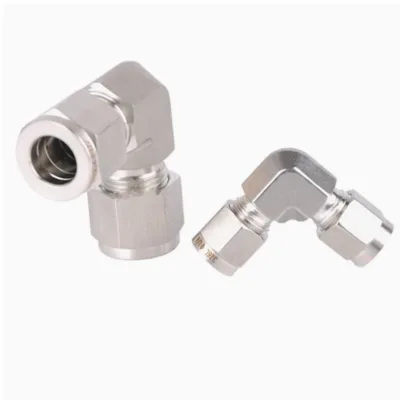
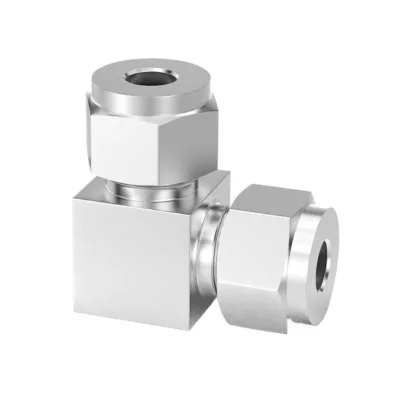
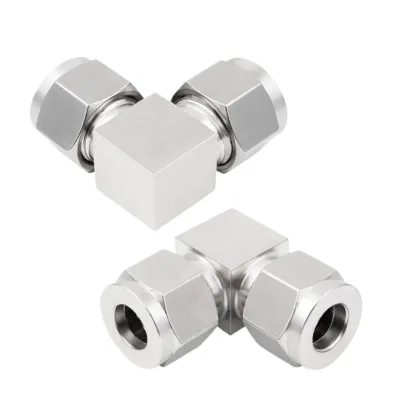


Comprehensive Sourcing Guide
High Pressure Alloy Steel Elbow Supplier Concentration and Factory Types
Current data indicates that suppliers for high pressure alloy steel elbows are concentrated in specific Chinese provinces, with Jiangsu and Hebei emerging as notable manufacturing hubs. In Jiangsu, the supplier base includes both trading companies and manufacturers, suggesting a mixed ecosystem where direct factory access and intermediary services coexist. These entities often list main products such as forged rings, shafts, and various forging products alongside the specific elbow fittings required. The presence of ISO 9001 certification among these suppliers provides a baseline for quality management systems, though the specific depth of their high-pressure testing capabilities requires further verification. Buyers should note that while some suppliers in this region offer OEM and own-brand capabilities, the exact establishment years and specific factory sizes are not universally disclosed in the initial search results.
In contrast, suppliers located in Hebei appear to operate primarily as manufacturers and factories rather than trading entities. This region shows a strong focus on pipe fittings, including reducers, caps, and tees, alongside the high-pressure alloy steel elbows. The Hebei-based suppliers listed demonstrate a broader certification portfolio, including BSCI, ISO 14000, and verification by TUV Rheinland, which may indicate a different compliance focus compared to the Jiangsu group. Some suppliers in this cluster also list ODM capacity, suggesting they can handle custom design requests for specialized industrial applications. When evaluating concentration, buyers must distinguish between these regional clusters based on the specific product evidence provided, such as the manufacturing way being forging or hot-pressing, and the specific material grades like carbon steel or alloy steel.
How to Verify High Pressure Alloy Steel Elbow Suppliers
Verification of High Pressure Alloy Steel Elbow suppliers requires a rigorous check of their stated certifications against independent audit reports. The available data shows that some suppliers hold ISO 9001, while others possess more extensive lists including ASME, ANSI, DIN, JIS, and BS standards. For high-pressure applications, the presence of specific material certificates and test results, such as direct-reading spectrograph analysis or hydrostatic testing, is critical. Buyers should not rely solely on the supplier's self-declared list of certifications but must request the actual test certificates for the specific batch of elbows being ordered. The verification status, such as TUV Rheinland, serves as a strong indicator of third-party validation, but the scope of that verification must be confirmed to ensure it covers the specific manufacturing processes and pressure ratings required for the project.
Beyond certifications, the response time and lead time data provide insight into the operational reliability of the supplier. A response time of approximately 1.93 hours suggests a highly active sales team, whereas a time of 11.57 hours might indicate a larger, less agile organization or a different time zone. Lead times vary significantly, with some suppliers listing zero days, which may imply stock availability, while others show 23 days, indicating a production cycle. Buyers must verify if these lead times include the time required for custom forging or if they apply only to standard stock items. Additionally, the company type, whether a trading company or a manufacturer, affects the verification process; manufacturers can often provide direct access to their production floor and quality control logs, whereas trading companies may need to coordinate these details with their factory partners.
What to Compare Across High Pressure Alloy Steel Elbow Suppliers
When comparing suppliers, the primary dimensions to evaluate include lead time, minimum order quantity (MOQ), and response speed, as these directly impact project scheduling and cash flow. The data reveals a wide range in lead times, from immediate availability to several weeks, and MOQs that can vary from a single unit to fifty units. For high-pressure applications, a low MOQ might be attractive for prototyping, but a higher MOQ could offer better unit economics for bulk industrial orders. Response times also vary, with some suppliers responding in under two hours and others taking over ten hours. Buyers should prioritize suppliers whose response times align with their urgency and whose lead times fit within their project milestones, ensuring that the quoted timeframes are realistic for the specific customization level required.
Product specifications and material standards are equally critical comparison points. Suppliers offer elbows in various materials, including alloy steel and carbon steel, with manufacturing methods ranging from forging to hot-pressing. The standards compliance, such as GB, DIN, ANSI, JIS, and ASME, must match the specific engineering requirements of the pipeline system. Some suppliers list specific sealing surfaces like FM or RF, and connection types like welding, which must be verified against the design drawings. Price ranges also differ, with some products listed between 0.80 and 200.00 units of currency, reflecting differences in size, material grade, and manufacturing complexity. Buyers should compare these attributes side-by-side to ensure they are selecting a supplier that meets both the technical specifications and the commercial constraints of their procurement strategy.
Common High Pressure Alloy Steel Elbow Sourcing Risks
One significant risk in sourcing high pressure alloy steel elbows is the potential mismatch between the claimed material grade and the actual product delivered. While suppliers list materials such as alloy steel or carbon steel, the specific chemical composition and mechanical properties must be verified through mill test reports. The data indicates that some suppliers offer "A+ steel elbow" or "A+ stainless steel elbow" models, but without detailed material certificates, there is a risk of receiving substandard materials that cannot withstand the required pressure and temperature conditions. This risk is compounded if the supplier is a trading company that sources from multiple factories, as the quality control consistency may vary between different production batches.
Another critical risk involves the discrepancy between the stated lead time and the actual delivery schedule. Some suppliers list a lead time of zero days, which might suggest immediate stock availability, but this could be misleading if the specific high-pressure specifications are not in stock. Conversely, a lead time of 23 days might be accurate for custom forging but could be extended by unforeseen production delays or logistical issues. The variation in response times, from under two hours to over ten hours, can also signal potential communication bottlenecks that delay issue resolution. Buyers must mitigate these risks by establishing clear contractual terms regarding material verification, production milestones, and penalties for delays, ensuring that the supplier's capabilities align with the critical nature of high-pressure pipeline applications.
High Pressure Alloy Steel Elbow Regional Sourcing and Logistics
Regional sourcing strategies should focus on the specific manufacturing clusters identified in the data, such as Jiangsu and Hebei, while remaining aware of the logistical implications of each location. Suppliers in Jiangsu are often associated with trading companies and manufacturers that offer a mix of forged products, which may influence the shipping weight and packaging requirements. The Hebei cluster, dominated by manufacturers, might offer more direct control over the production process but could have different logistical networks. Buyers should consider the proximity of these regions to major ports and the availability of specialized packaging, such as export packing or palletized shipping, to ensure the elbows arrive without damage. The origin of the products, listed as China, necessitates careful planning for customs clearance and import duties, which can vary by destination country.
Logistics planning must also account for the specific dimensions and weights of the high pressure alloy steel elbows, which can range from small fittings to large diameter pipes. The data mentions outer diameters above 300mm and various wall thicknesses, which impact the volume and weight of the shipment. Suppliers list packing methods like export packing or cases, but buyers should verify if these are sufficient for long-distance transport, especially for heavy-duty items. The lead time data, which includes production and potentially shipping time, should be cross-referenced with the supplier's location to estimate the total delivery window. Buyers should also consider the response time of the supplier's logistics team, as delays in documentation or shipping coordination can significantly impact the overall project timeline.
High Pressure Alloy Steel Elbow Commercial Terms and Order Planning
Commercial terms for high pressure alloy steel elbows must be carefully negotiated to address the variability in pricing and order quantities. The data shows price ranges from 0.80 to 200.00 units, reflecting differences in size, material, and manufacturing complexity. Buyers should clarify whether these prices are based on FOB, CIF, or other Incoterms, as this affects the total landed cost. The MOQ, which can be as low as one unit or as high as fifty, should be aligned with the buyer's inventory strategy and budget constraints. For large projects, negotiating volume discounts or tiered pricing structures can help optimize costs, while for smaller orders, ensuring the supplier can meet the MOQ without excessive surcharges is essential.
Order planning should also incorporate the supplier's capacity for customization and their ability to meet specific standards. The data indicates that customization is available, with options for different standards like GB, DIN, ANSI, and JIS. Buyers must confirm the lead time for custom orders, as these may differ from standard stock items. The response time of the supplier is a key factor in the planning phase, as quick communication is necessary to resolve technical queries and finalize specifications. Additionally, buyers should verify the supplier's capacity for OEM or ODM services if they require branded or uniquely designed elbows. Establishing a clear timeline for order placement, production, and delivery, while accounting for potential delays, is crucial for maintaining project schedules and ensuring the timely arrival of high-quality high pressure alloy steel elbows.
FAQs
What is the price range for alloy steel elbows?
Prices for alloy steel elbows typically range from $0.80 to $200.00 per unit. The final cost depends on the material grade, wall thickness, and manufacturing method. Buyers should request specific quotes based on their required dimensions and quantity to get accurate pricing.
What certifications are available for these fittings?
Suppliers offer various certifications including ISO 9001, ASME, ANSI, DIN, JIS, and BS. Some manufacturers also hold ISO 14001 and BSCI certifications. Buyers should verify specific certificates required for their industry standards and project compliance needs before placing orders.
What is the typical lead time for orders?
Lead times vary by supplier, ranging from zero days for stock items to 23 days for standard production. Some manufacturers report lead times of 15 days. Buyers should confirm delivery schedules with the supplier to ensure alignment with their project timelines.
What is the minimum order quantity for these products?
Minimum order quantities generally start at one piece for some suppliers, while others require a minimum of 50 units. The MOQ depends on the specific product type and customization requirements. Buyers should check the supplier's specific policy for their desired order size.
Where are these alloy steel elbows manufactured?
Manufacturers are located in China, specifically in Jiangsu, Hebei, and Tianjin provinces. These regions are known for producing forged and hot-pressed steel fittings. Buyers can filter suppliers by location to manage logistics and shipping costs effectively for their specific needs.
What materials are used for high pressure elbows?
High pressure elbows are made from carbon steel and alloy steel materials. Common grades include those suitable for oil, gas, and petrochemical applications. The material selection ensures resistance to high pressure and temperature conditions in industrial pipeline systems.