Sanitary Welded Reducing Tee Suppliers and Manufacturers
Explore 17 verified options for Sanitary Welded Reducing Tee from China Tianjin and Zhejiang. Compare response times, lead times, certifications, and MOQs to find the right fit. Contact suppliers directly to request quotes and samples; review the available evidence before requesting comparable quotations from suitable candidates.
Suppliers List

Tianjin Dingshengwang Steel Trade Co., Ltd.
- Trading Company
- China Tianjin
- Lead time15 days
- Avg. response≤ 15h
Main productsStainless Steel Sheet, Stainless Steel Plate, Stainless Steel Tube, Stainless Steel Pipe, Stainless Steel Bar/Rod, Brass/Copper Material, Aluminum Material
Main marketsSoutheast Asia/ Mideast


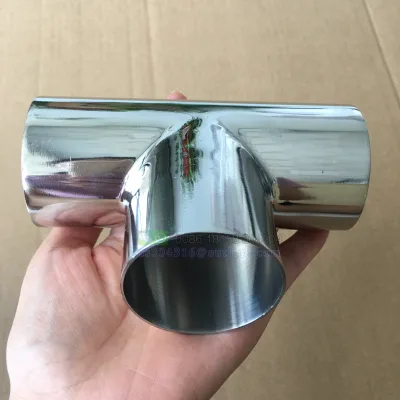
Stainless Steel Sanitary Welded Straight Pipe Fittings Equal Cutback Steel Tee
$6.00 - $10.00
MOQ: 50 Pieces

Wenzhou Nuomeng Technology Co., Ltd.
- Verified by TUVRHEINLAND
- Combined
- China Zhejiang
- Lead time15 days
- Avg. response≤ 10h
Main productsSanitary Diaphragm Valves, Sanitary Butterfly Valves, Sanitary Pipe Fitting, Sanitary Pipe, Sanitary Fluid Fitting, Elbow, Tee, Union, Ferrule, Sanitary Pumps
Main marketsNorth America

Zhejiang Yuzheng Valve Technology Co., Ltd.
- Verified by TUVRHEINLAND
- Combined
- China Zhejiang
- Lead time30 days
- Avg. response≤ 3h
Main productsStainless Steel Ball Valve, Ball Valve, Butterfly Valve, Fitting, Sanitary Valve, Valve, Thread Fitting, Sanitary Fitting, Stainless Steel Fitting, Gate Valve
Main marketsSoutheast Asia/ Mideast

- Manufacturer/Factory
- China Zhejiang
- Lead time23 days
- Avg. response≤ 24h
Main productsSanitary Union, Sanitary Pipe Fitting, Stainless Steel Union, Sanitary Stainless Steel Ferrule, Sanitary Flange, Saintary Butterfly Valve, Sanitary Sight Glass, Sanitary Check Valve, Sanitary Ball Valve, Sanitary Pipe/Tube
Main marketsSouth America,Eastern Europe,Mid East,North America,Southeast Asia,Eastern Asia,Oceania,Western Europe,Africa

WENZHOU LONGVA MACHINE CO.,LTD
- Verified by BV
- Trading Company,Manufacturer/Factory,Group Corporation,Other
- China Zhejiang
- Lead time15 days
- Avg. response≤ 13h
Main productsMixing Tanks, Liquid Cooling Valve and Fittings, Sanitary Valves, Sanitary Pipe Fittings, Pumps, Flexible Hose & Adapter, Vacuum Fittings & Valves, Industrial Valves & Fittings, Storage Tanks, Fermentation Tank
Main marketsSouth America,Eastern Europe,Mid East,North America,Southeast Asia,Eastern Asia,Oceania,Western Europe,Africa

Zhejiang Zhitong Pipe Valve Technology Co., Ltd.
- Verified by TUVRHEINLAND
- Trading Company,Manufacturer/Factory
- China Zhejiang
- Lead time23 days
- Avg. response≤ 3h
Main productsStainless Steel Flanges, Pipe Fittings, Stainless Steel Valves, Stainless Steel Fittings, Stainless Steel 90 Elbow, Bw Fittings, Stainless Steel Ball Valves, Forged Flange, Flange Ball Valve, Threaded Pipe Fittings
Main marketsSouth America,Eastern Europe,Mid East,North America,Southeast Asia,Eastern Asia,Oceania,Western Europe,Africa

Milee Clean Valve Technology (Zhejiang) Co., Ltd.
- Verified by TUVRHEINLAND
- Combined
- China Zhejiang
- Lead time15 days
- Avg. response≤ 22h
Main productsSanitary Pipe and Fittings, Flanges, Butterfly Valve, Check Valve, Elbow, Tee, Divert Valve, Mix-Proof Valve, Split Butterfly Valve, Diaphragm Valve
Main marketsEurope


Sanitary Stainless Steel Pipe Fitting Welded Equal Tee
MOQ: 10 Pieces

Sanitary Stainless Steel Customized Equal Tee
MOQ: 10 Pieces

Sanitary Stainless Steel Pipe Fitting Tee Reducer
MOQ: 10 Pieces

Xingsheng Mechanical Technology Co., Ltd.
- Verified by SGS
- Combined
- China Zhejiang
- Lead time15 days
- Avg. response≤ 2h
Main productsFlange, Valve
Main marketsSouth America,Southeast Asia/ Mideast
Hebei Jinhang Pipeline Equipment Manufacturing Co., Ltd.
- Verified by TUVRHEINLAND
- Combined
- China Hebei
- Lead time15 days
- Avg. response≤ 3h
Main marketsOthers(foreignTradeCapacity.exportBusinessCapacityMarketOther),Domestic

304 316L Sanitary Steel Fitting Stainless Steel Reducing Tee with Welding End
$0.10 - $100.00
MOQ: 1 Pieces


- Verified by SGS
- Combined
- China Zhejiang
- Lead time30 days
- Avg. response≤ 6h
Main productsSanitary Valves, High Purity Pump, Butterfly Valve, Biopharmaceutical Control Valve, Centrifugal Pump, Sanitary Fitting, Ball Valve, Automatic Control Regulating Valve, High Purity Process Control Valve, Cleaning Technology Equipment
Main marketsSouth America,Southeast Asia/ Mideast,East Asia(Japan/ South Korea),Domestic,Europe
Wenzhou Shenlan Valve Co., Ltd.
- Manufacturer, Trading Company
- Zhejiang, China
- Lead time20 days
- Avg. response≤ 1h
Main productsstainless steel pipe valves and fittings,diopter,tri clamp,homebrew pipe fittings,camlock fittings
Main marketsDomestic Market(50.00%), Oceania(13.00%), South America(11.00%), North America(5.00%), Mid East(5.00%), Southeast Asia(5.00%), Southern Europe(3.00%), Western Europe(2.00%), South Asia(2.00%), Central America(2.00%), Northern Europe(2.00%)

Wenzhou Safety Stainless Steel Co., Ltd.
- Verified by BV
- Manufacturer
- China Zhejiang
- Lead time23 days
- Avg. response≤ 3h
Main productsStainless Steel Flanges, Pipe Fittings, Ball Valves, Gate Valves, Globe Valve, Butterfly Valve, Check Valve, Ss Pipes
Shijiazhuang Continent Rubber & Plastic Co., Ltd.
- Verified by CTI
- Trading Company
- China Hebei
- Lead time15 days
- Avg. response≤ 2h
Main marketsDomestic

Taizhou Zhuoxin Plastics Co., Ltd.
- Verified by BV
- Combined
- China Zhejiang
- Lead time30 days
- Avg. response≤ 3h
Main productsPVC Dwv Fitting, Pipe Fitting, Plastic Fittings, PVC Fittings, PPR Fittings, PVC Thread Fitings, Pph Pipe Fitting, PVC Pipe, PPR Pipe, Pph Pipe
Main marketsSouth America,Africa,Southeast Asia/ Mideast,East Asia(Japan/ South Korea),Domestic,Europe,Australia,North America

Zhejiang Ruoteng Valve Co., Ltd
- Verified by BV
- Combined
- China Zhejiang
- Lead time30 days
- Avg. response≤ 1h
Main productsStainless Steel Pipe Fittings, Stainless Steel Quick Joints, Stainless Steel Camlocks, Stainless Steel Valves, Stainless Steel Flanges, Stainless Steel Flanged Valves, Sanitary Valves, Sanitary Pipe Fittings, Stainless Steel Press &Tube Fittings, Other Accessories
Main marketsDomestic
![[Ruoteng] Sanitary Stainless Steel Hygienic Equal Diameter Long Welding Tee for Pipe](https://image.made-in-china.com/221f0j00veIVHWaCCoUO/-Ruoteng-Sanitary-Stainless-Steel-Hygienic-Equal-Diameter-Long-Welding-Tee-for-Pipe.webp)
![[Ruoteng] Sanitary Stainless Steel Hygienic Equal Diameter Long Welding Y Type Tee for Pipe](https://image.made-in-china.com/221f0j00NBMWjbvFikfn/-Ruoteng-Sanitary-Stainless-Steel-Hygienic-Equal-Diameter-Long-Welding-Y-Type-Tee-for-Pipe.webp)
[Ruoteng] Sanitary Stainless Steel Hygienic Equal Diameter Long Welding Y Type Tee for Pipe
$0.10 - $1.00
MOQ: 1 Pieces
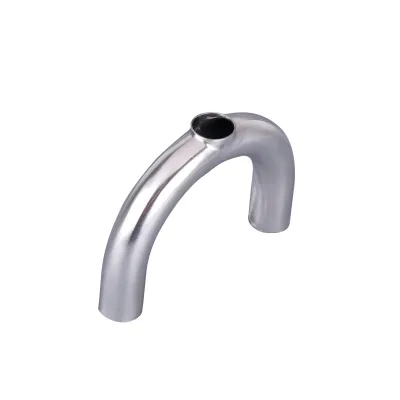
![[Ruoteng] Food Grade Welded Sanitary Three Way Stainless Steel U Type Tee with Welding Ends](https://image.made-in-china.com/221f0j00lMbhCEewAvGr/-Ruoteng-Food-Grade-Welded-Sanitary-Three-Way-Stainless-Steel-U-Type-Tee-with-Welding-Ends.webp)

Ningbo Sunplast PiPe Co., Ltd.
- Verified by BV
- Manufacturer/Factory
- China Zhejiang
- Lead time23 days
- Avg. response≤ 5h
Main productsHDPE Pipe, HDPE Pipe Fittings, HDPE Pipe Welding Machine, Pex-Al-Pex Pipe, Pex-Al-Pex Fittings, PPR Pipe and Fittings, Poly Fittings, Poly Pipe, HDPE Dredge Pipe, Dredge Pipe Floats
Main marketsSouth America,Eastern Europe,Mid East,North America,Southeast Asia,Eastern Asia,Oceania,Western Europe,Africa

- Verified by SGS
- Trading Company,Manufacturer/Factory
- China Sichuan
- Lead time23 days
- Avg. response≤ 1h
Main productsSteel Pipe, Stainless Steel, Steel Plate, Fitting, Flange
Main marketsSouth America,Eastern Europe,Mid East,North America,Southeast Asia,Eastern Asia,Oceania,Western Europe,Africa




Comprehensive Sourcing Guide
Sanitary Welded Reducing Tee Supplier Concentration and Factory Types
Current data indicates a concentration of suppliers in China, specifically within the Tianjin and Zhejiang regions, which serve as primary hubs for stainless steel manufacturing and processing. These locations host a mix of trading companies and combined entities that specialize in sanitary pipe fittings, including reducing tees, valves, and pumps. The presence of these clusters suggests a mature supply chain where raw materials like stainless steel bars and tubes are readily available for fabrication. Buyers should prioritize regions where specific product evidence confirms the availability of welded reducing tees, as this indicates established production lines rather than simple reselling operations.
Factory types vary significantly among the available options, ranging from pure trading companies to combined entities offering both manufacturing and trading services. Some suppliers list main products that include sanitary diaphragm valves and butterfly valves alongside pipe fittings, suggesting a broader capability in fluid handling systems. Others focus strictly on stainless steel sheets, plates, and tubes, potentially outsourcing the final fitting fabrication. When evaluating these entities, buyers must distinguish between those with direct production capacity and those acting as intermediaries. The distinction impacts quality control, customization speed, and the ability to verify technical specifications like wall thickness and pressure ratings directly from the source.
How to Verify Sanitary Welded Reducing Tee Suppliers
Verification begins with checking for recognized system certifications such as ISO9001:2015 and ISO14001:2015, which indicate a structured approach to quality management and environmental compliance. Some suppliers in the current results have obtained third-party verification from organizations like TÜV Rheinland, adding a layer of credibility to their operational claims. Buyers should also look for product-specific certifications like ISO, API, CE, 3A, DIN, and ASME BPE, which are critical for sanitary applications in industries like dairy, beverage, and pharmaceuticals. These standards ensure the fittings meet strict hygiene and material purity requirements necessary for food and drug processing environments.
Beyond certifications, buyers must assess the supplier's response time and verification status to gauge reliability and communication efficiency. Data shows response times varying from approximately two hours to nearly fifteen hours, with faster responses often correlating with more active and responsive trading operations. A verified status, such as the TÜV Rheinland mark observed in some records, serves as a strong indicator of a supplier's legitimacy. However, buyers should not rely solely on these badges; they must cross-reference the claimed certifications with the specific product attributes listed, such as the material grade (e.g., 316L) and the welding technique used. Ensuring that the supplier's stated capabilities align with the specific technical demands of the reducing tee order is essential for mitigating risk.
What to Compare Across Sanitary Welded Reducing Tee Suppliers
When comparing suppliers, the primary focus should be on lead times, minimum order quantities (MOQ), and response speeds, as these factors directly influence project timelines and cash flow. Lead times in the current dataset range from as little as fifteen days to thirty days, with some products offering delivery windows of three to fifteen days depending on stock availability. MOQs also vary significantly, with some suppliers accepting orders as low as one kilogram or five units, while others require a minimum of fifty units. Buyers must align these constraints with their inventory needs and budget, ensuring that the chosen supplier can accommodate the specific volume requirements without imposing excessive financial burdens.
Product attributes and pricing structures provide another critical dimension for comparison, particularly regarding material standards and customization options. Prices for sanitary welded reducing tees can range from approximately $1.60 to over $20.00 per unit, heavily influenced by the material grade, standard compliance (such as ASTM, DIN, or ASME BPE), and the complexity of the fitting shape. Suppliers offering customization support, including OEM and ODM services, allow for tailored solutions that meet unique application requirements. Buyers should compare the specific technical details provided, such as the lateral angle, connection type, and pressure rating, to ensure the product matches the engineering specifications of their system.
Common Sanitary Welded Reducing Tee Sourcing Risks
One significant risk involves the discrepancy between claimed certifications and actual product compliance, particularly when suppliers list multiple standards like ISO, API, and CE without clear evidence of specific product testing. While some records indicate certifications like ISO9001:2015, buyers must verify that these apply to the specific sanitary reducing tee being ordered, as general company certification does not guarantee product-specific adherence to sanitary standards like 3A or ASME BPE. Inconsistent application of standards can lead to fittings that fail regulatory inspections in food and pharmaceutical facilities, resulting in costly delays and potential safety hazards.
Another risk stems from the variability in manufacturing techniques and material quality, which can affect the durability and hygiene of the final product. Some suppliers list "Forged" as the primary technique, while others specify "Welded," and the quality of the weld is paramount for sanitary applications to prevent bacterial growth. Additionally, the finish, such as cold galvanized or polished surfaces, must be consistent with the intended application to ensure corrosion resistance and ease of cleaning. Buyers should be wary of suppliers who do not provide detailed product attributes regarding wall thickness, head code, or surface treatment, as these omissions often signal a lack of transparency or quality control in the manufacturing process.
Sanitary Welded Reducing Tee Regional Sourcing and Logistics
Sourcing from China, specifically from hubs like Tianjin and Zhejiang, offers access to a vast network of manufacturers but introduces specific logistical considerations regarding shipping and customs. The origin of the products is consistently listed as China, with some specific locations noted as Wenzhou, which is known for its valve and fitting industry. Buyers must account for the distance and shipping methods when planning their supply chain, as freight costs and transit times can vary significantly depending on the destination port. Understanding the regional strengths helps in selecting suppliers who are geographically optimized for efficient logistics and reduced lead times.
Logistics planning also requires attention to trade terms and packing standards, which are explicitly mentioned in supplier data as FOB, CIF, or CFR, along with standard seaworthy packing. The choice of trade term determines who bears the risk and cost during transit, influencing the overall landed cost of the sanitary fittings. Suppliers often use carton or plywood case packaging to protect the fittings during long-distance shipping, but buyers should verify that the packing is sufficient to prevent damage to the delicate welded joints and polished surfaces. Ensuring that the logistics partner is experienced in handling stainless steel products is crucial to maintaining the integrity of the goods upon arrival.
Sanitary Welded Reducing Tee Commercial Terms and Order Planning
Commercial terms such as payment methods (T/T, L/C, D/P) and trade terms (FOB, CIF, CFR) are fundamental to structuring a secure and efficient transaction. Buyers should negotiate terms that balance risk, ensuring that payment is not released until the goods are verified or shipped, depending on the agreed-upon Incoterms. The availability of stock, as indicated in some product records, can expedite the ordering process, allowing for immediate shipment within three to fifteen days. However, for custom orders requiring specific modifications or non-standard sizes, the lead time may extend to thirty days or more, necessitating careful advance planning.
Order planning must also consider the customization support and model availability offered by the supplier. Many suppliers provide OEM and ODM services, allowing for tailored solutions that fit specific system requirements, such as unique pressure ratings or connection types. Buyers should confirm the availability of specific product models, such as those adhering to ASME BPE or DIN standards, before placing an order to avoid delays. Additionally, understanding the minimum order quantities and pricing tiers is essential for budgeting, as costs can fluctuate based on the volume ordered and the complexity of the customization requested.
FAQs
What certifications are available for sanitary welded reducing tees?
Suppliers offer ISO, API, and CE certifications for these fittings. Some products also meet ASME BPE, DIN, 3A, and SMS standards. Verify specific certificates with the supplier to ensure compliance with your industry requirements and regional regulations.
What is the typical lead time for these fittings?
Lead times vary by supplier, ranging from 3 to 15 days for stock items to 30 days for custom orders. Delivery speed depends on material availability and production capacity. Confirm exact timelines with the supplier before placing your order.
What is the minimum order quantity for these tees?
MOQs range from 1 kg to 50 pieces depending on the supplier and product type. Some suppliers accept small trial orders starting at 1 kg. Larger quantities may offer better pricing. Check specific MOQs for your required specifications.
What materials are used for sanitary welded reducing tees?
Common materials include stainless steel grades 304L, 316L, and 316Ti. These materials ensure durability and corrosion resistance for sanitary applications. Suppliers may also offer other stainless steel variants. Confirm the exact grade required for your specific fluid handling needs.
What are the price ranges for these fittings?
Prices range from $1.60 to $20.90 per unit based on size, material, and certification. Lower prices often apply to standard equal tees, while reducing tees may cost more. Request quotes for specific dimensions to get accurate pricing for your project.
Where are these suppliers located?
Suppliers are primarily located in China, specifically in Tianjin and Zhejiang provinces. These regions are known for manufacturing stainless steel pipe fittings. Verify the exact location and logistics options with the supplier to ensure efficient shipping to your destination.