Equal Casting Pipe Fitting Tee Suppliers and Manufacturers
Discover 18 verified sources for Equal Casting Pipe Fitting Tee products with dimensions like material, certification, and lead time. Compare options from China Hebei and Zhejiang factories to find the right fit for your project needs; review the available evidence before requesting comparable quotations from suitable candidates.
Suppliers List

Hebei Shengtian Pipe-Fitting Group Co., Ltd.
- Combined
- China Hebei
- Lead time23 days
- Avg. response≤ 4h
Main productsPipe Fitting, Elbow, Tee, Flange, Bend, Pipe Cap, Steel Pipe, Seamless Pipe, Pipe Reducer, Steel Elbow
Main marketsSoutheast Asia/ Mideast

WENZHOU LIANGGANG PIPE FITTING VALVES CO., LTD.
- Verified by TUVRHEINLAND
- Trading Company,Manufacturer/Factory
- China Zhejiang
- Lead time45 days
- Avg. response≤ 13h
Main productsPipe Fitting, Valve, Ball Valve, Elbow, Tee, Hex Nipple, Socket, Union, Coupling, Fittings
Main marketsSouth America,Mid East,Southeast Asia,Eastern Asia,Oceania,Africa


Precision Casting Manufacture Stainless Steel Female Pipe Fitting Equal Tee
$0.50 - $1.00
MOQ: 100 Pieces


Factory Stainless Steel Thread Female Pipe Fitting Precision Casting Equal Tee
$0.50 - $1.00
MOQ: 100 Pieces

Hebei Yueyao Pipeline Manufacturing Co., Ltd
- Verified by SGS
- Combined
- China Hebei
- Lead time23 days
- Avg. response≤ 3h
Main productsSteel Pipe Fitting, Steel Flange, Forged Flanges, Carbon Steel Pipe Elbow, Carbon Steel Pipe Tee, Carbon Steel Pipe Reducer, Carbon Steel Pipe Cap, Stainless Steel Pipe Elbow, Stainless Steel Pipe Tee, Stainless Steel Pipe Reducer
Main marketsDomestic


High Quality Stainless Steel Cast Fitting Tee with Weld Connection Pipe Fittings
$0.80 - $3.00
MOQ: 100 Pieces

Hebei Cangrun Pipeline Equipment Co., Ltd.
- Verified by CTI
- Manufacturer/Factory
- China Hebei
- Lead time23 days
- Avg. response≤ 5h
Main productsGalvanized High Strength Steel Pipes, Carbon Steel Seamless Stainless Steel Elbow, Carbon Steel Thread Tee, Carbon Steel FF RF Blind Butt Welding Flange, Carbon Steel Cap, Carbon Steel Concentric Reducer, Thread Carbon Steel Seamless Nipple, Soft Seal Gate Valve Z45X-10q/16q/25q, Sockolet, Four Way Tee
Main marketsSouth America,Eastern Europe,Mid East,North America,Southeast Asia,Eastern Asia,Oceania,Western Europe,Africa
Hebei Pengrun Pipe Fittings Manufacturing Co., Ltd.
- Verified by SGS
- Combined
- China Hebei
- Lead time15 days
- Avg. response≤ 1h
Main productsFlange, Pipe Fittings, Forged Flange, Forged Valve, Forge Socket Fittings, Blind Flange, Lap Joint Flange, Stainless Steel Flange
Main marketsDomestic

Precision Casting Threaded Stainless Steel Equal Tee Screw End Pipe Fitting Tee
$1.00 - $2.00
MOQ: 1 Pieces

Pipe Fitting Stainless Carbon Steel Equal / Straight Tee for Engineering Piping
$0.90 - $10.00
MOQ: 1 kg

Hebei Hanghong Trading Co., Ltd.
- Verified by TUVRHEINLAND
- Trading Company
- China Hebei
- Lead time15 days
- Avg. response≤ 9h
Main productsElbow, Tee, Flange, Reducer, Pipe, Cap, Key Clamps, Metal Stamping
Main marketsSouth America,Africa,Southeast Asia/ Mideast,East Asia(Japan/ South Korea),Europe,Australia,North America

Plumbing Fittings Malleable Cast Iron Fittings Tee Pipe Connector Tee for Sale
$0.59 - $0.79
MOQ: 1 Pieces

Pipe Fittings Tee Malleable Cast Iron Female Equal Casting Tee for DIY Shelf
$0.59 - $0.79
MOQ: 1 Pieces

Malleable Cast Iron Pipe Fitting Equal Tees Galvanized Malleable Iron Pipe Fittings
$0.59 - $0.79
MOQ: 1 Pieces

Casting Technics Adjustable Tee 30-60 Degree Galvanized Pipe Handrail Connectors
$0.60 - $0.73
MOQ: 1 Pieces

WENZHOU LONGVA MACHINE CO.,LTD
- Verified by BV
- Trading Company,Manufacturer/Factory,Group Corporation,Other
- China Zhejiang
- Lead time15 days
- Avg. response≤ 11h
Main productsMixing Tanks, Liquid Cooling Valve and Fittings, Sanitary Valves, Sanitary Pipe Fittings, Pumps, Flexible Hose & Adapter, Vacuum Fittings & Valves, Industrial Valves & Fittings, Storage Tanks, Fermentation Tank
Main marketsSouth America,Eastern Europe,Mid East,North America,Southeast Asia,Eastern Asia,Oceania,Western Europe,Africa
Zhejiang Zhengsheng Pipe Fittings Co., Ltd.
- Verified by SGS
- Combined
- China Zhejiang
- Lead time15 days
- Avg. response≤ 6h
Main productsPipe Fittings, Tee, Elbow, Hex Nipple, Cross, Union, Coupling, Socket Banded
Main marketsSoutheast Asia/ Mideast
Maitolead Pipeline Technology(Tianjin)Co., Ltd.
- Verified by TUVRHEINLAND
- Trading Company,Group Corporation
- China Tianjin
- Lead time23 days
- Avg. response≤ 4h
Main productsMalleable Iron Pipe Fitting, Grooved Pipe Fitting, Steel Pipe Fitting, Stainless Steel Pipe Fitting, Flange, Valves, Clamp&Hanger, Flexible Hose, Sprinkler&Fire Hose, HDPE /CPVC Pipe & Fitings
Main marketsSouth America,Eastern Europe,Mid East,North America,Southeast Asia,Eastern Asia,Oceania,Western Europe,Africa


Ductile Iron Cast Pipe Fittings Grooved Mechanical Tee with FM UL Certified
$1.40 - $1.55
MOQ: 50 Pieces
Fluid Tech Piping Systems (Tianjin) Co., Ltd
- Verified by SGS
- Trading Company
- China Tianjin
- Lead time30 days
- Avg. response≤ 4h
Main productsMalleable Iron Pipe Fittings, Grooved Pipe Fittings, Pipe Hangers, Anti-Seismic Bracket, Fire Valve, Stainless Fittings, Steel Pipe Fittings, Flexible Hose, Press Fittings, Rubber Joint
Main marketsSouth America,Southeast Asia/ Mideast,Europe,North America

Fire Fighting Equal Tee Pipe Fittings Casting Pipe Fittings Ductile Iron Pipe Fittings
$7.00 - $40.00
MOQ: 1 Pieces

$7.00 - $40.00
MOQ: 1 Pieces

High Quality Fire Fighting Equal Tee Pipe Fittings Casting Pipe Fittings Ductile Iron Pipe Fittings
$7.00 - $40.00
MOQ: 1 Pieces

Best Price Fire Fighting Equal Tee Pipe Fittings Casting Pipe Fittings Ductile Iron Pipe Fittings
$7.00 - $40.00
MOQ: 1 Pieces
Wudi Kefeng Stainless Steel Products Co., Ltd.
- Verified by TUVRHEINLAND
- Combined
- China Shandong
- Lead time15 days
- Avg. response≤ 3h
Main productsCasting Part, Camlock Coupling, Quick Coupling, Auto Part, Metal Part, Pipe Fitting, Casting, Machining Part, Investment Casting, Steel Casting
Main marketsEast Asia(Japan/ South Korea),North America
CANGZHOU HONGDING PIPE INDUSTRY CO., LTD
- Verified by TUVRHEINLAND
- Combined
- China Hebei
- Lead time15 days
- Avg. response≤ 5h
Main productsPipe Fittings, Flange, Elbow, Tee, Reducer, Cap, Seamless Pipe, Insulated Steel Pipe
Main marketsSoutheast Asia/ Mideast,Domestic,Europe,North America
Hebei Jinmai Casting Co., Ltd.
- Verified by TüVRheinland
- Manufacturer, Trading Company
- Lead time45 days
- Avg. response≤ 4h
Main productsPipe Fitting
Main marketsNorth America(60%), Domestic Market(21%), Mid East(12%)
Ningbo Boro Industries Co., Ltd.
- Verified by SGS
- Manufacturer/Factory
- China Zhejiang
- Lead time45 days
- Avg. response≤ 1h
Main productsBrass Ball Valve, Ball Valve, Brass Fitting, Check Valve, Angle Valve
Main marketsSouth America,Eastern Europe,Mid East,North America,Southeast Asia,Eastern Asia,Oceania,Western Europe,Africa


NPT Thread Malleable Cast Iron Black Fittings Equal Tee Iron Pipe Fittings
$0.72 - $0.79
MOQ: 3000 Pieces


Hebei Rich Pipe Fitting Mill Co., Ltd.
- Verified by BV
- Combined
- China Hebei
- Lead time15 days
- Avg. response≤ 10h
Main productsForged Flanges, Steel Elbows, Steel Tees, Steel Reducers, Steel End Caps, Steel Bends, Steel Crosss, Cast Iron Anchorage, Forged Fittings, Cast Iron Block Anchor
Main marketsAfrica,Southeast Asia/ Mideast,Europe,North America


3/4 Inch Pipe Elbows Tees, Malleable Cast Iron Pipe Elbows Tees Fittings
$0.50 - $1.00
MOQ: 100 Pieces

Zhejiang Zhitong Pipe Valve Technology Co., Ltd.
- Verified by TUVRHEINLAND
- Trading Company,Manufacturer/Factory
- China Zhejiang
- Lead time23 days
- Avg. response≤ 1h
Main productsStainless Steel Flanges, Pipe Fittings, Stainless Steel Valves, Stainless Steel Fittings, Stainless Steel 90 Elbow, Bw Fittings, Stainless Steel Ball Valves, Forged Flange, Flange Ball Valve, Threaded Pipe Fittings
Main marketsSouth America,Eastern Europe,Mid East,North America,Southeast Asia,Eastern Asia,Oceania,Western Europe,Africa
SHANXI BOHAO MALLEABLE CASTING IRON CO., LTD
- Verified by SGS
- Trading Company
- China Shanxi
- Lead time15 days
- Avg. response≤ 4h
Main productselbow
Main marketsSoutheast Asia/ Mideast


Factory Direct Sale Good Stainless Steel Pipe Fittings Tee for Pipeline Connections
$0.11 - $0.28
MOQ: 10 Pieces

Shanxi Jingdong Pipe Industry Co., Ltd.
- Verified by BV
- Trading Company
- China Shanxi
- Lead time15 days
- Avg. response≤ 3h
Main productsDuctile Iron Pipe, Ductile Iron Pipe Fittings, Ductile Iron Manhole Cover
Main marketsAfrica,Southeast Asia/ Mideast,Domestic,Europe,North America

Customised Ductile Iron Pipe Fittings Elbow Tee Four-Way Full Flange Connection
$5.00 - $1421.00
MOQ: 1 pieces

High Quality Ductile Iron All Flange Pipe Fittings Three Way Tee Flange Pipe Fittings
$5.00 - $1421.00
MOQ: 1 pieces




Comprehensive Sourcing Guide
Equal Casting Pipe Fitting Tee Supplier Concentration and Factory Types
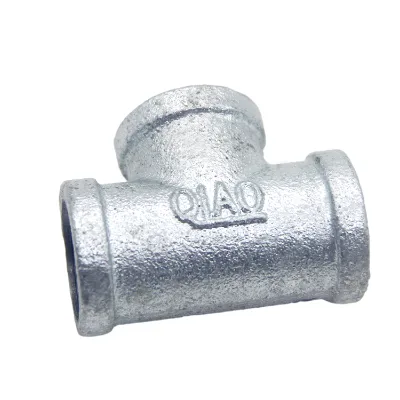
Current data indicates a concentration of suppliers in China Hebei and China Zhejiang, with specific product origins noted in Cangzhou. These regions host a mix of combined companies and trading companies that also operate as manufacturers or factories. The Hebei cluster appears to focus heavily on carbon steel products, offering items like pipe fittings, elbows, tees, and flanges with capabilities for both casting and forging. In contrast, the Zhejiang presence includes entities verified by third parties like TUVRHEINLAND, suggesting a different operational profile often associated with precision casting foundries. Buyers should recognize that the term "combined" implies a hybrid business model where a single entity may handle both direct manufacturing and trading activities, potentially affecting lead times and communication channels.
When assessing factory types, it is critical to distinguish between pure manufacturers and trading companies based on the provided company type labels. Some suppliers list themselves as manufacturers with specific capacities like OEM or Own brand, while others are explicitly labeled as trading companies. The presence of an "Own brand" capacity suggests a supplier with established product lines, whereas "OEM" indicates a focus on custom manufacturing for clients. Buyers must verify if the supplier's stated main products align with their specific need for equal casting pipe fitting tees, as some entities may specialize in valves or flanges while offering tees as a secondary item. Understanding this distinction helps in predicting the depth of technical expertise available for complex casting requirements.
How to Verify Equal Casting Pipe Fitting Tee Suppliers
Verification begins with checking for recognized system certifications such as ISO9001:2015 and ISO14001:2015, which are explicitly listed for several suppliers in the current results. Beyond general quality management, specific product attributes often cite compliance with ISO, API, and CE standards, which are crucial for industrial applications in petroleum and chemical sectors. Buyers should look for explicit verification badges from agencies like SGS or TUVRHEINLAND, as these provide an external layer of trust regarding the supplier's business legitimacy and operational stability. The presence of these certifications on product pages serves as a primary indicator that the supplier adheres to international quality benchmarks, though buyers must confirm the validity of these certificates directly with the issuing bodies.
Response time and verification status are also key indicators of supplier reliability and operational readiness. Data shows response times varying significantly, with some suppliers responding in under three hours while others take over twelve hours, which can impact the speed of negotiation and order processing. A verified status, such as the TUVRHEINLAND badge, often correlates with a more structured communication process, whereas unverified entities might have slower or less consistent response patterns. Buyers should prioritize suppliers who demonstrate a clear verification status and a rapid response time, as these factors often reflect a mature sales infrastructure capable of handling complex inquiries about casting tolerances and material specifications. Always request current copies of certificates rather than relying solely on displayed badges.
What to Compare Across Equal Casting Pipe Fitting Tee Suppliers
Comparing suppliers requires a detailed analysis of lead times, which currently range from 23 days to 45 days depending on the specific manufacturer and order volume. Some suppliers indicate a lead time of 23 days, while others, particularly those in the Zhejiang region, suggest delivery windows of 30 to 45 days. This variance is critical for project planning, as a shorter lead time might indicate higher inventory levels or more streamlined production lines, whereas longer times could reflect custom casting schedules or capacity constraints. Buyers must align their project timelines with these specific lead time figures, ensuring that the quoted duration includes all necessary production and shipping phases to avoid delays in the supply chain.
Minimum Order Quantity (MOQ) and pricing structures also vary significantly across the supplier base, influencing the economic feasibility of sourcing. Current data shows MOQs as low as one unit for some products, while others require a minimum of 100 units, which can drastically alter the cost per piece for small-scale projects. Price ranges observed span from $0.10 to $2.00, but these figures are highly dependent on material type, such as carbon steel versus stainless steel, and the specific manufacturing technique like casting or forging. Buyers should compare the total landed cost, factoring in the MOQ requirements and the unit price, to determine the most cost-effective supplier for their specific volume needs. It is essential to request a detailed quote that breaks down material costs, casting fees, and finishing charges to ensure accurate budgeting.
Common Equal Casting Pipe Fitting Tee Sourcing Risks
One significant risk involves the discrepancy between advertised standards and actual product specifications, particularly regarding material grades and pressure ratings. While some listings claim compliance with ASTM, JIS, or DIN standards, the actual material provided might vary, such as offering carbon steel when stainless steel was requested, or vice versa. The pressure ratings listed, such as 3000LBS or 6000LBS, must be cross-referenced with the specific wall thickness and connection type to ensure they meet the operational requirements of the intended application. Buyers should be wary of generic descriptions that do not explicitly confirm the exact grade of steel or the precise casting method used, as these details are vital for safety and performance in high-pressure environments.
Another risk lies in the variability of finishing and packaging standards, which can affect the condition of the goods upon arrival. Suppliers list various finishes including anti-rust oil, black painting, and hot galvanized coatings, but the consistency of these treatments can vary between batches. Packaging methods range from pallets to wooden cases, and inadequate packaging can lead to damage during transit, especially for heavy casting items. Additionally, the customization availability, while often listed as "Available," may come with hidden costs or extended lead times that are not immediately apparent in the initial product listing. Buyers must explicitly confirm the finish specifications and packaging requirements in the purchase order to mitigate the risk of receiving substandard or damaged goods.
Equal Casting Pipe Fitting Tee Regional Sourcing and Logistics
Sourcing from China Hebei and China Zhejiang offers distinct logistical advantages and challenges that buyers must evaluate based on their location. The Hebei region is known for its heavy industrial base, often providing competitive pricing for carbon steel products, while the Zhejiang region may offer more specialized precision casting capabilities verified by international agencies. The origin of the products, such as Cangzhou, China, indicates specific manufacturing hubs that may have established logistics networks for exporting heavy industrial goods. Buyers should consider the proximity of these manufacturing clusters to major ports, as this can influence shipping costs and transit times, which are critical factors in the overall cost of goods.
Logistics planning must account for the specific dimensions and weight of casting pipe fittings, which can vary from small 1/2-inch units to large 72-inch components. The product attributes indicate sizes ranging from 1/2" to 72", requiring careful consideration of container loading and freight classification. Suppliers often use pallets, wooden cases, or bundled packaging, which affects the volumetric weight and shipping efficiency. Buyers should verify the packing details with the supplier to ensure that the chosen method protects the goods during long-distance transit while optimizing space utilization. Additionally, understanding the specific export capabilities of the supplier, such as their experience with international shipping documentation, is essential to prevent delays at customs or ports of entry.
Equal Casting Pipe Fitting Tee Commercial Terms and Order Planning
Commercial terms for equal casting pipe fitting tees often include specific payment structures and delivery conditions that must be clearly defined before order placement. While some suppliers offer flexible terms, others may require strict adherence to specific payment schedules, especially for custom orders involving OEM capabilities. The presence of escrow services or verified transaction platforms can provide an additional layer of security for buyers, ensuring that funds are only released upon satisfactory delivery. Buyers should negotiate terms that align with their cash flow needs while ensuring that the supplier has the financial stability to fulfill large orders without interruption.
Order planning must also consider the customization options and the associated lead times for non-standard items. Although customization is listed as available, the specific requirements for shape, connection type, and material grade can extend the production cycle beyond standard lead times. Buyers should provide detailed technical drawings and specifications early in the process to avoid misunderstandings and ensure that the final product meets all design criteria. Furthermore, the availability of samples, which some suppliers offer, can be a valuable tool for quality verification before committing to a large production run. Integrating these factors into the initial order plan helps in managing expectations and ensuring a smooth procurement process from inquiry to delivery.
FAQs
What is the price range for equal casting pipe fitting tees?
Prices for equal casting pipe fitting tees typically range from $0.10 to $2.00 per unit. This wide variation depends on material specifications, such as carbon steel versus stainless steel, and the manufacturing technique used. Buyers should verify specific pricing based on order volume and customization requirements before finalizing procurement decisions.
What certifications are available for these pipe fittings?
Manufacturers commonly provide ISO, API, and CE certifications for equal casting pipe fitting tees. System certifications often include ISO9001:2015 and ISO14001:2015. These credentials ensure compliance with international quality and environmental standards, providing buyers with confidence in the product's reliability and the supplier's operational consistency for industrial applications.
What is the typical lead time for manufacturing these fittings?
Lead times for equal casting pipe fitting tees generally range from 23 to 45 days. Specific delivery windows depend on the supplier's location and production capacity. Buyers in China Hebei may experience faster turnaround times compared to those in China Zhejiang. Confirming exact schedules with the supplier is essential for project planning.
What is the minimum order quantity for these products?
Minimum order quantities vary significantly among suppliers. Some manufacturers accept orders as low as one unit, while others require a minimum of 100 pieces. This flexibility allows buyers to test samples or place bulk orders. Always check the specific MOQ requirements with the supplier to ensure alignment with your procurement needs.
What materials are used to manufacture these tees?
Equal casting pipe fitting tees are primarily manufactured from carbon steel and stainless steel. Carbon steel options often feature anti-rust oil finishes, while stainless steel variants may be hot galvanized or painted. These materials ensure durability and resistance to corrosion, making them suitable for various industrial applications including petroleum and chemical sectors.
What standards do these pipe fittings comply with?
These fittings comply with various international standards including DIN, ASTM, JIS, and API. Specific models may adhere to ASNI, GOST, or BS standards. Buyers should verify the exact standard required for their application, as compliance ensures proper fit and performance in high-pressure environments. Customization is often available to meet specific project specifications.