Hose Mender Suppliers and Manufacturers | Compare Options
Use this SourcingX directory to compare 22 Hose Mender suppliers across supplier type, location, verification, lead time, response time, MOQ, pricing, customization, and listed certifications. Check product specifications and contact suitable matches to confirm current terms, samples, and shipping details before requesting a quote.
Suppliers List
Ningbo Evergreen Irritech Co., Ltd.
- Verified by SGS Group
- Manufacturer, Trading Company
- Lead time25 days
Main productsSprinkler/Micro Sprinkler/Drip Irrigation Connector and Valve/Water Filter, Pipe Valve and Fitting
Main marketsSouth America(35%), Mid East(13%), North America(10%)
Ningbo Boro Industries Co., Ltd.
- Verified by SGS
- Manufacturer/Factory
- China Zhejiang
- Lead time45 days
- Avg. response≤ 2h
Main productsBrass Ball Valve, Ball Valve, Brass Fitting, Check Valve, Angle Valve
Main marketsSouth America,Eastern Europe,Mid East,North America,Southeast Asia,Eastern Asia,Oceania,Western Europe,Africa
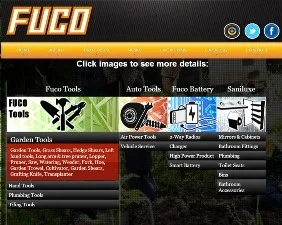
- Trading Company
- Taiwan, China
- Lead time45 days
- Avg. response≤ 5h
Main productsHardware,Hand Tools,Tiling Tools,Plumbing Tools,Garden Tools
Main marketsWestern Europe(50.00%), North America(20.00%), Domestic Market(10.00%), Eastern Europe(10.00%), Mid East(5.00%), Africa(5.00%)
Qingdao Smartco Import and Export Co., Ltd
- Verified by TUVRHEINLAND
- Trading Company
- China Shandong
- Lead time30 days
- Avg. response≤ 1h
Main productsLay Flat Hose, PVC Hose, Rubber Hose, Water Hose, Suction Hose, Camlocks, Clamps, Discharge Hose, Steel Wire Hose, Braided Hose
Main marketsNorth America


Premium Silver Kc Nipple Mender with NPT/Bsp Threading for Versatile Use
$0.30 - $60.00
MOQ: 100 Pieces


Zhuji Rixin Machinary Fittings Co., Ltd.
- Combined
- China Zhejiang
- Lead time23 days
- Avg. response≤ 6h
Main productsBrass Fitting
Main marketsSoutheast Asia/ Mideast,Europe,North America
- Verified by TUVRHEINLAND
- Manufacturer/Factory
- China Jiangsu
- Lead time90 days
- Avg. response≤ 3h
Main productsFlexible Metal Hose, Expansion Joint, Metal Bellow Forming Machine, Metal Hose Forming Machine, Tube Welding Machine, Metal Hose Testing Bench, Hose Fitting Welding Machine, Fire Hose Forming Machine, Stainless Steel Hose, Metal Hose
Main marketsSouth America,Eastern Europe,Mid East,North America,Southeast Asia,Eastern Asia,Oceania,Western Europe,Africa
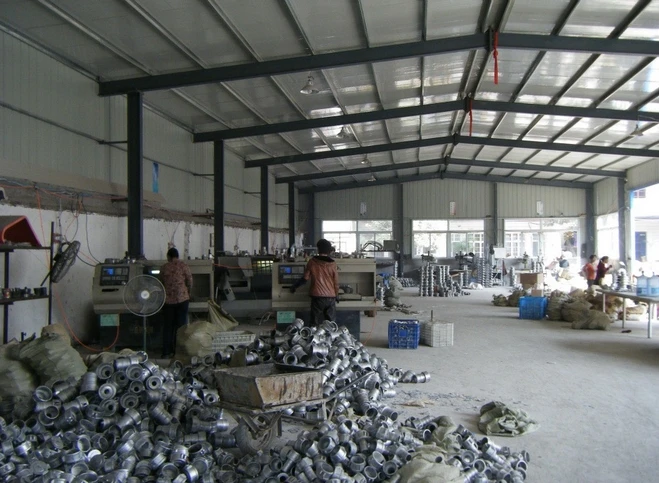
Linhai East Way Import&export Co., Ltd.
- Trading Company
- Zhejiang, China
- Lead time15 days
- Avg. response≤ 3h
Main productsHose and fittings,fire safety,tools and fittings
Main marketsEastern Europe(20.00%), Domestic Market(15.00%), South America(10.00%), Southeast Asia(10.00%), Mid East(10.00%), Africa(5.00%), South Asia(5.00%), Southern Europe(5.00%), Western Europe(5.00%), Eastern Asia(5.00%), North America(5.00%), Oceania(5.00%)

Handanshi Kangmai Hydraulic Equipment Co., Ltd.
- Combined
- China Hebei
- Lead time15 days
- Avg. response≤ 12h
Main productsHydraulic Hose Crimping Machine, Hose Crimping Machine, Hose Crimper, Cable Hose Crimping Machine, Rubber Hose Crimping Machine, High Pressure Hose Crimping Machine, Manual Hose Crimping Machine, Portable Hose Crimping Machine, Hose Cutting Machine, Nut Crimping Machine
Main marketsSouth America,Africa,Southeast Asia/ Mideast,East Asia(Japan/ South Korea),Domestic,Europe,Australia,North America


Hose Press Machine Hydraulic Hose Crimper
MOQ: 1 Pieces


Hose Cutting Machine (Pneumatic Type)
MOQ: 1 Pieces

Ningbo Yinzhou Pehel Machinery Co., Ltd.
- Verified by BV
- Combined
- China Zhejiang
- Lead time30 days
- Avg. response≤ 3h
Main productsHydraulic Fitting, Hydraulic Hose Fitting, Hydraulic Ferrule, Hydraulic Adapters, Hydraulic Hose, Manifold Block, Hose Crimping Machine, Power Unit, Hydraulic Hose Assembly, Hydraulic Quick Coupling
Main marketsSouth America,Europe,North America
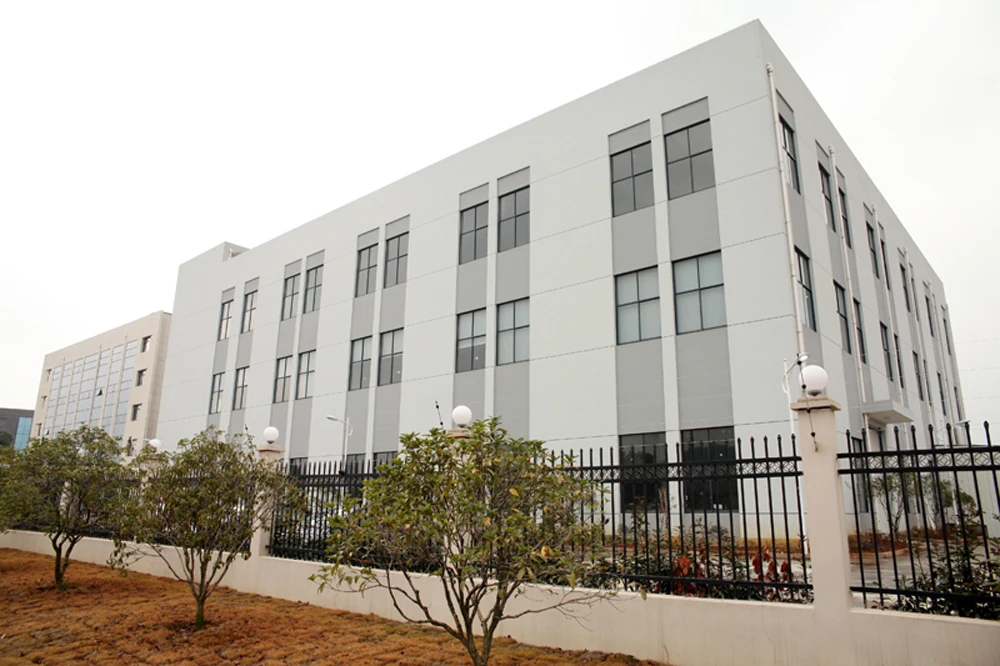
Zhuji Dingfei Machinery Co., Ltd.
- Manufacturer, Trading Company
- Zhejiang, China
- Lead time20 days
- Avg. response≤ 2h
Main productsBrass pipe fitting,Truck Fitting,Air Hose,Trailer Electrical Cable,Coiled Air Brake Hose
Main marketsMid East(20.00%), Western Europe(20.00%), Northern Europe(10.00%), North America(10.00%)
Xiamen Sinuowei Automated Science and Technology Co., Ltd.
- Verified by SGS
- Combined
- China Fujian
- Lead time60 days
- Avg. response≤ 13h
Main productsMlcc Machine, Hose Clamp Machine, Clock Movement Machine, Battery Pack Line, Battery Production Line, Multi-Layer Ceramic Capacitors Machine, Multi-Layer Chip Inductors Machine, Mlci Machine, Ltcc Machine, Htcc Machine
Main marketsOthers(foreignTradeCapacity.exportBusinessCapacityMarketOther)

Hengyu Group Hydraulic Fluid Technology Hebei Co., Ltd.
- Verified by TUVRHEINLAND
- Combined
- China Hebei
- Lead time15 days
- Avg. response≤ 8h
Main productsHydraulic Hose, Hydraulic Rubber Hose
Main marketsSouth America,Africa,Southeast Asia/ Mideast,Domestic,Europe,Australia,North America

Qingdao Hyrotech Rubber & Plastic Products Co., Ltd.
- Verified by SGS
- Manufacturer/Factory
- China Shandong
- Lead time23 days
- Avg. response≤ 8h
Main productsHydraulic Hose, Rubber Hose, Welding Hose, Teflon Hose, Oil Hose, PVC Hose, Sand Blast Hose, Chemical Hose, Food Hose, Air Hose
Main marketsSouth America,Eastern Europe,Mid East,North America,Southeast Asia,Eastern Asia,Oceania,Western Europe,Africa

Ningbo Newlite International Trade Co., Ltd.
- Trading Company
- China Zhejiang
- Lead time60 days
- Avg. response≤ 21h
Main productsOven Parts, Oven Components, Gas Cooker Part, Spark Igniter, Oven Switch, Gas Stove Part, Oven Timer, Gas Valve, Barbeque Grill Parts, Gas Water Heater Parts
Main marketsSoutheast Asia/ Mideast,Europe,North America

Hose Holder for Gas Hoses and Gas Pipe
MOQ: 3000 Pieces

Hose Holder for Gas Hoses and Gas Pipe
MOQ: 3000 Pieces

- Manufacturer/Factory
- China Shandong
- Lead time23 days
- Avg. response≤ 3h
Main productsHydraulic Hose, Welding Hose, Rubber Hose, Conveyor Belt, Air Hose, Water Hose, Rubber Sheet, Rubber Tiles, V Belt, Fittings
Main marketsSouth America,Eastern Europe,Mid East,North America,Southeast Asia,Eastern Asia,Oceania,Western Europe,Africa

- Combined
- China Zhejiang
- Lead time30 days
- Avg. response≤ 13h
Main productsFuel Dispenser, Station Equipment, LPG Dispenser, Parts of Fuel Dispenser, Gas Dispenser, Petrol Dispenser, Oil Refueling Equipment, Fuel Pump, Diesel Dispenser, Dispenser
Main marketsSouth America,Africa,Southeast Asia/ Mideast

NINGBO MATCH-LIGHT HARDWARE CO., LTD.
- Verified by TUVRHEINLAND
- Trading Company
- China Zhejiang
- Lead time30 days
- Avg. response≤ 20h
Main productsCamlock Coupling, Universal Coupling, Air Hose Coupling, Fire Hose Coupling, Guillemin Coupling, Bauer Coupling, Industrial Coupling, Hose Clamp, Garden Hose Coupling, Storz Coupling
Main marketsSoutheast Asia/ Mideast,Europe,North America

Union Metal Products(Guangzhou) Co., Ltd.
- Manufacturer/Factory
- China Guangdong
- Lead time45 days
- Avg. response≤ 11h
Main productsCamlock Fitting, Storz Coupling, Tri Clamps, Air Hose Coupling, Safety Cable, Pipe Fittings, Tee Pipe, Ball Valve, Sanitary Fittings
Main marketsSouth America,Eastern Europe,Mid East,North America,Southeast Asia,Eastern Asia,Oceania,Western Europe,Africa

- Verified by SGS
- Trading Company,Manufacturer/Factory
- China Jiangsu
- Lead time0 days
- Avg. response≤ 9h
Main productsSwimming Pool, Pool Filter, Solar Shower, Solar Heater, Pool Pump, Faucet, Hose Reel, Paint Brush, Paint Roller, Grease Gun
Main marketsSouth America,Eastern Europe,Mid East,North America,Southeast Asia,Eastern Asia,Oceania,Africa
Zhangjiagang Conbo Machinery Co., Ltd.
- Verified by SGS
- Trading Company,Manufacturer/Factory
- China Jiangsu
- Lead time30 days
- Avg. response≤ 1h
Main productsPlastic Recycling, Recycling Machine, Plastic Extruder, Granulator, Pipe Production Line, Pipe Extrusion Line, Pipe Extrder, Profile Extruder, Plastic Granulating Machine, Mixer
Main marketsSouth America,Eastern Europe,Mid East,North America,Southeast Asia,Eastern Asia,Oceania,Western Europe,Africa

- Verified by TUVRHEINLAND
- Manufacturer/Factory
- China Zhejiang
- Lead time15 days
- Avg. response≤ 16h
Main productsHydraulic Cylinder, Hydraulic Pipe Bender, Hydraulic Crimping Tool, Hydraulic Hole Diggers, Cutting Tools, Tube Bender, Hydraulic Jack, Hydraulic Pump, Hydraulic Gear Puller, Busbar Processor
Main marketsSouth America,Eastern Europe,Mid East,North America,Southeast Asia,Eastern Asia,Oceania,Western Europe,Africa

ZHEJIANG VICTAULIC-TUWEI PIPING EQUIPMENT CO., LTD.
- Verified by TUVRHEINLAND
- Manufacturer/Factory,Group Corporation
- China Zhejiang
- Lead time0 days
- Avg. response≤ 25h
Main productsRoll Grooving Machine, Grooved Machine, Grooving Tool, Groove, Pipe Cutting Machine, Hole Cutting Tool, Pipe Threading Machine, Dies, Pipe Cutter, Hole Saw

MOQ: 1 Pieces

MOQ: 1 Pieces


Comprehensive Sourcing Guide
Hose Mender Supplier Concentration and Factory Types
The current supplier landscape for hose menders reveals a mix of manufacturing and trading entities, with specific facility types identified in the data. Some suppliers operate as manufacturers or factories, capable of handling light customization, graphic processing, and sample processing directly. These entities often list main products that include sprinkler connectors, valves, and water filters alongside hose menders, suggesting an integrated production line for irrigation components. Other suppliers function as trading companies, focusing on hardware, hand tools, and plumbing tools, which may indicate a broader catalog but potentially less direct control over the molding or casting processes for specific mender models.
When assessing concentration, the data points to specific regional origins such as Zhejiang, China, and Taiwan, China, which serve as hubs for these products. One manufacturer in Zhejiang produces PVC layflat hose couplings with casting techniques, while another in Taiwan offers plastic quick connectors. A separate facility in Shandong, China, lists hardware and garden tools as primary offerings. Buyers should verify if a supplier's main product list aligns with their specific needs, as some focus heavily on brass fittings or layflat hoses while others prioritize general garden supplies. Identifying the factory type is crucial because manufacturers typically offer OEM and ODM capabilities, whereas trading companies may rely on external partners for production.
How to Verify Hose Mender Suppliers
Verification is a critical step when sourcing hose menders, as the data indicates varying levels of third-party validation among suppliers. Several suppliers have undergone verification by recognized groups such as SGS Group or TÜV Rheinland, which provides a baseline of confidence regarding their business legitimacy and operational standards. For instance, one manufacturer holds an ISO 9001 certification, indicating adherence to quality management systems, while another product listing explicitly mentions ISO9001:2000 and CE certificates. Buyers must confirm that these certifications are current and applicable to the specific Hose Mender models being ordered, rather than assuming they cover the entire product range.
Beyond external verification, buyers should examine the response times and communication channels provided by the supplier. The observed data shows response times ranging from 0.22 hours to 5 hours, which can significantly impact the speed of negotiation and issue resolution. A supplier with a rapid response time of under one hour may be more agile in handling custom requests or urgent orders compared to one with a five-hour delay. Additionally, checking the company type listed as either a manufacturer or trading company helps clarify the supply chain structure. Buyers should request proof of these credentials directly, ensuring that the claimed verification status matches the specific entity they are engaging with for the transaction.
What to Compare Across Hose Mender Suppliers
Comparing suppliers requires a detailed analysis of key operational metrics such as lead times, minimum order quantities, and pricing structures. The available data shows lead times varying from 25 days to 45 days, with some suppliers offering a 30-day window. Minimum order quantities also differ significantly, with one supplier requiring 100 units while another mandates 3000 units. Pricing ranges from as low as $0.10 per unit to $60.00, depending on the material and specifications, such as carbon steel versus plastic. Buyers must align these figures with their budget and inventory requirements, noting that lower MOQs might come with higher per-unit costs or limited customization options.
Material composition and customization capabilities are equally vital comparison points. Some products are made from aluminum, carbon steel, or ABS plastic, each offering different durability and cost profiles. One supplier offers OEM support with specific casting techniques like gravity casting, while another provides customized graphic processing. The standard sizes also vary, with options ranging from 1/2 inch to 12 inches, and threading types including NPT and BSP. Buyers should create a comparison matrix that includes these attributes to ensure the selected supplier can meet technical specifications. It is essential to verify that the stated attributes, such as warranty periods or surface treatments, are explicitly confirmed in the product details before finalizing a selection.
Common Hose Mender Sourcing Risks
One significant risk in sourcing hose menders involves the discrepancy between advertised capabilities and actual production capacity. While some suppliers claim OEM and ODM support, the extent of this customization may be limited to graphic processing or sample handling rather than full-scale mold development. Buyers must be cautious of suppliers who list broad main products like general hardware or tools without specific evidence of Hose Mender manufacturing expertise. Relying on a trading company for complex customizations without verifying their factory partners can lead to quality inconsistencies or delays. It is advisable to request detailed production flowcharts or factory audit reports to confirm the depth of their manufacturing capabilities.
Another risk pertains to the variability in product standards and certifications. Although some listings mention ISO 9001 or CE marks, these may apply to specific product lines rather than the entire catalog. For example, a carbon steel mender might have a different certification status than a plastic garden connector from the same supplier. Buyers should not assume that a general company certification covers every item in their order. Additionally, the lack of standardized response times across the supplier base can lead to communication bottlenecks. A supplier with a slow response time might delay critical order confirmations or fail to address quality issues promptly, increasing the risk of project delays.
Hose Mender Regional Sourcing and Logistics
Regional sourcing plays a pivotal role in determining logistics efficiency and cost structures for Hose Mender procurement. The data highlights specific manufacturing clusters in Zhejiang, China, and Taiwan, China, which are known for producing plastic and brass fittings. Suppliers in these regions often leverage established supply chains for raw materials like aluminum and ABS plastic, potentially reducing lead times for standard items. However, buyers must verify the exact location of the production facility, as a trading company might be located in a different province than the actual factory. Confirming the place of origin is essential for calculating accurate shipping costs and understanding potential import duties.
Logistics planning should also account for the specific packaging and shipping units provided by the supplier. One listing mentions packaging in Canton or PP bags, which can affect how the goods are loaded and transported. For larger orders involving carbon steel menders, the weight and volume will differ significantly from lightweight plastic connectors, influencing freight charges. Buyers should inquire about the supplier's experience with international shipping and their ability to handle customs documentation for specific regions. Understanding the regional strengths helps in selecting a supplier that can offer the best balance of speed and cost, ensuring that the hose menders arrive on time and within budget constraints.
Hose Mender Commercial Terms and Order Planning
Commercial terms for Hose Mender orders must be carefully negotiated to align with the supplier's specific capabilities and constraints. Lead times observed in the data range from 25 to 45 days, which should be factored into the overall project timeline. Buyers need to establish clear milestones for production, quality checks, and shipping to avoid delays. Additionally, the minimum order quantities, which can vary from 100 to 3000 units, require strategic planning to optimize inventory levels without overstocking. Understanding these thresholds is crucial for determining the economic viability of the order and negotiating better pricing tiers.
Payment terms and warranty conditions are also critical components of the commercial agreement. Some suppliers offer a one-year warranty on their products, which provides a safety net for quality issues. Buyers should verify the specific terms of this warranty, including what defects are covered and the process for claims. Escrow services or secure payment methods should be utilized to protect funds until the goods are verified. Furthermore, the response time of the supplier can impact the efficiency of resolving any commercial disputes. A supplier with a rapid response time is better equipped to handle urgent changes or issues, ensuring a smoother transaction. Buyers must document all agreed-upon terms in a formal contract to ensure clarity and enforceability.
FAQs
What is a Hose Mender used for?
A Hose Mender repairs or joins hose sections and connects hose to compatible fittings. It can support garden watering, irrigation, pumps, and pipe applications, depending on its design. Buyers should confirm the hose diameter, connection style, material, thread type, and intended operating conditions before ordering.
Which hose sizes can a Hose Mender connect?
Hose menders are available for different diameters, so the correct size must match the hose being repaired or joined. Listed examples include 1/2-inch to 3/4-inch garden connectors and products covering 1/2-inch to 12-inch applications. Verify actual dimensions, tolerance, and connection specifications with the supplier.
What materials are available for hose menders?
Available Hose Mender materials include plastic, aluminium, and carbon steel in the supplied listings. Plastic models suit some garden hose applications, while metal versions may be offered for hose coupling or pipe connection uses. Confirm material grade, corrosion resistance, finish, and application suitability before purchase.
Can hose menders be customized?
Some listed hose menders support customization, OEM service, or processing on demand. The available options vary by product and supplier, and may involve dimensions, branding, packaging, finish, or connection details. Request confirmation of the modification scope, sample process, tooling requirements, and approval procedure before placing an order.
What connection types do hose menders use?
Hose menders may use quick-connect, male, female, or threaded connections, depending on the model. Supplied examples include NPT and BSP threading, male connectivity, and quick garden hose connectors. Match the connection to the hose, valve, fitting, or equipment, and verify thread standards before ordering.
What price range is shown for hose menders?
The supplied product listings show Hose Mender prices from $0.10 to $60.00 per item, depending on product type and specifications. Other examples are listed at $0.26–$0.29, $0.30–$60.00, and $0.70–$1.00. Confirm currency, quantity basis, customization, packaging, and shipping separately.