Hospital Urine Bottle Holder Suppliers and Manufacturers
Compare 25 verified suppliers offering Hospital Urine Bottle Holder solutions with varying lead times, certifications, and response speeds. Review product attributes like sterilization methods and customization options before contacting vendors for samples or quotes; review the available evidence before requesting comparable quotations from suitable candidates.
Suppliers List
Shandong Chengwu Medical Products Factory
- Combined
- China Shandong
- Lead time23 days
- Avg. response≤ 10h
Main productsDisposable Blood Collection Tube, Disposable Blood Collection Needle, Infusion Set, Lancet, Scalp Vein Set, Urine Container, Micro/Mini Tube, Needle Holders for Blood Collection, Luer Adapter, Flash Back Neddle
Main marketsSoutheast Asia/ Mideast,Europe,North America


Urine Cup Urine Urine Container Urine Container/Urine Sample/Urine Specimen Cup
$0.03 - $0.06
Moq: 50000


Ningbo Multi Channel Co., Ltd.
- Trading Company
- China Zhejiang
- Lead time23 days
- Avg. response≤ 15h
Main productsFirst Aid Kit, Wound Dressing, Bandage, Outdoor Emergency Supplies, Hot/Cold Therapy, Surgery Supplies, Laboratory Supplies, Medical Devices, Anethesia Breathing Supplies, Daily Care
Main marketsSouth America,Southeast Asia/ Mideast,East Asia(Japan/ South Korea),Europe,North America

Hot Sale Portable Urine Bottle Eco-Friendly PP Material Hospital Male Urine Bottle
$0.60 - $0.80
Moq: 2000

2023 New Arrival Plastic Spill Proof Portable Screw Glow in Dark Urine Collector Bottle
$0.60 - $0.80
Moq: 5000
HelpCare Medical Supplies Co.,Ltd
- Trading Company
- Zhejiang, China
- Lead time0 days
- Avg. response≤ 5h
Main productsThermometer,Blood pressure monitor,nebulizer,wheelchair,baby care kit
Main marketsAfrica(30.0%), Mid East(30.0%), South America(30.0%), Southeast Asia(10.0%)

Taizhou Goddess Playingcards Co., Ltd.
- Verified by CTI
- Combined
- China Jiangsu
- Lead time30 days
- Avg. response≤ 10h
Main productsPlaying Card, Playing Cards, Plastic Playingcards, Jumbo Playingcards, Giant Playingcards, Tarot, Skat, Jeu De Cartes, Paper Playing Card, OEM Playing Card
Main marketsEast Asia(Japan/ South Korea),Domestic,Europe,North America

Chongqing New World Trading Co., Ltd.
- Trading Company
- China Chongqing
- Lead time15 days
- Avg. response≤ 4h
Main productsFlocked Swab, Pipette Filter Tips, Vtm Kits, Blood Collection Tubes, Face Mask, Pipette Tips, Microscope Slides, Centrifuge Tube, Cryotube, Petri Dish
Main marketsSouth America,Africa,Southeast Asia/ Mideast,East Asia(Japan/ South Korea),Europe,Australia,North America

Changsha Renji Medical Equipments Co., Ltd.
- Verified by CTI
- Trading Company,Manufacturer/Factory
- China Hunan
- Lead time23 days
- Avg. response≤ 8h
Main productsBlood Collection Tube, Petri Dish, Vaginal Speculum, Pipette Tips, Urine Container, Antigen Rapid Diagnostic Test Kit, Blood Collection Needle, Saliva Collection Kits, Vacuum Vessel, Disposable Virus Specimen Collection Tube
Main marketsSouth America,Eastern Europe,Mid East,North America,Southeast Asia,Eastern Asia,Oceania,Western Europe,Africa
Jiangsu Junyue Medical Science and Technology Co., Ltd.
- Verified by BV
- Combined
- China Jiangsu
- Lead time15 days
- Avg. response≤ 25h
Main productsmedical equipment
Main marketsSoutheast Asia/ Mideast,Domestic
Shanghai Goldenwell Medical Technology Co., Ltd.
- Verified by CTI
- Trading Company
- China Shanghai
- Lead time15 days
- Avg. response≤ 5h
Main productsMedical Devices, Sports Support, Medical Dressings
Main marketsSoutheast Asia/ Mideast,Europe

Ningbo Finer Medical Instruments Co., Limited
- Trading Company,Manufacturer/Factory
- China Zhejiang
- Lead time23 days
- Avg. response≤ 21h
Main productsMedical Consumables, Medical Equipment, Hospital Furniture, Mobility Safety Aid, Daily Living Aid
Main marketsSouth America,Eastern Europe,Mid East,North America,Southeast Asia,Eastern Asia,Oceania,Western Europe,Africa

Sun Medical Products Co., Ltd.
- Verified by BV
- Combined
- China Guangdong
- Lead time30 days
- Avg. response≤ 16h
Main productsRadiotherapy, Occupational Therapy, Medical Consumables, Rehabilitation Products, Surgical Instruments
Main marketsSouth America,Africa,Southeast Asia/ Mideast,Europe,North America


Hospital PE Urine Chamber Pot Urine Container - Plastic Urinal Bottle Bed Urinal
$0.55 - $1.50
Moq: 500


- Verified by CTI
- Trading Company
- China Zhejiang
- Lead time30 days
- Avg. response≤ 6h
Main productsPipette Tip, Nasal Swab, Oral Swab, PCR Plate, Cryo Vial, Face Mask, Virus Transport Medium, Centrifuge Tube, Robotic Tip, PCR Tube
Main marketsEurope

Shanghai Honsung Medical Instruments Co., Ltd.
- Verified by TUVRHEINLAND
- Trading Company
- China Shanghai
- Lead time15 days
- Avg. response≤ 7h
Main productsBlood Collection Tube, Isolation Gown, Blood Collection Needle, Infusion Set, Foley Catheter, Cautery Pencil, Alcohol Prep Pad, Surgical Suture, Surgical Tape
Main marketsAfrica,Southeast Asia/ Mideast,Europe,North America
SHANGHAI TEAMSTAND CORPORATION
- Verified by BV
- Trading Company
- China Shanghai
- Lead time23 days
- Avg. response≤ 2h
Main productsHypodermic Syringe, Blood Collection Set, Infusion Set, Huber Needle, Breathing Circuit, Prefilled Syringe, Catheter and Tube, Hemodialyser, AV Fistula Needle, Biopsy Needle
Main marketsOthers(foreignTradeCapacity.exportBusinessCapacityMarketOther)
SHANGHAI ALLCAN MEDICAL CO., LTD.
- Verified by BV
- Manufacturer/Factory
- China Shanghai
- Lead time0 days
- Avg. response≤ 10h
Main productsManufacturer, China, Medical and Lab Products, Vacuum Blood Tube, Infusion Set

Chengdu Puth Medical Technology Co., Ltd.
- Manufacturer
- China Sichuan
- Lead time15 days
- Avg. response≤ 25h
Main productsBlood Collection Tube, Blood Collection Needle, Multi-Sample Blood Collection Needle, Flash-Back Blood Collection Needle, Blood Collection Needle Set, Safety Blood Collection Needle Set, Needle Holder, Tourniquet, Syringe, Eurocap for Plastic Infusion Bottle
Main marketsSouth America,Southeast Asia/ Mideast,Europe

Chongqing New World Trading Co., Ltd.
- Verified by BV
- Trading Company
- China Chongqing
- Lead time15 days
- Avg. response≤ 9h
Main productsVacuum Blood Collection Tubes, Test Tube, Pipette Tip, Urine Container, Microscope Slide, Filter Tip, Swab, Centrifuge Tube, Cryovial Tube, Blood Lancet
Main marketsSouth America,Africa,Southeast Asia/ Mideast,East Asia(Japan/ South Korea),Europe,Australia,North America

Hospital Plastic Vacuum Urine Cup Automatic Suction Vacuum Urine Cup 60ml 120ml
$0.10 - $0.15
Moq: 1000


Medical Plastic 60ml 90ml 120ml Vacuum Urine Collector Urine Container Cup with Label
$0.10 - $0.12
Moq: 10000


Medical Consumables Urine Cup with Spoon 30ml 60ml 120ml Urine Container for Hospital
$0.03 - $0.06
Moq: 1000


Yangzhou Super Union Medical Material Co., Ltd.
- Combined
- China Jiangsu
- Lead time15 days
- Avg. response≤ 12h
Main productsGauze Swab, Sterile Gauze Sponge, Lap Sponge, Non Woven Sponge, Gauze Roll, Sterile Non Woven Swab, Paraffin Gauze, Gauze Bandage, Triangel Bandage, Cotton Wool
Main marketsSouth America,Africa,Others(foreignTradeCapacity.exportBusinessCapacityMarketOther),Southeast Asia/ Mideast,East Asia(Japan/ South Korea),Domestic,Europe,Australia,North America
Yangzhou Easier Way Import and Export Co., Ltd
- Verified by TUVRHEINLAND
- Trading Company,Manufacturer/Factory
- China Jiangsu
- Lead time38 days
- Avg. response≤ 4h
Main productsMedical Consumables, Syringes and Needles, Infusion Giving Set, Gauze Roll Dressings, Blood Collection Series, Catheters and Tubes, Surgical Tapes, Medical Wound Dressings
Main marketsSouth America,Eastern Europe,Mid East,Southeast Asia,Africa

Ningbo Siny Medical Technology Co., Ltd.
- Verified by TUVRHEINLAND
- Trading Company
- China Zhejiang
- Lead time23 days
- Avg. response≤ 2h
Main productsBlood Collection Tube, Blood Collection Needle, Sanitizer, Medcial Mask, Protective Suit, Micro Capillary Tube, Prp Tube, Biohazard Waste Bag, Virus Sampling Tube, Urine Cup
Main marketsOthers(foreignTradeCapacity.exportBusinessCapacityMarketOther)
Anhui Xiaoshan Hope Medical Devices Co., Ltd.
- Verified by TUVRHEINLAND
- Manufacturer
- China Anhui
- Lead time30 days
- Avg. response≤ 16h
Main productsSurgical Dressings, Non-Woven Item

Shandong Harmowell Trade Co., Ltd.
- Verified by SGS
- Trading Company
- China Shandong
- Lead time38 days
- Avg. response≤ 3h
Main productsMedical Equipment, Medical Supply, Hospital Furniture, Blood Collection Tube, Rapid Test Kit, Laboratory Supplies, Medical Catheter, Anesthesia Machine, Laboratory Analyzer, Laboratory Centrifuge
Main marketsSouth America,Eastern Europe,Mid East,North America,Southeast Asia,Eastern Asia,Oceania,Western Europe,Africa


Histology Specimen Urine Containers Plastic Sterile Urine Container Specimen Container
$0.11 - $0.14
Moq: 10000

Hangzhou Wehere Medical Technology Co., Ltd.
- Verified by BV
- Trading Company
- China Zhejiang
- Lead time30 days
- Avg. response≤ 2h
Main productsProtective Gown, Face Mask, Thermometer, Dust Mask, Respirator, Pulse Oximeter, Forehead Thermometer, Cadaver Bag, Isolation Gown, Surgical Drape
Main marketsSouth America,Africa,East Asia(Japan/ South Korea),Europe

Zhejiang Aicor Medical Technology Co., Ltd.
- Verified by BV
- Combined
- China Zhejiang
- Lead time15 days
- Avg. response≤ 10h
Main productsSpecimen Container, Petri Dish, Centrifuge Tube, Cuvette, Sample Cup, Test Tube, Vacuum Tube, Cleaner Solution, Color Dilution Cuvette, Pipette Tip
Main marketsEurope,North America
Medi-Crown Healthcare Co., Ltd.
- Verified by SGS
- Trading Company
- China Tianjin
- Lead time15 days
- Avg. response≤ 11h
Main productsSleeve Cover, Plastic Bag, First Aid & Emergency, Plastic Product, Homecare, Surgical Product, Suture, Infusion Set and Syringe, Surgical Blade
Main marketsAfrica,East Asia(Japan/ South Korea),Australia,North America
Changzhou Careu Medical Instruments Co., Ltd.
- Verified by TUVRHEINLAND
- Combined
- China Jiangsu
- Lead time30 days
- Avg. response≤ 15h
Main productsUrine Bag, Enteral Feeding Bag, Dialysis Drainage Bag, Dialysis Bag, Urine Meter, Disposable Surgical Scrub Brush, Disposable Gynecological Examination Set, Disposable Components Used on Medical Products, Vaginal Speculum, Disposable Urine Leg Bag
Main marketsEast Asia(Japan/ South Korea),Domestic
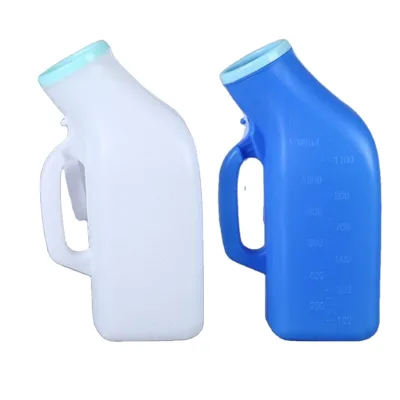
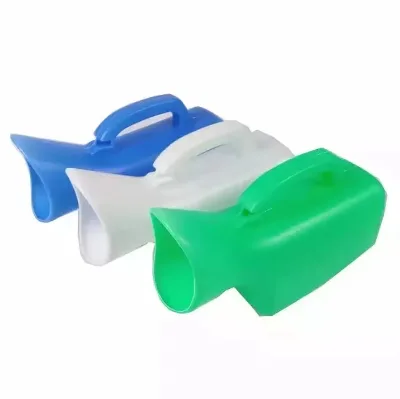


Comprehensive Sourcing Guide
Hospital Urine Bottle Holder Supplier Concentration and Factory Types
Current data indicates a concentration of manufacturing activity in specific Chinese provinces, with Shandong and Zhejiang emerging as key regions for medical consumables. Suppliers in Shandong often list themselves as combined entities capable of offering both original design manufacturing and original equipment manufacturing services. These facilities frequently produce a broad range of items including disposable blood collection tubes, infusion sets, and various urine containers, suggesting a specialized cluster for medical plastic molding. The presence of these combined company types implies that buyers may encounter factories that manage their own branding alongside contract production for other entities.
In contrast, suppliers located in Zhejiang are sometimes identified as trading companies rather than direct manufacturers. These entities often aggregate products from various sources, offering items like first aid kits, wound dressings, and portable urine bottles alongside other medical devices. A trading company structure may provide a wider variety of product categories but might differ in direct factory control compared to the combined type found in Shandong. Buyers should verify whether a supplier is a direct factory or a trading intermediary by examining their main product lists and company type designation, as this distinction affects production oversight and customization capabilities.
How to Verify Hospital Urine Bottle Holder Suppliers
Verification begins with scrutinizing the specific product attributes and certifications listed for the Hospital Urine Bottle Holder. Evidence shows that some products carry certifications such as CE and ISO13485, while others may list ISOCE or simply state sterilization methods like Ethylene Oxide Sterilization. Buyers must confirm that the specific model number, such as CY-151 or MU167, matches the claimed certification standards on the official product page. It is critical to request valid certificates directly from the supplier rather than relying solely on the text displayed in search results, as certification status can vary between different product lines within the same company.
Response time and lead time data provide another layer of verification regarding supplier reliability. Some suppliers demonstrate a response time of approximately 9.09 hours, while others may take up to 14.31 hours or longer. Lead times for production can range from 15 to 25 days, though some entries indicate a lead time of zero or specific delivery windows like 15-20 days. Buyers should cross-reference these figures with the supplier's stated capacity, such as 500,000 pieces per day, to ensure the claimed speed is feasible. Discrepancies between response speed and production capacity may indicate a trading company with limited direct control over the manufacturing schedule.
What to Compare Across Hospital Urine Bottle Holder Suppliers
When evaluating potential partners, buyers should compare minimum order quantities (MOQ) and pricing structures across different listings. Data reveals significant variation, with some suppliers requiring an MOQ of 100,000 pieces while others accept orders as low as 1,000 pieces. Price ranges also fluctuate, with some products listed between $0.0275 and $0.057 per unit, while others range from $0.075 to $0.13. These differences often correlate with the product specifications, such as volume capacity, material type, or whether the item includes features like glow-in-the-dark finishes or specific lid designs. Buyers must align their order volume with the supplier's MOQ to avoid unnecessary costs or rejection of smaller orders.
Another critical comparison point is the customization options and material specifications offered by each supplier. Some manufacturers explicitly state that customization is available, including logo printing and specific color options like blue, red, or white. Material composition is another variable, with most products listed as plastic, but the specific grade and sterilization method may differ. One supplier might offer Ethylene Oxide Sterilization, while another simply lists "Sterilization" without specifying the method. Buyers should compare these attributes against their clinical requirements to ensure the selected supplier can meet the necessary safety and branding standards for their specific hospital or distribution needs.
Common Hospital Urine Bottle Holder Sourcing Risks
One significant risk involves the ambiguity of certification claims and the actual validity of the standards listed. While some product attributes explicitly mention CE and ISO13485, others may list generic terms like "ISOCE" or lack specific certification details entirely. This inconsistency can lead to compliance issues if the supplier cannot provide verifiable documentation upon request. Buyers must be cautious of suppliers who claim broad capabilities without providing clear evidence of their specific product certifications, as this could result in rejected shipments or regulatory penalties in the destination market.
Another risk relates to the reliability of lead times and the distinction between trading companies and factories. A supplier listing a lead time of zero or a very short window may be a trading company sourcing from a third party, which introduces potential delays if the actual factory faces production bottlenecks. Additionally, the variation in response times, ranging from 5 hours to over 14 hours, can impact the speed of issue resolution during the order process. If a supplier cannot respond quickly or provide a realistic production schedule, it may indicate a lack of direct oversight, increasing the risk of missed delivery dates and supply chain disruptions.
Hospital Urine Bottle Holder Regional Sourcing and Logistics
Sourcing from Shandong offers access to manufacturers with combined capabilities, often producing a wide array of medical consumables including urine containers and blood collection needles. These facilities typically have established logistics networks for exporting medical devices, given their focus on high-volume production. The regional concentration suggests that buyers can find suppliers with deep expertise in plastic molding and sterilization processes specific to medical applications. However, buyers should verify the specific port of loading and shipping terms, as logistics costs can vary significantly depending on the supplier's location within the province and their preferred shipping partners.
Suppliers in Zhejiang, often operating as trading companies, may offer different logistical advantages, such as proximity to major ports like Ningbo or Shanghai. These trading entities might provide more flexible shipping options for smaller orders or mixed product shipments, combining urine bottles with other medical supplies like first aid kits or bandages. However, the reliance on third-party manufacturers can complicate logistics coordination. Buyers should clarify who manages the freight forwarding and whether the supplier handles export documentation, as trading companies may not have the same direct control over shipping schedules as the factories in Shandong.
Hospital Urine Bottle Holder Commercial Terms and Order Planning
Commercial terms regarding payment and sample availability vary widely among suppliers, requiring careful planning before placing an order. Some suppliers offer samples freely, which is a positive indicator for quality verification, while others may have specific policies regarding sample fees. The minimum order quantities can be substantial, with some listings requiring 100,000 pieces, which necessitates significant capital allocation and storage planning. Buyers must calculate the total landed cost, including the unit price, shipping, and potential tariffs, to ensure the order remains profitable, especially when dealing with high MOQs that may exceed immediate demand.
Order planning must also account for the specific product attributes that affect the final cost and delivery timeline. For instance, products with custom colors, logo printing, or specialized sterilization methods like Ethylene Oxide may incur additional costs or extend the lead time. Buyers should confirm the exact production standard, such as the specific volume in milliliters or the model number, to avoid receiving non-compliant goods. Additionally, understanding the packing method, whether bulk or individual packaging, is essential for logistics planning. Clear communication of these commercial terms and product specifications is vital to prevent misunderstandings and ensure a smooth transaction from order placement to final delivery.
FAQs
What is the typical lead time for hospital urine bottles?
Lead times vary by supplier, with some offering 15 to 25 days for production. Specific orders may require 23 days depending on the manufacturer. Buyers should confirm exact delivery schedules before placing bulk orders to ensure timely arrival.
What are the minimum order quantities for urine containers?
Minimum order quantities differ significantly among suppliers. Some require 1000 pieces, while others demand 50,000 or even 100,000 units. Buyers must verify the specific MOQ with each vendor to align with their purchasing volume and budget constraints.
Are hospital urine bottles available with custom branding?
Yes, many suppliers offer logo printing and customization services for urine containers. Buyers can request specific colors like blue, red, or white. Customization is available for both plastic materials and various sizes ranging from 10ml to 120ml.
What certifications do hospital urine bottle suppliers hold?
Suppliers often provide products certified under CE and ISO13485 standards. Some listings mention ISOCE certification for medical devices. Buyers should request valid certificates to ensure the products meet international safety and quality requirements for clinical use.
Where are the main manufacturers of urine bottles located?
Major production hubs are located in China, specifically in Shandong and Zhejiang provinces. These regions host combined companies and trading firms specializing in medical consumables. Buyers can source directly from these locations to access competitive pricing and capacity.
What is the price range for sterile urine sample cups?
Prices for sterile urine containers typically range from 0.0275 to 0.13 USD per unit. The cost depends on volume, material, and specific features like glow-in-the-dark finishes. Bulk orders often secure lower unit prices within this observed market range.
How quickly do suppliers respond to inquiries?
Response times vary, with some suppliers replying within 5 hours and others taking up to 14 hours. A typical response time observed is around 9 hours. Buyers should expect prompt communication but should verify current availability for urgent sourcing needs.