Hook and Loop Waist Sweat Belt Suppliers and Manufacturers
Compare 27 verified suppliers offering hook and loop waist sweat belts with varying lead times, certifications, and locations. Review product attributes like material and customization options before contacting factories in China for quotes; review the available evidence before requesting comparable quotations from suitable candidates.
Suppliers List

Shanghai Ritmark Sports Co., Ltd.
- Verified by BV
- Trading Company,Manufacturer/Factory
- China Shanghai
- Lead time23 days
Main productsPVC Boat Fender, Fitness Ball, Fitness Sandbag, Waist Belt, Massage Tools, Acupressure Mat, Buoys, Dock Bumper, Yoga Items, Fitness Products
Main marketsSouth America,Eastern Europe,Mid East,North America,Southeast Asia,Eastern Asia,Oceania,Western Europe,Africa
Hengshui Laiyue Sporting Goods Co., Ltd.
- Manufacturer, Trading Company
- Hebei, China
- Lead time20 days
- Avg. response≤ 1h
Main productsOutdoor footwear and equipment,Outdoor sports protective gear and supplies,Back support belt,Wrist guard,Knee pads
Main marketsNorth America(35.00%), Domestic Market(5.00%), South Asia(5.00%), Southern Europe(5.00%), Northern Europe(5.00%), Central America(5.00%), Southeast Asia(5.00%), Western Europe(5.00%), Eastern Asia(5.00%), Mid East(5.00%), Eastern Europe(5.00%), South America(5.00%), Oceania(5.00%), Africa(5.00%)

Yangzhou Goldenwell Import&Export Co., Ltd.
- Verified by BV
- Trading Company,Manufacturer/Factory
- China Jiangsu
- Lead time23 days
Main productsMedical Devices, Syringe, Medical Tape, Medical Bandage
Main marketsSouth America,Eastern Europe,Mid East,North America,Southeast Asia,Eastern Asia,Oceania,Western Europe,Africa


Sweat Belt Waist Trimmer Back Support Neoprene Trainer Custom Waist Trimmer Belt
$2.30 - $2.70
MOQ: 5 Pieces

Hengshui Zhouxun Sports Goods Co., Ltd.
- Verified by TUVRHEINLAND
- Combined
- China Hebei
- Lead time30 days
Main marketsDomestic


Elastic Hook Loop Waist Belt for Abdominal Support with Breathable Fabric
$2.50 - $3.80
MOQ: 50 Pieces


Lightweight Hook Loop Waist Support Belt for Rib Recovery with Elastic Fabric
$2.50 - $3.80
MOQ: 50 Pieces

Thin Rib Compression Waist Belt for Daily Support with Hook Loop Fastening
$2.50 - $3.80
MOQ: 50 Pieces

Hebei Kang Sheng Yuan Sports Goods Co., Ltd.
- Verified by SGS Group
- Manufacturer, Trading Company
- Lead time15 days
- Avg. response≤ 3h
Main productsWaist Support; Back Posture Corrector; Knee Brace; Body Shaper Corset; Hip Resistance Bands
Main marketsNorth America(30%), Domestic Market(30%), Western Europe(15%)

Fuzhou Chongkang Gifts Trade Co., Ltd.
- Verified by SGS
- Manufacturer/Factory
- China Fujian
- Lead time23 days
Main productsPromotional Gifts, Baseball Cap, Beanies Hat, Gift Bags, Scarf, Microfiber Cleaning Cloth, Keychain, USB Charging Line, Luggage Tag, Mobile Phone Holder
Main marketsSouth America,Eastern Europe,Mid East,North America,Southeast Asia,Eastern Asia,Oceania,Western Europe,Africa
Ningbo Kangbeien Heatlh Tech. Co., Ltd.
- Verified by SGS
- Combined
- China Zhejiang
- Lead time30 days
Main marketsDomestic

Fitness Waistband Elastic Belt Warm Sports Waist Protection Belt Breathable Belt
$3.30 - $3.60
MOQ: 100 Pieces

Ultimate Waist Support Belt for Sports and Fitness Activities Waist Protection
$1.47 - $1.70
MOQ: 100 Pieces
XIAMEN DORRELLA HEALTH TECHNOLOGY CO.,LTD
- Verified by SGS
- Trading Company,Manufacturer/Factory,Group Corporation
- China Fujian
- Lead time23 days
Main productsOrthotic Brace, Ankle Brace, Arm Brace, Back Brace, Cervical Collar, Finger Splint, Hip Abduction Braces, Hand and Wrist Brace, Post-Op Shoes, Orthopedic Waiking Boot
Main marketsSouth America,Eastern Europe,Mid East,North America,Southeast Asia,Eastern Asia,Oceania,Western Europe,Africa
Shijiazhuang Cearth Imp & Exp Co., Ltd.
- Trading Company
- Hebei, China
- Lead time15 days
- Avg. response≤ 3h
Main productsSport Protective Gear,Bodyshaper,Socks,Waist Trainer,Belly Belt
Main marketsNorth America(30.00%), Eastern Europe(20.00%), South America(20.00%), Southeast Asia(10.00%), Western Europe(8.00%), Eastern Asia(3.00%), Africa(3.00%), Oceania(2.00%), South Asia(1.00%), Mid East(1.00%), Southern Europe(1.00%), Central America(1.00%)
Dongguan Tana Sports Technology Co. Ltd
- Verified by SGS
- Manufacturer
- China Guangdong
- Lead time15 days
Main productsSport Armband, Waist Bag, Back Posture, Waist Trimmer, Outddoor Sports Accessories
Main marketsEurope,North America


Waist Trimmer Back Support Belt Sweat Wrap for Weight Loss Workout Gym Sport
$3.00 - $3.50
MOQ: 500 Sets


Jinjiang Naike Eco Technology Co., Ltd.
- Verified by SGS
- Trading Company
- China Fujian
- Lead time30 days
Main productsKeychain, Promotional Gifts, Shoes Charm, Straw Toppers, Pencil Toppers, Christmas Decoration, Party Decoration, Toy, Metal Craft, Silicone Products
Main marketsEurope,North America

Wholesale Neoprene Waist Trimmer Slimming Waist Trainer Waist Sweat Belt
$1.88 - $1.98
MOQ: 500 Pieces

Adjustable Waist Lumbar Support Brace Women Stomach Sweat Waist Trainer Trimmer Belt
$3.27 - $3.38
MOQ: 200 Pieces

Custom Logo Adjustable Neoprene Waist Trainer Belt Workout Sweat Waist Support
$3.27 - $3.38
MOQ: 200 Pieces

Adjustable Waist Belt Brace Self Heating Magnetic Back Waist Support Belt
$3.51 - $3.59
MOQ: 200 Pieces


Back Support Belt Elastic Lumbar Support Belt Adjustable High Elastic Waist Strap
$6.65 - $6.75
MOQ: 100 Pieces
Telamon Sports Goods (Shanghai) Co., Ltd.
- Verified by BV
- Trading Company
- China Shanghai
- Lead time15 days
Main marketsNorth America

Adjustable Waist Support Belt Breathable Fitness Exercise Compression Strap Waist Trainer Belt
$2.30 - $4.16
MOQ: 100 Pieces


Wholesale Custom Waist Belt for Men and Women Exercise Waist Support Belt
$2.30 - $4.16
MOQ: 100 Pieces


Jiangsu Xiangyou Medical Instrument Co., Ltd.
- Manufacturer, Trading Company
- Jiangsu, China
- Lead time30 days
- Avg. response≤ 1h
Main productsdoll,sex toy,shockwave therapy,X-ray machine,Beauty machine
Main marketsMid East(30.00%), North America(10.00%), Domestic Market(5.00%), South Asia(5.00%), Southern Europe(5.00%), Northern Europe(5.00%), Central America(5.00%), Western Europe(5.00%), Eastern Asia(5.00%), South America(5.00%), Oceania(5.00%), Africa(5.00%), Southeast Asia(5.00%), Eastern Europe(5.00%)
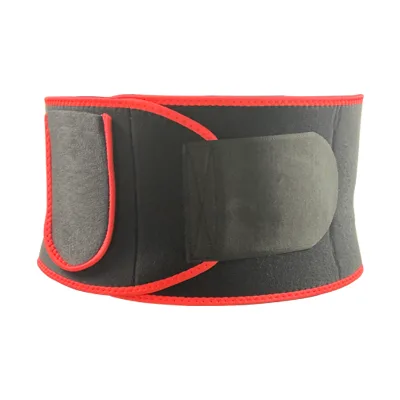
$2.45 - $2.58
MOQ: 30 pieces
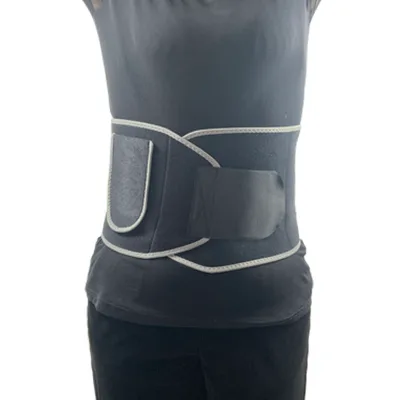
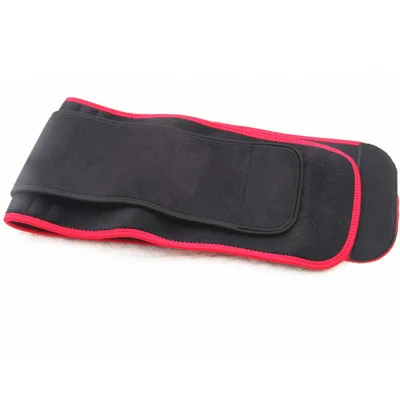
Custom Private Label Adjustable Neoprene Women's Trainer Trimmer Belt Sweat Waist Support of Class I
$6.10 - $6.16
MOQ: 50 pieces
Nantong Get Power Fitness Equipment Co., Ltd.
- Verified by TüVRheinland
- Trading Company
- Lead time30 days
- Avg. response≤ 2h
Main productsDumbbell, Barbell, Weight Plate, Power Rack, Bench
Main marketsNorthern Europe(40%), North America(20%), Southeast Asia(20%)
Yangzhou Boli Sporting Goods Co., Ltd.
- Verified by SGS Group
- Manufacturer, Trading Company
- Lead time25 days
- Avg. response≤ 4h
Main productsKnee Brace, Wrist Supports, Back Supports, Elbow Sleeve, Table Tennis Racket
Main marketsDomestic Market(40%), North America(25%), Eastern Asia(15%)
- Verified by SGS
- Trading Company
- China Zhejiang
- Lead time15 days
Main productsFitness Equipment, Trampoline, Treadmill, Dumbbell, Yoga Mat, Spinning Bike, Jump Rope, Pull up Bar, Gym Rack, Leg Press
Main marketsEurope,Australia
- Verified by TüVRheinland
- Trading Company
- Zhejiang, China
- Lead time30 days
- Avg. response≤ 2h
Main productsPilates Reformers, Treadmill, Exercise Bike, Dumbbell, Massage Guns
Main marketsNorth America(30%), South America(20%), Mid East(15%)

Hangzhou Kebo Orthopedic Rehabilitation Equipment Co.,Ltd
- Verified by SGS
- Combined
- China Zhejiang
- Lead time30 days
Main productsSpine Orthosis, Orthosis Accessories, Upper Limb Orthosis, Lower Limbs Orthosis
Main marketsSoutheast Asia/ Mideast,Europe
TONGLU HUNTER OUTDOOR PRODUCTS INC
- Verified by SGS Group
- Manufacturer, Trading Company
- Lead time20 days
- Avg. response≤ 3h
Main productsSports Protective Gear, Diving Fabric, Rubber Rain boots
Main marketsMid East(30%), South America(15%), Western Europe(15%)
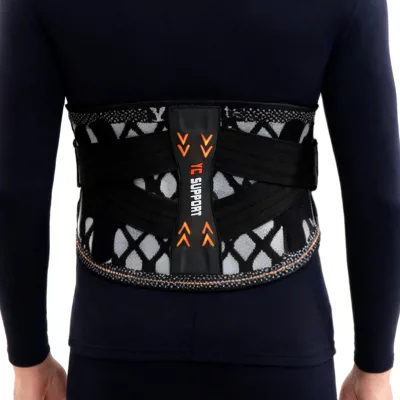
$3.59 - $3.69
MOQ: 300 pieces
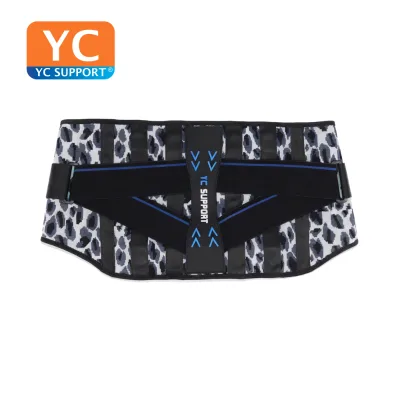
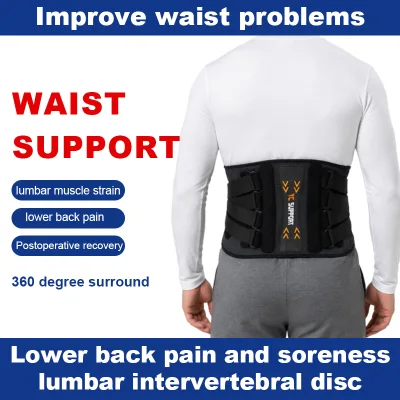
Running & Hiking Waist Belt - Lightweight Support Adjustable Compression Wrap-around Waist Support
$3.59 - $3.69
MOQ: 300 pieces
Shijiazhuang Aofeite Imp & Exp Co., Ltd.
- Manufacturer, Trading Company
- Lead time旺季: "1 - 100":31,"> 100":"To be negotiated", 淡季: "1 - 100":31,"> 100":"To be negotiated"
- Avg. response≤ 1h
Main productsKnee Brace, Lumbar Support Belt
- Verified by CTI
- Trading Company
- China Anhui
- Lead time23 days
Main productsFurniture, Home Furniture
Main marketsSoutheast Asia/ Mideast

Hengshui Jingkang Medical Device Co., Ltd.
- Manufacturer, Trading Company
- Hebei, China
- Lead time5 days
- Avg. response≤ 5h
Main productsmaternity support,lumbar support,tourmaline magnetic,crutch,arm sling
Main marketsNorth America(40.00%), South America(20.00%), Eastern Europe(15.00%), Domestic Market(5.00%)

Dongguan Prosperity Sports Goods Co., Ltd.
- Verified by SGS
- Trading Company,Manufacturer/Factory
- China Guangdong
- Lead time23 days
Main productsEVA Case, EVA Tool Bag, EVA Pouch, Neoprene Can Cooler, Knee Support, Laptop Bag, Neoprene Lunch Bag, Neoprene Beer Cooler, Ankle Support, Waterproof Dry Bag
Main marketsSouth America,Eastern Europe,Mid East,North America,Southeast Asia,Eastern Asia,Oceania,Western Europe,Africa


Detachable Elastic Waterproof Waist Support Girdle Lower Back Support Belt
$2.00 - $7.00
MOQ: 500 Pieces

Hangzhou Yale Industrial Co., Ltd.
- Verified by SGS
- Combined
- China Zhejiang
- Lead time15 days
Main productsRatchet Lashing, Webbing Sling, Polyester Woven Lashing, Composite Strap, Safety Harness, Slackline Set, Corner Protector, Safety Lanyard, Round Sling, Air Dunnage Bags
Main marketsSouth America,Southeast Asia/ Mideast,East Asia(Japan/ South Korea),Domestic,Europe,Australia

Shanghai Touch Industrial Development Co., Ltd.
- Verified by TUVRHEINLAND
- Combined
- China Shanghai
- Lead time15 days
Main productsInstant Hot Pack, Hot Cold Pack, Gel Eye Mask, Gel Ice Pack, Gel Bottle Cooler, Instant Ice Pack, Hand Warmer, Heat Pack, Cooling Scarf, Gel Beads
Main marketsSouth America,Others(foreignTradeCapacity.exportBusinessCapacityMarketOther),Southeast Asia/ Mideast,East Asia(Japan/ South Korea),Domestic,Europe,Australia,North America
Huiyuan Lantian Medical System Co., Ltd.
- Verified by SGS
- Trading Company
- China Sichuan
- Lead time23 days
Main productsInfusion Set Portable Ultrasound
Main marketsDomestic

Hebei Denovo Medical Device Co., Ltd.
- Verified by BV
- Trading Company,Manufacturer/Factory
- China Hebei
- Lead time23 days
Main productsBack Support, Knee Support, Posture Corrector, Foot Night Splint, Arm Slings, Hernia Belts, Cervical Collars, Abduction Orthosis
Main marketsSouth America,Eastern Europe,Mid East,North America,Southeast Asia,Eastern Asia,Oceania,Western Europe,Africa


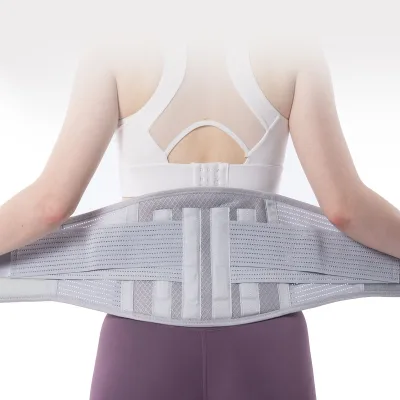
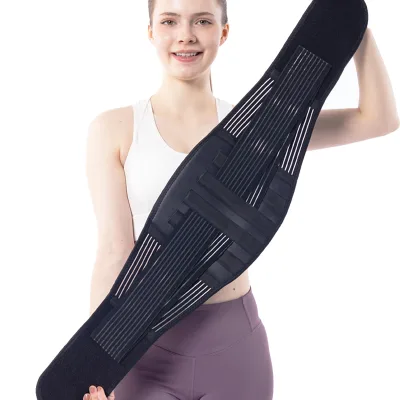
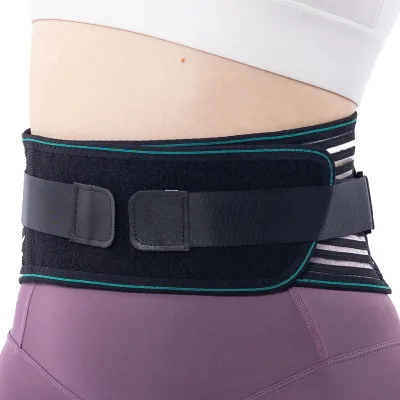
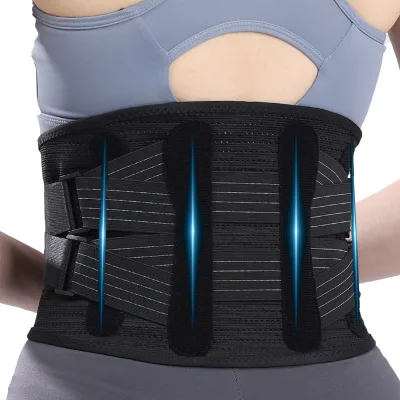


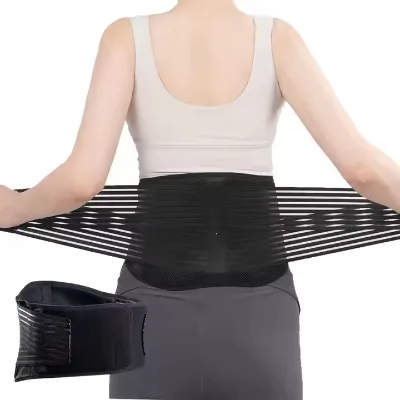
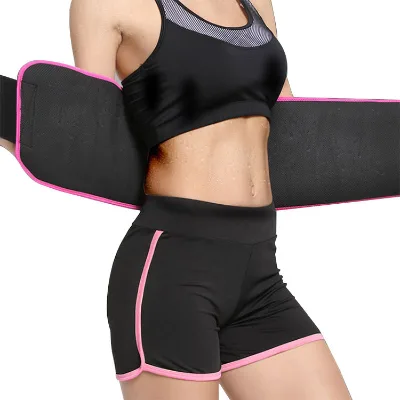
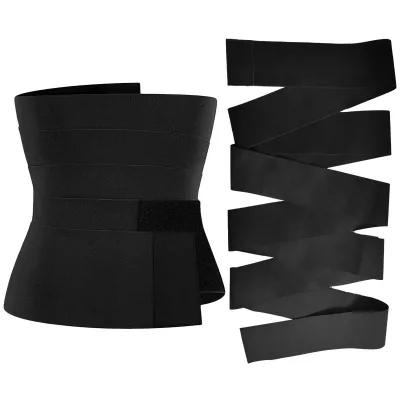
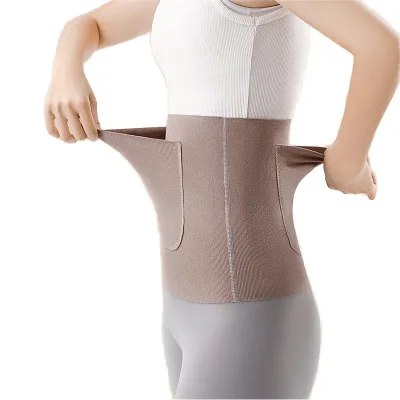






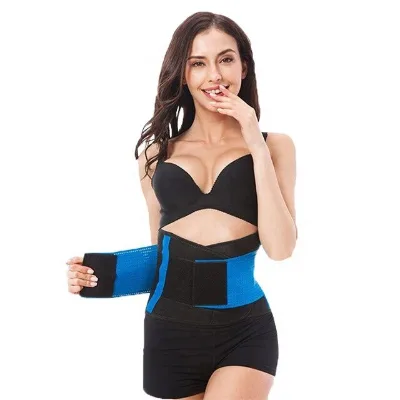


Comprehensive Sourcing Guide
Hook and Loop Waist Sweat Belt Supplier Concentration and Factory Types
Suppliers offering hook and loop waist sweat belts and related waist support products cluster in a few identifiable regions of China. Hebei province appears in the current results as a source of waist support and waist trimmer belts, including polyester-based sports pressure belts, hot-pressed warming waist belts, and lumbar support girdles. Shanghai also appears in the results, represented by a company that combines trading company and manufacturer/factory roles and lists fitness products, waist belts, massage tools, and related sporting goods among its main products. When your own search results do not disclose locations, identify clusters by filtering for the waist support product category, then examining where multiple listings originate and which provinces repeat across results.
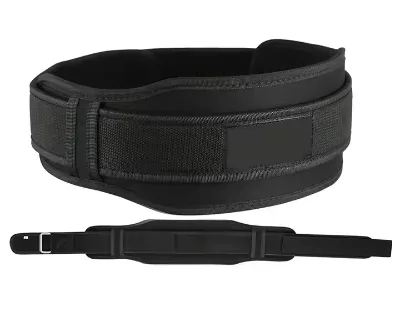
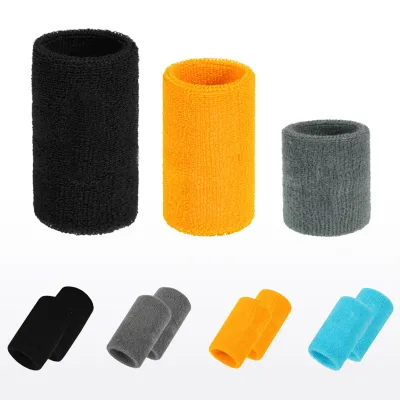
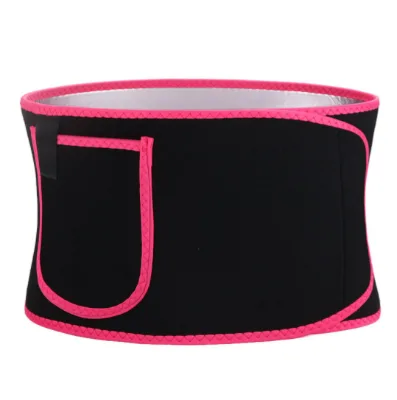
Factory types in this category fall into two broad groups. Manufacturer and manufacturer/trading company hybrids, such as the Hebei and Shanghai entries noted above, typically control cutting, sewing, and hook and loop attachment in-house or through stable subcontractors, which favors customization of closures, widths, and compression layers. Pure trading companies may aggregate several workshops and can simplify communication for mixed orders that include sweatbands, knee pads, or back support belts alongside waist belts. The results also show scope differences worth noting: one Shanghai-side listing covers a lever weight lifting belt at a higher unit price with a 500-unit MOQ, while Hebei listings cover elastic waist support belts, so confirm that a candidate actually produces the sweat-trimming, hook and loop style you need.
How to Verify Hook and Loop Waist Sweat Belt Suppliers
Verification starts with the platform-displayed credentials and extends to direct checks. In the current results, one supplier carries a third-party verification mark (BV) and a BSCI system certification, which signals audited social compliance, though you should confirm the certificate's scope and validity date directly with the supplier and, where possible, the issuing body. Location claims should be cross-checked: a Hebei listing states its place of origin at the product level, and you can confirm consistency between the company profile address and the product origin field. Company type matters as well—entries labeled "Trading Company, Manufacturer/Factory" or "Manufacturer, Trading Company" warrant a question about which operations are in-house versus subcontracted.
Beyond profile data, verify production capability for the specific construction of a hook and loop sweat belt: elastic compressive body, moisture-wicking inner layer, and durable closure attachment. Request recent photographs or video of the workshop, a sample run, and the actual model numbers—results here show models such as YS15(6), YS15(3), and YH36(5)—so you can trace which listing corresponds to which production line. Check response behavior empirically; one Hebei supplier displays a one-hour response time, which you can test by timing replies to a technical question rather than a price request. Finally, ask for export documentation experience, since sweat belts ship as soft goods and customs descriptions must match the material composition the factory declares.
What to Compare Across Hook and Loop Waist Sweat Belt Suppliers
Build a comparison table from attributes that are actually displayed, recognizing that not every supplier shows every field. Useful dimensions from the current results include: lead time, where displayed values range from about 20 days (Hebei waist support belts) to about 23 days (the Shanghai fitness-products supplier); MOQ, where Hebei listings show a one-piece minimum on some waist support models while the lever belt listing shows 500 pieces; unit pricing, spanning roughly $5.80–$7.26 for polyester waist support and warming belts versus a $25 lever lifting belt; and response time, with one supplier showing a one-hour figure. Establishment year, escrow availability, and verification status should be recorded where shown and marked "verify" where absent.
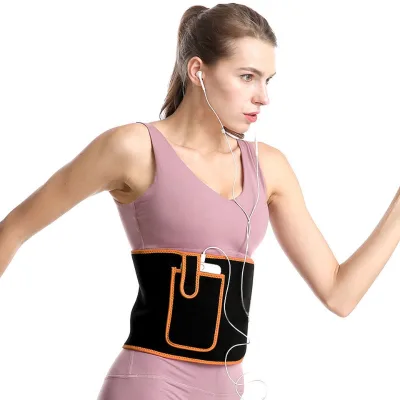
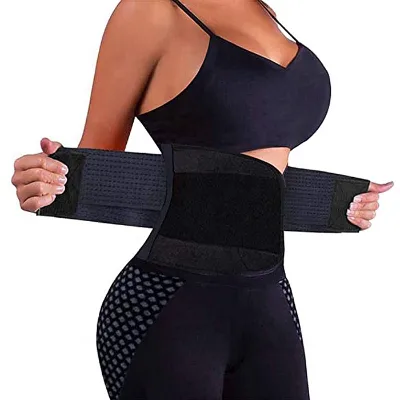
Compare product substance alongside commercial terms. Hebei listings describe sweat-absorbing, breathable polyester belts in sizes S through XXL at roughly 0.45 kg, suitable for football and basketball contexts and accepting customized logos; the Shanghai lever belt listing offers sizes S, M, X, XL with metal chain and D-ring accessories and customizable colors. Note which suppliers list customization explicitly, which declare packing formats (carton versus polybag or color box), and which publish size standards. Weight the comparison by your priorities: small trial orders favor low MOQ suppliers, while branded programs favor those documenting logo application and consistent material sourcing. Recheck all displayed values before finalizing, because listing data changes between searches.
Common Hook and Loop Waist Sweat Belt Sourcing Risks
The most common risk is closure failure. Hook and loop fasteners on sweat belts endure repeated shear loading and exposure to moisture and sweat; if the supplier uses low-grade tape, the closure loses grip within weeks. Mitigate this by specifying cycle-test expectations in writing and inspecting sample belts for stitching density at the tape attachment line, since delamination between the elastic body and the closure is a frequent defect. A second risk is material misdescription: listings in this category describe polyester bodies with breathable, sweat-absorbing properties, and a factory substitution of a cheaper non-wicking fabric is hard to detect from product photos alone.
Order-quantity and scope mismatches create further exposure. The wide MOQ spread visible in current results—one piece on some Hebei waist support models versus 500 pieces on the lever-style belt—means a buyer may assume sample-level flexibility applies universally when it does not. Confirm the MOQ for your specific model number and configuration before quoting, since variations in size runs and color splits can raise the effective minimum. Pricing risk follows: the $5.80–$7.26 range shown for support belts reflects particular materials and constructions, and quotes below that range for similar specifications may signal thinner elastic, reduced fabric weight, or omitted layers. Finally, verification gaps are a risk in themselves—absence of displayed certification or escrow does not prove a problem, but it shifts the burden of due diligence squarely onto your own inspection process.
Hook and Loop Waist Sweat Belt Regional Sourcing and Logistics
Regional context shapes both product focus and logistics. Hebei, shown in the results as the origin of waist support, warming, and trimmer belts, sits within northern China's established textile and protective-gear manufacturing corridor, with road and rail access to major northern ports—a routing advantage for sea freight of carton-packed soft goods. Shanghai, where a combined trading/manufacturer supplier of fitness products and waist belts is located, is itself a primary international port city, which simplifies consolidated container loading and can shorten inland transit before export. When locations are not disclosed in your results, infer proximity to ports by asking suppliers directly for their nearest loading port and typical inland transit days.
Lead times in the current results—roughly 20 days for Hebei waist support belts and 23 days for the Shanghai supplier—provide a baseline, but your own timeline depends on order size, customization, and seasonality. Soft goods like sweat belts compress well in cartons, so freight cost per unit is modest, though you should still request carton dimensions and units per carton to calculate container utilization. One listing specifies carton packing while another offers polybag or color box options; retail-ready packaging adds volume and weight, so decide before quoting. Air freight is viable for urgent sample or replenishment quantities given the low per-unit weight (one listed belt weighs about 0.45 kg). Confirm the supplier's experience with your destination market's labeling requirements before booking.
Hook and Loop Waist Sweat Belt Commercial Terms and Order Planning
Order planning should anchor on the concrete terms displayed in your search results, then negotiate the gaps. Where MOQ is shown as low as one piece on certain Hebei waist support models, use small initial orders to validate fit, closure durability, and sweat-absorption performance before committing to volume; where the shown minimum is 500 pieces (as with the higher-priced lever belt listing), budget for a fuller sampling and pre-production approval cycle. Price points matter for margin planning: polyester support and warming belts listed between roughly $5.80 and $7.26 serve a different market tier than the $25 lever belt, and hook and loop sweat belts will typically price according to fabric weight, elastic content, and closure grade within that broader spectrum.
Structure payments and quality gates proportionally. Where escrow or platform protection is displayed, use it; where it is not shown, ask whether the supplier accepts staged payment tied to inspection milestones. One Hebei supplier's displayed one-hour response time suggests workable communication cadence for iterative sampling, while the 20- and 23-day displayed lead times let you schedule reorders—if your sell-through supports monthly replenishment, a 20-plus-day production window means confirming next orders before current stock depletes. Confirm customized logo terms in writing, since multiple listings advertise logo acceptance but differ in method and cost. Finally, record every agreed specification—model number, size run, packing format—against the listing data so discrepancies surface before shipment rather than after.
Post-check: six level-2 sections in required order, two paragraphs each, keyword heading form preserved, no supplier names, URLs, or invented values. Word count approximately 1,390, within the 1350–1450 requirement.
FAQs
What is a Hook and Loop Waist Sweat Belt used for?
A Hook and Loop Waist Sweat Belt supports the waist during workouts, lifting, and daily activities while helping the midsection stay warm and dry. Many designs combine lumbar support, core stability, and sweat-absorbing comfort in one adjustable wrap. Buyers typically source these belts for gym, fitness, and sports protective gear lines in adult unisex sizes.
What materials are commonly used for hook and loop waist sweat belts?
Polyester is a common base material because it is breathable, elastic, and comfortable against the skin. Sweat-resistant and sweat-absorbing fabrics are often paired with durable hook and loop closures for adjustability. When comparing suppliers, confirm the exact fabric composition, closure strength, breathability claims, and whether sweat-wicking or warming properties suit your target market's climate.
What sizes should I request when sourcing waist support belts?
Most suppliers offer a standard size run such as S, M, L, XL, and XXL, though some listings show S, M, X, and XL. Request a size chart with actual measurements before ordering, since sizing conventions vary between factories. Adjustable hook and loop closures reduce sizing risk, but confirm the waist range each size covers.
Can hook and loop waist sweat belts be customized with my logo?
Yes, many manufacturers and trading companies accept customized logos, colors, and sizes on waist support belts. Product listings commonly mention customized logo acceptance and customizable color options. Provide your artwork, logo placement, and preferred packaging early, and ask whether customization affects the minimum order quantity, unit price, and production lead time.
What is a typical minimum order quantity for waist support belts?
Minimum order quantities vary widely between suppliers. Some listings for waist support belts show an MOQ of just 1 unit for sampling or trial orders, while customized or premium lever-style lifting belts can require 500 units. Confirm the MOQ for your exact specification, including customization, before requesting a formal quotation.
How long does production usually take for waist sweat belts?
Reported lead times in current supplier results range from 20 to 23 days, so planning around roughly three weeks of production is reasonable. Actual timing depends on order quantity, customization, and factory workload. Ask each supplier to confirm the lead time for your specific order in writing, including any time needed for sampling before mass production.
What price range can buyers expect for waist support belts?
Listed prices in current results range from about 5.80 to 7.26 US dollars for polyester waist support and warming belts, while a lever weight lifting waist belt lists at about 25.00 US dollars. Pricing depends on materials, closure type, features, and customization. Compare quotations for the same specification to evaluate value accurately.