IP65 Waterproof Self Ordering Kiosk Suppliers and Manufacturers
Source IP65 Waterproof Self Ordering Kiosk units from 27 verified suppliers in China. Compare grounded metrics including ISO certifications, response times, lead times, and pricing to identify suitable partners. Review detailed product specifications and request quotes directly; review the available evidence before requesting comparable quotations from suitable candidates.
Updated
Suppliers List

Guangzhou Xishida Information Technology Co., Ltd.
- Verified by CTI
- Combined
- China Guangdong
- Lead time45 days
- Avg. response≤ 3h
Main productsSelf Service Kiosk Touch Screen Kiosk
Main marketsSoutheast Asia/ Mideast,Domestic,Europe,North America


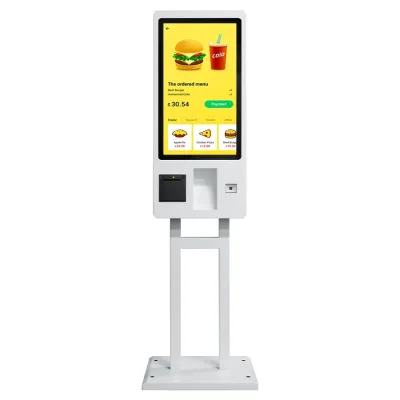
Intelligent Customizable and Durable Flexible Self-Service Ordering Kiosk
$459.00 - $659.00
MOQ: 1 pieces

Shanghai Senke Electronic Technology Co., Ltd.
- Verified by SGS
- Combined
- China Shanghai
- Lead time30 days
- Avg. response≤ 8h
Main productsAll in One PC, Digital Signage, LCD Monitor, Industrial Panel PC, Outdoor Digital Signage, LCD Video Wall, Touch Screen Kiosk, Digital Interactive Whiteboard, LCD Transparent Showcase, LCD Digital Shelf Display
Main marketsSoutheast Asia/ Mideast,Domestic,Europe


Digital Self Order Touch Screen Self Order Kiosk for Fast Restaurant Payments
$449.00 - $489.00
MOQ: 1 Pieces

$449.00 - $489.00
MOQ: 1 Pieces

Fast Food Self-Order Kiosk Touch Screen Self-Service Ordering Kiosk for Restaurants
$449.00 - $489.00
MOQ: 1 Pieces

Shenzhen Dinosaur Display Co., Ltd.
- Verified by SGS
- Trading Company,Manufacturer/Factory
- China Guangdong
- Lead time15 days
- Avg. response≤ 3h
Main productsDisplay, Digital Signage, Interactive Whiteboard, Smart Touch Table, Vido Wall, Payment Kiosk
Main marketsSouth America,Eastern Europe,Mid East,North America,Southeast Asia,Eastern Asia,Oceania,Western Europe,Africa


Smart Ordering Self Service Interactive Capacitive Touch Terminal Kiosk
$339.00 - $397.00
MOQ: 1 units


15.6 Inch Quick Self-Checkout Versatile Interactive Payment Self Ordering Kiosk
$339.00 - $397.00
MOQ: 1 units


- Verified by TUVRHEINLAND
- Trading Company,Manufacturer/Factory
- China Guangdong
- Lead time23 days
- Avg. response≤ 4h
Main productsTablet, All in One PC, Laptops, Mini PC, Rugged Tablet, Interactive Whiteboard, Industrial Tablet PC, Koisk
Main marketsSouth America,Eastern Europe,Mid East,North America,Southeast Asia,Eastern Asia,Oceania,Western Europe,Africa


$368.00 - $398.00
MOQ: 1 Pieces

Guangzhou Touchwo Electronics Co., Ltd.
- Verified by SGS
- Combined
- China Guangdong
- Lead time15 days
- Avg. response≤ 6h
Main productsAll in One PC, Touch PC, Face Recognition Device, Touch Screen Panel, Touch Screen Tablet, Industrial Flat Panel, Payment Kiosk, Self-Service Enquiry Machine, Ordering Kiosk
Main marketsEast Asia(Japan/ South Korea),Europe,North America


Wholesale 21.5 Inch Touch Screen Kiosk Self Ordering Kiosk for Restaurant
$499.00 - $799.00
MOQ: 1 Pieces

Shenzhen Jia Cheng Electric Co., Ltd.
- Verified by SGS
- Combined
- China Guangdong
- Lead time15 days
- Avg. response≤ 12h
Main productsIndustrial Wire Harness, Automatic Wire Harness, Medical Wire Harness, Electrical Cabinet-Group, PCBA-Group, Mechanical Fabrication-Group, Smart POS Terminal-Group, Table POS, Ice Maker-Group, Kiosk-Group
Main marketsDomestic,Europe,Australia,North America

$750.00 - $1000.00
MOQ: 1 Pieces

Mall Ordering Kiosk with Printer Scanner Touch Screen Self Checkout Kiosk Self-Ordering
$750.00 - $1000.00
MOQ: 1 Pieces

Hot Sale Self-Service Terminal Payment Printing Self Ordering Kiosk for Touch Screen Monitor
$750.00 - $1000.00
MOQ: 1 Pieces
Shenzhen Layson Optoelectronics Co., Ltd.
- Manufacturer
- Guangdong, China
- Lead time5 days
- Avg. response≤ 2h
Main productstouch screen,digital signage,AD player,LCD display,interactive touch kiosk
Main marketsNorth America(20.00%), Mid East(15.00%), Northern Europe(10.00%), Eastern Asia(10.00%), Eastern Europe(10.00%), Africa(5.00%), Central America(5.00%), Western Europe(5.00%), Southern Europe(5.00%), South America(5.00%), South Asia(5.00%), Southeast Asia(3.00%), Oceania(2.00%)
Shenzhen Lean Kiosk Systems Co., Ltd.
- Manufacturer, Trading Company
- Lead time旺季: "1 - 1":7,"> 1":"To be negotiated", 淡季: "1 - 1":7,"> 1":"To be negotiated"
- Avg. response≤ 2h
Main productsSelf Service Kiosk, Self Ordering Kiosk, Parking Payment Kiosk, Self Service Printing Kiosk, Smart Vending Machines
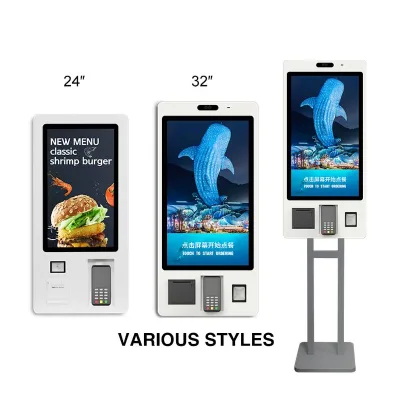
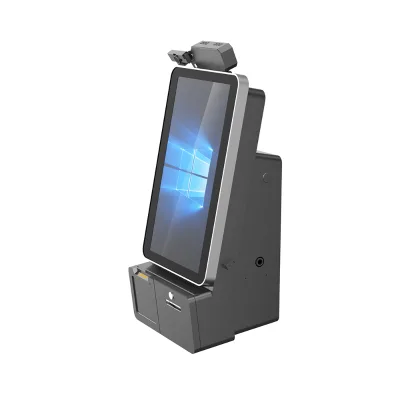
High Quality Self Order Check Out Payment Kiosk
$390.00 - $650.00

Shenzhen Grandtop Electronics Co., Ltd.
- Trading Company,Manufacturer/Factory
- China Guangdong
- Lead time30 days
- Avg. response≤ 3h
Main productsPCB Assembly, Robotic Control PCB Assembly, Industrial Control PCBA, Medical PCBA, Financial PCBA, Contract Manufacturer, Automatic Control PCB Assembly, OEM &ODM PCBA, Turnkey Service PCBA, One Stop PCB Assembly
Main marketsSouth America,Eastern Europe,Mid East,North America,Southeast Asia,Eastern Asia,Western Europe,Africa
Shenzhen Mercedes Technology Co., Ltd.
- Manufacturer, Trading Company
- Lead time旺季: "1 - 1":21,"2 - 31":30,"> 31":"To be negotiated", 淡季: "1 - 1":21,"2 - 31":30,"> 31":"To be negotiated"
- Avg. response≤ 2h
Main productsLCD Digital Signage, Touch Screen Kiosk, Self Service Kiosk, LCD Video Wall, Outdoor Advertising Kiosk
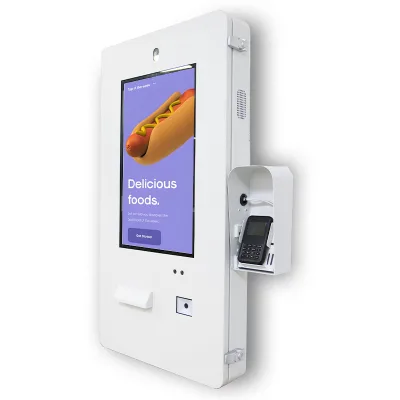
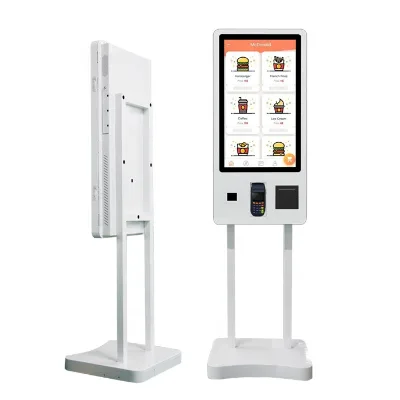
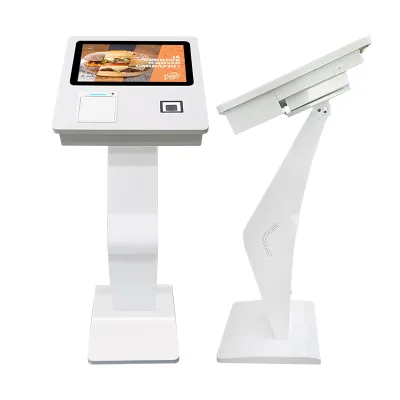
$505.00 - $515.00
MOQ: 1 Minimum
Shenzhen Aonpos Technology Co., Ltd.
- Manufacturer
- Guangdong, China
- Lead time0 days
- Avg. response≤ 2h
Main productsPos system,Touch monitor,Self-service kiosk,Thermal printer,Bacode scanner
Main marketsNorth America(30.00%), Eastern Europe(20.00%), Mid East(20.00%), Africa(10.00%), South America(10.00%), Eastern Asia(5.00%), Southeast Asia(5.00%)
- Manufacturer, Trading Company
- Lead time旺季: "1 - 100":15,"> 100":"To be negotiated", 淡季: "1 - 100":15,"> 100":"To be negotiated"
- Avg. response≤ 2h
Main productsDigital Signage, Floor Stand Kiosk, Wall Mounting Displays, Interactive Whiteboard, Cloud Digital Photo Frame
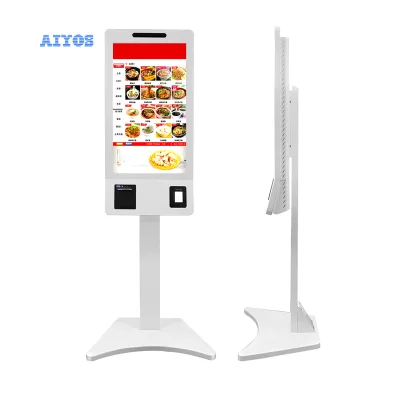
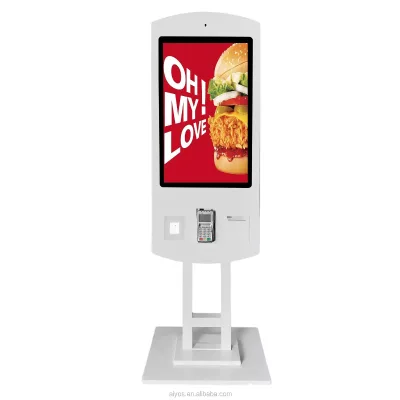
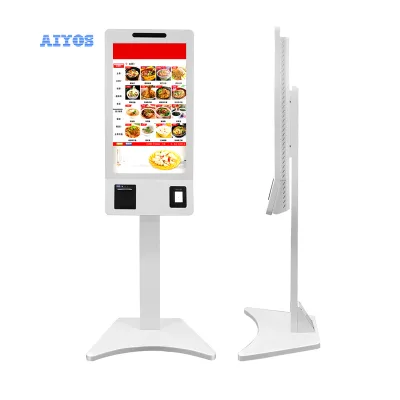
21.5 Inch Touch Screen Payment Kiosk Self Service Kiosk With Thermal Printer and QR Scanner
$1135.4356 - $1156.0983
MOQ: 1 pieces

Shenzhen Lirsen Technology Co., Ltd.
- Manufacturer, Trading Company
- Guangdong, China
- Lead time15 days
- Avg. response≤ 6h
Main productsAdvertising Equipment,Indoor and Outdoor Touch Totem,Indoor and Outdoor Touch Kiosk,Industrial Touch pc and Monitor,LCD & LED related products
Main marketsNorth America(38.00%), Western Europe(12.00%), Oceania(12.00%), Eastern Europe(9.00%), Southern Europe(8.00%), Northern Europe(7.00%), Domestic Market(4.00%), Mid East(3.00%), Southeast Asia(2.00%), Eastern Asia(1.00%), South Asia(1.00%), South America(1.00%), Africa(1.00%), Central America(1.00%)

Shenzhen Eaglash Tech Co., Ltd.
- Verified by BV
- Combined
- China Guangdong
- Lead time23 days
- Avg. response≤ 1h
Main productsSelf Service Kiosk
Main marketsDomestic
Shenzhen Insovision Technology Co., Ltd.
- Manufacturer
- Lead time旺季: "1 - 50":15,"51 - 200":30,"> 200":"To be negotiated", 淡季: "1 - 50":15,"51 - 200":30,"> 200":"To be negotiated"
- Avg. response≤ 3h
Main productspayment kiosk,digital signage,digital calendar,LED Display,Oled Transparent Screen
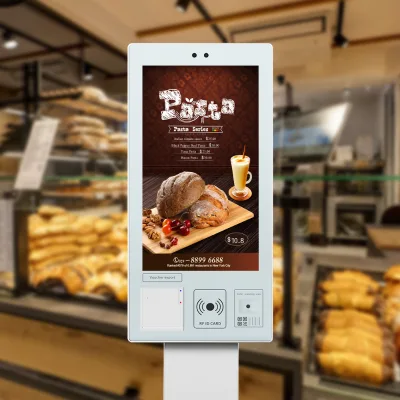
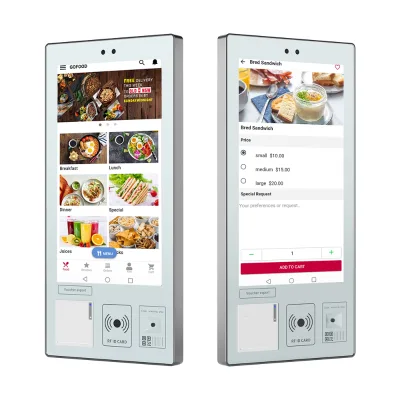
$307.428 - $410.2466
MOQ: 1 units
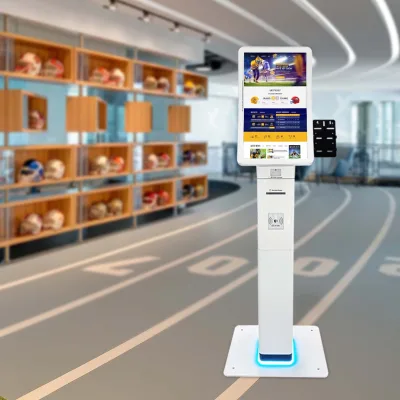
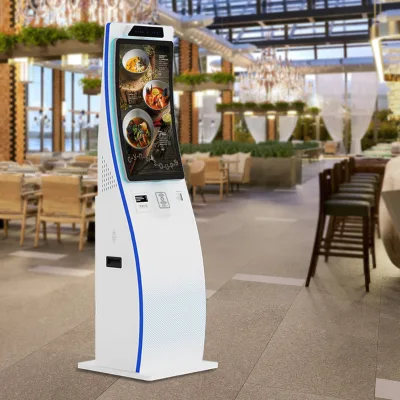
$750.00 - $2000.00
MOQ: 1 units
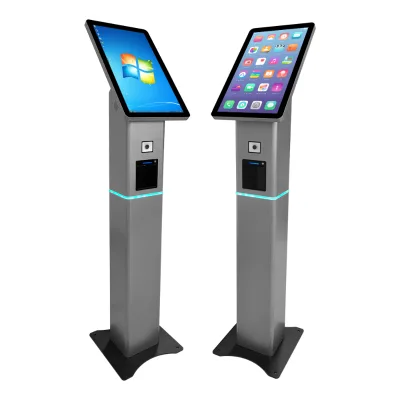
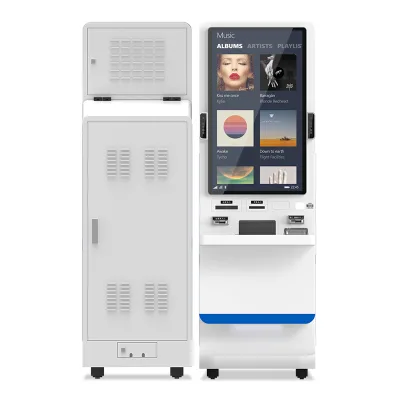
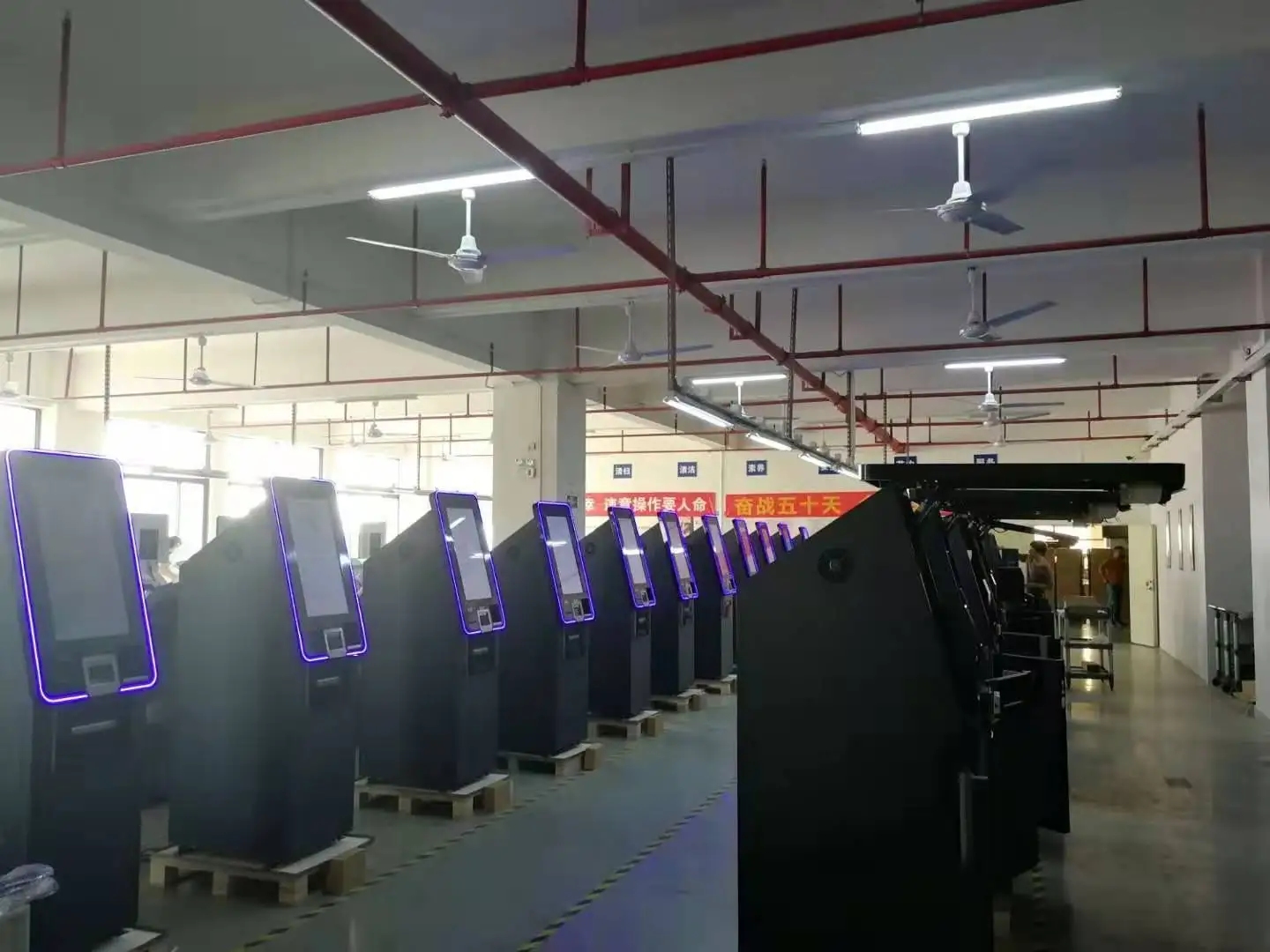
Shenzhen Hongzhou Zhineng Technology Co., Ltd.
- Manufacturer
- Guangdong, China
- Lead time30 days
- Avg. response≤ 7h
Main productsself servcie kiosk,self-ordering kiosk,Hotel check-in kiosk,Currency Exchange Kiosk,BTC ATM
Main marketsDomestic Market(43.00%), North America(11.00%), Southeast Asia(9.00%), South America(8.00%), Mid East(6.00%), Western Europe(5.00%), Oceania(4.00%), Eastern Europe(3.00%), Eastern Asia(3.00%), Northern Europe(2.00%), Africa(2.00%), South Asia(1.50%), Southern Europe(1.50%), Central America(1.00%)
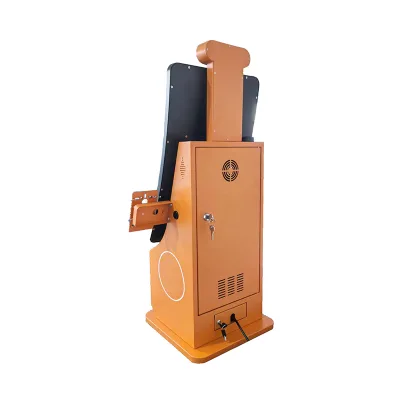
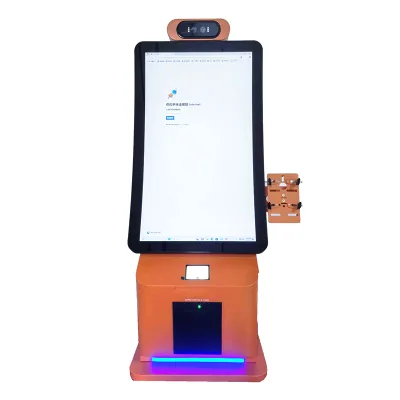
Posiflex Curved Touchscreen Terminal Self Ordering Kiosk with Real-time Kitchen Display System
$650.00 - $1250.00
MOQ: 10 units
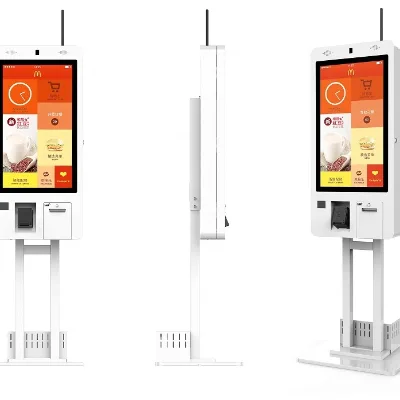
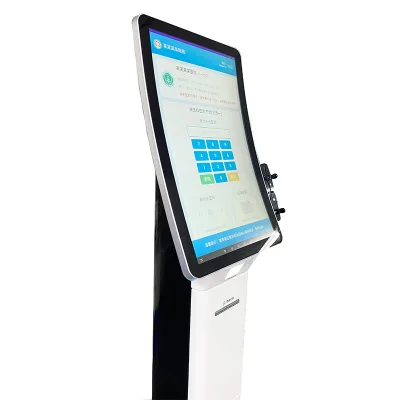
Curved P-CAP Touchscreen Self Ordering Kiosk with Retail Self-payment Station System
$680.4765 - $1308.608
MOQ: 10 units
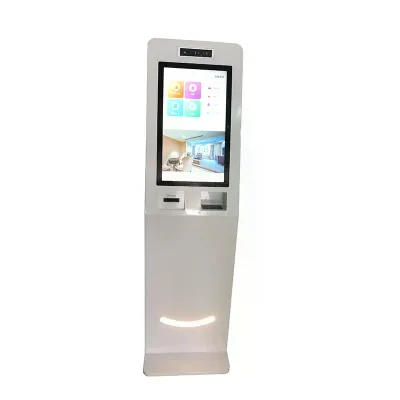
$942.6835 - $1690.682
MOQ: 10 units
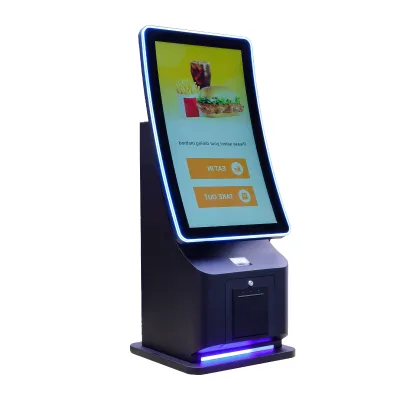
$920.00 - $1650.00
MOQ: 10 units
Hebei Chuangying Intelligent Technology Co., Ltd.
- Verified by SGS Group
- Manufacturer, Trading Company
- Lead time15 days
- Avg. response≤ 2h
Main productsCommercial Robots, Vending Machines, Digital Signage and Displays, Self Service Kiosk
Main marketsDomestic Market(70%), North America(5%), South America(5%)
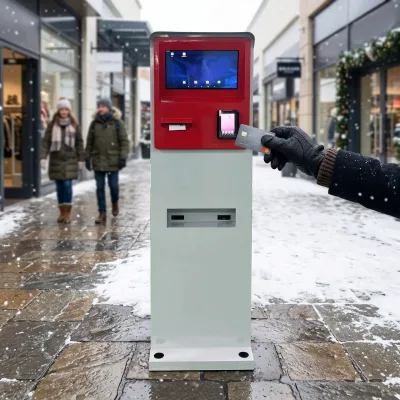
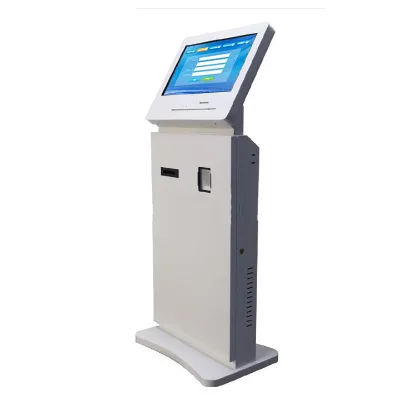
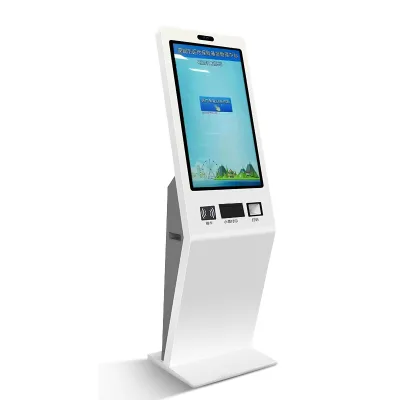
Easy to Operate Self Service Kiosk for Bank/hospital Multifunction Self Service Print Kiosk
$668.6716 - $823.2189
MOQ: 1 pieces
Shenzhen Chuangweida (cwd) Electronic Technology Co., Ltd.
- Verified by TüVRheinland
- Manufacturer, Trading Company
- Lead time20 days
- Avg. response≤ 1h
Main productsOutdoor Digital Signage, LCD Screen, LED Display, Drive Thru Kiosk, EV Charger Station
Main marketsEastern Europe(35%), North America(13%), Mid East(10%)
Shenzhen Guangshengfeng Technology Co., Ltd
- Manufacturer
- Guangdong, China
- Lead time15 days
- Avg. response≤ 2h
Main productsFloor stand digital signage,Wall mounted digital signage,Stretched bar LCD display,Advertising display screen,Three-screen advertising machine
Main marketsMid East(10.00%), Southern Europe(10.00%), Northern Europe(10.00%), Central America(10.00%), Western Europe(10.00%), South America(10.00%), North America(10.00%), South Asia(5.00%), Oceania(5.00%), Africa(5.00%), Southeast Asia(5.00%), Eastern Europe(5.00%), Eastern Asia(5.00%)
Guangzhou Taiyun Tech Co., Ltd.
- Verified by SGS Group
- Manufacturer, Trading Company
- Lead time10 days
- Avg. response≤ 10h
Main productsSelf Ordering Kiosk, Self Service Terminals, Interactive Panels, Digital Signage
Main marketsNorth America(30%), Western Europe(15%), South America(13%)
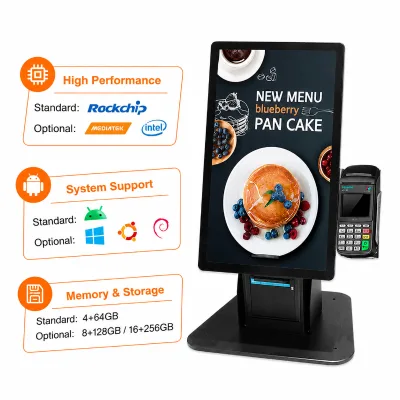
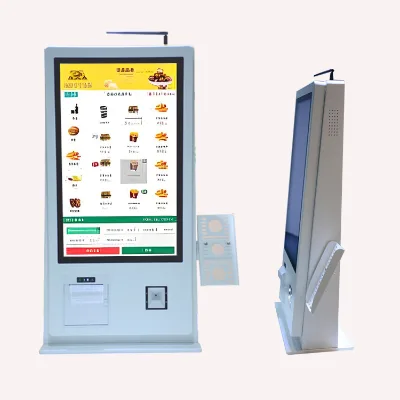
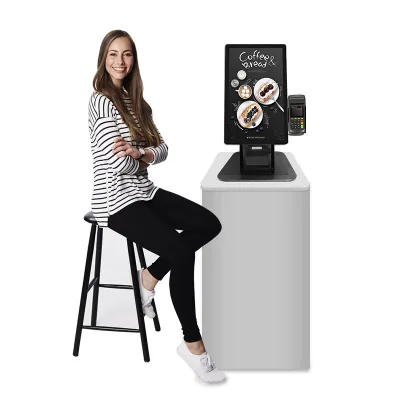
QSR Self Service Food Ordering Payment Kiosks Desktop
$500.00 - $650.00
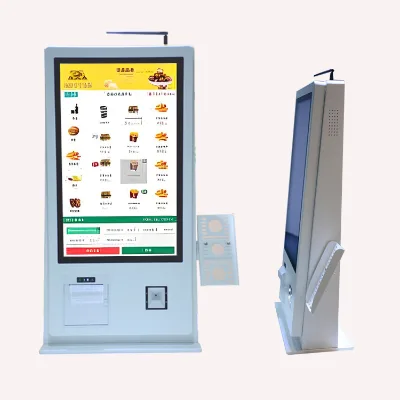
$377.5739 - $387.7782
MOQ: 1 pieces
Shenzhen E-Star Information Technology Co., Ltd.
- Manufacturer, Trading Company
- Guangdong, China
- Lead time15 days
- Avg. response≤ 2h
Main productsSelf-service Kiosk, Payment Kiosk, Hotel Kiosk, Parking Kiosk
Main marketsNorth America(50.00%), Western Europe(20.00%), Mid East(10.00%), Southeast Asia(10.00%), Southern Europe(5.00%), Eastern Europe(5.00%)
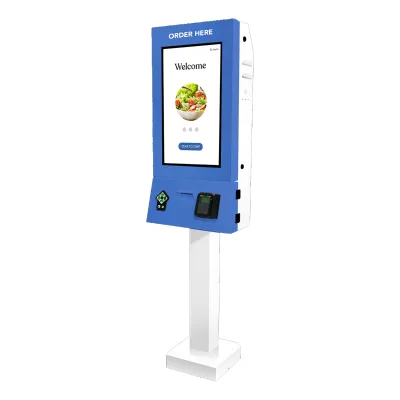
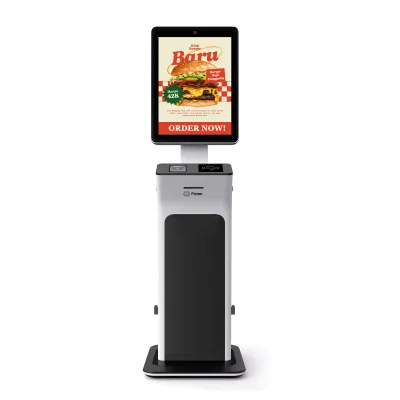
OEM 24 Inch Fast Food Order Kiosk with NFC/Card Payment and Thermal Printer
$599.00 - $1199.00
MOQ: 1 pieces
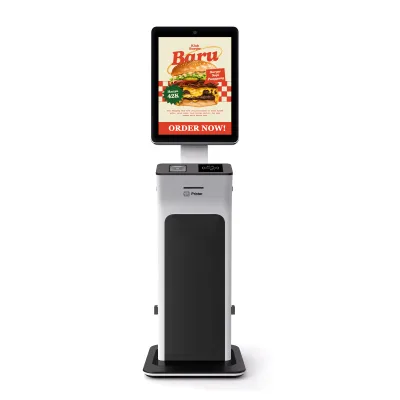
Customized 24 Inch Restaurant POS Kiosk with Multi-Language and Auto Receipt Printer
$599.00 - $1199.00
MOQ: 1 pieces
Shenzhen Mercedes Technology Co., Ltd.
- Verified by SGS Group
- Manufacturer, Trading Company
- Lead time3 days
- Avg. response≤ 2h
Main productsLCD Digital Signage, Touch Screen Kiosk, Self Service Kiosk, LCD Video Wall, Outdoor Advertising Kiosk
Main marketsNorth America(20%), Eastern Europe(16%), Southeast Asia(12%)
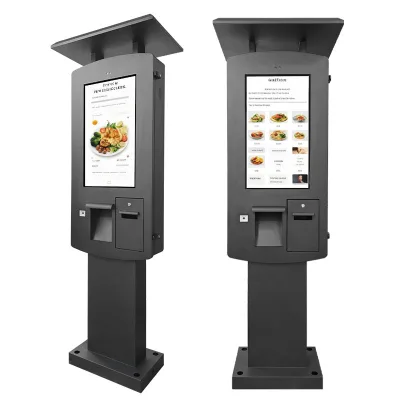
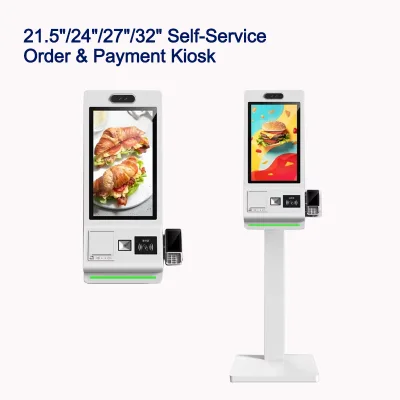
$1185.5276 - $1229.5863
MOQ: 1 pieces

iMGS Smart Glass Technologies(Fujian)Co., Ltd.
- Verified by TUVRHEINLAND
- Combined
- China Fujian
- Lead time15 days
- Avg. response≤ 4h
Main productsAdvertising Machine, LCD Display, LCD Screen, Traditional Screen, Touch Screen, LED Screen, Kiosk, Digital Signage, Smart TV
Main marketsDomestic

55 Inch Self Service Payment Ordering Kiosk Multi-Point Interactive Touch Screen Kiosk
$460.00 - $980.00
MOQ: 2 Pieces

Shenzhen Letine Technology Co., Ltd.
- Manufacturer, Trading Company
- Lead time旺季: "1 - 100":15,"> 100":"To be negotiated", 淡季: "1 - 100":15,"> 100":"To be negotiated"
- Avg. response≤ 1h
Main productsAdvertising Player, ODM Tablet pc, ODM Motherboard, Interactive Boards, Industrial Tablet PC
Shenzhen Itouch Kiosk Technology Co., Ltd.
- Manufacturer, Trading Company
- Guangdong, China
- Lead time15 days
- Avg. response≤ 2h
Main productsself service kiosk,digital signage,payment kiosk,customize kiosk,Interactive Whiteboard
Main marketsNorth America(28.00%), South America(10.00%), Mid East(8.00%), Oceania(8.00%), Northern Europe(7.00%), Western Europe(7.00%), Africa(7.00%), Southeast Asia(6.00%), Southern Europe(6.00%), Domestic Market(5.00%), Eastern Europe(5.00%), South Asia(3.00%)
Jiangsu Hanbang Intelligent System Integration Co., Ltd.
- Manufacturer, Trading Company
- Jiangsu, China
- Lead time15 days
- Avg. response≤ 2h
Main productsLCD Advertising Display/ AR Virtual Dressing Equipment/Electronic Newspaper Reading Boardg Equipment,All-in-one Conference and Teaching Display,Smart Trails Display,Smart Waste Bin
Main marketsDomestic Market(94.00%), South America(1.00%), Western Europe(1.00%), Eastern Asia(1.00%), Mid East(1.00%), Southeast Asia(1.00%), Eastern Europe(1.00%)
18.5 21.5 Inch Self Ordering Kiosk With Touch Screen Qr Code for Efficient Restaurant Management
$620.00 - $680.00
MOQ: 1 pieces

Shenzhen Diversity Kiosk Technology Co., Ltd.
- Verified by BV
- Combined
- China Guangdong
- Lead time45 days
- Avg. response≤ 12h
Main productsPayment Kiosk, ATM Machine, Cash Machine, Ordering Kiosk, Crypto ATM, Pay Station, Car Wash System, Betting Machine, Casino ATM, Healthcare Kiosk
Main marketsAfrica,Southeast Asia/ Mideast,Europe,Australia,North America

Self Ordering Kiosk Unattended Terminal Kiosk Self Checkout Cash Payment
$2000.00 - $8000.00
MOQ: 1 Pieces






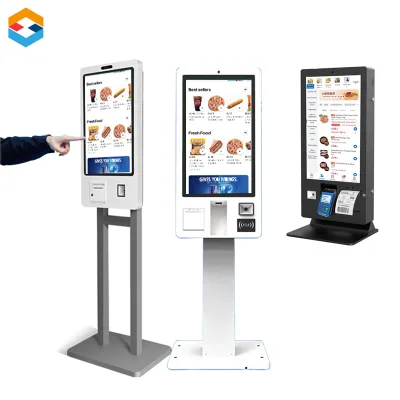
Comprehensive Sourcing Guide
IP65 Waterproof Self Ordering Kiosk Supplier Concentration and Factory Types
Current supplier data indicates a concentration of manufacturing capabilities within China, specifically highlighting Guangdong and Shanghai as key operational hubs for this equipment category. Fact records show specific facility locations in Guangdong, where companies list main products including self-service kiosk touch screens and intelligent face recognition ordering units. Another cluster is identified in Shanghai, where suppliers focus on broader digital signage and interactive whiteboard solutions alongside touch screen kiosks. These regional clusters suggest a supply chain ecosystem where component sourcing and assembly are geographically proximate, potentially influencing logistics efficiency and communication speed for buyers seeking waterproof ordering terminals.
The supplier landscape includes a mix of combined entity types, with some operating as trading companies and others functioning as manufacturers or factories. Evidence confirms that certain entities possess ODM, OEM, and own-brand capabilities, indicating they can handle custom design and production rather than just reselling standard inventory. This distinction is critical when sourcing specialized waterproof units, as manufacturers with in-house R&D capacity are better positioned to engineer IP65-rated enclosures and internal sealing. Buyers should verify if a supplier's primary business model aligns with their need for custom waterproofing solutions, as trading companies may offer limited flexibility regarding structural modifications or specific environmental protection standards.
How to Verify IP65 Waterproof Self Ordering Kiosk Suppliers
Verification of supplier credibility relies heavily on third-party audit results and system certifications found in the current data. Several suppliers have undergone verification by agencies such as CTI and SGS, providing an external layer of trust regarding their business operations and product quality. Additionally, system certifications like ISO14001:2015 and ISO9001:2015 are present in the records, signaling adherence to environmental management and quality assurance standards. While these certifications do not explicitly guarantee IP65 waterproofing performance, they indicate a structured approach to manufacturing processes that is essential for producing durable, weather-resistant equipment. Buyers must treat these credentials as foundational indicators of operational maturity rather than direct proof of specific product ratings.
Response time metrics offer another tangible method for assessing supplier reliability and engagement levels. The observed data shows response times ranging from approximately 2.36 to 7.25 hours, with some suppliers demonstrating faster communication capabilities. A shorter response time often correlates with a more active sales team and a streamlined internal process for handling inquiries, which is vital when discussing technical specifications for waterproofing. However, buyers should not assume that a fast response guarantees product suitability; instead, use this metric to filter for suppliers who are actively managing their accounts. It is essential to cross-reference these response speeds with the supplier's stated lead times and capacity to ensure they can meet project deadlines without compromising on the rigorous testing required for IP65-rated devices.
What to Compare Across IP65 Waterproof Self Ordering Kiosk Suppliers
When evaluating potential partners, lead time is a primary dimension for comparison, as it directly impacts project scheduling and inventory planning. The available data reveals significant variation in production schedules, with lead times recorded at 15, 30, and 45 days depending on the supplier. A shorter lead time of 15 days suggests a more agile production line or higher inventory levels of standard components, whereas a 45-day window may indicate a custom manufacturing process or a longer queue. Buyers must align these timelines with their specific deployment schedules, understanding that expedited orders for waterproof units might require additional costs or specific component availability that is not immediately visible in the initial listing.
Minimum Order Quantity (MOQ) and pricing structures also require careful scrutiny to determine financial feasibility and scalability. Current records indicate an MOQ of 1 unit for certain products, offering flexibility for small-scale pilots or specific custom orders. Pricing ranges vary widely, with some units listed between $339 and $397, while others range from $459 to $659, and higher-end models reaching up to $1500. These price differences likely reflect variations in screen size, operating system, and the complexity of the waterproofing engineering. Buyers should compare these figures against the specific technical requirements of their project, ensuring that the lower-cost options still meet the necessary durability standards for outdoor or high-moisture environments without compromising on the IP65 rating.
Common IP65 Waterproof Self Ordering Kiosk Sourcing Risks
One significant risk involves the discrepancy between general product listings and specific environmental protection claims. While many suppliers list certifications such as CE, RoHS, and CCC, these standards primarily address electrical safety and environmental compliance rather than ingress protection ratings. The IP65 rating specifically denotes protection against dust and low-pressure water jets, a feature that must be explicitly verified through product specifications or test reports. Relying solely on general certifications without confirming the specific IP rating can lead to equipment failure in wet conditions. Buyers must request detailed technical datasheets that explicitly state the IP65 compliance for the specific model being ordered, rather than assuming it applies to the entire product line.
Another risk pertains to the customization capabilities and the supply chain stability for specialized components. Although some suppliers list ODM and OEM capacities, the ability to customize the enclosure for waterproofing while maintaining internal functionality requires precise engineering. If a supplier claims customization is available but lacks the specific R&D capacity for sealing technologies, the final product may fail to meet the required standards. Furthermore, the reliance on specific components like LG LCD panels or specific operating systems can create bottlenecks if supply chain disruptions occur. Buyers should assess the supplier's track record for delivering customized waterproof units and verify their ability to source critical components consistently to avoid delays or quality compromises.
IP65 Waterproof Self Ordering Kiosk Regional Sourcing and Logistics
Geographic location plays a pivotal role in determining shipping costs and delivery timelines for heavy industrial equipment like self-ordering kiosks. The data confirms that major manufacturing hubs are located in Guangdong and Shanghai, both of which are coastal regions with established port infrastructure. Sourcing from these locations can facilitate efficient export logistics, but buyers must account for the distance to their final destination. Products originating from Guangdong may have different shipping routes compared to those from Shanghai, potentially affecting transit times and freight costs. Understanding the specific origin of the unit is essential for accurate logistics planning, as inland destinations may incur additional handling fees or require transshipment through major ports.
Packaging standards are another critical logistical factor that influences the safety of the equipment during transit. Records indicate that products are shipped in wooden boxes, wooden cases, or cartons, with specific weight limits noted, such as 45kg or 35kg. For waterproof kiosks, the packaging must be robust enough to protect the sensitive internal electronics and the integrity of the sealing during rough handling. Buyers should verify that the packaging method aligns with the weight and dimensions of the specific model to prevent damage during shipping. Additionally, the choice of packaging material can impact customs clearance and environmental compliance in the destination country, making it a key consideration for international procurement strategies.
IP65 Waterproof Self Ordering Kiosk Commercial Terms and Order Planning
Commercial terms regarding warranty and after-sales support are essential for managing long-term operational risks associated with outdoor equipment. Some suppliers in the current data offer a warranty period of three years for non-artificial damages, which provides a baseline for expected product longevity. However, the specific terms of this warranty must be clarified, particularly regarding coverage for water damage or environmental wear and tear. Buyers should ensure that the warranty explicitly covers the IP65-rated components and that the supplier has a clear process for handling claims related to sealing failures or water ingress. This clarity is vital for budgeting maintenance costs and ensuring business continuity in critical service environments.
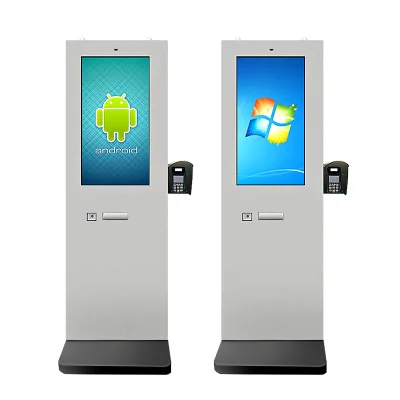
Order planning must also account for the specific attributes of the product, such as operating systems and optional functions like cameras, printers, or NFC readers. The data shows that units may run on Android or Windows, and customization is available for various features. When placing an order, buyers need to confirm that the selected configuration supports the necessary software integrations for their specific use case. Furthermore, the availability of spare parts and the lead time for replacements should be discussed before finalizing the contract. A comprehensive order plan should include a timeline for software deployment, hardware installation, and a contingency strategy for potential supply chain delays, ensuring a smooth transition from procurement to full-scale operation.
FAQs
What is the price range for self-ordering kiosks?
Prices for self-ordering kiosks typically range from $339 to $1500 depending on specifications. Basic models start around $339, while advanced units with face recognition or larger screens cost up to $1500. Buyers should verify exact pricing based on customization needs and order volume to ensure accurate budgeting for their specific project requirements.
What certifications do these kiosks hold?
Manufacturers commonly provide CE, RoHS, CCC, and ISO certifications for their self-ordering kiosks. Some suppliers also hold ISO14001:2015 or ISO9001:2015 system certificates. These certifications ensure compliance with international safety and quality standards. Buyers should request specific certificate copies to verify that the equipment meets local regulatory requirements for commercial deployment.
What is the typical lead time for production?
Production lead times generally range from 15 to 45 days depending on the supplier and order complexity. Some manufacturers offer faster turnaround times of 15 days, while others may require up to 45 days for standard orders. Buyers should confirm specific delivery schedules with suppliers early in the negotiation process to align with their project launch timelines effectively.
Is customization available for these kiosks?
Yes, customization is widely available for self-ordering kiosks. Suppliers offer OEM, ODM, and own-brand services to tailor hardware and software features. Buyers can request specific screen sizes, operating systems like Android or Windows, and additional modules such as printers or scanners. This flexibility allows businesses to match kiosks precisely to their operational workflows and branding guidelines.
What is the minimum order quantity required?
The minimum order quantity for self-ordering kiosks is often just one unit. Many suppliers accept single-unit orders, making it easy for businesses to test products before scaling up. This low MOQ reduces initial investment risk and allows buyers to evaluate performance and quality in real-world conditions before committing to larger bulk purchases for full deployment.
Where are these kiosks manufactured?
Most self-ordering kiosks are manufactured in China, specifically in regions like Guangdong and Shanghai. These areas are known for strong electronics manufacturing ecosystems and supply chain efficiency. Buyers should verify the exact production location to assess logistics costs and potential shipping times, ensuring that the manufacturing base aligns with their global distribution and operational needs.