Source Customized Metal Candy Display Stand for Retail
Find 30 Customized Metal Candy Display Stand options for supermarkets, exhibition shows, and specialty stores. Compare features like waterproof construction, easy assembly, and recycled materials from Xiamen-based manufacturers offering ISO9001 and SGS certifications; compare the available evidence and request quotations based on your requirements.
Updated
Key considerations
Products List


Soft Candy Snack Retail Display Stand with a Floor-Standing Metal Frame
$25.00 - $30.00
MOQ: 100 Pieces

Light Duty Wire Mesh Snacks Display Stand Candy and Cookies Display Rack
$130.00 - $155.00
MOQ: 200 Pieces

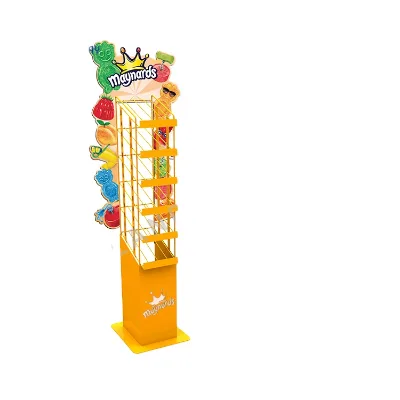
Customized stand floor metal rack candy / popular display shelf for sweets
$21.00 - $29.00
MOQ: 100 Minimum
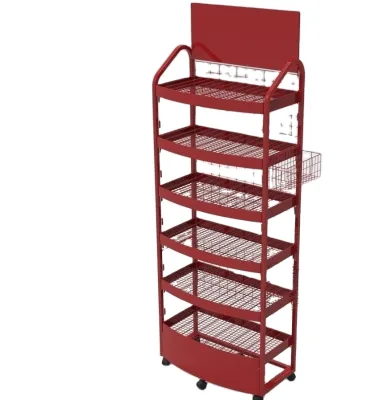
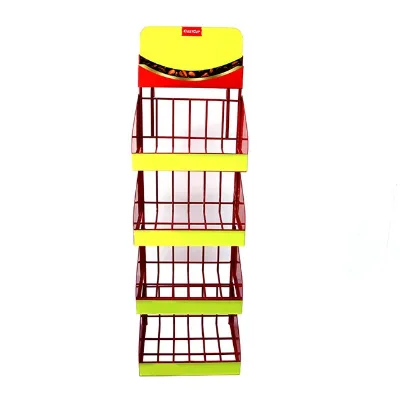
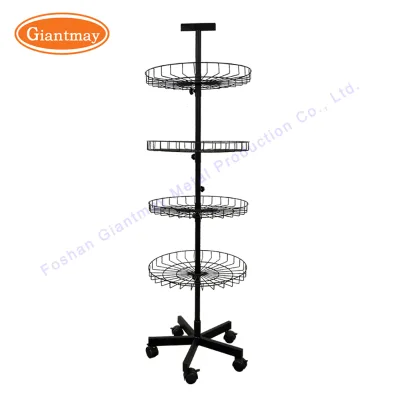
Customized Higrh Quality Supermarket Retail Store Chocolate and Candy Metal Display Stand
$30.7727 - $51.2934
MOQ: 50 Minimum
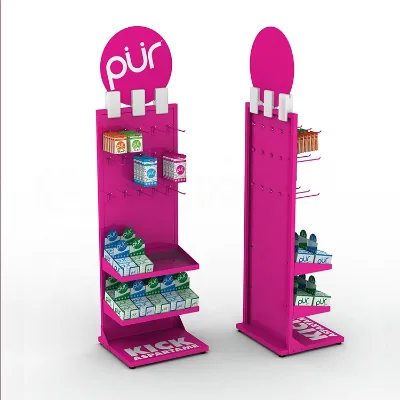
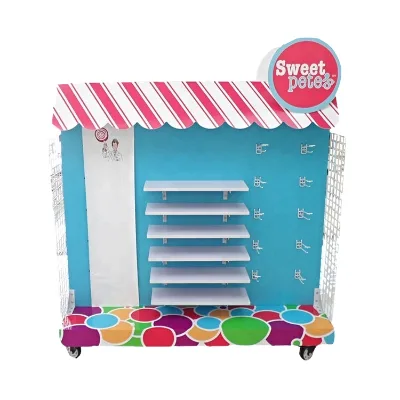


Chips Pouch Display Stand Metal Wire Hanging Candy Display Stand with Wheels
$59.54 - $68.65
MOQ: 100 Pieces

Movable Floor Standing Candy Chocolate Snack Metal Display Stand with Hooks
$60.15 - $65.50
MOQ: 100 Sets

Multi-Tiered Metal Candy Sweet Display Stand for Supermarket Retail Store
$95.64 - $112.05
MOQ: 100 Pieces


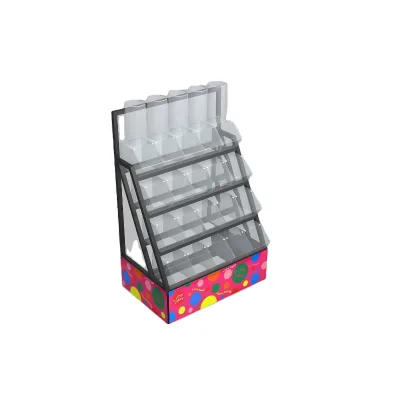


Wholesale Modern Retail Store Candy and Snacks Round Display Rack Display Stand
$142.00 - $164.00
MOQ: 50 Pieces
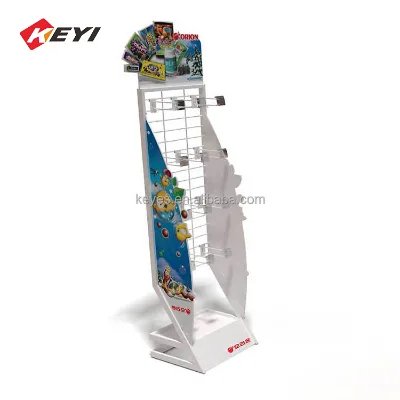
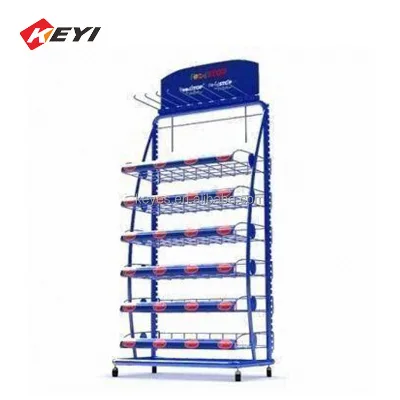
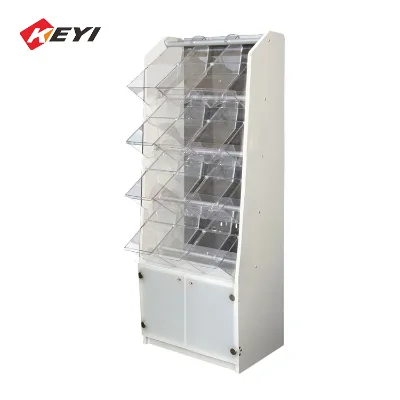
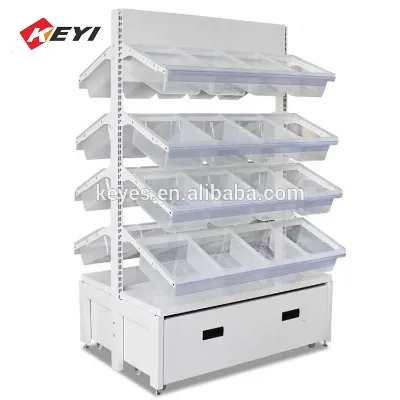
Customized Candy Dry Fruit Bread Display Stands Sweet Shop Display Chbinets
$376.823 - $410.7059
MOQ: 30 Minimum
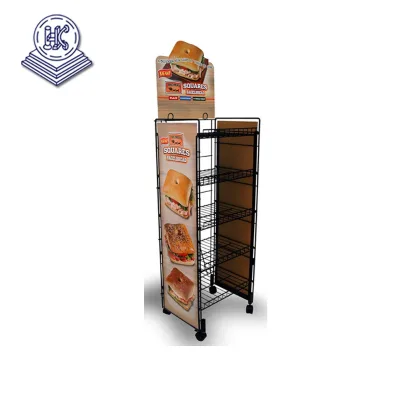
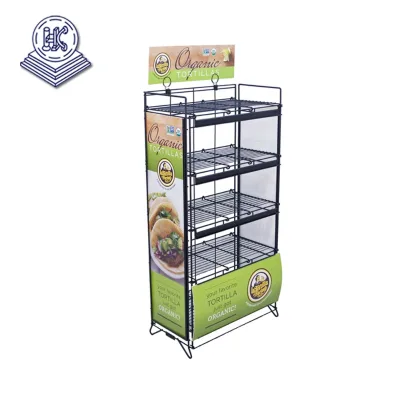
Comprehensive Sourcing Guide
Customized Metal Candy Display Stand Sourcing Guide
Sourcing customized metal candy display stands requires a strategic approach that balances aesthetic appeal with functional durability. Buyers must first define the specific retail environment, whether it is a supermarket, specialty store, or exhibition show, as this dictates the structural requirements. The observed market indicates a strong preference for floor-standing units that can be easily assembled and adjusted to fit various store layouts. Understanding these usage contexts helps in selecting the right material and design features that will withstand high foot traffic while effectively showcasing products.
The customization options available in the current market are extensive, allowing brands to tailor displays to their unique identity. Key customizable attributes include size, color, and logo placement, which are critical for maintaining brand consistency across different retail locations. Buyers should prioritize suppliers who offer design and drawing artwork services to ensure the final product aligns with their marketing goals. This level of personalization not only enhances visual merchandising but also helps in creating a distinctive shopping experience that attracts customer attention.
Product Scope and Observed Listing Signals
The current product landscape for metal candy displays includes a variety of styles, such as L-stands and floor-type units, designed for different retail needs. Observed listings highlight features like waterproof construction and recycled material usage, which appeal to environmentally conscious brands. The mobility of these units is often adjustable, allowing retailers to reconfigure their floor space as needed. These signals suggest that modern displays are not just static fixtures but dynamic tools for merchandising that can adapt to changing promotional strategies and store layouts.
Material composition is a critical factor in determining the quality and longevity of the display stand. Stainless steel, iron, aluminum, and steel are commonly used materials, each offering different benefits in terms of strength, weight, and corrosion resistance. Buyers should pay close attention to the build method, with connect-style assemblies being prevalent for ease of transport and setup. The folded state of these units is typically unfolded for use, indicating a design that prioritizes stability and ease of assembly without compromising on structural integrity during operation.
Technical Specifications to Verify
When evaluating technical specifications, buyers must verify the exact dimensions of the display stand to ensure it fits the intended retail space. Customized sizes are widely available, but specific measurements such as 67.5x38x145cm for certain models provide a baseline for comparison. It is essential to confirm the weight capacity and overall weight of the unit, as heavier stands may offer better stability but could be more difficult to move. Single package sizes and gross weights are also important for logistics planning, ensuring that shipping costs and handling requirements are accurately estimated.
The model numbers and product codes serve as unique identifiers for specific configurations and features. Models like NCT-295, NCT-280, and JAT-240301 represent different design iterations with varying attributes. Buyers should cross-reference these codes with the supplier’s catalog to understand the specific features associated with each model, such as digital printing capabilities or specific structural designs. Verifying these details helps in avoiding mismatches between the ordered product and the expected specifications, ensuring that the final delivery meets the operational requirements of the retail environment.
Compliance and Safety Documentation
Compliance with international standards is crucial for ensuring the safety and quality of metal candy display stands. Certifications such as ISO9001:2000 and SGS indicate that the manufacturer adheres to rigorous quality management and testing protocols. Buyers should request copies of these certificates to verify the supplier’s commitment to quality control and regulatory compliance. These documents provide assurance that the products have been manufactured under controlled conditions, reducing the risk of defects and ensuring consistency across large orders.
Safety documentation also includes information on material safety and environmental impact. While some listings mention recycled materials, buyers should verify the specific standards these materials meet, such as RoHS or FSC, if applicable to their market requirements. Understanding the environmental credentials of the display stand can be a significant factor for brands aiming to enhance their sustainability profile. Additionally, verifying that the products are not antitheft devices helps in clarifying the intended use and ensuring that the display meets the security needs of the retail environment.
Cost Drivers and Commercial Terms
The cost of customized metal candy display stands is influenced by several factors, including material selection, customization complexity, and order volume. Prices in the observed range vary significantly, reflecting the differences in quality and features. Buyers should consider the total cost of ownership, including shipping and assembly costs, rather than just the unit price. Understanding the MOQ (Minimum Order Quantity) is also essential, as it can impact the overall budget and inventory management strategies.
Commercial terms such as lead times and payment conditions play a vital role in the procurement process. Sample delivery times of 5-7 days allow buyers to evaluate the quality before committing to a large order. It is important to negotiate clear terms regarding production lead times to ensure timely delivery for retail campaigns. Additionally, understanding the packing details, such as bubble bags and foam pads, helps in assessing the protection provided during transit, which can reduce the risk of damage and associated costs.
Supplier Qualification and Quality Control
Supplier qualification is a critical step in ensuring the reliability and consistency of the supply chain. Buyers should verify the business nature of the supplier, confirming whether they are a factory or a trading company. Factory-direct suppliers often offer better pricing and more control over the production process. Additionally, checking the supplier’s location, such as Xiamen Fujian China, can provide insights into the local manufacturing ecosystem and potential logistical advantages.
Quality control measures should be clearly defined and agreed upon before placing an order. Buyers should inquire about the inspection processes and testing standards used by the supplier. Requesting pre-shipment inspections or third-party verification can help ensure that the products meet the specified quality standards. Establishing a clear communication channel for addressing any issues during production is also essential for maintaining a smooth procurement process and ensuring customer satisfaction.
Long-Term Procurement Checks
Long-term procurement success depends on establishing a robust relationship with the supplier and implementing continuous improvement strategies. Buyers should regularly review the performance of the display stands in the retail environment, gathering feedback from store managers and customers. This feedback can be used to refine future designs and specifications, ensuring that the products continue to meet evolving market needs. Regular audits of the supplier’s quality control processes can also help maintain high standards over time.
Sustainability and adaptability are key considerations for long-term procurement. Buyers should explore opportunities for using more sustainable materials and production methods to align with global trends. Additionally, staying informed about new design trends and technological advancements in display stands can help in maintaining a competitive edge. By continuously evaluating and improving the procurement process, buyers can ensure that their metal candy display stands remain effective and relevant in the dynamic retail landscape.
FAQs
Can customized metal candy display stands be used indoors?
Yes, these stands are designed for indoor display places. They are suitable for exhibition shows, specialty stores, supermarkets, and home use. The floor-type structure provides stability for retail environments. Buyers can choose from various styles to match their specific interior layout requirements effectively.
What materials are used for these display stands?
Manufacturers use metal materials such as stainless steel, iron, aluminum, and steel. Some products also incorporate acrylic components for specific design needs. The build method typically involves connecting parts to ensure durability. These materials support the weight requirements for holding candy products securely in retail settings.
What certifications do these products hold?
Products often hold ISO9001:2000 and SGS certifications. These standards verify quality management and material safety. Buyers can request documentation to ensure compliance with international trade requirements. The certifications indicate that the manufacturing processes meet established industry benchmarks for reliability and safety.
How long does sample delivery take?
Sample delivery typically takes 5 to 7 days. This lead time allows buyers to evaluate quality before placing bulk orders. The factory offers design and drawing artwork services to customize the product. Quick sampling helps streamline the procurement process for retail display solutions.
What customization options are available for logos?
Customized logos are available for these display stands. Buyers can provide their own artwork or use the factory's design services. The customization extends to colors and sizes as well. This flexibility allows brands to maintain consistent visual identity across their retail display units effectively.
Where are these display stands manufactured?
These products originate from Xiamen, Fujian, China. The location is a known hub for manufacturing display fixtures. Buyers can source directly from factories in this region. The origin ensures access to established supply chains and competitive pricing for bulk orders.