Asscher Cut Cross Necklace Suppliers and Manufacturers
Source 32 verified suppliers for Asscher Cut Cross Necklace options. Compare grounded dimensions including ISO9001:2015 certification, 15-day lead times, and MOQs starting at 5 units. Contact customer service to verify specific product sizes and pricing; review the available evidence before requesting comparable quotations from suitable candidates.
Suppliers List

Shenzhen Hengda Xin Jewelry Co., Ltd.
- Verified by BV
- Combined
- China Guangdong
- Lead time15 days
- Avg. response≤ 2h
Main productsJewelry, Stainless Steel Fittings, Stainless Steel Jewelry, Necklace, Bracelet, Stud Earrings, Ring, Pendant, Fashion Jewelry, Fashion Accessories
Main marketsSoutheast Asia/ Mideast,East Asia(Japan/ South Korea),Domestic,Europe,Australia,North America


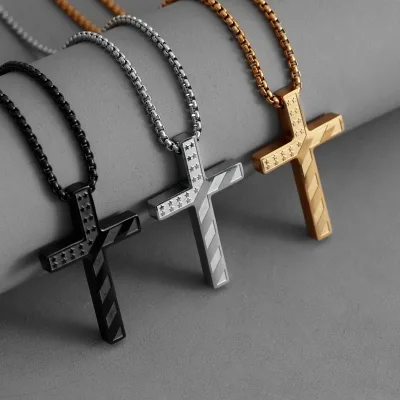
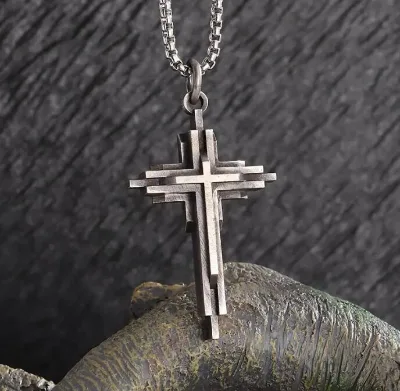
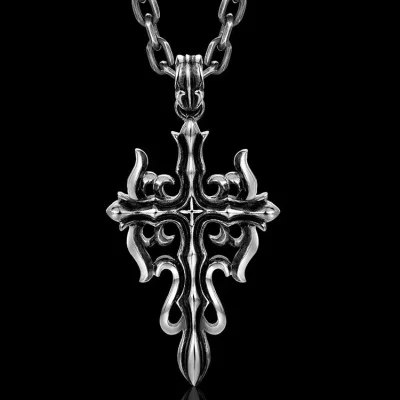
Cast Stainless Steel Cross Necklace Threaded Cross Pendant Men's Necklace
$2.60 - $2.85
MOQ: 100 Pieces


Yiwu Fansheng Trading Co., Ltd.
- Trading Company
- Zhejiang, China
- Lead time7 days
- Avg. response≤ 2h
Main productsGifts & Crafts,Jewelry accessories,Crown tiaras,Fashion jewelry,Headwear
Main marketsNorth America(30.00%), Western Europe(25.00%), Mid East(15.00%), Oceania(6.00%), Northern Europe(5.00%), South America(5.00%), Southern Europe(5.00%), Africa(5.00%), Eastern Europe(4.00%)
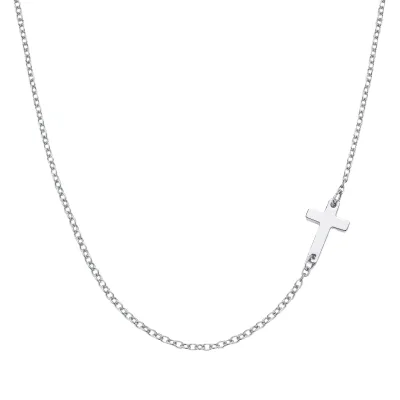
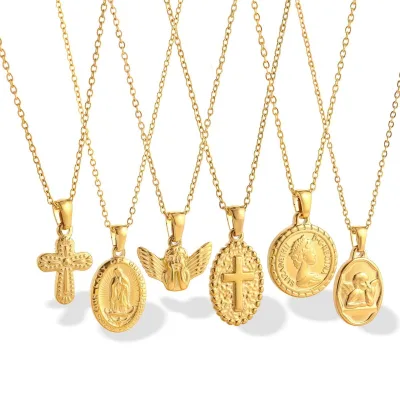
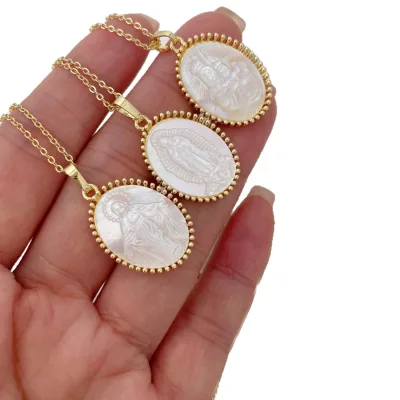
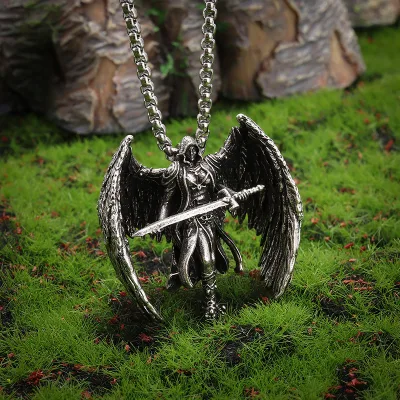
New Stainless Steel Angel Virgin Mary Pendant Necklace Simple Cross Women's Link Chain Necklace
$1.58 - $1.68
MOQ: 12 pieces

- Combined
- China Guangdong
- Lead time15 days
- Avg. response≤ 4h
Main productsOpal
Main marketsDomestic,Europe,North America

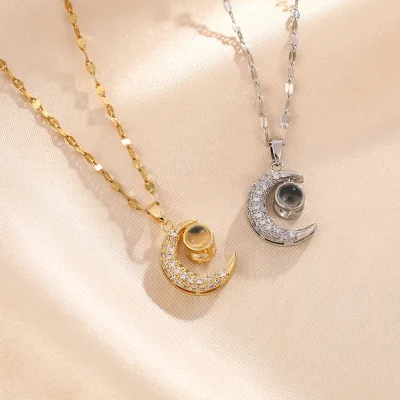
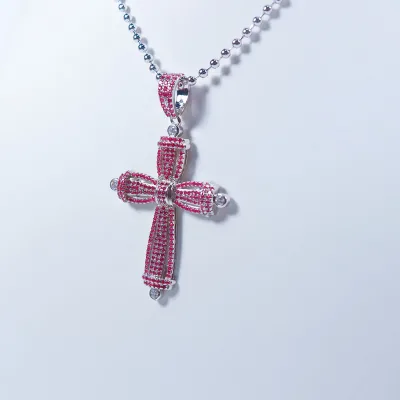
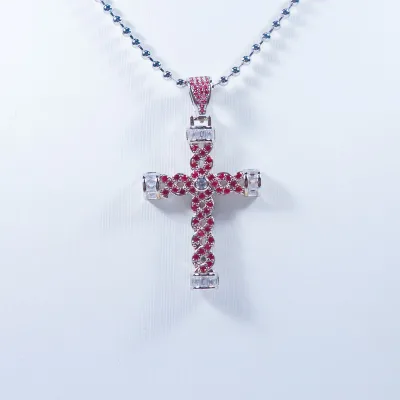
Asscher Cut 925 Sterling Silver Synthetic Ruby Pendant Necklace for Girls or Engagement or Gift
$8.50 - $10.90
MOQ: 30 pcs


$15.00 - $18.00
MOQ: 30 pcs

Yiwu Brillant Trading Co., Ltd.
- Trading Company
- Zhejiang, China
- Lead time0 days
- Avg. response≤ 1h
Main productsjewelry,clothes,Watch,Sunglass
Main marketsSouthern Europe(10.00%), Western Europe(10.00%), Mid East(10.00%), Oceania(10.00%), Africa(10.00%), Southeast Asia(10.00%), Eastern Europe(10.00%), South America(10.00%), Northern Europe(10.00%), Central America(5.00%), North America(5.00%)

Longyuan (Guangzhou) Industrial Development Co., Ltd.
- Verified by TUVRHEINLAND
- Manufacturer/Factory
- China Guangdong
- Lead time23 days
- Avg. response≤ 10h
Main productsJewelry, Fashion Watch, Hair Accessories, Men Jewelry, Women Jewelry, Pendants, Brooches, Bracelets, Crowns, Necklaces
Main marketsSouth America,Eastern Europe,Mid East,North America,Western Europe

- Verified by CTI
- Trading Company
- China Zhejiang
- Lead time15 days
- Avg. response≤ 9h
Main productsJewelry, Brooch, Belt, Necklace, Agent, Bracelet, China Trim, China Ring, China Hair Accessory, China Earring
Main marketsSouth America

Shenzhen Jinshengrun Technology Co., Ltd.
- Manufacturer/Factory
- China Guangdong
- Lead time0 days
- Avg. response≤ 2h
Main productsStainless Steel Bracelets and Necklaces, Tungsten Steel Ring, Tungsten Ring, Smartwatch(Activity Tracker), Smart Ring, Titanium Steel Necklace, Necklace Pendant, Smart Glasses
Yiwu Renqing Ornament Co., Ltd.
- Verified by SGS Group
- Manufacturer, Trading Company
- Lead time7 days
- Avg. response≤ 2h
Main productsHip Hop Jewelry , Cuban Chain, Grillz, Hip Hop Pendant, Hip Hop Necklace
Main marketsNorth America(40%), South America(30%), Western Europe(15%)

Shenzhen Amengwei Jewelry Co., Ltd.
- Trading Company,Manufacturer/Factory
- China Guangdong
- Lead time23 days
- Avg. response≤ 22h
Main productsBody Piercing Jewelry, Hinged Segment Ring, Nose Ring Belly Ring, Stainless Steel Jewelry, Labret Lip Ring, Earring, Necklace, Bracelet, Ring
Main marketsSouth America,Eastern Europe,Mid East,North America,Southeast Asia,Eastern Asia,Oceania,Western Europe,Africa

Guangzhou Huifu Jewelry Co., Ltd.
- Verified by BV
- Manufacturer/Factory
- China Guangdong
- Lead time90 days
- Avg. response≤ 4h
Main productsJewelry, Stainless Steel Jewelry, Stainless Steel Ring, Stainless Steel Pendant, Stainless Steel Earring, Fashion Jewelry, Ring, Necklace, Pendant, Bracelet
Main marketsEastern Europe,Mid East,North America,Western Europe,Africa
Guangzhou Kejialai Jewelry Co., Ltd.
- Trading Company
- Guangdong, China
- Lead time7 days
- Avg. response≤ 4h
Main productsNecklaces, Bracelets, Earrings, Rings, Jewelry Accessory
Main marketsCentral America(44.00%), Eastern Europe(14.00%), North America(11.00%), Western Europe(11.00%), Southern Europe(6.00%), Northern Europe(6.00%), Oceania(5.00%), Southeast Asia(2.00%), South America(1.00%)
Qingdao Dadongsheng Jewelry Co., Ltd.
- Verified by SGS Group
- Manufacturer, Trading Company
- Lead time30 days
- Avg. response≤ 5h
Main productsJewelry
Main marketsNorth America(64%), Western Europe(20%), Southeast Asia(6%)
- Trading Company
- hunan, China
- Lead time0 days
- Avg. response≤ 5h
Main productsEarring,Ring,Jewelry set,Bracelet,Necklace
Main marketsMid East(18.00%), Southeast Asia(15.00%), South Asia(11.00%), Central America(10.00%), North America(10.00%), Domestic Market(5.00%), Eastern Europe(5.00%), Southern Europe(5.00%), Northern Europe(5.00%), Africa(5.00%), South America(5.00%), Western Europe(5.00%), Eastern Asia(5.00%), Oceania(5.00%)

- Verified by SGS
- Trading Company
- China Zhejiang
- Lead time15 days
- Avg. response≤ 15h
Main productsChristmas Decoration, Christmas Tree, Christmas Gift, Party Decoration, Promotional Product, Festival Items, Gift, Valentine, Party Items, Halloween Decorations
Main marketsEurope,Australia


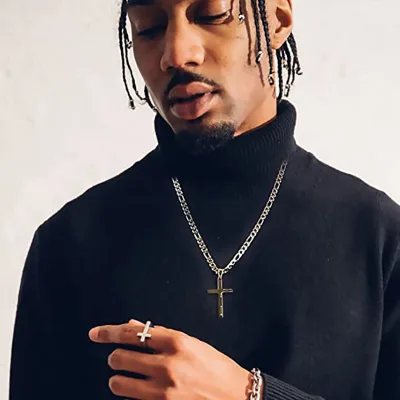
Best Selling Europe and America Mother's Day Gift Cross Pendant Necklace
$0.64 - $0.70
MOQ: 1400 Pieces
- Trading Company
- Zhejiang Province, China
- Lead time0 days
- Avg. response≤ 2h
Main productsNecklace,Bracelet,Earring,Ring,Watchband
Main marketsNorth America(30.00%), Eastern Europe(20.00%), Mid East(10.00%), Oceania(10.00%), Africa(10.00%), Southeast Asia(10.00%), South America(10.00%)
Dongguan Chuangxin Jewelry Co., Ltd.
- Verified by Intertek
- Manufacturer, Trading Company
- Lead time15 days
- Avg. response≤ 3h
Main productsNecklace, Bracelet, Ring, Earring
Main marketsNorth America(45%), Western Europe(15%), Northern Europe(15%)
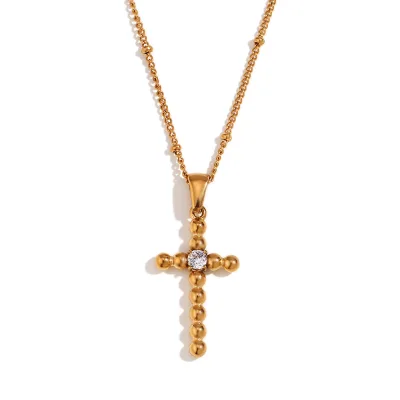
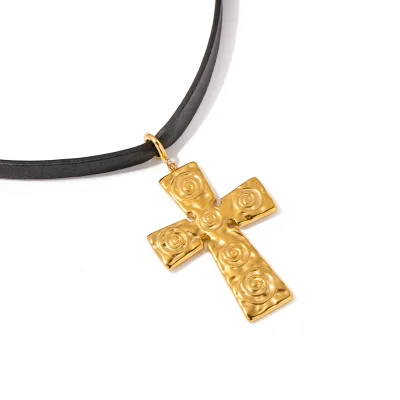
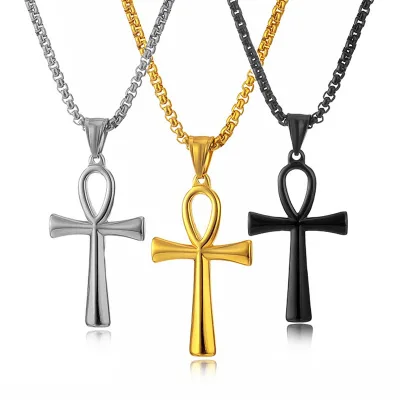
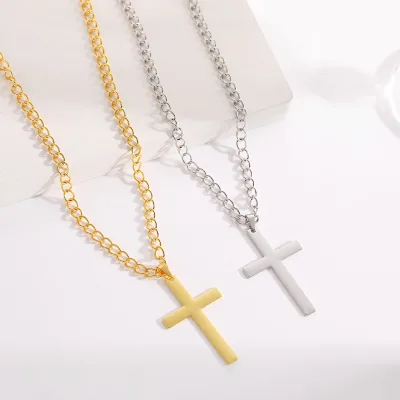
$0.60 - $0.90
MOQ: 50 pieces
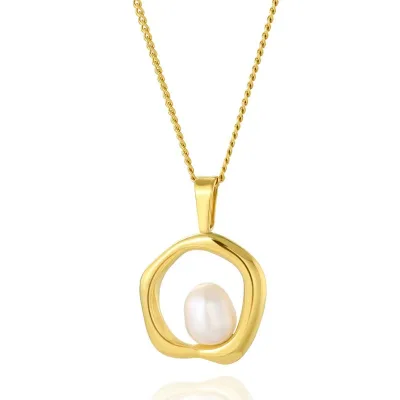
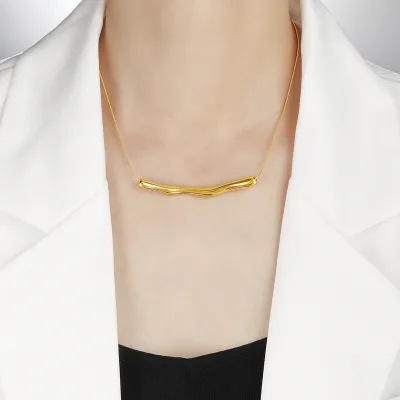
- Manufacturer, Trading Company
- Zhejiang, China
- Lead time7 days
- Avg. response≤ 2h
Main productsNecklace,Bracelet,Earring,Ring,Anklet
Main marketsNorth America(40.00%), Northern Europe(10.00%), Domestic Market(5.00%), South Asia(5.00%), South America(5.00%), Western Europe(5.00%), Eastern Asia(5.00%), Mid East(5.00%), Oceania(5.00%), Africa(5.00%), Southeast Asia(5.00%), Eastern Europe(5.00%)
- Trading Company
- Zhejiang, China
- Lead time12 days
- Avg. response≤ 2h
Main productsbaseball hat,dad hat,golf hat,snapback hat,trucker hat
Main marketsNorth America(40.00%), Western Europe(20.00%), Southern Europe(10.00%), Eastern Europe(10.00%), Northern Europe(5.00%), Oceania(5.00%), Southeast Asia(4.00%), Domestic Market(1.00%), South Asia(1.00%), Africa(1.00%), Mid East(1.00%), Central America(1.00%), Eastern Asia(1.00%)
Yiwu Xiongshun Jewelry Co., Ltd.
- Manufacturer, Trading Company
- Zhejiang, China
- Lead time3 days
- Avg. response≤ 3h
Main productspendant necklace,metal ring,bracelet,metal craft,jewelry accessories
Main marketsNorth America(30.00%), Western Europe(10.00%), Mid East(10.00%), Southeast Asia(10.00%), Eastern Europe(10.00%), South America(10.00%), South Asia(5.00%), Northern Europe(5.00%), Oceania(5.00%), Africa(5.00%)

- Verified by TUVRHEINLAND
- Trading Company
- China Guangdong
- Lead time23 days
- Avg. response≤ 8h
Main productsTumbler, Heat Press, T Shirt Printing Machine, Decal Paper, Photo Panel, MDF Sublimation Blanks, Sublimation Blanks, T Shirts, Sublimation Ink, 3D Sublimation Machine
Main marketsSouth America,Africa,Others(foreignTradeCapacity.exportBusinessCapacityMarketOther),East Asia(Japan/ South Korea),Europe,Australia,North America


Heart Necklaces for Ashes Memorial Ash Urns Waterproof Cremation Keepsakes Jewelry
$1.02 - $1.30
MOQ: 20 Pieces

- Verified by SGS
- Combined
- China Guangdong
- Lead time23 days
- Avg. response≤ 9h
Main marketsOthers(foreignTradeCapacity.exportBusinessCapacityMarketOther),Southeast Asia/ Mideast,East Asia(Japan/ South Korea),Domestic,Europe,Australia,North America
- Verified by Intertek
- Manufacturer, Trading Company
- Lead time15 days
- Avg. response≤ 1h
Main productsNecklaces, Rings, Earrings, Bracelets, Jewelry Accessories
Main marketsNorth America(41%), Western Europe(18%), Oceania(10%)
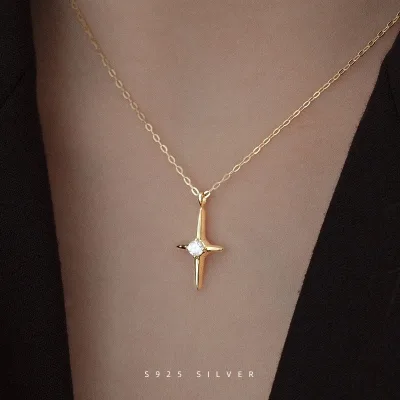
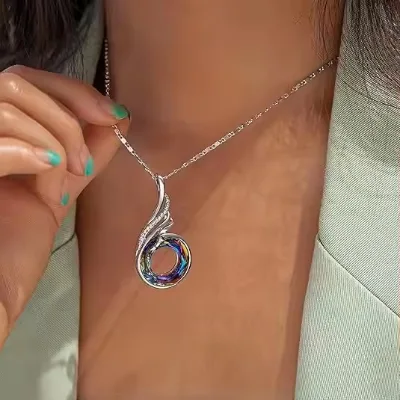
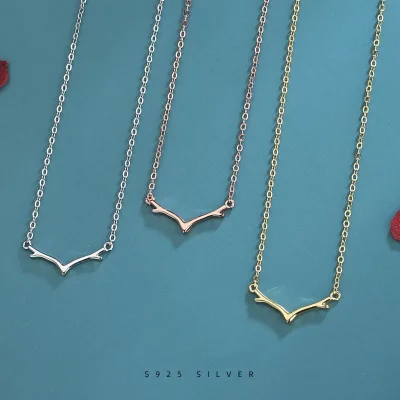
Fashion Simple Cross Pendant Necklace Jewelry 925 Sterling Silver Zircon Crystal Necklace Women
$4.90 - $5.40
MOQ: 2 pieces

YIWU JINYE IMPORT AND EXPORT CO., LTD
- Verified by SGS
- Trading Company
- China Zhejiang
- Lead time15 days
- Avg. response≤ 24h
Main productsBangle, Wrist Band, Bracelet, Fashion Jewelry
Main marketsNorth America

Fashion Jewelry Horizontal Cross Pendant Collarbone Necklace Stainless Steel
$2.09 - $4.87
MOQ: 20 Pieces

Dongguan Hongchen Trading Co., Ltd.
- Trading Company
- Guangdong, China
- Lead time0 days
- Avg. response≤ 9h

Qingdao Gemopia Jewelry Co., Ltd.
- Combined
- China Shandong
- Lead time30 days
- Avg. response≤ 4h
Main productsGold Jewelry, Silver Ring
Main marketsSouth America,Africa,Southeast Asia/ Mideast,East Asia(Japan/ South Korea),Domestic,Europe,Australia,North America
- Verified by TüVRheinland
- Manufacturer, Trading Company
- Lead time5 days
- Avg. response≤ 2h
Main productsFashion Jewelry
Main marketsNorth America(50%), Domestic Market(30%), South America(10%)
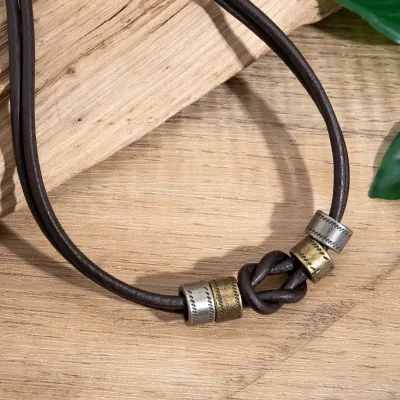
Hotsale Knot Circle Necklace Rope Grade Clavicle Chain Jewelry Super Cool Trendy Necklace
$1.42 - $1.52
MOQ: 6 pieces
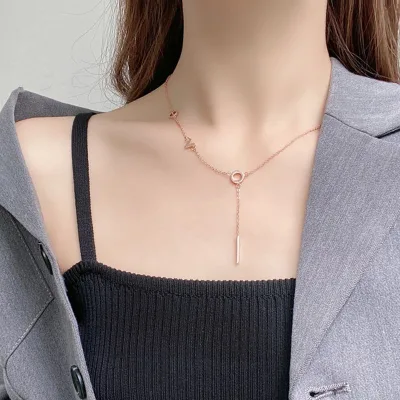
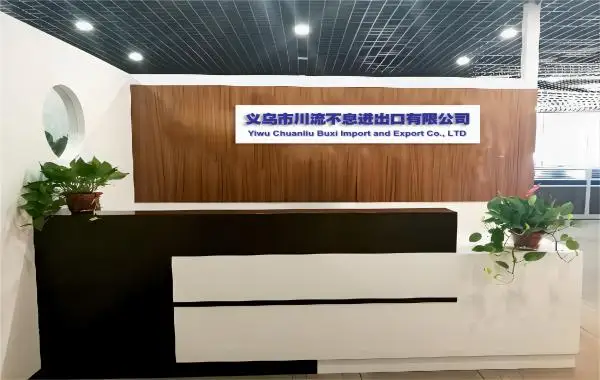
Yiwu Chuanliu Buxi Import And Export Co., Ltd.
- Trading Company
- Zhejiang, China
- Lead time0 days
- Avg. response≤ 6h
Main productsnecklace,bracelet,key chain,Earrings,rings
Main marketsNorth America(20.00%), Eastern Europe(15.00%), South America(15.00%), Western Europe(10.00%), Southern Europe(8.00%), Southeast Asia(5.00%), Northern Europe(5.00%), Domestic Market(5.00%), South Asia(5.00%), Eastern Asia(3.00%), Central America(3.00%), Mid East(2.00%), Oceania(2.00%), Africa(2.00%)

Jinjiang Jiaxing Supply Management Co., Ltd.
- Verified by TUVRHEINLAND
- Trading Company
- China Fujian
- Lead time30 days
- Avg. response≤ 1h
Main productsEVA Clogs, Flip Flop, Shoe Charms, Shopping Bags, Wristbands, Gifts, Promotional Gifts, Slipper, Sport Cap, Ball
Main marketsNorth America

GOODLINESS JEWELLERY CO., LIMITED
- Verified by SGS
- Manufacturer
- China Guangdong
- Lead time23 days
- Avg. response≤ 9h
Main products925 Silver Ring, Brass Jewelry, 925 Silver Earring, 925 Silver Necklace, 925 Silver Set, 925 Silver Bangle, Customer's Design, 925 Silver Bracelet, Silver Accessory, Brass Accessory
Main marketsSoutheast Asia/ Mideast,Europe,North America

Shenzhen Hanwei Gangtai Jewelry Machine Co., Ltd.
- Combined
- China Guangdong
- Lead time30 days
- Avg. response≤ 21h
Main products925 Silver Necklace, Jewelry Machine, Chain Making Machine, Stainless Steel Necklace, Jewelry Equipment, Silver Chain, Steel Chain, Silver Jewelry, Stainless Steel Jewelry, Chain Machine
Main marketsSoutheast Asia/ Mideast,Europe


MOQ: 200 Pieces

- Verified by BV
- Trading Company,Manufacturer/Factory
- China Guangdong
- Lead time0 days
- Avg. response≤ 14h
Main productsSilver Jewelry, Brass Jewelry, Fashion Jewelry, Semi-Precious
Main marketsSouth America,Eastern Europe,Mid East,Southeast Asia,Eastern Asia,Oceania,Western Europe,Africa
Dongguan Hailunde Trading Co., Ltd.
- Manufacturer, Trading Company
- Guangdong, China
- Lead time15 days
- Avg. response≤ 6h
Main productsbracelets,necklaces,rings,Exquisite ornaments,earings
Main marketsNorth America(45.00%), Eastern Europe(35.00%), Mid East(10.00%), South America(5.00%), Africa(5.00%)
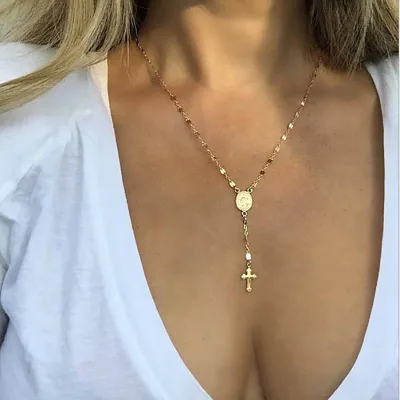
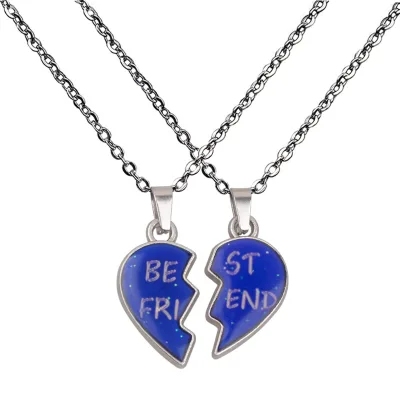


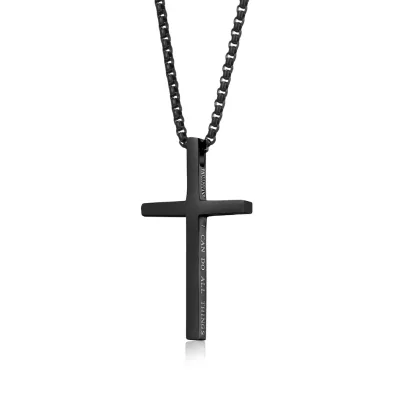


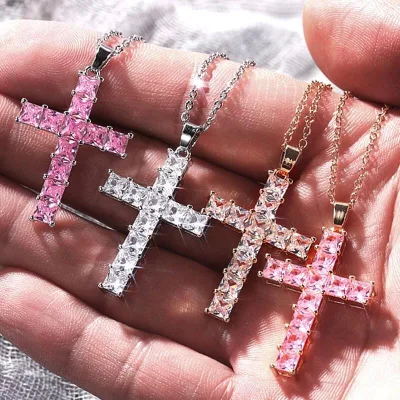
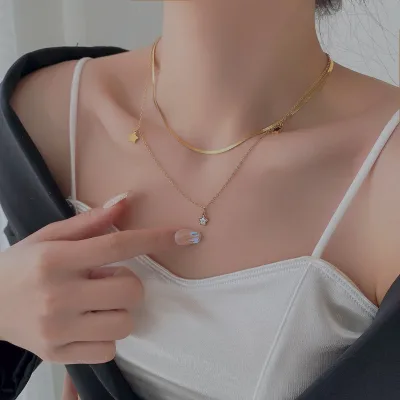
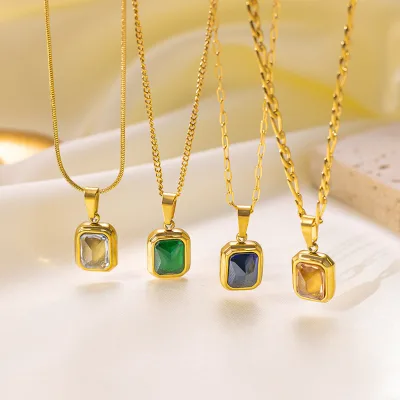
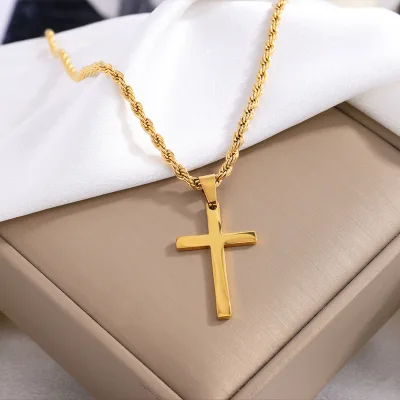
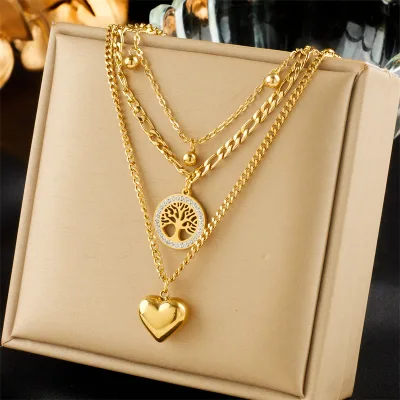
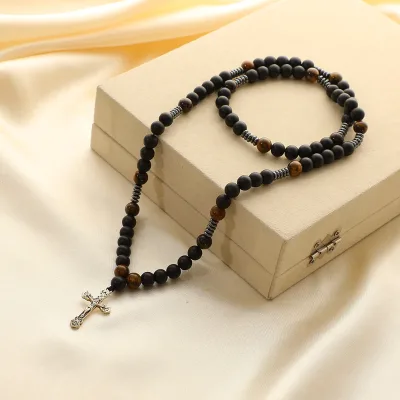
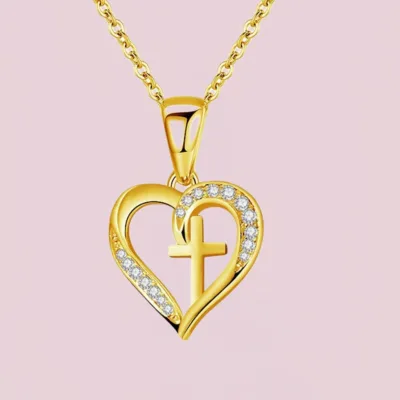
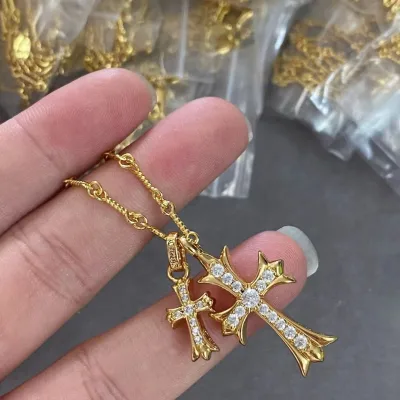






Comprehensive Sourcing Guide
Asscher Cut Cross Necklace Supplier Concentration and Factory Types
The available data indicates a concentration of suppliers in China Guangdong, specifically Shenzhen, which serves as a primary manufacturing cluster for stainless steel jewelry and fashion accessories. This region hosts combined supplier types that integrate design, manufacturing, and trading functions, allowing for flexible production of items like religious cross pendants and fashion necklaces. Buyers should verify if a specific factory operates within this cluster by checking the origin field in product attributes, as many listings explicitly state "Made in China" or "Shenzhen" as the point of origin. The presence of ODM and OEM capabilities suggests these facilities can handle custom designs, which is critical for sourcing specialized items like an Asscher Cut Cross Necklace where specific stone settings or metal finishes are required.
When evaluating factory types, look for combined entities that offer both jewelry and stainless steel fittings, as this indicates a broader supply chain capability. These suppliers often list certifications such as ISO9001:2015, which serves as a baseline for quality management systems within the manufacturing process. However, the specific "Asscher cut" style may not be explicitly named in every product title, so buyers must examine the product keywords and attributes for terms like "Cross Pendant," "Stainless Steel," and "Gold Plating" to confirm the style matches the requirement. It is essential to confirm that the supplier's main products align with the specific jewelry category rather than general hardware, ensuring they possess the necessary craftsmanship for delicate cross designs.
How to Verify Asscher Cut Cross Necklace Suppliers
Verification begins with checking for third-party validation badges such as BV, which indicates a supplier has undergone a specific business verification process. While the data shows some suppliers hold BV status, buyers must confirm this directly on the supplier profile rather than assuming it applies to all listings. Additionally, system certifications like ISO9001:2015, SGS, and BSCI are listed in product attributes for certain items, serving as evidence of adherence to international quality and social compliance standards. Buyers should request copies of these certificates to ensure they are current and cover the specific manufacturing facility producing the cross necklaces, as certifications can sometimes be generic to the parent company rather than the specific production line.
Response time is another critical metric for verification, with observed data showing a response time of 1.82 hours for some suppliers. A fast response indicates an active sales team capable of addressing specific inquiries about the Asscher cut design, material composition, or customization options. Buyers should test this responsiveness by asking detailed questions about the pendant shape and plating quality before placing an order. Furthermore, checking the "is_verified" status and looking for evidence of escrow services can protect financial transactions. If a supplier lacks a verified badge or has a slow response time, it may indicate a lower level of operational maturity, requiring more rigorous due diligence before proceeding with a partnership.
What to Compare Across Asscher Cut Cross Necklace Suppliers
Comparing suppliers requires a detailed analysis of minimum order quantities (MOQ), which vary significantly across the available product listings. Some suppliers list an MOQ of 100 pieces for jewelry necklaces, while others may offer lower thresholds, such as 5 pieces for specific cross pendant models. Buyers must determine if their volume requirements align with these thresholds to avoid unnecessary inventory costs. Additionally, lead times are a key differentiator, with observed data showing delivery windows ranging from 7 to 25 days. A supplier offering a 7-15 day delivery time may be preferable for urgent orders, whereas a 15-25 day window might be acceptable for bulk stock replenishment.
Price comparison is equally vital, with unit costs ranging from approximately $1.10 to $2.85 depending on the specific product attributes and plating quality. Buyers should compare the price per unit against the stated warranty and material standards, such as "Nickel & Lead Free" or "Fade-Proof Warranty." Some listings include sample fees that are refundable upon reaching a specific order quantity, which can be a useful strategy for testing quality before committing to a large batch. It is also important to compare the customization options, as some suppliers explicitly welcome OEM and ODM requests while others may have limited flexibility. Evaluating these commercial terms side-by-side ensures the selected supplier offers the best value for the specific design and volume needs.
Common Asscher Cut Cross Necklace Sourcing Risks
One significant risk involves the discrepancy between product descriptions and actual manufacturing capabilities, particularly regarding the "Asscher cut" specification. While many listings mention "Cross Pendant" and "Stainless Steel," the specific geometric cut of the stone or metal design may not be standardized across all suppliers. Buyers must verify the exact dimensions and shape details, as some product attributes list sizes as "Find Customer Service to Communicate Product Size," indicating a lack of standardization. This ambiguity can lead to receiving a product that does not match the intended design, especially if the supplier relies on generic molds rather than custom tooling for the specific cut.
Another risk is the variability in material quality and plating durability, which directly impacts the product's longevity and customer satisfaction. Although some products claim a "1-2 Fade-Proof Warranty" or "1-3 years" warranty, these terms may not cover all scenarios or may require specific maintenance conditions. The "Gold" and "Silver" plating options listed in attributes can vary in thickness and quality, affecting the resistance to tarnishing. Buyers should request physical samples to test the plating adhesion and material hardness before scaling up orders. Additionally, relying on suppliers with inconsistent response times or unverified status can lead to communication breakdowns, delaying production and increasing the risk of order errors or missed deadlines.
Asscher Cut Cross Necklace Regional Sourcing and Logistics
The primary sourcing region identified in the data is China Guangdong, with specific mentions of Shenzhen as a manufacturing hub. This location is advantageous for logistics due to its proximity to major shipping ports and established supply chains for stainless steel and fashion jewelry. Buyers should verify the specific origin listed in product attributes, as some items specify "Shenzhen" while others simply state "China." Understanding the regional concentration helps in estimating shipping times and costs, as suppliers in this cluster are accustomed to exporting via major carriers like DHL, UPS, FedEx, and EMS.
Logistics planning must account for the specific shipping methods and packaging standards provided by the supplier. Product attributes often list "OPP Bag" or "Independent Packaging" as the standard packing method, which can affect the protection of the jewelry during transit. Buyers should confirm if the packaging is sufficient for retail presentation or if additional protective measures are needed for international shipping. Furthermore, the delivery date estimates, ranging from 7 to 25 days, should be factored into the overall supply chain timeline. Buyers must ensure that the supplier's shipping capabilities align with their delivery expectations, especially if the order involves time-sensitive marketing campaigns or seasonal sales events.
Asscher Cut Cross Necklace Commercial Terms and Order Planning
Commercial terms regarding customization and sample policies are critical for successful order planning. Many suppliers indicate that customization is available and welcome OEM and ODM requests, but the specific process for design approval and prototyping must be clarified. Some listings mention that sample fees are refundable if the order reaches a certain quantity, such as 100 pieces, which can reduce the initial cost of testing the product. Buyers should negotiate these terms clearly to ensure that the cost of samples is recoverable and that the customization process is streamlined to avoid delays.
Order planning must also consider the warranty and after-sales support provided by the supplier. While some products offer warranties ranging from 1 to 3 years, the specific conditions for claims must be understood to manage potential returns or defects. Buyers should establish a clear communication channel for handling quality issues, ensuring that the supplier is responsive and willing to resolve disputes. Additionally, the payment terms and escrow options should be reviewed to protect the financial investment. By carefully planning the order volume, lead times, and commercial agreements, buyers can mitigate risks and ensure a smooth procurement process for their Asscher Cut Cross Necklace inventory.
FAQs
What is the minimum order quantity for stainless steel cross necklaces?
Most suppliers require a minimum order of 100 pieces for standard jewelry necklaces. Some manufacturers offer lower MOQs of just 5 units for specific fashion items. Buyers should verify the exact quantity requirements with customer service before placing an order to ensure production feasibility.
How long does production take for cross pendant orders?
Standard lead times typically range from 15 to 25 days for manufacturing. Some suppliers offer faster delivery windows of 7 to 15 days for specific styles. Buyers should confirm the exact production schedule with the supplier to align with their inventory needs and shipping deadlines.
Are these necklaces safe for sensitive skin?
Many stainless steel cross necklaces are certified as nickel and lead-free. Suppliers often hold ISO9001, SGS, and BSCI certifications to ensure quality and safety standards. Buyers should request specific material test reports to verify compliance with international safety regulations for jewelry products.
What is the price range for these necklaces?
Prices generally range from $1.10 to $2.85 per piece depending on the design and plating. Gold-plated options often cost more than silver or raw stainless steel versions. Buyers should request a detailed quotation based on their specific quantity and customization requirements for accurate pricing.
Can I customize the logo or packaging?
OEM and ODM services are widely available for cross necklaces. Suppliers welcome customization for logos, packaging, and specific pendant shapes. Buyers should communicate their design specifications directly with customer service to ensure the manufacturer can meet their unique branding and packaging requirements.