Luxury Custom Cosmetic Jar Suppliers and Manufacturers
Source 18 verified suppliers for Luxury Custom Cosmetic Jar packaging. Compare key dimensions including ISO 9001 certification, China-based locations, and lead times ranging from 15 to 30 days. Contact suppliers directly to request samples and confirm MOQs; review the available evidence before requesting comparable quotations from suitable candidates.
Suppliers List

Qingdao Xinte Packaging Co., Ltd.
- Verified by TUVRHEINLAND
- Trading Company,Manufacturer/Factory
- China Shandong
- Lead time15 days
- Avg. response≤ 6h
Main productsGlass Jar, Glass Bottles, Plastic Bags, Perfume Bottle, Dropper Bottles, Paper Box, Tin Box, Glass Syringe, Glass Tubes, Plastic Bottle
Main marketsSouth America,Eastern Europe,North America

- Verified by CTI
- Trading Company
- China Zhejiang
- Lead time30 days
- Avg. response≤ 2h
Main productsAirless Bottle, Glass Bottle, Comb, Cosmetic Packaging, Food Packaging, Sprayer, Lotion Pump Machine, Gift, Roll on Ball
Main marketsAfrica,Southeast Asia/ Mideast

Ningbo Langyi Plastic Industry Co., Ltd.
- Verified by TUVRHEINLAND
- Combined
- China Zhejiang
- Lead time23 days
- Avg. response≤ 3h
Main productsCosmetic Packaging, Trigger Sprayer, Mist Sprayer, Lotion Pump, Cream Pump, Cosmetic Bottle, Acrylic Bottle, Airless Bottle, Cream Jar, Packaging Bottles
Main marketsSouth America,Southeast Asia/ Mideast,Europe

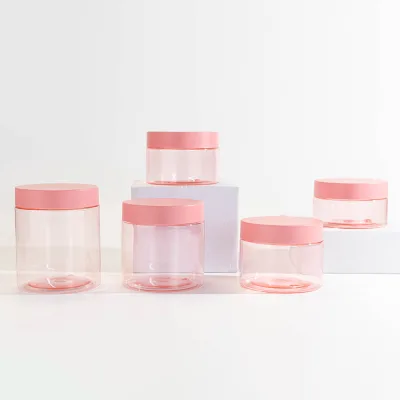
Custom Cylinder Luxury Plastic Jars for Cosmetics Cream Lotion Face Cream Jar
$0.15 - $0.15
MOQ: 10000 Pieces

Custom Cosmetic Jar Small Cosmetic Jar Empty Jars for Lotion and Creams
$0.18 - $0.18
MOQ: 10000 Pieces


Hebei Shengjin Package Co., Ltd.
- Verified by TUVRHEINLAND
- Manufacturer/Factory
- China Hebei
- Lead time0 days
- Avg. response≤ 2h
Main productsGlass Bottle, Cosmetic Bottle, Perfume Bottle, Dropper Bottle, Pill Bottle
Main marketsSouth America,Eastern Europe,Mid East,North America,Southeast Asia,Eastern Asia,Oceania,Western Europe,Africa
Ningbo Somewang Packaging Co., Ltd.
- Verified by SGS
- Combined
- China Zhejiang
- Lead time23 days
- Avg. response≤ 4h
Main productsCosmetic Packaging, Cosmetic Bottle, Plastic Bottle, Cosmetic Tube, Cream Jar, Lotion Pump, Mist Sprayer, Trigger Sprayer, Plastic Cap, Glass Bottle
Main marketsSoutheast Asia/ Mideast,Europe,North America

Jinhua Allies Import and Export Co., Ltd.
- Verified by SGS
- Manufacturer/Factory
- China Zhejiang
- Lead time23 days
- Avg. response≤ 6h
Main productsCanister, Container, Bottle, Cosmetic, Make up, Plastic Packaging, Eyeshadow, Palette, Box, Compact Case
Main marketsSouth America,Mid East


Factory Price Custom Color Empty Face Cream Jar Cosmetic Container Cream Jars
$0.25 - $0.56
MOQ: 10000 Pieces

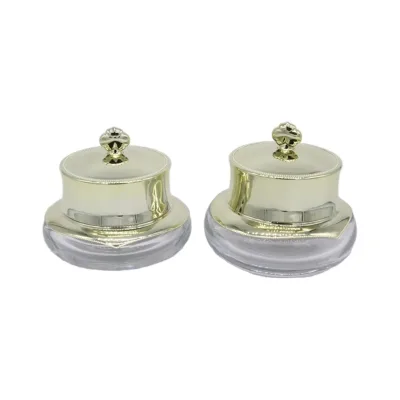
Round Cosmetic Containers Packaging New Luxury Acrylic Jar Bottle F072
$0.20 - $1.00
MOQ: 10000 Pieces


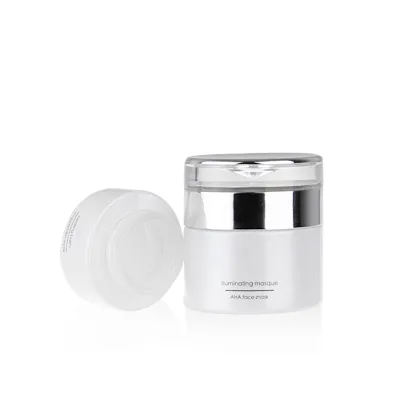
Wholesale 10g 15g High-End Cream Bottles Beauty Cosmetic Bottles Double-Layer Cosmetic Jars
$0.25 - $0.85
MOQ: 10000 Pieces

Yuyao Xianghao Mold Technology Company Limited
- Verified by BV
- Trading Company
- China Zhejiang
- Lead time30 days
- Avg. response≤ 10h
Main productsInjection Mold, Plastic Mold, Injection Molding, Rapid Prototyping, 3D Pritting, Manhole Cover Mold, Silicone Rubber Mould, Wire Rack, Car Air Compressor, LED Light
Main marketsNorth America

Guangzhou King Style Trading Co., Ltd.
- Verified by TUVRHEINLAND
- Trading Company
- China Guangdong
- Lead time23 days
- Avg. response≤ 18h
Main productsPerfume, Cosmetics, Fragrance, Perfume Oil, Brand Perfume, Make up, Face Care
Main marketsSouth America,Eastern Europe,Mid East,North America,Southeast Asia,Eastern Asia,Western Europe,Africa
Shanghai Best China Industry Co., Ltd.
- Verified by SGS Group
- Trading Company
- Lead time30 days
- Avg. response≤ 3h
Main productsGlass Bottle, Plastic Bottle, Glass Jar, Plastic Jar
Main marketsNorth America(30%), Oceania(10%), Western Europe(10%)

Ningbo Passen Technology Co., Ltd.
- Verified by BV
- Trading Company
- China Zhejiang
- Lead time30 days
- Avg. response≤ 9h
Main productsWide Mouth Jar, Cosmetic Bottle, Plastic Bottle, Cosmetic Jar, Cosmetic Packaging, Aluminum Bottle, Cream Jar, Plastic Packaging, Aluminum Jar, Lotion Bottle
Main marketsSouth America,Africa,Southeast Asia/ Mideast,East Asia(Japan/ South Korea),Europe,Australia,North America

- Verified by SGS
- Trading Company
- China Fujian
- Lead time15 days
- Avg. response≤ 8h
Main productsReusable Mask
Main marketsAfrica,Southeast Asia/ Mideast,Europe,North America

Ningbo YMS Imp & Exp Co., Ltd.
- Trading Company
- China Zhejiang
- Lead time45 days
- Avg. response≤ 10h
Main productsLipstick Case, Cosmetic Compact, Lip Gloss Case, Mascara Tube, Eyeliner Bottle, Cosmetic Pen, Acrylic Jar, Cosmetic Pot, Loose Powder Container, Airless Lotion Bottle
Main marketsSouth America,Southeast Asia/ Mideast,Europe


Luxury Style Inverted Cream Cosmetic Bottles and Jars
MOQ: 10000 Pieces
Hebei Lingjin Import and Export Co., Ltd.
- Verified by CTI
- Trading Company
- China Hebei
- Lead time30 days
- Avg. response≤ 3h
Main productsBaseball Hats, Trucker Hats, Peforated Hats, Bucket Hats, Snapback Hats, Beanie Hats, 5 Panel Hats, Plastic Bottle, Plastic Tank, Essential Oil Bottle
Main marketsEurope,Australia,North America

YUYAO YIHE COMMODITY CO., LTD.
- Verified by TUVRHEINLAND
- Manufacturer/Factory
- China Zhejiang
- Lead time23 days
- Avg. response≤ 3h
Main products20ml Pocket Perfume Bottle with Caps, Trigger Sprayer, Lotion Pump, Mist Sprayer, Pet Bottle, Disc Top Cap, Flip Top Cap, Foam Sprayer, Foam Sprayer Bottle, Perfume Sprayer
Main marketsSouth America,Eastern Europe,Mid East,North America,Southeast Asia,Eastern Asia,Oceania,Western Europe

ningbo crown commodity co.,ltd
- Verified by SGS
- Combined
- China Zhejiang
- Lead time30 days
- Avg. response≤ 25h
Main productsPerfume Sprayer, Lotion Pump, Trigger Sprayer, Pet Bottle, Cosmetic Package, Eyeliner Package
Main marketsAfrica,Southeast Asia/ Mideast,Europe,North America
Shanghai Bropack Trade Co., Ltd.
- Trading Company
- Shanghai, China
- Lead time30 days
- Avg. response≤ 2h
Main productsPlastic Jar, Plastic Cap, Plastic Bottle, Airless Jar, Plastic Pump
Main marketsNorth America(30.00%), Western Europe(30.00%), Southeast Asia(20.00%), Eastern Europe(10.00%), Northern Europe(5.00%), Mid East(5.00%)

Ningbo Pack Imp. & Exp. Co., Ltd.
- Verified by SGS
- Trading Company,Manufacturer/Factory
- China Zhejiang
- Lead time30 days
- Avg. response≤ 6h
Main productsAluminum Jar, Aluminum Bottle, Tin Box, Glass Dropper Bottle, Glass Tube, Paper Box, Paper Tube, Plastic Pop Top Tube, Plastic Bottle, Silicone Gummy Mold
Main marketsSouth America,Eastern Europe,Mid East,North America,Southeast Asia,Eastern Asia,Oceania,Western Europe,Africa

Xiamen Ebei Import & Export Co., Ltd.
- Verified by CTI
- Trading Company,Manufacturer/Factory
- China Fujian
- Lead time45 days
- Avg. response≤ 2h
Main productsEco-Friendly Products, Bamboo Tableware, Bamboo Furniture, Bamboo Kitchenware, Bamboo Office Supply, Bamboo Fibre Products, Biodegradable Products, Bamboo Towel, Solar Energy Products, Bamboo Garden Products
Main marketsSouth America,Eastern Europe,Mid East,North America,Southeast Asia,Eastern Asia,Oceania,Western Europe,Africa

Natural Bamboo Cosmetic Jars with Custom Logo - Eco-Friendly Storage Containers
$0.97
MOQ: 2000 Pieces






Comprehensive Sourcing Guide
Luxury Custom Cosmetic Jar Supplier Concentration and Factory Types
Suppliers of luxury custom cosmetic jars in the current results cluster in established Chinese manufacturing provinces, with Shandong and Zhejiang both represented. Shandong-based entries combine trading company and manufacturer/factory profiles, and their main product lists center on glass jars, glass bottles, dropper bottles, perfume bottles, paper boxes and tin boxes — a mix that signals vertically connected packaging ecosystems where jars, closures and secondary cartons can be sourced together. Zhejiang entries, by contrast, are labeled trading companies whose main products span airless bottles, glass bottles, cosmetic packaging, food packaging, sprayers and lotion pumps, suggesting broader assortment curation rather than in-house glass melting.
When results do not disclose a location, buyers should identify clusters indirectly. Check whether a supplier's product range is dominated by one material family, since concentrated product lines usually indicate proximity to specialist tooling, decoration houses and material supply. Company type is the second axis: manufacturer/factory labels typically imply direct control over molding and decoration, while trading companies may add value through multi-factory coordination, wider size ranges and consolidated freight. The current Shandong results show OEM and ODM capability alongside ISO 9001 system certification and third-party platform verification, which matters because luxury customization depends on repeatable decoration quality rather than catalog accuracy alone. Treat every label as a starting claim: a factory-type designation does not guarantee the glass furnaces, decal lines or assembly capacity for your specific jar specification without direct confirmation.
How to Verify Luxury Custom Cosmetic Jar Suppliers
Verification should start with the credentials displayed in supplier results and end with evidence you request directly. In the current results, some Shandong suppliers carry ISO 9001 system certification and hold third-party verification marks such as TUVRHEINLAND, while a Zhejiang trading company shows CTI verification. These marks indicate that an auditing body has reviewed the company, but they rarely describe decoration capability, mold ownership or glass-forming quality. Ask each supplier which entity holds the verification, what scope the audit covered, and whether the certificate applies to the producing facility or only to the trading office.
Because several glass jar suppliers present both trading and manufacturing labels, clarify who will physically produce your jar. Request the producing plant's name and address, then confirm the decorated samples you receive were made on that site's tooling. For custom luxury jars, verification must cover decoration methods specifically: the current product listings advertise silk screen, hot stamping, decal and label printing, plus surface treatments including bright, matte, frosted and color coating. Ask which of these are done in-house and which are subcontracted, since subcontracted decoration is where color drift and adhesion failures typically enter. Test response behavior as a live signal: results in this category show response times ranging from under two hours to more than five hours, so send a technical question — not a price inquiry — and evaluate the precision of the answer. Finally, request sample fees in writing; the listings themselves state that buyers should contact for exact sample fees rather than promising free samples.
What to Compare Across Luxury Custom Cosmetic Jar Suppliers
Build a comparison sheet from the attributes suppliers actually display, and never assume every listing carries the same fields. The current results show meaningful spread. One Shandong supplier advertises a 15-day lead time and a response time of roughly 5.3 hours, while a Zhejiang trading company shows a 30-day lead time with responses around 1.7 hours. That contrast captures a real trade-off: faster communication does not equal faster production, and quoted lead times may exclude decoration tooling or freight booking. Record lead time, response time, location, company type and verification mark side by side before engaging in negotiation.
Product-level fields deserve equal weight. Glass jar listings in the results show MOQs of 3,000 pieces and 5,000 pieces — with both suppliers inviting contact for smaller quantities — while Zhejiang cosmetic jar listings state 10,000-piece MOQs, 25-day delivery windows and 20,000-piece color MOQs for custom colors. Quoted unit prices in the current results range from roughly $0.10 to $0.34 depending on size, material and decoration. Compare like with like: a 2oz child-resistant amber jar with a wooden lid is not comparable to a 5g frosted cream jar. Also compare size ranges, since listings span 1oz–6oz customizable on one side and 5g–100g on the other. Establishment year, escrow availability and main-product breadth are additional displayed dimensions in this category, but absence of a field is not a defect — treat missing data as a question to ask, not a negative score.
Common Luxury Custom Cosmetic Jar Sourcing Risks
The most frequent risk in this category is specification drift between the approved sample and mass production. Luxury jars depend on precise decoration registration, coating color and lid fit, and the current listings advertise many customizable variables — logo printing method, surface treatment, cap colors in black, white, green or custom — each of which introduces a separate approval point. If you approve an undecorated sample, or approve decoration on a different jar size than you ordered, you have not actually qualified the production line. Require a signed, dated golden sample that matches your final size, material and decoration exactly.
MOQ and color MOQ mismatch is the second common trap. Several listings show a base MOQ of 10,000 pieces but a 20,000-piece minimum for custom colors, meaning a buyer who plans a bespoke coating color may face double the expected commitment. Confirm both thresholds before investing in artwork. Third, sample costs are frequently opaque: the listings explicitly direct buyers to contact for exact sample fees, so budget for paid sampling rather than assuming free samples. Fourth, lead time ambiguity — a 15-day or 25-day quoted window may exclude mold making, decoration setup or ocean freight, and the Zhejiang listings show 30-day supplier-level lead times that differ from product-level 25-day statements. Finally, material substitution is a quiet risk: one listed jar-family product is actually plastic, so verify that glass, closure type (single wall, double wall, child-resistant) and disposability claims match your written specification before payment.
Luxury Custom Cosmetic Jar Regional Sourcing and Logistics
The disclosed locations in this category — Shandong and Zhejiang — carry practical logistics implications. Shandong glass suppliers, whose listings state sea and air freight availability and carton packing, are positioned for containerized glass shipments, which are heavy and benefit from coastal port access. Zhejiang suppliers around Ningbo, where one listing states product origin, sit near one of the world's busiest container ports, which can simplify consolidation when you are also sourcing pumps, sprayers and secondary packaging from the same province. When results do not disclose location, ask for the producing plant's province and nearest major port, then map freight cost per unit before comparing quoted prices.
Glass is dense, fragile and freight-expensive, so logistics planning changes the real unit cost more than most cosmetic categories. The listings confirm carton packing on one side and carton-plus-pallet packing on the other; palletized export cartons with dividers materially reduce breakage claims, so specify packing format in the purchase contract, not just in chat. Confirm which Incoterms the quote assumes, because a $0.24–$0.34 unit price means little until freight terms are fixed. For air freight, ask whether decorated jars are cured and cooled sufficiently to ship immediately, since coatings damaged by boxed heat arrive discolored. Plan a buffer beyond the quoted 15–30 day production windows for custom tooling, first-article inspection and booking capacity during peak season. Finally, ask each supplier how they handle breakage documentation, because claims procedures differ and glass claims are routine, not exceptional.
Luxury Custom Cosmetic Jar Commercial Terms and Order Planning
Order planning should reconcile the MOQ structures visible in the results with your launch volumes. Shandong glass jar listings show 3,000-piece and 5,000-piece MOQs with unit prices from roughly $0.22 to $0.34, and both state "contact for smaller quantity," which opens negotiation space for trial orders. Zhejiang listings state 10,000-piece MOQs with prices around $0.10–$0.11 for some jar formats, plus 20,000-piece color MOQs and a 12,000-piece MOQ on one adjacent product. Lower unit prices at higher volumes are only advantageous if your forecast supports the inventory, so model total landed cost — including freight, duty and breakage allowance — at each supplier's actual MOQ rather than comparing quoted prices alone.
Structure payment and milestone terms around customization risk. Because custom jars require tooling, artwork and decoration approval, tie payments to defined checkpoints: deposit after golden-sample sign-off, balance after pre-shipment inspection against that sample. Ask whether platform escrow or a similar protected payment route is offered, since escrow presence is a displayed dimension on some supplier profiles but not all. Confirm lead-time commitments in the contract using the 15-day and 25–30 day figures as reference points, with explicit treatment of mold-making time for new shapes. Plan reorders at the same time as the first order: secure your mold's ownership, artwork files and decoration standards in writing so a second supplier cannot be disqualified by tooling lock-in. Finally, schedule the first production run to allow one full inspection-and-rework cycle before your retail deadline.
FAQs
What is the typical MOQ for luxury custom cosmetic glass jars?
Typical minimum order quantities range from 3,000 to 10,000 pieces per design. Smaller runs sometimes remain possible if buyers contact the supplier directly, and premium lines commonly start at 5,000 pieces. Custom-colored lids or finishes may carry a higher color MOQ, so confirm the exact quantity for your size, decoration, and cap combination before placing an order.
How long does production and delivery usually take?
Lead times generally fall between 15 and 30 days after order confirmation, depending on the supplier and customization level. Stock shapes with standard caps ship faster, while bespoke molds, coatings, or printing add time. Plan extra days for sampling, quality checks, and booking sea or air freight, and agree the delivery date in writing before paying a deposit.
What customization options are available for glass cream jars?
Common options include silk screen, hot stamping, decal, and label printing for logos, plus bright, matte, frosted, or colored surface coatings. Cap colors can be black, white, green, or custom shades, and lid types include screw caps with wooden or plastic finishes. Jar sizes typically span 1oz to 6oz, and OEM and ODM development is widely offered.
Which jar features suit creams, lotions, and other cosmetics?
Screw-lid glass jars with child-resistant, smell-proof, and leak-proof closures suit creams, lotions, scrubs, masks, and powders. Single-wall or double-wall constructions are both available, with amber or semi-transparent colored glass offering UV protection for sensitive formulas. Round shapes remain standard for face cream packaging, and capacity options commonly cover 5g to 100g.
What is the price range for luxury custom glass cosmetic jars?
Unit prices commonly range from about 0.10 to 0.34 USD depending on size, glass type, decoration, and order volume. Basic 2oz to 4oz jars sit near the lower end, while frosted, coated, or custom wooden-lid versions cost more. Larger orders reduce unit costs, so request quotations for several quantities to compare total landed pricing.
How should buyers verify suppliers and packaging certifications?
Ask for verification credentials, such as third-party on-site inspection status, and request system certification documents like ISO 9001 for quality management. Trading companies and manufacturers both appear in this category, so clarify whether the partner owns production. Confirm sample fees, packing methods such as cartons or pallets, and freight options before committing to a contract.