Antique Apothecary Amber Glass Bottle Suppliers and Manufacturers
Explore 23 verified suppliers offering Antique Apothecary Amber Glass Bottle options from China Jiangsu and Shandong. Compare lead times, response times, certifications, and pricing to find the right partner. Contact suppliers directly to request samples and confirm customization details; review the available evidence before requesting comparable quotations from suitable candidates.
Suppliers List

Xuzhou Boklan Import & Export Trade Co., Ltd.
- Verified by TUVRHEINLAND
- Trading Company,Manufacturer/Factory
- China Jiangsu
- Lead time38 days
- Avg. response≤ 10h
Main productsGlass Jar, Glass Bottle, Liquor Glass Bottle, Lids Caps Corks, Cosmetic Jar, Essential Oil Bottle, Glass Tube, Sauce Bottle, Mason Jar, Plastic Bottle
Main marketsSouth America,Eastern Europe,Mid East,North America,Southeast Asia,Eastern Asia,Oceania,Western Europe,Africa


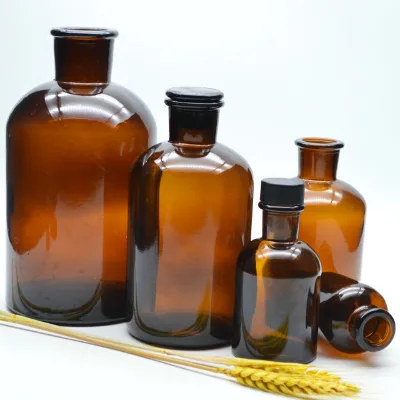
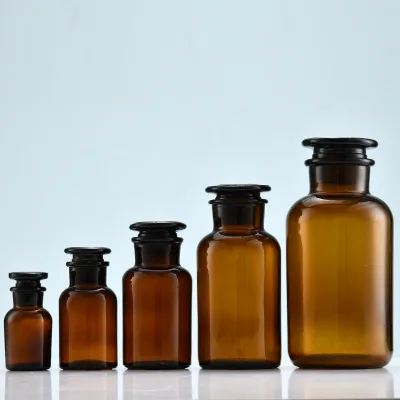
Amber Wide Mouth Glass Reagent Bottle for Apothecary 60ml 125ml 250ml 500ml 1000ml
$0.61 - $0.82
MOQ: 5000 Pieces


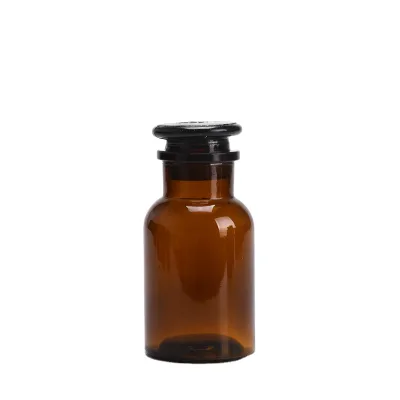
60ml 150ml 250ml 500ml 1000ml Small Mouth Amber Apothecary Jar Glass Reagent Bottle for Aroma
$0.61 - $0.82
MOQ: 5000 Pieces

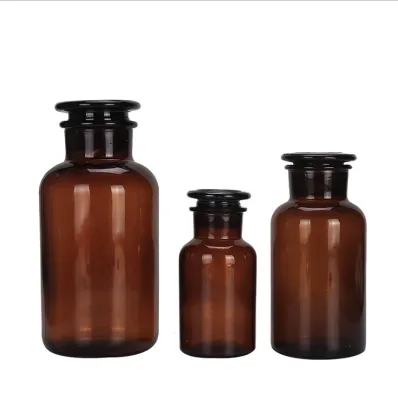
Amber 60ml 125ml 250ml 500ml 1000ml Glass Bottle with Glass Lid for Apothecary
$0.61 - $0.82
MOQ: 5000 Pieces
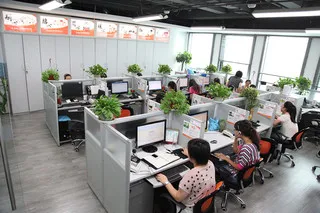
Zibo Dawn Star Trading Co., Ltd
- Trading Company
- Shandong, China
- Lead time30 days
- Avg. response≤ 4h
Main productsBeer Glass/Wine Glass/Glass Jars/Shot Glass/Glass Bottle,Glass Bottle,Ceramic Mug,Beer Mug,Candle Jars
Main marketsNorth America(50.00%), Northern Europe(10.00%), Western Europe(10.00%), Eastern Asia(10.00%), Oceania(5.00%), Southeast Asia(5.00%), South America(5.00%), Mid East(5.00%)
NOVA PACKAGING TECHNOLOGY(SHANDONG) Co., LTD
- Verified by CTI
- Manufacturer/Factory
- China Shandong
- Lead time45 days
- Avg. response≤ 6h
Main productsPerfume Bottle, Glass Bottle, Dropper Bottle, Essential Oil Bottle, Perfume Cap, Custom Perfume Bottle, Perfume Pump Sprayer, Car Perfume Bottle, Diffuser Bottle, Mini Perfume Bottle
Main marketsSouth America,Eastern Europe,Mid East,North America,Southeast Asia,Eastern Asia,Oceania,Western Europe,Africa

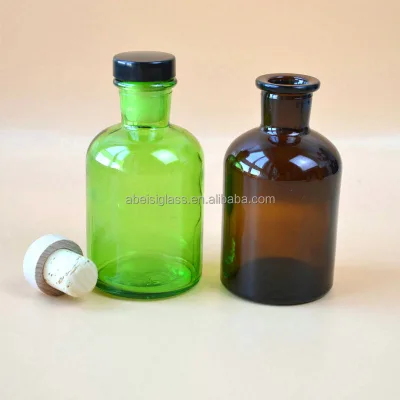
Vintage Apothecary Style 150ml Amber Glass Bottle Perfect for Reed Diffusers
$0.33 - $0.43
MOQ: 1000 Pieces

Ideal for Home Apothecary Travelsturdy 250ml Amber Medicine Bottle with Screw Cap
$0.21 - $0.36
MOQ: 2000 Pieces

Light-Sensitive Contents Wide Mouth Design Premium 400ml Amber Glass Bottle
$0.24 - $0.40
MOQ: 2000 Pieces

Xuzhou Crystal Glass Products Co., Ltd.
- Verified by SGS
- Trading Company
- China Jiangsu
- Lead time30 days
- Avg. response≤ 6h
Main productsGlass Bottle, Beverage Bottle, Wine Bottle, Mason Jar, Food Storage Jar, Spice Bottle, Spice Grinder, Table Glassware, Cosmetic Bottle, Cup
Main marketsOthers(foreignTradeCapacity.exportBusinessCapacityMarketOther),Europe


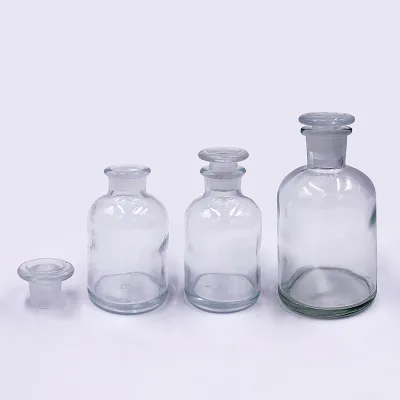
Best Selling 125ml 250ml Amber Clear Chemical Apothecary Jar Reagent Glass Bottle
$0.19 - $0.59
MOQ: 500 Pieces

Hot Sale 250ml 500ml Chemical Amber Glass Reagent Apothecary Jar with Glass Stopper
$0.19 - $0.59
MOQ: 500 Pieces

Top Sale 125ml 250ml Clear Amber Vintage Style Apothecary Jar with Hand Ground Glass Stopper
$0.19 - $0.59
MOQ: 500 Pieces
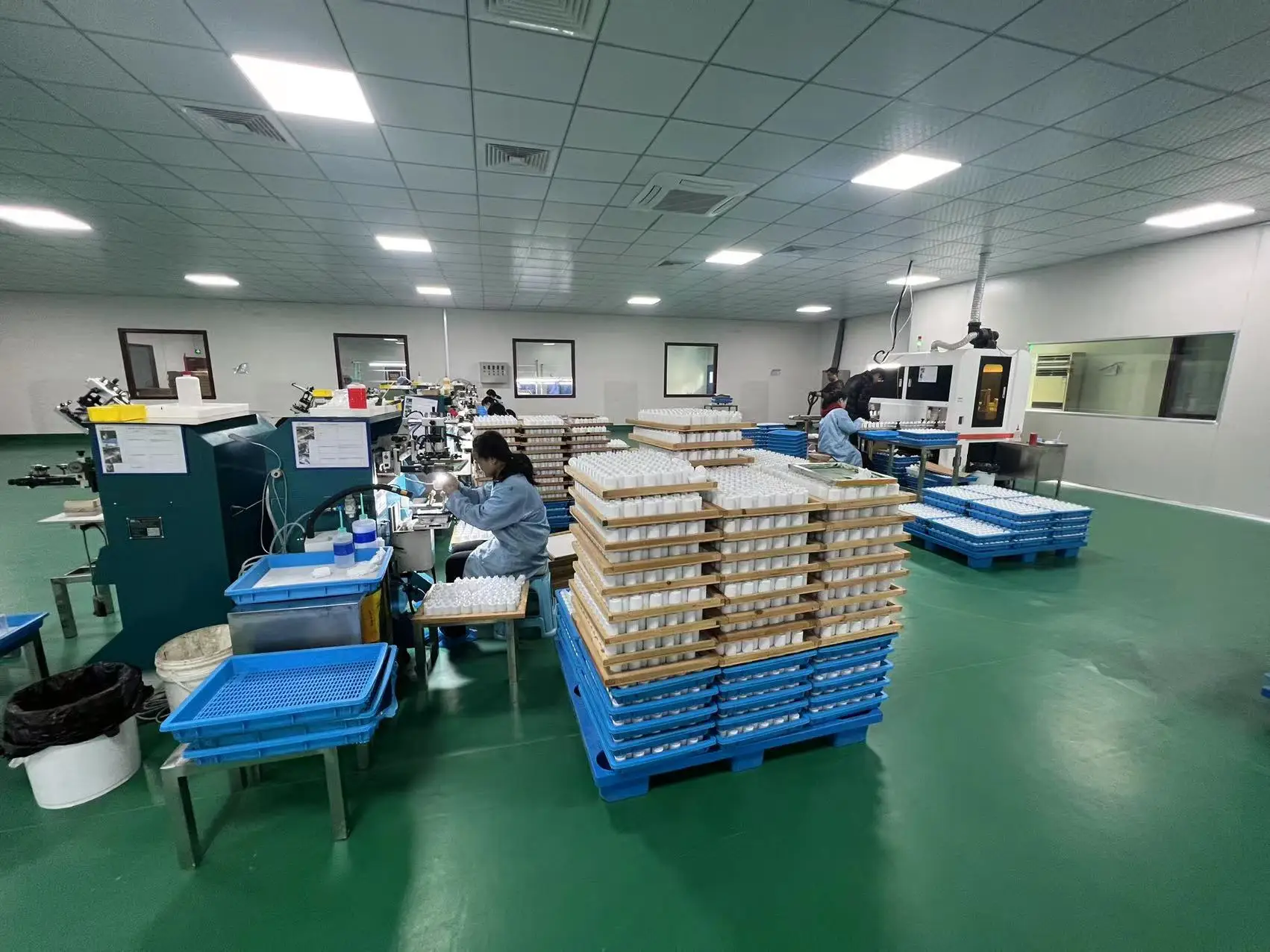
Xuzhou Abeisi Glass Products Co., Ltd.
- Trading Company
- Jiangsu, China
- Lead time35 days
- Avg. response≤ 6h
Main productsOud glass bottle &box,Glass Food Jar,Glass Perfume Bottle,Glass Cream Jar,Glass Aroma Diffuser Bottle
Main marketsNorth America(29.00%), Eastern Asia(21.00%), Western Europe(19.00%), South America(14.00%), Eastern Europe(12.00%), South Asia(5.00%)
JINAN FLAME GLASSWARE COMPANY LIMITED
- Verified by SGS
- Trading Company
- China Shandong
- Lead time23 days
- Avg. response≤ 20h
Main marketsDomestic

$0.20 - $5.00
MOQ: 100 Pieces


Anhui Creative Packaging Technology Co., Ltd.
- Verified by BV
- Trading Company,Manufacturer/Factory
- China Anhui
- Lead time23 days
- Avg. response≤ 6h
Main productsGlass Jars, Glass Bottles, Glass Liquor/Beer/Oil Bottles, Glass Cosmetic/Perfume Bottles, Glass Cup, Candle Jar, Preform, Lids/Cap, Aluminum Cans, Wine Glass
Main marketsSouth America,Eastern Europe,Mid East,North America,Southeast Asia,Eastern Asia,Oceania,Western Europe,Africa


Hot Sale Amber Apothecary Jars Chemical Laboratory Glassware Glass Reagent Medical Bottles with Lid
$0.25 - $0.38
MOQ: 1000 Pieces

Lab Clear Wide Mouth Amber Bottle Glass Apothecary Jar with Glass Stopper
$0.20 - $0.30
MOQ: 10000 Pieces

Empty Clear Amber Wide Mouth Glass Apothecary Jar with Glass Lid in Laboratory
$0.20 - $0.30
MOQ: 10000 Pieces


Shandong Pharmaceutical Glass Co., Ltd.
- Verified by TUVRHEINLAND
- Combined
- China Shandong
- Lead time15 days
- Avg. response≤ 15h
Main productsGlass Bottle, Rubber Stopper, Flip off Cap, Feeding Bottle, Glass Vial, Pharmaceutical Packaging, Medical Package, Medical Packaging, Baby Products, Prefilled Syringe
Main marketsSoutheast Asia/ Mideast

Jiaxin Glass Imports And Exports (Guangzhou) Co., Ltd.
- Trading Company
- China Guangdong
- Lead time30 days
- Avg. response≤ 7h
Main productsBeverage Glass Bottle Food Packaging, Cosmetic Glass Bottle Food Jar Glassware, Pharmaceutical Packaging Medicine Bottle
Main marketsAfrica,Southeast Asia/ Mideast

ANHUI IDEA TECHNOLOGY CO., LTD
- Verified by TUVRHEINLAND
- Trading Company
- China Anhui
- Lead time23 days
- Avg. response≤ 5h
Main productsGlass Jar, Glass Bottle, Pet Preform, Aluminum Cans, Glass Cup, Bottle Caps Jar Lids, Candle Jars, Perfume Bottle, Cosmetic Bottle
Main marketsSouth America,Africa,Southeast Asia/ Mideast,East Asia(Japan/ South Korea),Europe,Australia,North America

$0.32 - $0.36
MOQ: 2000 Pieces

$0.32 - $0.36
MOQ: 2000 Pieces

$0.32 - $0.36
MOQ: 2000 Pieces


Zibo Melory Import & Export Trade Co., Ltd.
- Trading Company,Manufacturer/Factory
- China Shandong
- Lead time45 days
- Avg. response≤ 18h
Main productsGlass Candle Holder, Glass Jar, Glass Votive, Glass Diffuser, Glass Bottle, Glass Vase, Matches, Ceramic Candle Holder, Ceramic Holder for Incense, Glass Candle Jar
Main marketsSouth America,Eastern Europe,North America,Western Europe
Ninghai Baodefa International Trade Co., Ltd.
- Verified by SGS Group
- Trading Company
- Lead time20 days
- Avg. response≤ 5h
Main productsGlass bottle
Main marketsNorth America(50%), Oceania(40%), Western Europe(10%)
Xuzhou Honghua Glass Technology Co., Ltd.
- Verified by CTI
- Combined
- China Jiangsu
- Lead time15 days
- Avg. response≤ 3h
Main productsGlass Bottle, Glass Jar, Candle Jar, Lunch Box, Glassware, Class Cup
Main marketsSouth America,Africa,Others(foreignTradeCapacity.exportBusinessCapacityMarketOther),Southeast Asia/ Mideast,East Asia(Japan/ South Korea),Domestic,Europe,Australia,North America


$0.15 - $0.25
MOQ: 1000 Pieces

Wholesale Wide Mouth Amber Clear Glass Apothecary Candle Jar Household Candle Jar
$0.35 - $0.45
MOQ: 1000 Pieces


JINAN SNAIL INTERNATIONAL CO., LTD.
- Verified by BV
- Trading Company,Manufacturer/Factory,Group Corporation
- China Shandong
- Lead time23 days
- Avg. response≤ 6h
Main productsGlass Ampoule, Glass Vial, Glass Syringe and Cartridge, Neutral Borosilicate Glass Tubing
Main marketsMid East,North America,Southeast Asia,Eastern Asia,Africa

Bochuang Shengshi (Shandong) Import and Export Trading Co., Ltd.
- Manufacturer/Factory
- China Shandong
- Lead time23 days
- Avg. response≤ 3h
Main productsGlass Bottles, Liquor Bottles, Beverage Bottles, Wine Bottles, Spirits Bottles, Water Bottles, Whiskey Bottles, Tequila Bottles, Vodka Bottles, Rum Bottles
Main marketsSouth America,Eastern Europe,Mid East,North America,Southeast Asia,Eastern Asia,Oceania,Western Europe

500ml 700ml 750ml Apothecary Style Glassware Round Glass Gin Bottle for Botanical Spirits and Liquor
$0.28 - $2.12
MOQ: 10000 Pieces

Xuzhou Didian International Trade Co., Ltd.
- Manufacturer, Trading Company
- Jiangsu, China
- Lead time20 days
- Avg. response≤ 3h
Main productsGlass Bottle,dropper bottle,Perfume Bottle,essential oil bottle,wine bottle
Main marketsWestern Europe(22.00%), South America(21.11%), North America(11.11%), Southeast Asia(9.21%), Eastern Europe(6.21%), Africa(4.21%), Mid East(2.91%), Oceania(2.10%), Eastern Asia(1.90%)

Xuzhou Selead Packaging Material Co., Ltd.
- Verified by SGS
- Trading Company
- China Jiangsu
- Lead time15 days
- Avg. response≤ 6h
Main productsGlass Bottle, Plastic Bottle, Water Bottle, Glass Jar, Mason Jar, Wine Bottle, Cosmetic Bottle, Beverage Bottle, Glass, Candle Holder
Main marketsAfrica,Southeast Asia/ Mideast,Europe,North America

Wholesale Decorative Apothecary Round Brown Empty Amber Glass Candle Jar Candle Container with Lid
$0.20 - $0.80
MOQ: 5000 Pieces

Tinghui (Hebei) Packaging Products Co., Ltd.
- Verified by SGS Group
- Trading Company
- Lead time5 days
- Avg. response≤ 1h
Main productsPET Jar, Plastic Lotion Shampoo Bottle, Cuticle Oil Pen, Glass Cream Jar , Glass Dropper Bottle
Main marketsNorth America(50%), Western Europe(30%), South America(10%)
- Verified by CTI
- Trading Company
- China Shanghai
- Lead time23 days
- Avg. response≤ 6h
Main productsGlass Bottle, Bottle, Vodka Glass Bottle, Whisky Glass Bottle, Glass Beer Bottle, Glass Wine Bottle, Beer Bottle, Glass Decanter, Glass Jars, Glass
Main marketsSouth America,Africa,Europe,Australia,North America

$0.25 - $0.50
MOQ: 6000 Pieces

Liquor Glass Bottle Wine Glass Bottle Dark Green Bottle 355ml Amber 5 Litre Glass Bottle
$0.25 - $0.50
MOQ: 6000 Pieces


Empty Glass Bottles 100ml Premium Glass Bottle Amber Green Glass Bottle 500ml Glass Spirit Bottles
$0.25 - $0.50
MOQ: 6000 Pieces

Zibo Comm-Mountain Glassware Co., Ltd.
- Manufacturer, Trading Company
- Shandong, China
- Lead time45 days
- Avg. response≤ 8h
Main productsGlassware and Accessories
Main marketsWestern Europe(45.00%), North America(20.00%), Domestic Market(16.00%), Southern Europe(7.00%), Eastern Europe(5.00%), Northern Europe(5.00%), Eastern Asia(2.00%)

Shenzhen Bright Glassware Co., Ltd.
- Verified by SGS
- Trading Company
- China Guangdong
- Lead time30 days
- Avg. response≤ 7h
Main productsGlassware, Candle Jar, Glass Candle Holder, Reed Diffuser Bottle, Glass Perfume Bottle, Drinkware, Food Storage Jar, Candle Lid, Packaging Gift Box


Vintage Apothecary Style Glass Embossed Pattern Decorative Diffuser Bottles Clear Gold Purple Choice
$0.50 - $0.80
MOQ: 3000 Pieces


Jinan Honhai Glass Company Limited
- Manufacturer/Factory,Group Corporation
- China Shandong
- Lead time23 days
- Avg. response≤ 15h
Main productsBorosilicate Glass Tube Tubing Rod, Glass Ceramic Pyroceram Ceran Neoceram, Lamp Lantern Lighting Glass Chimney Cover Shade, Neutral Pharmaceutical Glass Vial & Ampoule, Borofloat Borosilicate Glass Sheet Corning Pyrex, Heat Resistant Glass Baking Dish Casserole Bowl, Glass Cosmetic Container Perfume Glass, Glass Tableware Kitchenware Tabletop, Soda Lime Glass Tube Tubing Rod, Lead Free Glass Tube Tubing
Main marketsSouth America,Eastern Europe,Mid East,North America,Southeast Asia,Eastern Asia,Oceania,Western Europe

- Verified by SGS
- Manufacturer/Factory
- China Shanghai
- Lead time30 days
- Avg. response≤ 4h
Main productsCosmetic Packaging, Glass Dropper Bottle, Cosmetic Jar, Essential Oil Bottle, Glass Jar, Glass Bottle, Roll on Glass Bottle, Plastic Bottle, Airless Bottle and Jar, Personal Care
Main marketsSouth America,Eastern Europe,Mid East,North America,Southeast Asia,Eastern Asia,Oceania,Western Europe,Africa
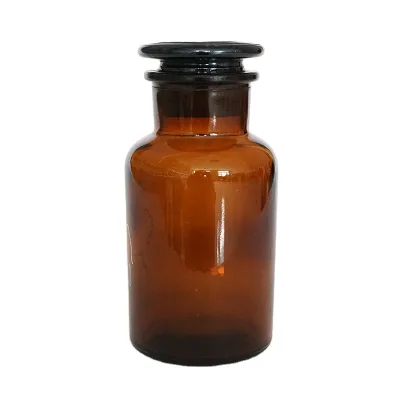






Comprehensive Sourcing Guide
Antique Apothecary Amber Glass Bottle Supplier Concentration and Factory Types
Current data indicates a concentration of suppliers in China, specifically within the Jiangsu and Shandong provinces, which serve as primary manufacturing hubs for glass packaging. These regions host a mix of trading companies and manufacturer-factories that specialize in amber glass bottles, jars, and apothecary-style containers. The Jiangsu cluster often features suppliers with OEM and ODM capabilities, offering customization for volume, shape, and sealing types like rubber stoppers or glass lids. In contrast, the Shandong cluster includes trading companies that may source from various factories while maintaining a focus on vintage and classic styles for pharmaceutical and personal care applications.
When evaluating the factory type, buyers should distinguish between direct manufacturers and trading entities based on their stated capabilities. Manufacturer-factories typically list specific production methods, such as machine pressing, and may offer broader customization options for molds and logos. Trading companies often aggregate products from multiple sources, providing a wider variety of styles like antique jars or wide-mouthed bottles without necessarily owning the production lines. Verifying the company type is essential to understand the supply chain depth, as manufacturers may offer more direct control over lead times and quality standards compared to intermediaries who manage logistics and sales.
How to Verify Antique Apothecary Amber Glass Bottle Suppliers
Verification of supplier credentials is critical when sourcing antique apothecary amber glass bottles to ensure product integrity and business reliability. Some suppliers in the current results display third-party verification badges, such as those from TÜV Rheinland, which indicates a level of external audit regarding their business operations. Buyers should prioritize suppliers with such verified status, as it suggests a commitment to meeting international standards. Additionally, checking for system certifications like ISO 9001 provides evidence of a structured quality management system, which is particularly important for pharmaceutical and personal care applications where contamination risks must be minimized.
Beyond certifications, buyers must assess the responsiveness and sample availability of potential partners to gauge operational efficiency. Response times vary significantly, with some suppliers indicating a response time of approximately nine hours while others respond within four hours. A faster response time often correlates with better communication channels and a more agile supply chain. Furthermore, verifying sample lead times, which can range from within seven days to three to seven working days, helps buyers determine how quickly they can validate product quality before committing to a large order. Ensuring that samples are available and that the supplier can provide detailed product attributes, such as material composition and sealing types, is a fundamental step in the verification process.
What to Compare Across Antique Apothecary Amber Glass Bottle Suppliers
Comparing suppliers requires a detailed analysis of key operational metrics, including minimum order quantities, lead times, and pricing structures. Minimum order quantities (MOQ) for these glass products can vary widely, with some suppliers requiring orders as low as 1,000 pieces while others set thresholds at 5,000 pieces. Lead times also differ, ranging from thirty days to thirty-eight days, which impacts inventory planning and cash flow. Buyers should create a comparison matrix that lists these specific constraints alongside the supplier's main product focus, such as whether they specialize in apothecary jars, reagent bottles, or general glass packaging, to identify the best fit for their specific volume needs.
Pricing and customization capabilities are equally vital dimensions for comparison, as they directly affect the total cost of ownership. Unit prices for amber glass bottles can range from approximately $0.35 to $0.82, depending on the volume, size, and specific features like UV resistance or custom logos. Suppliers offering customization services, such as custom logos, deco, or packing, may have different pricing tiers compared to those selling standard stock items. Additionally, the availability of specific product attributes, such as wide-mouthed designs, rubber stoppers, or glass lids, should be cross-referenced with the supplier's stated capabilities. Buyers must ensure that the selected supplier can meet their exact specifications regarding volume, shape, and application, whether for candy, gift, or pharmaceutical use.
Common Antique Apothecary Amber Glass Bottle Sourcing Risks
One significant risk in sourcing antique apothecary amber glass bottles is the potential inconsistency in product specifications and material quality. While many suppliers list attributes like "UV Resistant" or "Amber," the actual performance of the glass in protecting contents from light degradation can vary. Buyers must verify that the glass material meets the specific requirements for their intended application, such as pharmaceutical storage or cosmetic packaging. Relying solely on product keywords without requesting detailed test results or material certifications can lead to receiving bottles that do not provide adequate protection, potentially compromising the integrity of the stored products.
Another critical risk involves the reliability of lead times and the ability to fulfill orders consistently. Variations in lead times, such as the difference between thirty and thirty-eight days, can disrupt supply chains, especially for time-sensitive projects. If a supplier fails to meet the agreed-upon delivery schedule, it can result in stockouts and lost sales opportunities. Furthermore, the complexity of custom orders, including specific molds or packaging requirements, introduces additional variables that can delay production. Buyers should mitigate these risks by establishing clear communication channels, requesting detailed production schedules, and ensuring that the supplier has the capacity to handle their specific order volume without compromising quality or delivery timelines.
Antique Apothecary Amber Glass Bottle Regional Sourcing and Logistics
Sourcing from specific regions in China, such as Jiangsu and Shandong, offers distinct logistical advantages and challenges that buyers must consider. Suppliers in these regions often have established infrastructure for exporting glass products, but the distance from the factory to the port can impact shipping costs and transit times. For instance, products originating from Xuzhou in Jiangsu or other locations in Shandong may have different freight rates compared to those from other provinces. Buyers should calculate the total landed cost, including inland transportation, by understanding the specific place of origin listed for each supplier to ensure accurate budgeting.
Logistics planning also involves understanding the packaging standards and handling requirements for fragile glass items. Suppliers typically use carton and pallet packaging, with specific single package sizes and gross weights that influence container loading efficiency. For example, some products may have a single package size of 15x15x15 cm with a gross weight of 2.0 kg, while others might be larger, such as 30x20x20 cm. Buyers need to verify these dimensions to optimize container space and minimize shipping costs. Additionally, understanding the packing methods, such as whether items are packed in carton boxes with lids included, is essential to prevent damage during transit and ensure that the products arrive in perfect condition for retail or industrial use.
Antique Apothecary Amber Glass Bottle Commercial Terms and Order Planning
Commercial terms and order planning are foundational to a successful procurement strategy for antique apothecary amber glass bottles. Buyers must carefully review the sample time and the process for obtaining samples, as this is often the first step in validating a supplier's capability. Sample times can range from within seven days to three to seven working days, and the availability of samples is a key indicator of a supplier's readiness to engage. Once samples are approved, the transition to mass production requires clear agreements on payment terms, delivery schedules, and quality assurance protocols to ensure that the final order meets all expectations.
Order planning should also account for the customization options and the associated lead times for non-standard items. Suppliers offering custom logos, deco, or packing may require additional time for design approval and production setup. Buyers should factor in these variables when creating their production schedule to avoid delays. Furthermore, understanding the selling units and the specific capacity of the bottles, such as 60ml, 150ml, or 500ml, is crucial for accurate inventory management. By aligning commercial terms with realistic production timelines and clearly defining customization requirements, buyers can streamline the ordering process and ensure a smooth supply chain from initial inquiry to final delivery.
FAQs
What is the typical lead time for amber apothecary bottles?
Manufacturers in China generally require 30 to 38 days for production and delivery. This timeframe accounts for material sourcing, glass forming, and quality checks. Buyers should confirm exact schedules with suppliers before placing orders to ensure timely arrival for their specific project needs.
What is the minimum order quantity for these glass jars?
Minimum order quantities typically range from 1,000 to 5,000 pieces depending on the supplier. Some vendors accept lower volumes for sample orders or specific vintage styles. Always verify the exact MOQ with the manufacturer to understand the financial commitment required for bulk purchasing.
Are customization options available for amber glass bottles?
Yes, customization is widely available for logos, packaging, and decorative designs. Suppliers offer OEM and ODM services to tailor products to specific brand requirements. Buyers can request custom logos or unique packaging solutions to enhance product presentation and brand identity in the market.
What certifications do these glass bottle suppliers hold?
Many verified suppliers hold ISO 9001 system certification for quality management. Some undergo third-party verification by organizations like TÜV Rheinland. These credentials indicate adherence to international standards for manufacturing processes and product quality, providing buyers with confidence in the reliability of their supply chain.
What is the price range for wholesale amber apothecary jars?
Prices generally range from $0.35 to $0.82 per unit based on volume and specifications. Lower costs are often associated with higher order quantities and standard designs. Buyers should request detailed quotes to understand how factors like customization and packaging affect the final unit price.
How quickly do suppliers typically respond to inquiries?
Response times vary, with some suppliers replying within 4 hours and others taking up to 9 hours. Faster response rates often indicate higher operational efficiency and dedicated customer service teams. Prompt communication helps buyers resolve questions about specifications, pricing, and logistics more effectively during the sourcing process.
Where are these glass bottle manufacturers located?
Manufacturers are primarily located in Jiangsu and Shandong provinces in China. These regions are known for their glass production capabilities and established supply chains. Buyers can source products from these areas to benefit from local industry expertise and efficient logistics networks for international shipping.