Manual Helix Cutter Pencil Sharpener Suppliers and Manufacturers
Source 22 verified suppliers for Manual Helix Cutter Pencil Sharpener products. Compare key dimensions including location, lead time, MOQ, and response time to find the right partner. Review product specifications and certifications to make an informed sourcing decision; review the available evidence before requesting comparable quotations from suitable candidates.
Suppliers List

- Verified by SGS
- Trading Company,Manufacturer/Factory,Other
- China Zhejiang
- Lead time38 days
- Avg. response≤ 17h
Main productsBath Mat, Cushion, Wooden Toys, Fitness Equipment, Cosmetic Bag, Luggage, Festival Products, Gym Items, Face Mask, Paracord Bracelet
Main marketsSouth America,Eastern Europe,Mid East,North America,Southeast Asia,Eastern Asia,Oceania,Western Europe,Africa


Cartoon Pencil Sharpener Pencil Sharpener Single Hole Hand Pencil Sharpener Student Stationery
$0.60 - $0.70
MOQ: 1000 Pieces

Hefei Colorfly Stationery Co., Ltd.
- Verified by SGS
- Combined
- China Anhui
- Lead time30 days
- Avg. response≤ 9h
Main productsExercise Book, Notebook, Spiral Notebook, Composition Book, Copy Book, Soft Cover Notebook, Stationery Set, Drawing Book, PP Exercise Book, Counter Book
Main marketsAfrica,Southeast Asia/ Mideast
Ninghai Haibei Stationery Co., Ltd.
- Manufacturer, Trading Company
- Zhejiang, China
- Lead time30 days
- Avg. response≤ 4h
Main productsPaper Fastener,Paper Clip,Stapler,Staples
Main marketsSouth America(35.0%), Eastern Europe(20.0%), Southeast Asia(17.0%), Mid East(10.0%), North America(4.0%), Oceania(2.0%), Africa(2.0%)
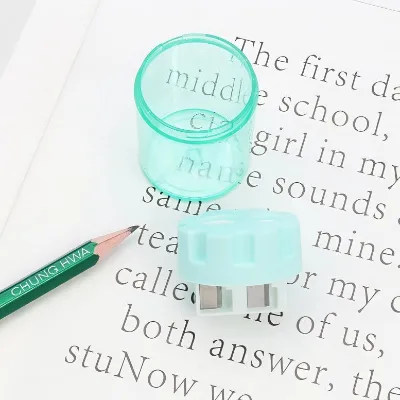
HIGH QUALITY MATERIAL MANUAL COMPACT COLORED HANDHELD PENCIL SHARPENER
$0.10 - $0.15
MOQ: 10000 Minimum
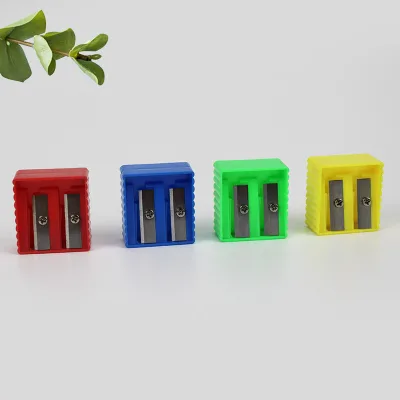
Double Hole Pencil Sharpener Pencil Sharpener Student Back to School Prizes Cheap Wholesale
$0.01 - $0.03
MOQ: 10000 Minimum
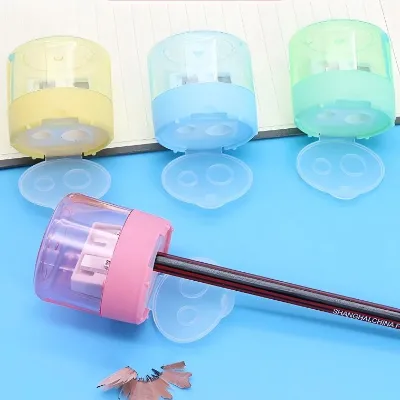
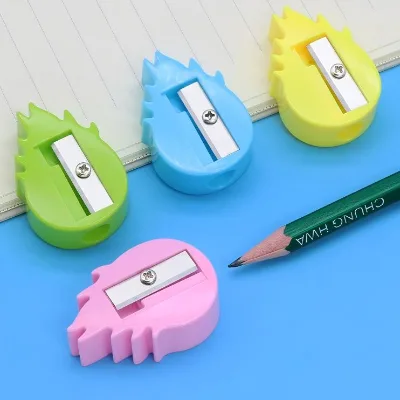
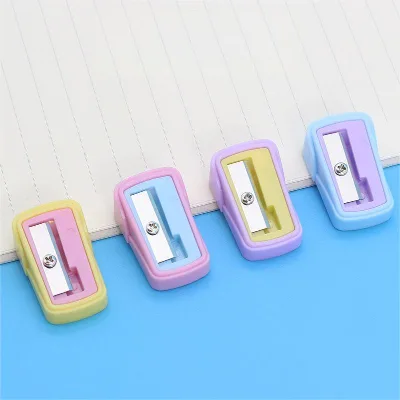
Double Hole Pencil Sharpener Pencil Sharpener Student Back to School Prizes Cheap Wholesale
Contact supplier
MOQ: 10000
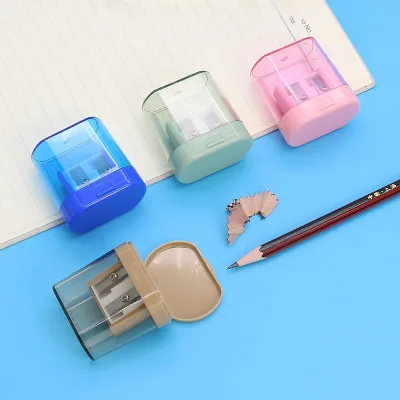
Convenient Practical Student Tools Handheld Pencil Sharpener With Handle for School Bag
Contact supplier
MOQ: 50000

- Trading Company,Manufacturer/Factory
- China Zhejiang
- Lead time23 days
- Avg. response≤ 12h
Main productsNotebook, White Board, Stationery, Ball Pen, Sticky Notes, Promotion Gifts, Staple, Color Pencils, Pencil Case, Water Bottle
Main marketsSouth America,Eastern Europe,Mid East,North America,Southeast Asia,Eastern Asia,Oceania,Western Europe,Africa

Anhui Sunshine Stationery Co., Ltd.
- Verified by TUVRHEINLAND
- Trading Company
- China Anhui
- Lead time15 days
- Avg. response≤ 6h
Main productsPencil, Stationery Pins, Stationery Clips, Staple, Stapler, Paper Punch, Office Organizer, Document File, Glue
Main marketsSouth America,Africa,Others(foreignTradeCapacity.exportBusinessCapacityMarketOther),Southeast Asia/ Mideast,East Asia(Japan/ South Korea),Europe


Colored Plastic Manual Pencil Sharpener with 8mm Dual-Hole for School Stationery Supplies
$0.09 - $0.10
MOQ: 960 Pieces
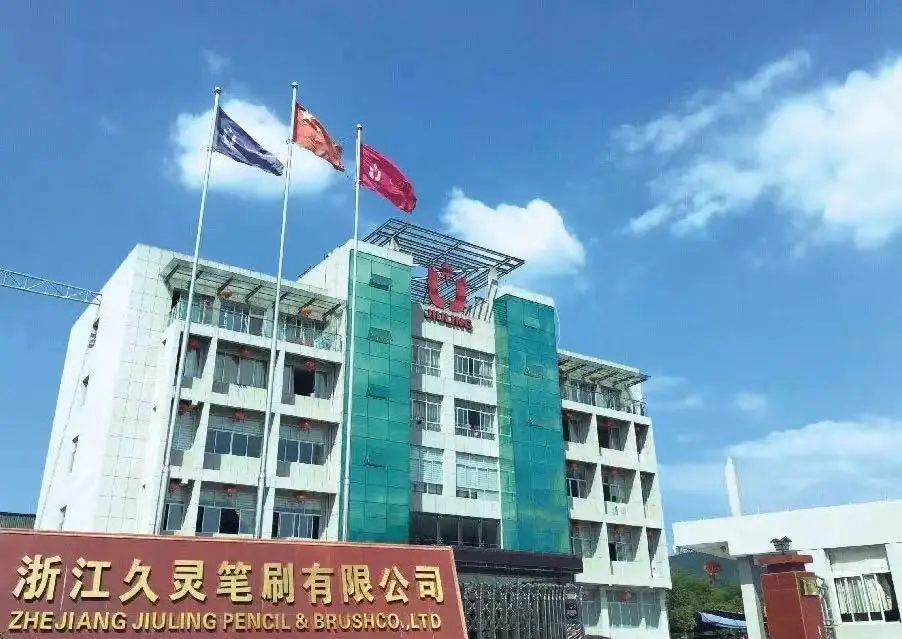
ZHEJIANG JIULING PENCIL & BRUSH CO., LTD.
- Manufacturer
- Zhejiang, China
- Lead time15 days
- Avg. response≤ 1h
Main productsWooden Pencil
Main marketsDomestic Market(80.0%), North America(7.000000000000001%), Eastern Europe(5.0%), Eastern Asia(3.0%), Mid East(3.0%), South Asia(2.0%)
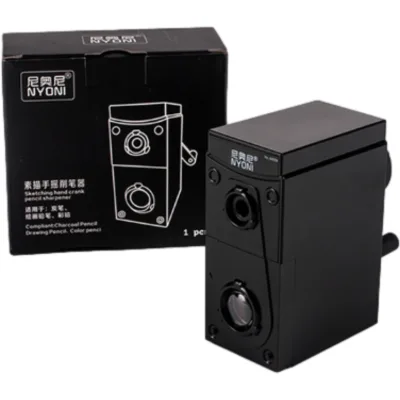
$4.80 - $10.62
MOQ: 1 pieces
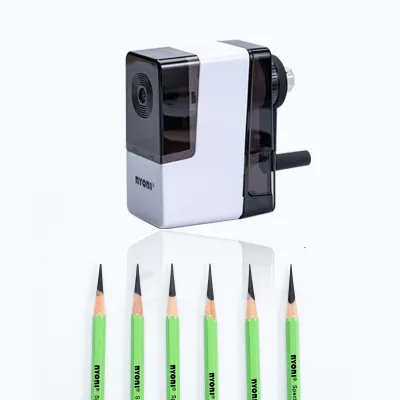
Professional Sharpening Pencil Sharpener Stationery Tool for Artist Sketch Sharpener
$4.50 - $5.60
MOQ: 4 sets
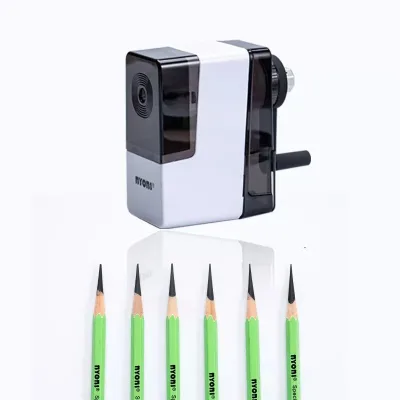

Ningbo Becol Stationery & Gifts Co., Ltd.
- Verified by BV
- Trading Company
- China Zhejiang
- Lead time23 days
- Avg. response≤ 8h
Main productsPromotion Pen, Ball Pen, Marker Pen, Highlighter, Gel Pen, Cutter Knife, File Folder, Stapler, Scissor, Stamp
Main marketsSouth America,Africa,Southeast Asia/ Mideast,East Asia(Japan/ South Korea),Europe,Australia,North America


Wholesale Colorful Plastic Double Hole Manual Pencil Sharpener for Students
$0.12 - $0.18
MOQ: 5000 Pieces

Wholesale Creative Plastic Double Hole Manual Pencil Sharpener for School
$0.09 - $0.11
MOQ: 1000 Pieces

Factory Customized Jumbo Carpenter Plastic Pencil Sharpener for Promotion
$0.10 - $0.20
MOQ: 10000 Pieces
- Verified by TUVRHEINLAND
- Trading Company
- China Anhui
- Lead time45 days
- Avg. response≤ 17h
Main productsEraser, Pencil, Chalk, Paper Clip, Crayon, Stick Pen, Sheet Protector, Punch, Mathematerical Instruments, Pencil Sharpener
Main marketsSouth America,Africa,North America


One /Two-Hole Tin Pencil Sharpener/Kids Pencil Sharpener/Pencil and Sharpener
$0.01 - $0.03
MOQ: 5000 Pieces


- Verified by CTI
- Trading Company
- China Zhejiang
- Lead time15 days
- Avg. response≤ 7h
Main productsJewelry, Brooch, Belt, Necklace, Agent, Bracelet, China Trim, China Ring, China Hair Accessory, China Earring
Main marketsSouth America
Ningbo Hi-Tech Zone J&J Stationery Co., Ltd.
- Verified by TüVRheinland
- Trading Company
- Lead time45 days
- Avg. response≤ 3h
Main productsStationery
Main marketsEastern Europe(20%), Western Europe(19%), Mid East(13%)
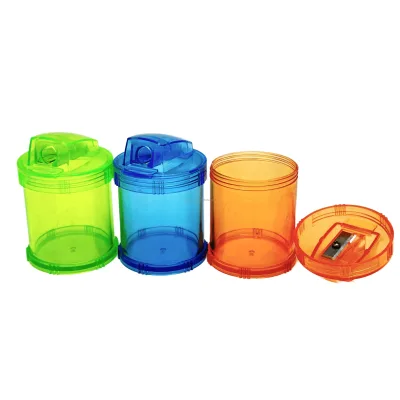
Manual Pencil Sharpener Colorful Single Hole Pencil Sharpener for Travel School Office and Art Room
$0.15 - $0.35
MOQ: 10000 Minimum
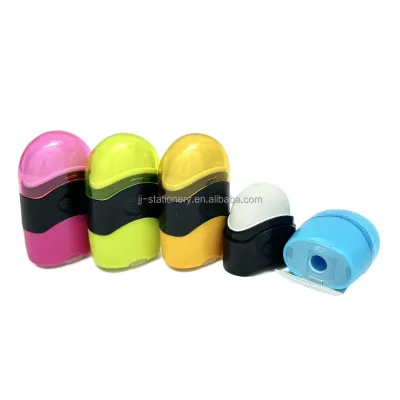
Cost-effective Pencil Sharpener Colorful Manual Pencil Sharpener with Erasers for Pencil School
$0.10 - $0.26
MOQ: 10000 Minimum
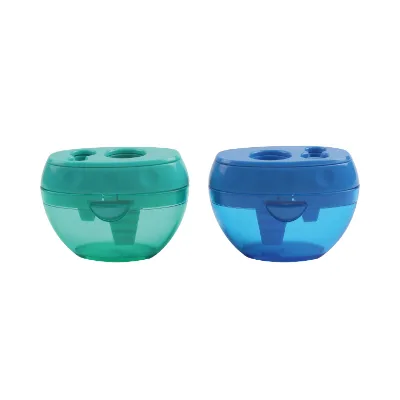
Manual Colorful Compact Dual Holes Lid Portable School Office Sharpener Flip Top Pencil Sharpener
$0.20 - $0.35
MOQ: 5000 Minimum
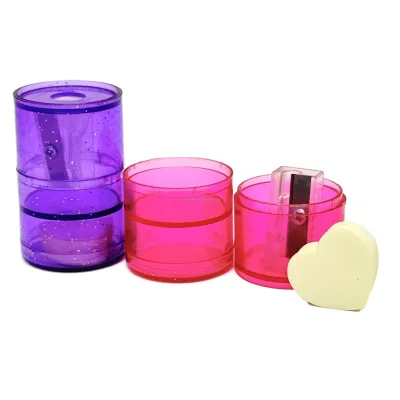
$0.10 - $0.26
MOQ: 10000 Minimum
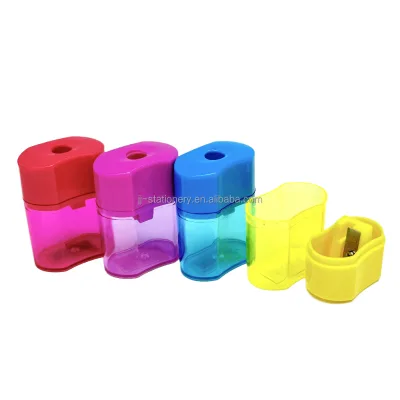

Ningbo Inmax Cultural Technology Co., Ltd
- Verified by SGS
- Trading Company,Manufacturer/Factory
- China Zhejiang
- Lead time45 days
- Avg. response≤ 4h
Main productsPen, Stationery, Pencils, Ballpoint Pens, Highlighter, Notebook, Marker, Erasers, Rulers, School Stationery
Main marketsSouth America,Eastern Europe,Mid East,North America,Southeast Asia,Eastern Asia,Oceania,Western Europe,Africa

Triangular Dual Hole Pencil Sharpener Manual Plastic Pencil Sharpeners (SS 23194-2XK)
$0.50 - $1.02
MOQ: 3000 piece


- Verified by TUVRHEINLAND
- Trading Company
- China Zhejiang
- Lead time15 days
- Avg. response≤ 16h
Main productsStationery Set, Calendar, Promotion Pen, Bottle, Car Products, Fidget Toy, DIY Toy, Education Toy, Art Set, Pencil Case
Main marketsSouth America,Europe,North America


Creative Cute Mini Cartoon Pencil Sharpener Double Hole Pencil Sharpener Wholesale Stationery
$0.12 - $0.14
MOQ: 288 Pieces

Wholesale Creative Heart Manual Pencil Sharpener Used for School Students
$0.38 - $0.70
MOQ: 500 Pieces

Cartoon Stationery Cute Creative Student Pencil Sharpener for School Office
$0.30 - $0.60
MOQ: 500 Pieces
Ningbo Deli Handicraft Manufacturing Co., Ltd.
- Manufacturer, Trading Company
- Zhejiang, China
- Lead time0 days
- Avg. response≤ 8h
Main productsHalloween Pumpkin Carving Kit,School Supplies,Kids Toys,Gaming Figure Miniature,Handicraft
Main marketsDomestic Market(80.0%), Western Europe(10.0%), North America(10.0%)
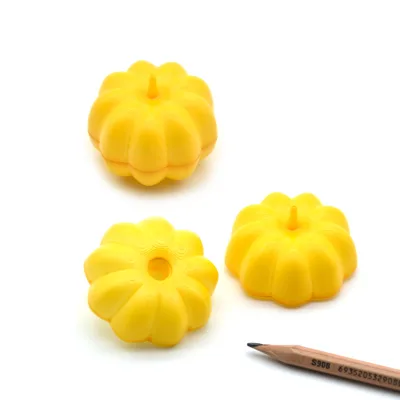
Best Handheld Pencil Sharpener Small and Portable School Office Manual Pencil Sharpener
$0.51
MOQ: 3000 Minimum
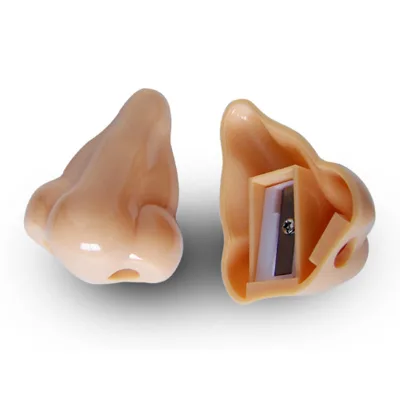
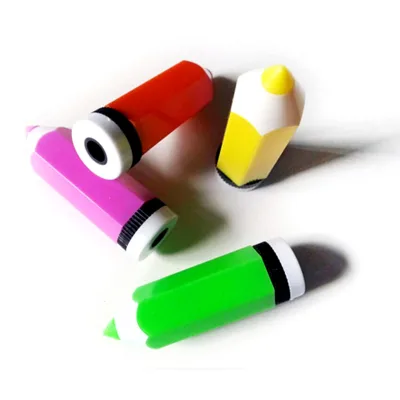
Best Colored Pencil Sharpener for Artists Perfect Desk Mounted Pencil Sharpener
$0.46
MOQ: 3000 Minimum
Ningbo Becol Stationery & Gifts Co., Ltd.
- Verified by Intertek
- Trading Company
- Lead time25 days
- Avg. response≤ 5h
Main productsBall Pen, Marker Pen, Pencil, Party Supplies, Art Supplies
Main marketsWestern Europe(30%), North America(18%), Eastern Europe(12%)
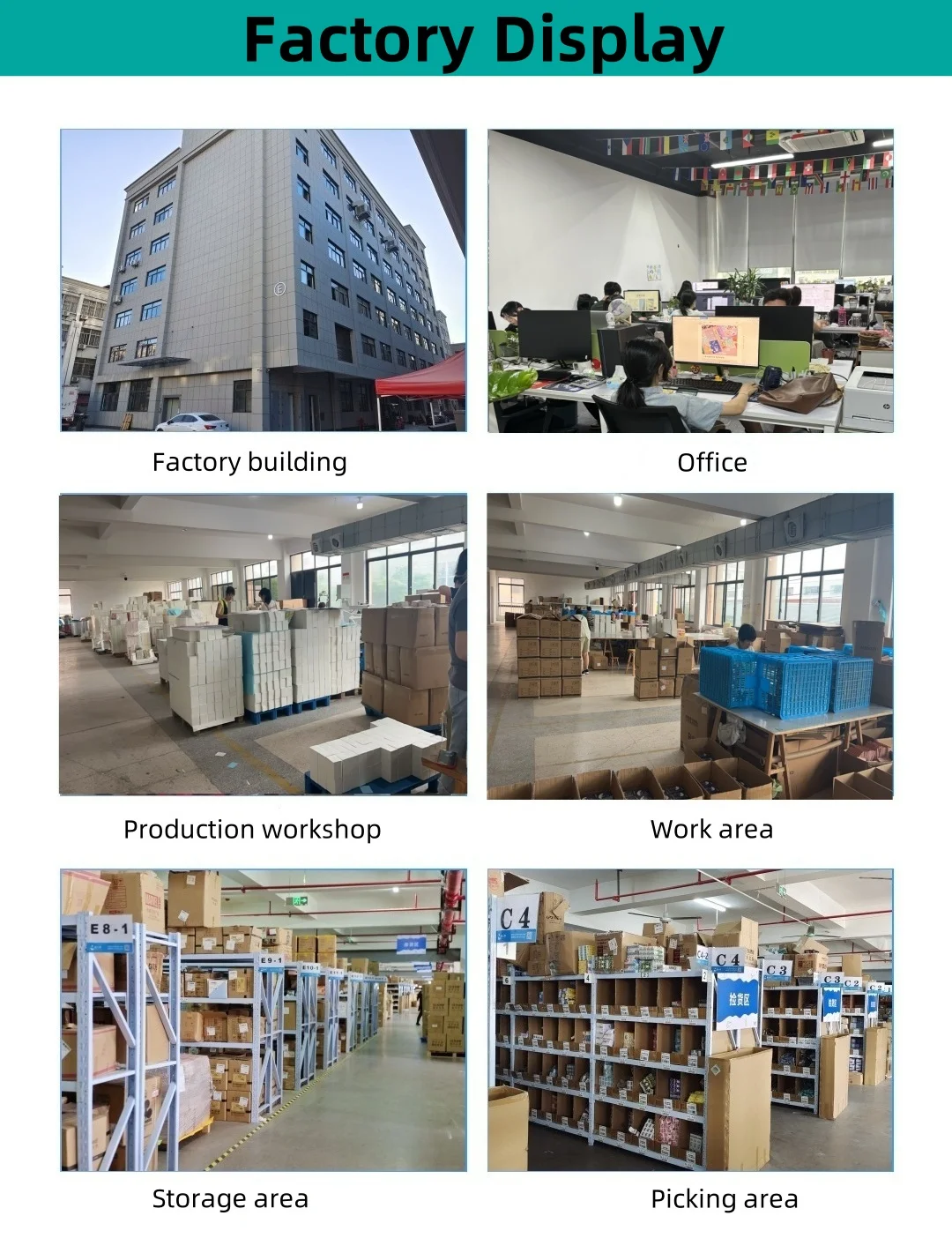
Dongyang Mengchen Stationery Co., Ltd.
- Trading Company
- Zhejiang, China
- Lead time7 days
- Avg. response≤ 3h
Main productsNoteBook,Gel Pen,Stickers,Learn stationery,File collection
Main marketsDomestic Market(30.0%), Eastern Asia(15.0%), South Asia(10.0%), Southeast Asia(10.0%), Western Europe(10.0%), North America(10.0%), South America(5.0%), Central America(3.0%), Southern Europe(3.0%), Northern Europe(3.0%), Oceania(2.0%), Eastern Europe(2.0%), Mid East(2.0%), Africa(1.0%)
Shenzhen Winjoy Stationery Co., Ltd.
- Trading Company
- Guangdong, China
- Lead time25 days
- Avg. response≤ 5h
Main productsStationery,pencil,color pencil,rulers,notebook
Main marketsNorth America(50.0%), Domestic Market(20.0%), South America(10.0%), Southeast Asia(5.0%), Northern Europe(5.0%), Africa(5.0%), Mid East(3.0%), Western Europe(2.0%)
Qingdao Hengyiyi International Trade Co., Ltd.
- Trading Company
- Shandong, China
- Lead time0 days
- Avg. response≤ 4h
Main productspencil,Watercolor pen,marking pen,notebook,Calculator
Main marketsNorth America(40.0%), Southeast Asia(10.0%)

- Manufacturer/Factory
- China Fujian
- Lead time38 days
- Avg. response≤ 1h
Main productsKeychains, Bags, Caps, Balls
Main marketsSouth America,Eastern Europe,Mid East,North America,Southeast Asia,Eastern Asia,Oceania,Western Europe,Africa

$0.12 - $0.19
MOQ: 1000 Pieces

Hand-Shaking Pencil Sharpener Single Hole Pencil Sharpener Student Stationery Wholesale
$0.69 - $0.79
MOQ: 1000 Pieces

Ningbo Rainma Stationery Co., Limited.
- Verified by TUVRHEINLAND
- Trading Company,Manufacturer/Factory,Other
- China Zhejiang
- Lead time23 days
- Avg. response≤ 9h
Main productsPaper Notebook and Note Pad, School Stationery, Art Pigments, Ball Pen, Paint Canvas and Canvas Board, Office Stationery, Promotion Gift Stationery, Eraser and Ruler, Marker & Highlighter, Cutter Knife
Main marketsSouth America,Eastern Europe,Mid East,North America,Southeast Asia,Eastern Asia,Oceania,Western Europe,Africa


Cheap School Office Metal Silver Single Hole Manual Mini Stationery Pencil Sharpener
$0.03 - $0.04
MOQ: 3000 Pieces


Office Stationery Single Hole Plastic Pencil Sharpener with Custom Logo
$0.09 - $0.10
MOQ: 5000 Pieces

Plastic Colours Stationery Pencil Sharpener with Large and Small Pencil Holes
$0.01 - $0.02
MOQ: 5000 Pieces

Wenzhou Bonvan Stationery & Gifts Co., Ltd.
- Verified by TüVRheinland
- Trading Company
- Lead time25 days
- Avg. response≤ 3h
Main productsMarkers, Pens, School Stationery, Office Stationery, Art Material
Main marketsNorth America(20%), Domestic Market(20%), Western Europe(15%)
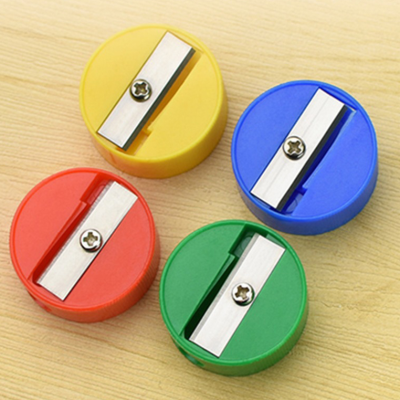
Hot Sale Sharpener for Pencil with Custom Print Small Geometric Design Sharpeners for Promotional
$0.02 - $0.12
MOQ: 1000 Minimum
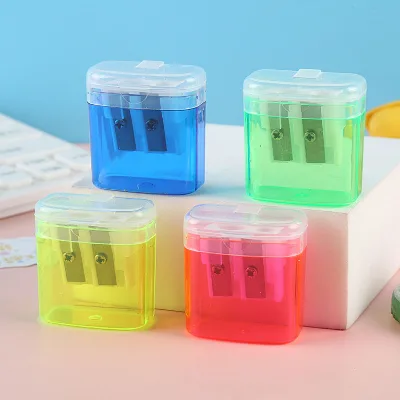
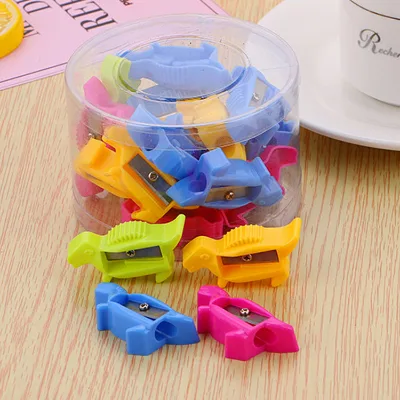

Ningbo Brt Imp. &Exp. Co., Ltd.
- Verified by TUVRHEINLAND
- Trading Company
- China Zhejiang
- Lead time23 days
- Avg. response≤ 3h
Main productsSchool Stationery, Water Bottle, Office Stationery, School Bag, Promotional Pen, Marker, Promotional Gift, Notebook
Main marketsAfrica,East Asia(Japan/ South Korea),North America

Student Office Single Hole Square Multi Color Mini Plastic Pencil Sharpener
$0.02 - $0.03
MOQ: 5000 pieces

Plastic Dual Holes Handheld Pencil Sharpener for Adults Students School Class Home Office
$0.10 - $0.12
MOQ: 1080 pieces
Ningbo Emda Import And Export Co., Ltd.
- Verified by SGS Group
- Trading Company
- Lead time30 days
- Avg. response≤ 3h
Main productsPunch, Stapler, Metal Mesh Products
Main marketsNorth America(25%), South America(20%), Western Europe(20%)


Comprehensive Sourcing Guide
Manual Helix Cutter Pencil Sharpener Supplier Concentration and Factory Types
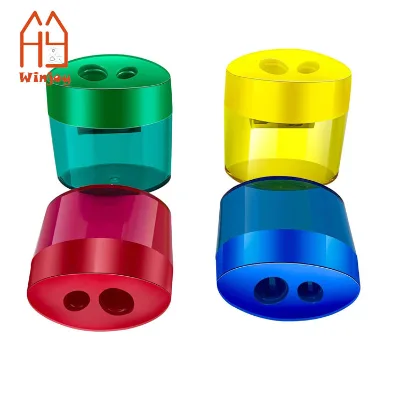
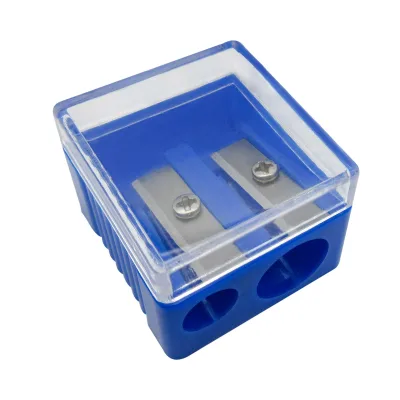
The current supplier landscape for manual helix cutter pencil sharpeners shows a distinct concentration of manufacturing activity within China, specifically in the Zhejiang and Anhui provinces. Data indicates that suppliers in Zhejiang often operate as a mix of trading companies and manufacturers, while those in Anhui may present as combined entities or specialized factories. This geographic clustering suggests that buyers can expect a high density of potential partners in these regions, particularly for products involving plastic and metal components. The presence of specific product attributes like "House-Shaped" or "Square" designs in Zhejiang results implies a mature local supply chain capable of diverse molding and assembly processes.
Factory types vary significantly across the available results, ranging from pure manufacturers to trading companies and other entity types. Some suppliers list capabilities for OEM, ODM, and own-brand production, indicating they can handle custom design requests for the helix cutter mechanism. Others focus on trading, potentially sourcing from multiple factories to offer a broader catalog of stationery items. Buyers should note that while some entities claim to be manufacturers, the actual production capacity might be outsourced. Verifying the specific company type against the product evidence is essential to ensure the supplier can directly manage the quality control and production timeline required for custom helix cutter designs.
How to Verify Manual Helix Cutter Pencil Sharpener Suppliers
Verification of suppliers for manual helix cutter pencil sharpeners requires a rigorous check of their stated credentials and operational history. Several suppliers in the current results display verification badges from SGS, which serves as a third-party confirmation of their business legitimacy. Additionally, system certifications such as BSCI, ISO 9000, ISO 9001, ISO 14001, GMP, and HSE are present in the data, suggesting that these facilities adhere to specific management and safety standards. Buyers must confirm that these certifications are current and relevant to the specific manufacturing of stationery items, as the presence of a certificate does not guarantee the quality of every individual product batch.
Response time and lead time are critical metrics for assessing supplier reliability and operational efficiency. The observed data shows response times ranging from approximately 4 hours to over 16 hours, with lead times varying between 30 and 38 days for standard orders. A supplier with a response time of 4 hours may indicate a dedicated sales team or automated systems, whereas longer response times might suggest a smaller operation or different time zone challenges. Buyers should also examine the stated delivery times, such as "Within 8-12 Work Days," to understand the actual production cycle. Cross-referencing these timeframes with the supplier's claimed capacity for OEM and ODM work helps determine if they can meet urgent order requirements without compromising quality.
What to Compare Across Manual Helix Cutter Pencil Sharpener Suppliers
When evaluating suppliers, buyers must compare key commercial dimensions including Minimum Order Quantity (MOQ), pricing structures, and customization capabilities. The data reveals a wide range of MOQs, from 1,000 pieces to as high as 50,000 pieces, depending on the specific model and supplier. Pricing also varies significantly, with some manual sharpeners listed at prices as low as $0.10 per unit, while others range up to $1.38. This disparity often correlates with the complexity of the helix cutter mechanism, the materials used, such as plastic versus plastic and metal combinations, and the level of customization requested. Buyers should align their order volume with the supplier's MOQ to avoid unnecessary costs or rejected orders.
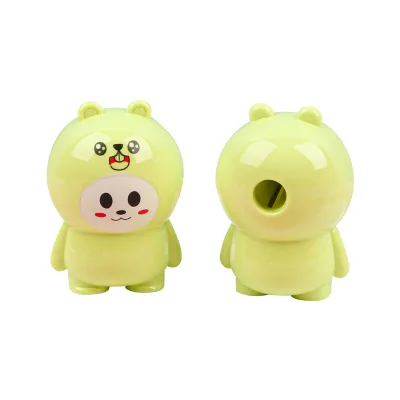
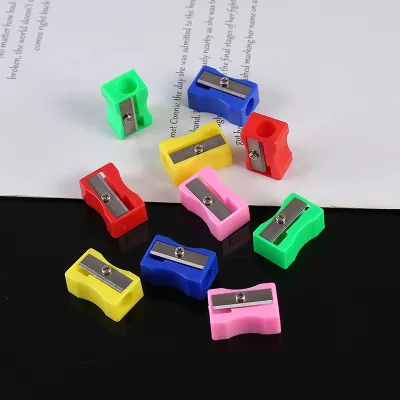
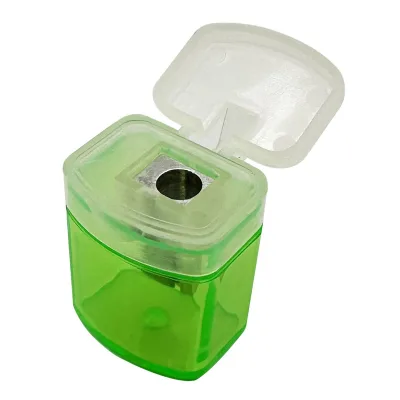
Customization options and product attributes are another vital area for comparison across different suppliers. Some results indicate that customization is available, allowing for specific shapes like "House-Shaped" or "Square" designs, while others list products as "Non-Customized." The material composition, such as "Plastic" or "Plastic + Metal," and features like "Waterproof" or "Double Hole" capabilities, must be matched against the buyer's specific product requirements. Additionally, the availability of packaging options, ranging from standard boxes to customized packing, should be verified. Comparing these attributes ensures that the selected supplier can deliver a product that meets the exact specifications for the target market, whether it is for primary schools, office supplies, or promotional gifts.
Common Manual Helix Cutter Pencil Sharpener Sourcing Risks
One significant risk in sourcing manual helix cutter pencil sharpeners involves the discrepancy between claimed capabilities and actual production capacity. While many suppliers list OEM and ODM services, the actual ability to produce complex helix mechanisms may vary. Some products in the results are described with specific attributes like "Manual Drive Type" and "Disassembly," but the underlying manufacturing process for the cutting blades is not always detailed. Buyers face the risk of receiving products that do not match the visual or functional expectations set by the product images or descriptions. It is crucial to request physical samples to verify the sharpness, durability, and safety of the helix cutter blades before committing to a large order.
Another risk pertains to the consistency of quality control and adherence to safety standards. Although certifications like ISO 9001 and BSCI are present, the actual implementation of these standards in the production line for stationery items can vary. The presence of materials like "Carbon Steel Blade" suggests a need for rigorous testing to ensure the blades do not pose a safety hazard to students or office workers. Furthermore, the variation in lead times, from 30 to 38 days, indicates potential bottlenecks in the supply chain. Buyers must assess whether the supplier has the infrastructure to maintain consistent quality and timely delivery, especially when dealing with high-volume orders that require strict adherence to production schedules and safety regulations.
Manual Helix Cutter Pencil Sharpener Regional Sourcing and Logistics
Sourcing from the identified regions of Zhejiang and Anhui in China offers logistical advantages due to established manufacturing clusters and export infrastructure. Suppliers in these areas often have experience with international shipping and can provide detailed information on delivery times, such as "Within 8-12 Work Days" for production. The concentration of factories in these provinces facilitates easier coordination for quality inspections and factory audits. Buyers should consider the proximity of the supplier to major ports, as this can impact shipping costs and transit times. Understanding the specific location, such as "Heifei, China" or "Zhejiang, China," helps in estimating the total landed cost and planning the logistics chain effectively.
Logistics planning must also account for the specific packaging requirements and product dimensions provided by the suppliers. Some results indicate standard packing like "Box" or "Color Box," while others offer "Customized" packing solutions. The dimensions of the products, such as "485cm" or "121626(mm)," are critical for calculating container loading and freight costs. Buyers should verify if the supplier can handle the specific packaging needs for their target market, including labeling and branding requirements. Additionally, the lead time of 30 to 38 days must be factored into the overall supply chain timeline to ensure that goods arrive before the intended sales season. Proper logistics planning ensures that the manual helix cutter pencil sharpeners reach the market efficiently and cost-effectively.
Manual Helix Cutter Pencil Sharpener Commercial Terms and Order Planning
Commercial terms for manual helix cutter pencil sharpeners vary widely based on the supplier's size, location, and product complexity. Buyers must carefully review the Minimum Order Quantity (MOQ) requirements, which can range from 1,000 to 50,000 pieces. Pricing is another critical factor, with unit costs fluctuating between $0.10 and $1.38 depending on the model and customization level. Understanding these terms is essential for budgeting and ensuring that the order volume aligns with the supplier's production capabilities. Buyers should also inquire about payment terms, escrow options, and any additional fees for customization or expedited shipping to avoid unexpected costs.
Order planning requires a strategic approach to managing lead times and production schedules. With lead times ranging from 30 to 38 days, buyers need to plan their inventory levels well in advance to prevent stockouts. The response time of suppliers, which can vary from 4 to 16 hours, also plays a role in the speed of order processing and communication. Buyers should establish clear communication channels and set realistic expectations for delivery dates. Additionally, verifying the supplier's capacity for OEM and ODM work ensures that custom designs can be produced within the required timeframe. Effective order planning involves balancing cost, quality, and delivery speed to achieve the best outcome for the business.
FAQs
What is the typical lead time for manual pencil sharpeners?
Lead times vary by supplier, with observed ranges from 30 to 38 days. Some manufacturers in Zhejiang offer delivery within 8 to 12 work days. Buyers should confirm specific timelines based on order volume and customization needs before placing an order.
What are the minimum order quantities for these products?
Minimum order quantities differ significantly across suppliers. Some listings require 1,000 pieces, while others set the threshold at 5,000 or even 10,000 units. High-volume orders may reach 50,000 pieces depending on the specific model and supplier capacity.
Which certifications do these suppliers typically hold?
Many suppliers hold system certifications such as ISO 9001, ISO 14001, and BSCI. Some also possess GMP or HSE certifications. Verification by SGS is available for certain manufacturers. Buyers should request specific certificates to ensure compliance with their regional standards.
Where are the main manufacturing locations for these items?
Manufacturing is concentrated in China, specifically in Zhejiang and Anhui provinces. Some products originate from Heifei in Anhui. Buyers should verify the exact place of origin for each product to understand logistics and potential shipping costs associated with the region.
What materials are used to make manual pencil sharpeners?
Common materials include plastic, metal, and combinations of both. Some models feature carbon steel blades for durability. The housing is typically made of plastic, while internal mechanisms may use metal components to ensure smooth operation and long-term reliability for students.
Are customization options available for these pencil sharpeners?
Customization is available for many models, allowing for specific shapes, colors, and branding. Some suppliers offer OEM and ODM services. However, certain standard items may be listed as non-customized. Buyers must check individual product attributes to confirm available customization levels.
What is the price range for manual pencil sharpeners?
Prices vary widely based on material and design, ranging from 0.015 to 1.38 per unit. Lower-cost options often use simple plastic, while premium models with metal blades cost more. Bulk orders typically reduce the per-unit price significantly compared to smaller quantities.