Manual Hand Press Citrus Juicer Suppliers and Manufacturers
Source 16 verified suppliers for Manual Hand Press Citrus Juicer products. Compare key dimensions including location, response time, lead time, MOQ, and certifications. Review product specifications and pricing to identify suitable partners for your procurement needs; review the available evidence before requesting comparable quotations from suitable candidates.
Suppliers List

- Trading Company
- China Zhejiang
- Lead time0 days
- Avg. response≤ 12h
Main productsHousehold, Personal Care, Kitchenware, Fitness, Car Items, Tools, Health Care, Paint Brush, Magic Mesh, Beauty

Ningbo July Packaging Co., Ltd.
- Verified by BV
- Trading Company
- China Zhejiang
- Lead time23 days
- Avg. response≤ 5h
Main productsSkincare Packaging, Airless Bottle, Cosmetic Packaging, Trigger Sprayer, Cream Jar, Lotion Pump, Plastic Bottle, Plastic Goblet, Plastic Cup, Wine Glass
Main marketsSoutheast Asia/ Mideast,Europe

GGMGASTRO (QINGDAO) INTERNATIONAL CO., LTD.
- Verified by BV
- Trading Company,Manufacturer/Factory
- China Shandong
- Lead time23 days
- Avg. response≤ 3h
Main productsCommercial Refrigerator, Kitchen Equipment, Catering Equipment, Bakery Eqipment, Ice Maker, Stainless Steel Sink, Meat Slicer, Fryer, Induction Cooker, Contact Grill
Main marketsSouth America,Eastern Europe,Mid East,Southeast Asia,Western Europe


Commercial Orange Pomegranate Lemon Squeezer Citrus Juice Machine Manual Juicer
$21.00 - $36.00
Moq: 100

Manual Juice Extractor Press Lemon Orange Hand Cold Press Fruit Juicer Extractor
$26.00 - $36.00
Moq: 100

Hangzhou Creato Machinery Co., Ltd.
- Verified by BV
- Trading Company
- China Zhejiang
- Lead time30 days
- Avg. response≤ 7h
Main productsFood Mixer, Vegetable Cutter, Drywall Sanders, Chocolate Fountain, Airless Paint Sprayer, Constructions Tool, Ice Cream Machine, Paint Remover, Meat Mincer, Bone Saw Machine
Main marketsSouth America,Africa,Southeast Asia/ Mideast,Europe,Australia,North America

Premium Manual Citrus Orange Juicer Juicer Hand Press Juicer for Fresh Juice Extraction
$4.48 - $6.88
Moq: 1000

Heavy Duty Hand Press Juicer Manual Citrus Juicer for Orange, Lemon, Pomegranate
$21.00 - $26.00
Moq: 1


Changzhou Jinkun Food Machinery Co., Ltd.
- Verified by SGS
- Combined
- China Jiangsu
- Lead time15 days
- Avg. response≤ 4h
Main productsMeat Slicer, Bone Saw, Hamburger Press, Meat Mincer, Vegetable Cutter, Juicer Series, Meat Grinder, Sausage Machine, Machine Accessories
Main marketsSouth America,Europe

- Verified by SGS
- Trading Company
- China Zhejiang
- Lead time15 days
- Avg. response≤ 12h
Main productsFan, Heater Fan, Air Fryer, Toaster, Rice Cooker, Vacuum Cleaner, Coffee Machine, Hairdressing Appliance, Electric Toothbrush, Steam Iron
Main marketsEurope,Australia

Taizhou Shangyi Plastic Co., Ltd.
- Verified by TUVRHEINLAND
- Trading Company
- China Zhejiang
- Lead time23 days
- Avg. response≤ 21h
Main productsFood Container, Storage Container, Lunch Box, Bento Box, Plastic Laundry Basket, Plastic Storage Container, Plastic Cutting Board
Main marketsSouth America,Southeast Asia/ Mideast


Manual Juicers Ceramic Citrus Orange Lemon Squeezer Hand Juicer for Fresh Juice
$0.46 - $0.50
Moq: 5000


Plastic Handy Multi Citrus Juicer, Lemon & Lime Juice Squeezer with Handle
$0.38 - $0.40
Moq: 5000
Yongkang Shuangying Food Machinery Co., Ltd.
- Verified by TüVRheinland
- Manufacturer, Trading Company
- Lead time18 days
- Avg. response≤ 3h
Main productsIce Crusher, Cup Sealer, Meat Grinder, Coffee Grinder, BBQ Grill
Main marketsSoutheast Asia(45%), South America(14%), North America(12%)
- Trading Company
- Lead time旺季: "1 - 1000":40,"> 1000":"To be negotiated", 淡季: "1 - 1000":40,"> 1000":"To be negotiated"
Main productsDaily Necessities, Kitchen Item, Home Decor, Storage Item, Pet Products

ZHE JIANG HORUS APPLIANCE CO., LTD.
- Verified by TUVRHEINLAND
- Manufacturer/Factory
- China Zhejiang
- Lead time0 days
- Avg. response≤ 10h
Main productsSausage Filler, Meat Grinder, Bone Saw Machine, Meat Slicer, Kebab Slicer, Spice Grinder, Flour Mill Machine, Juicer Machine, Planetray Mixer, Dough Mixer

Linyi Bright Star Food Machine Co., Ltd.
- Manufacturer, Trading Company
- Shandong, China
- Lead time30 days
- Avg. response≤ 4h
Main productsmeat grinder,meat slicer,meat tenderizer,jerky gun,sausage stuffer
Main marketsWestern Europe(50.0%), North America(30.0%), Mid East(20.0%)
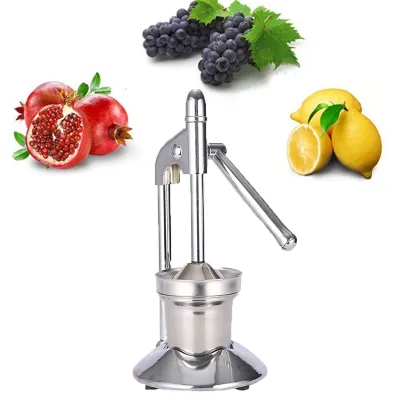
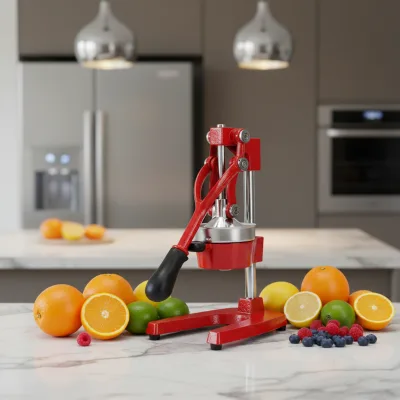
Professional BR155 Press Orange Lemon Citrus Hand Juicer Manual Juice Extractor
$16.21 - $19.36
Moq: 200

TAIZHOU HARSOUL IMP. & EXP. CO., LTD.
- Trading Company
- China Zhejiang
- Lead time30 days
- Avg. response≤ 14h
Main productsPromotion Gifts, Promotional Bag, Promotional Jewelry, Promotional Toys, Promotional Stationery, Promotional Plastic Goods
Main marketsOthers(foreignTradeCapacity.exportBusinessCapacityMarketOther),Europe,North America

Metal Stainless Steel Hand Manual Citrus Press Juicer Orange Lemon Lime Squeezer
$1.30 - $2.50
Moq: 1000


Dongguan Jinsen Craft Technology Co., Ltd.
- Verified by TUVRHEINLAND
- Trading Company,Manufacturer/Factory
- China Guangdong
- Lead time23 days
- Avg. response≤ 2h
Main productsKitchen Household Appliances, Kitchenware, Blender, Air Fryer, Meat Grinder, Stainless Steel Pot, Breakfast Machine, Electric Fan Solar Fans, Vacuum Cup, Vacuum Bottle
Main marketsSouth America,Eastern Europe,Mid East,North America,Southeast Asia,Eastern Asia,Oceania,Western Europe,Africa

Yangjiang C&B Consumer Product Limited
- Combined
- China Guangdong
- Lead time150 days
- Avg. response≤ 5h
Main productsBarbecue Tongs, Grilling Brushes, Outdoor Shovel, Grilling Tools, Kitchen Ware, Outdoor Products, Pizza Tools, Knife Set
Main marketsSouth America,Southeast Asia/ Mideast,Domestic,Europe,Australia,North America

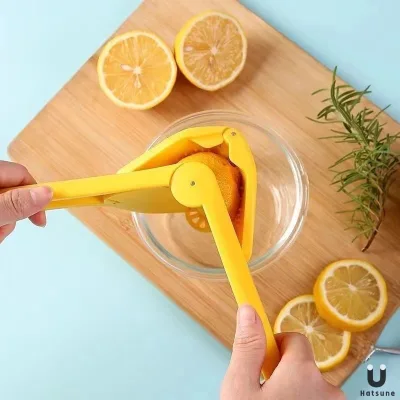
Manual Press Juicer Lemon Squeezer Orange Press Juice Handmade Fruit Juicer Squeezer
$0.40 - $0.43
Moq: 1000

- Trading Company
- Zhejiang, China
- Lead time0 days
- Avg. response≤ 2h
Main productsartificial flowersrs,bottle,Storage Box,Christmas items,Floor mats
Main marketsNorth America(57.99999999999999%), Western Europe(23.0%), South America(6.0%), Eastern Asia(2.0%), Mid East(2.0%), Domestic Market(1.0%), South Asia(1.0%), Southern Europe(1.0%), Northern Europe(1.0%), Central America(1.0%), Africa(1.0%), Southeast Asia(1.0%), Eastern Europe(1.0%), Oceania(1.0%)

Jinhua Hengyang Cross-Border Trade Limited Liability Company
- Verified by SGS
- Trading Company
- China Zhejiang
- Lead time15 days
- Avg. response≤ 7h
Main productsCoffee Maker Air Fryer Storage Box Knife Set, Silicone Baking Mold Robot Vacuum Cleaning Table, Shower Head Non-Slip Shower Curtain Vacuum Stora, Collapsible Laundry Basket Bohemian Wall Tapestr, Fringe Pillow Cover Bedding Set Memory Foam Pill, Bamboo Tissue Biodegradable Trash Bags LED Fair, Smart Plug Fairy Lights Pet Food Bowl, Household Daily Necessities Kitchen Cleaning, Bathroom Storage and Care Fabric Home Decor, Bedding Daily Chemical Paper Products
Main marketsEurope

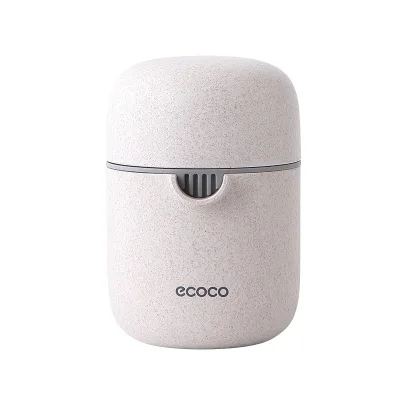
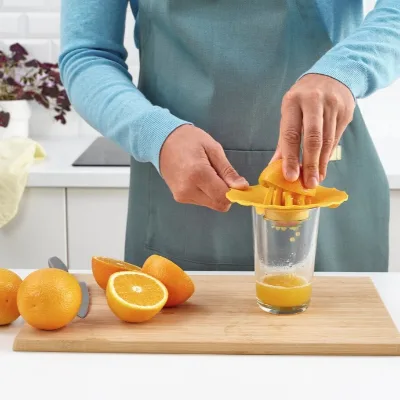
Multifunctional Juicer Manual Juice Press Handheld Non-Electric Juicer Zihe Kitchen
$0.88 - $1.09
Moq: 300




Comprehensive Sourcing Guide
Manual Hand Press Citrus Juicer Supplier Concentration and Factory Types
The supplier landscape for manual hand press citrus juicers reveals a distinct split between trading companies and direct manufacturers, a distinction that significantly impacts sourcing strategy and cost structure. Current data indicates that a substantial portion of available suppliers operate as trading companies, which often serve as intermediaries connecting buyers with factory capacity. These entities typically aggregate products from various sources, offering a broader catalog that may include household items, personal care goods, and kitchenware alongside the specific juicers you require. For instance, some suppliers list main products ranging from skincare packaging to commercial refrigerators, suggesting that their juicer offerings might be part of a larger, diversified inventory rather than a specialized production line. This generalist approach can be advantageous for buyers seeking to consolidate orders across multiple product categories, but it requires careful vetting to ensure the quality and consistency of the specific manual juicer models.
Conversely, other suppliers in the results identify as manufacturers or factories, often holding specific industry certifications that signal a more direct production capability. These entities are frequently located in industrial hubs such as Zhejiang and Shandong, regions known for their robust manufacturing ecosystems. Factories in these areas may specialize in commercial equipment, catering machinery, or specific kitchen tools, allowing them to offer customized solutions for bulk orders. The presence of certifications like ISO 9001 and ISO 14001 among some suppliers suggests a commitment to standardized quality management and environmental practices, which can be critical for large-scale procurement. Buyers must distinguish between these factory types and trading companies to understand the true source of the product, as this affects lead times, customization options, and the ability to resolve technical issues directly with the production team.
How to Verify Manual Hand Press Citrus Juicer Suppliers
Verifying the legitimacy and capability of a Manual Hand Press Citrus Juicer supplier requires a multi-layered approach that goes beyond simple profile reviews. One of the most immediate indicators of a supplier's credibility is their verification status, such as BV (Bureau Veritas) certification, which confirms that an independent third party has assessed their business operations. Buyers should prioritize suppliers who display such verifications, as these provide a baseline level of trust regarding the company's existence and operational integrity. Additionally, response time is a critical metric for assessing supplier reliability; a quick response, such as under five hours, often correlates with a more active and professional sales team that is likely to provide timely support throughout the procurement process. Conversely, slower response times may indicate a less dedicated customer service structure, which could lead to delays in communication and order processing.
Beyond verification badges and response speeds, buyers must scrutinize the specific product attributes and certifications listed for the manual juicers. Certifications such as FDA, ISO, and CE are essential for ensuring that the materials used in the juicers, particularly those coming into contact with food, meet international safety standards. For example, some products are explicitly labeled with FDA and ISO certifications, while others may only carry CE marks, indicating compliance with European health, safety, and environmental protection standards. Buyers should also examine the material composition, such as whether the juicer is made from plastic or stainless steel, and check for features like dishwasher safety or non-drip spouts, which add value and usability. It is crucial to verify that the certifications claimed by the supplier are relevant to the specific product model and not just generic company credentials, as this ensures that the actual items you receive will meet your regulatory requirements.
What to Compare Across Manual Hand Press Citrus Juicer Suppliers
When evaluating multiple suppliers for manual hand press citrus juicers, comparing key operational metrics is essential to finding the best fit for your business needs. One of the most significant factors is the Minimum Order Quantity (MOQ), which can vary widely depending on the supplier's production model and inventory strategy. Some suppliers may offer low MOQs, such as 100 or 200 pieces, which are ideal for small businesses or initial trial orders, while others may require much larger quantities, such as 1,000 or 5,000 pieces, to achieve economies of scale. This variation allows buyers to align their order size with their sales forecast and storage capacity, but it also means that pricing structures will differ significantly. Suppliers with lower MOQs often have higher per-unit prices, whereas those with higher MOQs may offer more competitive rates, so buyers must calculate the total landed cost to make an informed decision.
Another critical dimension for comparison is the lead time and production capacity, which directly impact your ability to meet customer demand. Lead times can range from a few days to several weeks, depending on the complexity of the order and the supplier's current workload. For instance, some suppliers may have a lead time of zero for stocked items, while others might require 10 to 25 days after payment for custom or bulk orders. Additionally, the supplier's response time, measured in hours, can serve as a proxy for their operational efficiency and customer service quality. Buyers should also compare the main products offered by each supplier to ensure they have the expertise and inventory depth to support your specific requirements. A supplier specializing in kitchenware and household items may offer better quality control and product knowledge than a general trading company with a diverse but unrelated product range.
Common Manual Hand Press Citrus Juicer Sourcing Risks
Sourcing manual hand press citrus juicers from international suppliers introduces several risks that buyers must proactively manage to ensure a smooth procurement process. One of the primary concerns is the discrepancy between the product samples and the final bulk production. Since many suppliers offer customization options, such as logo printing or color variations, there is a risk that the final products may not match the agreed-upon specifications. Buyers should always request detailed product specifications, including material grades, dimensions, and packaging details, before placing an order. For example, some juicers are made from plastic with specific color options like yellow, white, or green, while others may be silver stainless steel. Ensuring that these details are clearly documented in the purchase contract can help mitigate the risk of receiving substandard or incorrect products.
Another significant risk is the potential for delays in delivery due to logistical issues or supplier capacity constraints. While some suppliers may advertise short lead times, external factors such as raw material shortages or production bottlenecks can cause unexpected delays. Buyers should also be aware of the differences in packaging standards, as some suppliers use color boxes while others use paper or carton boxes, which can affect the product's protection during transit. Additionally, the lack of standardized certifications across all products can pose compliance risks, especially if the buyer is targeting markets with strict regulatory requirements. For instance, a juicer certified for home use may not be suitable for commercial applications, and buyers must verify that the product's intended use aligns with their target market. By conducting thorough due diligence and maintaining clear communication with suppliers, buyers can minimize these risks and ensure a successful sourcing experience.
Manual Hand Press Citrus Juicer Regional Sourcing and Logistics
The geographic location of suppliers plays a crucial role in determining logistics costs, lead times, and overall supply chain efficiency for manual hand press citrus juicers. Current data indicates that many suppliers are located in China, with specific concentrations in provinces like Zhejiang and Shandong. Zhejiang is known for its robust manufacturing sector, particularly in household goods and kitchenware, making it a common source for plastic and manual juicers. Suppliers in this region may benefit from established supply chains for raw materials like plastic and metal, which can help keep production costs competitive. On the other hand, Shandong is often associated with heavier industrial equipment and commercial machinery, suggesting that suppliers in this area may specialize in more durable, stainless steel, or commercial-grade juicers. Understanding these regional specializations can help buyers select suppliers that align with their specific product requirements.
Logistics planning must also account for the varying packaging standards and shipping requirements of different suppliers. Some suppliers may offer packaging options that are optimized for container loading, such as using plywood cases for larger commercial units or color boxes for retail-ready items. The gross weight and dimensions of the products, such as a juicer weighing 4.3kg with dimensions of 185x250x490mm, are critical for calculating shipping costs and container utilization. Buyers should work with suppliers to determine the most cost-effective shipping method, whether it is by sea or air, based on the order volume and urgency. Additionally, the origin of the products, often listed as Ningbo or China, can influence the availability of direct shipping routes and the efficiency of customs clearance. By leveraging the geographic advantages of different regions, buyers can optimize their supply chain and reduce overall procurement costs.
Manual Hand Press Citrus Juicer Commercial Terms and Order Planning
Effective order planning for manual hand press citrus juicers requires a clear understanding of the commercial terms and pricing structures offered by suppliers. Prices for these products can vary significantly based on factors such as material, customization, and order volume. For example, basic plastic manual juicers may range from $0.80 to $2.10 per unit, while more complex commercial models can cost between $19.00 and $36.00. Buyers should request detailed quotations that include all costs, such as packaging, labeling, and shipping, to avoid hidden fees. Additionally, suppliers may offer different payment terms, such as a deposit followed by the balance before shipment, which buyers should negotiate to ensure financial security. It is also important to clarify the delivery time, which can range from immediate dispatch for stocked items to 10-25 days for custom orders, to align with your sales cycle.
Customization options are another key aspect of commercial terms that can impact the final cost and lead time. Many suppliers offer customization services, such as logo printing or color variations, which can add value to your brand but may require additional setup fees and longer production times. Buyers should confirm the minimum order quantity for customized products, as this can be higher than the standard MOQ. Furthermore, the availability of certifications like FDA, ISO, and CE should be verified as part of the commercial agreement, as these may incur additional costs or require specific documentation. By carefully reviewing and negotiating these commercial terms, buyers can secure favorable pricing and ensure that the final products meet their quality and compliance standards. This proactive approach to order planning helps mitigate financial risks and ensures a smooth transaction from quote to delivery.
FAQs
What is the price range for manual hand press citrus juicers?
Prices vary significantly based on material and application. Basic plastic models for home use range from $0.80 to $2.10 per unit. Commercial-grade stainless steel extractors for restaurants cost between $19.00 and $36.00. Buyers should verify specific unit costs against order volume and customization requirements before finalizing procurement decisions.
What certifications are available for these juicers?
Manufacturers offer various safety and quality certifications depending on the product line. Common options include FDA and ISO standards for food-contact plastics. CE certification is available for specific metal models. Buyers must verify the exact certification status for their chosen supplier and model, as some listings show no system certification or specific test results.
What are the typical minimum order quantities?
MOQs depend on the supplier type and product complexity. Small plastic juicers often require 200 to 1,000 units. Commercial metal extractors may have lower MOQs starting at 100 pieces. Some suppliers list specific MOQs like 500 pieces for certain models. Buyers should confirm exact thresholds with the supplier to ensure alignment with their inventory needs.
Where are these suppliers located?
Suppliers are primarily located in China, specifically in Zhejiang and Shandong provinces. Ningbo is noted as a common origin point for manufacturing. Buyers can filter results by these regions to find suppliers with established logistics networks. Location impacts shipping costs and lead times, so verifying the exact factory address is recommended for accurate freight calculations.
How long does production take?
Lead times vary by supplier and product type. Some manufacturers report a standard production window of 10 to 25 days after payment. Other suppliers list specific lead times such as 23 days. Response times also differ, ranging from under 3 to over 11 hours. Buyers should confirm current production schedules directly with the supplier to avoid delays.
Can I customize the logo or color?
Customization is widely available for most manual juicer models. Suppliers offer options for custom logos, specific colors like yellow, green, or silver, and tailored packaging. Plastic models often support color variations, while metal models may offer silver finishes. Buyers should request samples to verify print quality and color accuracy before placing bulk orders.