Modern Blank Acrylic Menu Holder Suppliers and Manufacturers
Source 14 verified suppliers for Modern Blank Acrylic Menu Holder. Compare response times, lead times, certifications, and pricing to find the right partner. Review product details and request quotes directly; review the available evidence before requesting comparable quotations from suitable candidates.
Suppliers List
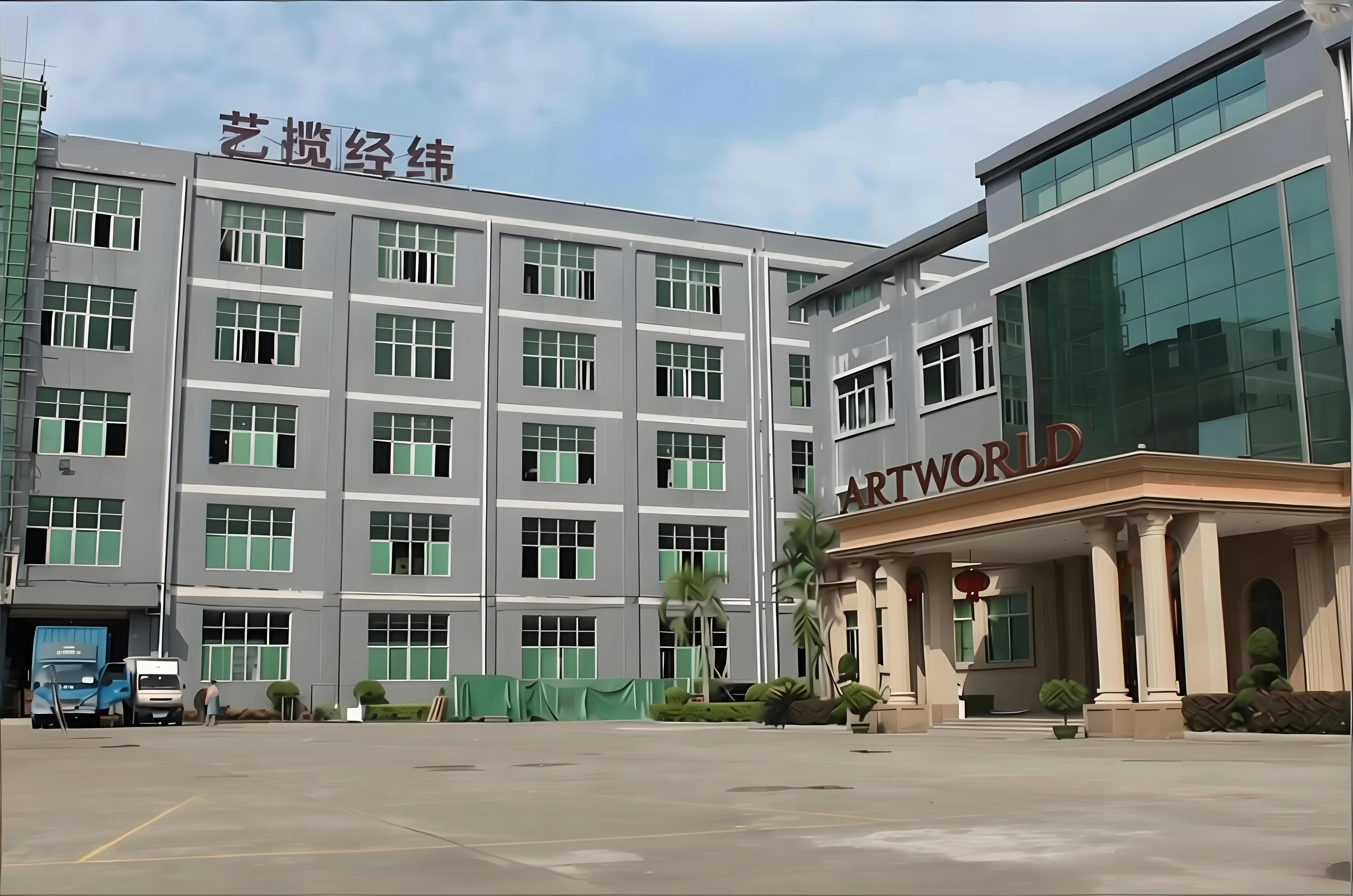
Shenzhen Artworld Display Product Co., Ltd.
- Manufacturer
- Guangdong, China
- Lead time20 days
- Avg. response≤ 3h
Main productsacrylic product,shop design with display furniture,home decorate furniture,MDF wood display furniture,metal display products
Main marketsEastern Europe(23.00%), North America(20.00%), Western Europe(10.00%), Africa(10.00%), Domestic Market(8.00%), Southeast Asia(5.00%), Northern Europe(5.00%), Mid East(5.00%), Oceania(5.00%), South America(3.00%), Southern Europe(2.00%), Central America(2.00%), Eastern Asia(1.00%), South Asia(1.00%)

acrylic menu holder with Wireless charging new design acrylic menu holder
$2.04 - $8.17
MOQ: 200 Minimum

$0.51 - $3.08
MOQ: 200 Minimum
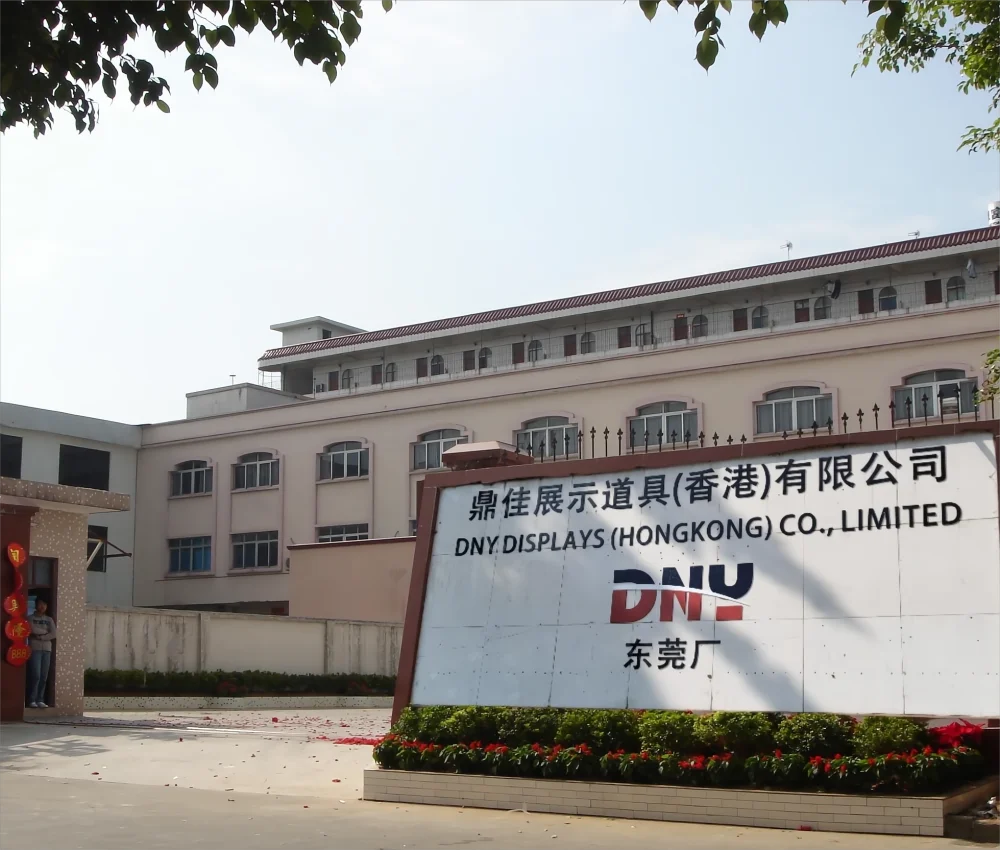
Dongguan Dingjia Display Props Products Co., Ltd.
- Manufacturer
- Guangdong, China
- Lead time25 days
- Avg. response≤ 3h
Main productsAcrylic And Wooden Watch Display,Acrylic And Wooden Glasses Display,Acrylic And Wooden Jewellery Display,Display Showcase,Wooden Box Packing
Main marketsEastern Europe(20.00%), Eastern Asia(10.00%), Mid East(10.00%), Oceania(10.00%), Southeast Asia(10.00%), North America(10.00%), South Asia(10.00%), Domestic Market(5.00%), South America(5.00%)

LION PROMOTIONAL GIFT CO., LIMITED
- Trading Company,Manufacturer/Factory
- China Zhejiang
- Lead time15 days
- Avg. response≤ 25h
Main productsPromotional Gifts, Giveaways, Advertising Gift, Premium Items, Publicity Material, Freebie Items, Marketing Gifts, Campaign Gifts, Promotional Products, China Gifts Supplier
Main marketsSouth America,Mid East,North America,Southeast Asia,Oceania,Western Europe,Africa

Dongguan DND Display Products Co., Ltd.
- Verified by SGS
- Combined
- China Guangdong
- Lead time23 days
- Avg. response≤ 2h
Main productsAcrylic Household Products, Acrylic Display Products, Acrylic Furniture
Main marketsSoutheast Asia/ Mideast,Domestic,Europe,North America

- Trading Company,Manufacturer/Factory
- China Guangdong
- Lead time23 days
- Avg. response≤ 2h
Main productsAcrylic Display Stand, Acrylic Box, Acrylic Photo Frame, Acrylic Tray, Acrylic Makeup Organizer, Acrylic Menu Holder, Acrylic Award, Acrylic Case, Plexiglass Display, Plexiglass Shelf
Main marketsSouth America,Eastern Europe,Mid East,North America,Southeast Asia,Eastern Asia,Oceania,Western Europe,Africa

Foshan Languo Chuangyijia Technology Co., Ltd.
- Verified by BV
- Combined
- China Guangdong
- Lead time15 days
- Avg. response≤ 13h
Main productsAcrylic, Custom Acrylic Box, Plastic Basket, Phto Frame, Pop Clips, Floor Display Stand, Plastic Brochure Holder, Custom Sign Holder, Shelf Data Strips, PVC Data Strips
Main marketsSouth America,Africa,Southeast Asia/ Mideast,East Asia(Japan/ South Korea),Domestic,Europe,Australia,North America
Guangzhou JOJO Craft and Art Company Limited
- Verified by TüVRheinland
- Manufacturer, Trading Company
- Lead time7 days
Main productsInvitation Card, Gift Box, Wedding Planner, Acrylic Table Sign, Ornament
Main marketsNorth America(26%), Africa(18%), Eastern Europe(12%)

Donegoods Industrial Co., Ltd.
- Combined
- China Guangdong
- Lead time30 days
- Avg. response≤ 10h
Main productsDisplay Rack, Store Fixture, Dish Rack, Shoe Rack, Kitchen Rack, Hooks, Retail Display Fixture, Storage Shelf, Coat Hanger, Building Material Products
Main marketsSoutheast Asia/ Mideast,Europe,North America
Xiamen Honorgy Intelligent Technology Co., Ltd.
- Manufacturer
- Fujian, China
- Lead time30 days
- Avg. response≤ 1h
Main productsdisplay racks,display stand,clothing racks,metal display,brand display
Main marketsWestern Europe(80.00%), North America(20.00%)

Best-Selling A5 Acrylic Menu Paper Holder China Manufacture Quality Display Rack
$0.99 - $1.99
MOQ: 200 pieces


China Manufacturer's New A5 Acrylic Display Stands Slot Sign Holder Premium Display Racks
$0.99 - $1.99
MOQ: 200 pieces


Gondo Displays (Xiamen) Industry & Trade Co., Ltd.
- Verified by TUVRHEINLAND
- Trading Company
- China Fujian
- Lead time23 days
- Avg. response≤ 2h
Main productsAcrylic Display, Wood Display, Metal Display, Display Stand, Store Fixture, Jewelry Display, Cosmetic Display, Clothes Rack, Supermarket Rack, Furniture
Main marketsEurope,Australia,North America


Indoor Acrylic Menu Display Holder with Please Leave One and Please Take One Business Card Holders
$1.89 - $1.99
MOQ: 1000 Pieces

New Arrival Tabletop Menu Display Stand A4 Clear Acrylic Sign Holder - Self Standing
$0.99 - $1.99
MOQ: 1000 Pieces


Custom Printing A4 A5 A6 Transparent Clear Sign Free Standing Rotating Acrylic Menu Holder
$1.99 - $2.99
MOQ: 1000 Pieces

Wenzhou Xybp Cultural Supplies Co., Ltd.
- Verified by SGS
- Combined
- China Zhejiang
- Lead time30 days
- Avg. response≤ 5h
Main productsAcrylic Photo Frame, Acrylic Display Stand, Acrylic Display, Acrylic Ornaments, Acrylic Sign Holder, Acrylic Box
Main marketsSoutheast Asia/ Mideast,Europe,North America

Jiashan Vega Display Co., Ltd.
- Verified by SGS
- Trading Company
- China Zhejiang
- Lead time15 days
- Avg. response≤ 3h
Main productsData Strip, Plastic Divider, Candy Box, Plastic Pusher, Gravity Bin, Acrylic Table Holder, Sign Holder, Shelf Pusher, Label Tag, Food Dispenser
Main marketsSoutheast Asia/ Mideast

Table Top Customized Size Menu Stand Display Racks Clear Acrylic Slanted Sign Holder
$2.00
MOQ: 1000 Pieces


Clear Acrylic Table Slanted Menu Stand Display Sign Holder with/Without Business Card
$0.30 - $0.60
MOQ: 2000 Pieces

Acrylic Clear Display Stand Business Card Holder Magazine Organizer Journals Menu Holder
$1.63 - $1.75
MOQ: 1000 Pieces


Jiangmen Goodman Cleaning Supplies Co., Ltd.
- Verified by TUVRHEINLAND
- Combined
- China Guangdong
- Lead time15 days
- Avg. response≤ 13h
Main productsFood Pan, Food Basket Tray, Storage Box, Cleaning Bucket, Trash Can
Main marketsEurope,North America


Multiple Size Tabletop Stand Menu Holder Acrylic Menu Sign Holder Restaurant Table Card Holder
$9.80 - $12.50
MOQ: 1000 pieces


Ningbo Tyj Industry and Trade Co., Ltd
- Verified by BV
- Combined
- China Zhejiang
- Lead time30 days
- Avg. response≤ 5h
Main marketsDomestic


Comprehensive Sourcing Guide
Modern Blank Acrylic Menu Holder Supplier Concentration and Factory Types
The sourcing landscape for modern blank acrylic menu holders reveals a distinct concentration of manufacturing capabilities within specific industrial regions, primarily Guangdong, China. This area serves as a critical hub for producers specializing in acrylic products, shop design with display furniture, and home decorate furniture. The presence of these specialized manufacturers indicates a mature supply chain ecosystem where raw material availability and skilled labor converge to support high-volume production. Buyers evaluating this market should recognize that the density of factories in this region often correlates with competitive pricing and faster turnaround times for custom orders. The concentration is not random but driven by established infrastructure for plastic processing and metal display products, which are frequently bundled with acrylic offerings.
Within this geographic cluster, the supplier base is diverse, encompassing both pure manufacturers and hybrid entities that function as trading companies or manufacturer/factory combinations. A pure manufacturer typically offers direct control over the production process, allowing for greater customization of materials such as acrylic and wood. In contrast, trading companies may provide a broader range of promotional gifts and giveaways, leveraging their network to source complementary items. Some suppliers operate as dual entities, offering both OEM services and ready-made inventory. This structural diversity means that buyers must carefully distinguish between the actual production source and the sales intermediary. Understanding this distinction is vital for negotiating terms, as manufacturers often have lower minimum order quantities for custom work but higher setup costs, while trading companies might offer more flexible packaging solutions for smaller batches.
How to Verify Modern Blank Acrylic Menu Holder Suppliers
Verifying the legitimacy and capability of suppliers requires a multi-layered approach that goes beyond surface-level profile information. Buyers should prioritize suppliers that provide clear evidence of their manufacturing capabilities, such as detailed product attributes and specific certifications. For instance, some suppliers display SGS certifications, which serve as a tangible indicator of quality control processes. However, certification alone is not sufficient; buyers must cross-reference these claims with other data points like response times and lead times. A supplier with a rapid response time, such as three hours, may indicate a dedicated sales team, but this does not guarantee production efficiency. Therefore, verification involves assessing the consistency between claimed capabilities and operational metrics.
Another critical step is to examine the specific product evidence provided in supplier listings. Detailed attributes such as single package sizes, gross weights, and material compositions offer insights into the supplier’s operational precision. For example, a supplier listing a single gross weight of 2.000 kg for an acrylic menu holder provides a baseline for logistics planning. Buyers should also look for evidence of customization capabilities, such as OEM services or custom logo options. Suppliers that explicitly state their ability to handle custom sizes and colors demonstrate a higher level of flexibility. Additionally, checking the place of origin, such as Shenzhen or Wenzhou, helps in verifying the supplier’s regional expertise. Buyers should request samples to physically verify the quality of the acrylic material and the finish of the product, ensuring that the supplier’s claims align with the actual product received.
What to Compare Across Modern Blank Acrylic Menu Holder Suppliers
When evaluating multiple suppliers, buyers must compare key operational metrics to determine the best fit for their specific needs. Lead time is a crucial factor, with some suppliers offering a twenty-day lead time while others may provide fifteen days. This variation can significantly impact inventory management and time-to-market strategies. Buyers should also compare minimum order quantities, which can range from two hundred pieces to one hundred pieces, depending on the supplier’s production model. A lower MOQ might be preferable for testing new designs, while a higher MOQ could offer better unit economics for established products. Response time is another important metric, with some suppliers responding within three hours and others taking up to twenty-four hours.
Price and supply ability are also critical comparison points. Suppliers may offer price ranges from as low as zero point zero one dollars to over eight dollars per unit, depending on the complexity and material used. Buyers should analyze these prices in the context of the supplier’s supply ability, which can be as high as seventy thousand sets per month. This capacity indicates the supplier’s ability to handle large orders without compromising quality or delivery schedules. Additionally, buyers should compare the main products offered by each supplier. Some focus on acrylic menu holders, while others offer a broader range of display furniture and promotional items. This specialization can affect the supplier’s expertise and the quality of the final product. By systematically comparing these metrics, buyers can identify suppliers that align with their operational requirements and budget constraints.
Common Modern Blank Acrylic Menu Holder Sourcing Risks
Sourcing modern blank acrylic menu holders involves several potential risks that buyers must mitigate through careful due diligence. One significant risk is the discrepancy between claimed certifications and actual quality standards. While some suppliers display SGS certifications, buyers must verify that these certifications are current and applicable to the specific product being ordered. Another risk is the variability in lead times, which can be affected by raw material shortages or production bottlenecks. Suppliers claiming a twenty-day lead time may experience delays if they are managing multiple large orders simultaneously. Buyers should establish clear communication channels to monitor production progress and address any potential delays promptly.
Material quality is another critical risk factor. Acrylic products can vary significantly in terms of clarity, durability, and finish. Some suppliers may use lower-grade acrylic to reduce costs, which can result in products that are prone to cracking or yellowing over time. Buyers should request material specifications and samples to assess the quality of the acrylic used. Additionally, there is a risk associated with customization errors, particularly when dealing with complex designs or custom logos. Suppliers with limited experience in OEM services may struggle to meet specific design requirements, leading to product defects or delays. Buyers should work with suppliers that have a proven track record in customization and provide detailed design specifications to minimize the risk of errors.
Modern Blank Acrylic Menu Holder Regional Sourcing and Logistics
Regional sourcing plays a pivotal role in determining the logistics and cost structure of Modern Blank Acrylic Menu Holder orders. Suppliers located in Guangdong, China, benefit from established logistics networks and proximity to major ports such as Yantian in Shenzhen. This geographic advantage facilitates efficient export processes and reduces shipping times to international markets. Buyers should consider the port of dispatch when selecting suppliers, as it can impact the overall lead time and shipping costs. Suppliers in this region often have experience in handling international shipments, ensuring that products are packaged securely to prevent damage during transit.
In contrast, suppliers in other regions, such as Zhejiang, China, may offer different logistical advantages. For instance, suppliers in Wenzhou may have specialized expertise in certain types of acrylic products, such as transparent menu holders. Buyers should evaluate the regional strengths of each supplier to determine the best fit for their needs. Additionally, buyers should consider the packaging details provided by suppliers, such as the use of PE bags, EPE foam, and outside cartons. Proper packaging is essential to protect the acrylic products from damage during shipping. Buyers should also assess the supplier’s ability to handle customs documentation and compliance requirements, which can vary by region. By understanding the regional logistics landscape, buyers can optimize their supply chain and reduce the risk of shipping-related issues.
Modern Blank Acrylic Menu Holder Commercial Terms and Order Planning
Effective order planning for modern blank acrylic menu holders requires a thorough understanding of commercial terms and payment structures. Buyers should negotiate clear terms regarding pricing, payment methods, and delivery schedules. Some suppliers offer flexible payment options, such as partial payments upfront and the balance upon shipment. Buyers should also consider the impact of minimum order quantities on their cash flow, as larger orders may require significant upfront investment. Additionally, buyers should establish clear expectations regarding quality control and inspection processes. Some suppliers provide sample times of seven to ten working days, which can be useful for verifying product quality before placing a large order.
Buyers should also plan for potential variations in supply ability and lead times. Suppliers with a high supply ability, such as seventy thousand sets per month, may be better equipped to handle large orders, but buyers should confirm this capacity before committing to a large purchase. Additionally, buyers should consider the impact of customization on lead times and costs. Custom logos and designs may require additional setup time and resources, which can affect the overall delivery schedule. By carefully planning their orders and negotiating favorable commercial terms, buyers can minimize risks and ensure a smooth procurement process. Buyers should also maintain open communication with suppliers to address any issues that may arise during production or shipping, ensuring that the final product meets their expectations.
FAQs
What is the typical lead time for acrylic menu holders?
Manufacturers in Guangdong, China typically require 20 to 25 days for production. This timeframe ensures quality control and proper packaging. Buyers should confirm specific schedules with suppliers before placing orders to avoid delays in restaurant operations.
What is the minimum order quantity for these products?
Minimum order quantities generally range from 100 to 200 sets. Some suppliers accept orders as low as 100 pieces, while others require 200 units. This flexibility allows buyers to test market demand without excessive inventory commitment.
Are OEM customization options available for acrylic displays?
Yes, most manufacturers offer OEM services for branding and design. Buyers can customize logos, colors, and sizes to match their brand identity. This service allows for unique product differentiation in competitive restaurant and retail environments.
What certifications do acrylic menu holders typically have?
Products often carry SGS certification to ensure material safety and quality standards. Buyers should verify specific certificates with suppliers. These certifications provide assurance regarding the durability and safety of the acrylic materials used in food service settings.
How quickly do suppliers respond to inquiries?
Response times vary, with some suppliers replying within 3 hours. Others may take up to 24.53 hours. Faster response times indicate active sales teams and efficient communication channels for resolving sourcing questions promptly.
What is the price range for acrylic menu holders?
Prices typically range from $0.01 to $8.17 per unit. Costs depend on material quality, customization, and order volume. Bulk orders often secure lower unit prices, making them cost-effective for large restaurant chains or retail distributors.