Modern Ceramic Tealight Holder Suppliers and Manufacturers
Browse 23 suppliers of the Modern Ceramic Tealight Holder and compare grounded dimensions including location, product range, supplier type, response time and lead time, with listed unit prices and MOQs on individual items. Shortlist candidates and send inquiries to verify capacity before ordering.
Updated
Suppliers List
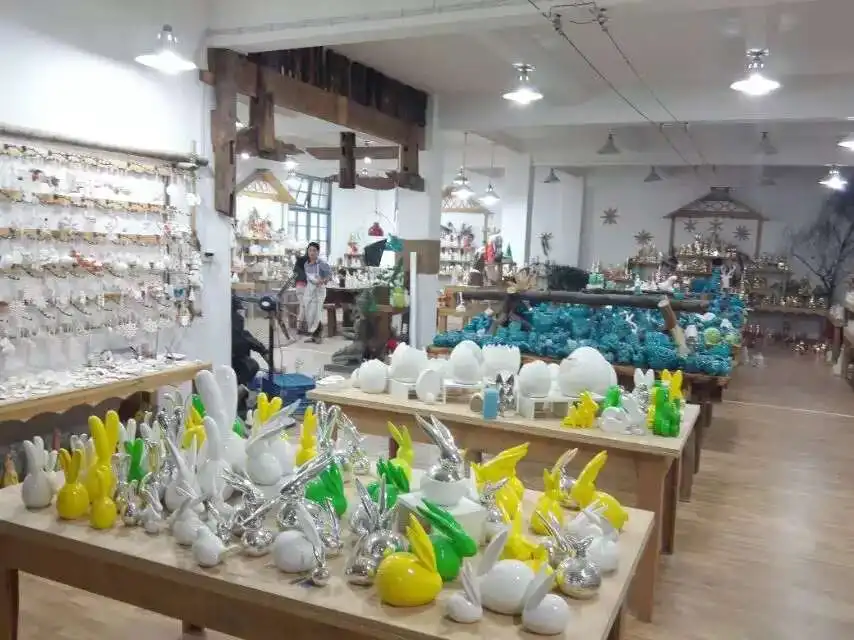
Dehua Beauty Rich Arts & Crafts Co., Ltd.
- Manufacturer, Trading Company
- Fujian, China
- Lead time30 days
- Avg. response≤ 7h
Main productsPolyresin crafts,Ceramic crafts,PVC crafts,Home decoration,Garden decoration
Main marketsEastern Europe(15.00%), North America(15.00%), South America(12.00%), Mid East(5.00%), Oceania(5.00%), South Asia(3.00%), Southern Europe(3.00%), Northern Europe(3.00%), Central America(3.00%), Western Europe(3.00%), Eastern Asia(3.00%), Domestic Market(3.00%), Southeast Asia(3.00%), Africa(2.00%)

- Manufacturer, Trading Company
- Fujian, China
- Lead time45 days
- Avg. response≤ 6h
Main productsCeramic And Porcelain Home Decoration,Dinnerware,Bathroom Set,Dolomite Bathroom Set,Garden Flower Planter
Main marketsEastern Europe(25.00%), North America(25.00%), Western Europe(20.00%), South America(10.00%), Eastern Asia(10.00%), Mid East(5.00%), Oceania(5.00%)
- Trading Company
- Fujian, China
- Lead time45 days
- Avg. response≤ 4h
Main productsAroma Oil Diffuser,Candle Warmer Lamp,Car Diffuser,Reed Diffuser,Incense Burner
Main marketsNorth America(23.00%), Western Europe(20.50%), Mid East(12.00%), South America(11.00%), Eastern Europe(8.00%), Northern Europe(7.00%), Oceania(5.00%), Southern Europe(5.00%), Eastern Asia(3.00%), Southeast Asia(2.00%), Africa(2.00%), Central America(1.00%), South Asia(0.50%)
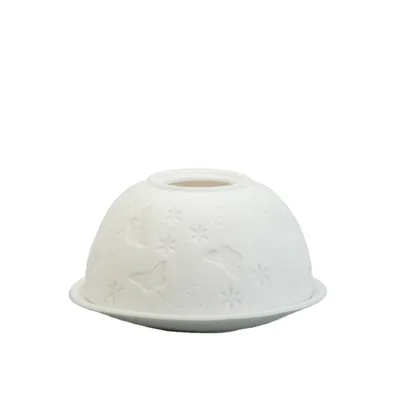
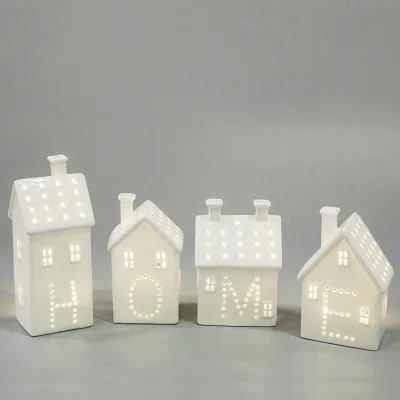
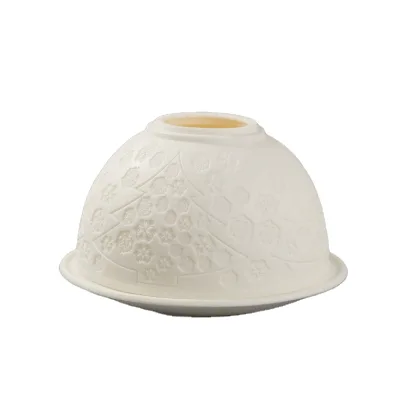
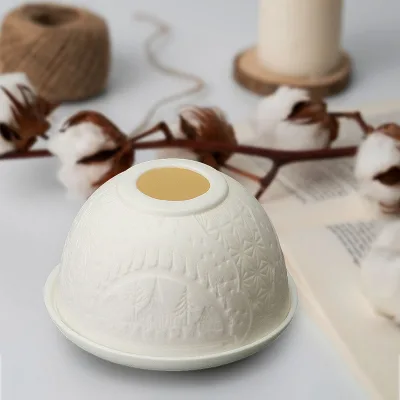
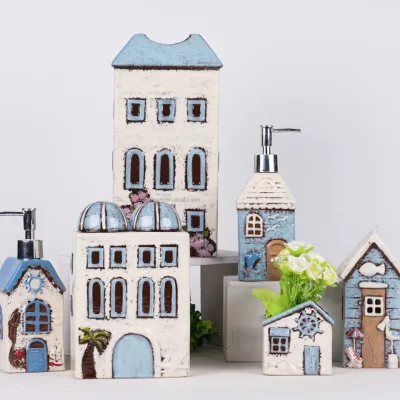
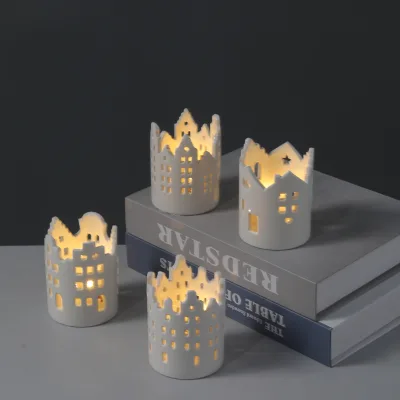
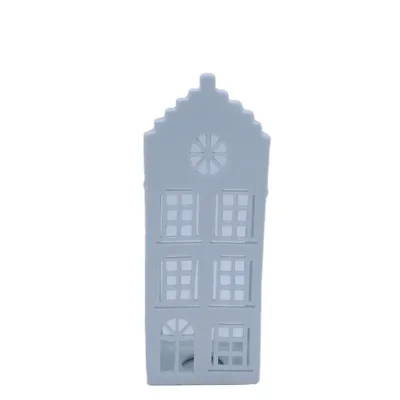
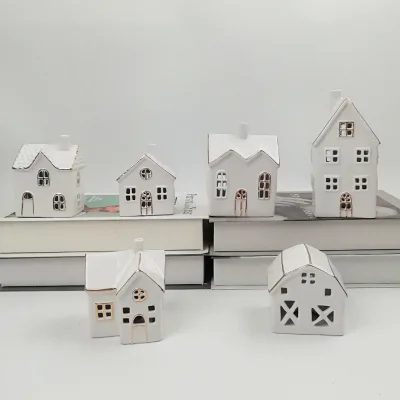
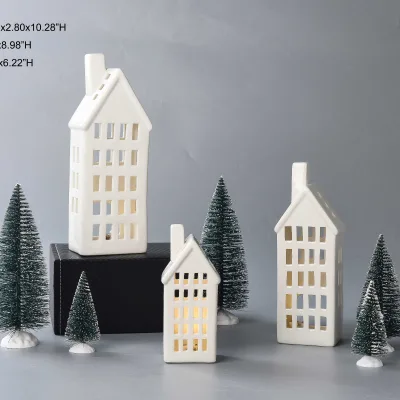
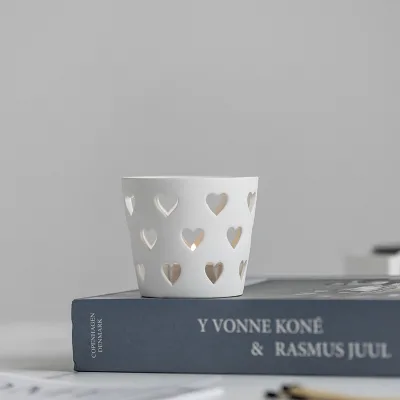
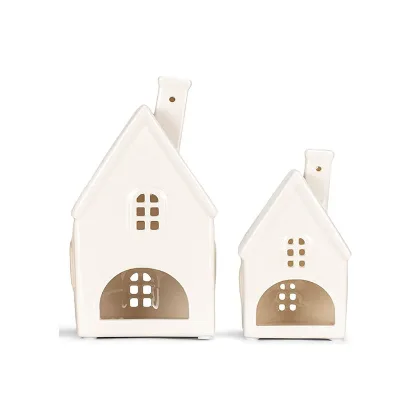
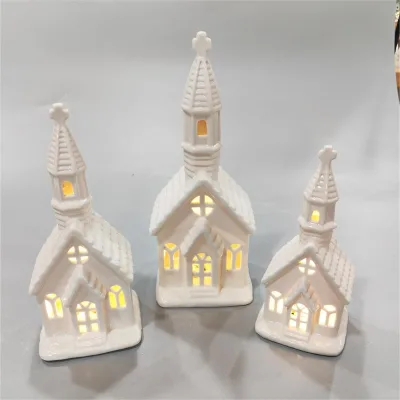
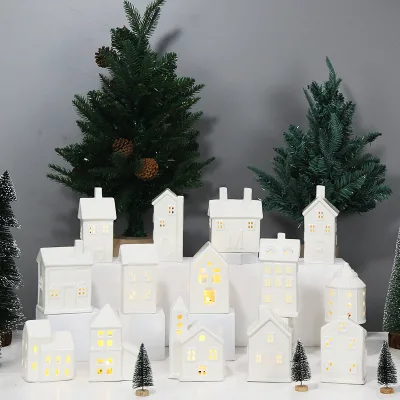
Ceramic White House Tea Light Holder HOME Decoration Simple Porcelain Candle Holder
$2.0509 - $2.5644
MOQ: 1000 pieces
Xiamen Joinste Arts & Crafts Co., Ltd.
- Trading Company
- Fujian, China
- Lead time45 days
- Avg. response≤ 3h
Main productsCeramic Coffee Mug, Ceramic Cookie Jar, Ceramic Salt and Pepper Shakers, Ceramic Candle Jar, Ceramic Coin Bank
Main marketsNorth America(40.00%), South America(20.00%), Western Europe(10.00%), Eastern Asia(10.00%), Oceania(5.00%), Southern Europe(5.00%), Central America(5.00%), Northern Europe(5.00%)
Xiamen Bestcera Technology Co., Ltd.
- Verified by TüVRheinland
- Trading Company
- Lead time60 days
- Avg. response≤ 5h
Main productsCeramic Pet Bowl, Ceramic Treat Jar, Ceramic Candle Jar, Ceramic Vase, Ceramic Home Decoration
Main marketsNorth America(60%), Eastern Europe(10%), Southeast Asia(10%)

Jinan Honhai Glass Company Limited
- Manufacturer/Factory,Group Corporation
- China Shandong
- Lead time23 days
- Avg. response≤ 11h
Main productsBorosilicate Glass Tube Tubing Rod, Glass Ceramic Pyroceram Ceran Neoceram, Lamp Lantern Lighting Glass Chimney Cover Shade, Neutral Pharmaceutical Glass Vial & Ampoule, Borofloat Borosilicate Glass Sheet Corning Pyrex, Heat Resistant Glass Baking Dish Casserole Bowl, Glass Cosmetic Container Perfume Glass, Glass Tableware Kitchenware Tabletop, Soda Lime Glass Tube Tubing Rod, Lead Free Glass Tube Tubing
Main marketsSouth America,Eastern Europe,Mid East,North America,Southeast Asia,Eastern Asia,Oceania,Western Europe
Fujian Jiashun Arts&crafts Corp., Ltd.
- Manufacturer
- FUJIAN, China
- Lead time45 days
- Avg. response≤ 8h
Main productsCeramic Bathroom Set,Ceramic sanitary ware products,Cearmic bathroom accessories,Cearmic bakeware,Cearmic tableware
Main marketsNorth America(30.00%), Western Europe(20.00%), South America(20.00%), Southern Europe(15.00%), Central America(10.00%), Africa(5.00%)

Shijiazhuang Tabo Candles Sales Co., Ltd.
- Verified by BV
- Combined
- China Hebei
- Lead time15 days
- Avg. response≤ 6h
Main productsCandle
Main marketsSoutheast Asia/ Mideast,East Asia(Japan/ South Korea),Europe,Australia,North America
Quanzhou Deerli Arts & Crafts Co., Ltd.
- Manufacturer, Trading Company
- Fujian, China
- Lead time15 days
- Avg. response≤ 7h
Main productsresin craft gift,ceramic product,home decoration,outdoor garden decoration,ceramic craft
Main marketsCentral America(20.00%), North America(15.00%), Domestic Market(12.00%), Northern Europe(11.00%), Southern Europe(10.00%), South America(10.00%), Eastern Europe(5.00%), Mid East(5.00%), Eastern Asia(5.00%), South Asia(4.00%), Western Europe(3.00%)

- Verified by SGS
- Trading Company
- China Guangdong
- Lead time15 days
- Avg. response≤ 5h
Main productsCup, Water Bottle, Candle Holder, Oil Burner, Coffee Peripherals, Holiday Party Gifts
Main marketsEurope

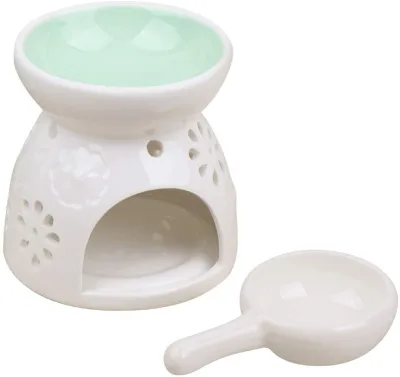
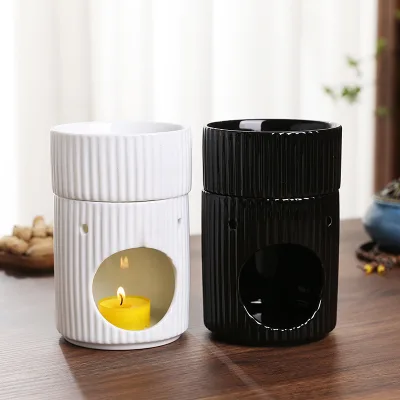
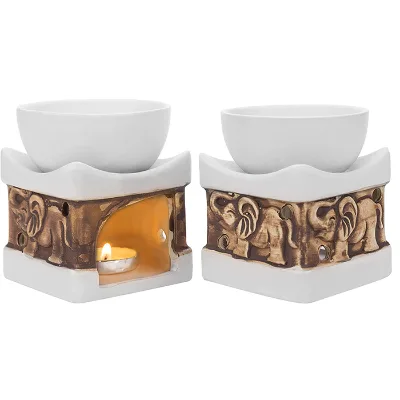
New Style Wooden Glass Tea Light Holder Ceramic Essential Oil Incense Burner
$3.73 - $4.85
MOQ: 10 Pieces

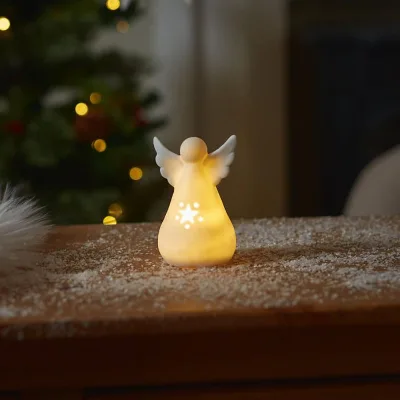
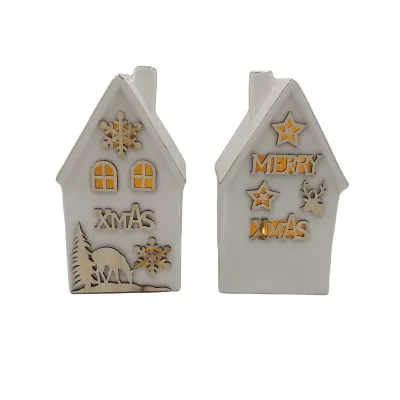
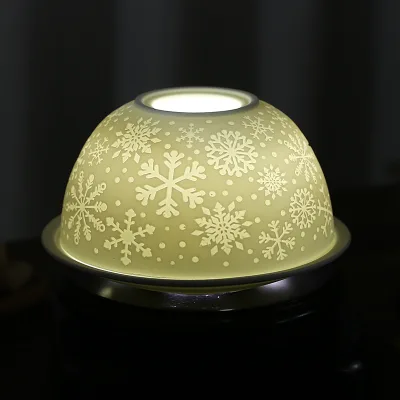
White Porcelain Room Tabletop Home Christmas Tree Gift Decor Tea Light Candle Holder
$2.34 - $3.13
MOQ: 10 Pieces

Ningbo H&G Home Decoration Limited
- Combined
- China Zhejiang
- Lead time60 days
- Avg. response≤ 9h
Main productsMetal Candle Lantern, Wood Candle Lantern, LED Candle Lantern, LED String Light Lantern, Metal Candle Holder, Candlestick, Wall Sconce Candle Holder, Flower Pot Stand, Metal Planter, Metal Plant Stand
Main marketsAfrica,Europe,Australia,North America
- Trading Company
- Shaanxi, China
- Lead time45 days
- Avg. response≤ 6h
Main productsMuslim prayer mat,Muslim prayer rug,Crafts,muslim wool felt hat,men prayer cap
Main marketsSouthern Europe(9.09%), Northern Europe(9.09%), Western Europe(9.09%), Eastern Asia(9.09%), Mid East(9.09%), Oceania(9.09%), Africa(9.09%), Southeast Asia(9.09%), Eastern Europe(9.09%), South America(9.09%), North America(9.09%)

Zibo Melory Import & Export Trade Co., Ltd.
- Trading Company,Manufacturer/Factory
- China Shandong
- Lead time45 days
- Avg. response≤ 16h
Main productsGlass Candle Holder, Glass Jar, Glass Votive, Glass Diffuser, Glass Bottle, Glass Vase, Matches, Ceramic Candle Holder, Ceramic Holder for Incense, Glass Candle Jar
Main marketsSouth America,Eastern Europe,North America,Western Europe


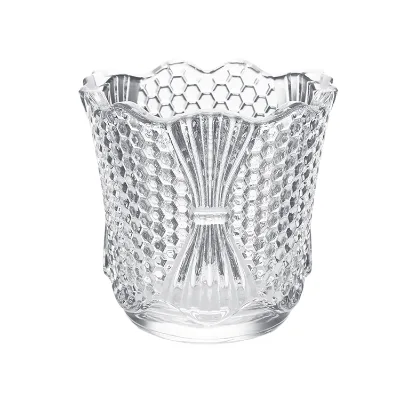
Crown Glass Tealight Candle Holder /Votive Glass Candleholder for Home Decor
$0.77 - $1.20
MOQ: 5000 Pieces


Chuzhou Jincheng Home Decoration Manufactory
- Manufacturer
- Lead time旺季: "1 - 3000":45,"> 3000":"To be negotiated", 淡季: "1 - 3000":45,"> 3000":"To be negotiated"
- Avg. response≤ 9h
Main productsCandle holder,Candle stick holder,Candle cup,Candle jar
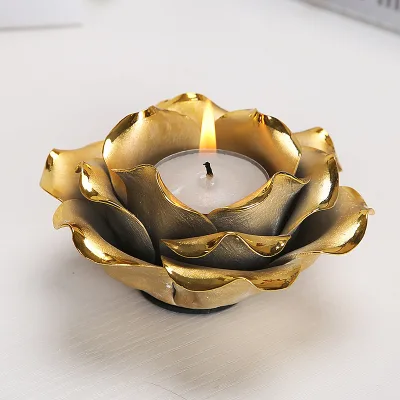
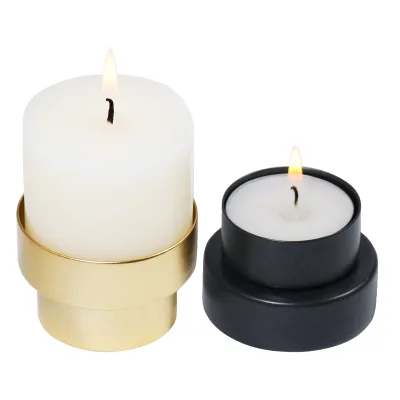
Gold or Black Round Taper Tealight Metal Candle Holder Pillar Metal Candle Holder
$0.74 - $0.87
MOQ: 1000

Zhejiang Jnc Houseware Co., Ltd.
- Trading Company
- Zhejiang, China
- Lead time45 days
- Avg. response≤ 3h
Main productsLantern,Candle holder,Photo frame,Jewelry display,Wall decor
Main marketsNorth America(30.00%), Western Europe(18.00%), Northern Europe(17.00%), Eastern Europe(15.00%), Domestic Market(7.00%), Southern Europe(5.00%), Africa(1.00%), South Asia(1.00%), Oceania(1.00%), Southeast Asia(1.00%), Central America(1.00%), South America(1.00%), Eastern Asia(1.00%), Mid East(1.00%)
Shenzhen Hantang Grand Tech. Co., Ltd.
- Manufacturer
- Guangdong, China
- Lead time10 days
- Avg. response≤ 6h
Main productsMetal Plastic Pipes tubes,Boards,Plastic OEM products,Hardware OEM products,Design
Main marketsNorth America(40.00%), South America(15.00%), Western Europe(10.00%), Eastern Europe(8.00%), Northern Europe(5.00%), Oceania(5.00%), Central America(5.00%), Mid East(3.00%), Domestic Market(2.00%), Africa(2.00%), Southern Europe(2.00%), Eastern Asia(1.00%), South Asia(1.00%), Southeast Asia(1.00%)
Shenzhen Lanborui Technology Co., Ltd.
- Manufacturer, Trading Company, Buying Office
- Guangdong, China
- Lead time15 days
- Avg. response≤ 5h
Main productsPooja Essentials,Decoration items,Giftware,Zinc alloy craft,Wedding decor
Main marketsNorth America(40.00%), Mid East(10.00%), Oceania(10.00%), Southern Europe(9.00%), Western Europe(8.00%), Southeast Asia(5.00%), Northern Europe(5.00%), Africa(5.00%), Eastern Europe(5.00%), South America(2.00%), Eastern Asia(1.00%)
Fujian Dehua Hongyida Ceramics Crafts Co., Ltd.
- Verified by TüVRheinland
- Manufacturer, Trading Company
- Lead time40 days
- Avg. response≤ 3h
Main productsPottery And Enamel, Ceramic And Polyresin Crafts, Garden Decorations, Religious Crafts, Outdoor Decorations
Main marketsNorth America(30%), Western Europe(20%), Oceania(15%)

Shenzhen Alp Ocean Import And Export Co., Ltd.
- Manufacturer, Trading Company, Distributor/Wholesaler
- Guangdong, China
- Lead time0 days
- Avg. response≤ 4h
Main productsglass bowl,glass plate,glass cup,glass vase,glass candy box

Qingdao Simpassic Import and Export Co., Ltd.
- Trading Company,Manufacturer/Factory
- China Shandong
- Lead time0 days
- Avg. response≤ 24h
Main productsGlass Cup, Glass Jar, Borosilicate Glass Food Containers, Glass Mug, Tableare, Glass Tumbler, Glassware, Glass Jug, Glass
Main marketsSouth America,Eastern Europe,Mid East,North America,Southeast Asia,Eastern Asia,Oceania,Western Europe,Africa
Shenzhen Hongweida Gifts Co., Ltd.
- Manufacturer
- Guangdong, China
- Lead time50 days
- Avg. response≤ 2h
Main productsCeramic Mug Cup,Ceramic plate,Ceramic plaque,Ceramic jars,ceramic money bank
Main marketsNorth America(25.00%), Southern Europe(10.00%), Northern Europe(10.00%), Western Europe(10.00%), Eastern Europe(10.00%), South America(10.00%), Oceania(5.00%), Africa(5.00%), Central America(5.00%), Southeast Asia(5.00%), Mid East(5.00%)

Shenzhen Bright Glassware Co., Ltd.
- Verified by SGS
- Trading Company
- China Guangdong
- Lead time30 days
- Avg. response≤ 5h
Main productsGlassware, Candle Jar, Glass Candle Holder, Reed Diffuser Bottle, Glass Perfume Bottle, Drinkware, Food Storage Jar, Candle Lid, Packaging Gift Box


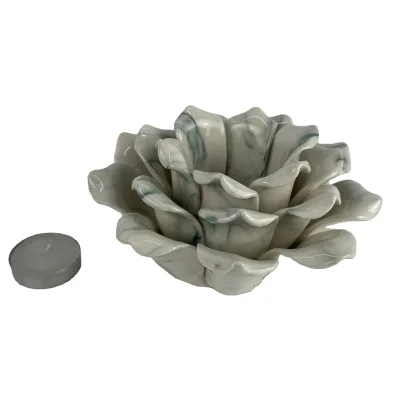
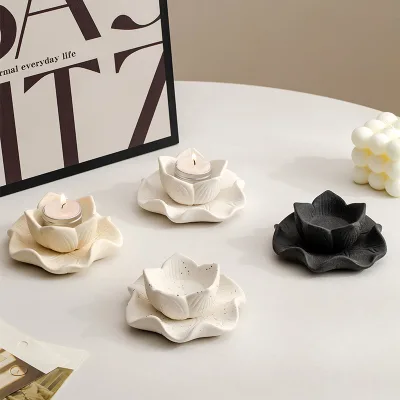
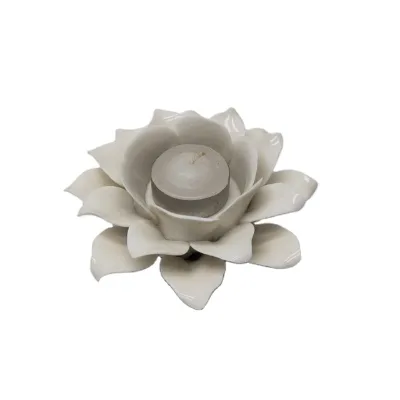
Luxury Hollowed-out Pottery Flower Ceramic Tealight Burner for Decoration
$0.50 - $2.00
MOQ: 3000 Pieces

- Manufacturer/Factory,Other
- China Shanghai
- Lead time0 days
- Avg. response≤ 11h
Main productsBottle Cap Bottle Cover Bottle Closure, Plastic Cap Plastic Lid, Metal Screw Cap Tin Cap Tin Lid, Bottle Rings Screw Rings, Silicon Cap, Glass Candle Holder Candle Cup Candle Jar, Votive Holder Tea Light Holder, Glass Cup, Glass Jar Spice Jar Wine Bottle










Comprehensive Sourcing Guide
Modern Ceramic Tealight Holder Supplier Concentration and Factory Types
The current supplier landscape for modern ceramic tealight holders reveals a distinct concentration of manufacturing activity within Fujian, China. This regional clustering is significant because it indicates a mature industrial ecosystem specialized in ceramic and polyresin production. Buyers evaluating potential partners should recognize that suppliers located in this specific province often share supply chain advantages, including access to raw clay materials, established kiln infrastructure, and specialized labor forces experienced in ceramic glazing and finishing. The presence of multiple manufacturers in this single geographic area suggests that logistics and material sourcing are optimized for this type of home decor item. When assessing suppliers, noting their location as Fujian, China, provides a baseline expectation for production capabilities related to ceramic goods. However, buyers must not assume that all suppliers in this region operate with identical quality standards or production capacities. The concentration simply offers a starting point for identifying factories that have the physical infrastructure to handle ceramic firing processes, which are critical for producing durable tealight holders.
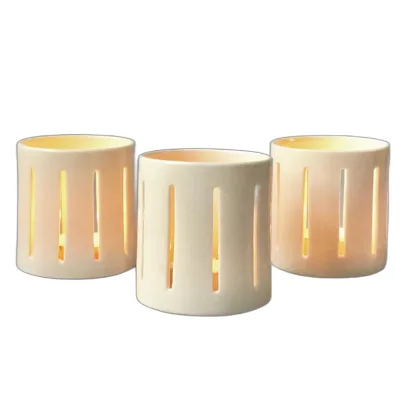
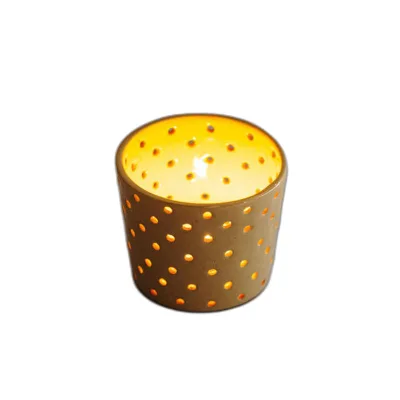
Beyond geographic location, the types of entities supplying these products vary between manufacturers and trading companies. The observed results include both direct manufacturers and trading companies, each offering different value propositions for the buyer. Manufacturers typically control the production line, allowing for greater customization of shapes, glazes, and materials, such as the white, gray, or beige finishes seen in various product listings. Trading companies, on the other hand, may aggregate products from multiple factories, offering a broader catalog that might include polyresin crafts, PVC crafts, or garden decorations alongside ceramic items. For buyers seeking a Modern Ceramic Tealight Holder, understanding this distinction is crucial. A manufacturer might offer lower unit costs and better control over the handmade aspect of the product, as seen in some diamond-shaped or heart-shaped ceramic designs. Conversely, a trading company might provide more flexible order quantities or faster response times, which can be vital for small to medium-sized orders. Buyers should verify the actual company type to ensure they are dealing with the source of production or a reliable intermediary.
How to Verify Modern Ceramic Tealight Holder Suppliers
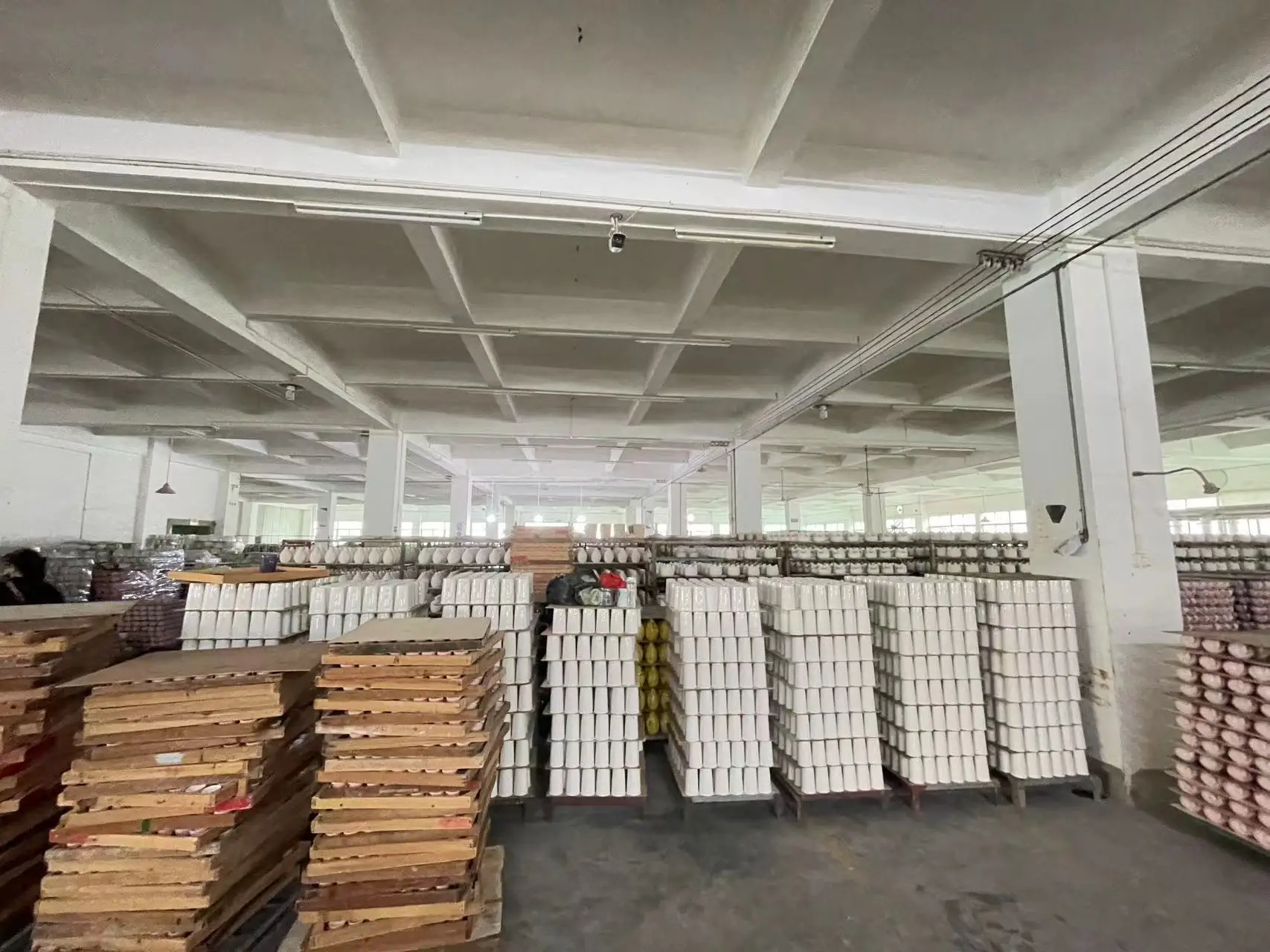
Verifying the authenticity and capability of a supplier requires a multi-step approach that goes beyond simple profile reading. First, buyers should confirm the supplier’s company type, distinguishing between a manufacturer and a trading company, as this impacts pricing and communication efficiency. For ceramic products, it is essential to verify that the supplier has actual production facilities, particularly if the order requires specific handmade elements or custom glazing techniques. Buyers can request video tours of the factory floor or ask for detailed photos of the production line, focusing on kiln operations and quality control stations. Additionally, checking the supplier’s response time is a practical indicator of their operational efficiency. A response time of seven days or less, as observed in some results, suggests a responsive team, while longer delays might indicate bureaucratic hurdles or limited staffing. Buyers should also look for evidence of past performance, such as product keywords and detailed specifications, which demonstrate the supplier’s familiarity with the Modern Ceramic Tealight Holder category.
Another critical verification step involves examining the product attributes and certifications provided in the listings. Buyers should look for specific details such as material composition, handmade status, and origin claims. For instance, some products are explicitly labeled as handmade ceramic with silk-screen printing, which requires specific artisanal skills. Buyers should request samples to verify these claims physically, checking for consistency in color, such as white, gray, or gold, and ensuring the size matches the specified dimensions, like medium or short/small. It is also important to verify the supplier’s establishment year and any relevant certifications, although these details may not always be explicitly displayed. If certification information is missing, buyers should ask directly for compliance documents, especially if the tealight holders are intended for markets with strict safety standards. Furthermore, buyers should check if the supplier offers escrow services or other payment protections, which add a layer of security to the transaction. By combining these verification steps, buyers can build a more accurate picture of the supplier’s reliability and capability to deliver high-quality modern ceramic tealight holders.
What to Compare Across Modern Ceramic Tealight Holder Suppliers
When comparing suppliers, buyers should focus on key operational metrics such as lead time, minimum order quantity (MOQ), and price ranges. The observed data shows a lead time of thirty days for some suppliers, while others may have longer production cycles, such as forty-five days. This variation can significantly impact inventory planning and delivery schedules, so buyers must align their order timing with the supplier’s stated lead time. Similarly, MOQs can vary, with some suppliers requiring a minimum of five hundred units, which may be suitable for larger retailers but prohibitive for smaller businesses. Buyers should compare these thresholds to determine which suppliers can accommodate their order volume. Price is another critical factor, with observed ranges spanning from approximately one dollar to five dollars per unit, depending on the design complexity, material, and size. Buyers should not just look at the lowest price but also consider the value proposition, including the quality of the ceramic glaze, the durability of the product, and the level of customer service provided.
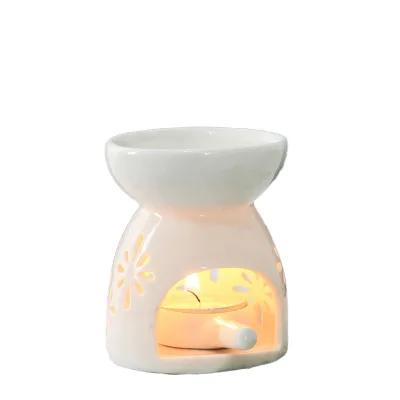
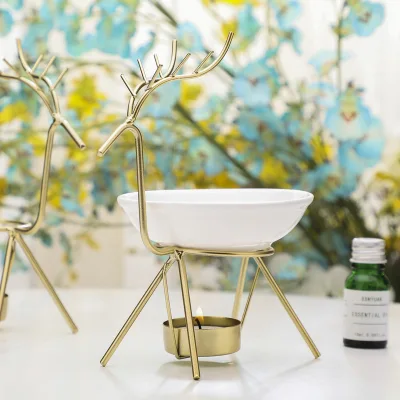
In addition to operational metrics, buyers should compare the product variety and customization options offered by different suppliers. Some suppliers specialize in a narrow range of ceramic home decorations, while others offer a broader portfolio that includes polyresin crafts, PVC crafts, and garden decorations. This breadth can be advantageous for buyers looking to consolidate their sourcing across multiple product categories. Buyers should also compare the specific design features of the tealight holders, such as shape, color, and printing methods. For example, some products feature a diamond shape with silk-screen printing, while others are heart-shaped or irregular. The ability to customize these features can be a significant differentiator for buyers seeking unique products for their market. Additionally, buyers should compare the supplier’s main products to ensure they align with their business needs. A supplier whose main products include aroma oil diffusers and candle warmer lamps might offer complementary products that can be bundled with tealight holders, providing additional value. By systematically comparing these factors, buyers can identify the suppliers that best fit their specific requirements and strategic goals.
Common Modern Ceramic Tealight Holder Sourcing Risks
One of the primary risks in sourcing modern ceramic tealight holders is the potential for quality inconsistencies, particularly when dealing with handmade products. Ceramic items are susceptible to variations in glaze application, firing temperature, and structural integrity, which can lead to defects such as cracks, chips, or uneven coloring. Buyers must be aware that handmade items, while often more aesthetically pleasing, may not have the same level of uniformity as mass-produced goods. To mitigate this risk, buyers should request detailed quality control protocols from suppliers and ask for pre-shipment inspections. Additionally, buyers should be cautious of suppliers who do not provide clear specifications for their products, such as material composition or size dimensions. Ambiguity in product descriptions can lead to misunderstandings and dissatisfaction upon receipt of the goods. Buyers should insist on clear, detailed product specifications and verify that the final products match these descriptions before making full payment.
Another significant risk is the reliability of the supply chain, particularly regarding lead times and communication. Suppliers may experience delays due to raw material shortages, production bottlenecks, or logistical issues, which can disrupt the buyer’s inventory planning. Buyers should assess the supplier’s track record for meeting lead times and their responsiveness to inquiries. A supplier with a long response time or a history of missed deadlines may pose a significant risk to the buyer’s business operations. Furthermore, buyers should be wary of suppliers who do not offer secure payment methods or escrow services, as this increases the financial risk of the transaction. Buyers should also consider the risk of intellectual property infringement, especially if they are ordering custom designs. It is essential to ensure that the supplier has the right to produce and sell the designs and that the buyer’s intellectual property is protected. By identifying and addressing these risks early in the sourcing process, buyers can minimize potential disruptions and ensure a smoother procurement experience.
Modern Ceramic Tealight Holder Regional Sourcing and Logistics
Sourcing modern ceramic tealight holders from Fujian, China, offers distinct logistical advantages due to the region’s established manufacturing infrastructure and export capabilities. The concentration of ceramic manufacturers in this area facilitates efficient material sourcing and production, reducing lead times and costs. Buyers should leverage this regional advantage by working with suppliers who have experience in exporting to their target markets. Understanding the logistics of shipping ceramic products is crucial, as these items are fragile and require careful packaging to prevent damage during transit. Buyers should inquire about the supplier’s packaging methods, such as the use of brown boxes or other protective materials, to ensure the products arrive in good condition. Additionally, buyers should consider the impact of shipping costs and transit times on their overall procurement strategy. Suppliers in Fujian may have established relationships with freight forwarders, which can help streamline the shipping process and reduce costs.
Buyers should also be aware of the regulatory requirements and customs procedures associated with importing ceramic products from China. Different countries have varying standards for product safety, labeling, and packaging, which can affect the clearance process. Buyers should ensure that their suppliers are familiar with these requirements and can provide the necessary documentation, such as certificates of origin or material safety data sheets. Furthermore, buyers should consider the environmental impact of their sourcing decisions, particularly if they are targeting markets with strict sustainability standards. Suppliers who use eco-friendly materials or production processes may offer a competitive advantage in these markets. Buyers should inquire about the supplier’s environmental practices and certifications to align their sourcing strategy with their corporate social responsibility goals. By carefully managing the logistical and regulatory aspects of sourcing from Fujian, buyers can ensure a smooth and efficient procurement process for their modern ceramic tealight holders.
Modern Ceramic Tealight Holder Commercial Terms and Order Planning
Effective order planning for modern ceramic tealight holders requires a clear understanding of the commercial terms offered by suppliers, including payment terms, pricing structures, and return policies. Buyers should negotiate favorable payment terms, such as partial payments or escrow services, to mitigate financial risk. It is also important to clarify the pricing structure, including any additional costs for customization, packaging, or shipping. Buyers should compare the total landed cost, rather than just the unit price, to make informed decisions. Additionally, buyers should establish clear communication channels with suppliers to discuss order details, production schedules, and quality expectations. Regular communication can help prevent misunderstandings and ensure that the order proceeds smoothly. Buyers should also consider the supplier’s flexibility in handling changes or cancellations, as this can be crucial in dynamic market conditions.
Order planning should also account for the supplier’s production capacity and lead times. Buyers should align their order quantities with the supplier’s MOQ and lead time to avoid stockouts or excess inventory. For example, if a supplier has a lead time of thirty days and an MOQ of five hundred units, buyers should plan their orders accordingly to ensure timely delivery. Buyers should also consider the seasonal demand for modern ceramic tealight holders, particularly if the products are intended for holiday decorations or specific occasions. Planning orders in advance can help buyers take advantage of early-bird discounts or avoid peak-season delays. Furthermore, buyers should establish a system for tracking order progress and receiving updates from suppliers. This can help identify potential issues early and allow for timely interventions. By carefully managing commercial terms and order planning, buyers can optimize their procurement process and ensure a steady supply of high-quality modern ceramic tealight holders.
FAQs
What is the price range for modern ceramic tealight holders?
Prices typically range from $0.96 to $5.50 per unit depending on design complexity and material finish. Basic white ceramic options start near $0.99, while specialized shapes like hearts or houses cost around $3.50. Buyers should verify specific unit costs based on order volume and customization requirements.
What is the minimum order quantity for ceramic candle holders?
The standard minimum order quantity is 500 pieces for most ceramic tealight holder listings. This threshold ensures efficient production runs for manufacturers in Fujian, China. Buyers seeking smaller quantities may need to negotiate directly with trading companies or look for stock items that do not require custom manufacturing runs.
How long does production take for ceramic tealight holders?
Standard lead times range from 30 to 45 days after order confirmation. This duration accounts for material sourcing, molding, glazing, and quality inspection processes. Expedited shipping options may reduce transit time, but production schedules remain consistent for bulk orders of home decoration items from Chinese suppliers.
Are these ceramic holders handmade or machine-made?
Many modern ceramic tealight holders are explicitly listed as handmade, featuring unique finishes and shapes. Some items also utilize silk screen printing for designs. Buyers should check product attributes for handmade status and material details to ensure the finish matches their specific home decoration or gift requirements.
What shapes and colors are available for ceramic holders?
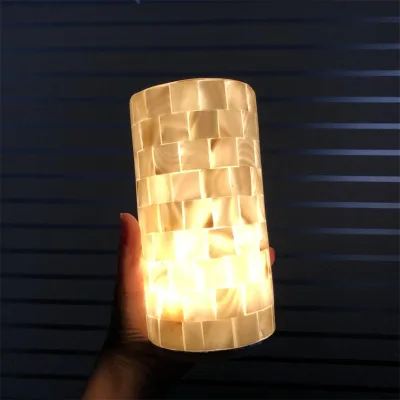
Available shapes include hearts, diamonds, houses, and irregular forms. Common colors are white, gray, beige, and gold. Some items feature pale peony pink glazes or black modern finishes. Buyers can select from these options based on their interior design theme or seasonal decoration needs like Christmas or general home use.
Where are these ceramic products manufactured?
These ceramic tealight holders are manufactured in Fujian, China. This region is known for producing polyresin, ceramic, and PVC crafts for home and garden decoration. Buyers sourcing from this location should consider logistics and shipping costs when calculating the total landed cost for their orders.