Modern Magnetic Push Catches Suppliers and Manufacturers
Source Modern Magnetic Push Catches from 28 verified suppliers in Guangdong, China. Compare key dimensions including lead times, MOQs, response speeds, and pricing to identify the right partner for your furniture hardware needs. Review detailed product specifications and request samples to ensure quality.
Suppliers List
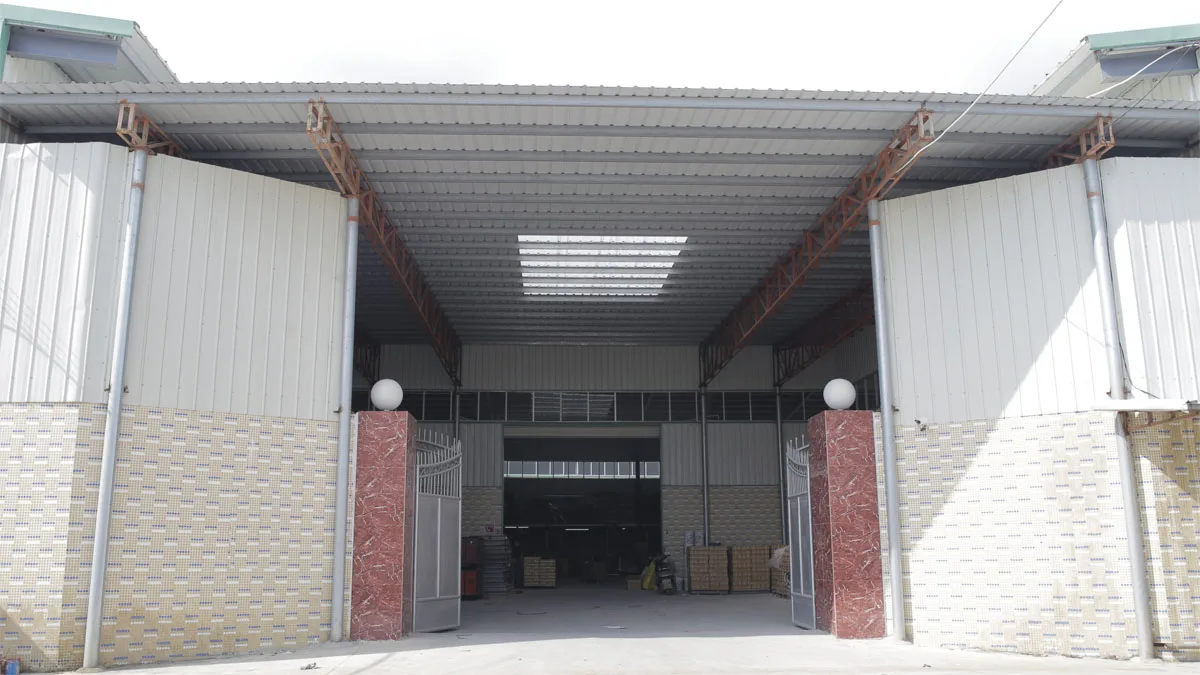
Guangzhou Johncent Hardware Co., Ltd.
- Manufacturer, Trading Company
- Guangdong, China
- Lead time15 days
- Avg. response≤ 3h
Main productsfurniture hardware fitting,drawer slide,hinge,nuts
Main marketsWestern Europe(20.0%), Eastern Europe(20.0%), North America(20.0%), South Asia(10.0%), Southeast Asia(10.0%), Eastern Asia(10.0%), Mid East(10.0%)
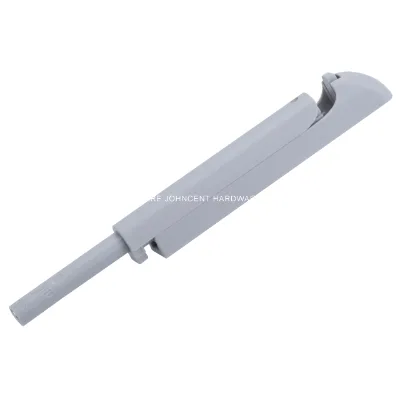
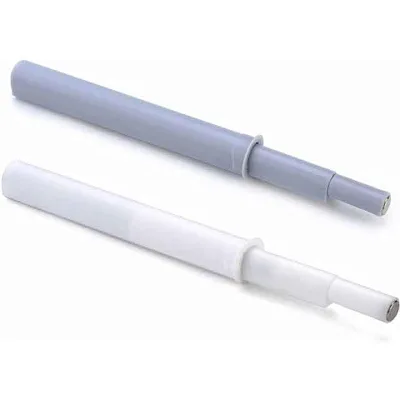
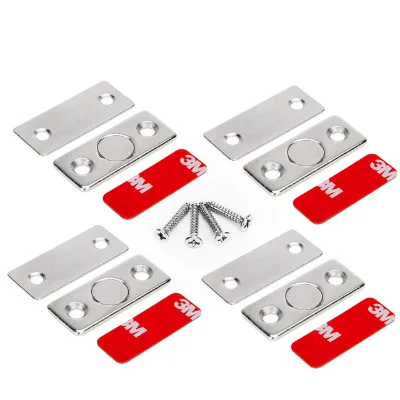
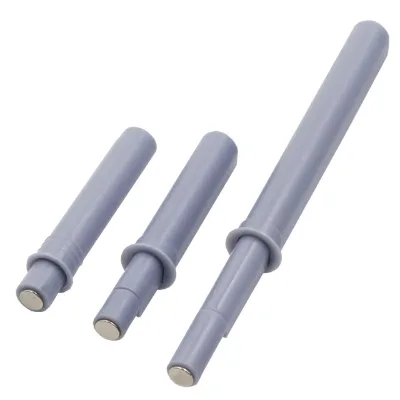
Customized Small Size Magnetic Push Latch
$0.35 - $0.40
- Verified by TUVRHEINLAND
- Trading Company
- China Guangdong
- Lead time23 days
- Avg. response≤ 9h
Main productsFurniture Hardware, Furniture Legs, Furniture Handle, Door Hardware, Sliding Door System, Aluminum Framed Glass Doors, Wardrobe Accessories
Main marketsEurope


Cabinet Door Magnetic Catcher Door Magnetic Stopper Kitchen Cabinet Plastic Push
$0.27 - $0.41
MOQ: 500 Pieces
Shanghai Addith Hardware Co., Ltd.
- Verified by CTI
- Trading Company
- China Shanghai
- Lead time23 days
- Avg. response≤ 2h
Main productsHinge, Drawer Slide, Handle, Furniture Leg, Screws, Gas Support, LED Light, Faucet, Cabinet Accessories, PVC Edge Banding
Main marketsSouth America,Africa,East Asia(Japan/ South Korea),North America


Furniture Cabinet Push-Open Buffer Damper Self Closing Push Lock Door Magnetic Catch
$0.14 - $0.15
MOQ: 3000 Pieces

Touch Latch Push to Open Cabinet Door Magnetic Push Button Drawer Catch
$0.14 - $0.15
MOQ: 3000 Pieces


Foshan Tonghuashun Stainless Steel Products Co., Ltd.
- Verified by SGS
- Manufacturer/Factory
- China Guangdong
- Lead time0 days
- Avg. response≤ 8h
Main productsMechanical Door Lock, Door Catch, Draw Latch, Handle, Hinge, Torque Hinge, Whale Tail Lock, Friction Hinge, Industrial Hinge, Industrial Handle
Main marketsSouth America,Eastern Europe,Mid East,North America,Southeast Asia,Eastern Asia,Oceania,Western Europe,Africa
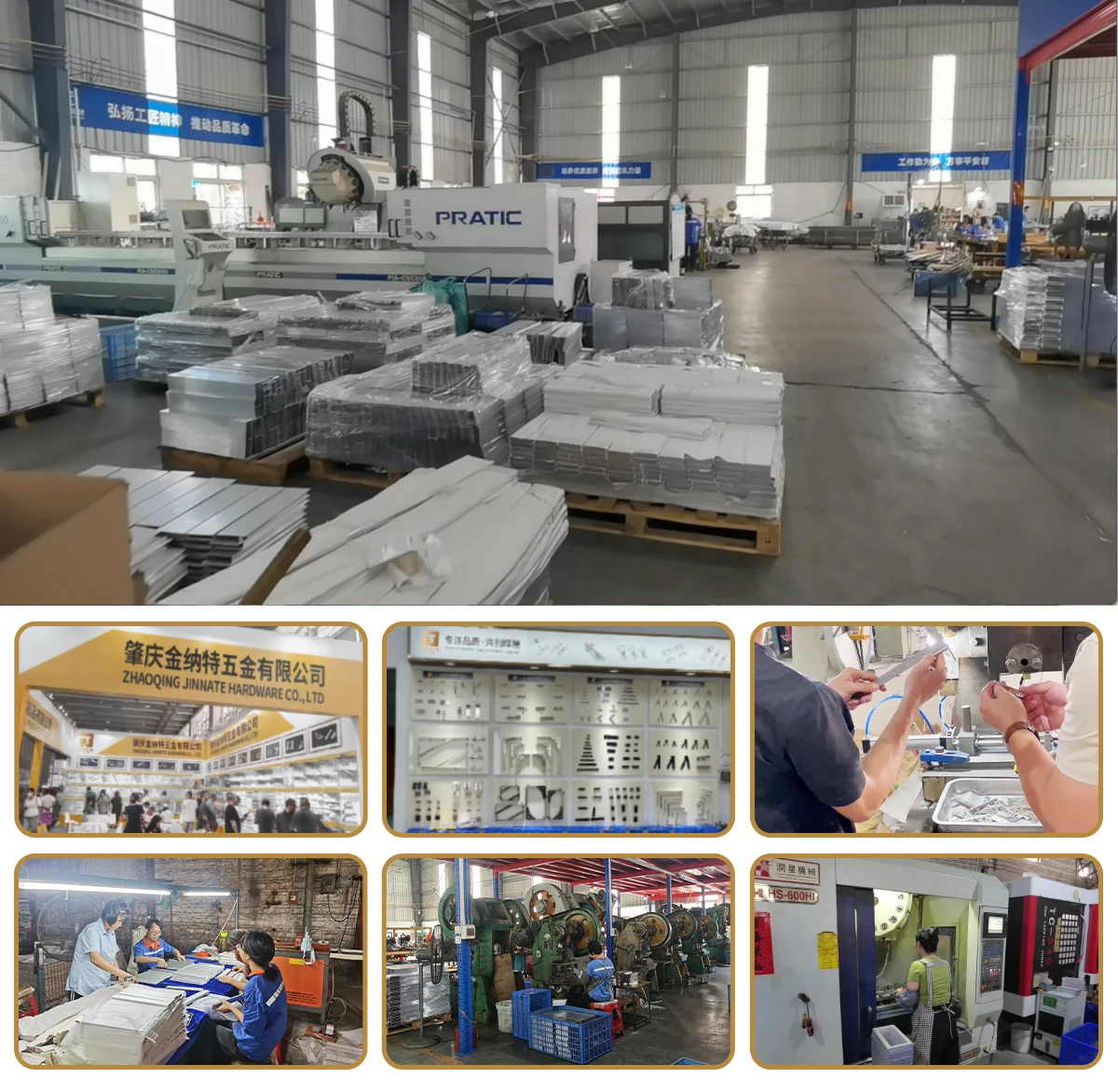
Zhaoqing Jinnate Hardware Co., Ltd.
- Trading Company
- Guangdong, China
- Lead time15 days
- Avg. response≤ 7h
Main productscabinet accessories,Brackets,handle,Furniture connector,Plate support
Main marketsMid East(20.0%), Southeast Asia(20.0%), North America(20.0%), Northern Europe(10.0%), Eastern Europe(10.0%), South America(10.0%)
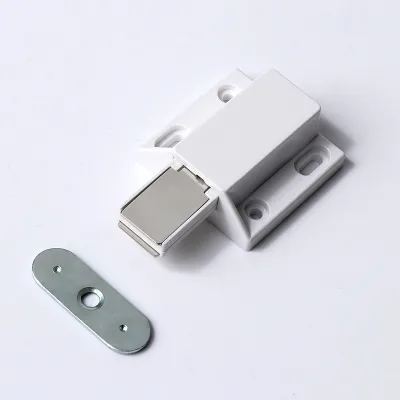
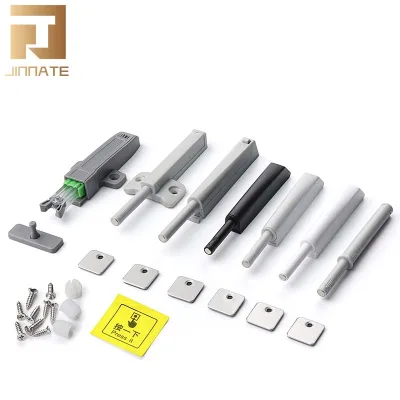
Furniture Hardware Safety Push Magnetic Catches Push Open System Cabinet Door Catch
$0.14 - $0.25
MOQ: 1000
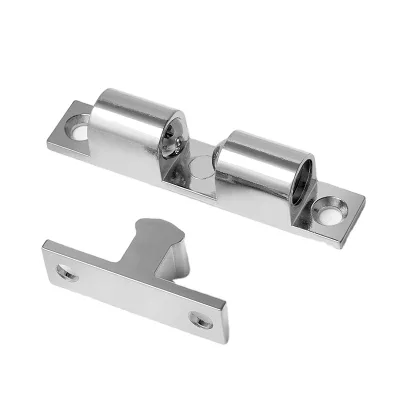

JM Aluminum Profile Accessories Co., Limited
- Trading Company
- China Guangdong
- Lead time15 days
- Avg. response≤ 4h
Main productsIndustrial Aluminum Profile Aluminum Profiles, Aluminum Profiles / Extrusions, Aluminum Profile Modular Assembly, Aluminum Profile Accessories, Caster/Footmaster Caster/Adjustable Feet, Feet, T Nuts/Hammer Head Nut/T Bolt, Brackets Elements/Joint/Degree Bracket, End Cap/ Nylon Hinge/Handles, Spring Block/Aluminum Profile
Main marketsSouth America,Africa,Southeast Asia/ Mideast,East Asia(Japan/ South Korea),Domestic,Europe,Australia,North America

- Combined
- China Guangdong
- Lead time23 days
- Avg. response≤ 9h
Main productsSofa Leg, Tube, Gas Spring, Handle, Furniture Hardware
Main marketsSouth America,Africa,Southeast Asia/ Mideast,East Asia(Japan/ South Korea),Domestic,Europe,Australia,North America


Push to Open System Damper Buffer Door Catch Magnetic Push Latches Release for Kitchen Cabinet
$0.12 - $0.36
MOQ: 1000 Pieces


Furniture Hardware Heavy Duty Cabinet Closer Kitchen Wardrobe Magnetic Door Catch
$0.03
MOQ: 2000 Pieces

YUEQING GUANGTAI IMPORT & EXPORT CO., LTD.
- Verified by CTI
- Trading Company,Manufacturer/Factory
- China Zhejiang
- Lead time23 days
- Avg. response≤ 14h
Main productsDistribution Board, Meter Socket, Load Center, Electrical Accessories, Tools, Hardware
Main marketsSouth America,Eastern Europe,Mid East,North America,Southeast Asia,Eastern Asia,Oceania,Western Europe,Africa

Hangzhou Xiaoshan Fuqiang Decoration Hardware Factory
- Manufacturer
- Zhejiang, China
- Lead time30 days
- Avg. response≤ 4h
Main productsStamping Part,Metal Stamping,Plastic injection parts,Furniture hardware,Construction Hardware
Main marketsWestern Europe(25.0%), Mid East(25.0%), South America(25.0%), North America(25.0%)
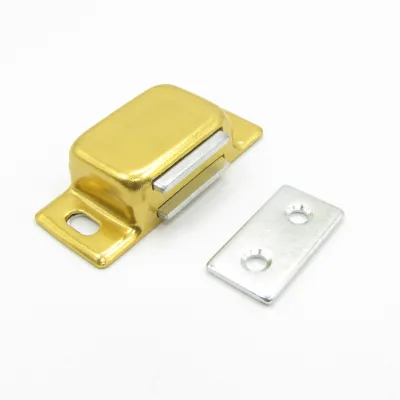
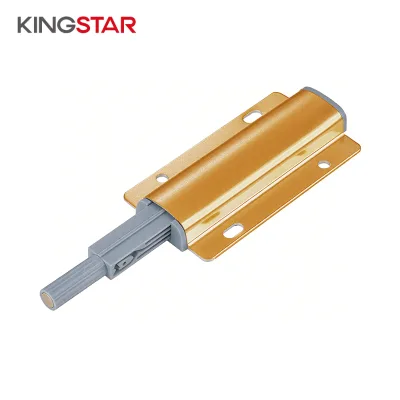
Strong Magnetic Cabinet Catch, Gold, Aluminum Catch for Cabinet, Closet, Wardrobe
$0.21 - $0.52
MOQ: 5000 Minimum
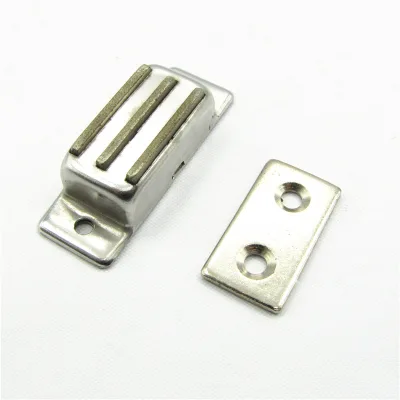
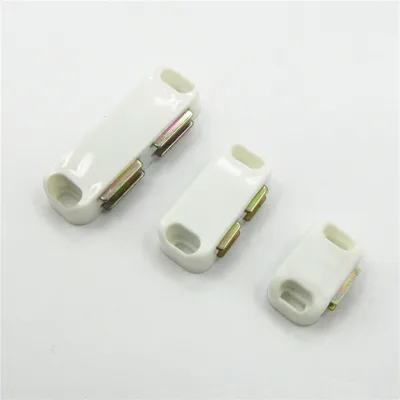
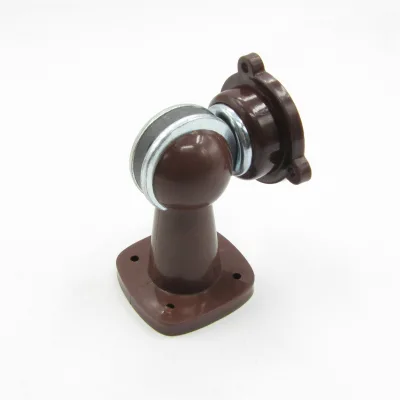
Wall Floor Mounted Magnetic Door Catch Holder
Contact supplier
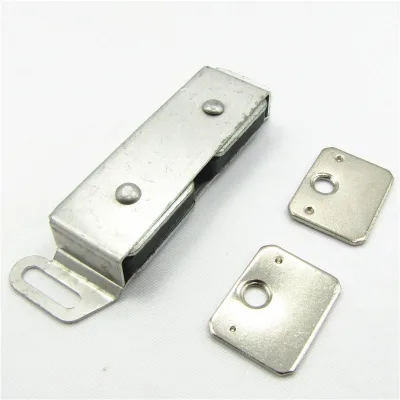
Aluminum Housing Magnetic Door Catch Pull Strong Magnet
Contact supplier

- Verified by TUVRHEINLAND
- Combined
- China Guangdong
- Lead time30 days
- Avg. response≤ 6h
Main productsCabinet Handle, Door Handle, Door Lock, Furniture Knob, Cabinet Hinge, Drawer Slide, Door Hinge, Mortise Lock, Cylinder Lock, Door Stopper
Main marketsSouth America,Southeast Asia/ Mideast,Europe
Guangdong Kingstar Hardware Co Limited
- Verified by SGS Group
- Manufacturer, Trading Company
- Lead time30 days
- Avg. response≤ 2h
Main productsBall Bearing Slide, Under Mounted Slide, Slim Box, Table Leg, Cabinet Push Latch
Main marketsWestern Europe(25%), North America(18%), Eastern Europe(13%)
Foshan Toco Decorative Material Co., Ltd.
- Verified by TUVRHEINLAND
- Trading Company
- China Guangdong
- Lead time23 days
- Avg. response≤ 3h
Main productsFurniutre Accessories, Decorative Trim
Main marketsSouth America,Africa,Southeast Asia/ Mideast,Europe,Australia,North America

Magnetic Push Latch for Cupboard Double Push to Open Device Door Catches
$0.10 - $0.27
MOQ: 500 Pieces

Most Popular Furniture Plastic Sliding Door Catches Magnetic Latch Automatic Door Closers
$0.25 - $0.42
MOQ: 500 Pieces

Push to Open Drawer Cabinet Door Catches Stainless Steel Switch Push Latch Button
$0.10 - $0.55
MOQ: 1000 Pieces

FOSHAN CARINO HARDWARE CO., LIMITED
- Verified by SGS
- Trading Company
- China Guangdong
- Lead time30 days
- Avg. response≤ 8h
Main productsConcealed Hinge, Hinge, Slide Series, Handles, Drawer Lock, Other Hardware, Tube and Holder, Furniture Leg, Caster, Support
Main marketsSouth America,Southeast Asia/ Mideast,North America

Dongguan Zhengchen Hardware Co., Ltd.
- Verified by BV
- Combined
- China Guangdong
- Lead time15 days
- Avg. response≤ 5h
Main productsSpring Plunger, Ball Plunger, Indexing Plunger, Ball Lock Pin, Ball Transfer Unit, Screw, Nut, Washer, Captive Screw, Dowel Pin
Main marketsSouth America,Africa,Southeast Asia/ Mideast,East Asia(Japan/ South Korea),Europe,Australia,North America


Zcmgcc Cabinet Door Magnetic Suction Door Magnet Catcher Cabinet Magnetic Catches
$0.10 - $0.50
MOQ: 100 Pieces
Ningbo Imperial Imp. &Exp. Co., Ltd.
- Verified by TUVRHEINLAND
- Trading Company
- China Zhejiang
- Lead time23 days
- Avg. response≤ 4h
Main productsDoor Hardware, Window Hardware, Furniture Hardware, Bathroom Hardware
Main marketsSouth America,Africa,Southeast Asia/ Mideast,Europe,Australia,North America

Magnetic Door Holder Furniture Hardware Cabinet Magnetic Door Lock Catch Door Stopper
$0.06 - $0.09
MOQ: 5000 pieces

Ball Catch Door Hardware Closer Cabinet Door Catches Heavy Duty Adjustable Roller Latch Ball Catcher
$3.80 - $4.20
MOQ: 50 pieces

Wholesale Modern Satin Nickel Brass Zinc Alloy Heavy Duty Catch Roller Catch
$2.80 - $3.50
MOQ: 200 pieces

- Combined
- China Guangdong
- Lead time45 days
- Avg. response≤ 4h
Main productsDoor Handle, Door Lock, Door Hinge, Door Bolt, Cabinet Handle, Cabinet Hinge, Door Closer, Barn Door Hardware, Door Stopper, Glass Hardware
Main marketsSouth America,Southeast Asia/ Mideast,East Asia(Japan/ South Korea),Domestic,Europe,North America
- Verified by TUVRHEINLAND
- Combined
- China Guangdong
- Lead time30 days
- Avg. response≤ 1h
Main marketsSoutheast Asia/ Mideast


Noise-Reducing Plastic Door Stopper Sliding Door Buffer Damper Magnetic Catcher for Apartment
$0.18 - $0.23
MOQ: 5000 Pieces

Hangzhou Yangyi Magnetics Co., Ltd.
- Verified by TUVRHEINLAND
- Manufacturer/Factory
- China Zhejiang
- Lead time23 days
- Avg. response≤ 6h
Main productsPermanent Magnet, Neodymium Magnet, Pot Magnet, AlNiCo Magnet, Hook Magnet, Magnetic Name Badge, Rubber Coated Magnet, Ferrite Magnet, Magnetic Bar, Rubber Magnet
Main marketsSouth America,Mid East,North America,Southeast Asia,Eastern Asia,Oceania,Western Europe,Africa

Jiangmen Yako Hardware Manufacturer Co.,Ltd
- Verified by TUVRHEINLAND
- Manufacturer/Factory
- China Guangdong
- Lead time45 days
- Avg. response≤ 2h
Main productsDoor Hinge, Door Handle, Door Stopper, Door Lock, Shower Door Hinge, Glass Clamp, Furniture Handle, Mailbox, Railing Bracket, Pull Handle
Main marketsSouth America,Eastern Europe,Mid East,North America,Southeast Asia,Eastern Asia,Oceania,Western Europe,Africa
Guangdong Topcent Development Co., Ltd
- Trading Company
- Guangdong, China
- Lead time20 days
- Avg. response≤ 6h
Main productsKitchen Storage Accessories, Wardrobe Storage Fittings, Functional Hardware, Decorative Hardware, Furniture Basic Hardware
Main marketsMid East(25.0%), Southeast Asia(18.0%), Domestic Market(10.0%), North America(8.0%), South America(6.0%), Central America(6.0%), Africa(6.0%), South Asia(4.0%), Oceania(4.0%), Eastern Europe(4.0%), Eastern Asia(3.0%), Western Europe(3.0%), Southern Europe(2.0%), Northern Europe(1.0%)
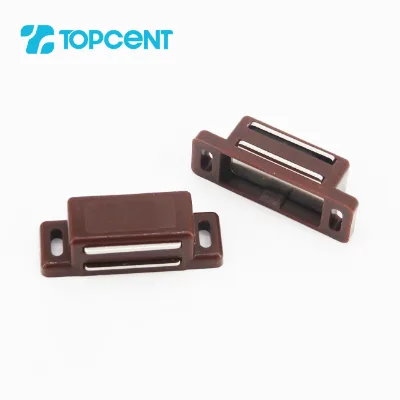
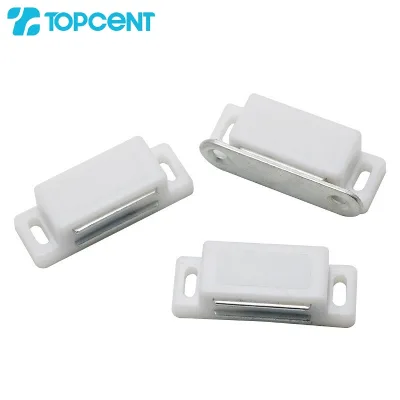
TOPCENT High Quality Door Closers Kitchen Cabinet Closet Cabinet Lock Magnetic Door Closers
$0.05 - $0.06
MOQ: 18000

Zhenjiang Trumy Industrial Co., Ltd.
- Trading Company,Manufacturer/Factory
- China Jiangsu
- Lead time30 days
- Avg. response≤ 22h
Main productsFurniture Hardware, Door Hardware, Fastener, Building Material, Bathroom Accessory, Kitchen Accessory, BBQ Grills&Outdoor Cooking, Fire Pit&Fire Place, Outdoor Furniture, Toilet Partitions Accessories
Main marketsSouth America,Eastern Europe,Mid East,North America,Southeast Asia,Eastern Asia,Oceania,Western Europe,Africa
Chongqing Seatrend Technology And Development Co., Ltd.
- Manufacturer, Trading Company
- Chongqing, China
- Lead time15 days
- Avg. response≤ 4h
Main productssmart products,air purifier,smart lock,Rubber Magnet,Fridge Magnet
Main marketsDomestic Market(21.44%), Western Europe(14.279999999999998%), Mid East(11.61%), Southern Europe(9.46%), North America(9.29%), Northern Europe(6.25%), Eastern Asia(5.36%), Oceania(4.28%), South Asia(4.11%), Africa(3.5699999999999994%), Southeast Asia(3.39%), Central America(2.86%), South America(2.32%), Eastern Europe(1.78%)

Shangkun Industrial Technology Co., Ltd.
- Combined
- China Guangdong
- Lead time23 days
- Avg. response≤ 5h
Main productsOck, Hinge, Handle, Latch, Toggle Latch, Caster, Wheel, Leveling Feet
Main marketsDomestic,Europe,Australia,North America

Aluminium Alloy Heavy Duty Magnet Latch Cabinet Catches Magnetic Door Catch for Cabinets Door
$1.00 - $1.10
MOQ: 10 Pieces

Stainless Steel 304 Strong Oven and Automatic Equipment Suction Magnet Catch
$1.00 - $2.00
MOQ: 2 Pieces


Hangzhou Yoking Hardware Limited
- Trading Company
- Zhejiang
- Lead time45 days
Main productsBullet foot,Door Catch,Door Stop,Lazysusan,Table Leg
Main marketsWestern Europe(25.0%), North America(25.0%), Southern Europe(15.0%), South America(10.0%), Eastern Europe(5.0%), Northern Europe(5.0%), Central America(5.0%), Oceania(5.0%), Eastern Asia(5.0%)
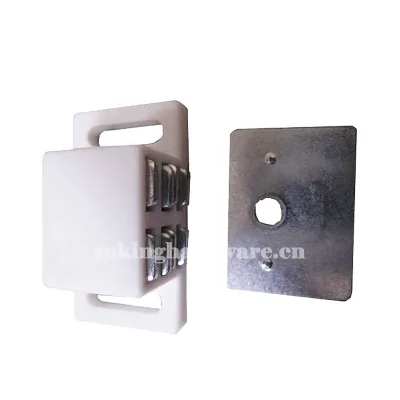
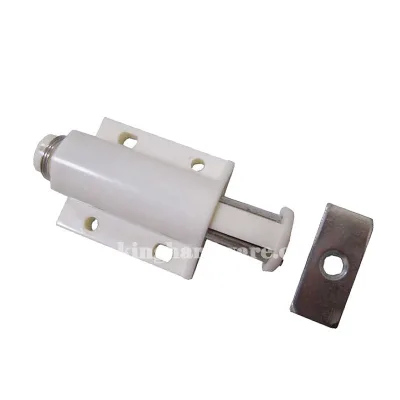
Plastic Magnetic Cabinet Door Stopper/catch YK-I025
Contact supplier
Shandong YMTC Home Decor Co., Ltd
- Verified by BV
- Trading Company
- China Shandong
- Lead time30 days
- Avg. response≤ 4h
Main productsShutters, Blinds, Wood Mouldings, Window Coverings, Timber Shutters, Wooden Building Materials, Plywood, Fauxwood Blinds, Plantation Shutters, Venetian Blinds
Main marketsSoutheast Asia/ Mideast,Europe,North America


Industrial Door Magnetic Catch Kitchen Hidden Soft Close Door Heavy Duty Magnet
$3.88 - $9.88
MOQ: 10 Pieces
Shanghai Taixiong Magnetic Industrial Co., Ltd.
- Verified by BV
- Combined
- China Shanghai
- Lead time15 days
- Avg. response≤ 6h
Main productsMagnetic Separator, Rod Magnet, Grate Magnet, Neodymium Magnet, SmCo Magnet, Pot Magnet, Rubber Coated Magnet, Electro Magnet, Lifting Magnet, Magnetic Conveyor
Main marketsSouth America,Southeast Asia/ Mideast,Domestic

Neodymium Magnet Magnetic Liquid Trap with Quick Release Clamp, Thread Connection
$600.00 - $1000.00
MOQ: 1 Pieces

Dailymag Magnetic Technology (Ningbo) Limited
- Verified by TüVRheinland
- Manufacturer, Trading Company
- Lead time15 days
- Avg. response≤ 6h
Main productsMagnetic Tools, Linear Actuator, Sharps Container, Neodymium Magnets, Magnetic Assembles
Main marketsNorth America(35%), Western Europe(24%), South America(8%)

D&D Hardware Industrial Co., Ltd.
- Combined
- China Guangdong
- Lead time30 days
- Avg. response≤ 5h
Main productsDoor Hardware, Door Handle, Door Hinge, Mortise Lock, Lock Cylinder, Door Stopper, Door Bolt, Glass Hinge, Glass Hardware, Door Inronmongery
Main marketsSouth America,Southeast Asia/ Mideast,Europe,North America






Comprehensive Sourcing Guide
Modern Magnetic Push Catches Supplier Concentration and Factory Types
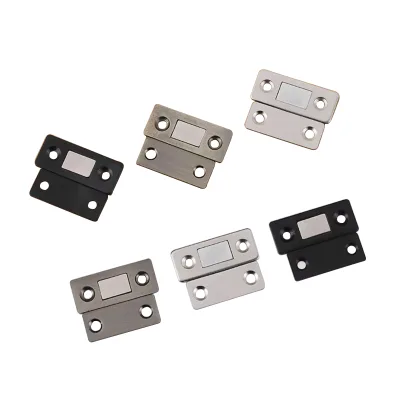
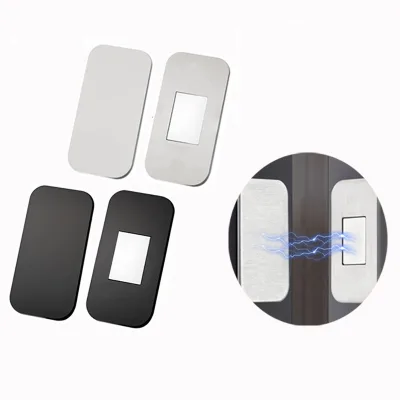
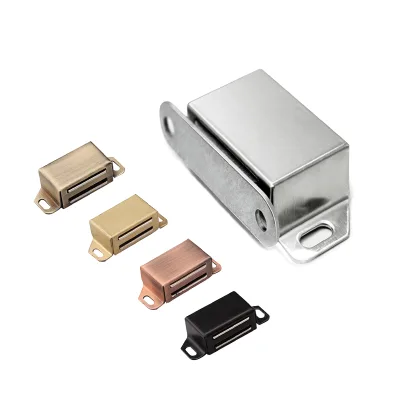
The available data indicates a significant concentration of manufacturers and trading companies operating within Guangdong, China, specifically for Modern Magnetic Push Catches and related furniture hardware. This region serves as a primary hub for producing items such as push catches, magnetic catches, and drawer slides, with specific product evidence confirming origins in this province. Buyers should recognize that the supply base here includes both direct manufacturers and trading entities, each offering distinct advantages in terms of production control versus logistical flexibility. The presence of multiple company types suggests a mature ecosystem where specialized factories coexist with general trading firms that aggregate products from various sources.
When evaluating the supplier landscape, it is crucial to distinguish between the operational models evident in the results. Some suppliers list themselves as manufacturers, implying direct control over the production of components like POM plastic catches or stainless steel latches, while others operate as trading companies that may source from multiple factories. This distinction impacts the buyer's ability to verify production capabilities and negotiate custom specifications. The data shows a mix of these entities, meaning a buyer must carefully assess whether a supplier is the actual producer or an intermediary. Understanding this dynamic is essential for determining the appropriate point of contact for technical queries and quality assurance protocols specific to modern magnetic push catch systems.
How to Verify Modern Magnetic Push Catches Suppliers
Verification of Modern Magnetic Push Catches suppliers requires a rigorous examination of their stated credentials and operational history. The provided facts highlight that some suppliers possess specific verification badges, such as TÜV Rheinland, which serves as a tangible indicator of third-party assessment. Buyers should prioritize suppliers displaying such certifications, as they suggest a commitment to meeting international quality and safety standards. However, not all suppliers in the current results display this specific verification, so the absence of a badge does not automatically disqualify a vendor but necessitates deeper due diligence. It is imperative to request proof of these certifications directly rather than relying solely on platform assertions, ensuring the claims are current and valid for the specific product lines being sourced.
Beyond certifications, buyers must scrutinize the response times and communication efficiency of potential partners. The data reveals response times varying from approximately three hours to over eight hours, which can significantly impact the speed of the sourcing process. A supplier with a rapid response time often indicates a dedicated sales team and efficient internal processes, which is critical when discussing customizations or resolving urgent production issues. Additionally, verifying the main products listed against the specific requirements for Modern Magnetic Push Catches is essential. Buyers should confirm that the supplier's core offerings align with the specific hardware needs, such as the distinction between plastic and stainless steel components, to ensure the vendor has the requisite expertise and inventory depth to support the order without delays.
What to Compare Across Modern Magnetic Push Catches Suppliers
Comparing suppliers requires a systematic analysis of key operational metrics such as lead times, minimum order quantities, and pricing structures. The observed data shows lead times ranging from 15 days to 23 days, a variance that can influence production scheduling and inventory planning. Buyers must weigh these differences against their specific project timelines, understanding that shorter lead times may come with higher costs or limited customization options. Similarly, minimum order quantities vary significantly, with some products requiring as few as 500 pieces while others demand 2000 or more. This disparity affects the initial capital outlay and the feasibility of testing new designs before committing to larger production runs.
Pricing and supply capabilities are equally critical factors in the comparison process. Unit prices for Modern Magnetic Push Catches in the current results range from approximately $0.27 to $1.20, reflecting differences in material composition, such as POM plastic versus stainless steel, and finishing processes like nickel plating. Buyers should not focus solely on the lowest price but must evaluate the total value, including the supply ability which can reach 50,000 pieces per week or 10,000,000 pieces per year. A supplier with high supply capacity may offer better stability for large-scale orders, whereas a supplier with lower capacity might be more suitable for niche or prototype projects. Additionally, comparing payment terms and customization services, such as OEM and ODM availability, provides a holistic view of each supplier's flexibility and commercial viability.
Common Modern Magnetic Push Catches Sourcing Risks
One significant risk in sourcing Modern Magnetic Push Catches involves the potential mismatch between product specifications and actual manufacturing capabilities. The data indicates variations in material types, such as POM plastic, stainless steel, and SPCC, which directly impact the durability and performance of the catches. Buyers face the risk of receiving products that do not meet the required application standards, such as those needed for kitchen or bathroom environments, if the supplier fails to adhere to the specified material grades. Furthermore, the presence of different finishes, including nickel plating and grey or black coatings, introduces complexity in ensuring consistency across large orders. Without rigorous quality control measures, these variations can lead to product failures or aesthetic inconsistencies that compromise the final furniture assembly.
Another critical risk pertains to logistics and packaging reliability, which can affect the condition of goods upon arrival. The evidence shows diverse packaging details, ranging from 500 sets per carton to 1000 sets per carton, with some suppliers offering special packing options while others do not. Inconsistent packaging can lead to damage during transit, particularly for delicate magnetic components that rely on precise alignment. Additionally, the variation in dispatch ports, including Shekou, Yangtian, and Huangpu, introduces logistical variables that can impact shipping times and costs. Buyers must verify that the supplier's packaging standards align with the fragility of the product and the specific shipping route to mitigate the risk of damage. Failure to address these logistical nuances can result in increased costs and delays, undermining the efficiency of the sourcing strategy.
Modern Magnetic Push Catches Regional Sourcing and Logistics
Sourcing from the identified region of Guangdong, China, offers distinct logistical advantages due to its proximity to major shipping ports. The data confirms that products originate from this province, with dispatch ports including Shekou, Yangtian, and Huangpu, which are well-connected to global trade routes. This concentration of suppliers near key ports facilitates efficient export processes, potentially reducing transit times and shipping costs for international buyers. However, the specific port of dispatch can vary by supplier, meaning buyers must confirm the exact location for each order to accurately estimate delivery schedules. Understanding the regional logistics network is essential for planning inventory replenishment and managing supply chain disruptions effectively.
Despite the logistical benefits, buyers must remain vigilant regarding the specific shipping terms and port capabilities of each supplier. The variation in dispatch ports suggests that not all suppliers may offer the same shipping efficiency or cost structures. Some suppliers may have established relationships with specific freight forwarders, while others may require the buyer to arrange their own logistics. This difference can impact the overall cost and reliability of the supply chain. Buyers should inquire about the supplier's experience with international shipping and their ability to handle customs documentation for the specific products being sourced. Ensuring that the supplier can navigate the complexities of exporting from Guangdong is crucial for maintaining a smooth and predictable supply chain for Modern Magnetic Push Catches.
Modern Magnetic Push Catches Commercial Terms and Order Planning
Commercial terms for Modern Magnetic Push Catches vary significantly among suppliers, necessitating careful review of payment methods and order conditions. The available data indicates that payment options may include T/T, Western Union, and PayPal, offering flexibility but also requiring buyers to assess the security and convenience of each method. Some suppliers offer free samples, which can be a valuable tool for quality verification before placing a bulk order, while others may have specific policies regarding sample costs. Buyers should clarify these terms early in the negotiation process to avoid misunderstandings and ensure that the financial arrangements align with their internal procurement policies. Understanding the payment structure is vital for managing cash flow and mitigating financial risks associated with international trade.
Order planning must also account for the specific minimum order quantities and customization requirements outlined by each supplier. The data shows MOQs ranging from 500 to 2000 pieces, with some suppliers offering special packing options for larger orders. Buyers need to balance these requirements with their demand forecasts to avoid overstocking or under-ordering. Additionally, the availability of customization services, such as OEM and ODM, allows for tailored solutions but may extend lead times or increase costs. Buyers should plan their orders well in advance, considering the lead times of 15 to 23 days, to ensure timely delivery. Effective order planning involves a comprehensive understanding of these commercial terms and the ability to negotiate favorable conditions that support the buyer's strategic goals.
FAQs
What is the typical lead time for Modern Magnetic Push Catches?
The typical lead time for these products is 15 days. Some suppliers offer a lead time of 23 days depending on order volume. Buyers should confirm the specific timeline with the manufacturer before placing an order to ensure timely delivery.
What is the minimum order quantity for push catches?
Minimum order quantities vary by product model. Some items require 500 pieces, while others need 1000 or 2000 pieces. Buyers must check the specific product details to find the exact MOQ required for their purchase needs.
Where are these furniture hardware products manufactured?
These products are manufactured in Guangdong, China. The place of origin is consistently listed as Guangdong for the various push catch models available. This location is a major hub for furniture hardware production in the region.
What materials are used for magnetic push catches?
Materials include POM, Plastic, Stainless Steel, and SPCC. The finish options range from Nickel plated to Grey or Black. Buyers should select the material that best suits their application requirements for durability and aesthetics.
What is the price range for these magnetic catches?
Prices range from 0.27 to 1.20 per piece depending on the model. Specific items are priced at 0.30, 0.32, or 0.35 to 0.40. The final cost depends on the selected material, size, and order quantity.
Do suppliers offer OEM services for these catches?
Yes, OEM and ODM services are available for many models. Some products explicitly state that customization is available. Buyers can request specific branding or design modifications through the supplier's service options.
How quickly do suppliers respond to inquiries?
Response times vary between 3 hours and 8.22 hours. Buyers can expect a relatively quick reply from most suppliers. Checking the specific response time on the supplier profile helps manage communication expectations effectively.