Modern Sanded Weaving Tiles Suppliers and Manufacturers
Explore 20 verified suppliers offering Modern Sanded Weaving Tiles with varying lead times, response speeds, and certifications. Compare dimensions, materials, and pricing to select the right partner for your project needs today; review the available evidence before requesting comparable quotations from suitable candidates.
Suppliers List
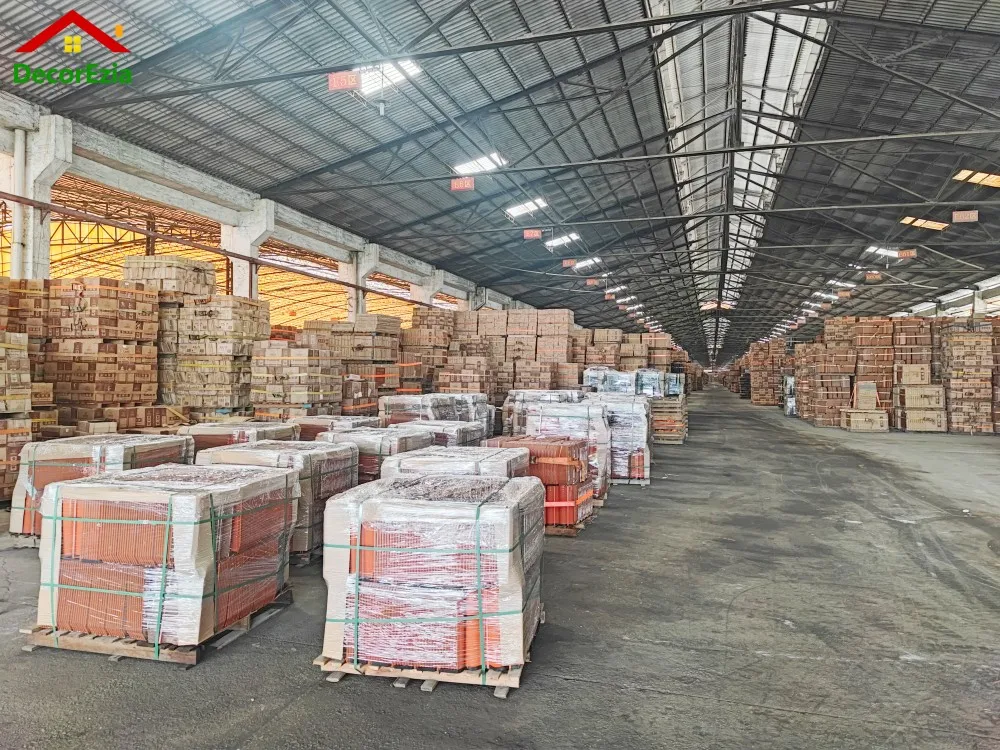
Foshan Decorezia Industrial Co., Ltd.
- Manufacturer, Trading Company
- Guangdong, China
- Lead time10 days
- Avg. response≤ 9h
Main productsWall Panel,Wall Stone,Wall Brick,3D Panels,Home Decoration Materials
Main marketsNorth America(50.00%), Southeast Asia(15.00%), Oceania(15.00%), Southern Europe(3.00%), Mid East(3.00%), Africa(2.00%), Northern Europe(2.00%), Central America(2.00%), Western Europe(2.00%), Eastern Asia(2.00%), Eastern Europe(2.00%), South America(2.00%)
Suzhou Greenpower Tile Carpet Co., Ltd.
- Verified by BV
- Combined
- China Jiangsu
- Lead time15 days
- Avg. response≤ 2h
Main productsCarpet Tile, Nylon Carpet Tiles, PP Carpet Tiles, Nylon with Poe/Non-Woven Backing, High-Low Loop Carpet Tiles, Carpets, Cushion Backing Carpets Tiles, Level Loop Carpet Tiles, Polyester Carpet Tile, PVC Backing Carpet Tile
Main marketsDomestic

Solid Color Cushioned Tufted Carpets and Rugs Modern Floor Carpet Tiles
$3.00 - $18.00
MOQ: 100 Square Meters

Modern Office Carpet Tile with 16oz Weight and Solution Dyed Finish
$7.72 - $30.00
MOQ: 100 Square Meters


wuhan rigel import and export trading co.,ltd
- Verified by BV
- Trading Company,Manufacturer/Factory
- China Hubei
- Lead time0 days
- Avg. response≤ 14h
Main productsPlastic Product / Building Materials, Small Fishing Boat, EPS Cement Sandwich Wall Panel, Wall Panel Machine, Calcium Silicate Board, Calcium Silicate Board Production Line, WPC Wall Panel, WPC Wall Panel Production Line, Plastic Box, PE Wall Panel


Sound - Absorbing High Quality Flexible Weaving Stone Soft Tile with Artificial Decorative
$3.00 - $10.00
MOQ: 50 Pieces
Zibo Zenitile Ceramics Co., Limited
- Verified by TUVRHEINLAND
- Trading Company,Manufacturer/Factory
- China Shandong
- Lead time15 days
- Avg. response≤ 8h
Main productsCeramic Tile, Porcelain Tile, Glazed Tile, Floor Tile, Polished Glazed Tile, Rustic Tile, Golded Sand Tile, Silver Sand Tile, Exterior Tile, Tile
Main marketsSouth America,Eastern Europe,Mid East,North America,Southeast Asia,Eastern Asia,Oceania,Western Europe,Africa

Modern Design Polished 9mm Thick Bedroom and Living Room Floor Tiles
$3.00 - $4.20
MOQ: 300 Square Meters


FOSHAN AI JIA CERAMICS CO., LTD.
- Trading Company
- China Guangdong
- Lead time30 days
- Avg. response≤ 15h
Main productsTile, Polished Tiles, Ceramic Tiles, Floor Tiles, Rustic Tiles, Wall Tiles, Porcelain Tile, Glazed Tile, Marble Tile, Copy Marble
Main marketsAfrica,Southeast Asia/ Mideast,Europe


1200X2400mm Large Size New Design Wall Tiles Slab Tiles Background Wall Tiles
Contact supplier
MOQ: 100 Square Meters

Guangzhou MyWow Decor Co., Ltd
- Combined
- China Guangdong
- Lead time15 days
- Avg. response≤ 18h
Main productsWallpaper, Wall Paper, 3D Wallpaper, 3D Wall Panel, Window Blinds, Artificial Grass, Wall Tiles, Center Rugs, Wall Mural, Natural Grasscloth
Main marketsSouth America,Europe,North America
Foshan Genbersin New Materials Co., Ltd.
- Trading Company
- China Guangdong
- Lead time0 days
- Avg. response≤ 11h
Main productsWPC Flooring, Ceramic Tiles, WPC Wall Panel, WPC Wall Cladding, WPC DIY Floor, WPC Decking, WPC Fence, WPC Gate, WPC Squre Tube, Rustic Tiles

FOSHAN KENT CERAMICS CO., LTD.
- Trading Company,Manufacturer/Factory,Group Corporation
- China Guangdong
- Lead time23 days
- Avg. response≤ 5h
Main productsPorcelain Tile, Ceramic Tile, Floor Tile, Wall Tile, Tiles, Marble Tiles, Porcelain Floor Tile, Ceramic, Glazed Tile, Polished Tile
Main marketsSouth America,Mid East,North America,Southeast Asia,Eastern Asia,Western Europe,Africa

Floor Tiles Double Loading Polished Tiles 600*600mm for Wall and Floor
$3.70 - $4.40
MOQ: 1500 Square Meters


Foshan Bolcada Building Materials Co., Ltd
- Verified by BV
- Trading Company
- China Guangdong
- Lead time15 days
- Avg. response≤ 4h
Main productsTile, Floor Tile, Ceramic Tile, Mosaic Tile, Wall Tile, Wooden Tile, Polished Tile, Marble Tile, Spc Floor Tile, Outdoor Tile
Main marketsAustralia
Zibo Mingwei Ceramics Co., Ltd
- Verified by SGS
- Trading Company
- China Shandong
- Lead time15 days
- Avg. response≤ 2h
Main productsCeramic Tiles, Porcelain Tiles, Wood Tiles, Floor Tiles, Polished Tiles, Wall Tiles, WPC, Sps, Ceramic Floor Tiles, PVC
Main marketsSouth America,Others(foreignTradeCapacity.exportBusinessCapacityMarketOther),Southeast Asia/ Mideast,Australia
Dalian Mairkey International Trading Co., Ltd.
- Verified by BV
- Trading Company
- China Liaoning
- Lead time15 days
- Avg. response≤ 6h
Main productsOffice Carpet, Floor Carpet, Door Mat, Patterned Rug, Wall to Wall Carpet, Handtufted Carpet, Nonwoven Carpet
Main marketsSouth America,Africa,Southeast Asia/ Mideast,Europe,Australia
Wuxi Kaize Import and Export Co., Ltd.
- Verified by TUVRHEINLAND
- Trading Company
- China Jiangsu
- Lead time30 days
- Avg. response≤ 1h
Main marketsSoutheast Asia/ Mideast,East Asia(Japan/ South Korea),North America
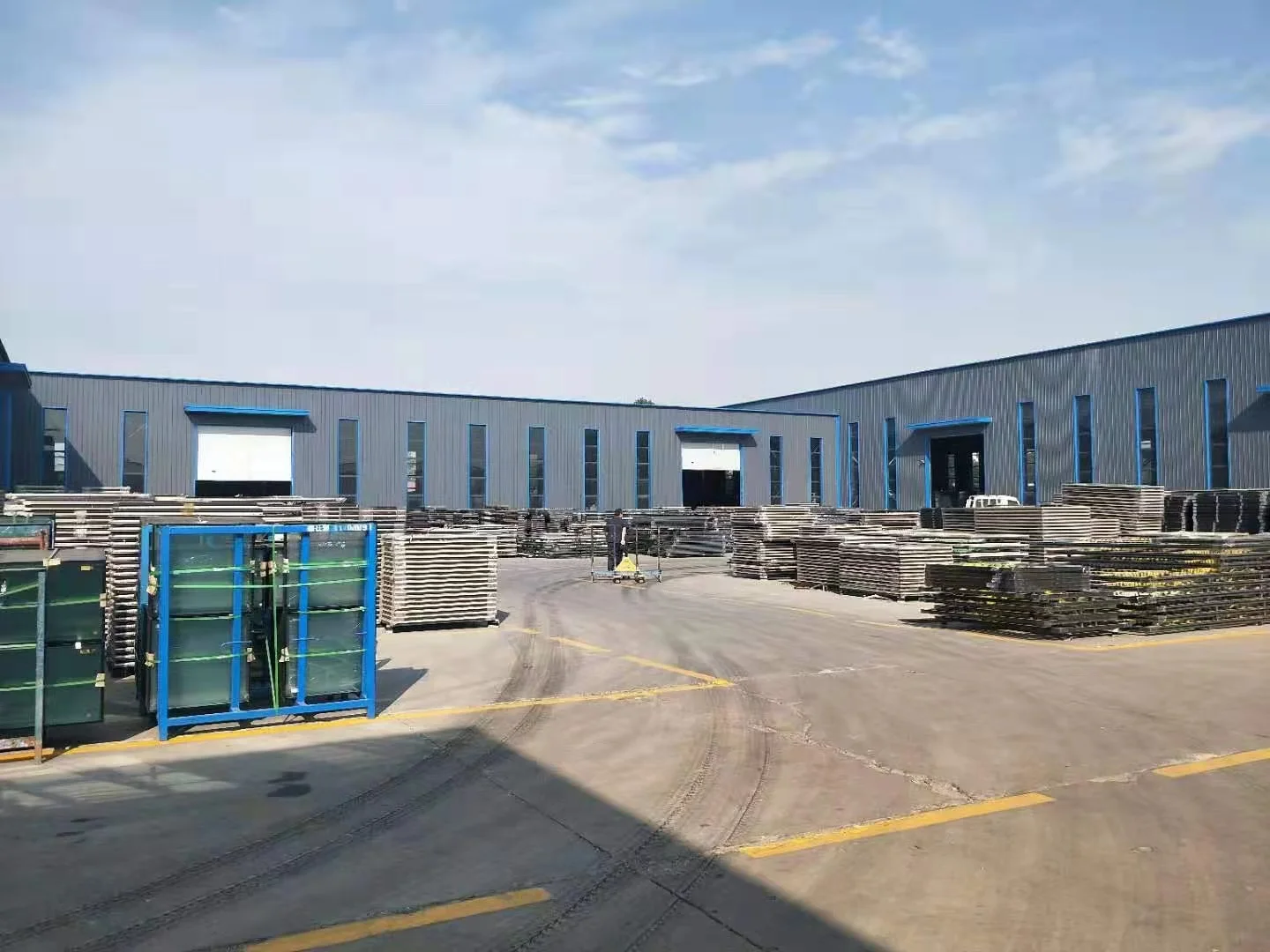
Foshan Caria Home Decor Co., Ltd.
- Manufacturer, Trading Company
- Guangdong, China
- Lead time7 days
- Avg. response≤ 5h
Main productsTile,Stone,Mosaic,Furniture,Wall Panel
Main marketsSoutheast Asia(30.00%), Africa(30.00%), Oceania(10.00%), Southern Europe(5.00%), Northern Europe(5.00%), Western Europe(5.00%), Mid East(5.00%), Eastern Europe(5.00%), North America(5.00%)
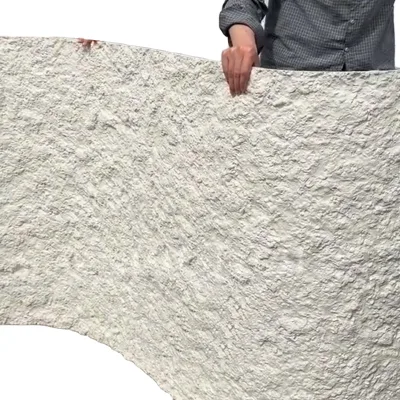
Building Materials External Outdoor Tiles
$8.85 - $9.85
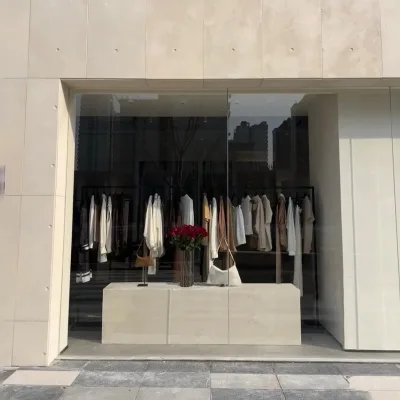
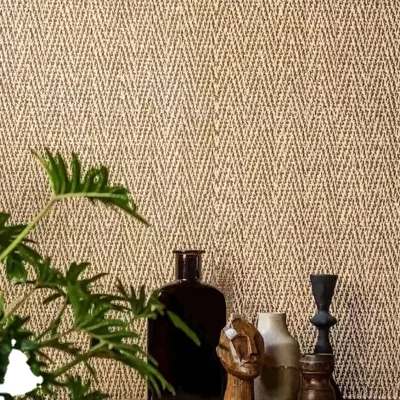
Concrete Texture Flexible Tiles for Decoration
$8.85 - $9.85
China Arts Building Material Group Co.,Limited
- Trading Company,Manufacturer/Factory
- China Fujian
- Lead time23 days
- Avg. response≤ 2h
Main productsStone/ Granite/ Marble, Kitchen Countertop and Vanity Tops, Slab and Tiles, Quartz and Artificial Stone, Composite Products, Mosaic and Medallion, Sink Basin Sculpture and Tomb, Sand Stone, Crafts and Arts, Paving Stone
Main marketsEastern Europe,Mid East,North America,Southeast Asia,Western Europe

Nature Green, Beige, Black and Other Colors Tiles for Wall and Floor Project
$30.00 - $100.00
MOQ: 50 Square Meters

Shenyang Autovi Floor Materials Co., Ltd.
- Verified by CTI
- Trading Company
- China Liaoning
- Lead time23 days
- Avg. response≤ 2h
Main productsHotel Carpet, Axminster Carpet, Printed Carpet, Sisal Carpet, Carpet Tile, Hand-Tufted Carpet
Main marketsSoutheast Asia/ Mideast,East Asia(Japan/ South Korea),Europe,Australia,North America


High Traffic Rated Carpet Tiles with Reinforced Fiberglass Stabilizing Layer
$3.50 - $3.90
MOQ: 100 Square Meters

Yangzhou Guotai Fiberglass Co., Ltd.
- Trading Company,Manufacturer/Factory
- China Jiangsu
- Lead time23 days
- Avg. response≤ 6h
Main productsFiberglass Roofing Tissue, Chopped Strand Mat, Silicone Baking Mat, Core Combination Mat, Grc Roving, Silicone Coated Fiberglass Fabric, PVC Battery Separator, PE Battery Separator, Silicone Bread Form, Neoprene Coated Fiberglass Fabric
Main marketsSouth America,Eastern Europe,Mid East,North America,Southeast Asia,Eastern Asia,Oceania,Western Europe,Africa

Zhangjiagang Yihua Rundong New Material Co., Ltd.
- Combined
- China Jiangsu
- Lead time30 days
- Avg. response≤ 11h
Main productsVinyl Floor Tile, PVC Leather, PVC Floor, Leather, Artificial Leather, Vinyl Floor, PVC Flooring, Yihua Floor, China Biggest Manufacture, China Factory
Main marketsSoutheast Asia/ Mideast,Europe,North America
Foshan Green Ceramics Co., Ltd.
- Verified by SGS
- Manufacturer/Factory
- China Guangdong
- Lead time15 days
- Avg. response≤ 6h
Main productsGlaze Porcelain Tile, Ceramic Tile, Wall Tile, Wooden Tile, Thickness Tile, Matt Rustic Tile, Polish Tile
Main marketsSouth America,Eastern Europe,Mid East,North America,Southeast Asia,Eastern Asia,Oceania,Western Europe,Africa

QINGYUAN GLORTA CARPET CO., LTD
- Verified by TUVRHEINLAND
- Combined
- China Guangdong
- Lead time30 days
- Avg. response≤ 21h
Main productsHand Tufted Carpet, Area Carpet, Hotel Carpet, Handmade Carpet, New Zealand Carpet, Acrylic Carpet, Nylon Carpet, Table Light, Floor Light, Pendant Light
Main marketsDomestic

- Manufacturer/Factory
- China Jiangsu
- Lead time38 days
- Avg. response≤ 25h
Main productsCarpet, Carpet Tile, Artificial Grass, Artificial Turf, Sport Grass, Leisure Grass, PP Carpet Tiles, Nylon Carpet Tiles, Land-Scaping Grass, Carpet & Grass
Main marketsSouth America,Mid East,North America,Southeast Asia,Eastern Asia,Western Europe

Contact supplier

Contact supplier
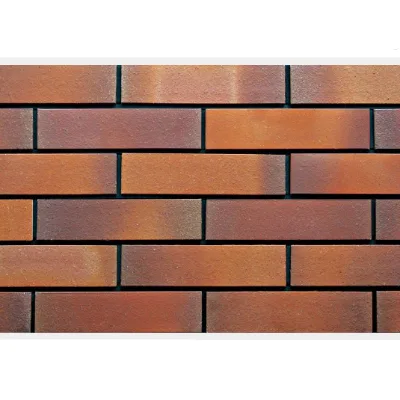
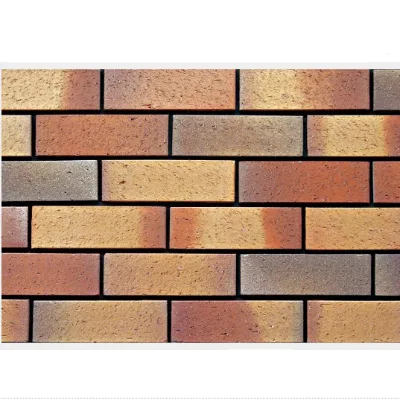


Comprehensive Sourcing Guide
Modern Sanded Weaving Tiles Supplier Concentration and Factory Types
The current supplier landscape for Modern Sanded Weaving Tiles reveals a concentration of manufacturing activity primarily within the Guangdong province of China, where specific factories list this region as their place of origin. These facilities often operate as a hybrid of manufacturer and trading company, allowing them to control production while managing broader distribution networks. The main product categories observed in this cluster include wall panels, wall stones, and various brick veneers, which share similar clay-based material properties with the requested sanded weaving tiles. This geographic clustering suggests a specialized supply chain for masonry and wall decoration materials, where raw clay sourcing and firing capabilities are centralized to reduce logistics costs for heavy building components.
In contrast, other regions such as Jiangsu, China, host suppliers focused on textile-based flooring solutions like carpet tiles, which utilize different production methods such as tufting and weaving rather than clay firing. These Jiangsu-based entities often hold combined company types and may offer ODM and OEM capabilities for synthetic fiber products, distinguishing them from the clay-based manufacturers in Guangdong. Buyers must carefully distinguish between these distinct manufacturing clusters, as the equipment, raw materials, and quality control processes for clay bricks differ significantly from those used for nylon or polyester carpet tiles. Identifying the correct cluster is essential, as a supplier in Jiangsu may not possess the specific kiln infrastructure required for authentic sanded weaving tiles, even if they offer general wall or floor decoration products.
How to Verify Modern Sanded Weaving Tiles Suppliers
Verification of suppliers for Modern Sanded Weaving Tiles requires a rigorous check of their stated location and product attributes against the specific material composition of the item. Buyers should confirm that the supplier explicitly lists "Clay" or "Terracotta" as the raw material, as this is a critical differentiator from synthetic alternatives. Evidence shows that some suppliers provide detailed product attributes including "Acid Resistance Bricks" and "Firebricks," which are relevant functional properties for clay-based wall tiles. It is imperative to request documentation proving the "Place of Origin" matches the claimed manufacturing hub, such as Guangdong, to ensure the supplier has direct access to the necessary clay deposits and firing facilities.
Beyond material verification, buyers must assess the supplier's response time and lead time to gauge operational reliability. Data indicates that some suppliers in this sector have response times around nine hours and lead times of ten days, while others in different categories may vary significantly. A supplier claiming to manufacture Modern Sanded Weaving Tiles should demonstrate a consistent ability to meet these timelines without compromising on the "lifetime" warranty often associated with high-quality clay products. Additionally, checking for certifications like ISO9001:2015 or ISO14001:2015, which are present in some related supplier profiles, can provide assurance of standardized quality management systems, though buyers must verify these apply specifically to the clay tile production line and not just general trading operations.
What to Compare Across Modern Sanded Weaving Tiles Suppliers
When comparing suppliers, the primary focus should be on the Minimum Order Quantity (MOQ) and the specific pricing structure for the requested tile dimensions. Some product listings indicate an MOQ of "in stock," suggesting immediate availability for smaller orders, while others may require a minimum of 100 units or more. Pricing data shows a range from approximately 7.50 to 30.00 per unit depending on the specific product type, such as reclaimed brick veneers versus standard wall tiles. Buyers must scrutinize whether the quoted price includes the "Single package size" and "Package" details, such as carton and wood pallets, to accurately calculate the total landed cost for their specific project requirements.
Another critical comparison point is the after-sales service and warranty terms provided by different manufacturers. Evidence suggests that some suppliers offer comprehensive support including "Online Technical Support," "Onsite Installation," and "Free Spare Parts," alongside a "lifetime" warranty for their clay products. In contrast, other suppliers in the broader construction category might only offer a "10 Years for Commercial Use" warranty or limited technical assistance. Buyers should also evaluate the "Project Solution Capability," looking for suppliers who can provide "graphic design" or "3D model design" services to ensure the tiles fit the intended architectural aesthetic. Comparing these service levels helps determine which supplier offers the best long-term value and risk mitigation for the specific project scope.
Common Modern Sanded Weaving Tiles Sourcing Risks
One significant risk in sourcing Modern Sanded Weaving Tiles is the potential confusion between genuine clay products and synthetic imitations that may be marketed under similar names. Suppliers in the textile sector, such as those in Jiangsu producing carpet tiles, might list "wall decoration" or "floor carpet" items that do not possess the "Acid Resistance" or "Firebricks" properties inherent to true clay tiles. Buyers must verify the "Material" attribute explicitly to avoid receiving chemical fiber products when clay is required, as the installation methods and structural requirements for these materials differ drastically. This distinction is vital for projects requiring specific fire ratings or outdoor durability that only fired clay can provide.
Another risk involves the variability in lead times and the reliability of the "in stock" claims made by suppliers. While some listings indicate immediate availability, others may have lead times extending to fifteen days or more, which can disrupt project schedules. The "Single gross weight" of the product, often around 2.0 kg per unit, also impacts shipping costs and logistics planning, which may not be fully transparent in the initial quote. If a supplier claims a "lifetime" warranty but lacks the "Onsite Inspection" or "Onsite Training" services to ensure proper installation, the warranty may become void due to user error. Buyers must therefore validate the supplier's capacity to deliver on both the physical product specifications and the promised service commitments before finalizing any order.
Modern Sanded Weaving Tiles Regional Sourcing and Logistics
Sourcing from the Guangdong region offers logistical advantages due to the established infrastructure for heavy building materials like clay bricks and wall panels. The "Place of Origin" being Guangdong suggests proximity to major ports, which can streamline the export process for heavy items such as "Wall Decoration Material Classic Traditional Modern Wall Tiles." However, buyers must account for the "Single gross weight" and "Package" dimensions, such as "20X20X10 cm" or larger palletized shipments, when calculating freight costs. The concentration of manufacturers in this area allows for consolidated shipping, potentially reducing the per-unit logistics cost compared to sourcing from more dispersed locations.
Conversely, sourcing from regions like Jiangsu, which is known for carpet tiles and textile products, presents different logistical considerations. While these suppliers may offer "OEM" and "ODM" capabilities, their primary expertise lies in lighter, flexible materials rather than rigid clay tiles. If a buyer attempts to source sanded weaving tiles from a Jiangsu-based supplier, they must verify if the facility actually possesses the necessary kiln technology or if they are acting as a trading company sourcing from elsewhere. The "Location" data is a critical indicator of supply chain integrity; a mismatch between the claimed product type and the regional manufacturing specialty can lead to delays, quality issues, or unexpected shipping complexities that disrupt the project timeline.
Modern Sanded Weaving Tiles Commercial Terms and Order Planning
Commercial terms for Modern Sanded Weaving Tiles often include specific requirements regarding payment security and delivery schedules. Buyers should look for suppliers who offer escrow services or verified transaction methods to protect their capital during the manufacturing and shipping phases. The "Response Time" of a supplier, which can range from under two hours to nine hours, is a strong indicator of their responsiveness to commercial inquiries and their ability to resolve issues quickly. A supplier with a slow response time may struggle to communicate effectively regarding changes in order specifications or delays in production, which can be critical when managing tight project deadlines.
Order planning must also account for the specific "Design Style" and "Color" options available, as these can affect production lead times. Some suppliers offer "Customized" colors and designs, which may extend the manufacturing window beyond the standard ten-day lead time observed for stock items. The "Warranty" terms, whether "lifetime" or a fixed period like ten years, should be clearly defined in the commercial agreement to ensure coverage for the entire lifespan of the installation. Additionally, buyers should confirm the "Installation Method" compatibility, such as "Quarter Turn" or "Brick" patterns, to ensure the tiles can be installed efficiently on-site without requiring specialized tools or extensive training, which could otherwise increase the overall project cost.
FAQs
What is the price range for wall tiles?
Wall tiles are priced between 7.50 and 7.50 per unit for specific brick veneer products. Other decorative carpet tiles range from 3.00 to 18.00 per unit. Office carpet tiles cost between 7.72 and 30.00 per unit. Prices vary based on material, thickness, and customization options available from suppliers.
What materials are used for wall tiles?
Wall tiles are primarily made from clay and terracotta materials. These materials provide acid resistance and fireproof properties. The surface features a natural texture with an old aged appearance. Some products offer customized colors including red, grey, beige, and dark grey for various architectural applications.
What is the minimum order quantity for tiles?
Minimum order quantities vary by product type. Some wall brick veneers are available in stock with no specific minimum order required. Carpet tiles generally have a minimum order of 100 units. Buyers should verify specific MOQ requirements with suppliers before placing orders to ensure inventory availability.
How long does delivery take for tiles?
Lead times for wall tiles are typically around 10 days. Carpet tile suppliers report lead times of approximately 15 days. Response times for inquiries are fast, often within 1.89 to 9 hours. Buyers should confirm exact delivery schedules with suppliers based on order volume and customization needs.
Where are these tiles manufactured?
Wall tiles are manufactured in Guangdong, China. Carpet tiles are produced in Jiangsu, China. Both regions are major manufacturing hubs for construction and home textile materials. Buyers can verify specific factory locations and production capabilities through supplier profiles and product origin details.
What certifications do suppliers have?
Carpet tile suppliers hold ISO9001:2015 and ISO14001:2015 certificates. Some suppliers are verified by BV for business verification. Wall tile suppliers offer lifetime warranties and online technical support. Buyers should request certification documents to ensure compliance with international quality and environmental standards.