Personalized UV Printing Wooden Sign Suppliers and Manufacturers
Source 23 verified suppliers for Personalized UV Printing Wooden Sign products. Compare key dimensions including Zhejiang origin, 3-5 day response times, 37-45 day lead times, and MOQs starting at 500 units. Review SGS-verified capabilities and OEM customization options to identify suitable partners.
Updated
Suppliers List
Best Goal (Shanghai) Manufacture Co., Ltd.
- Verified by SGS Group
- Trading Company
- Lead time45 days
- Avg. response≤ 3h
Main productsWooden Craft, Metal Home Decoration
Main marketsNorth America(66%), Western Europe(21%), Domestic Market(9%)

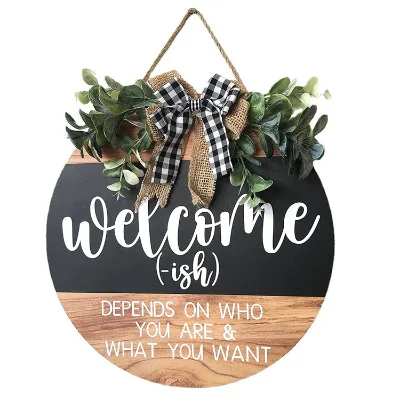
Personalized Baseball Wood Sign, Decorative Wooden Block Word Signs, Freestanding Wooden Letters
$3.30 - $3.40
MOQ: 500 pieces
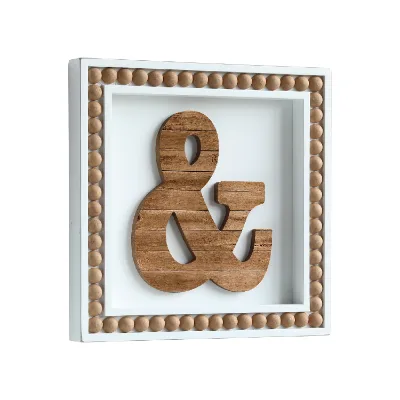
$1.018 - $4.9835
MOQ: 500 pieces

$1.018 - $3.9566
MOQ: 500 pieces
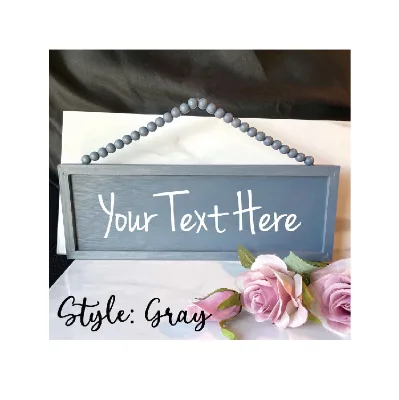
Xiamen Ehang Household Products Co., Ltd.
- Trading Company
- Fujian, China
- Lead time37 days
- Avg. response≤ 5h
Main productsKitchenware,bamboo and wooden products,Houseware,Kitchen gadgets,Garden
Main marketsSoutheast Asia(20.00%), North America(20.00%), Southern Europe(10.00%), Northern Europe(10.00%), Western Europe(10.00%), South America(10.00%), Eastern Europe(10.00%), Central America(5.00%), Domestic Market(1.00%), Mid East(1.00%), Oceania(1.00%), Eastern Asia(1.00%), Africa(1.00%)
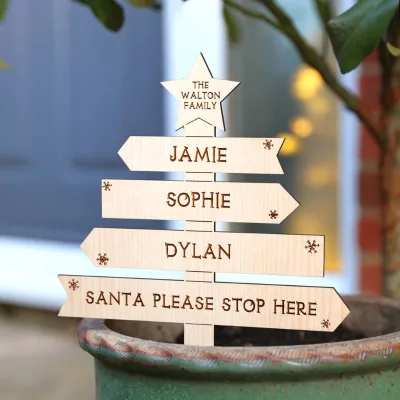
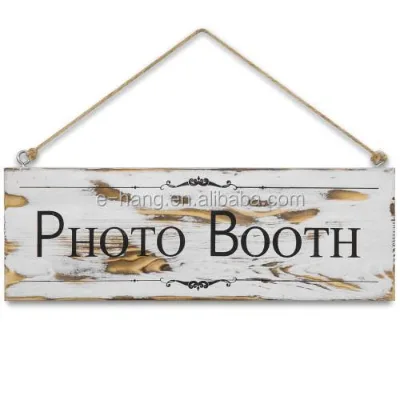
NEW Personalised door sign family name Wooden Christmas Tree Family Signpost
$2.0539 - $6.1811
MOQ: 500 pieces


- Verified by TUVRHEINLAND
- Manufacturer/Factory
- China Liaoning
- Lead time23 days
- Avg. response≤ 4h
Main productsLED Sign, Door Sign, Outdoor Sign, Sign, Ada Sign, Braille Signs, LED Sign Board, Office Sign, Store Signs, Light Box Sign
Main marketsEastern Europe,Mid East,North America,Southeast Asia,Eastern Asia,Oceania,Western Europe,Africa

Shenyang Lingdong Creative Advertising Co., Ltd
- Verified by SGS
- Manufacturer/Factory
- China Liaoning
- Lead time23 days
- Avg. response≤ 1h
Main productsChannel Letters, Illuminated Letters, 3D Letters, LED Letters, Marquee Letters, LED Sign, Illuminated Sign, 3D Sign, Neon Sign, Light Box
Main marketsSouth America,Eastern Europe,Mid East,North America,Southeast Asia,Eastern Asia,Oceania,Western Europe,Africa

Indoor Business Sign Personalized Decorative Address Sign Featuring Chinese Character Design
$45.00 - $50.00
MOQ: 5 Pieces


Caoxian Keyu Arts & Crafts Factory
- Verified by SGS Group
- Manufacturer, Trading Company
- Lead time30 days
- Avg. response≤ 3h
Main productsWood Crafts, Wooden Boxes, & Wall Signs, Wooden & Bamboo Packaging, Wooden Home & Garden Products
Main marketsNorth America(45%), Domestic Market(30%), Western Europe(10%)
Caoxian Harmony Home Crafts Co., Ltd.
- Manufacturer, Trading Company
- Shandong, China
- Lead time0 days
- Avg. response≤ 2h
Main productsCrafts
Main marketsSouth America(40.00%), Eastern Asia(10.00%), Mid East(10.00%), Oceania(10.00%), Africa(10.00%), Eastern Europe(10.00%), North America(10.00%)
Shandong Junji Trading Co., Ltd.
- Verified by SGS Group
- Manufacturer, Trading Company
- Lead time15 days
- Avg. response≤ 2h
Main productsWood Crafts, Home Decor, Home Storage , Wall Shelf, Pet Product
Main marketsNorth America(25%), South America(15%), Western Europe(12%)
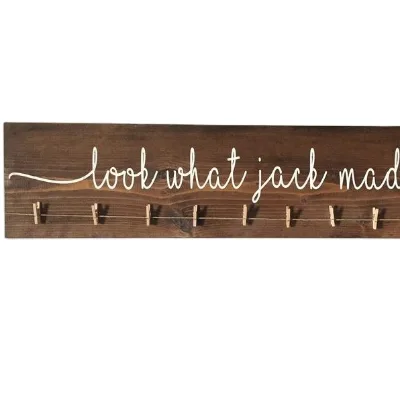
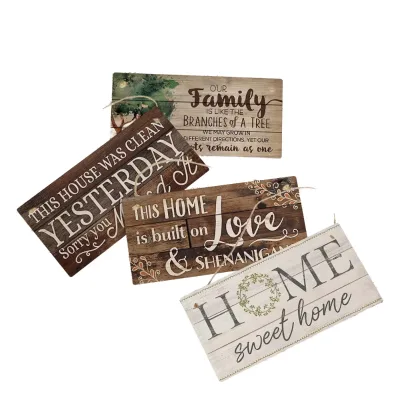
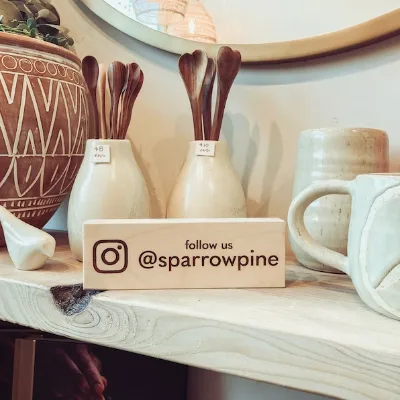
JUNJI Modern Wood Sign Social Media Handle Hashtag Tabletop Sign Modern Wood Sign
$2.45 - $4.25
MOQ: 200 sets
- Verified by SGS Group
- Manufacturer, Trading Company
- Lead time30 days
- Avg. response≤ 2h
Main productsWood home decoration, Wood storage, Wood packaging, Wood crafts, Wood furniture
Main marketsNorth America(35%), Northern Europe(20%), Southern Europe(20%)


Nordic Country Style Decorative Signs Home Letter Wooden Decoration Sign Source Factory
$2.6527 - $3.8772
MOQ: 2 pieces

Zhejiang Tiantai Dinghao International Trade Co., Ltd.
- Trading Company
- Zhejiang, China
- Lead time0 days
- Avg. response≤ 7h
Main productswooden beads,wooden sticks,wooden pacifier holder
Main marketsSouthern Europe(8.33%), Northern Europe(8.33%), Central America(8.33%), Western Europe(8.33%), Eastern Asia(8.33%), Mid East(8.33%), Oceania(8.33%), Africa(8.33%), Southeast Asia(8.33%), Eastern Europe(8.33%), South America(8.33%), North America(8.33%)

Caoxian Xinnuosen Wood Products Co., Ltd.
- Verified by TüVRheinland
- Manufacturer, Trading Company
- Shandong, China
- Lead time15 days
- Avg. response≤ 2h
Main productsWooden Chopping Board,Wooden Box,Wood Craft
Main marketsNorth America(50.00%), Western Europe(15.00%), Northern Europe(10.00%), South America(5.00%), Central America(5.00%), Eastern Europe(5.00%), Southern Europe(4.00%), Mid East(3.00%), Southeast Asia(3.00%)
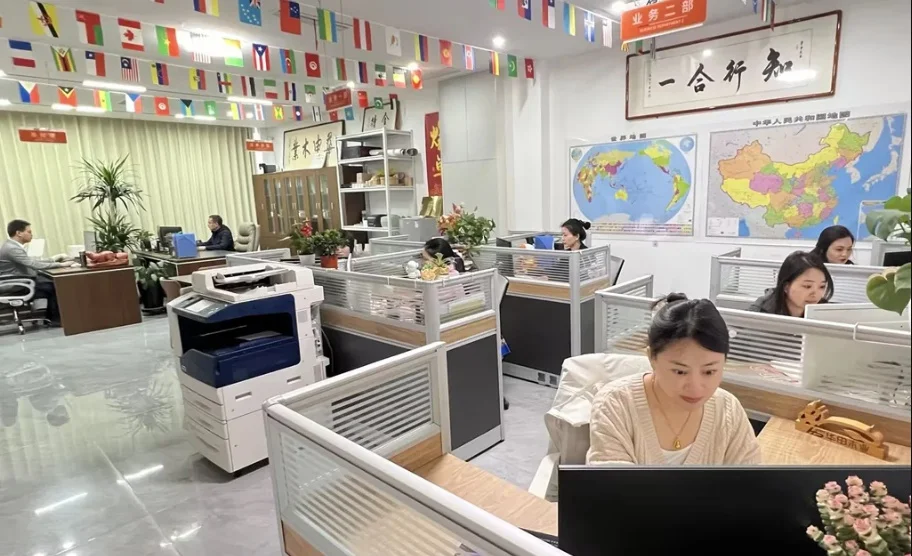
Caoxian Huashen Arts And Crafts Co., Ltd.
- Manufacturer, Trading Company
- Shandong, China
- Lead time30 days
- Avg. response≤ 1h
Main productsCustom Wooden Boxes,Wooden Storage Crates,Wooden Home Decor,Raised Garden Beds,Wooden Pet Furniture
Main marketsNorth America(35.00%), Western Europe(25.00%), Oceania(12.00%), Northern Europe(10.00%), Eastern Europe(8.00%), Eastern Asia(6.00%), Southeast Asia(4.00%)

Caoxian Zhongyi Wooden Co.,Ltd
- Verified by BV
- Combined
- China Shandong
- Lead time30 days
- Avg. response≤ 14h
Main productsWoodwork
Main marketsEurope
Guangzhou Yineng Technology Co., Ltd.
- Manufacturer, Trading Company, Distributor/Wholesaler
- Guangdong, China
- Lead time25 days
- Avg. response≤ 1h
Main productsPaper Box,Mailer Box,Wood box,Wood Storage Box,wood artware
Main marketsWestern Europe(40.00%), North America(40.00%), Africa(10.00%), Oceania(10.00%)
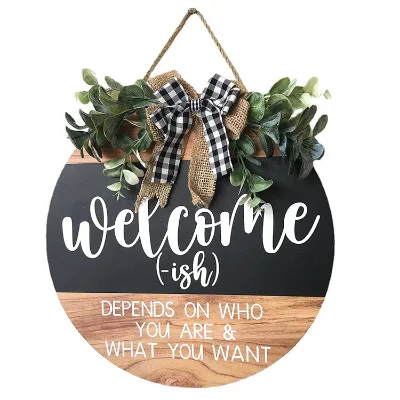
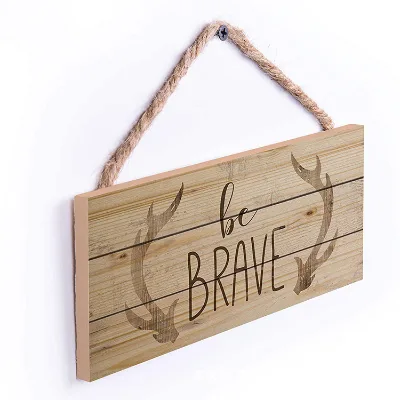
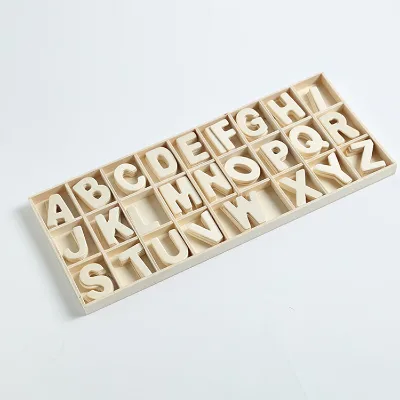
Factory CNC Unfinished Wooden Letters Sign Decoration Alphabets Letters for Painting
$0.10 - $0.50
MOQ: 1000
Caoxian Hengzhi Wood Products Co., Ltd.
- Manufacturer, Trading Company
- Shandong, China
- Lead time30 days
- Avg. response≤ 6h
Main productsWooden Products
Main marketsDomestic Market(25.00%), North America(20.00%), Western Europe(15.00%), Southern Europe(15.00%), Eastern Asia(15.00%), Southeast Asia(10.00%)

- Verified by TUVRHEINLAND
- Combined
- China Fujian
- Lead time15 days
- Avg. response≤ 21h
Main productsFridge Magnet, Decorative Hook, Metal Plaque, Wood Plaque, Wooden Photo Frame, Wood Chalkboard, Book Mark, Linen Painting, Canvas Box, Cup Coasters
Main marketsSouth America,Africa,Southeast Asia/ Mideast,East Asia(Japan/ South Korea),Europe,Australia,North America
Cao County Huiy Arts & Crafts Factory
- Verified by SGS Group
- Manufacturer, Trading Company
- Lead time30 days
- Avg. response≤ 3h
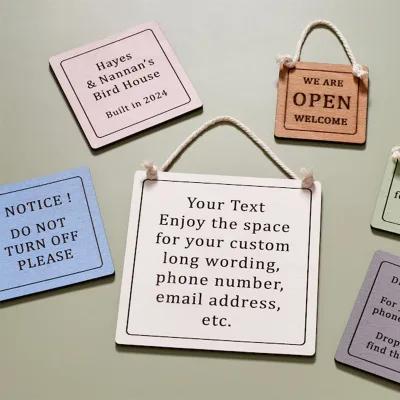
Main productsWooden Box, Wooden Decoration, Bird House, Wood Craft, Wood Homeware
Main marketsNorth America(22%), Western Europe(18%), Eastern Asia(16%)
$1.0045 - $1.5988
MOQ: 500 sets

Ningbo Hardwork Art & Craft Co., Ltd.
- Verified by BV
- Combined
- China Zhejiang
- Lead time15 days
- Avg. response≤ 13h
Main productsDIY Kit, Stamp, Wooden Craft, Book
Main marketsEurope


Wooden Painting Wooden Gift Home Wall Decoration Front Door Sign Pattern Can Be Customized
$1.24 - $1.41
MOQ: 100 pieces

Heze Fengyuan Crafts Co., Ltd.
- Manufacturer, Trading Company
- Shandong, China
- Lead time30 days
- Avg. response≤ 1h
Main productswood box,wood tray,wood cutting board,bamboo tray,wood picture frames
Main marketsWestern Europe(20.00%), North America(20.00%), Northern Europe(10.00%), Central America(10.00%), Southern Europe(10.00%), Mid East(10.00%), Eastern Europe(10.00%), Domestic Market(5.00%), South America(5.00%)
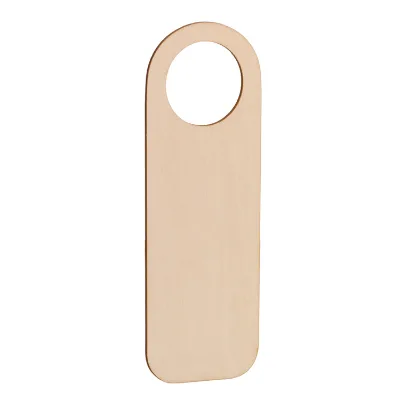
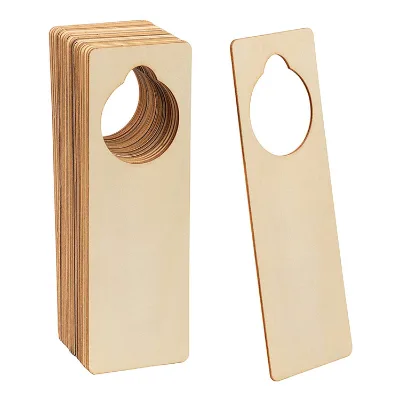
Cheap Unfinished Wood Hotel Room Door Sign Do Not Disturb Door Hanger Signs
$0.4416 - $0.4731
MOQ: 1 pieces
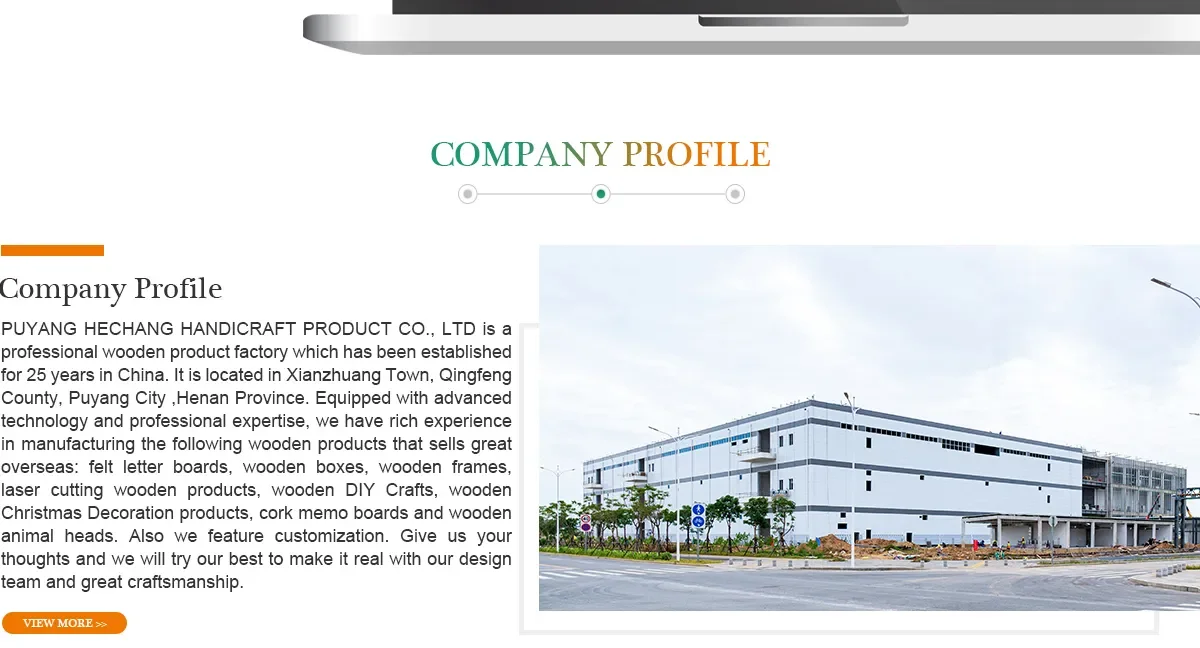
Puyang Hechang Handicraft Product Co., Ltd.
- Manufacturer, Trading Company
- Henan, China
- Lead time30 days
- Avg. response≤ 4h
Main productsWooden Crafts,Wooden Boxes,Wooden Decorations,Wooden DIY Products,Bamboo Products
Main marketsNorth America(29.00%), Western Europe(26.00%), Southeast Asia(16.00%), Mid East(9.00%), Africa(9.00%), South America(7.00%), Oceania(4.00%)

Fuzhou Top Arts & Crafts Co., Ltd.
- Manufacturer
- China Fujian
- Lead time45 days
- Avg. response≤ 9h
Main productsLED Canvas Printing, Framed Canvas Wall Art, Paint by Numbers, Diamond Painting, Oil Painting, Art Crafts, Poster Hanger, Tin Sign, Wooden Sign, DIY Kit
Main marketsEurope,North America

Custom Retro Framed Wood Wall Sign Botanic Picture UV Print Wall Art Sign Home Decor
$3.92 - $4.48
MOQ: 100 Pieces


Custom Photo Print on Wooden Wall Art and Home Decoration From Manufacturers
$3.92 - $4.48
MOQ: 100 Pieces

Caoxian Smart And Thrive Woodwork Co., Ltd.
- Verified by SGS Group
- Manufacturer, Trading Company
- Lead time40 days
- Avg. response≤ 4h
Main productsWooden Crafts, Wooden Homeware and Garden Product, Wooden Office Culture Product
Main marketsNorth America(50%), Eastern Asia(15%), Domestic Market(13%)
Dongguan Hongfa Woods Co., Ltd.
- Manufacturer, Trading Company
- Guangdong, China
- Lead time15 days
- Avg. response≤ 4h
Main productsPicture Frame,Magnetic Frame,Canvas Printing,Wood Sign,Wood Crafts
Main marketsNorth America(55.00%), Northern Europe(17.00%), Oceania(10.00%), Eastern Asia(10.00%), Western Europe(6.00%), Domestic Market(2.00%)
Cao County Dream Sun Furniture Co., Ltd.
- Manufacturer, Trading Company
- Shandong, China
- Lead time45 days
- Avg. response≤ 3h
Main productsWOODEN BOX,FURNITURE,WINE BARREL,Wall Storage Shelves,Kitchen&Bathroom Products
Main marketsDomestic Market(20.00%), Northern Europe(20.00%), Eastern Asia(10.00%), Mid East(10.00%), Western Europe(10.00%), Eastern Europe(10.00%), North America(5.00%), Southern Europe(5.00%), South Asia(5.00%), Central America(3.00%), South America(1.00%), Africa(1.00%)

Christmas Wall-Mounted Engraved Wooden Frame Plaque Sign Elegant Christmas Decorative Plaque
$2.10 - $2.50
MOQ: 500 pieces
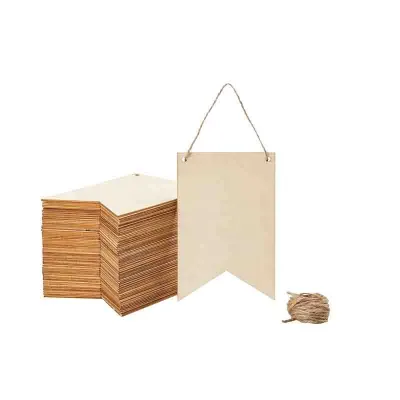
$0.0829 - $0.1662
MOQ: 10000 pieces




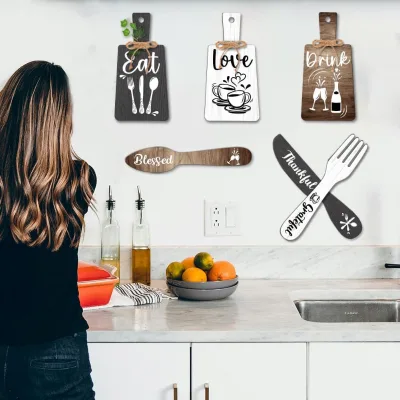
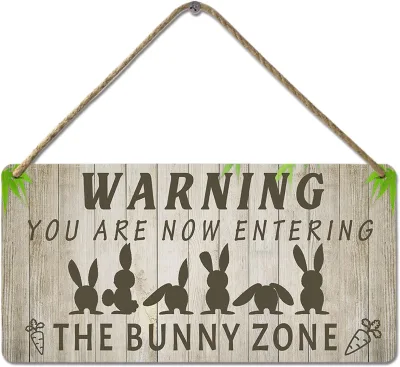




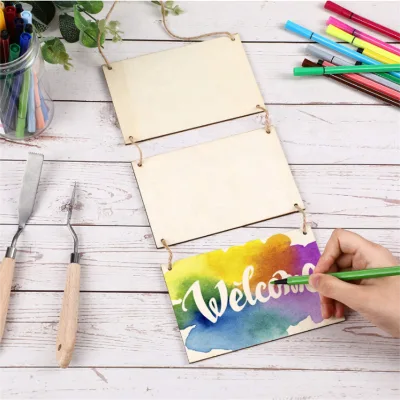

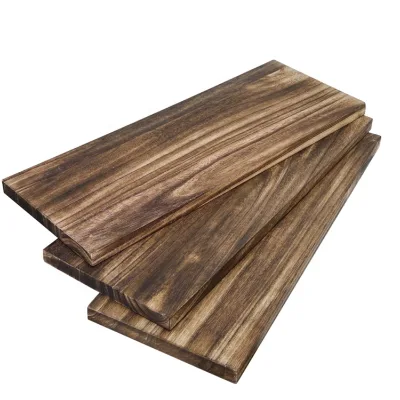


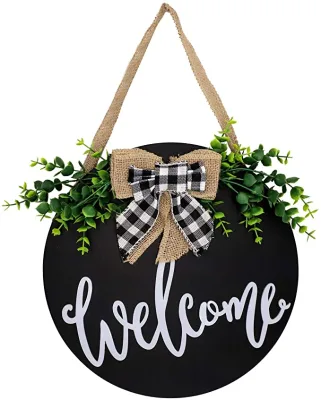
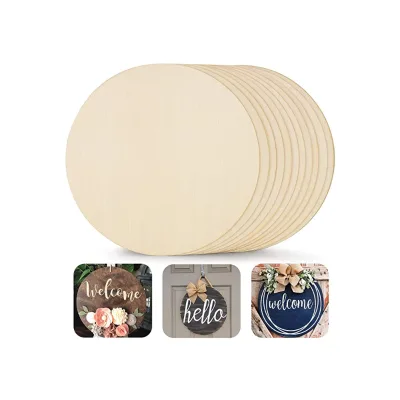

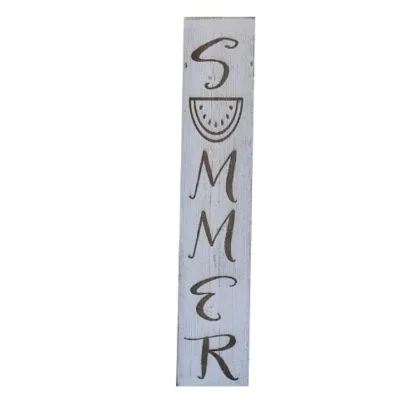

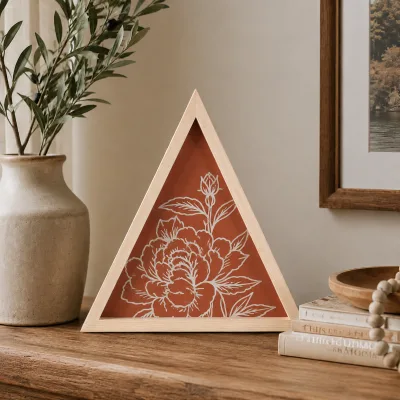
Comprehensive Sourcing Guide
Personalized UV Printing Wooden Sign Supplier Concentration and Factory Types
The landscape for sourcing personalized UV printing wooden signs is characterized by a mix of specialized manufacturers and broader trading entities. Current data indicates that the primary supplier type observed is the Trading Company, which often serves as an intermediary between the buyer and the actual production facilities. These trading companies typically aggregate products from various workshops, allowing buyers to access a wider range of designs and customization options without dealing with multiple factory contacts directly. This structure can simplify communication but may introduce layers of markup and potential communication delays. Buyers should be aware that while the supplier interface is a trading company, the actual manufacturing might occur in smaller, specialized wood processing units. Understanding this distinction is crucial for negotiating prices and understanding the true cost structure of the final product. The presence of trading companies suggests that the market is fragmented, with many small-scale producers operating under the umbrella of larger export-oriented firms. This fragmentation can lead to variability in quality control and production consistency, making supplier verification even more critical. Buyers must look beyond the company type to understand the actual production capabilities and capacity of the underlying manufacturing network.
In terms of product focus, suppliers in this niche often specialize in wooden crafts, metal home decorations, and general houseware. The main products listed include items like wooden craft signs, metal home decorations, and various kitchenware and bamboo products. This diversification suggests that many suppliers are not exclusively focused on UV printing wooden signs but rather offer them as part of a broader catalog of home decor and gift items. This broad product range can be advantageous for buyers looking to consolidate orders across different categories, but it may also indicate that UV printing is not the core competency of every supplier. Some suppliers may outsource the printing process or use less specialized equipment. Therefore, it is essential to assess whether the supplier has dedicated UV printing lines or if this is an ancillary service. The emphasis on wooden crafts and wall signs indicates a strong focus on decorative and aesthetic applications, which aligns with the personalized nature of the product. Buyers should prioritize suppliers who demonstrate a clear focus on wood processing and printing technologies to ensure higher quality finishes and better durability of the printed designs.
How to Verify Personalized UV Printing Wooden Sign Suppliers
Verifying the credibility and capability of suppliers is a critical step in the sourcing process for personalized UV printing wooden signs. One of the key verification methods available is checking for third-party certifications and audit reports. Current data shows that some suppliers hold system certifications such as CPSIA and ASTM F963, which are particularly relevant if the signs are intended for children's rooms or play areas. Additionally, verification by SGS Group is a significant indicator of a supplier's commitment to quality and compliance. Buyers should actively seek out suppliers who have undergone such rigorous third-party audits, as these provide an objective assessment of their manufacturing processes, quality control systems, and business legitimacy. The presence of these certifications reduces the risk of dealing with unreliable vendors and ensures that the products meet international safety and quality standards. It is important to note that not all suppliers will have these specific certifications, so buyers should use them as a benchmark for quality rather than a strict requirement for all potential partners.
Beyond certifications, buyers should evaluate the supplier's response time and communication efficiency. Data indicates that response times can vary, with some suppliers responding within 3 hours and others taking up to 5 hours. A faster response time often correlates with better customer service and more agile problem-solving capabilities, which are essential when dealing with customized orders. Buyers should test the supplier's responsiveness by sending detailed inquiries and assessing the speed and quality of the replies. Furthermore, it is crucial to verify the supplier's location and production base. While some suppliers are located in Fujian, China, others may be based in Zhejiang, China. Knowing the exact location helps in assessing the logistics costs and lead times. Buyers should also inquire about the supplier's main products to ensure they have relevant experience in producing wooden signs. A supplier whose main products include wooden crafts and home decorations is likely to have more expertise in this area than a general trading company. By combining verification of certifications, response times, and location, buyers can build a comprehensive profile of each potential supplier.
What to Compare Across Personalized UV Printing Wooden Sign Suppliers
When comparing suppliers, several key dimensions should be evaluated to determine the best fit for your specific needs. One of the most important factors is the Minimum Order Quantity (MOQ). Current data shows that many suppliers have an MOQ of 500 sets or pieces. This high MOQ can be a barrier for small businesses or those testing the market. Buyers should look for suppliers who offer lower MOQs or flexible ordering terms, especially for initial orders. Additionally, the price range is a critical comparison point. Prices for personalized wooden signs can vary significantly, with some products ranging from $1.02 to $4.98 per unit, while others are priced between $3.30 and $3.90. Buyers should compare prices not just on a per-unit basis but also considering the total cost, including shipping and customization fees. It is also important to assess the customization capabilities of each supplier. Some suppliers offer light customization, sample processing, and graphic processing, while others provide full OEM/ODM services. Buyers should choose suppliers who can accommodate their specific design requirements and branding needs.
Lead time is another crucial factor to consider. The data indicates that lead times can range from 37 to 45 days. This variation can impact your inventory planning and delivery schedules. Buyers should prioritize suppliers with shorter and more consistent lead times, especially if they have tight deadlines. Additionally, the response time of the supplier can affect the overall efficiency of the ordering process. Suppliers with faster response times, such as those responding within 3 hours, are likely to be more efficient in handling queries and resolving issues. Buyers should also compare the main products offered by each supplier. Some suppliers specialize in wooden crafts and metal home decorations, while others focus on kitchenware and bamboo products. Choosing a supplier with a strong focus on wooden signs and home decor ensures that they have the necessary expertise and equipment to produce high-quality products. Finally, buyers should evaluate the supplier's packaging and shipping options. Some suppliers offer customized packaging, which can be beneficial for branding purposes. By comparing these key dimensions, buyers can make an informed decision and select the supplier that best meets their requirements.
Common Personalized UV Printing Wooden Sign Sourcing Risks
Sourcing personalized UV printing wooden signs comes with several inherent risks that buyers must be aware of and mitigate. One significant risk is the variability in product quality. Since many suppliers are trading companies, the actual manufacturing may be outsourced to different workshops, leading to inconsistencies in the final product. Buyers may receive samples that differ significantly from the bulk production, resulting in dissatisfaction and potential financial losses. To mitigate this risk, buyers should request detailed product specifications and samples before placing large orders. It is also important to establish clear quality control standards and inspection protocols. Another risk is the potential for delays in production and delivery. Lead times can vary, and unexpected delays can disrupt supply chains and customer satisfaction. Buyers should communicate clearly with suppliers about production schedules and request regular updates. Additionally, buyers should consider using escrow services or other payment protection mechanisms to safeguard their funds in case of non-delivery or quality issues.
Another common risk is the lack of transparency in pricing and additional costs. While the base price of the product may seem competitive, there may be hidden costs such as mold fees, setup charges, or shipping fees. Buyers should request a detailed breakdown of all costs upfront to avoid surprises. Furthermore, the customization process can be complex, and misunderstandings about design requirements can lead to incorrect products. Buyers should provide clear and detailed design files and confirm all specifications with the supplier before production begins. It is also important to verify the supplier's ability to handle large orders. Some suppliers may have limited capacity and struggle to meet high-volume demands, leading to quality compromises or delays. Buyers should assess the supplier's production capacity and infrastructure to ensure they can handle the order size. Finally, buyers should be cautious of suppliers who do not provide adequate after-sales support. In case of defects or issues, having a responsive and supportive supplier is crucial. By identifying and addressing these risks, buyers can minimize potential losses and ensure a smoother sourcing experience.
Personalized UV Printing Wooden Sign Regional Sourcing and Logistics
The regional location of suppliers plays a significant role in determining logistics costs and delivery times. Current data indicates that suppliers are primarily located in Fujian and Zhejiang, China. These regions are known for their strong manufacturing bases and efficient logistics networks. Fujian is particularly renowned for its wood processing and export capabilities, while Zhejiang is a major hub for various manufacturing industries. Buyers should consider the proximity of the supplier to major ports, as this can impact shipping costs and transit times. Suppliers located near major ports like Shanghai or Ningbo may offer more competitive shipping rates and faster delivery options. Additionally, buyers should evaluate the supplier's experience with international shipping and their ability to handle customs clearance. A supplier with a strong track record in exporting can help streamline the logistics process and reduce the risk of delays or complications. It is also important to consider the packaging of the products. Some suppliers offer customized packaging, which can be beneficial for branding and protection during transit. Buyers should ensure that the packaging is robust enough to prevent damage during shipping.
Logistics planning should also take into account the volume and weight of the products. The data shows that single package sizes can vary, with some products having a single package size of 12x10x8 cm and others up to 46x42x40 cm. Buyers should calculate the total volume and weight of their orders to determine the most cost-effective shipping method. For smaller orders, air freight may be a viable option, while larger orders may benefit from sea freight. Buyers should also consider the lead time for production and shipping when planning their inventory. Suppliers with shorter lead times, such as those with a 37-day lead time, can help reduce inventory holding costs and improve cash flow. Additionally, buyers should explore options for consolidating shipments from multiple suppliers to reduce logistics costs. By carefully planning the regional sourcing and logistics, buyers can optimize their supply chain and ensure timely delivery of products. It is also important to stay updated on any changes in trade regulations or shipping policies that may impact the sourcing process.
Personalized UV Printing Wooden Sign Commercial Terms and Order Planning
Effective order planning and understanding commercial terms are essential for successful sourcing of personalized UV printing wooden signs. Buyers should start by clearly defining their order requirements, including quantity, design specifications, and delivery deadlines. It is important to communicate these requirements clearly to the supplier to avoid misunderstandings. Buyers should also negotiate favorable commercial terms, such as payment terms, warranty policies, and return procedures. Many suppliers require a deposit before production begins, with the balance paid upon completion or shipment. Buyers should aim for payment terms that protect their interests, such as using escrow services or letters of credit. Additionally, buyers should inquire about the supplier's policy on defects and returns. A clear and fair return policy can provide peace of mind and protect against quality issues. It is also important to consider the total cost of ownership, including shipping, taxes, and any additional fees. Buyers should request a detailed quote that includes all costs to avoid hidden charges.
Order planning should also take into account the supplier's production capacity and lead times. Buyers should align their order schedules with the supplier's production capabilities to ensure timely delivery. For large orders, buyers may need to place orders well in advance to accommodate production and shipping times. It is also important to consider the flexibility of the supplier in handling changes or additions to the order. Some suppliers may offer flexible
FAQs
What MOQ can I expect for personalized UV printing wooden signs?
Most listings on this page set the minimum order at 500 pieces or 500 sets per design. Smaller trial orders are sometimes negotiable, especially for sample processing or graphic processing work. Because personalization adds setup steps, expect the MOQ to stay higher than for plain stock signs, and confirm per-design limits before ordering.
How long is the typical lead time for custom wooden signs?
Suppliers in these results quote lead times of about 37 to 45 days. That range usually covers production after order confirmation, not sample development or shipping transit. Personalized artwork approval, finish choices such as painted or distressed surfaces, and order volume can extend the timeline, so ask each supplier to confirm the current production schedule.
Where are the suppliers producing these wooden signs located?
The listed products are made in Zhejiang, China, with another supplier based in Fujian, China. Both provinces are established hubs for wooden crafts and home decoration manufacturing, which supports access to materials and finishing services. Verify the exact shipping port with each supplier, as inland factory locations may affect freight cost and departure frequency.
What customization options do these wooden sign suppliers offer?
One trading company lists light customization, sample processing, graphic processing, and customized on demand as capabilities. Product records show screen print or laser logos, customized shapes and sizes, individual packing, and OEM branding. Discuss artwork format, print area, and color matching early, and request a pre-production sample so personalization quality can be checked before bulk production starts.
Do the suppliers hold relevant certifications for wooden signs?
The trading company on this page lists CPSIA and ASTM F963 system certifications and is verified by SGS Group. Those standards matter for decorative items sold into the United States, especially around safety testing. One product record notes certificates are applied for according to customer request, so confirm which test reports can be provided for your specific design and destination market.
How quickly do these suppliers respond to buyer inquiries?
Recorded response times are around 3 hours for one supplier and 5 hours for another. Fast responses during quotation help when your design requires repeated artwork revisions or finish adjustments. When comparing options, send the same detailed brief to several suppliers and evaluate both reply speed and the completeness of answers about materials, pricing, and production.
What are typical materials and finishes for personalized wooden signs?
Listed products use wood and MDF wood, with painted finishes in colors such as white, brown, and black, plus distressed vintage looks. Some designs add beads or freestanding formats for tabletop display. Ask whether the material is solid wood, plywood, or MDF, since weight, edge quality, and printing adhesion differ, and confirm finish durability for your intended indoor use.
What price range should I expect for custom wooden signs?
Listed unit prices run from roughly 1.02 to 4.98 dollars depending on design, size, and order details, with some items quoted between about 3.30 and 3.90 dollars. Final pricing depends on artwork complexity, finish, packaging, and quantity. Request itemized quotations showing unit price at your target volume, sample cost, and packaging charges so quotes can be compared directly.