Pet Coat Suppliers and Manufacturers in China
Compare 31 verified Pet Coat suppliers in China Jiangsu, Anhui, and Zhejiang. Review response times, lead times, MOQs, and product certifications like TUVRHEINLAND. Contact suppliers directly to request quotes for custom designs; review the available evidence before requesting comparable quotations from suitable candidates.
Suppliers List

Suzhou Zhongsheng Imp. & Exp. Co., Ltd.
- Trading Company
- China Jiangsu
- Lead time45 days
- Avg. response≤ 7h
Main productsPet Product, Holiday Clothing, Textile, Garments, Fabric
Main marketsSoutheast Asia/ Mideast,Europe,North America

WOR-BIZ INDUSTRAL PRODUCT CO., LIMITED (ANHUI)
- Verified by TUVRHEINLAND
- Trading Company
- China Anhui
- Lead time45 days
- Avg. response≤ 8h
Main productsPet Products, Pet Harness, Pet Collar, Pet Leash, Pet Carrier, Pet Toy, Pet Bed, Pet Clothes, Pet Accessory, Pet Feeder
Main marketsSouth America


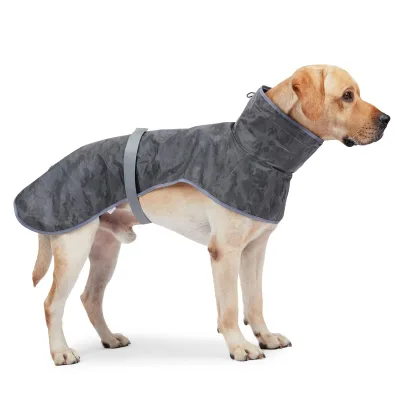
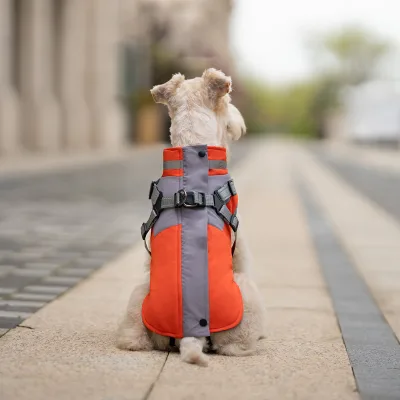
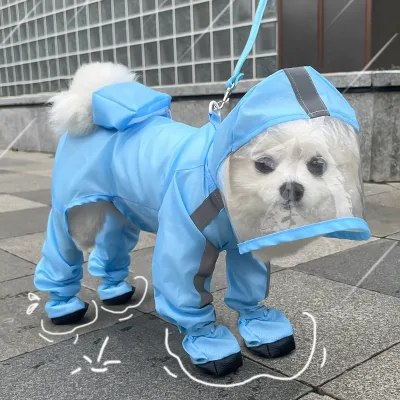
Waterproof PU Raincoat Rain Jacket Pet Accessories Dog Coat Clothes Dogs Pet Product
$17.00 - $20.00
MOQ: 500 Pieces


- Verified by SGS
- Trading Company
- China Zhejiang
- Lead time15 days
- Avg. response≤ 12h
Main productsPet Harness, Pet Collar, Pet Leash, Pet Feeder, Pet Carries, Pet Toy, Pet Bed, Pet Grooming, Pet Accessories
Main marketsEurope,Australia


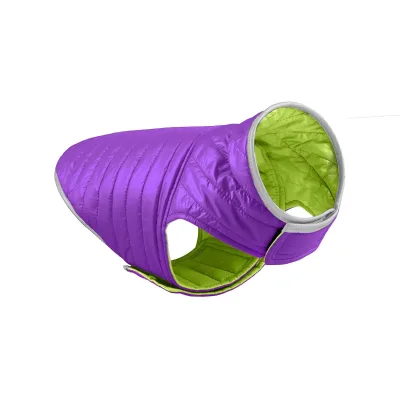
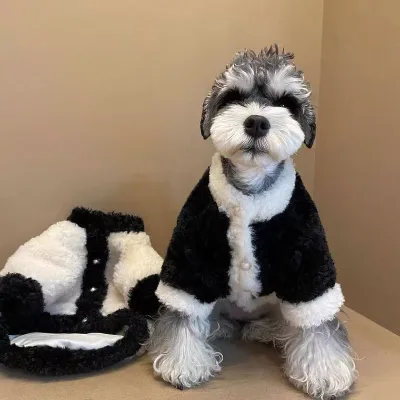
Winter Dog Coat Warm Waterproof Coat Cold Weather Clothes Outdoor Cotton Dog Clothing
$3.86 - $3.96
MOQ: 500 Pieces
Dongyang Hanhanle Pet Products Co., Ltd.
- Manufacturer, Trading Company
- Zhejiang, China
- Lead time25 days
- Avg. response≤ 5h
Main productspet products
Main marketsDomestic Market(65.00%), North America(8.00%), Southern Europe(7.00%), Southeast Asia(6.00%), Western Europe(4.00%), South America(3.00%), Eastern Asia(3.00%), Central America(2.00%), Oceania(2.00%)
Hangzhou Hetaiheng Pet Products Co., Ltd.
- Trading Company
- Zhejiang, China
- Lead time30 days
- Avg. response≤ 1h
Main productsPet bed,pet apparel,pet toys,Cat furniture,Cat paper scratcher
Main marketsEastern Europe(26.00%), Eastern Asia(25.00%), South America(25.00%), Domestic Market(16.00%), North America(6.00%), Southeast Asia(2.00%)
Xi'an Canal Fashion Bio-Tech Co., Ltd.
- Trading Company
- Lead time旺季: "1 - 10":7,"> 10":"To be negotiated", 淡季: "1 - 10":7,"> 10":"To be negotiated"
- Avg. response≤ 3h
Main productsPet clothing,Pet shoes and socks,Pet bowls and feeders,Pet toys,Pet beds and kennels

Tianjin Star Pet Tech Co., Ltd.
- Verified by TUVRHEINLAND
- Manufacturer/Factory
- China Tianjin
- Lead time23 days
- Avg. response≤ 4h
Main productsDog Harness, Dog Bed, Bird Cage, Dog Bowl, Dog Cage, Pet Toys, Dog Clothes, Pet Carrier, Pet Product, Cat Product
Main marketsSouth America,Eastern Europe,Mid East,North America,Southeast Asia,Eastern Asia,Oceania,Western Europe,Africa

Hangzhou Tianyuan Pet Products Co., Ltd.
- Verified by TUVRHEINLAND
- Combined
- China Zhejiang
- Lead time30 days
- Avg. response≤ 18h
Main productsPet Beds, Cat Trees, Pet Products, Pet Accessories, Pet Supplies, Pet Collar, Pet Toy, Pet Brush, Pet Bowl, Pet Clothes
Main marketsEurope,North America
Hangzhou Hellomoon Trading Co., Ltd.
- Trading Company
- Lead time旺季: "1 - 100":15,"> 100":"To be negotiated", 淡季: "1 - 100":15,"> 100":"To be negotiated"
- Avg. response≤ 4h
Main productsPet Clothes, Pet Toys, Pet Feeders, Pet Leads, Pet Beds
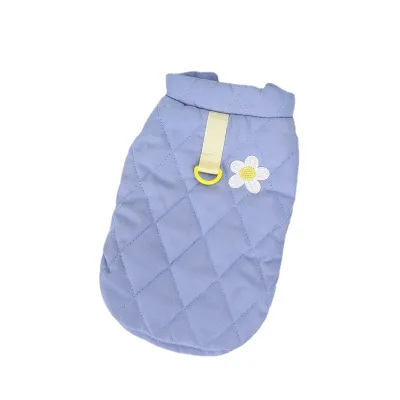
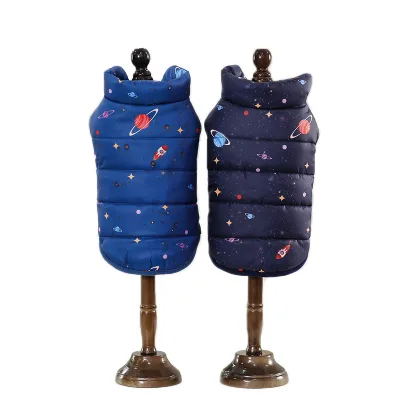
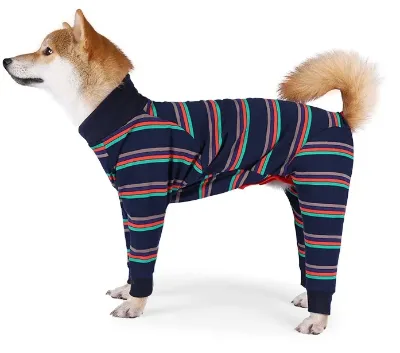
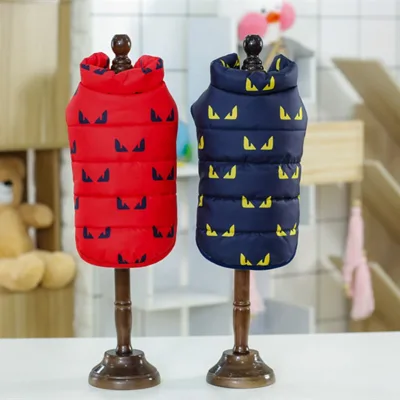
Fashion Dog Outfits Clothes Small Universe Cotton Vest Pet Winter Jacket Dog Coat
$3.81 - $4.13
MOQ: 10 pieces

- Verified by BV
- Trading Company
- China Zhejiang
- Lead time30 days
- Avg. response≤ 12h
Main marketsSouth America,Africa,Southeast Asia/ Mideast,East Asia(Japan/ South Korea),Europe,Australia,North America
Suzhou Harmony Pet Products Co., Ltd.
- Trading Company
- Jiangsu, China
- Lead time0 days
- Avg. response≤ 3h
Main productsPET CLOTHES,PET TOY,PET BED,PET BAG,PET HAT
Main marketsSouth Asia(50.00%), South America(20.00%), North America(20.00%), Eastern Europe(10.00%)

LITAI(QUANZHOU)BAGS CORP., LIMITED
- Trading Company,Manufacturer/Factory
- China Fujian
- Lead time45 days
- Avg. response≤ 8h
Main productsMilitary Bags, Military Backpack, Military Vest, Army Backpack, Tactical Backpack, Tactical Holster, Tactical Sling, Army Bags, Medical Bag
Main marketsSouth America,Eastern Europe,Mid East,North America,Eastern Asia,Western Europe,Africa
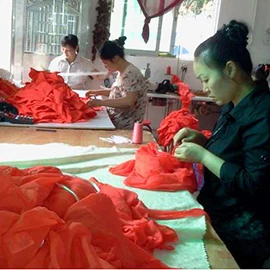
Hunan Coolgle Pet Products Co., Ltd.
- Trading Company
- Hunan, China
- Lead time7 days
- Avg. response≤ 7h
Main productsPet Clothes,Pet Collar & Leash,Pet Bed & Cushion,Pet Bag & Carrier,Pet Toys & Accessories
Main marketsEastern Europe(20.00%), South America(15.00%), North America(10.00%), Central America(10.00%), Southern Europe(5.00%), Northern Europe(5.00%), Western Europe(5.00%), Mid East(5.00%), Southeast Asia(2.00%), Oceania(2.00%), Africa(2.00%), South Asia(1.00%)

- Verified by TUVRHEINLAND
- Trading Company
- China Zhejiang
- Lead time15 days
- Avg. response≤ 12h
Main productsWooden Toy, Outdoor Product, Kitchen Item, Personal Care Tool, Painting Set, Disk Rack, Yoga, Garden
Main marketsSouth America,Europe,North America

Shenzhen Sweetpet Pet Product Co., Ltd.
- Trading Company,Manufacturer/Factory
- China Guangdong
- Lead time23 days
- Avg. response≤ 8h
Main productsDog Collar, Dog Leash, Dog Harness, Dog Clothes, Dog Bed, Pet Supply, Pet Accessory, Pet Toys, Pet Bowl, Cat Toys
Main marketsSouth America,Eastern Europe,North America,Oceania,Western Europe

Hangzhou Jiuze Technology Co., Ltd.
- Manufacturer, Trading Company
- Zhejiang, China
- Lead time0 days
- Avg. response≤ 2h
Main productsPet Products,Pet Bed,Pet Stair,Pet Harnesses,Pet Bowls & Feeders
Main marketsDomestic Market(100.00%), Eastern Asia(100.00%), Mid East(100.00%), Oceania(100.00%), Africa(100.00%), Southeast Asia(100.00%), South Asia(100.00%), South America(100.00%), Central America(100.00%), North America(60.00%), Western Europe(10.00%), Eastern Europe(10.00%), Southern Europe(10.00%), Northern Europe(10.00%)

- Verified by TUVRHEINLAND
- Trading Company
- China Jiangsu
- Lead time15 days
- Avg. response≤ 8h
Main productsPet Products, Pet Clothes, Pet Supply, Dog Collars&Leashes, Dog Harness, Dog Carriers, Dog Beds, Dog Bowls, Dog Scissors, Dog Toys
Main marketsSouth America

NINGBO BANGZHIYOU ARTS INDUSTRY AND TRADE CO., LTD.
- Verified by BV
- Trading Company
- China Zhejiang
- Lead time30 days
- Avg. response≤ 19h
Main productsPet Supplies, Pet Foods Snacks, Pet Trainer Collar, Pet Bed, Pet Toys, Pet Clothes, Equestrian Supplies, Pet Backpack, Cat Scratcher
Main marketsSouth America,Africa,Southeast Asia/ Mideast,East Asia(Japan/ South Korea),Europe,Australia,North America
Shenzhen Heyri Technology Co., Ltd.
- Verified by SGS Group
- Manufacturer, Trading Company
- Lead time7 days
- Avg. response≤ 2h
Main productsPet Leading Products, Pet Collars, Pet Leashes, Pet Harness, Pet Training Bags
Main marketsNorth America(25%), Oceania(15%), Western Europe(13%)
Guangzhou Aodu Trading Co., Ltd.
- Trading Company, Agent, Distributor/Wholesaler
- Guangdong, China
- Lead time0 days
- Avg. response≤ 8h
Main productsPet Snuffle Mat,Pet Toys,Pet Puzzle Toys,Pet Harness&Collars&Leash,Pet Plush Toys
Main marketsSouth America(25.00%), North America(25.00%), Western Europe(15.00%), Eastern Europe(15.00%), Southern Europe(10.00%), Southeast Asia(10.00%)

Hangzhou Rena Pet Products Co., Ltd.
- Verified by SGS
- Combined
- China Zhejiang
- Lead time15 days
- Avg. response≤ 10h
Main productsPet Clothes, Pet Toy
Main marketsSouth America,East Asia(Japan/ South Korea),Domestic,Europe

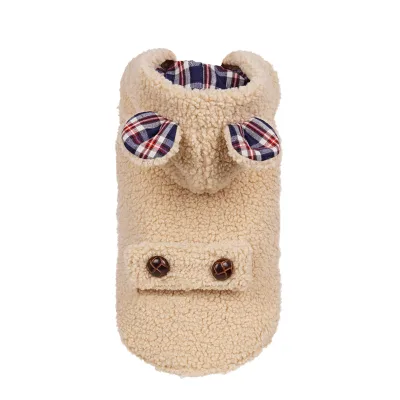
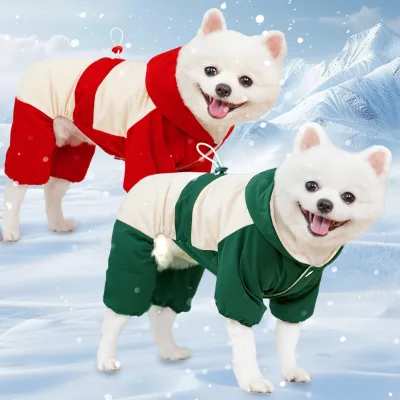
Rena Pet Warm Stylish Collection Several Color Comfortable Soft Pet Dog Coats
$2.85 - $3.24
MOQ: 2000 Pieces

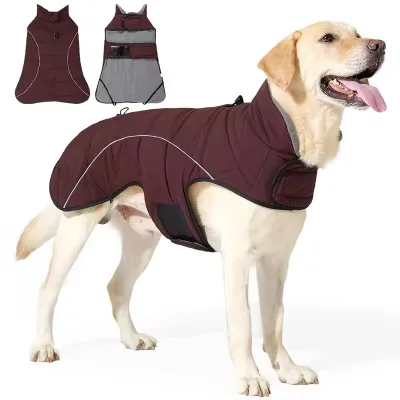
Rena Pet Windproof, Fashion with Poacket, Lamp Plush Stylish Style, Pet Dog Cold Weather Coats
$3.35 - $3.95
MOQ: 500 Pieces
Shandong Everydog Pet Products Co., Ltd.
- Verified by Intertek
- Manufacturer, Trading Company
- Lead time15 days
- Avg. response≤ 2h
Main productsPet Clothes, Pet Harnesses
Main marketsNorth America(40%), South America(20%), Southern Europe(20%)
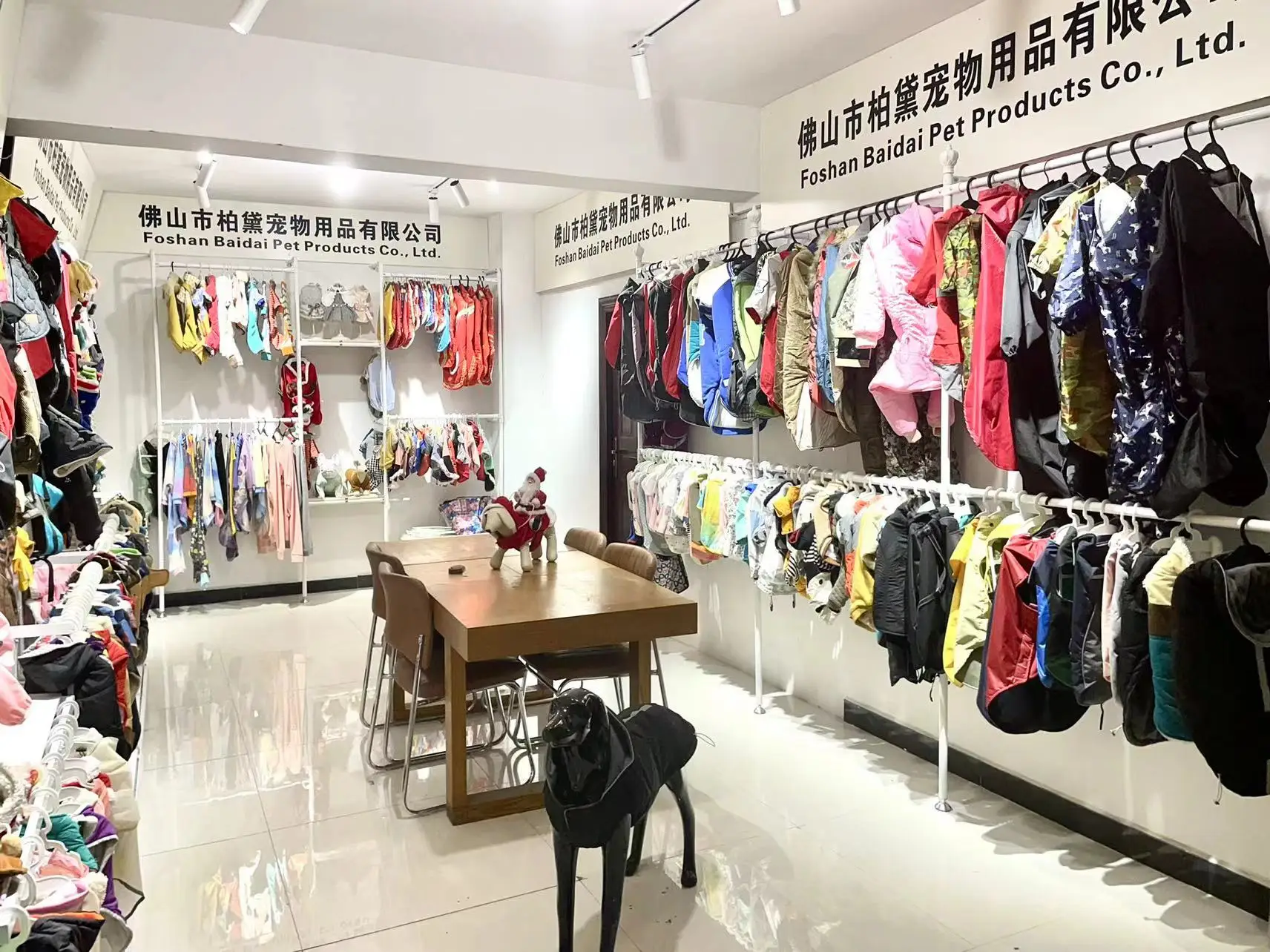
Foshan Baidai Pet Products Co., Ltd.
- Manufacturer, Trading Company, Agent
- Guangdong, China
- Lead time15 days
- Avg. response≤ 4h
Main productspet clothes,Pet padded coat,Pet rain coat,pet T-shirt,Pet dress
Main marketsNorth America(30.00%), Western Europe(20.00%), Southeast Asia(15.00%), South America(15.00%), Eastern Europe(10.00%), Domestic Market(5.00%), Mid East(5.00%)

Rizhao Spring Trading Co., Ltd.
- Verified by CTI
- Manufacturer/Factory
- China Shandong
- Lead time15 days
- Avg. response≤ 3h
Main productsWalnut, Pet House, Peanut, Cat Litter, Pet Products, Pet Food, Cat Food, Pet Treats, Dog Food, Pet Toys
Main marketsMid East,North America,Western Europe
Xi'an Canal Fashion Bio-Tech Co., Ltd.
- Verified by Intertek
- Trading Company
- Lead time5 days
- Avg. response≤ 3h
Main productsPet Clothes, Pet Toys, Pet Collars & Leashes, Pet Ornaments, Pet Food
Hangzhou Baiyi Pet Products Co., Ltd.
- Verified by SGS Group
- Manufacturer, Trading Company
- Lead time0 days
- Avg. response≤ 5h
Main productsPet Harness, Pet Collar, Pet Leash, Pet Clothes, Pet Feeder
Main marketsNorth America(50%), Western Europe(40%), South America(10%)

Quanzhou Snow Industry Co., Limited
- Verified by TUVRHEINLAND
- Trading Company,Manufacturer/Factory
- China Fujian
- Lead time45 days
- Avg. response≤ 2h
Main productsDiaper Bag, Laptop Bag, Backpack, Pet Carrier, Hiking Bag
Main marketsSouth America,Eastern Europe,Mid East,North America,Southeast Asia,Eastern Asia,Oceania,Western Europe,Africa
Yiwu Jxanry Pet Products Co., Ltd.
- Manufacturer, Trading Company
- Zhejiang, China
- Lead time15 days
- Avg. response≤ 7h
Main productsPets Clothes,Pets Toy,Pets Harness,Pets Leash,Pets Bed
Main marketsNorth America(35.00%), Western Europe(15.00%), South America(10.00%), Southeast Asia(8.00%), Eastern Asia(7.00%), Southern Europe(5.00%), Northern Europe(5.00%), Central America(5.00%), Eastern Europe(5.00%), Mid East(5.00%)

Wenzhou Haobay Pet Products Co., Ltd.
- Manufacturer, Trading Company
- Zhejiang, China
- Lead time30 days
- Avg. response≤ 6h
Main productsCat Trees,Pet Beds,Pet Grooming,Pet Toys
Main marketsWestern Europe(50.00%), Oceania(15.00%), North America(10.00%), Northern Europe(5.00%), South Asia(5.00%), Eastern Asia(5.00%), Eastern Europe(5.00%), Southeast Asia(3.00%), Domestic Market(2.00%)
Glamoroux International Co., Ltd.
- Trading Company
- Taiwan, China
- Lead time30 days
- Avg. response≤ 7h
Main productsGarment & Footwear,Sports & Outdoor,Household & Lifestyle,Pets Products,Healthcare
Main marketsWestern Europe(70.00%), North America(30.00%)

Shenzhen Zhongchenghangye Technology Co., Ltd
- Verified by SGS
- Trading Company
- China Guangdong
- Lead time15 days
- Avg. response≤ 10h
Main productsPhone Case, Earphone, Hair Dryer, Phone Strap, Phone Pendant, Phone Charge, Phone Cable, Smart Watch, Curling Iron, Hair Straightener
Main marketsDomestic,Europe










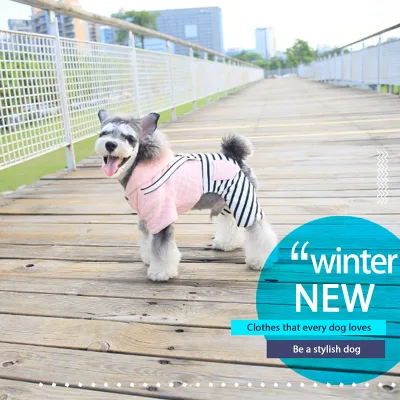
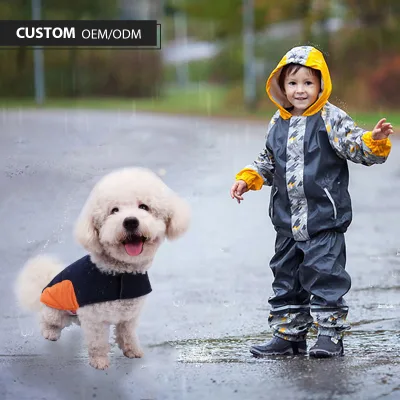
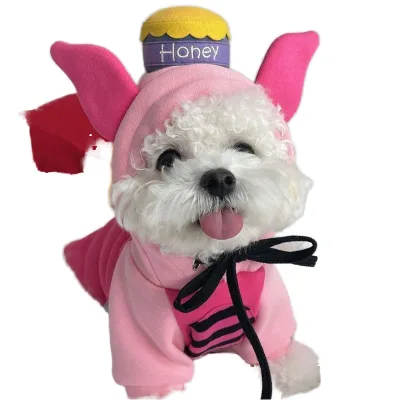


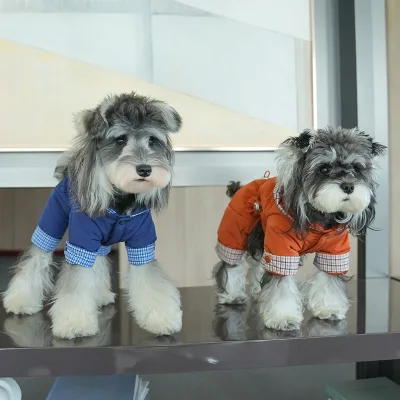




Comprehensive Sourcing Guide
Pet Coat Supplier Concentration and Factory Types
The current search results indicate a concentration of Pet Coat manufacturers and trading companies primarily within China, specifically in the Jiangsu, Anhui, and Zhejiang provinces. These regions represent established textile and garment manufacturing clusters where the supply chain for pet apparel is deeply integrated. Suppliers in Jiangsu are noted for producing cotton and polyester-based coats, while those in Anhui and Zhejiang often focus on specialized items like raincoats and fleece garments. When evaluating potential partners, buyers should verify if a supplier's physical location aligns with these known textile hubs, as proximity to raw material sources often influences production efficiency and cost structures.
Factory types vary significantly among the available options, ranging from pure trading companies to entities offering direct factory services. Some suppliers explicitly list OEM capabilities and customization options, suggesting they manage the production process directly or have tight control over their manufacturing partners. Others operate as trading companies, aggregating products from various sources to offer a broader catalog including pet harnesses, collars, and beds alongside coats. Buyers must distinguish between these models, as trading companies may offer faster access to diverse SKUs but potentially less control over specific production details compared to direct manufacturers.
How to Verify Pet Coat Suppliers
Verification of supplier credentials is critical when sourcing pet coats, as the market contains a mix of verified and unverified entities. Some suppliers in the current results display specific third-party verification badges, such as TÜV Rheinland, which indicates a level of external audit regarding their business practices or product quality. However, not all suppliers will have such visible certifications, and the absence of a badge does not necessarily imply a lack of quality. Buyers should request current verification documents directly from the supplier rather than relying solely on platform indicators, ensuring that the certification covers the specific Pet Coat models they intend to purchase.
Beyond certifications, buyers should assess the supplier's response time and communication reliability as a proxy for operational stability. The data shows response times varying between approximately six and eight hours, which can impact the speed of negotiation and sample approval. A supplier with a consistently fast response time is more likely to be responsive to urgent order changes or quality issues. Additionally, buyers should confirm the supplier's main product focus; while some specialize in pet apparel, others may list coats as a minor part of a broader inventory including toys and feeders. Ensuring the supplier prioritizes pet coats in their main product list helps guarantee dedicated expertise and quality control for these specific items.
What to Compare Across Pet Coat Suppliers
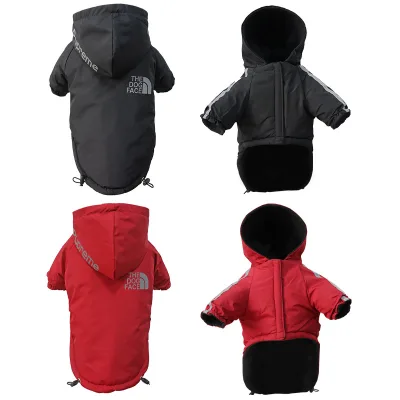
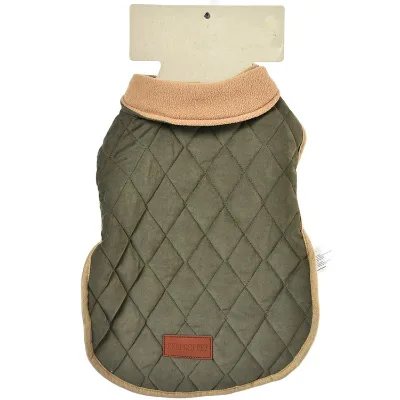
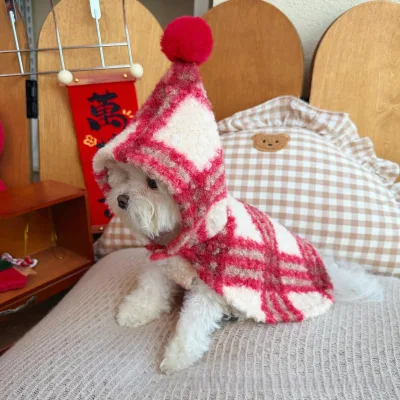
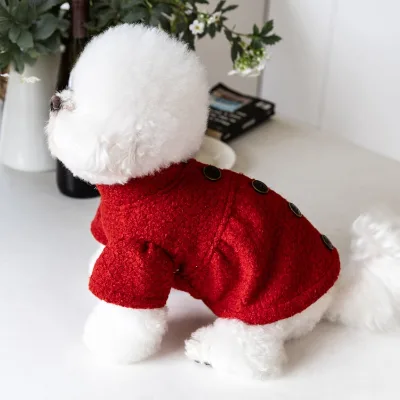
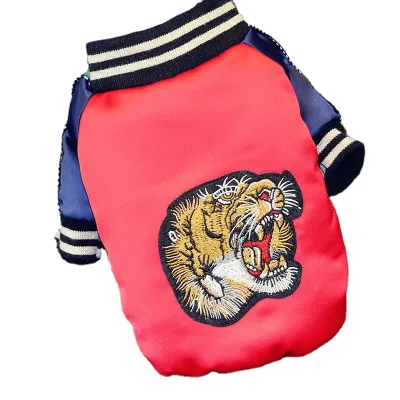
When comparing suppliers, key dimensions include lead time, minimum order quantity, and price ranges, all of which vary widely across the available options. Lead times for pet coats can extend up to 45 days, requiring careful planning for seasonal inventory. Minimum order quantities also differ, with some suppliers accepting orders as low as 100 pieces while others require 500 units or more. Buyers must align these constraints with their own inventory strategy, as high MOQs may be prohibitive for startups, whereas low MOQs might come with higher per-unit costs. Price ranges further illustrate this variance, with some cotton coats listed between $4.50 and $5.50, while specialized waterproof or fleece models can range from $1.50 to $20.00 depending on material and complexity.
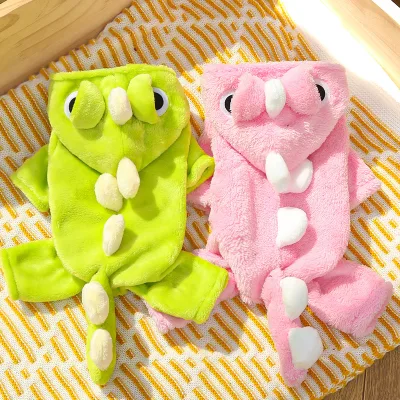
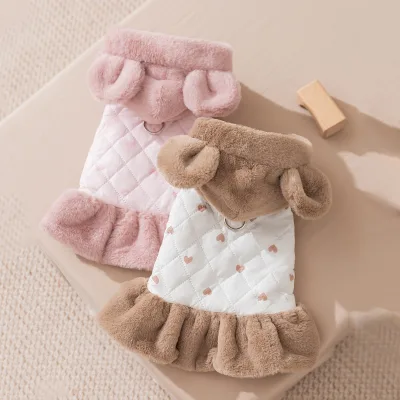
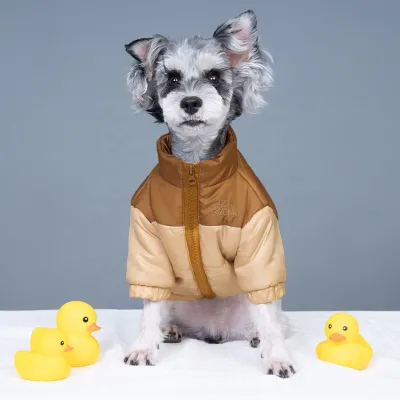
Material composition and customization options are equally vital comparison points that define the final product value. The results show a mix of materials including cotton, polyester, and microfiber blends, each offering different benefits regarding warmth, durability, and water resistance. Some suppliers offer full customization for style, color, and logo placement, while others provide standard designs with limited color variations. Buyers should compare the specific attributes of the coats, such as whether they are suitable for winter, spring, or autumn, and check if the customization process is clearly defined. Understanding these differences allows buyers to select suppliers that match their specific product requirements and target market expectations.
Common Pet Coat Sourcing Risks
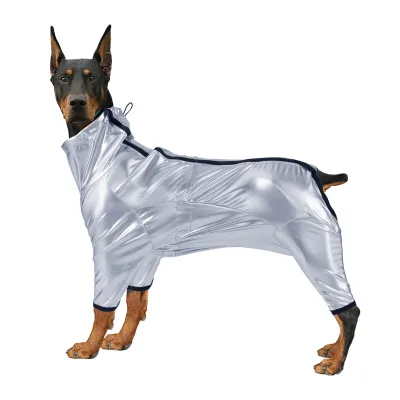
One significant risk in sourcing pet coats is the inconsistency in product specifications and material quality across different suppliers. While some listings detail precise material compositions like 80% polyester and 20% nylon, others may provide vague descriptions that could lead to receiving products that do not meet expected standards. This discrepancy can result in customer dissatisfaction or returns if the coats lack the advertised coldproof or waterproof functions. Buyers must mitigate this risk by requesting detailed material test reports and physical samples before placing bulk orders, ensuring that the actual product matches the digital description and specifications provided in the listing.
Another risk involves the reliability of delivery timelines and the potential for production delays. With lead times reaching up to 45 days, any disruption in the supply chain can delay market entry, particularly for seasonal items like winter coats. Suppliers located in different regions may face varying logistical challenges, and the lack of standardized production schedules can lead to missed deadlines. To address this, buyers should establish clear communication channels and include penalty clauses for late deliveries in their contracts. Additionally, verifying the supplier's capacity to handle volume spikes and their history of on-time delivery is essential to avoid disruptions in the supply chain.
Pet Coat Regional Sourcing and Logistics
Sourcing pet coats from China offers access to a robust manufacturing ecosystem, but logistics planning must account for regional differences in shipping and customs. The primary manufacturing hubs identified are Jiangsu, Anhui, and Zhejiang, each with distinct logistical advantages. Jiangsu, for instance, is known for its textile industry, while Zhejiang and Anhui may offer different shipping routes depending on the port of origin. Buyers should verify the specific origin of the goods, as this impacts transit times and shipping costs. Understanding the regional logistics network helps in selecting suppliers that can offer the most efficient delivery to the buyer's destination, minimizing delays and reducing overall freight expenses.
Packaging and shipping standards also vary by region and supplier, affecting the condition of goods upon arrival. Some suppliers use poly bags and cartons for standard packaging, while others may employ specialized carton boxes to protect delicate items like fleece coats. The weight and dimensions of the packaging, such as carton sizes of 60 by 40 by 50 cm, influence freight calculations and storage requirements. Buyers should confirm the packaging details with the supplier to ensure that the goods are protected during transit and that the packaging meets any specific requirements of their target market. Proper logistics planning ensures that the pet coats arrive in perfect condition, ready for retail or distribution.
Pet Coat Commercial Terms and Order Planning
Commercial terms for Pet Coat orders often include specific requirements for payment, customization, and order volume. Many suppliers offer customization services, allowing buyers to tailor the style, color, and logo of the coats to their brand. However, these customizations may come with higher minimum order quantities, such as 500 pieces, compared to standard designs which might start at 100 units. Buyers must carefully review the commercial terms to understand the cost implications of customization and ensure that the order volume aligns with their sales projections. Clear communication regarding these terms prevents misunderstandings and ensures that both parties are aligned on the scope of the order.
Order planning for pet coats requires a strategic approach to manage inventory and cash flow effectively. Given the varying lead times and MOQs, buyers should plan their orders well in advance, especially for seasonal products like winter coats. It is essential to factor in the time required for sample approval, production, and shipping when creating a procurement schedule. Additionally, buyers should consider the price ranges and potential fluctuations in raw material costs, which can affect the final unit price. By maintaining a flexible order plan and maintaining strong relationships with suppliers, buyers can navigate the complexities of the Pet Coat market and ensure a steady supply of high-quality products.
FAQs
What is the price range for pet coats?
Prices for pet coats typically range from $1.50 to $20.00 per unit depending on material and features. Basic cotton or polyester options start around $1.50, while specialized fleece or waterproof designs cost between $3.50 and $20.00. Buyers should check specific product listings for exact pricing tiers based on order volume.
What is the minimum order quantity for pet coats?
Minimum order quantities vary by supplier and product style. Some suppliers require a minimum of 100 pieces for standard cotton coats, while others set the threshold at 500 pieces for specific designs. Buyers must verify the MOQ for each item, as requirements differ significantly between trading companies and manufacturers.
How long does production take for pet coats?
Standard lead times for Pet Coat production are approximately 45 days. This duration allows for material sourcing, manufacturing, and quality control processes. Buyers should confirm specific delivery schedules with suppliers, as rush orders or custom designs may require additional time beyond the standard production window.
Are custom designs available for pet coats?
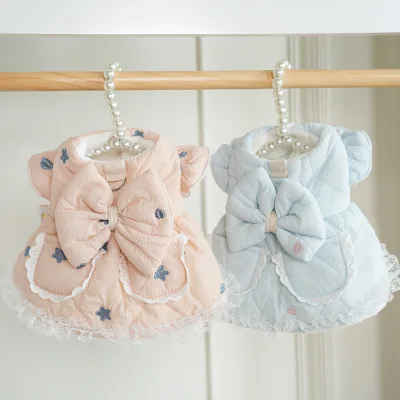
Customization is available for many Pet Coat products, including logo printing and style adjustments. Suppliers offer OEM services for designs such as princess, sports, or casual styles. Buyers can request custom sizes, colors, and materials, but must confirm specific customization options and potential additional costs with the supplier directly.
What materials are used for pet coats?
Common materials include cotton, polyester, and fleece blends. Cotton coats offer breathability, while polyester provides durability and water resistance. Some products use microfiber for drying coats. Buyers should check product specifications for exact material composition, as options range from simple cotton to complex polyester-nylon blends for specific functions.
Where are Pet Coat suppliers located?
Pet Coat suppliers are primarily located in China, specifically in Jiangsu, Anhui, and Zhejiang provinces. These regions host both trading companies and manufacturers specializing in pet apparel. Buyers can filter search results by location to find suppliers closer to their preferred logistics hubs or specific manufacturing clusters.
How quickly do suppliers respond to inquiries?
Supplier response times vary, with some responding within 6 to 8 hours. Faster response times indicate active customer service teams ready to assist with quotes and samples. Buyers should prioritize suppliers with quick response metrics to ensure efficient communication throughout the sourcing and negotiation process.