Quick-Dry Nail Curing Lamp Suppliers and Manufacturers
Compare 23 verified suppliers offering quick dry nail curing lamps with specifications like 84W power and 30-second timers. Review certifications such as CE and RoHS, lead times of 30 days, and response times to source reliable factories in China Guangdong and Zhejiang.
Suppliers List

Guangzhou Ice Beauty Nail Art Supplies Co., Ltd.
- Verified by TUVRHEINLAND
- Manufacturer/Factory
- China Guangdong
- Lead time30 days
- Avg. response≤ 14h
Main productsNail Dust Collector, Nail Steamer, UV Nail Curing Lamp, Nail Drill Machines, Electric Foot File, Nail Decorations, Wax Heater, Beauty & Personal Care Product
Main marketsSouth America,Eastern Europe,Mid East,North America,Southeast Asia,Eastern Asia,Oceania,Western Europe,Africa


Portable Dual Light 48W LED Nail Dryer Lamp Gel Acrylic Curing Light with LCD Display Screen
$8.50 - $9.99
MOQ: 30 Pieces


Ningbo Reaphon Plastic Industry Co., Ltd
- Verified by SGS
- Combined
- China Zhejiang
- Lead time15 days
- Avg. response≤ 21h
Main productsUV/LED Nail Lamp, Nail Dryer, Nail Drill, Nail Brush
Main marketsDomestic


Wholesale LED UV Lamp Nail Dryer Rechargeable Gel Polish UV Gel Curing Lamp
$13.70 - $14.60
MOQ: 3 Pieces

- Verified by SGS
- Trading Company
- China Zhejiang
- Lead time15 days
- Avg. response≤ 16h
Main productsEyelashes, Makeup Brush, Cosmetic Brush, Eyelash Extension, Lipstick, Eyeshadow, Mascara, Nail Sticker, Nail Lamp, Mask
Main marketsEurope,Australia


High Power UV LED Nail Lamp 150W Nail Dryer for Curing All Types Gel Nail Art Machine
$8.00 - $9.80
MOQ: 1000 Pieces


168W UV LED Nail Lamp with LEDs for Manicure Gel Nail Dryer Drying Nail Lamp
$6.90 - $7.50
MOQ: 1000 Pieces

Shenzhen Huixin Synthesis Technology Co., Ltd.
- Manufacturer, Trading Company
- Guangdong, China
- Lead time20 days
- Avg. response≤ 3h
Main productsNail Lamp,Nail Polisher
Main marketsNorth America(35.00%), Eastern Europe(20.00%), Western Europe(15.00%), Domestic Market(10.00%), Eastern Asia(10.00%), Oceania(5.00%), Southern Europe(3.00%), South Asia(2.00%)
Shenzhen JPC Technology Co., Ltd.
- Verified by SGS Group
- Trading Company
- Lead time15 days
- Avg. response≤ 2h
Main productsHair Removal, Nail Lamp, Facial Steamer, Facial Cleansing Brush, Led Mask
Main marketsNorth America(40%), South America(8%), Eastern Europe(8%)

Ningbo Sunkin Electrical Co., Ltd.
- Verified by TUVRHEINLAND
- Trading Company
- China Zhejiang
- Lead time15 days
- Avg. response≤ 14h
Main productsLED Bulbs, LED Tube, LED Floodlight, LED Panel Light, LED Spotlight, G9 LED Lamp
Main marketsEurope,North America


$11.60 - $15.60
MOQ: 20 Pieces


Zhongshan Sailon Import and Export Co., Ltd
- Trading Company
- China Guangdong
- Lead time23 days
- Avg. response≤ 5h
Main productsUV Lamp, Germicidal Lamp, Ballast, Sleeves Quartz, Infrared Lamp, Exicimer Lamp
Main marketsSouth America,Africa,Southeast Asia/ Mideast,East Asia(Japan/ South Korea),Domestic,Europe,Australia,North America

Guangzhou Neissry cosmetic Co., Ltd.
- Verified by TUVRHEINLAND
- Manufacturer/Factory
- China Guangdong
- Lead time15 days
- Avg. response≤ 4h
Main productsNail Beauty Products, Perfume Oil, Perfume, Fragrance Oil, Nail Gel, Color Gel, Builder Gel, Base Coat, Top Coat, Cat Eye Gel Polish
Main marketsSouth America,Eastern Europe,Mid East,North America,Southeast Asia,Eastern Asia,Oceania,Western Europe,Africa


on Sale Nailprof Professional Efficient Gel Nail Dryer UV Curing Lamps LED LED Nail Lamp
$4.95 - $6.40
MOQ: 1 Pieces


Changsha Fusheng Electronic Technology Co., Ltd.
- Trading Company
- China Hunan
- Lead time15 days
- Avg. response≤ 2h
Main productsElectronic Product
Main marketsSoutheast Asia/ Mideast,Europe,North America

Fujian Aite Precision Machinery Co., Ltd
- Verified by SGS
- Combined
- China Fujian
- Lead time15 days
- Avg. response≤ 5h
Main productsNai Drill Machine, Dental Drill Machine, Jewelry Making Machine, Nail Lamp, Nail Dust Collector, Metal Engraving Machine, Stone Polishing Carving Machine, Wood Carving Machine
Main marketsSouth America,Southeast Asia/ Mideast,Europe,Australia,North America

$51.52 - $55.50
MOQ: 1 pieces


UV LED Gel Nail Dryer 4 Timers Auto Infrared Sensor Nail Curing Lamp for Salon Manicure Pedicure
$12.50 - $15.50
MOQ: 2 pieces


UV Pedicure Nail Curing Lamp, Salon Grade Foldable Hands-Free Stand Auto Sensor Fast Drying Gel Lamp
$110.00 - $150.00
MOQ: 1 pieces

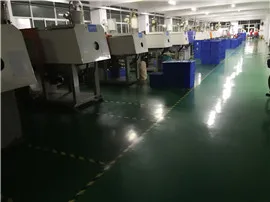
Dongguan Holytachi Industrial Design Co., Ltd.
- Manufacturer
- Guangdong, China
- Lead time0 days
- Avg. response≤ 6h
Main productsPet Nail Grinder,Pet Brush,Pet Bubble Foamer,Pet Dryer,Baby Clipper
Main marketsNorth America(65.00%), Western Europe(20.00%), South America(5.00%), Eastern Asia(5.00%), Southeast Asia(5.00%)

Shenzhen BBier Lighting Co., Ltd.
- Verified by BV
- Combined
- China Guangdong
- Lead time15 days
- Avg. response≤ 6h
Main productsE40/E27 LED Corn Lights, E40/E27 LED Garden Lights, E40/E27 LED High Bay Lights, Parking Lot LED Retrofit Kits, LED Wall Pack Lights, LED Canopy Lights, LED Gas Station Lights, LED Shoebox Street Lights, 360deg LED Tube Lights, 210deg LED Tube Lights
Main marketsSouth America,Africa,Southeast Asia/ Mideast,East Asia(Japan/ South Korea),Europe,Australia,North America

Premium 48W Portable LED UV Light Time-Capable Nail Curing Lamp for Nail Salon
$4.50 - $6.95
MOQ: 2 Pieces

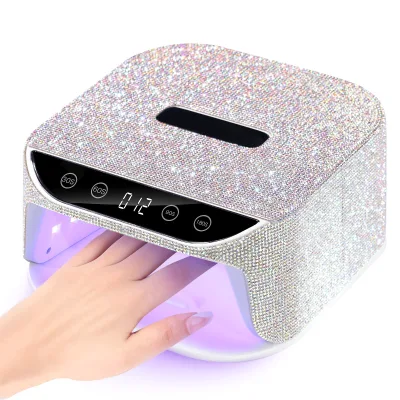
Advanced Diamond-Encrusted Nail Gel Curing Light Cordless LED UV Manicure Lamp for Nail Salon Use
$14.69 - $19.79
MOQ: 2 Pieces

Rechargeable Nail Curing Lamp High-Quality Manicure LED Light with LCD Display for Gel Polish Curing
$13.00 - $18.00
MOQ: 2 Pieces

Premium Nail LED Lamp 168W UV Curing Light with 4 Timers & Detachable Base for Home Manicure
$10.99 - $15.99
MOQ: 2 Pieces

Premium Cordless UV LED Nail Lamp Diamond-Encrusted Gel Polish Curing Light for Portable Manicures
$13.99 - $19.99
MOQ: 2 Pieces

Professional 48W LED Nail Curing Light Portable UV Lamp with Display Screen for Manicure Pedicure
$4.90 - $7.90
MOQ: 2 Pieces
Jiujiang Xinling Trading Co., Ltd.
- Trading Company
- Jiangxi Province, China
- Lead time5 days
- Avg. response≤ 2h
Main productsNail File,Nail Drill,Nail Art,Nail Tool,Nail Lamp
Main marketsNorthern Europe(10.00%), Central America(10.00%), Southeast Asia(10.00%), Eastern Europe(10.00%), South America(10.00%), North America(10.00%), South Asia(8.00%), Western Europe(8.00%), Southern Europe(5.00%), Eastern Asia(5.00%), Africa(5.00%), Mid East(5.00%), Oceania(3.00%), Domestic Market(1.00%)
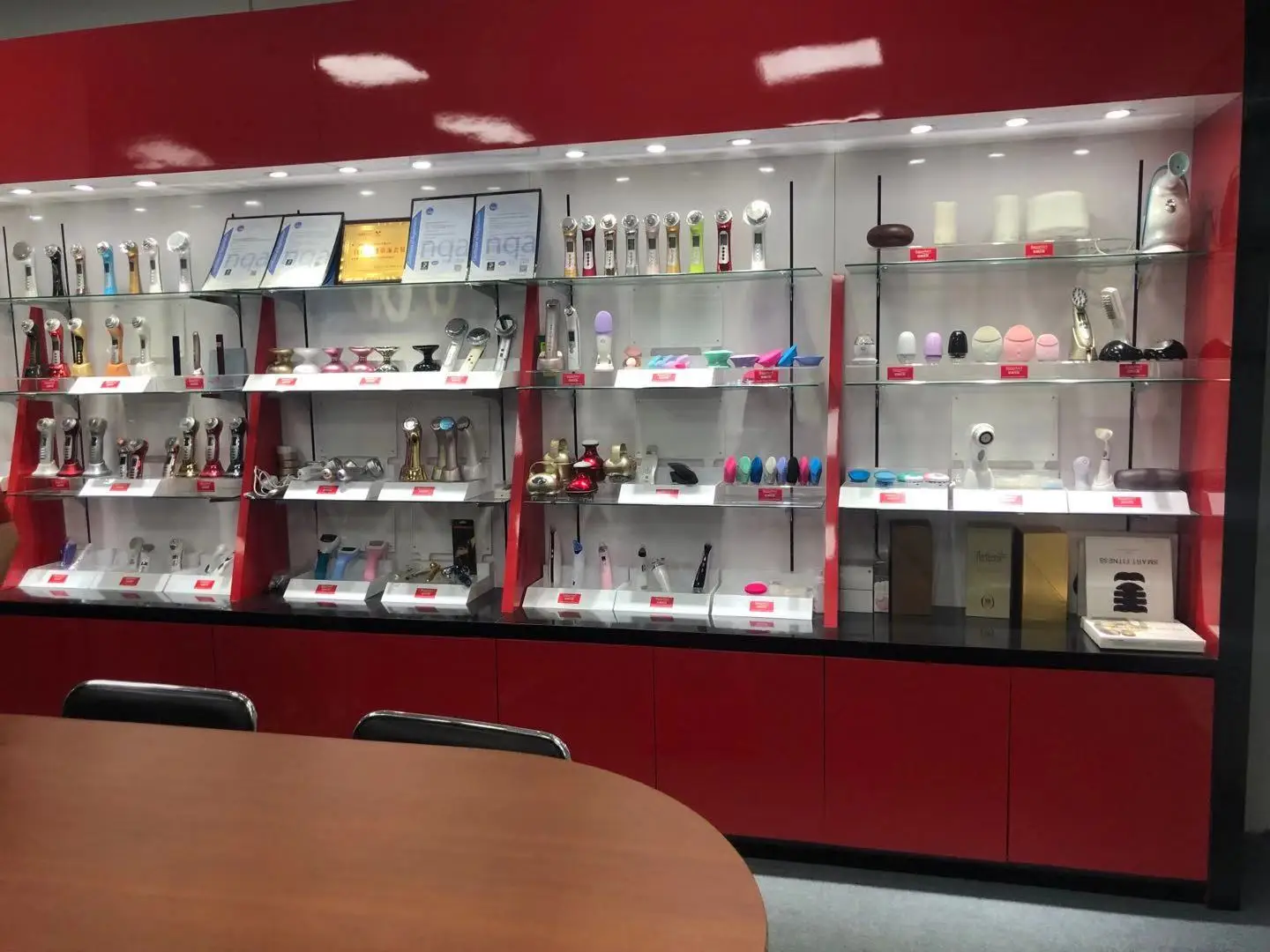
Shenzhen Honhyda Electronic Technology Co., Ltd.
- Manufacturer, Trading Company
- Guangdong, China
- Lead time0 days
- Avg. response≤ 5h
Main productsBeauty Instrument
Main marketsWestern Europe(50.00%), Western Europe(50.00%), Western Europe(50.00%), North America(30.00%), South America(10.00%), Southeast Asia(5.00%), Oceania(5.00%), Southeast Asia(5.00%), Southeast Asia(5.00%)
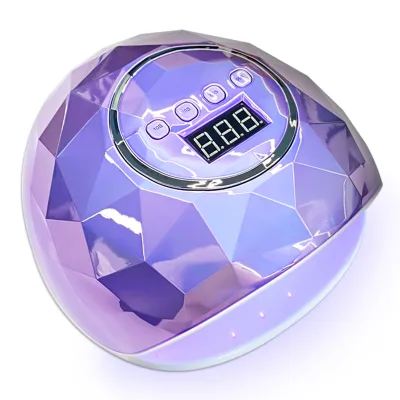
Custom logo 64w Nail Gel Lamp Two Hand Lampara Uv Dryer Curing Lamp Nails Led Light for Nails
$7.85 - $11.40
MOQ: 12 pieces
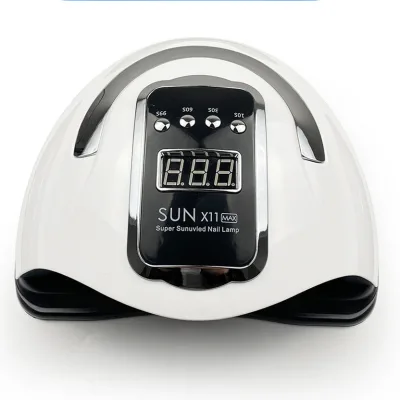
Medacure Pedicure Nails Beauty Handheld Gel Dryer Uv Lamp Uv Led Lamp for Nail Polish Curing
$3.99 - $5.99
MOQ: 1 pieces
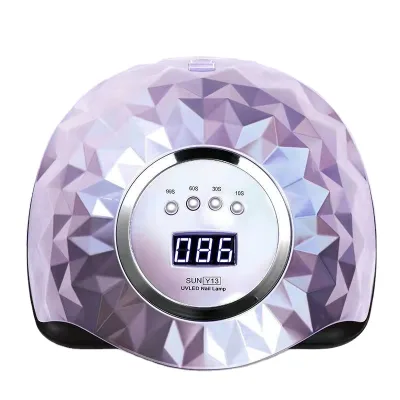
Cheap and High Quality Colorful Uv Led Nail Lamp Fast Curling Manicure Nail Arts Beauty Machine
$4.57 - $11.17
MOQ: 1 pieces
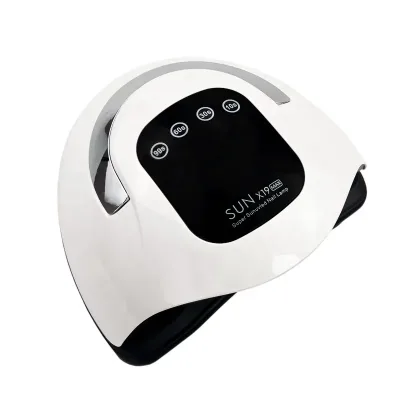
Fujian Aite Precision Machinery Co., Ltd.
- Verified by TüVRheinland
- Manufacturer, Trading Company
- Lead time15 days
- Avg. response≤ 1h
Main productsBrushless Nail Drills, Mechanic Grinders, Brushless Jewelry Grinders, Brushless Denture Grinders, Brushless Grinder
Main marketsWestern Europe(35%), Domestic Market(35%), North America(30%)

Shenzhen Mingshenggang Technology Co., Ltd.
- Verified by SGS
- Trading Company
- China Guangdong
- Lead time15 days
- Avg. response≤ 7h
Main productsUV Curing Lamp
Main marketsEurope

Professional Durable UV Curing Drying Lamp Light Quality UV LED Curing System Lamp
$30.00 - $60.00
MOQ: 2 Pieces

Durable UV LED Professional Light Lamp with UV Curing Lamp Bulb for Sale
$30.00 - $60.00
MOQ: 2 Pieces
Guangzhou Bojun New Material Co., Ltd.
- Manufacturer
- Guangdong, China
- Lead time7 days
- Avg. response≤ 5h
Main productsPearl Pigments,Chameleon Pigments,Holographic Pigments,Nails Pigments,3D Cat Eye Pigment
Main marketsSouth America(40.00%), North America(40.00%), Central America(5.00%), Southern Europe(2.00%), Eastern Europe(2.00%), Northern Europe(2.00%), Western Europe(2.00%), Domestic Market(1.00%), South Asia(1.00%), Mid East(1.00%), Oceania(1.00%), Africa(1.00%), Southeast Asia(1.00%), Eastern Asia(1.00%)
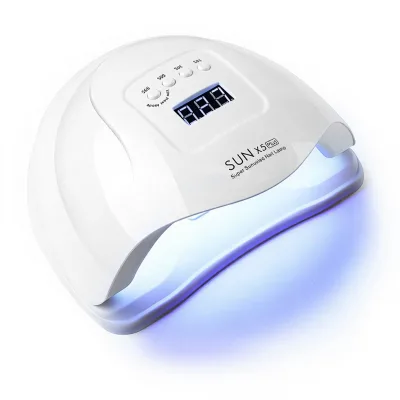
Sunx5PLUS UV Nail Lamp Set for Nail Gel Curing & Polish Drying Light Therapy Machine
$2.86 - $3.94
MOQ: 2 pieces
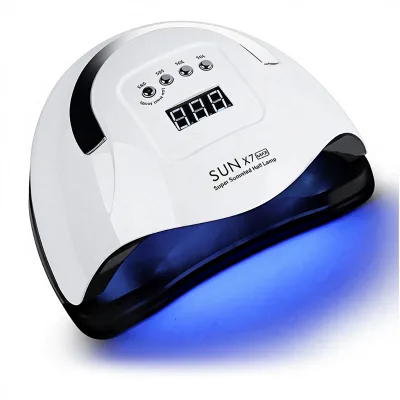

Guangdong Jimdoa Electric Appliance Co., Ltd
- Verified by BV
- Combined
- China Guangdong
- Lead time15 days
- Avg. response≤ 17h
Main productsNail Drill, Nail Dust Collector, LED UV Lamp, UVC Sterilizer Box, Nail Drill Machine, Nail Art Drill Kit, USB Electric Nail Drill, Manicure Pedicure Kit, Electric Nail Drill
Main marketsSouth America,Africa,Southeast Asia/ Mideast,East Asia(Japan/ South Korea),Europe,Australia,North America

Pink Gooseneck Nail Lamp UV LED Gel Curing Light Adjustable Flexible Arm Nail Dryer
$16.00 - $18.00
MOQ: 24 Pieces


Compact Gooseneck Nail Lamp UV LED Gel Nail Dryer Adjustable Arm Desk Nail Light Pink
$16.00 - $18.00
MOQ: 24 Pieces

Ningbo Two Birds Industry Co., Ltd.
- Verified by BV
- Trading Company,Manufacturer/Factory
- China Zhejiang
- Lead time45 days
- Avg. response≤ 5h
Main productsCosmetic & Makeup Items, Cleaning Tool, Pet Supplies, Bathroom Products, Bags, Kitchen Accessories, Hair Accessories, Home Textile, Consumable Items, Home Storage
Main marketsSouth America,Eastern Europe,Mid East,North America,Southeast Asia,Eastern Asia,Oceania,Western Europe,Africa
Guangzhou Jieni Trading Co., Ltd.
- Manufacturer, Trading Company
- Lead time旺季: "1 - 300":31,"> 300":"To be negotiated", 淡季: "1 - 300":31,"> 300":"To be negotiated"
- Avg. response≤ 4h
Main productsNail Brush, Nail Lamp, Nail Paper Tray, Manicure Tools, Makeup Brush
Guangzhou Isaland Cosmetics Co., Ltd.
- Trading Company, Buying Office, Agent, Distributor/Wholesaler
- Guangdong, China
- Lead time0 days
- Avg. response≤ 7h
Main productsNail Lamp,Nail Art Drill Machine,Nail Decoration,Nail Brush,Nail Art Tips
Main marketsEastern Europe(40.00%), South America(20.00%), North America(10.00%), Northern Europe(5.00%), Mid East(5.00%), Central America(5.00%), Southeast Asia(5.00%), South Asia(3.00%), Eastern Asia(3.00%), Africa(3.00%), Domestic Market(1.00%)

YIWU BEAUTYPLUS ART NAIL CO., LTD.
- Verified by BV
- Trading Company
- China Zhejiang
- Lead time30 days
- Avg. response≤ 25h
Main productsNail Art, UV Lamp, Nail File, Nail Tips, Nail Care, Nail Tools, Acrylic Brush, Nail Drill, LED UV Lamp, Nail Decorations
Main marketsSouth America,Europe,Australia,North America

UV LED Lamp Nails Dryer Lamp Manicure Nail Lamp Drying
MOQ: 100 Pieces

48W Nail Lamp LED Nail Dryer UV Lamp Nail Art
MOQ: 100 Pieces

Sun LED UV Lamp Dryer Power Nail Art Painting Manicure
MOQ: 100 Pieces

Professional 72W UV LED Lamp Nail Dryer Cure Nail Polish
MOQ: 100 Pieces

Guangzhou Skyrann Electronic Tech Co., Ltd.
- Verified by TUVRHEINLAND
- Trading Company,Manufacturer/Factory
- China Guangdong
- Lead time15 days
- Avg. response≤ 16h
Main productsNail Lamps&Nail Dryers, UV Gel&Gel Polish, Nail Drills, Nail Tools, Nail Art Decoration, Nail Brushes, Nail Files&Buffers
Main marketsSouth America,Eastern Europe,North America,Southeast Asia,Eastern Asia,Western Europe,Africa

Popular 48W Electric Painless Sun1s LED UV Nail Curing Lamp with Time Display Screen Dryer
$10.60 - $11.80
MOQ: 3 Pieces


Best Selling 258W LED Nail Lamp Portable Nail Dryer Professional UV LED Lamp
$10.50 - $11.50
MOQ: 10 Pieces





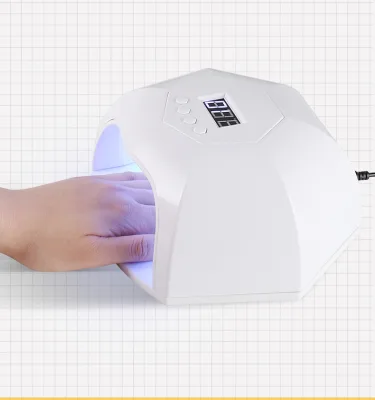
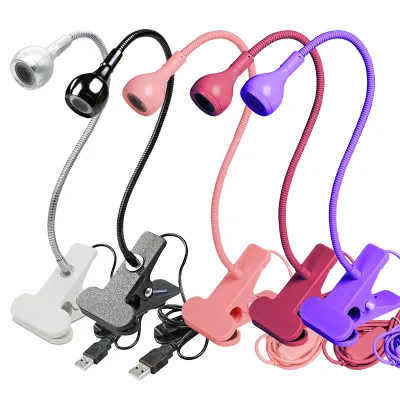
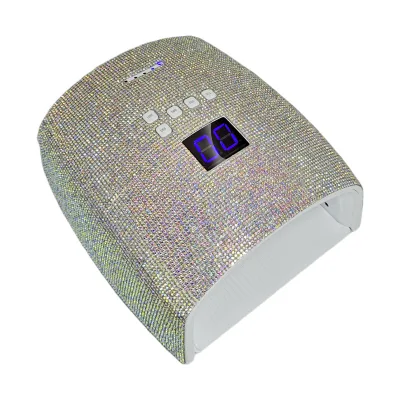
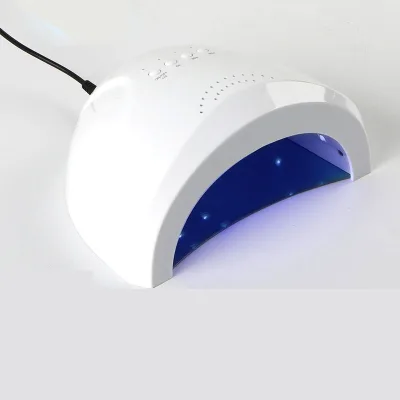
Comprehensive Sourcing Guide
Quick-Dry Nail Curing Lamp Supplier Concentration and Factory Types
The current supplier landscape for quick dry nail curing lamps shows a concentration of manufacturing facilities in China, specifically within the Guangdong province. This region hosts a significant number of factories that produce a wide array of beauty and personal care products, including nail dust collectors, UV curing lamps, and electric foot files. The presence of these manufacturers indicates a mature supply chain ecosystem where specialized equipment for nail care is produced at scale. Buyers observing results from this area should note that the primary company type listed is Manufacturer/Factory, suggesting direct access to production lines rather than purely trading entities. This distinction is critical for buyers seeking custom branding or specific technical modifications to their lamp designs.
In addition to the Guangdong cluster, some supplier data points to Zhejiang province as another potential location for these manufacturers. While the specific density of factories in Zhejiang is less explicitly detailed in the immediate results compared to Guangdong, the existence of suppliers in this region suggests a broader geographic distribution of production capabilities. Buyers should verify if the specific factory they are evaluating is located in a known industrial hub for beauty equipment. The main products listed across these facilities often include UV LED lamps, nail dryers, and wax heaters, indicating that many factories operate as multi-product beauty equipment producers. This diversification can be advantageous for buyers looking to consolidate orders for various salon tools, though it requires careful vetting to ensure the specific nail curing lamp models meet quality standards.
How to Verify Quick-Dry Nail Curing Lamp Suppliers
Verification of suppliers for quick dry nail curing lamps requires a rigorous check of their official credentials and third-party audit reports. One key indicator of reliability found in the current data is the TUVRHEINLAND verification status, which serves as a concrete proof point for a supplier's operational legitimacy. Buyers should prioritize suppliers displaying this specific verification mark, as it confirms that an independent inspection body has assessed their business practices and facility conditions. Additionally, the presence of BSCI system certification is a significant factor, as it demonstrates adherence to social compliance standards regarding labor conditions and ethical manufacturing. These certifications are not merely marketing claims but are verifiable data points that should be cross-referenced with the supplier's profile before proceeding with any negotiations.
Beyond certifications, buyers must assess the responsiveness and communication capabilities of the potential supplier. The data indicates a response time metric, with some suppliers showing a specific numerical value for their reply speed. A faster response time often correlates with better project management and a higher likelihood of timely issue resolution during the sourcing process. Buyers should also examine the customization capabilities listed, such as the availability of OEM and ODM services under an own brand. This confirms the factory's ability to adapt products to specific buyer requirements rather than offering only generic stock items. When evaluating a supplier, the combination of third-party verification, social compliance certification, and demonstrated responsiveness forms a robust framework for assessing their reliability in the Quick-Dry Nail Curing Lamp market.
What to Compare Across Quick-Dry Nail Curing Lamp Suppliers
When comparing suppliers, the primary focus should be on the technical specifications and pricing structures associated with the quick dry nail curing lamps. The product data reveals a range of power outputs, from 48W to 96W models, with varying numbers of LED beads and timer settings. Buyers must carefully compare these attributes to ensure the lamp meets their specific curing requirements, such as the need for 5-second fast drying or intelligent sensor features. Pricing is another critical variable, with observed ranges starting from approximately $9.00 up to $34.90 depending on the model's complexity and features like built-in batteries or LCD displays. It is essential to match the price point with the specific technical capabilities required for the target market, avoiding overpaying for unnecessary features or under-specifying for professional use.
In addition to product specs, buyers should compare the commercial terms, specifically the Minimum Order Quantity (MOQ) and lead times. The data shows MOQs varying significantly, with some suppliers requiring orders as low as 12 pieces while others mandate 30 or 20 units. Lead times are also a crucial comparison point, with a standard lead time of 30 days observed in the current results. Buyers must align these constraints with their inventory planning and cash flow requirements. Furthermore, the availability of customization options, such as specific plug types for different regions or custom packaging, should be evaluated across different suppliers. A supplier offering a lower MOQ but lacking customization flexibility might be less suitable than one with a higher MOQ but offering tailored solutions. These comparative factors determine the overall value proposition and operational fit for the buyer.
Common Quick-Dry Nail Curing Lamp Sourcing Risks
One significant risk in sourcing quick dry nail curing lamps involves the potential mismatch between advertised specifications and actual product performance. While product data lists features like "5 Second Fast Dry" or "Intelligent Sensor," these claims must be validated through sample testing before bulk ordering. The reliance on generic product descriptions without independent test results can lead to receiving lamps that do not cure gel polish effectively or have inconsistent timer functions. Buyers should be wary of suppliers who cannot provide detailed technical documentation or third-party test reports for their specific lamp models. The absence of specific test results in the initial data highlights the need for buyers to request and verify performance data directly from the manufacturer to mitigate the risk of product failure in the market.
Another critical risk relates to the variability in certification compliance across different suppliers. While some product attributes list certifications like CE, RoHS, and FCC, others may lack these crucial safety and environmental standards. Relying on a supplier who claims compliance without providing verifiable certificates can result in customs delays or legal issues in the destination market. The data shows that while some lamps have specific certification listings, the consistency across the entire supplier pool is not guaranteed. Buyers must explicitly request copies of valid certificates for every batch ordered and verify their authenticity with the issuing bodies. Failure to do so exposes the buyer to the risk of selling non-compliant products, which can damage brand reputation and lead to financial penalties.
Quick-Dry Nail Curing Lamp Regional Sourcing and Logistics
Sourcing from the identified regions in China, particularly Guangdong and Zhejiang, offers distinct logistical advantages due to established export infrastructure. These provinces are home to major ports and a dense network of logistics providers, which typically facilitates efficient shipping for beauty equipment like nail curing lamps. The concentration of manufacturers in these areas often leads to competitive freight rates and faster transit times to international destinations. Buyers should leverage this geographic concentration to negotiate better shipping terms, as suppliers in these hubs are accustomed to handling large volumes of exports. However, the specific lead time of 30 days observed in the data must be factored into the total delivery timeline, including the time required for production, quality control, and customs clearance at the destination port.
Despite the logistical benefits, buyers must remain vigilant about the specific origin details provided for each product. While the general location is listed as China, specific cities like Guangzhou are mentioned for certain models, indicating that production might be spread across different facilities within the province. This variation can impact the consistency of packaging and the reliability of the supply chain if a single factory is relied upon for all components. Buyers should verify the exact factory location for each order to ensure that the logistics plan accounts for any potential delays in moving goods from the production site to the port. Additionally, the packaging standards, such as "Packing by Gift Box" or "Packing by Carton," vary by model and must be confirmed to ensure the products arrive in good condition and meet retail presentation requirements.
Quick-Dry Nail Curing Lamp Commercial Terms and Order Planning
Effective order planning for quick dry nail curing lamps requires a clear understanding of the commercial terms, including payment structures and warranty provisions. The data indicates that some suppliers offer a 12-month warranty, which is a valuable term for protecting against manufacturing defects. Buyers should explicitly confirm the warranty coverage details, such as whether it covers battery failures or LED burnout, before finalizing the order. Additionally, the availability of customization services, including OEM and ODM options, allows buyers to tailor the product to their brand identity. This flexibility is a key commercial term that can differentiate a buyer's offering in a competitive market, but it often requires a higher MOQ and longer lead time, which must be factored into the production schedule.
Payment terms and pricing stability are also central to successful order planning. The observed price ranges, from $8.50 to $34.90, suggest that costs can fluctuate based on order volume and specific feature requirements. Buyers should negotiate fixed pricing for their initial order to avoid unexpected cost increases during production. Furthermore, the MOQ constraints, ranging from 12 to 30 units, influence the financial risk associated with the order. A lower MOQ reduces the initial capital outlay but may result in a higher unit cost. Buyers must balance these factors to optimize their cash flow while ensuring they have sufficient inventory to meet market demand. Clear communication regarding these commercial terms at the outset prevents misunderstandings and ensures a smooth transaction process from order placement to final delivery.
FAQs
What is the price range for quick dry nail curing lamps?
Prices for these lamps typically range from $8.50 to $34.90 per unit. The cost varies based on power output, battery capacity, and included features like intelligent sensors or LCD displays. Buyers should check specific product listings for exact pricing tiers and bulk discounts.
What is the minimum order quantity for these lamps?
Minimum order quantities generally range from 12 to 30 pieces depending on the specific model. Higher-end cordless units may require a lower MOQ of 12, while standard LED dryers often start at 20 or 30 units. Always verify the MOQ for your chosen product.
How long does production take for these orders?
Standard lead times are approximately 30 days for manufacturing and delivery. This timeline applies to most standard UV LED curing lamps. Buyers should confirm specific production schedules with suppliers, as rush orders or custom packaging may extend the delivery window beyond the standard period.
What certifications do these nail lamps have?
Common certifications include CE, RoHS, FCC, and BSCI system certification. These ensure compliance with safety and environmental standards for international markets. Some models also feature specific electrical safety approvals. Buyers should request valid certificates for each product batch to ensure regulatory compliance.
Where are these nail curing lamps manufactured?
These products are primarily manufactured in China, specifically in Guangdong and Zhejiang provinces. These regions are known for their beauty equipment supply chains. Buyers can verify the exact origin on product listings to ensure alignment with their sourcing preferences and logistics requirements.
What power options are available for quick dry lamps?
Available power options include 48W, 84W, and 96W models. Higher wattage lamps like the 96W cordless version offer faster curing times and longer battery life. Standard electric models typically use 48W or 84W. Choose based on your specific curing speed and portability needs.