Left-Handed Ceramic Tailor Scissors Suppliers and Manufacturers
Explore 22 suppliers offering Left-Handed Ceramic Tailor Scissors with verified details on location, lead times, and MOQ. Compare response times and product specifications to find the right partner for your sewing needs; review the available evidence before requesting comparable quotations from suitable candidates.
Suppliers List
- Manufacturer
- Taiwan, China
- Lead time60 days
- Avg. response≤ 6h
Main productsBarber Scissor,Hair Scissor,Pet Shear,Pet Rake,Craft Scissor
Main marketsNorth America(80.00%), Western Europe(18.00%), Southern Europe(2.00%)

Ningbo Sinobest Textile Company Limited
- Trading Company
- China Zhejiang
- Lead time30 days
- Avg. response≤ 4h
Main productsSewing Threads, Embroidery Threads, Garments Trimmings, Sewing Accessories, Embroidery Accessories, Tailor's Materials
Main marketsSouth America,Europe,North America

Ningbo Yuena Import & Export Co., Ltd.
- Verified by TUVRHEINLAND
- Trading Company
- China Zhejiang
- Lead time23 days
- Avg. response≤ 3h
Main productsLace, Thread, Button, Ribbon, Zipper, Tailors Materials, Fabric, Reflective Materials, Sewing Machine Part, Bra Parts
Main marketsSouth America,Africa,Southeast Asia/ Mideast,Europe,North America

Ningbo Liberty Port Textile Co., Ltd.
- Combined
- China Zhejiang
- Lead time15 days
- Avg. response≤ 19h
Main productsSnap Button, Snap Fastener Set, Sewing Notions, Rotary Cutter, Cutting Mat, DIY Crafts, Storage Series, Knitting Needles, Crochet Hook, Zipper
Main marketsSouth America,Southeast Asia/ Mideast,East Asia(Japan/ South Korea),Europe,North America
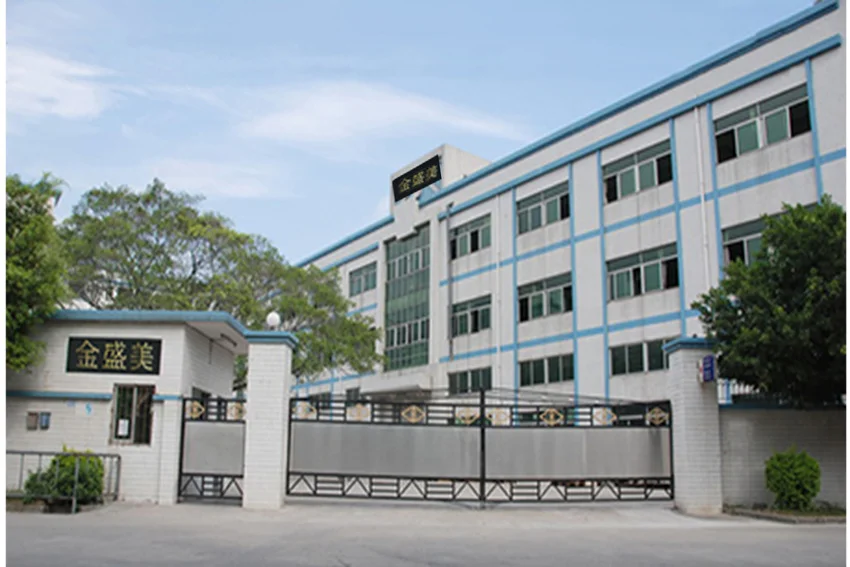
Foshan Jinshengmei Stationery Co., Ltd.
- Manufacturer
- Guangdong, China
- Lead time30 days
- Avg. response≤ 7h
Main productsStapler,Pen Holder,Stape Remover,Note Holder,Tape Dispenser
Main marketsDomestic Market(60.00%), North America(15.00%), Western Europe(3.00%), Southern Europe(3.00%), Southeast Asia(3.00%), Eastern Europe(3.00%), South America(2.00%), South Asia(2.00%), Oceania(2.00%), Africa(2.00%), Mid East(2.00%), Northern Europe(1.00%), Central America(1.00%), Eastern Asia(1.00%)
Chaozhou Fromoce Trading Company Limited
- Trading Company
- Guangdong, China
- Lead time10 days
- Avg. response≤ 4h
Main productshardware tools,hand tools,leather tools,Jewelry tools
Main marketsEastern Europe(20.00%), South America(20.00%), North America(20.00%), Western Europe(20.00%), Africa(10.00%), Mid East(5.00%), Central America(5.00%)
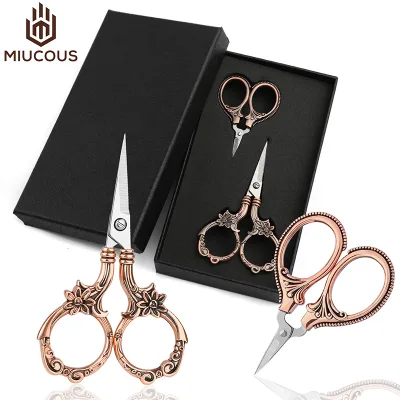
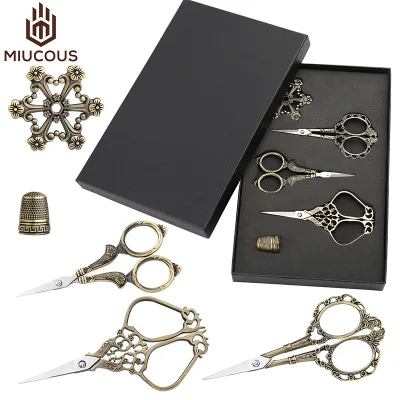
Low MOQ Exquisite Mini Scissors Sewing Professional Sewing Scissors Tailor Scissors
$6.02 - $6.83
MOQ: 2 sets
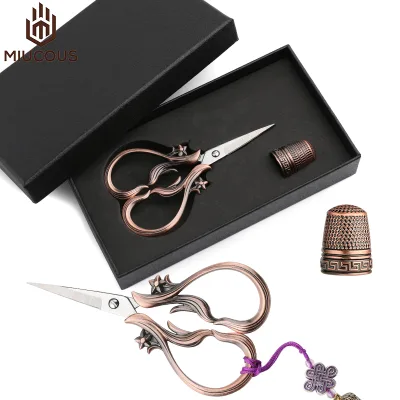
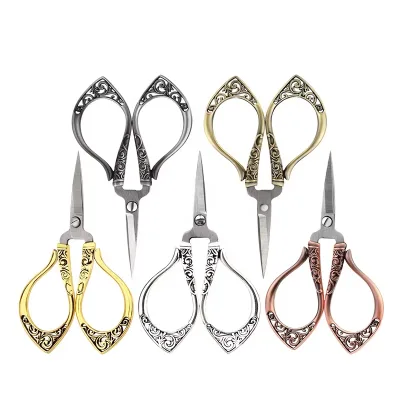
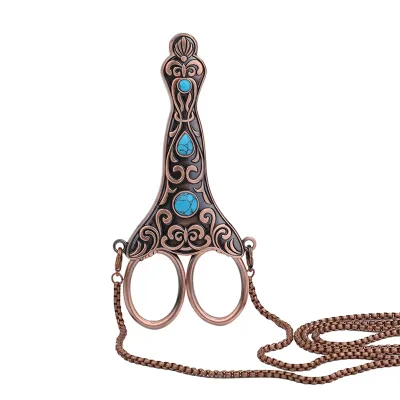
Hot Sale Delicate Scissors Embroidery Safety Tailor's Scissors With Cover
$9.03 - $9.93
MOQ: 30 pieces
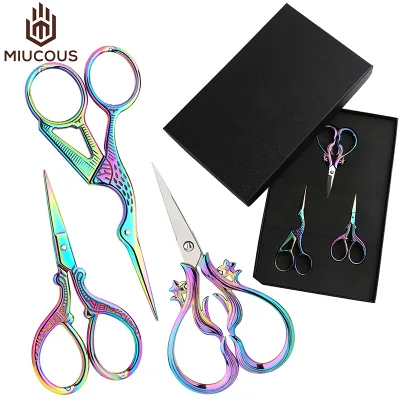
Best Sale sharp Embroidery Thread Standard Scissors Cutting Professional Scissors
$7.88 - $9.02
MOQ: 2 sets
Jinhua Jinxiang Trading Co., Ltd.
- Trading Company
- Zhejiang, China
- Lead time15 days
- Avg. response≤ 2h
Main productsHome Handmade Sewing Accessories
Main marketsNorth America(35.00%), Southeast Asia(15.00%), Domestic Market(10.00%), Western Europe(10.00%), South America(10.00%), Eastern Europe(10.00%), Southern Europe(5.00%), South Asia(5.00%)
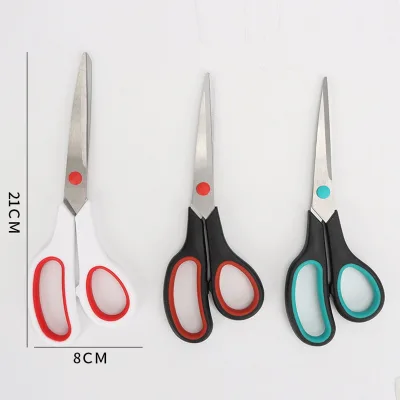
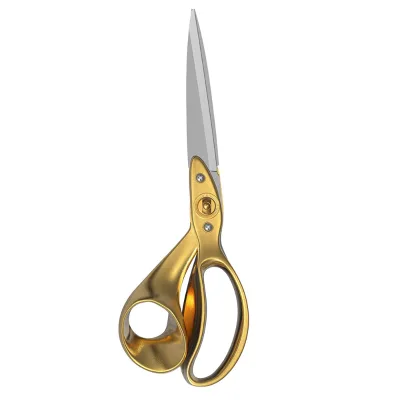
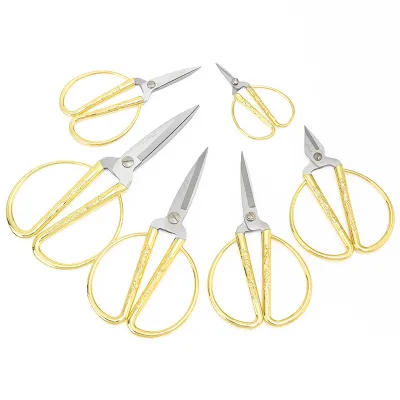
$0.49 - $1.15
MOQ: 100 Minimum
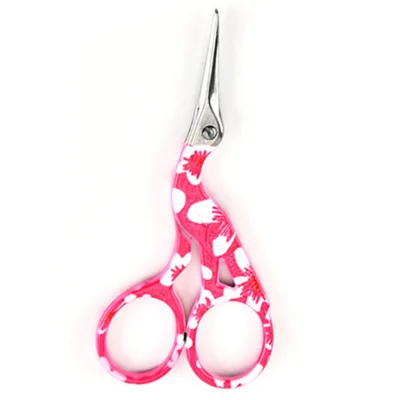

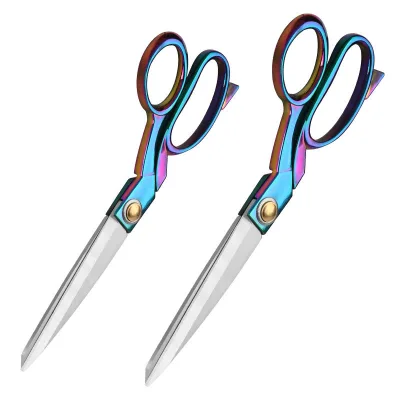

Ningbo Alatex Textiles Co., Limited
- Trading Company
- China Zhejiang
- Lead time15 days
- Avg. response≤ 18h
Main productsTag Pin, Tag Gun, String Hang Tag, String Seal, String Tag, Seal Tag, Tag Fastener, Plastic Staple Pin Roll, Garment Accessories, Sewing Accessories
Main marketsSouth America,Africa,Southeast Asia/ Mideast,East Asia(Japan/ South Korea),Europe,Australia,North America
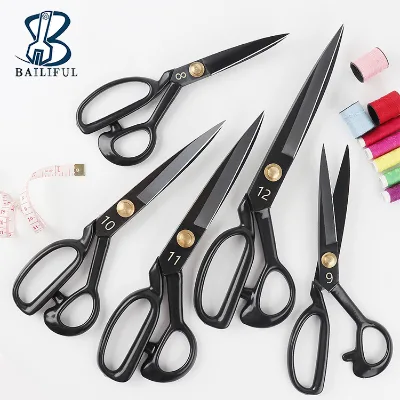
Chaozhou Bailiful Trading Company Limited
- Trading Company
- Guangdong, China
- Lead time15 days
- Avg. response≤ 3h
Main productsLeather tools,hand tools,hardware tools,Crafts
Main marketsEastern Europe(20.00%), South America(20.00%), North America(20.00%), Central America(10.00%), Africa(10.00%), Southeast Asia(10.00%), South Asia(5.00%), Mid East(5.00%)
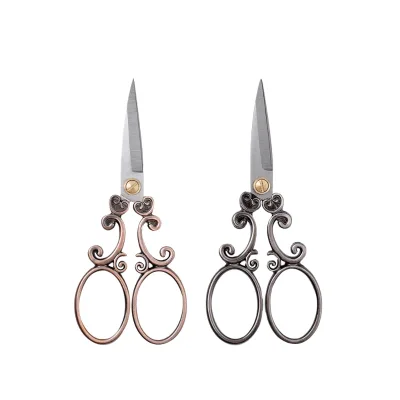
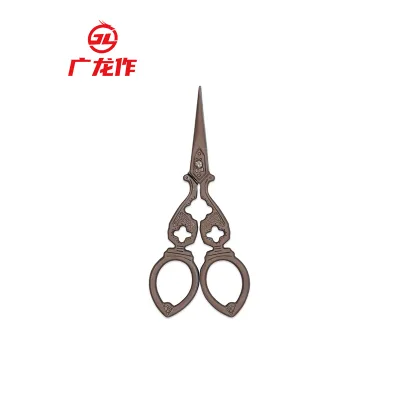
Baroque Hand Tool Scissors Vintage Crimping Pattern Stainless Steel Embroidery Scissors
$2.94 - $3.92
MOQ: 2 pieces
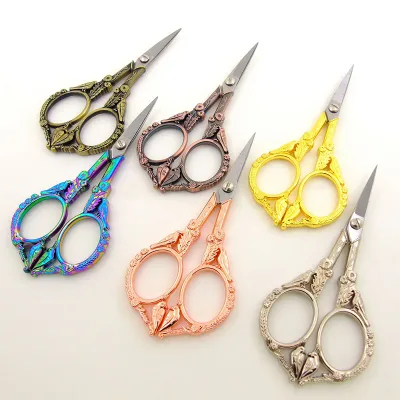
Bird Shearing Shears Tailor Scissors Vintage Scissors Mini Scissors for Needle Work/Art Work/Sewing
$2.14 - $2.45
MOQ: 20 pieces

- Verified by BV
- Trading Company,Manufacturer/Factory
- China Zhejiang
- Lead time23 days
- Avg. response≤ 7h
Main productsGarment Accessories, Zipper, Button, Lace Trim, Metal Zipper, Nylon Zipper, Plastic Zipper, Metal Button, Snap Button, Cotton Lace
Main marketsNorth America,Africa

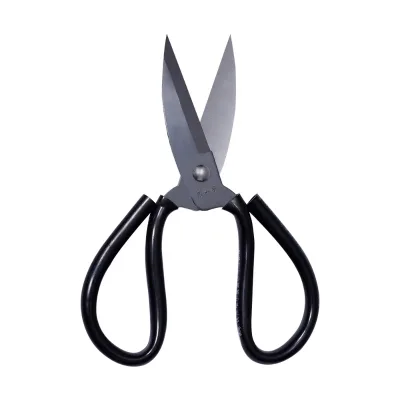
Professional Heavy Duty Tailoring Scissors Stainless Steel Sewing Fabric Scissors Office Scissors
$1.99 - $3.21
MOQ: 300 Pieces

Sewing Tailor Scissors for Cloth Cutting Fabric Scissors Stainless Steel Household Scissors Tailor's
$1.99 - $3.21
MOQ: 300 Pieces


$2.10 - $2.90
MOQ: 300 Pieces


$1.99 - $3.21
MOQ: 300 Pieces
- Trading Company
- Zhejiang, China
- Lead time15 days
- Avg. response≤ 3h
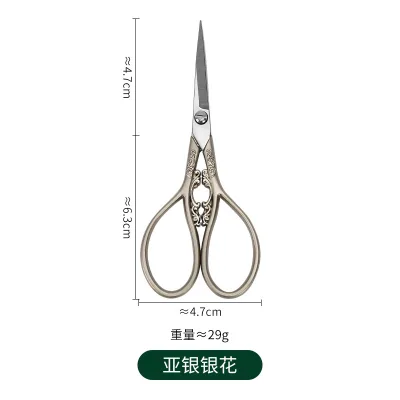
Main productsSewing notions,Needlework,cross stitch accessory,Knitting tools,embroidery scissors
Main marketsNorth America(60.00%), Northern Europe(15.00%), Eastern Europe(10.00%), Oceania(10.00%), Western Europe(5.00%)

- Verified by TUVRHEINLAND
- Combined
- China Zhejiang
- Lead time30 days
- Avg. response≤ 7h
Main productsThread, Zipper, Lace, Button, Webbing & Tape, Ribbon, Interlining, Fabric, Tailoring Materials, Hook & Loop
Main marketsSouth America,Africa,Europe,Australia

10 Inch Professional Left Handed Plastic Sewing Tailor Scissors with Safety Cover
$0.90 - $1.00
MOQ: 2000 Pieces

Cutting Yarn Scissor for Cutting Clippers Sewing Trimming Scissors Fabric Tailor Scissors
$0.20 - $0.50
MOQ: 4000 Pieces

Heavy Duty 10" Professional Stainless Steel Golden Tailor Shears Tailor Scissors
$0.85
MOQ: 2000 Pieces


Wenzhou Meters Int'l Trade Co., Ltd.
- Trading Company,Manufacturer/Factory
- China Zhejiang
- Lead time23 days
- Avg. response≤ 18h
Main productsHose Clamp, Utility Knife, Safety Products, Cutting Tools, Strike Tools, Fastening Tools, Safety Helmet, Hammer, Warming Tape, Plastic Injection
Main marketsSouth America,Eastern Europe,Mid East,North America,Southeast Asia,Eastern Asia,Oceania,Western Europe,Africa

Ningbo Yinzhou Xindew Textile Co., Ltd.
- Trading Company
- China Zhejiang
- Lead time15 days
- Avg. response≤ 12h
Main productsKnitting Needles, Knitting Looms, Knitting Crochet Hook Set, Acrylic Yarn, Elastic Tape, Zipper, Thread, Hook and Loop, Baby Blankets, Baby Bibs
Main marketsSouth America,Africa,Southeast Asia/ Mideast,East Asia(Japan/ South Korea),Domestic,Europe,Australia,North America
Ningbo Shinegifts Import & Export Co., Ltd.
- Trading Company
- Lead time旺季: "1 - 2000":28,"> 2000":"To be negotiated", 淡季: "1 - 2000":28,"> 2000":"To be negotiated"
- Avg. response≤ 5h
Main productsDIY Craft And Art, Kids Educational Toys, Plush Toy, Bath Toys, Kids Puzzle
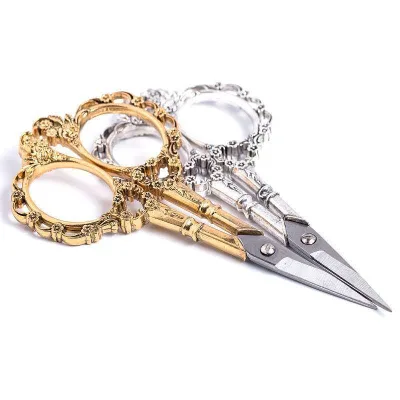
European Retro Classic Vintage Antique Handicraft DIY Tool Cross Stitch Craft Sewing Tailor Scissors
$1.85 - $2.45
MOQ: 2000 pieces
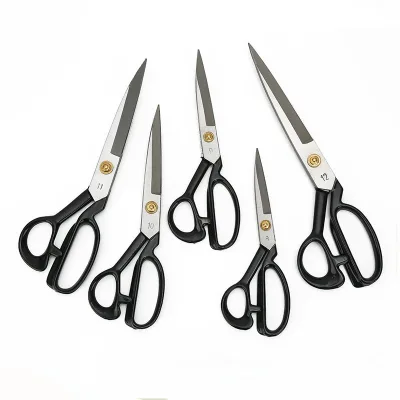
Wholesale Professional 8-12Inch Superior Quality DIY Shearing Stainless Steel Sewing Tailor Scissors
$2.02 - $2.54
MOQ: 2 pieces
Dongguan Jin Ming Industry And Trade Co., Ltd.
- Manufacturer, Trading Company
- Guangdong, China
- Lead time0 days
- Avg. response≤ 3h
Main productsFolding Knives,Knife Sets,Kitchen Knives,Scissors,Outdoor Tools
Main marketsWestern Europe(25.00%), North America(25.00%), Domestic Market(20.00%), Southeast Asia(10.00%), South America(10.00%), Mid East(10.00%)
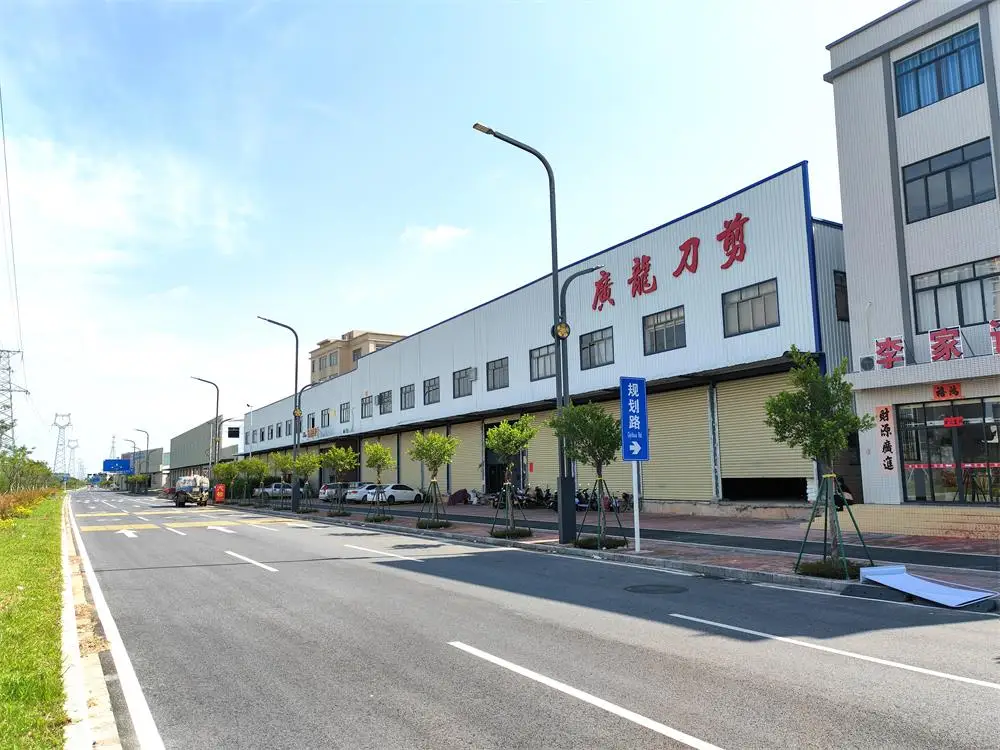
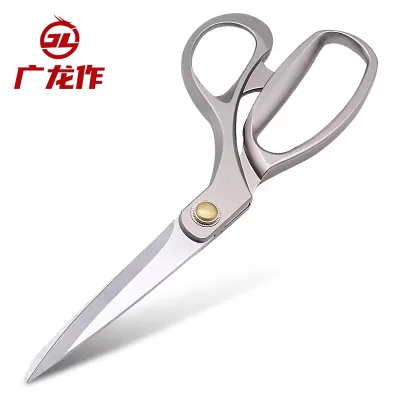
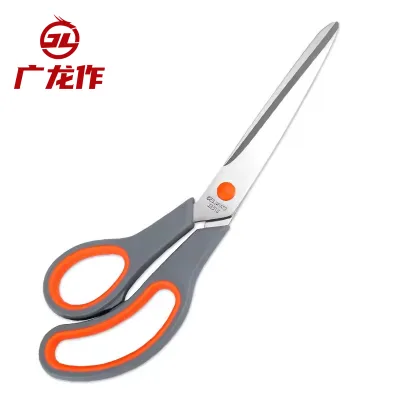
Guangdong Guanglong Knife And Scissors Co., Ltd.
- Manufacturer, Trading Company
- Guangdong, China
- Lead time40 days
- Avg. response≤ 7h
Main productsTailor scissors,Kitchen scissors,Garden scissors,Office scissors,Household scissors
Main marketsWestern Europe(16.00%), North America(7.00%)

Ningbo DH Textile Industry&Trade Co., Ltd.
- Verified by TUVRHEINLAND
- Trading Company
- China Zhejiang
- Lead time15 days
- Avg. response≤ 14h
Main productsLace, Interlining, Embroidery Thread, Poplin, Hook and Loop, Satin Ribbon, Sewing Thread, Button, Zipper, Lace Fabric
Main marketsAfrica,Southeast Asia/ Mideast,North America


High Quality Hot Sell Stainless Steel Tailor's Scissors  Wholesale
$0.10 - $2.00
MOQ: 2000 Pieces

Useful Hot Sale Good Quality Scissors for Cutting From China Manufacturer
$0.25 - $0.58
MOQ: 5000 Pieces


- Trading Company,Manufacturer/Factory
- China Zhejiang
- Lead time30 days
- Avg. response≤ 7h
Main productsFabric, Trimming, Lace, Tape, Zipper, Sewing Thread, Button, Scissors, Garments Accessories, Sewing Machine Parts
Main marketsSouth America,Eastern Europe,Mid East,North America,Southeast Asia,Eastern Asia,Oceania,Western Europe,Africa
Ningbo New Swell Import&Export Co., Ltd.
- Verified by Intertek
- Trading Company
- Lead time7 days
- Avg. response≤ 3h
Main productsLace Trim, Ribbon, Sewing Accessories, Sewing Thread, Zipper
Main marketsMid East(50%), South America(20%), Southeast Asia(20%)
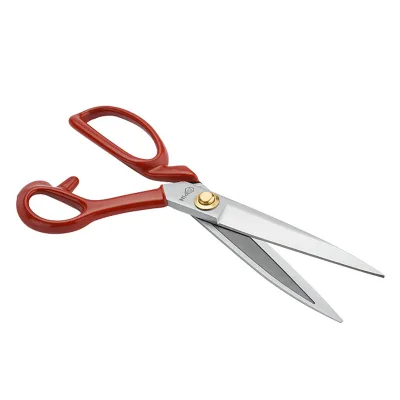
PIN Series Tailor's Scissors Professional Cutting Advanced Clothing Sewing Scissors
$4.59 - $5.81
MOQ: 120 sets
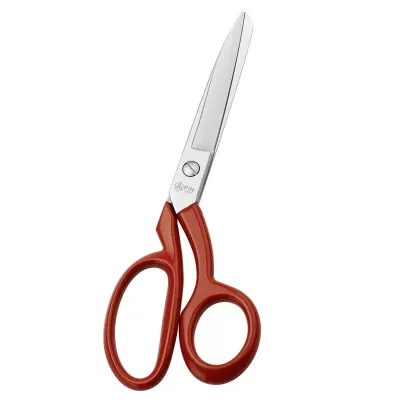

Wuxi Wonderful Import & Export Co., Ltd.
- Verified by TUVRHEINLAND
- Trading Company
- China Jiangsu
- Lead time30 days
- Avg. response≤ 13h
Main productsHome & Garden Products
Main marketsSouth America,Southeast Asia/ Mideast,Europe,Australia,North America
Yangjiang Pinshun Daily Products Co., Ltd.
- Verified by SGS Group
- Manufacturer, Trading Company
- Lead time30 days
- Avg. response≤ 2h
Main productsPruning Shears, Kitchen Shears, Tailor Shears, Household Shears, Tool Shears








Comprehensive Sourcing Guide
Left-Handed Ceramic Tailor Scissors Supplier Concentration and Factory Types
The available supplier data indicates a concentration of manufacturers located in Taiwan, China, which serves as a primary hub for the production of precision cutting tools. While the specific search results highlight a mix of products including barber scissors, pet shears, and craft scissors, the presence of multiple manufacturers in this region suggests a specialized industrial cluster for metal and plastic-handled cutting instruments. Buyers seeking left-handed ceramic tailor scissors must verify if these specific manufacturers have expanded their lines to include ceramic blades, as the current evidence primarily documents stainless steel and plastic-handled options. The supplier types identified are predominantly manufacturers rather than trading companies, which often implies direct control over the production process and potential for customization.
When assessing factory types, buyers should look for evidence of specific production capabilities regarding blade material and handedness. The observed product attributes frequently mention stainless steel blades, plastic handles, and specific model numbers, but do not explicitly confirm the availability of ceramic materials or left-handed configurations in the current dataset. A manufacturer claiming to produce ceramic scissors must demonstrate a distinct manufacturing process, as ceramic blades require different grinding and tempering techniques compared to the stainless steel models currently listed. Buyers should request factory audits or video tours to confirm the existence of ceramic grinding lines and dedicated assembly stations for left-handed tools, ensuring the facility can meet the specific ergonomic and material requirements of this niche product category.
How to Verify Left-Handed Ceramic Tailor Scissors Suppliers
Verification begins with a rigorous review of product attributes and specifications to confirm the existence of ceramic blades and left-handed designs. The current supplier records list attributes such as blade material, handle material, and handedness, but these entries predominantly describe stainless steel and right-handed models. Buyers must explicitly request technical data sheets that specify the ceramic composition, such as zirconia, and confirm the blade geometry is mirrored for left-handed use. It is critical to ask for high-resolution images or videos showing the actual product, as text descriptions alone may not reveal if a supplier is merely relisting standard right-handed scissors with a modified title. Without concrete evidence of ceramic material and left-handed orientation in the product attributes, the claim remains unverified and requires direct supplier confirmation.
Response time and communication quality are also vital indicators of supplier reliability and capability. The observed data shows a response time metric of 6, which suggests a moderate level of engagement, but this does not guarantee the supplier can answer complex technical questions about ceramic manufacturing. Buyers should test the supplier's responsiveness by asking detailed questions about the sintering process, blade hardness ratings, and warranty terms specific to ceramic materials. A supplier that provides vague answers or fails to address the specific material and handedness requirements within a reasonable timeframe may lack the necessary expertise. Additionally, verifying the company type as a manufacturer rather than a trading company can help ensure that the technical inquiries are being answered by the production team rather than a sales intermediary who may not have full product knowledge.
What to Compare Across Left-Handed Ceramic Tailor Scissors Suppliers
When comparing potential suppliers, the primary dimensions to evaluate include lead times, minimum order quantities, and pricing structures, all of which vary significantly based on product complexity. The current dataset displays lead times of 60 days and minimum order quantities ranging from 3 to 100 units for standard scissors, but ceramic and left-handed variants may require longer production cycles and higher MOQs due to specialized tooling. Buyers should request specific quotes for ceramic left-handed scissors to establish a baseline for comparison, as the standard stainless steel prices observed, such as ranges between 4.00 and 8.50, may not apply to the more expensive ceramic materials. Comparing these commercial terms helps identify suppliers who can balance cost efficiency with the ability to meet volume requirements without excessive delays.
Another critical comparison factor is the consistency of product attributes and the clarity of specifications provided. The observed product listings include detailed attributes like package size, gross weight, and blade material, which serve as a benchmark for evaluating supplier transparency. Buyers should compare how clearly each supplier defines the ceramic blade properties, handle ergonomics, and packaging standards for left-handed models. Discrepancies in how suppliers describe their products, such as varying package dimensions or undefined material grades, can indicate a lack of standardization or potential quality control issues. By systematically comparing these attributes across multiple suppliers, buyers can identify those who provide the most precise and reliable information, reducing the risk of receiving products that do not match the intended specifications for left-handed ceramic tailor scissors.
Common Left-Handed Ceramic Tailor Scissors Sourcing Risks
One significant risk involves the potential mismatch between supplier claims and actual product capabilities, particularly regarding the ceramic material and left-handed design. The current supplier data does not explicitly confirm the availability of ceramic blades or left-handed configurations, creating a risk that suppliers may be marketing standard right-handed stainless steel scissors as ceramic or left-handed products. This misrepresentation can lead to receiving tools that are unsuitable for the intended user, causing operational inefficiencies and potential safety hazards. Buyers must mitigate this risk by demanding physical samples and independent verification of the blade material and handedness before committing to large orders, ensuring that the product matches the specific requirements of the application.
Another risk is the variability in lead times and the potential for supply chain disruptions affecting specialized products. The observed lead time of 60 days for standard items suggests that production cycles can be lengthy, and specialized ceramic left-handed scissors may face even longer delays due to limited production capacity. If a supplier cannot guarantee a consistent supply of ceramic materials or lacks the specific tooling for left-handed blades, the order may be delayed or cancelled. Buyers should assess the supplier's inventory management and production capacity to ensure they can handle the specific demands of this niche product. Establishing clear communication channels and setting realistic expectations for delivery dates is essential to avoid disruptions in the supply chain and ensure timely receipt of the required tools.
Left-Handed Ceramic Tailor Scissors Regional Sourcing and Logistics
The regional sourcing landscape indicates a concentration of manufacturers in Taiwan, China, which offers logistical advantages for buyers in the Asia-Pacific region. The observed location data confirms that suppliers are based in this region, which may facilitate faster shipping times and lower freight costs for orders destined for nearby markets. However, buyers must verify if these suppliers have the infrastructure to handle international shipping for specialized products like ceramic scissors, which require careful packaging to prevent breakage during transit. The standard package sizes observed, such as 21.00x10.00x10.00 cm, provide a baseline for estimating shipping volumes, but ceramic products may require reinforced packaging solutions that could increase the overall shipping cost and weight.
Logistics planning should also account for the potential need for customs clearance and import regulations specific to cutting tools and ceramic materials. While the current data does not specify export certifications or standards, buyers should inquire about compliance with international safety and quality standards to ensure smooth customs processing. The presence of manufacturers in Taiwan suggests a familiarity with export procedures, but buyers must confirm that the specific ceramic left-handed scissors meet the regulatory requirements of their destination country. Additionally, buyers should consider the impact of seasonal shipping fluctuations and potential port congestion on delivery timelines, especially for specialized products that may not be stocked in large quantities. Proactive logistics planning can help mitigate these risks and ensure timely delivery of the ordered goods.
Left-Handed Ceramic Tailor Scissors Commercial Terms and Order Planning
Commercial terms for specialized products like left-handed ceramic tailor scissors often involve specific payment structures and order planning requirements that differ from standard items. The observed data shows minimum order quantities ranging from 3 to 100 units, but ceramic and left-handed variants may require higher MOQs to justify the specialized production setup. Buyers should negotiate payment terms that align with their cash flow, such as partial payments or escrow services, to protect against potential quality issues or delivery delays. Understanding the supplier's pricing structure, including any volume discounts or setup fees for custom left-handed designs, is crucial for accurate budgeting and cost control.
Order planning must also consider the lead time and production capacity of the supplier to ensure timely delivery. The observed lead time of 60 days for standard items suggests that production cycles can be lengthy, and specialized ceramic left-handed scissors may require additional time for tooling and quality checks. Buyers should develop a detailed production schedule that accounts for these lead times and includes buffer periods for potential delays. Clear communication with the supplier regarding order milestones, quality inspections, and shipping arrangements is essential to maintain control over the order process. By carefully planning the order timeline and negotiating favorable commercial terms, buyers can minimize risks and ensure a smooth procurement process for their specific needs.
FAQs
Are left-handed ceramic tailor scissors available from these suppliers?
The current supplier results do not list left-handed ceramic tailor scissors. The available inventory consists of right-handed stainless steel models. Buyers seeking ceramic blades or left-handed configurations should verify specific product attributes directly with the manufacturer to confirm availability and customization options.
What is the minimum order quantity for tailor scissors?
The minimum order quantity varies by model. Some items require a minimum of 3 pieces, while others specify 25 pieces. A specific high-grade stainless steel model lists an MOQ of 100 pieces. Buyers should check the specific product page for the exact minimum requirement.
Where are these tailor scissors manufactured?
The supplied facts indicate that the tailor scissors are manufactured in Taiwan. The place of origin is consistently listed as Taiwan for the various stainless steel models. Buyers should confirm the specific country of origin for any customized or alternative material orders.
What is the typical lead time for these scissors?
The observed lead time for these tailor scissors is 60 days. This duration applies to the standard manufacturing and shipping process for the listed models. Buyers requiring faster turnaround should inquire about expedited production schedules or stock availability directly with the supplier.
What is the price range for these tailor scissors?
The price range for the available tailor scissors is approximately $4.00 to $8.50 per unit. Specific models are listed at $4.07, $4.50, and $8.50. Prices vary based on blade material, handle design, and order volume. Buyers should request a quote for accurate pricing.
What material are the blades made of?
The blades are primarily made of stainless steel, including grades like 420J2. Some models feature smooth or partially serrated edges. The current results do not show ceramic blade options. Buyers seeking ceramic materials should verify material specifications with the supplier before ordering.