Mini LED Nail Gel Lamp Suppliers and Manufacturers
Source 27 verified suppliers for Mini LED Nail Gel Lamp. Compare Zhejiang and Guangdong factories on response times, lead times, and certifications like ISO 9001. Filter by MOQ and price to find the right partner; review the available evidence before requesting comparable quotations from suitable candidates.
Suppliers List
- Trading Company
- Zhejiang, China
- Lead time15 days
- Avg. response≤ 19h
Main productsNail tool,Nail Decoration,Nail Sticker,Nail tip,Nail Lamp
Main marketsEastern Asia(10.00%), Mid East(10.00%), Oceania(10.00%), Africa(10.00%), Eastern Europe(10.00%), South America(10.00%), North America(10.00%), Western Europe(10.00%), South Asia(5.00%), Southeast Asia(5.00%), Southern Europe(5.00%), Northern Europe(5.00%)

Guangzhou Skyrann Electronic Tech Co., Ltd.
- Verified by TUVRHEINLAND
- Trading Company,Manufacturer/Factory
- China Guangdong
- Lead time15 days
- Avg. response≤ 18h
Main productsNail Lamps&Nail Dryers, UV Gel&Gel Polish, Nail Drills, Nail Tools, Nail Art Decoration, Nail Brushes, Nail Files&Buffers
Main marketsSouth America,Eastern Europe,North America,Southeast Asia,Eastern Asia,Western Europe,Africa


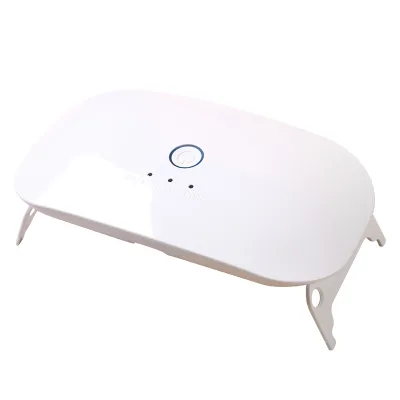
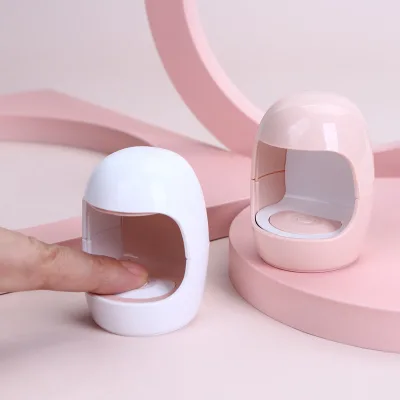
New Portable Mini Egg Nail Gel UV Lamp LED Quick-Drying Nail Polish Baking Nail Lamp for Nail Art
$1.72 - $2.19
MOQ: 10 Pieces
Shenzhen Honhyda Electronic Technology Co., Ltd.
- Manufacturer, Trading Company
- Guangdong, China
- Lead time0 days
- Avg. response≤ 5h
Main productsBeauty Instrument
Main marketsWestern Europe(50.00%), Western Europe(50.00%), Western Europe(50.00%), North America(30.00%), South America(10.00%), Southeast Asia(5.00%), Oceania(5.00%), Southeast Asia(5.00%), Southeast Asia(5.00%)

- Verified by SGS
- Trading Company
- China Zhejiang
- Lead time15 days
- Avg. response≤ 17h
Main productsEyelashes, Makeup Brush, Cosmetic Brush, Eyelash Extension, Lipstick, Eyeshadow, Mascara, Nail Sticker, Nail Lamp, Mask
Main marketsEurope,Australia


$1.05 - $1.25
MOQ: 1000 Pieces


Shenzhen Duofu Technology Co., LTD
- Verified by CTI
- Combined
- China Guangdong
- Lead time15 days
- Avg. response≤ 9h
Main productsNail Drill, Naill Drill Pen, Nail Drill Machine, Electric Nail Drill, Salon Equipment, Cordless Nail Drill, Cordless Nail Drill Machine, Nail Drill Cordless, Nail Drill Rechargeable
Main marketsSoutheast Asia/ Mideast,East Asia(Japan/ South Korea),Domestic,Europe,North America

Guangdong Jimdoa Electric Appliance Co., Ltd
- Verified by BV
- Combined
- China Guangdong
- Lead time15 days
- Avg. response≤ 19h
Main productsNail Drill, Nail Dust Collector, LED UV Lamp, UVC Sterilizer Box, Nail Drill Machine, Nail Art Drill Kit, USB Electric Nail Drill, Manicure Pedicure Kit, Electric Nail Drill
Main marketsSouth America,Africa,Southeast Asia/ Mideast,East Asia(Japan/ South Korea),Europe,Australia,North America


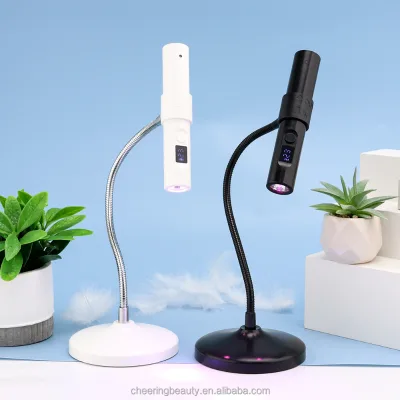
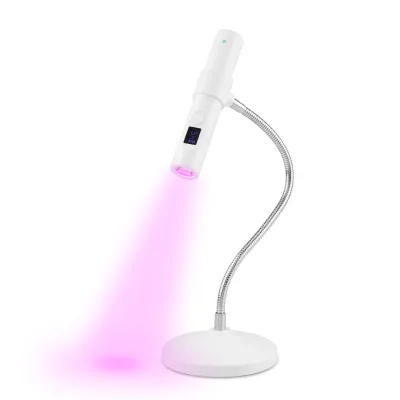
Flexible Arm Nail Lamp UV LED Gel Polish Dryer Mini Portable Nail Light for Salon
$16.00 - $18.00
MOQ: 24 Pieces

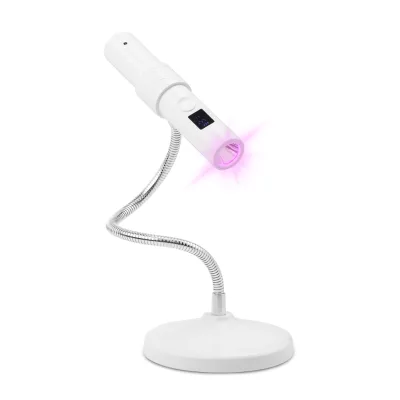
Flexible Neck Nail Lamp UV LED Gel Polish Dryer Mini Portable Nail Light with Display
$16.00 - $18.00
MOQ: 24 Pieces

Gooseneck LED Nail Lamp UV Gel Dryer Flexible Arm Mini Nail Light for Manicure Use
$16.00 - $18.00
MOQ: 24 Pieces

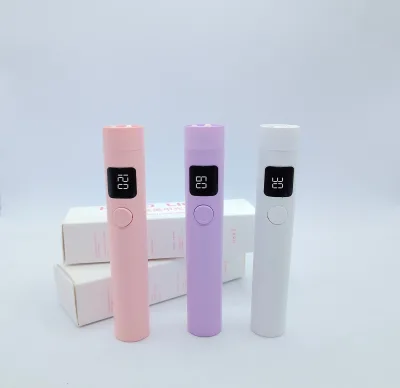
Handheld UV LED Nail Lamp Portable Nail Curing Light for Gel Nails Salon Use
$11.00 - $13.00
MOQ: 1 Pieces

Portable Nail Lamp for Gel Nails Wireless UV LED Nail Light for Nail Technicians
$11.00 - $13.00
MOQ: 1 Pieces

Ningbo Sunkin Electrical Co., Ltd.
- Verified by TUVRHEINLAND
- Trading Company
- China Zhejiang
- Lead time15 days
- Avg. response≤ 15h
Main productsLED Bulbs, LED Tube, LED Floodlight, LED Panel Light, LED Spotlight, G9 LED Lamp
Main marketsEurope,North America


Factory Wholesale UV LED Gel Polish Nail Curing Lamp Sun Mini LED Nail Lamp
$0.50 - $0.60
MOQ: 100 Pieces


O Nail Professional Smart Portable LED Nail Lamp Mini UV Nail Curing Lamp
$19.00 - $25.00
MOQ: 2 Pieces


$1.60 - $2.50
MOQ: 300 Pieces

Ningbo Two Birds Industry Co., Ltd.
- Verified by BV
- Trading Company,Manufacturer/Factory
- China Zhejiang
- Lead time45 days
- Avg. response≤ 6h
Main productsCosmetic & Makeup Items, Cleaning Tool, Pet Supplies, Bathroom Products, Bags, Kitchen Accessories, Hair Accessories, Home Textile, Consumable Items, Home Storage
Main marketsSouth America,Eastern Europe,Mid East,North America,Southeast Asia,Eastern Asia,Oceania,Western Europe,Africa

Changsha Fusheng Electronic Technology Co., Ltd.
- Trading Company
- China Hunan
- Lead time15 days
- Avg. response≤ 2h
Main productsElectronic Product
Main marketsSoutheast Asia/ Mideast,Europe,North America
Guangzhou Minejin Trading Co., Ltd.
- Trading Company
- Guangzhou, China
- Lead time15 days
- Avg. response≤ 2h
Main productsnail charm,nail rhinestone,nail sequins,nail glue,nail powder
Main marketsNorth America(50.00%), Western Europe(10.00%), Africa(10.00%), Southeast Asia(10.00%), Eastern Europe(10.00%), Mid East(5.00%), Eastern Asia(5.00%)
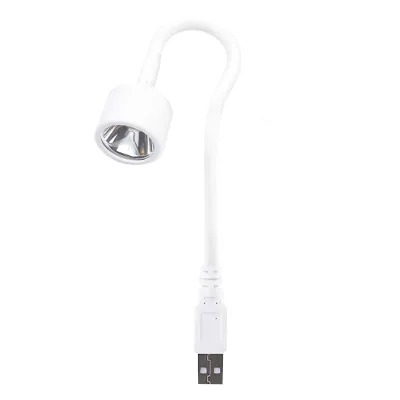
Mini Uv Led Nail Lamp Nail Nail Baking Lamp Led Small Portable Convenient Phototherapy Lamp
$1.23 - $1.65
MOQ: 10 pieces

Baoding Tengke Trading Co., Ltd.
- Verified by SGS
- Trading Company
- China Hebei
- Lead time15 days
- Avg. response≤ 3h
Main productsBags, Cleaning Tools Scraper, Household Products, Towel, Tumbler Bottle Mug, Ktichen Tools/Gardget, Textile, Personal Care, Balloons, Hook and Loop Tape
Main marketsEurope

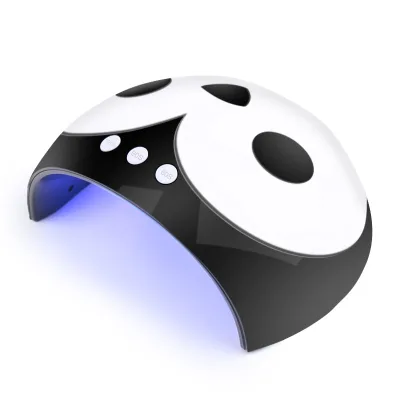
Mini Nail UV LED Lamp Eggshell Nail Light USB Portable Handheld Nail Gel Curing Lamp for Nail Tips
$0.92 - $1.00
MOQ: 200 Pieces


- Verified by TUVRHEINLAND
- Trading Company
- China Guangdong
- Lead time15 days
- Avg. response≤ 2h
Main productsBeauty Tools, Tweezer, Eyelash Curler, Manicure Set, Cosmetic Mirror, Implement, Pedicure, Make up
Main marketsEurope


$0.75 - $1.05
MOQ: 100 Pieces

Jiangxi Orange Trading Co., Ltd.
- Trading Company
- Jiangxi Province, China
- Lead time15 days
- Avg. response≤ 1h
Main productsNail Art Brush,Makeup Brush,Paint Artist Brush
Main marketsNorth America(35.00%), South America(20.00%), Western Europe(13.00%), Central America(10.00%), Northern Europe(5.00%), Africa(3.00%), South Asia(2.00%), Southern Europe(2.00%), Oceania(2.00%), Southeast Asia(2.00%), Eastern Europe(2.00%), Eastern Asia(2.00%), Mid East(2.00%)
Yiwu Yizhi Trading Company Limited
- Trading Company
- Zhejiang, China
- Lead time0 days
- Avg. response≤ 2h
Main productsNail art,nail art decoration,nail art stickers,nail tips/color chat,nail art brush
Main marketsSouth America(20.00%), Eastern Europe(20.00%), North America(10.00%), Southern Europe(5.00%), Northern Europe(5.00%), Central America(5.00%), Western Europe(5.00%), Eastern Asia(5.00%), Mid East(5.00%), South Asia(5.00%), Africa(5.00%), Southeast Asia(5.00%), Oceania(3.00%), Domestic Market(2.00%)

Guangzhou Ice Beauty Nail Art Supplies Co., Ltd.
- Verified by TUVRHEINLAND
- Manufacturer/Factory
- China Guangdong
- Lead time30 days
- Avg. response≤ 15h
Main productsNail Dust Collector, Nail Steamer, UV Nail Curing Lamp, Nail Drill Machines, Electric Foot File, Nail Decorations, Wax Heater, Beauty & Personal Care Product
Main marketsSouth America,Eastern Europe,Mid East,North America,Southeast Asia,Eastern Asia,Oceania,Western Europe,Africa

Nail Salon Equipment Non-Harmful Mini UV Nail Dryer Lamp LED Gel Curing Light with 2 Timer Setting
$1.48 - $1.78
MOQ: 50 Pieces


3W Portable One Finger Mini Nail Lamp UV LED Gel Polish Dryer with USB Plug
$2.90 - $3.90
MOQ: 50 Pieces

Flexible Gooseneck 9W Wireless Mini Nail Lamp UV LED Nail Glue Dryer Lamp
$11.70 - $14.50
MOQ: 24 Pieces

Energy-Saving 10W Portable UV Nail Lamp Mini Fast Drying Gel Polish Light
$1.48 - $1.78
MOQ: 50 Pieces

Easy to Operate Rechargeable Cordless Mini Finger Nail Lamp UV LED Gel Curing Light
$8.99 - $12.00
MOQ: 50 Pieces
Yiwu Jiaxiu Import And Export Co., Ltd.
- Trading Company
- Zhejiang, China
- Lead time0 days
- Avg. response≤ 6h
Main productsnail tips,nail sticker,nail decoration,nail drill,nail tools
Main marketsNorth America(80.00%), South America(10.00%), Southeast Asia(5.00%), Eastern Europe(5.00%)
Guangzhou Kailana Cosmetics Co., Ltd.
- Verified by TüVRheinland
- Trading Company
- Guangdong, China
- Lead time7 days
- Avg. response≤ 3h
Main productsNail Lamp, Nail Drill, UV Gel, Airbrush, Sterilizer
Main marketsEastern Europe(20%), Eastern Asia(15%), Northern Europe(15%)
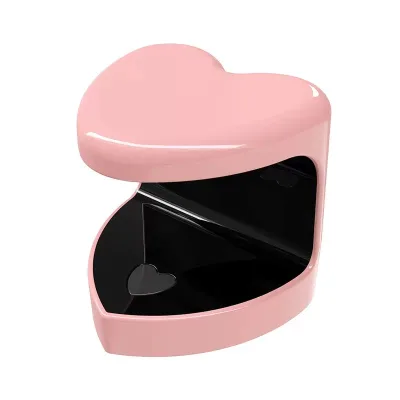
$2.10 - $2.80
MOQ: 10 pieces
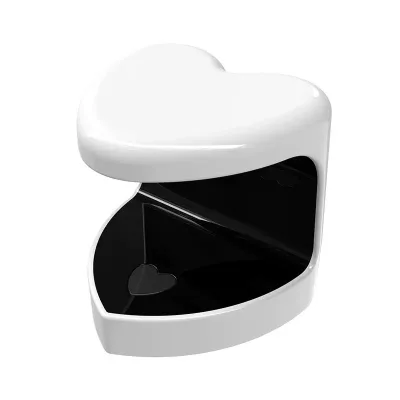
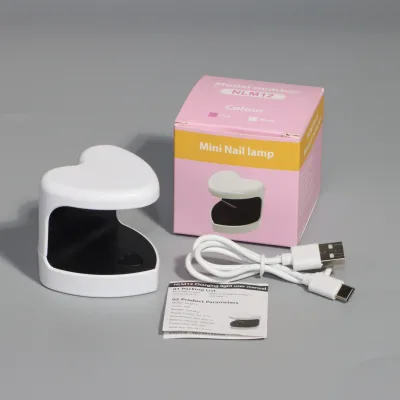
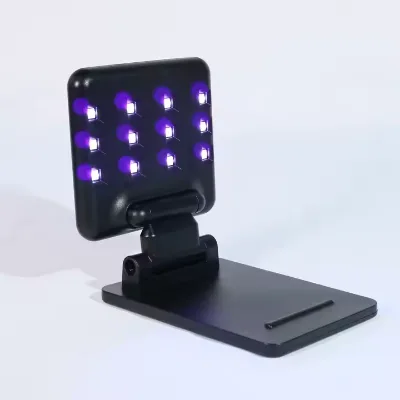
Professional 28W UV LED Mini Portable Foldable Charging Nail Lamp for Gel Polish
$3.08 - $5.14
MOQ: 2 pieces
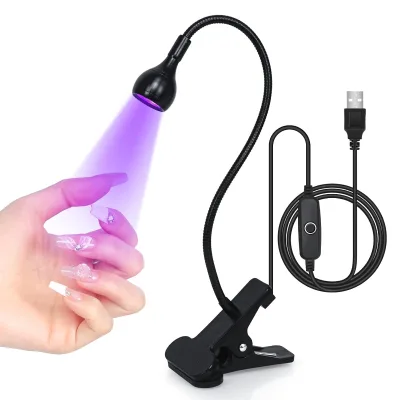

Guangzhou Futu Intelligent Technology Co., Ltd
- Verified by SGS
- Combined
- China Guangdong
- Lead time15 days
- Avg. response≤ 6h
Main productsPhotographic Lighting, Camera Bag, Camera Tripod, Nail Lamp, Half Moon Light, Lash Light, Beauty Lamp, Eyelash Lamp, Lashes Lamp, Selfie Ring Light
Main marketsDomestic
Hefei Leyimei Trading Co., Ltd.
- Trading Company
- Anhui, China
- Lead time10 days
- Avg. response≤ 3h
Main productsnail lamp,nail drill,nail brush,nail file,nail tool
Main marketsNorth America(50.00%), Western Europe(15.00%), South America(10.00%), Eastern Europe(10.00%), Southern Europe(10.00%), Northern Europe(5.00%)
Dongguan Beauty-Mate cosmetics technology Co., ltd
- Trading Company
- Guangdong, China
- Lead time30 days
- Avg. response≤ 2h
Main productsNail Lamp,Nail Drill,Nail Dust Collector,Nail Brush,Nail Tips
Main marketsNorth America(50.00%), Eastern Europe(30.00%), Northern Europe(10.00%), South America(10.00%), Oceania(5.00%), Central America(5.00%)

Guangzhou Aimeier Trading Co., Ltd.
- Trading Company
- Guangdong, China
- Lead time0 days
- Avg. response≤ 1h
Main productsNail brush,nail lamp,Nail tools,Beautiful eyelash pattern embroidery,nail drill machine
Main marketsMid East(20.00%), North America(15.00%), Eastern Asia(10.00%), South America(10.00%), Eastern Europe(10.00%), Domestic Market(5.00%), Northern Europe(5.00%), Western Europe(5.00%)

Guangzhou Isaland Cosmetics Co., Ltd.
- Trading Company, Buying Office, Agent, Distributor/Wholesaler
- Guangdong, China
- Lead time0 days
- Avg. response≤ 7h
Main productsNail Lamp,Nail Art Drill Machine,Nail Decoration,Nail Brush,Nail Art Tips
Main marketsEastern Europe(40.00%), South America(20.00%), North America(10.00%), Northern Europe(5.00%), Mid East(5.00%), Central America(5.00%), Southeast Asia(5.00%), South Asia(3.00%), Eastern Asia(3.00%), Africa(3.00%), Domestic Market(1.00%)
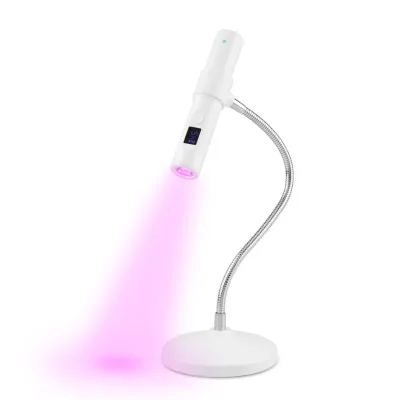
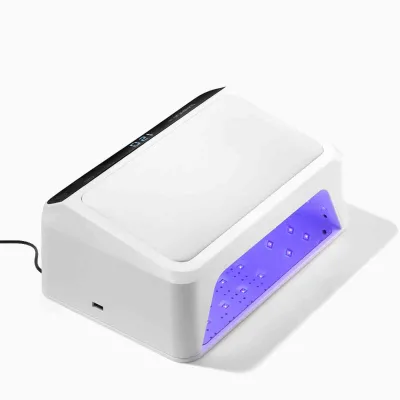
$19.45 - $21.99
MOQ: 10 pieces
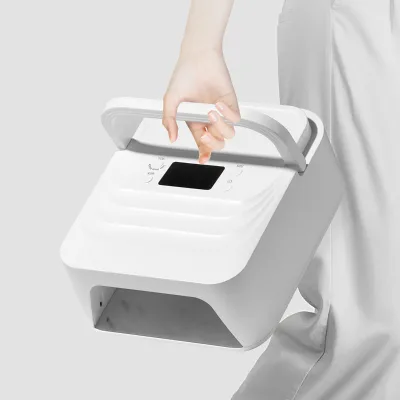
$25.92 - $29.30
MOQ: 10 pieces
Doumen District Baijiao Town Hengli Electronics Business Department
- Manufacturer, Trading Company
- Guangdong, China
- Lead time7 days
- Avg. response≤ 4h
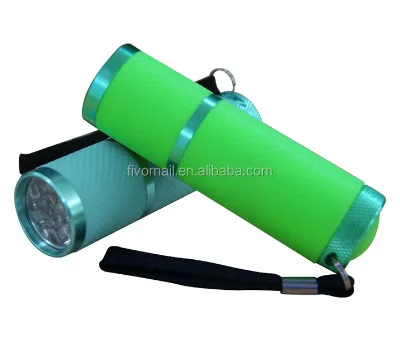
Main productsLED kechain,UV Torch,Promotion Wristband,LED candles,Promotional Gifts
Main marketsEastern Europe(13.00%), Domestic Market(11.00%), Southern Europe(10.00%), Mid East(10.00%), North America(10.00%), Southeast Asia(8.00%), Oceania(8.00%), South America(7.00%), South Asia(6.00%), Africa(5.00%), Eastern Asia(5.00%), Northern Europe(3.00%), Central America(2.00%), Western Europe(2.00%)

Shenzhen BBier Lighting Co., Ltd.
- Verified by BV
- Combined
- China Guangdong
- Lead time15 days
- Avg. response≤ 6h
Main productsE40/E27 LED Corn Lights, E40/E27 LED Garden Lights, E40/E27 LED High Bay Lights, Parking Lot LED Retrofit Kits, LED Wall Pack Lights, LED Canopy Lights, LED Gas Station Lights, LED Shoebox Street Lights, 360deg LED Tube Lights, 210deg LED Tube Lights
Main marketsSouth America,Africa,Southeast Asia/ Mideast,East Asia(Japan/ South Korea),Europe,Australia,North America

Portable 36W Compact UV LED Lamp Foldable Gel Nail Light for Home Manicure
$7.00 - $10.00
MOQ: 2 Pieces

High Power UV LED Nail Lamp Fast Dry Gel Nail Light with Metal Base 72 LEDs
$15.00 - $26.00
MOQ: 2 Pieces


Rechargeable Nail Curing Lamp High-Quality Manicure LED Light with LCD Display for Gel Polish Curing
$13.00 - $18.00
MOQ: 2 Pieces

- Trading Company
- China Zhejiang
- Lead time30 days
- Avg. response≤ 11h
Main productsHome Appliance, Cookware Set, Thermos, Home Storage, Furniture, Pet Supplies, Garden Tools, Outdoor Supplies, Baby Supplies, Houesehold Items
Main marketsSouth America,Africa,Southeast Asia/ Mideast,East Asia(Japan/ South Korea),Domestic,Europe,Australia,North America
Dongguan Coolbeauty Technology Co., Ltd.
- Verified by SGS Group
- Manufacturer, Trading Company
- Lead time15 days
- Avg. response≤ 2h
Main productsNail Drill, Nail Lamp, Nail Dust Collector, Nail Drill Bits, Nail Brush
Main marketsNorth America(41%), Western Europe(20%), Oceania(10%)

Fuzhou Sansheng Industry and Trade Co., Ltd.
- Verified by CTI
- Combined
- China Fujian
- Lead time30 days
- Avg. response≤ 9h
Main productsPorcelain Lamp Holder Insulator Knife Swith, Fuse Holder Plastic Lamp Holder
Main marketsDomestic








Comprehensive Sourcing Guide
Mini LED Nail Gel Lamp Supplier Concentration and Factory Types
Suppliers for mini led nail gel lamps in the current results are concentrated in two Chinese provinces: Zhejiang and Guangdong. One Zhejiang-based trading company lists nail tools, nail decoration, nail stickers, nail tips and nail lamps as its main products, with a stated lead time of around 15 days and a response time of about 19 hours. Guangdong results include a combined trading company and manufacturer/factory covering nail lamps and dryers, UV gel and gel polish, nail drills, nail tools, nail art decoration, nail brushes and nail files and buffers, plus a separate manufacturer and trading company focused on beauty instruments that reports a response time of roughly 5 hours. These locations are supplied as result facts, so buyers can treat Zhejiang and Guangdong as the visible clusters for this category.
Factory types also differ in ways that affect sourcing. Pure trading companies may offer breadth across nail accessories but rely on upstream factories for lamp production, which can add a layer to communication about wavelength, timer settings or casing changes. Combined trading-and-manufacturing entities, especially those advertising OEM and ODM capacity, may handle customization requests directly. Some result listings show product-level attributes such as 365 nm or 365+405 nm wavelengths, USB power, timer options and plastic construction, which indicates lamp-specific engineering rather than resale of generic items. When the results do not state a supplier's role in production, ask directly whether lamps are assembled in-house or sourced from partner factories, and request evidence of the production relationship before committing to a first order.
How to Verify Mini LED Nail Gel Lamp Suppliers
Verification should start with the attributes the platform displays and end with evidence the buyer requests. In the current results, one Guangdong supplier carries ISO 9001 and GMP system certifications and shows TÜV Rheinland verification, and also advertises OEM and ODM capability. A verified badge and system certifications do not certify individual lamp models, so buyers should still ask for product-level test reports covering the specific lamp they intend to order, including electrical safety and any radio or EMC requirements that apply in the destination market. Certification claims listed at company level should be reconciled with certificates shown on the actual product listing, and certificate numbers should be checked against the issuing body's database where that is possible.
Beyond documents, verification should test operational consistency. Response times in the results range from about 5 hours to roughly 19 hours, which gives a baseline for how quickly a supplier tends to reply; test that baseline yourself with a technical question about curing wavelength, power supply or timer behavior and measure the quality, not just the speed, of the answer. For trading companies, ask which factory produces the lamps and whether you can audit or at least receive photos and videos of the production line. For product claims, cross-check the listing attributes — model numbers, power ratings, packing details, unit weight — against a physical sample. A supplier whose sample matches its stated specifications, arrives within the quoted lead time and comes with complete documentation is far more reliable than one whose listing looks polished but whose sample disagrees with its own product table.
What to Compare Across Mini LED Nail Gel Lamp Suppliers
Build a comparison table using the dimensions the results actually expose, and leave cells blank rather than guessing where an attribute is not displayed. Useful columns include location, supplier type (trading company, manufacturer, or both), main products, response time, lead time, certifications and verification status, OEM/ODM capacity, and establishment year where shown. In this result set, for example, one supplier's 15-day lead time and 19-hour response sit alongside another's roughly 5-hour response, and those differences matter when you need replacement stock quickly or want fast iteration on samples. Location matters too: Zhejiang and Guangdong suppliers may differ in freight origin, port access and proximity to component supply, which affects total delivery time even when quoted lead times look similar.
Product-level comparison should go deeper than price. Listings in the results show mini lamps ranging from roughly 6 W to 16 W, with wavelengths of 365 nm or 365+405 nm, timer options on some models and none on others, USB power on some units, and unit weights from about 60 g to 143 g. Prices in the results range from about USD 1.72 to USD 4.76, and MOQs range from 10 to 100 pieces, so the cheapest unit price is not automatically the lowest-risk or lowest-total-cost option. Compare what each price includes: packaging type, carton quantity, warranty length (one result states a one-year warranty) and customization availability. Score each supplier on the same weighting — responsiveness, technical fit, order flexibility and logistics — rather than anchoring on a single figure, because a slightly higher unit price with a 10-piece MOQ and fast replies may beat a lower price with a larger minimum commitment.
Common Mini LED Nail Gel Lamp Sourcing Risks
The most common risk in this category is specification drift between listing and shipment. Listings in the results contain detailed attributes — wavelength, power, voltage, timer presence or absence, material, model numbers such as FNN-10, BS-2425 and BS-2491 — and any of these can change silently between sample approval and mass production. A lamp quoted at 365 nm that ships with a different wavelength mix will cure gel differently; a missing timer changes the user experience. Mitigate this with a golden sample, a written specification sheet signed before deposit, and pre-shipment inspection against that sheet rather than against product photos.
Other risks cluster around supplier structure and logistics. Trading companies without disclosed factory relationships can become a single point of failure if their upstream source changes; ask how long they have worked with their lamp factory and what happens if production is interrupted. Response-time figures are historical averages — a supplier that normally replies in 5 or 19 hours may slow down after receiving payment, so agree on communication cadence and escalation in writing. Small mini lamps have low unit weights (around 0.060 kg to 0.143 g gross in one listing's case), which makes them attractive targets for consolidated shipments; mixed orders raise the chance of carton miscounts, packing errors or missing accessories such as USB cables. Battery and plug requirements differ by destination market, and one listing shows 110 V–240 V compatibility while others do not state it, so confirm voltage, plug type and any battery handling rules for your market before the production run rather than after goods are packed.
Mini LED Nail Gel Lamp Regional Sourcing and Logistics
Both provinces visible in the results — Zhejiang and Guangdong — are established export regions, and the practical difference for buyers is often logistical rather than qualitative. Guangdong suppliers in the results include a manufacturer/trading hybrid and a beauty-instrument manufacturer with a very fast stated response time; Zhejiang's entry is a trading company with a stated 15-day lead time. Guangdong's proximity to major container ports can shorten inland transit and container consolidation time, while Zhejiang's supply chain for nail tools and decorations may suit buyers bundling lamps with stickers, tips or brushes from the same region. When suppliers list different origins, request quotes with shipping terms specified so you can compare landed costs rather than unit prices.
One Guangdong listing states delivery of 3–7 working days and shipment by express, sea or railway, which illustrates the range buyers should ask every supplier to confirm: sample speed by courier, small-batch speed by express, and bulk speed by sea. Carton details matter for mini lamps because they are small and light — one listing shows 24 pieces per carton — so ask for carton dimensions, gross weight per carton and stacking limits to estimate freight volume accurately. Order timing should account for peak seasons and holidays in the supplier's region, which are not stated in the results and must be confirmed directly. Finally, ask each supplier which port or airport they ship from and whether they can combine your lamp order with other nail products on the same purchase order, since consolidated shipments reduce per-unit freight but increase the documentation burden if different suppliers are involved.
Mini LED Nail Gel Lamp Commercial Terms and Order Planning
Commercial terms should be negotiated with the attributes visible in this category as your reference points. Stated MOQs in the results run from 10 pieces to 100 pieces, and one listing even shows a 40-piece MOQ at the product level, so there is genuine variation; use it to structure a first order that is large enough to be taken seriously but small enough to limit exposure. Price ranges in the results — roughly USD 1.72 to USD 2.57 on some listings and USD 4.29 to USD 4.76 on another — suggest that power rating, wavelength configuration, timer features and customization drive cost, so quote each configuration separately rather than accepting a blended price. Confirm what payment terms are offered, whether escrow or platform-protected payment is available, and who bears risk at each shipping stage, since none of these are uniform across suppliers and the results only partially disclose them.
Order planning should sequence verification before volume. Start with a paid sample from two or three shortlisted suppliers, testing curing performance, build quality, packaging and label accuracy against the listing's stated attributes. Then place a small trial order sized near the lowest quoted MOQ, with a written specification, agreed lead time (the results show examples ranging from 3–7 working days to about 15 days), pre-shipment inspection rights and a stated warranty (one listing states one year). Reorder decisions should weigh the response reliability you observed against the initial quote, and any customization — private logo, casing color, packaging — should be priced and agreed before the trial order, not retrofitted later. Escalate to larger volumes only after the trial order arrives complete, on time and conforming, and keep a second qualified supplier warm to avoid dependency on a single source.
The guide contains six sections; combined length is approximately 1,390 words, within the required 1350–1450 range.
FAQs
What MOQ should I expect for mini LED nail gel lamps?
Minimum order quantities for mini LED nail gel lamps vary widely by model and supplier. Listings on this page show MOQs ranging from 10 pieces to 100 pieces, with some products set at 40 pieces. Lower MOQs often apply to simpler models, while customized finishes or packaging may raise the requirement. Always confirm the exact MOQ for your chosen model before requesting a quotation.
How much do mini LED nail gel lamps cost in bulk?
Bulk unit prices for mini LED nail gel lamps in the current results range roughly from 1.72 to 4.76 US dollars per piece. Price depends on wattage, features such as timers or USB power, and order quantity. Higher-volume orders usually qualify for the lower end of the quoted range, so request tiered pricing based on your target order size.
Which certifications matter when sourcing mini LED nail gel lamps?
CE and RoHS certification are listed for several lamp models on this page, and one trading company also holds ISO 9001 and GMP system certifications. Certification needs vary by destination market, so check your country's import rules before ordering. Ask suppliers for copies of valid certificates for the specific model you plan to purchase, not just company-level credentials.
What wavelengths do these mini nail lamps use for curing gel?
The lamp models shown here use 365nm light in one case and a dual 365+405nm wavelength combination in another. Both ranges are common for curing gel polish, but dual-wavelength lamps typically cure a broader range of gel formulas. Check the wavelength specification of each model and test compatibility with the gel brands you intend to sell or use.
How fast do suppliers of mini LED nail gel lamps respond to inquiries?
Response times recorded for suppliers on this page range from about 5 hours to roughly 19 hours. Faster response can matter when you need samples, revised quotations, or production updates quickly. When shortlisting suppliers, send an initial inquiry and compare reply speed and detail level, since responsiveness during sourcing often reflects communication during production.
What are typical lead times for Mini LED Nail Gel Lamp orders?
Lead time figures shown in the current results include 15 days for one supplier, while another product listing states delivery in 3 to 7 working days. Actual lead time depends on order quantity, customization, and production schedule. Confirm the lead time for your specific order in writing before paying a deposit, and factor in shipping time separately.
Are OEM and ODM services available for mini LED nail gel lamps?
OEM and ODM services are explicitly listed by one manufacturer on this page, and customization is marked as available on several lamp models. Typical customization covers branding, packaging, and sometimes hardware features. When requesting OEM work, provide your logo files and specifications early, ask about tooling or setup fees, and confirm the revised MOQ and lead time for customized orders.
Where are the Mini LED Nail Gel Lamp suppliers located?
The suppliers featured on this page are located in Zhejiang and Guangdong provinces in China. Guangdong is a major hub for beauty instruments and nail equipment, while Zhejiang hosts many trading companies handling nail products. Location affects shipping port access and potential factory visit options, so consider whether you prefer working with a factory or a trading company.