RV Awning Gas Spring Suppliers and Manufacturers in China
Compare 23 verified suppliers of RV Awning Gas Spring based on location, lead time, and certifications. Review product specifications like cycle life and material to source the right components for your needs; review the available evidence before requesting comparable quotations from suitable candidates.
Suppliers List

Xiamen Shuangyuan Springs Co., Ltd
- Verified by TUVRHEINLAND
- Trading Company,Manufacturer/Factory
- China Fujian
- Lead time23 days
- Avg. response≤ 2h
Main productsCompression Gas Spring, Gas Spring and Damper for Medical Industry, Locking Gas Spring for Wheelchair, Stainless Steel SUS316 Gas Spring, Lockable Gas Spring for Medical Bed, Linear Damper for Dust Bin, Gas Spring for Furniture, Automobile Gas Spring, Tension Gas Spring, Spring
Main marketsSouth America,Eastern Europe,Mid East,North America,Southeast Asia,Eastern Asia,Oceania,Western Europe,Africa

Hebei Chaopu Machinery Manufacturing Co., Ltd
- Verified by SGS
- Combined
- China Hebei
- Lead time15 days
- Avg. response≤ 3h
Main marketsAfrica,Southeast Asia/ Mideast,Europe


Factory Price High Quality Gas Spring for Camper Roof Tent Truck Tailgate
$1.30 - $1.50
MOQ: 50 Pieces

Remote Control Locking Camper Trailers Wide Applications Automation Gas Spring
$1.30 - $1.50
MOQ: 99 Pieces


Jiangyin Zhongyou Gas Spring Co., Ltd
- Verified by CTI
- Combined
- China Jiangsu
- Lead time30 days
- Avg. response≤ 4h
Main productsGas Spring, Gas Sturt, Adjustable Spring, Gas Lift, Stainless Steel Spring, Tension Gas Spring, Furniture Accessory, Air Spring, Damper, Gas Cylinder
Main marketsEast Asia(Japan/ South Korea),Domestic,North America
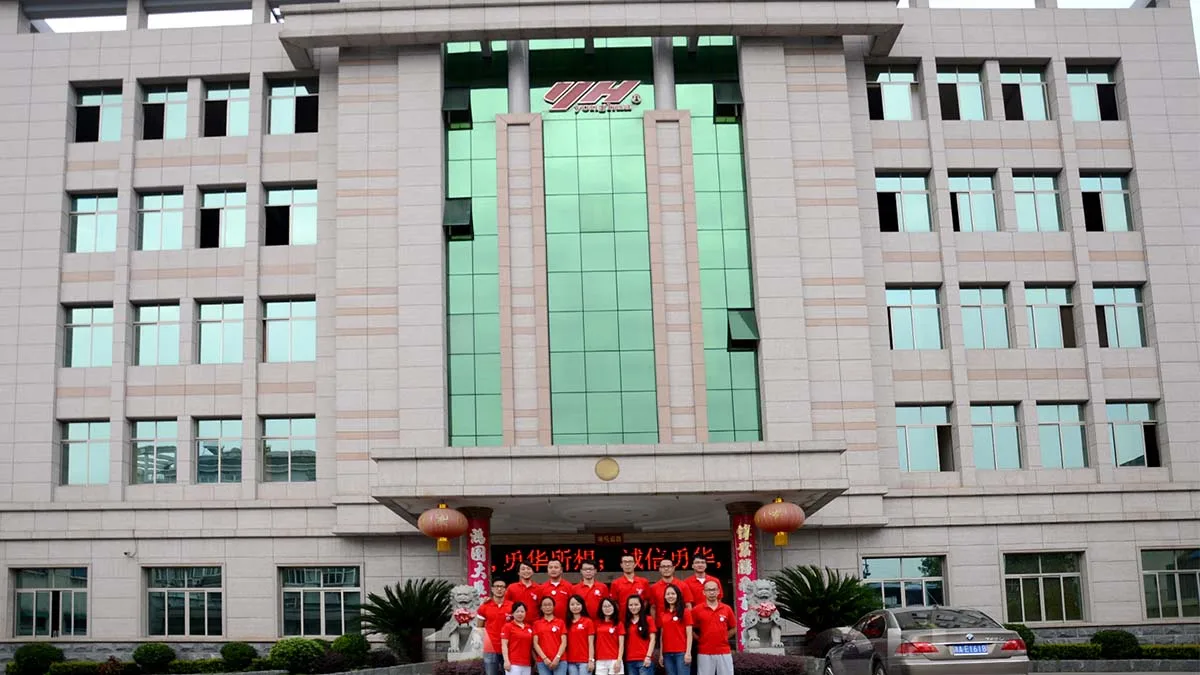
Hangzhou Yonghua Sports Equipment Co., Ltd.
- Trading Company
- Zhejiang, China
- Lead time40 days
- Avg. response≤ 7h
Main productscar cover,electrical plug,boating cover
Main marketsNorth America(90.00%)
Hangzhou Jifeng Outdoor Products Co., Ltd.
- Verified by SGS Group
- Manufacturer, Trading Company
- Lead time30 days
- Avg. response≤ 4h
Main productsRoof Top Tent, Camping Trailer, Camping Cookware And Tableware, Car-Mounted Products, Outdoor Supplies
Main marketsOceania(60%), North America(20%), Southeast Asia(10%)
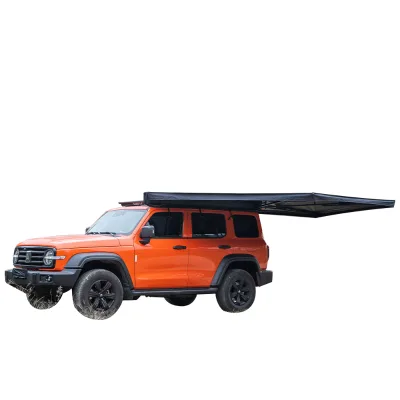
RV Awning Tent Retractable Awning Canopy Awning caravan
$240.00 - $280.00
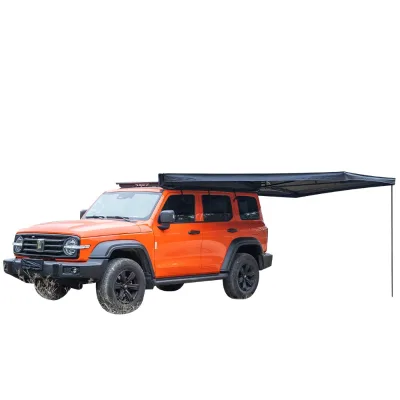
car side awning tent rv awning camper side awning
$240.00 - $280.00

Cangzhou Bohai New District Pulu Technology Co., Ltd.
- Verified by CTI
- Trading Company
- China Hebei
- Lead time60 days
- Avg. response≤ 12h
Main productsRV Trailer, Trailer, Caravan, Motorhome, Camper Trailer, Trailer Accessories, off Road Trailer, Camper Van, Pickup Truck Camper
Main marketsAfrica
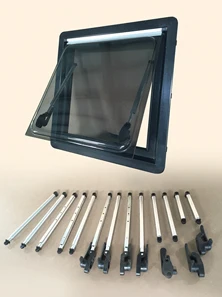
Changzhou Xuhe Equipment Technology Co., Ltd.
- Manufacturer, Trading Company
- Jiangsu, China
- Lead time30 days
- Avg. response≤ 16h
Main productsRV Door,RV Window,Mechanical Parts,Magnetic Card Sensor Lock,Remote APP Control RV Door Lock
Main marketsAfrica(100.00%), Central America(100.00%), Southeast Asia(100.00%), Domestic Market(50.00%), South America(20.00%), North America(10.00%), Mid East(5.00%), Oceania(5.00%), Eastern Asia(2.00%), Northern Europe(2.00%), South Asia(2.00%), Southern Europe(2.00%), Western Europe(1.00%), Eastern Europe(1.00%)
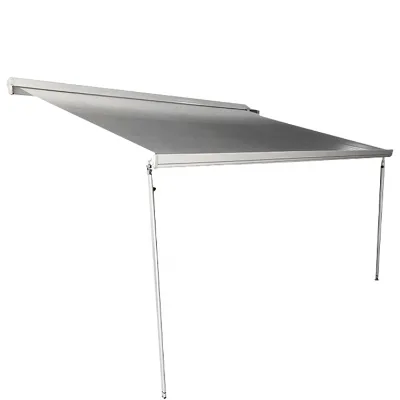
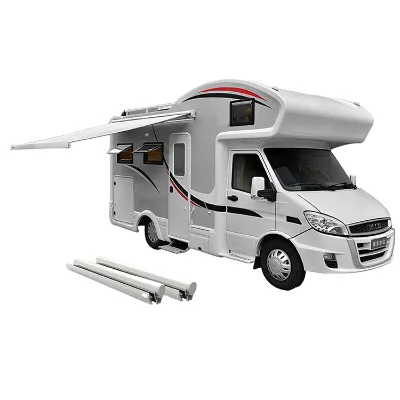
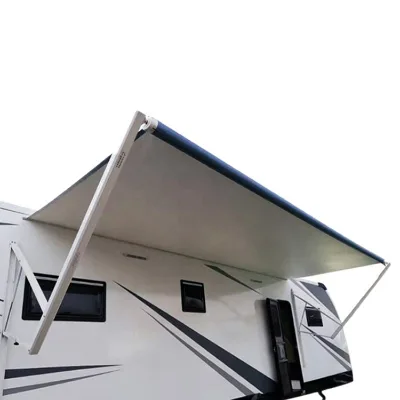
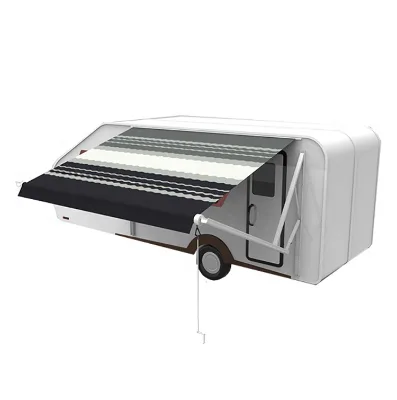
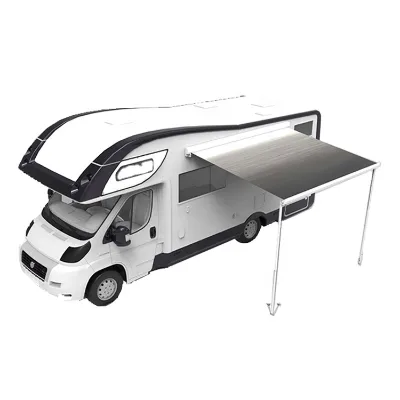
Factory Directly Sell caravan Motorhome Camper Rv Awnings
$250.00 - $300.00

CHANGZHOU LOUIE LINEAR ACTUATOR CO., LTD.
- Verified by CTI
- Combined
- China Jiangsu
- Lead time15 days
- Avg. response≤ 6h
Main productsLinear Actuator, 24V Linear Actuator, Electric Actuator, Actuator, 12V Actuator, Gas Spring, Lockable Gas Spring, Damper Gas Spring, Lift Gas Spring, Traction Gas Spring
Main marketsSouth America,Africa,Southeast Asia/ Mideast,East Asia(Japan/ South Korea),Domestic,Europe,Australia,North America
Shanghai Wareda Sunshade Equipment Co., Ltd.
- Manufacturer, Trading Company
- Lead time旺季: "1 - 10":30,"> 10":"To be negotiated", 淡季: "1 - 10":30,"> 10":"To be negotiated"
- Avg. response≤ 3h
Main productsRV Awnings/Caravan Accessories/Car Accessories, Residential Awnings, Car Awnings
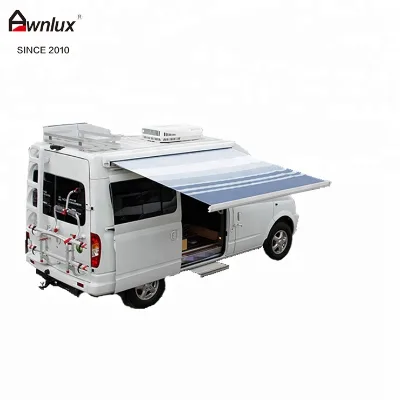
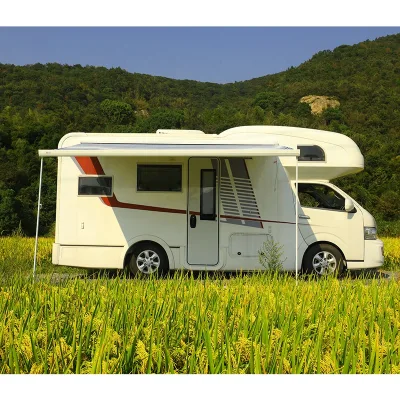
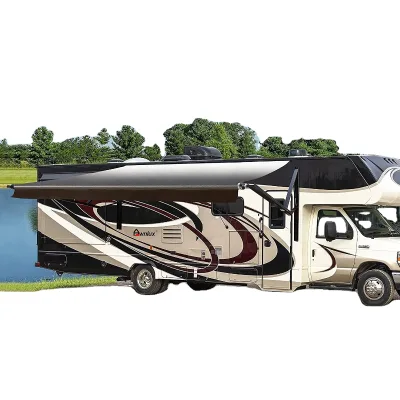
Black 16FT Intelligent Electric RV Awning Camper Van Awning Caravan RV Power Anwning with LED
$260.00 - $450.00
MOQ: 1 sets
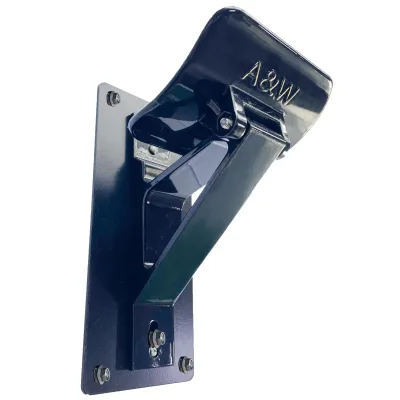
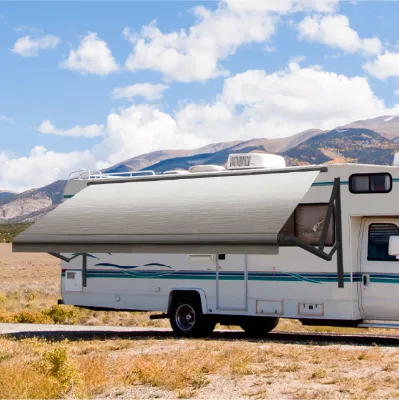
European caravan Replacement Rv Awning Tent for caravan Electric Awning Accessories
$192.37 - $325.70
MOQ: 1 Minimum
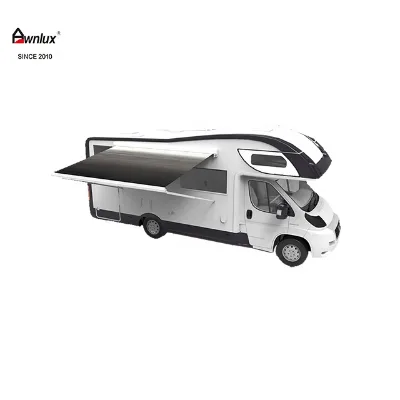
Good Quality Full Cassette Outdoor Van Camper Rv Motorhome Box Awning caravan
$306.36 - $341.84
MOQ: 1 pieces

Nanjing Aplus Machinery Equipment Co., Ltd
- Verified by BV
- Trading Company
- China Jiangsu
- Lead time30 days
- Avg. response≤ 9h
Main productsVertical Platform Lifts, Inclined Wheelchair Lifts, Hoistway Vertical Platform Lifts, Curved Stair Lifts
Main marketsNorth America

HAINING UNEED INDUSTRIAL MATERIAL CO., LTD.
- Verified by CTI
- Trading Company
- China Zhejiang
- Lead time30 days
- Avg. response≤ 4h
Main productsPVC Tarpaulin, Projection Screen Fabric, Window Curtain Fabric, PVC Strip Fence, Truck Cover, Pool Cvoer, PVC Bag, Tent, Mesh, Flex Banner
Main marketsSouth America,Southeast Asia/ Mideast,Europe,North America
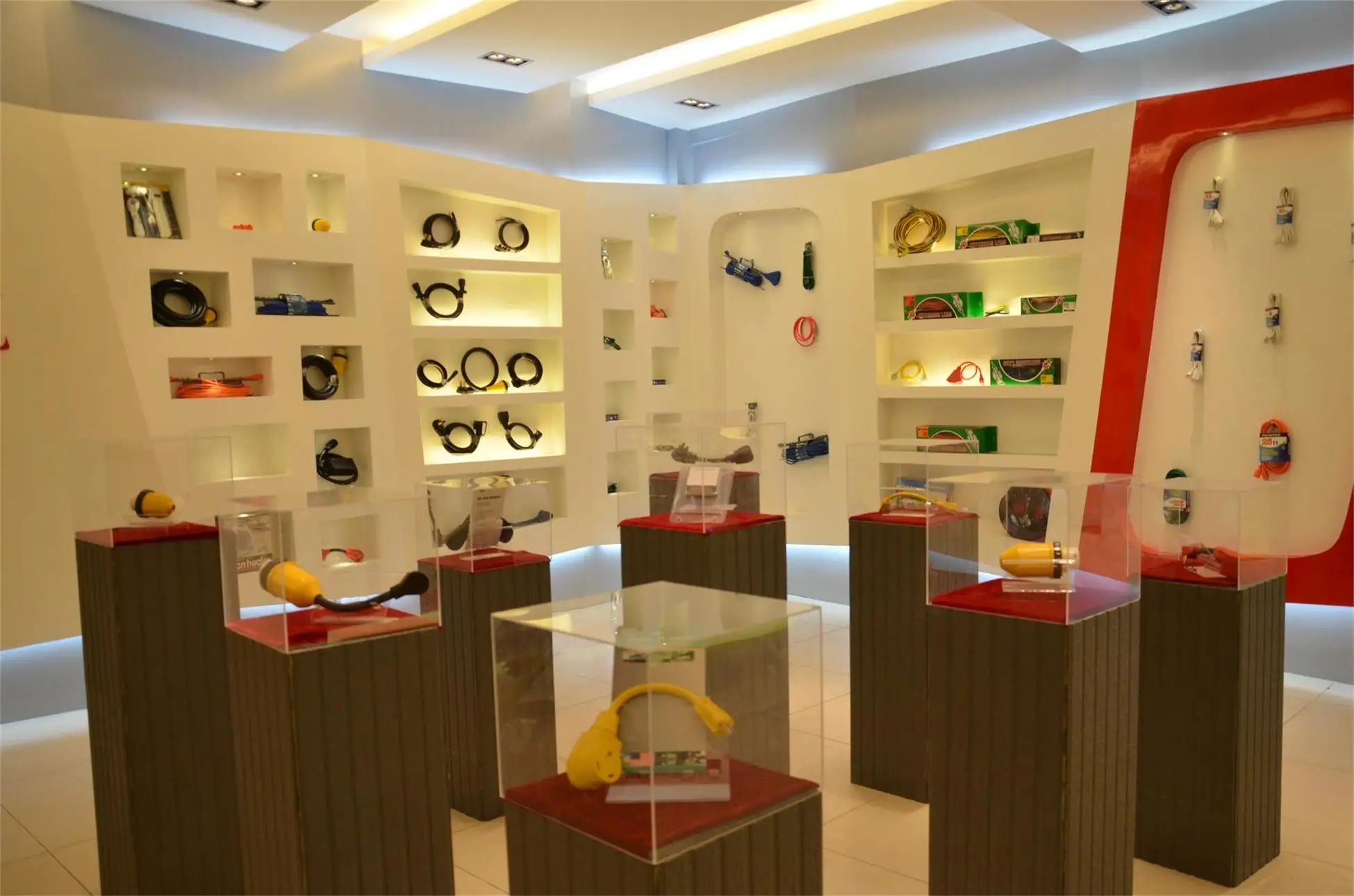
Zhejiang Futian Rv Technology Co., Ltd.
- Trading Company
- Zhejiang, China
- Lead time0 days
- Avg. response≤ 7h
Main productsRV CORD,RV SUN SHADE,RV CAMPING,BOOSTER CABLE,RV ADAPTER
Main marketsNorth America(70.00%), South America(20.00%), Eastern Europe(5.00%), Western Europe(3.00%), Southern Europe(1.00%), Northern Europe(1.00%)
Ningbo Gastac Gas Spring Co.,Ltd
- Manufacturer, Trading Company
- Zhejiang, China
- Lead time0 days
- Avg. response≤ 2h
Main productsLocking Gas Spring, Stainless Steel Gas Spring, Gas Spring, Shock Absorber, Linear Actuator
Main marketsNorth America(20.00%), Domestic Market(20.00%), Western Europe(15.00%), Southeast Asia(15.00%), South America(10.00%), South Asia(5.00%), Oceania(5.00%), Africa(5.00%), Eastern Europe(5.00%)

Maanshan Vantrans Machery Co., Ltd.
- Verified by BV
- Combined
- China Anhui
- Lead time30 days
- Avg. response≤ 4h
Main productsGas Spring
Main marketsSouth America,East Asia(Japan/ South Korea),North America

Durable Locking Hydraulic Gas Spring for RV Entry Door Reliable Performance
$0.79 - $2.98
MOQ: 50 Pieces


High-Pressure Damper Gas Spring for Furniture Gas Strut Heavy-Duty for Camper Door
$0.79 - $2.98
MOQ: 50 Pieces

Hydraulic High Speed 100ib Gas Spring for Equipment Camper Door Gas Strut
$0.79 - $2.98
MOQ: 50 Pieces


Camper Door Hydraulic Gas Strut Weather Resistant Design for All Weather Use
$0.79 - $2.98
MOQ: 50 Pieces

Zhong Xing Da (Hangzhou) Import & Export Co., Ltd.
- Verified by SGS
- Manufacturer/Factory
- China Zhejiang
- Lead time45 days
- Avg. response≤ 5h
Main productsCooking, Cookware, Waterfun, Fishing, Camping, RV
Main marketsSouth America,Eastern Europe,North America,Western Europe

Changzhou HAX Mechanical Electronic Co., Ltd.
- Verified by SGS
- Manufacturer/Factory
- China Jiangsu
- Lead time23 days
- Avg. response≤ 11h
Main productsDC Linear Actuator, Servo Linear Actuator, Motors, High Speed Electric Cylinder, AC Linear Actuator, Controllers, Lift Gas Spring, Lockable Gas Spring, Gas Strut, Gas Lift
Main marketsSouth America,Eastern Europe,Mid East,North America,Southeast Asia,Eastern Asia,Oceania,Western Europe,Africa


Contact supplier

High Quality Adjustable Locking Gas Spring Camping
Contact supplier
- Manufacturer, Trading Company
- Anhui, China
- Lead time15 days
- Avg. response≤ 3h
Main productsRV Accessories,Yacht Accessories,Camping Equipment,Outdoor Speakers,RV Electrical Systems
Main marketsSouth America(40.00%), North America(30.00%), Eastern Europe(20.00%), Southeast Asia(10.00%)
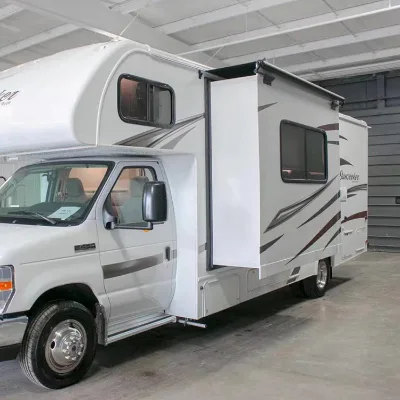
$328.63 - $416.95
MOQ: 1 sets
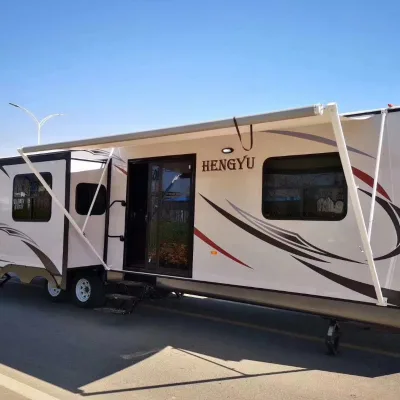
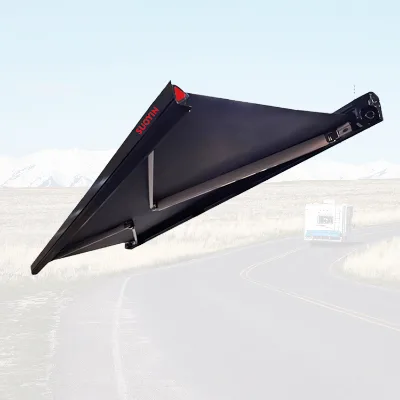
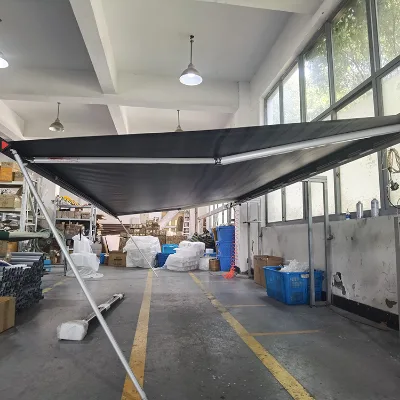
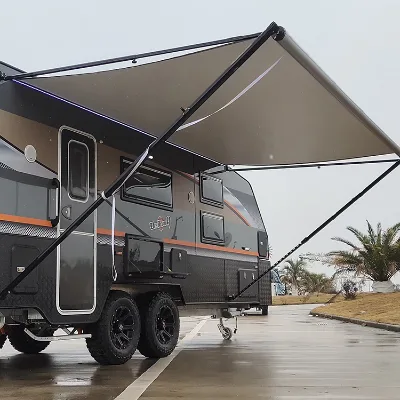
High Quality American Style RV Awning Manual 3.5*2.5m Motorhome Awning White and Gray Camper Awning
$292.00 - $316.00
MOQ: 10 sets

Pan an Wild Mountain Wolf Outdoor Co., Ltd.
- Combined
- China Zhejiang
- Lead time30 days
- Avg. response≤ 2h
Main productsMat, Self-Inflating Mat, Self-Inflating Mattress, Self-Inflating Sleeping Pad, Inflatable Air Mat, Sleeping Pad, Ultralight Sleeping Pad, Sleeping Mat, Inflatable Air Mattress, Self-Inflatable Mattress
Main marketsSouth America,Southeast Asia/ Mideast,East Asia(Japan/ South Korea),Domestic,Europe,Australia,North America

- Verified by BV
- Trading Company,Manufacturer/Factory,Group Corporation
- China Shandong
- Lead time0 days
- Avg. response≤ 2h
Main productsAwning, Pergola, Sunshade, Outdoor Product, Mop, Gazebos, Canopy, Fences, Retractable Awning
Main marketsSouth America,Eastern Europe,Mid East,North America,Southeast Asia,Eastern Asia,Oceania,Western Europe,Africa


High Quality Retractable RV Awning for Camping Car Trailer Camper Canopy Awning Factory Supply
$337.00 - $360.00
MOQ: 100 Pieces

Heavy Duty RV Awning Weather-Resistant Retractable Camper Awning with Aluminum Frame Bulk Sale
$337.00 - $360.00
MOQ: 100 Pieces


RV Patio Awning Retractable Outdoor Shade Canopy for Camper Trailer Camping Accessories
$337.00 - $360.00
MOQ: 100 Pieces


Anhui Maygood RV Accessories Co., Ltd.
- Combined
- China Anhui
- Lead time23 days
- Avg. response≤ 2h
Main productsRV Window, RV Door, RV Skylight, RV Luggage Door, RV Water Tank, RV Step, RV Roof Hatch, RV Picnic Table, RV Air Vent
Main marketsSouth America,Africa,Southeast Asia/ Mideast,East Asia(Japan/ South Korea),Domestic,Europe,Australia,North America


Manual Integrated RV Awning with Remote Control Retractable Sunshade Canopy for Camper
$243.00 - $293.00
MOQ: 2 Pieces


Qingdao HaiHui Vehicle Parts Co., Ltd.
- Verified by BV
- Trading Company,Manufacturer/Factory
- China Shandong
- Lead time23 days
- Avg. response≤ 3h
Main productsTrailer Axles, Torsion Axles, Trailer Fenders, Trailer Mudugards, Trailer Parts, Trailer Accessories
Main marketsEastern Europe,Mid East,North America,Oceania,Western Europe

Free Design Duty 1-3/4" Leaf Spring for RV Trailer & Caravan & Boat Trailers
$80.00 - $130.00
MOQ: 50 Pieces

Leaf Trailer Spring 6 Leaves 3500 Lb Capacity Leaf Spring for RV Trailer Axle Use
$80.00 - $130.00
MOQ: 50 Pieces


Shandong Xiaocheng Auto Parts Co., Ltd
- Verified by TUVRHEINLAND
- Combined
- China Shandong
- Lead time30 days
- Avg. response≤ 3h
Main productsLeaf Spring, Leaf Springs, Spring Leaf, Shock Absorber, Auto Parts, Suspension, Suspension System, Spring Assy, Band Spring, Plate Spring
Main marketsSouth America,Africa,Southeast Asia/ Mideast,Domestic,Australia,North America

High Strength Trailer Leaf Springs Replacement for Camper RV Suspension System
$12.00 - $65.00
MOQ: 50 Pieces

Replacement Rear Leaf Spring for Camper RV Motorhome Suspension Upgrade
$12.00 - $65.00
MOQ: 50 Pieces
Anhui Qiyue Auto Parts Co., Ltd.
- Trading Company
- Anhui, China
- Lead time0 days
- Avg. response≤ 2h
Main productsRV window,RV doors,RV skylights,RV accessories,trailer parts
Main marketsNorth America(30.00%), Northern Europe(20.00%), South America(20.00%), Africa(10.00%), Eastern Europe(10.00%), Southeast Asia(5.00%), Mid East(5.00%)






Comprehensive Sourcing Guide
RV Awning Gas Spring Supplier Concentration and Factory Types
Current supplier data indicates manufacturing and trading entities are concentrated in specific Chinese provinces, with Fujian and Hebei appearing as primary locations for gas spring production. These regions host a mix of trading companies and manufacturers capable of producing compression gas springs, locking gas springs for wheelchairs, and specialized units for medical beds and furniture. The presence of these diverse facility types suggests a supply chain where some entities focus on direct manufacturing while others manage distribution and customization services. Buyers should verify if a supplier is a factory or a trading company to understand the depth of their technical control over the product.
When evaluating the concentration of these suppliers, it is essential to note that not all entities in these regions offer the same range of capabilities. Some suppliers list OEM and ODM capacities alongside their own brands, indicating a readiness to customize products for specific applications like RV doors or roof tents. Others may focus on standard inventory items with limited customization options. The distinction between a trading company and a manufacturer is critical for buyers seeking specific technical modifications or deep integration into their supply chain. Understanding this mix helps in identifying which suppliers can provide the necessary engineering support for complex gas spring requirements.
How to Verify RV Awning Gas Spring Suppliers
Verification of supplier credentials is a critical step before engaging in any transaction, particularly when dealing with industrial components like gas springs. Several suppliers in the current results have undergone third-party verification processes, with entities like TUVRHEINLAND and SGS appearing as verification bodies. These certifications provide a baseline level of trust regarding the supplier's operational stability and adherence to safety standards. Buyers should prioritize suppliers who display these verification badges, as they indicate that an independent party has assessed the company's business practices and facility conditions.
Beyond basic verification, buyers must examine the specific system certifications held by the supplier to ensure compliance with international standards. The available data shows that some suppliers hold OHSAS/OHSMS 18001, ISO 9001, and ISO 14001 certifications, which cover occupational health, quality management, and environmental management respectively. These certifications are particularly relevant for suppliers claiming to produce high-pressure or long-life gas springs for automotive and recreational vehicle applications. Buyers should request copies of these certificates to confirm their validity and ensure they cover the specific product lines being sourced. This due diligence helps mitigate the risk of partnering with entities that lack the necessary quality control infrastructure.
What to Compare Across RV Awning Gas Spring Suppliers
When comparing potential suppliers, response time and lead time are two of the most immediate operational metrics to evaluate. The data indicates response times ranging from approximately 1.92 to 2.53 hours, which reflects the supplier's availability for communication and inquiry handling. Lead times vary significantly, with some suppliers offering a 15-day turnaround while others require 23 days. These differences can impact project timelines and inventory planning, making it essential for buyers to align their expectations with the supplier's stated capabilities. A faster response time does not always guarantee a shorter lead time, so both metrics must be assessed independently.
Minimum Order Quantity (MOQ) and pricing structures also require careful comparison to ensure alignment with the buyer's volume requirements. Current listings show MOQs as low as 50 units for certain models, while others require a minimum of 200 units. Price ranges vary from as low as $1.30 to $10.00 per unit, depending on the specific model, material, and customization level. Buyers should calculate the total cost of ownership, including shipping and potential tooling fees, rather than focusing solely on the unit price. Additionally, the availability of free samples and the flexibility of customization options should be weighed against the MOQ requirements to determine the most cost-effective sourcing strategy for the specific application.
Common RV Awning Gas Spring Sourcing Risks
One significant risk in sourcing gas springs involves the discrepancy between advertised specifications and actual product performance, particularly regarding cycle life and pressure ratings. Some product listings claim cycle lives of up to 300,000 times, while others specify minimums of 50,000 cycles. Buyers must verify these claims through independent testing or by requesting detailed test reports, as inflated numbers can lead to premature failure in critical applications like RV awnings or roof tents. The material composition, such as carbon steel versus stainless steel, also plays a crucial role in durability and corrosion resistance, especially in outdoor environments.
Another risk relates to the consistency of quality assurance and warranty terms across different suppliers. While some suppliers offer a five-year quality assurance period, others may provide limited or no warranty coverage. The variation in warranty terms suggests a difference in confidence levels regarding product longevity and manufacturing consistency. Buyers should carefully review the terms of service and warranty policies to understand what is covered in the event of a defect. Furthermore, the lack of standardized testing protocols across the industry means that buyers cannot assume all products meet the same performance benchmarks without explicit verification. This uncertainty necessitates a rigorous vetting process to ensure the selected supplier can deliver reliable products.
RV Awning Gas Spring Regional Sourcing and Logistics
Geographic location plays a pivotal role in determining shipping costs and delivery timelines for gas spring orders. The current supplier base is primarily located in China, with specific clusters in Fujian and Hebei provinces. These regions offer logistical advantages due to established port infrastructure and experienced freight forwarders, but buyers must account for the distance and potential transit delays. Sourcing from Hebei, for instance, might involve different shipping routes compared to Fujian, affecting the overall lead time and cost structure. Buyers should request detailed shipping quotes that include inland transportation from the factory to the port of departure.
Logistics planning also requires attention to packaging standards, which can vary significantly between suppliers. Some suppliers utilize neutral packaging or custom carton and pallet configurations, while others may use specific nylon bags for individual units. The choice of packaging impacts the efficiency of loading and unloading, as well as the protection of the gas springs during transit. Buyers should specify their packaging requirements early in the negotiation process to avoid additional costs or damage during shipping. Additionally, understanding the origin of the product, whether it is Xiamen or another specific city within China, can help in tracking the shipment and managing customs clearance procedures more effectively.
RV Awning Gas Spring Commercial Terms and Order Planning
Commercial terms such as payment methods and escrow services are fundamental to securing a safe transaction when sourcing industrial components. While the current data does not explicitly detail escrow availability for every supplier, buyers should inquire about the use of secure payment platforms that protect both parties until the goods are delivered and verified. The presence of verification badges like TUVRHEINLAND and SGS often correlates with suppliers who are more likely to offer robust commercial protections. Buyers should ensure that the payment terms align with their cash flow requirements and that the supplier is willing to accept secure payment methods that minimize financial risk.
Order planning must also consider the customization capabilities and production capacity of the selected supplier. Many suppliers offer OEM and ODM services, allowing for tailored solutions such as specific lengths, pressures, or mounting configurations. However, these customizations often come with higher MOQs and longer lead times compared to standard inventory items. Buyers should plan their orders well in advance to accommodate these production schedules and avoid delays in their own supply chain. Additionally, the availability of free samples can be a valuable tool for validating the product before committing to a large order, ensuring that the final product meets the specific performance requirements of the RV awning application.
FAQs
What certifications do these gas springs hold?
Many suppliers provide ISO 9001 and ISO 14001 certifications for their manufacturing systems. Some products also carry RoHS compliance and ISO installation standards. Verify specific product certificates like ISO9001 and RoHS directly on the listing page before placing orders.
How long does delivery typically take for orders?
Lead times vary between 15 to 23 days depending on the supplier location and order volume. Suppliers in Hebei often offer faster turnaround around 15 days, while Fujian-based manufacturers may require up to 23 days. Confirm exact dates with your chosen vendor.
What is the minimum order quantity for gas springs?
Minimum order quantities generally range from 50 to 200 units per model. Some suppliers accept orders as low as 50 pieces for specific truck or RV applications. Others require a minimum of 200 units for standard furniture or automotive gas springs. Check individual product listings.
Are custom sizes and branding options available?
Customization is widely available for length, force, and branding across many listed suppliers. You can request OEM or ODM services with your own brand name like Shuangyuan. Most vendors offer free samples for testing before committing to large production runs.
What materials are used for the piston rods?
Piston rods are commonly made from 45# steel, seamless steel pipe, or carbon steel. Some high-end options feature chrome-plated double nitriding treatment for enhanced durability. Verify the specific material grade listed for each product to ensure it meets your corrosion resistance needs.
How many cycles can these gas springs endure?
Cycle life ratings vary significantly, with some models tested for 30,000 cycles and others lasting up to 300,000 times. Standard automotive versions often guarantee at least 50,000 cycles. Always check the specific testing data provided in the product attributes section.
What is the price range for these products?
Prices typically range from 1.30 to 10.00 USD per unit depending on specifications and order volume. Basic models start around 1.30 dollars, while specialized high-pressure or long-life units can cost up to 10 dollars. Final pricing depends on your selected quantity and customization requirements.